Last updated November 18, 2026


Free written scope consultation - allowances, timeline, and change-order rules on paper before a single trade is scheduled
The Complete Fence Installation Guide for Anaheim Homeowners
More Anaheim fence projects get stopped mid-installation by permit issues or neighbor disputes than by any construction problem. That’s the counterintuitive part. The digging, the posts, the panels – that work goes smoothly nearly every time when it’s done correctly. What derails projects here is paperwork, property lines, HOA architectural review, and the simple fact that most fence contractors don’t walk homeowners through any of it before the first shovel hits the dirt. This guide covers what actually decides whether your Anaheim fence project goes smoothly: the height and setback rules, the neighbor conversation you need to have first, the materials that survive our UV and dry heat, the anchoring that holds up to Santa Ana winds, and how to get through HOA review in one pass instead of three.
Quick Answer
In Anaheim, a standard residential fence can usually be built up to 6 feet tall in rear and side yards (sometimes up to 7 feet with a permit), but front-yard and corner-lot fences are typically capped at 3 to 4 feet and often require a separate permit and sight-distance clearance at intersections. Before any installation, confirm your property line, check your HOA’s architectural rules, and get written consent from any neighbor sharing the fence line. A properly permitted, correctly anchored fence in Anaheim usually takes 2 to 5 days to install and runs $3,500 to $12,000 depending on material, linear footage, and site conditions.
Styles & brands we work with
- Kitchen remodeling
- Bathroom remodeling
- Home additions & ADU
- Roofing
- Windows & doors
- Driveway & pavers
- Fence
Table of Contents
- Anaheim Fence Height Limits by Zone and Setback Rules
- Shared-Fence Cost and Neighbor Consent: Before, Not After
- Which Fence Materials Hold Up to Anaheim’s Sun and Dry Heat
- Post Depth and Concrete Anchoring for Anaheim Wind Loads
- HOA Architectural Review: How to Get Approval in One Pass
- Permits, Inspections, and What the City Actually Checks
- The Install Process Step by Step
- What Fence Installation Costs in Anaheim
Anaheim Fence Height Limits by Zone and Setback Rules
Fence height in Anaheim isn’t one number. It depends on where the fence sits on your lot, what zone the property is in, and whether the fence faces a street or an alley. The most common residential rule is a 6-foot maximum in rear and side yards, measured from finished grade. If your lot sits at the base of the Anaheim Hills and slopes, the measurement still starts from the higher grade at the fence line, not the lower side – a detail that trips up even experienced installers.
Front-yard fences are where most surprises happen. Anaheim typically limits front-yard and street-facing fences to 3 or 4 feet, and there’s a reason: sight distance. On corner lots, fences near the intersection must stay low enough that drivers can see cross traffic. We’ve watched homeowners order six-foot panels for a front yard only to have the permit bounced. That’s a $600 to $1,200 mistake in materials alone.
Setbacks matter when a fence is anywhere near a property line, easement, or utility corridor. Here’s what to check before you set posts:
- Property line distance: Confirm whether the city or your HOA requires a small setback (often 6 to 12 inches) from the actual surveyed line.
- Easements: Utility easements can run through side and rear yards. A fence built inside one may have to be removable.
- Corner-lot sight triangles: Front and corner fences must clear a visibility triangle at intersections.
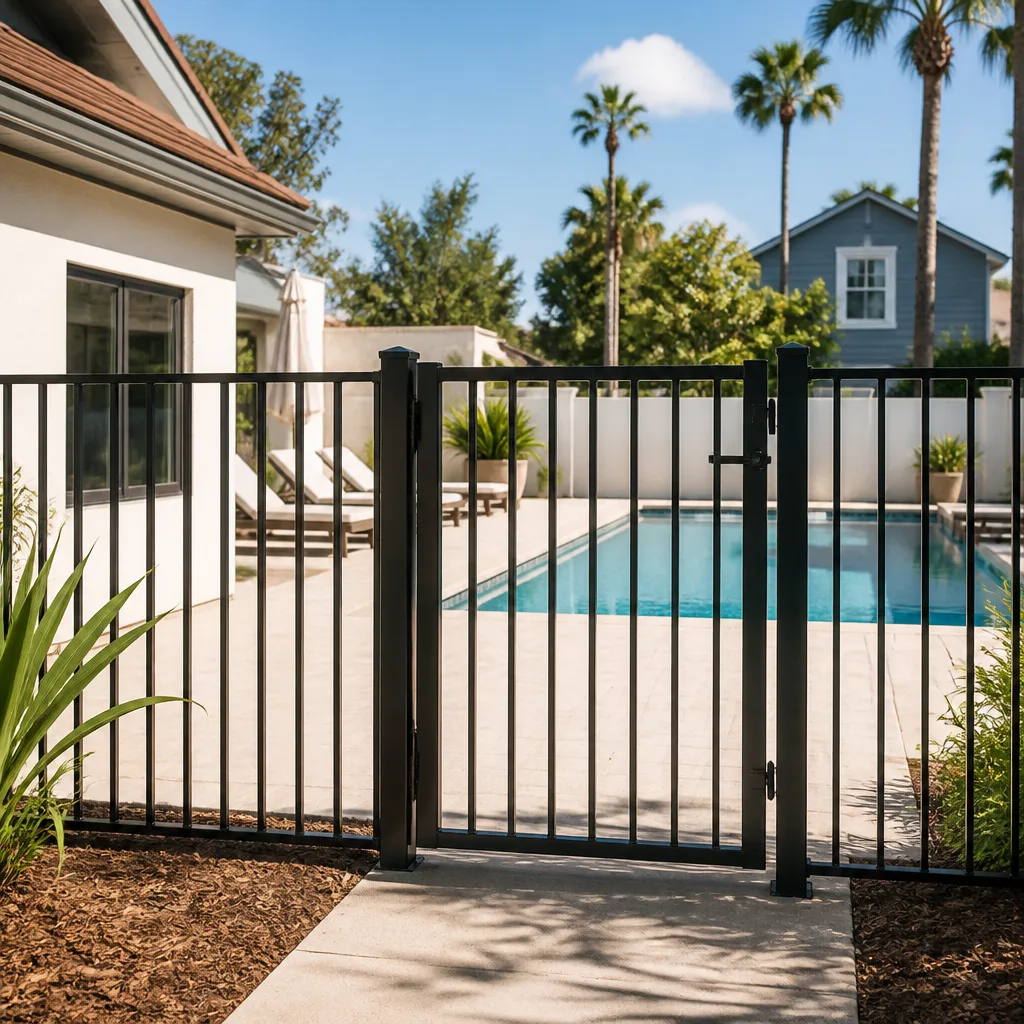
- Pool and spa barriers: If the fence also serves as a pool barrier, different height and self-closing gate rules apply.
- Zone type: R-1 single-family zones have different limits than multi-family or mixed-use zones.
The exact figures depend on your specific parcel, so pull your property’s zoning designation from the city before you design. Spending twenty minutes confirming your zone and front-yard allowance saves weeks of rework. This is the kind of pre-build diligence that separates a smooth project from a stalled one, and it’s a big part of why we treat every Fence Installation in Anaheim project as a planning exercise first and a construction job second.
Shared-Fence Cost and Neighbor Consent: Before, Not After
In California, a fence on or near a property line often becomes a shared fence by default – the “good neighbor” fence model where both sides have an interest. The law doesn’t force your neighbor to split the cost with you. It does mean that building first and asking later is the fastest way to a code complaint, a stop-work order, or a civil dispute that outlasts the fence itself.
Here’s the conversation order that keeps Anaheim projects moving:
- Confirm the line first. Get a survey or use your recorded plat before you tell a neighbor you’re building “on the line.” If your fence crosses onto their lot even a few inches, the whole agreement changes.
- Talk in person, then confirm in writing. A short written note or email confirming the shared-line location, the fence height, the material, and whether cost is shared protects both households.
- Decide who builds on which side. Fences have a “good side” (the finished side) and a structural side. Agree on orientation before install day.
- Document cost-sharing if you split it. If the neighbor contributes, get the amount and scope in writing before the first panel goes up.
- Note any existing encroachment. Older Anaheim homes near the Colony District and along the older downtown blocks sometimes have fences that were built a few inches off line years ago. Address that before you build on top of it.
We’ve seen a 40-foot side-yard fence in west Anaheim stall for six weeks because two households disagreed about who owned the six-inch strip between the fence and a planter. Six inches. A five-minute conversation up front would have saved six weeks. If a neighbor is uncooperative, you can often still build entirely on your own property with a small setback, and that’s worth planning for before you order materials. Consent that’s documented beats a complaint that isn’t.
Which Fence Materials Hold Up to Anaheim’s Sun and Dry Heat
Anaheim’s climate is deceptively tough on fences. We don’t get heavy snow or deep freezes, which makes some materials look like easy wins in a showroom. What we do get is intense UV exposure, months of dry heat, occasional Santa Ana winds, and marine-influenced humidity that rolls in from the coast on summer mornings. Materials that look great in a catalog and fail here in three years share one trait: they weren’t chosen for the sun.
Materials that hold up well in Anaheim
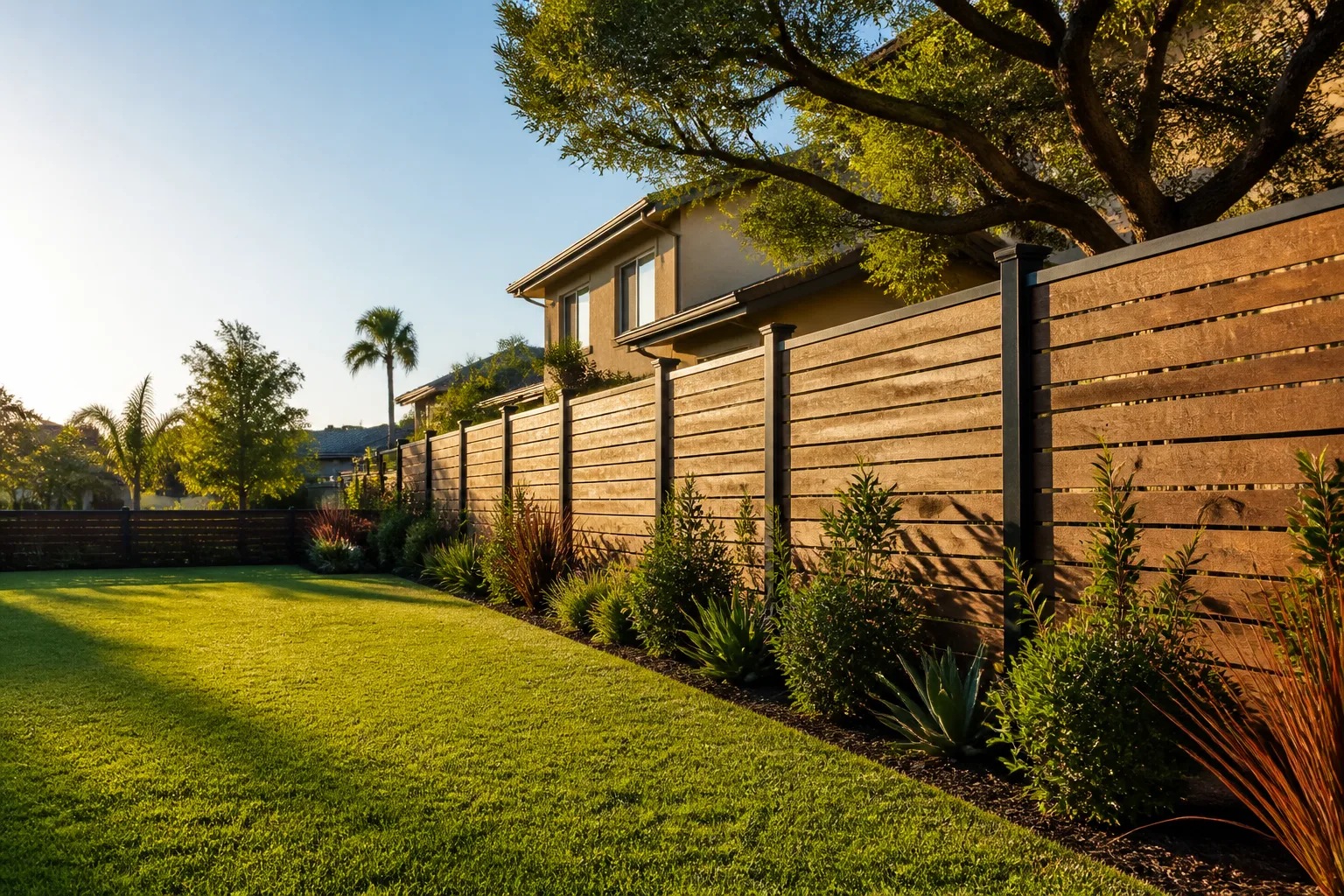
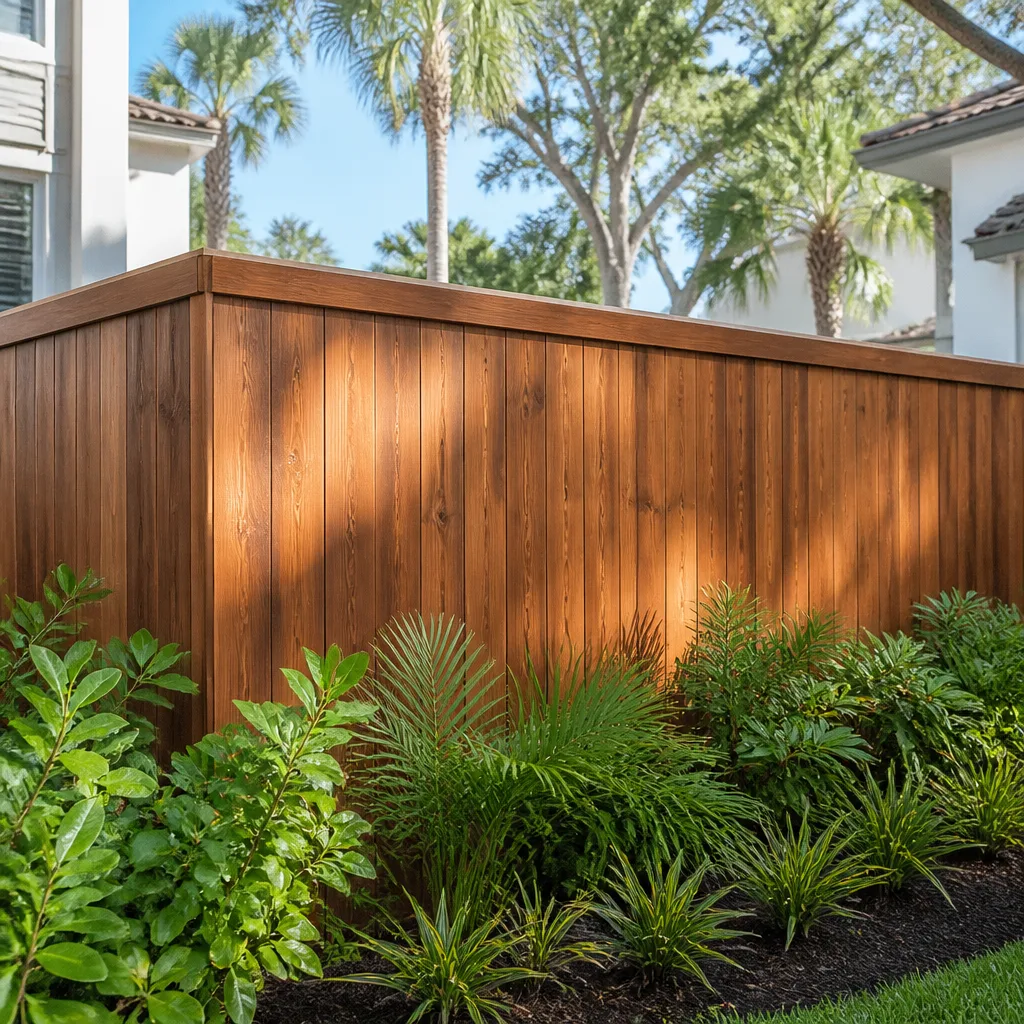
- Cedar and redwood: Naturally rot- and insect-resistant, they handle UV better than most softwoods, though they need periodic sealing or staining every two to three years to keep from graying out.
- Vinyl/composite: Modern vinyl holds color well when it’s UV-stabilized. Cheap vinyl chalks, yellows, and gets brittle in the heat. Look for a UV rating, not just a warranty length.
- Powder-coated aluminum and steel: Excellent for security and view fences, and it doesn’t care about the sun. Powder coat quality matters – a quality brand like Barrette resists chalking far better than low-end import coatings.
- Pressure-treated pine: A practical budget choice, but it needs a good seal and will shrink and check over time in dry heat. Fine for a shorter fence, less ideal for a showpiece.
- Wood with a UV-rated stain system: If you go with wood, a penetrating UV-blocking stain is the difference between a fence that lasts 15 years and one that looks tired in four.
Materials that disappoint in Anaheim’s sun
- Bare, unsealed pine that bleaches and cracks quickly in our summer sun.
- Low-grade vinyl with no UV stabilizer – it gets brittle and can shatter in a wind event.
- Thin-gauge chain-link with unprotected galvanizing that rusts at every cut end.
- Painted steel with a thin, chalky coating that peels within a couple of seasons.
The right choice depends on your goal: privacy, security, curb appeal, or a mix. If you want the full picture, our Groundwork Construction Co. of Anaheim home page lays out how we approach material selection across every project. Choose your material for Anaheim’s UV exposure and wind, not for the showroom.
Post Depth and Concrete Anchoring for Anaheim Wind Loads
Most fence failures we’ve examined in Anaheim aren’t panel failures – they’re post failures. The wood or vinyl panel weathers, but the post either rots, heaves, or leans because the footing was too shallow or the wrong mix. In flat, wind-exposed parts of Anaheim near open corridors, a poorly anchored fence can lean measurably after one good Santa Ana wind event.
Concrete anchoring is where the sturdiness becomes permanent. Here’s the standard we hold to:
- Below frost line: Anaheim doesn’t have deep frost, but post depth of at least 24 to 36 inches is standard for 6-foot fences, with deeper footings on taller or exposed sections.
- Footing diameter: A hole roughly three times the post width, filled with proper concrete mix – not soil, not gravel alone.
- Wind bracing: On tall fences, corner and end posts get extra reinforcement or larger footings because they take the most wind load.
- Drainage: Standing water at the base of a post rots wood. Grade the footing area so water sheds away.
- Crown and rail spacing: Horizontal rails spaced consistently and posts plumb from a string line – not eyeballed – keep a long run straight and rigid.
Post depth also matters near pools and where a fence doubles as a safety barrier. Drilling into a pool deck, digging near plumbing, or hitting irrigation and gas lines is real risk here – if you don’t know what’s buried where you plan to dig, call 811 before anyone breaks ground. If you’re also improving your hardscape, coordinate fence footings with the people installing your pavers and driveway, since post placement and paver borders need to be planned together – the crew working on Driveway & Pavers in Anaheim can flag conflicts before the concrete pours. Post work is not a spot to self-install; the footing depth and concrete mixing are what hold the whole fence against wind decade after decade.
HOA Architectural Review: How to Get Approval in One Pass
If your Anaheim property is in an HOA, the fence isn’t yours to change until architectural review signs off. Getting approval in one pass is mostly about anticipating what reviewers ask for, and giving it to them upfront. HOAs aren’t the enemy here; they’re protecting a consistent community look, and a clean submittal respects that.
Here’s what an HOA architectural review typically asks for:
- A plot plan showing fence location: Mark the fence line on a site plan and note distances to the property line and any structures.
- Height and material specifications: State the exact height and the material (cedar, vinyl, aluminum). Include color and finish.
- Product photos or brochures: Show the style so reviewers can picture it against your neighbors’ fences.
- Neighbor consent letters: Some HOAs ask for written acknowledgment from adjacent lot owners for shared or visible fencing.
- Contractor information: Most HOAs want the licensed contractor identified, and many require proof of insurance.
- Timeline: State a start and end date, since review often requires the work be done in a defined window.
The three rounds of revisions usually come from missing one item: the plot plan. If you include a clear drawing with dimensions, a color photo of the exact style, and your contractor’s info, most reviews clear in a single cycle. Know your HOA’s architectural-request turnaround, too – many Anaheim HOAs run 30-day review windows, so a fence in autumn can’t start until review is done. Plan for it. And if you’re adding a fence as part of a broader build, like an Home Additions & ADU in Anaheim, coordinate HOA approval for the whole project in one submittal instead of back-to-back requests.
Permits, Inspections, and What the City Actually Checks
Permit requirements for fences in Anaheim depend on where the fence sits and how tall it is. Rear and side-yard fences at standard height often don’t need a permit, while taller fences, front-yard fences, and fences in certain zones usually do. The city’s check isn’t arbitrary; it’s about sight lines and safety, which is why front-yard heights get looked at closely.
Here’s what the city typically evaluates when a permit is required:
- Height and placement: Measured from grade to the top of the fence, with sight-distance limits near corners.
- Permit-only thresholds: Anything over the standard rear-height allowance usually requires a permit, and sometimes a design review.
- Inspection points: Many projects require a post-footing inspection before panels go up – if posts are discovered later to be shallow, the fence comes down.
- Pool barrier compliance: Fences serving as pool barriers get checked for height, gaps, and self-closing gates.
- Contractor license on file: Anyone pulling the permit for you must be licensed and insured to do the work.
Our approach is to pull the permits and pass the inspections – the paperwork is our job, not yours. If a contractor ever suggests “just building it and dealing with it if anyone asks,” that’s a red flag. The permitting process is what a good homeowner wants, because it protects your investment and your future buyer’s due diligence.
The Install Process Step by Step
A well-run Anaheim fence install follows a steady order. Every step has a reason, and skipping one is how corners get cut. Here’s how it goes from start to finish.
- Site walk and layout (half a day): Confirm the fence line against the survey or plat, check for utilities (811), and stage materials.
- Permission and paperwork check (0 to 30 days): Confirm permit status and HOA approval before any digging.
- Post hole digging and footings (1 to 2 days): Dig to the required depth, set posts plumb along a string line, and pour concrete footings.
- Footing cure and inspection (1 day): Allow concrete to cure; pass any required post inspection.
- Rails and panel installation (1 to 2 days): Attach rails and panels or pickets, keeping height and line consistent.
- Gates and hardware (half a day): Hang gates, install hinges and latches, and confirm swing and clearance.
- Sealing, staining, and final walkthrough (half a day): Apply UV stain or sealant if the material requires it, then walk the fence with you and confirm the details.
Most residential Anaheim projects finish in two to five days of active work, with a bit more time for curing and any inspection. Larger runs, complex gates, or windy exposed sections can push that. Background-checked, uniformed technicians handle every step, and most standalone fence jobs are completed in a single visit once materials are on site. If you’ve been burned by a crew that disappeared mid-project, the schedule discipline matters as much as the materials.
What Fence Installation Costs in Anaheim
Fence pricing in Anaheim is driven by linear footage, material, height, footing conditions, and whether you need a permit or HOA sign-off. Here are the range estimates we see in the market:
- Pressure-treated pine, 6-foot: roughly $35 to $55 per linear foot.
- Cedar or redwood, 6-foot: roughly $50 to $80 per linear foot.
- Vinyl or composite, 6-foot: roughly $55 to $90 per linear foot.
- Powder-coated aluminum or steel: roughly $60 to $110 per linear foot.
- Gates: add $300 to $1,200 depending on width, material, and hardware.
- Permit and HOA submittal: plan for a few hundred dollars in fees and time.
- Removal of an old fence: typically $3 to $8 per linear foot.
For a typical 100- to 150-foot residential fence in Anaheim, that puts most projects between $3,500 and $12,000. Site conditions matter just as much: rocky soil, sloped grades, and hardscape access add cost. The number you see from us is the number you pay; there are no change orders mid-job. And if we’re already on site for a larger project, bundling a fence with other work often beats a standalone install on cost. If you’re weighing fence versus other exterior upgrades, our team can walk you through where the value sits on your specific lot.
Common Mistakes to Avoid
- Building before confirming the property line. Even a few inches over the line turns a fence into a dispute. Verify first with a survey or your plat.
- Ordering panels before you know the height limit. Front-yard and corner lots can be capped far lower than rear yards. Confirm your zone before you buy materials.
- Skipping the neighbor conversation. In Anaheim, shared-line fences and older off-line fences are common. Get consent in writing before install day, not after a complaint.
- Choosing a material for showroom appeal over UV resistance. Cheap vinyl and unsealed pine look great for one season in our sun and then don’t. Screen for UV rating, not just style.
- Shallow footings or soil-only post setting. This is the number-one reason fences lean in Santa Ana wind events. Post depth and concrete anchoring are non-negotiable.
- Submitting a bare HOA request without a plot plan. Missing one item triggers revision rounds. Include dimensions, material, color, and contractor info the first time.
- Digging without checking for buried utilities. Irrigation, gas, and pool plumbing are common. Call 811 and know what’s under the line before any post hole goes down.
See the difference
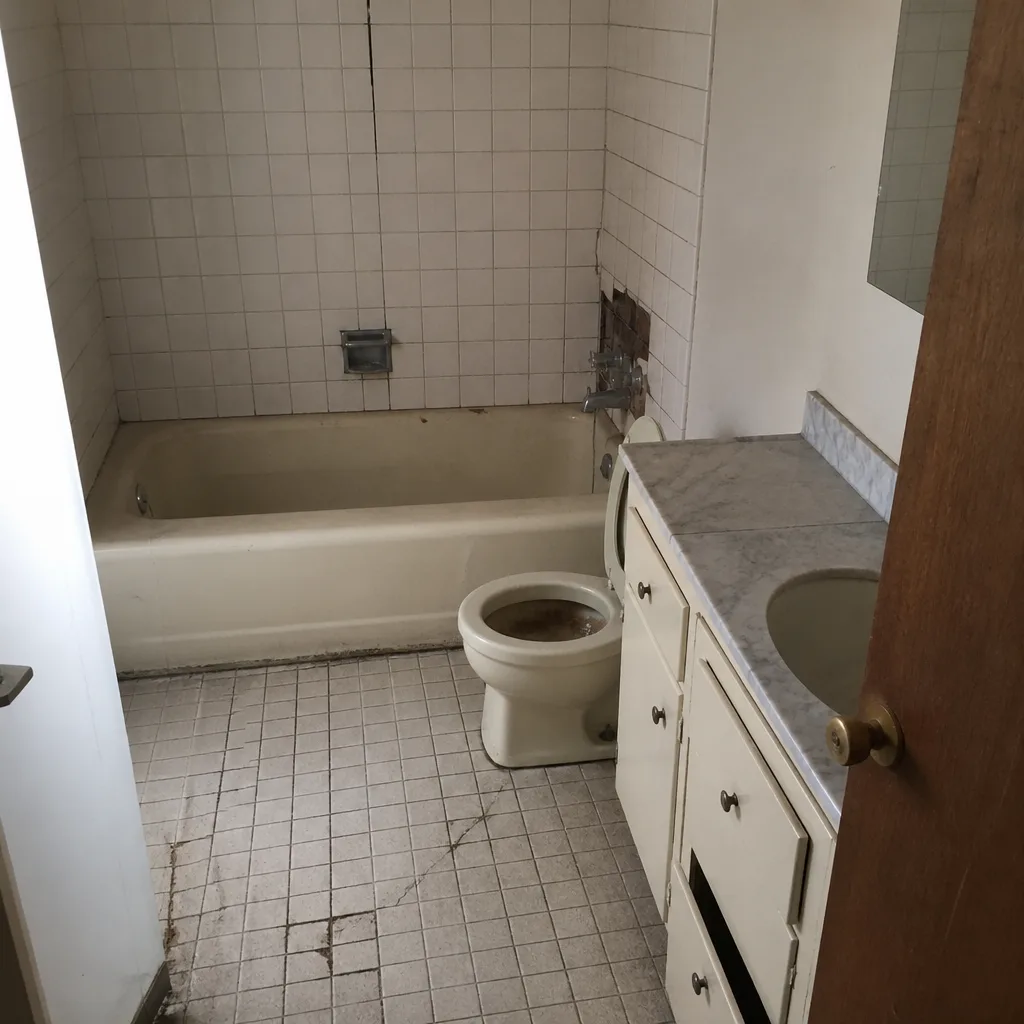 Before
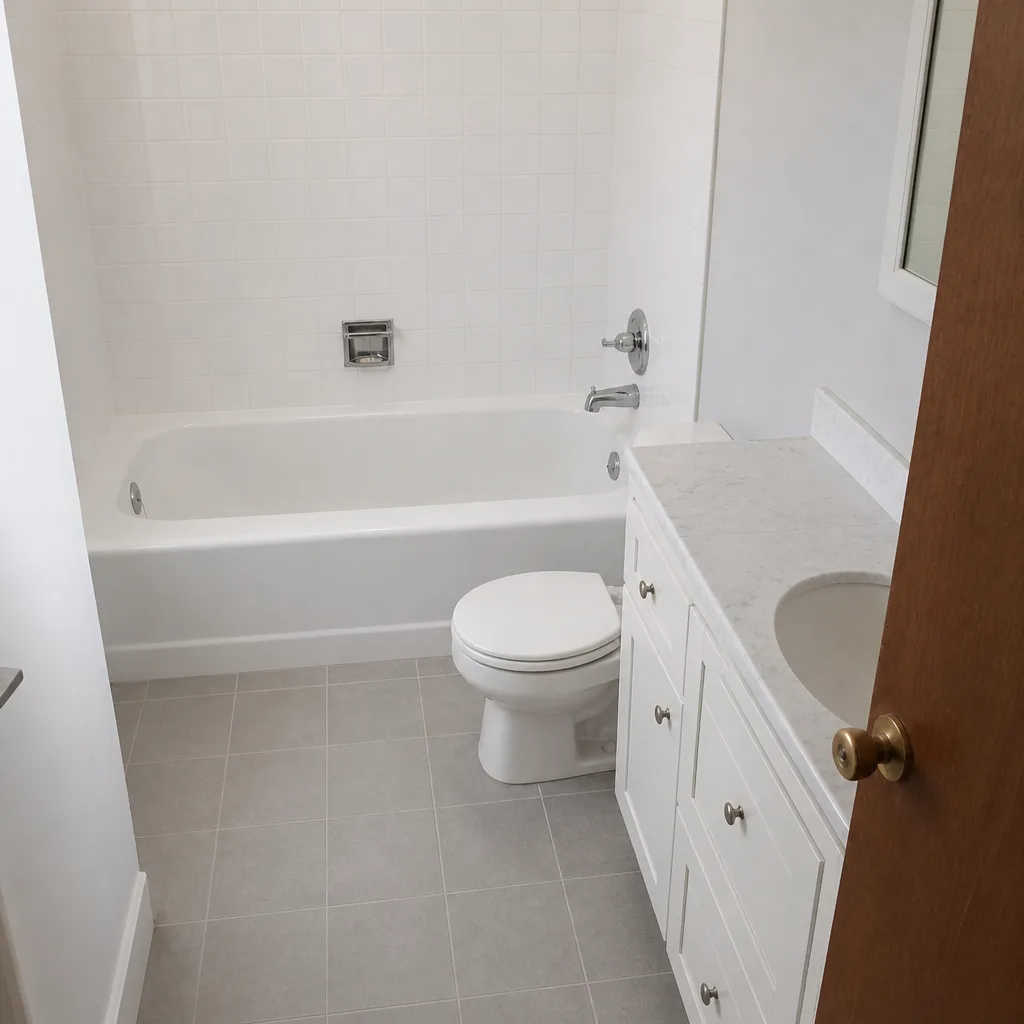 After
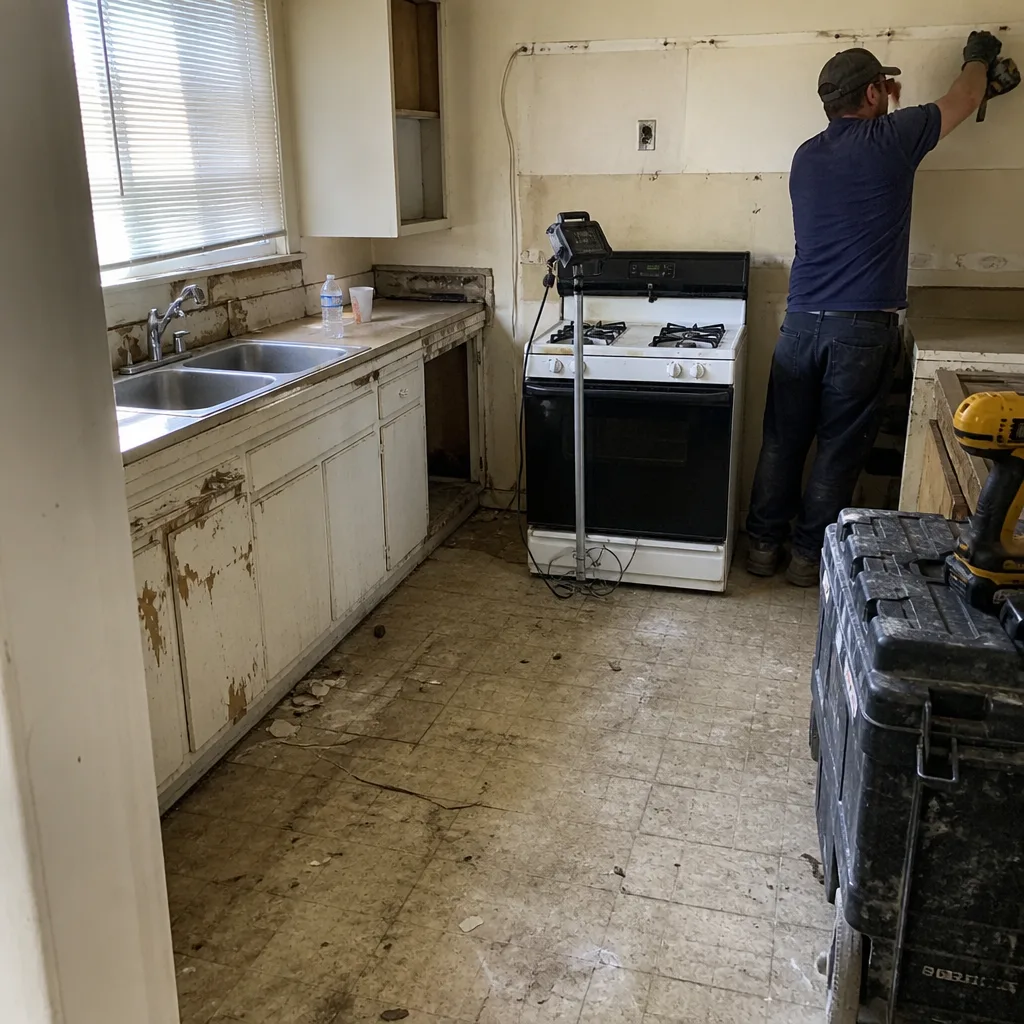 Before
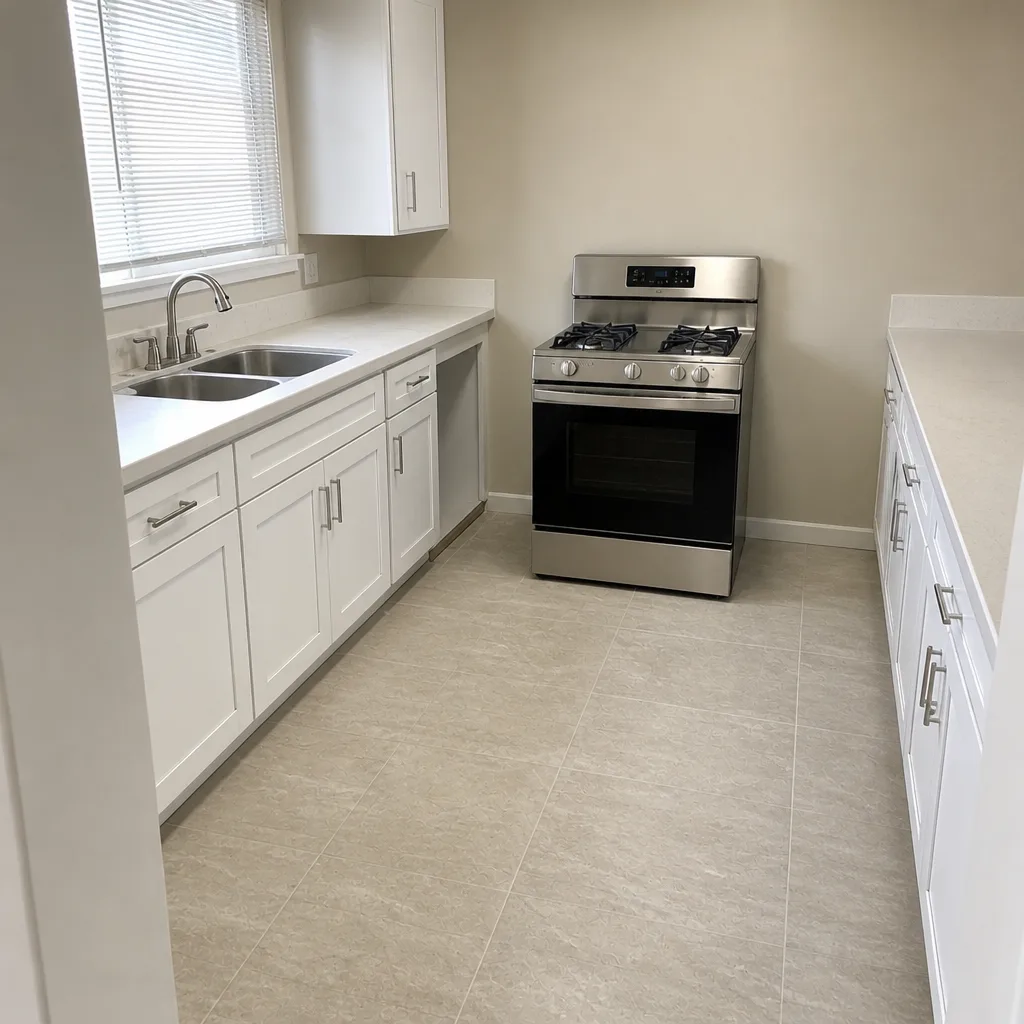 After
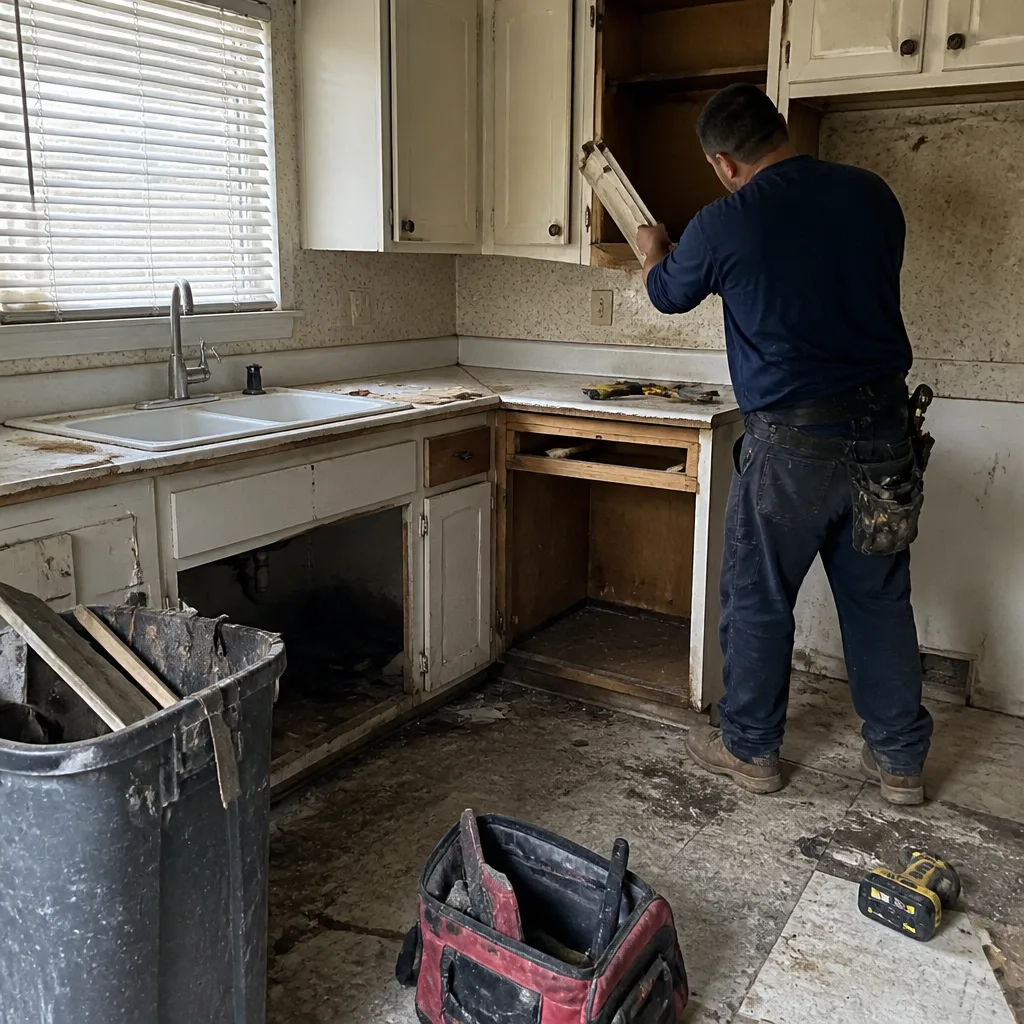 Before
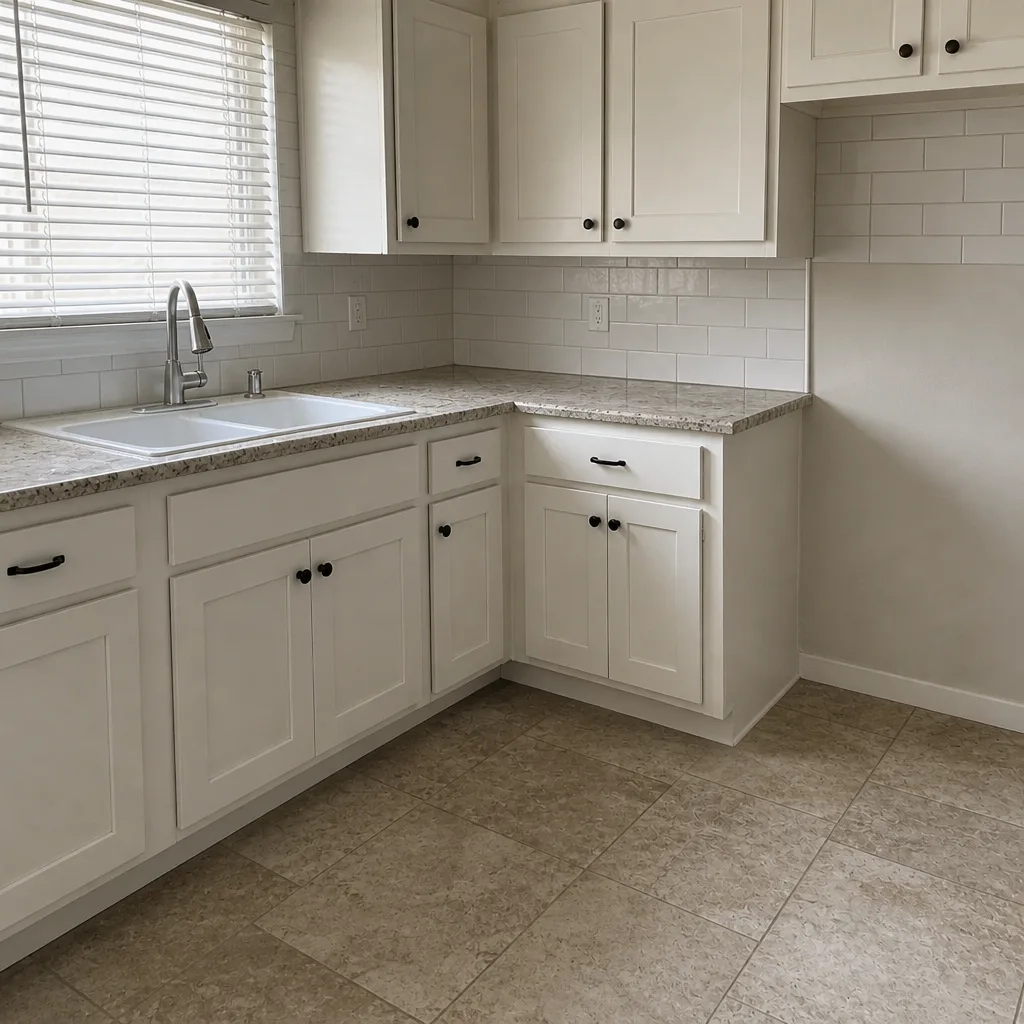 After
When to Call a Professional
Some fence work is a straightforward material-and-time calculation, and some isn’t. Call a professional when your fence is on or near a property line, when your property is in an HOA, when you need a permit for height or placement, when the fence serves as a pool barrier, or when the site has sloped grade, buried utilities, or a rocky soil profile. Fence post footings and anchoring are the parts most likely to fail if done by eye, and the wind load in exposed Anaheim areas makes that failure visible fast. If your neighbor relationship is already tense or the line is in question, professional guidance up front saves a lot of downstream headache. Groundwork Construction Co. of Anaheim offers free estimates in Anaheim – call (888) 300-3178. Our technicians have up to 12 years of experience, all work is backed by our 730-Day Done Right Promise, and you get upfront pricing with no surprises. Your call is answered by a live person, 24/7.
Frequently Asked Questions
Rear and side-yard fences in Anaheim are commonly up to 6 feet tall, sometimes up to 7 feet with a permit, while front-yard and corner-lot fences are usually capped at 3 to 4 feet with sight-distance clearance at intersections. The exact limit depends on your zone and where the fence sits on your lot, so confirm with the city before you order materials. Call (888) 300-3178 for a free estimate – we’ll walk you through your specific lot.
Many rear and side-yard fences at standard height don’t need a permit, but taller fences, front-yard fences, and fences in certain zones or serving as pool barriers usually do. When a permit is required, expect a post-footing inspection before panels go up. We pull the permits and pass the inspections for you, and estimates are free – call (888) 300-3178.
No. California’s good-neighbor fence rules do not require your neighbor to split the cost with you, even when the fence sits on a shared line. What the rules do require is that you not build onto their property or create a nuisance, so get written consent and confirm the line before work starts. Call us for a free estimate and we’ll help you plan a fence that respects the line.
Cedar, redwood, UV-stabilized vinyl, and powder-coated aluminum hold up best to Anaheim’s UV exposure, dry heat, and Santa Ana winds, while bare unsealed pine and low-grade vinyl fail fastest. Choose a material with a real UV rating and a good finish system, not the one that looks best in a showroom. Call (888) 300-3178 for a free estimate on the material that fits your yard.
Most 6-foot fences use footings at least 24 to 36 inches deep with a concrete footing roughly three times the post width, with deeper footings on taller or wind-exposed sections. Shallow footings and soil-only setting are the top cause of leaning fences in our area, especially in exposed corridors. This is work for a trained crew – call (888) 300-3178 for a free estimate.
Most residential Anaheim fence projects take two to five days of active work, plus footing cure time and any inspection. Larger runs, complex gates, or sloped and rocky sites can add a day or more. We’ll give you a real schedule with your free, written, line-item estimate – call (888) 300-3178.
The Bottom Line
Fencing in Anaheim is decided before the first post goes in the ground. Confirm your property line and zone, know your height limit for your lot type, have the neighbor conversation and put it in writing, pick a material built for UV and wind, anchor the posts deep in concrete, and get your HOA submittal right the first time with a plot plan and contractor details. Handle those and the install itself is the easy part – two to five days, clean and to spec. Skip them and you’ll meet the same permit, neighbor, and HOA obstacles that stall the projects we see most often. From foundation to finish line, we build it to last and back it in writing with the 730-Day Done Right Promise, upfront pricing with no surprises, and background-checked, uniformed technicians on every job.
Ready to get a real number instead of a guess? Call Groundwork Construction Co. of Anaheim at (888) 300-3178 for your free estimate and design consult in Anaheim. A live person answers around the clock, and your written, upfront, no-surprise quote comes with 0% financing for 18 months plus $1,000 off projects over $10,000. Our technicians have up to 12 years of experience, and the 730-Day Done Right Promise means if it’s not done right, we make it right.
Written by the team at Groundwork Construction Co. of Anaheim.