Free written scope consultation - allowances, timeline, and change-order rules on paper before a single trade is scheduled
Styles & brands we work with
- Kitchen remodeling
- Bathroom remodeling
- Home additions & ADU
- Roofing
- Windows & doors
- Driveway & pavers
- Fence
See the difference
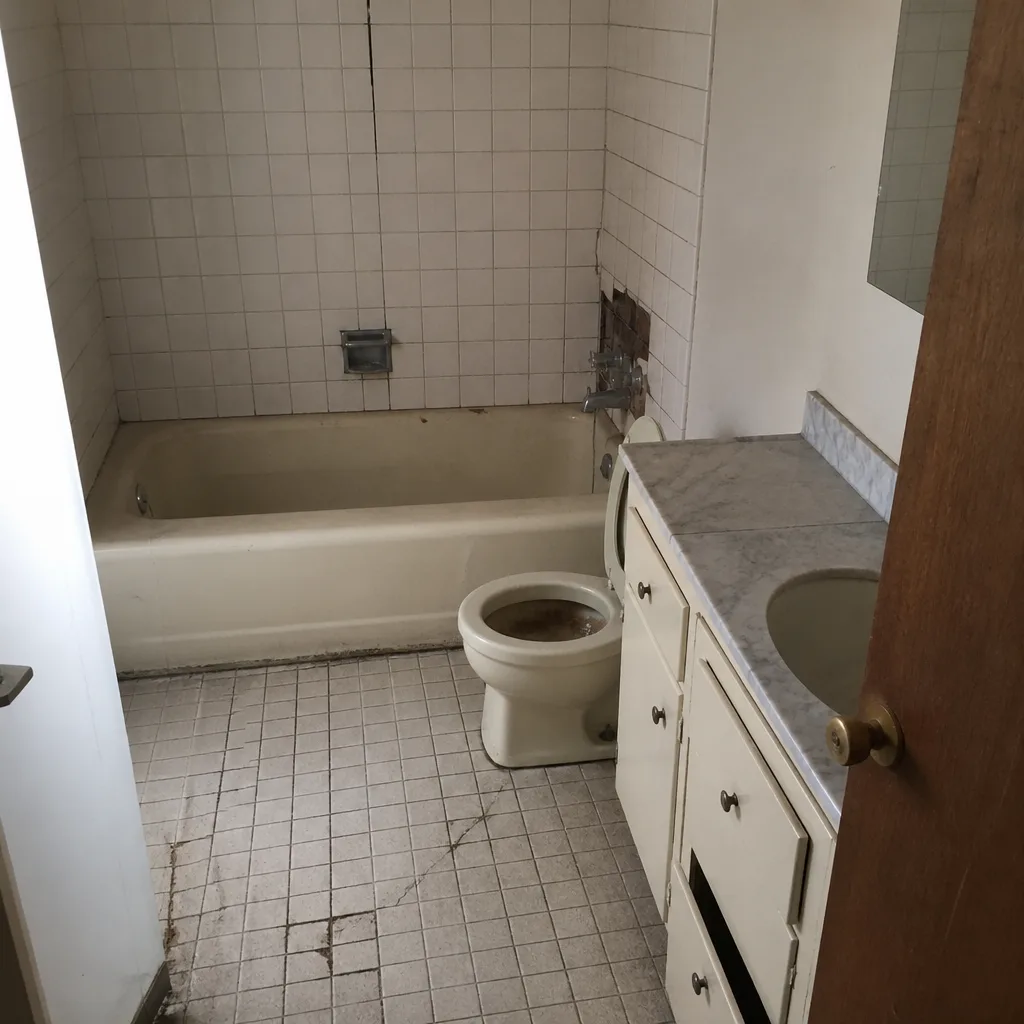 Before
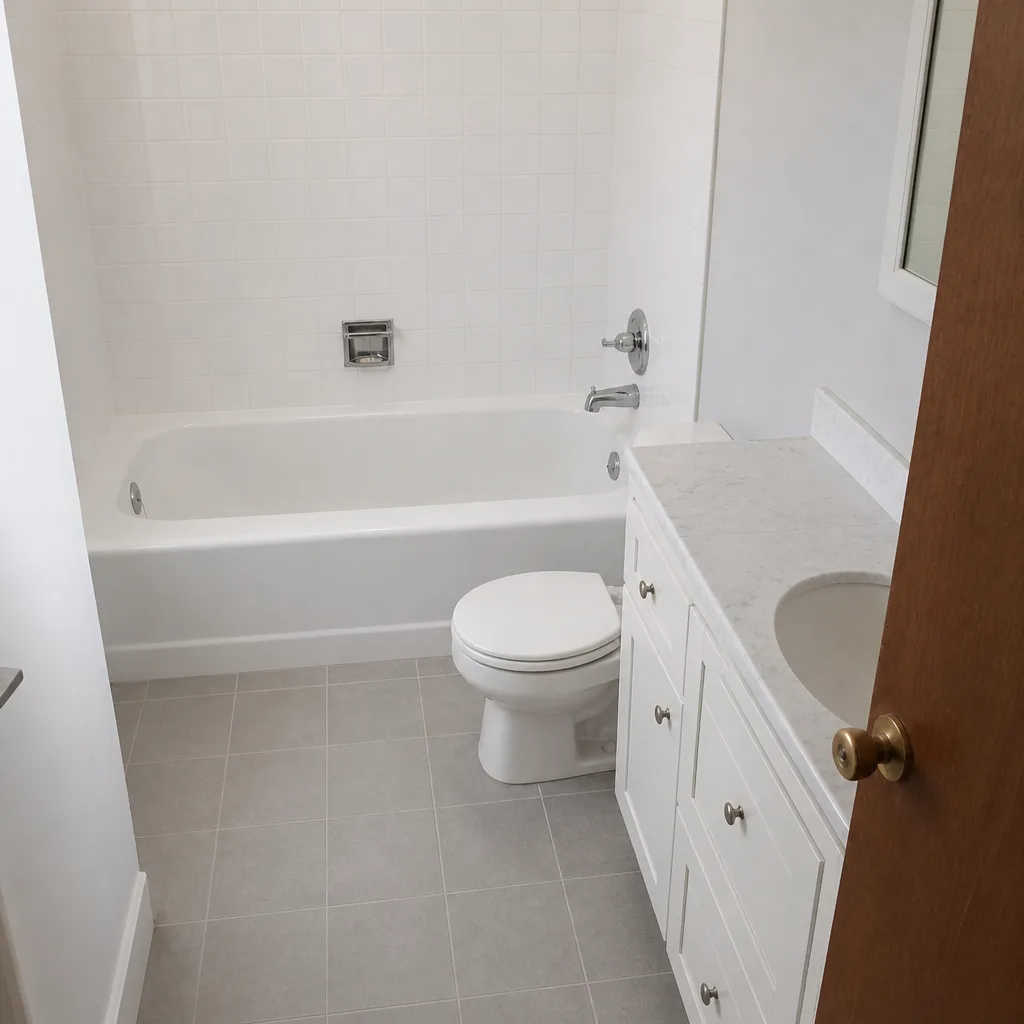 After
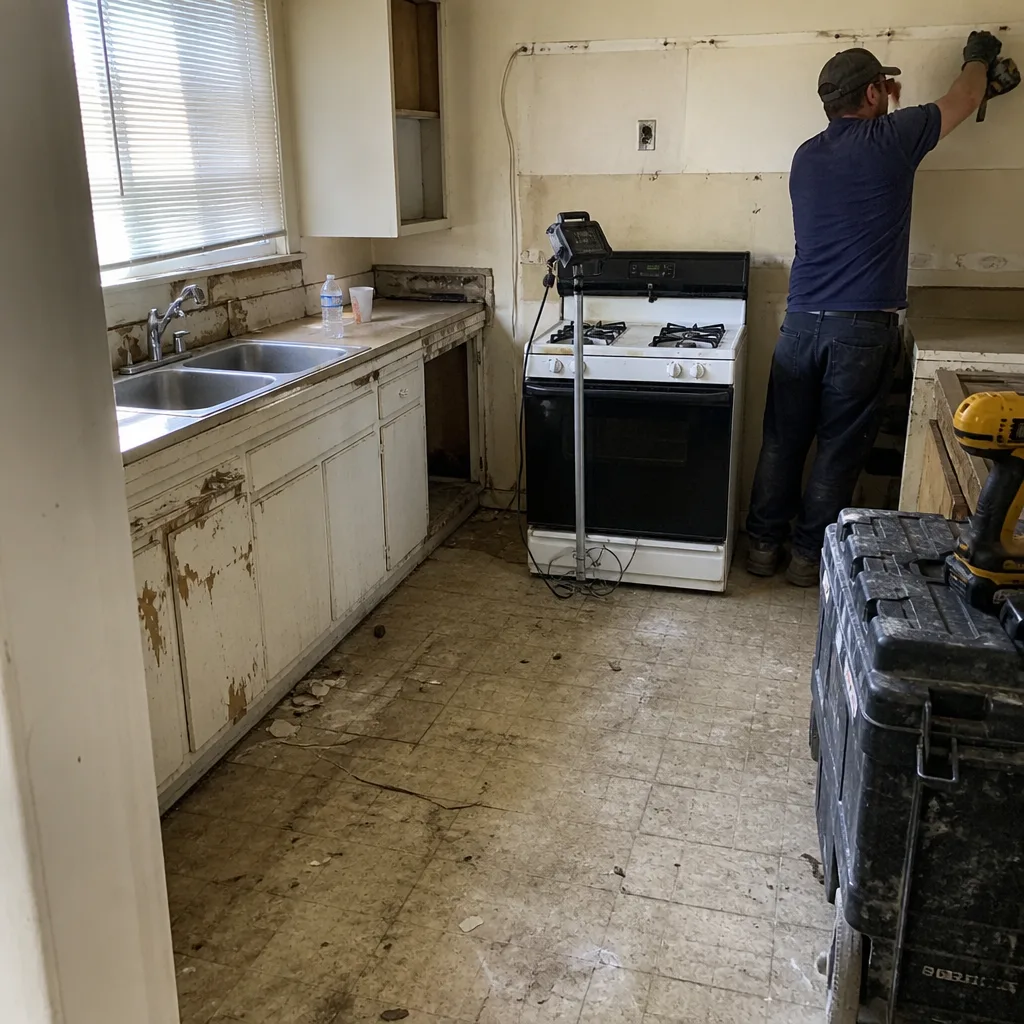 Before
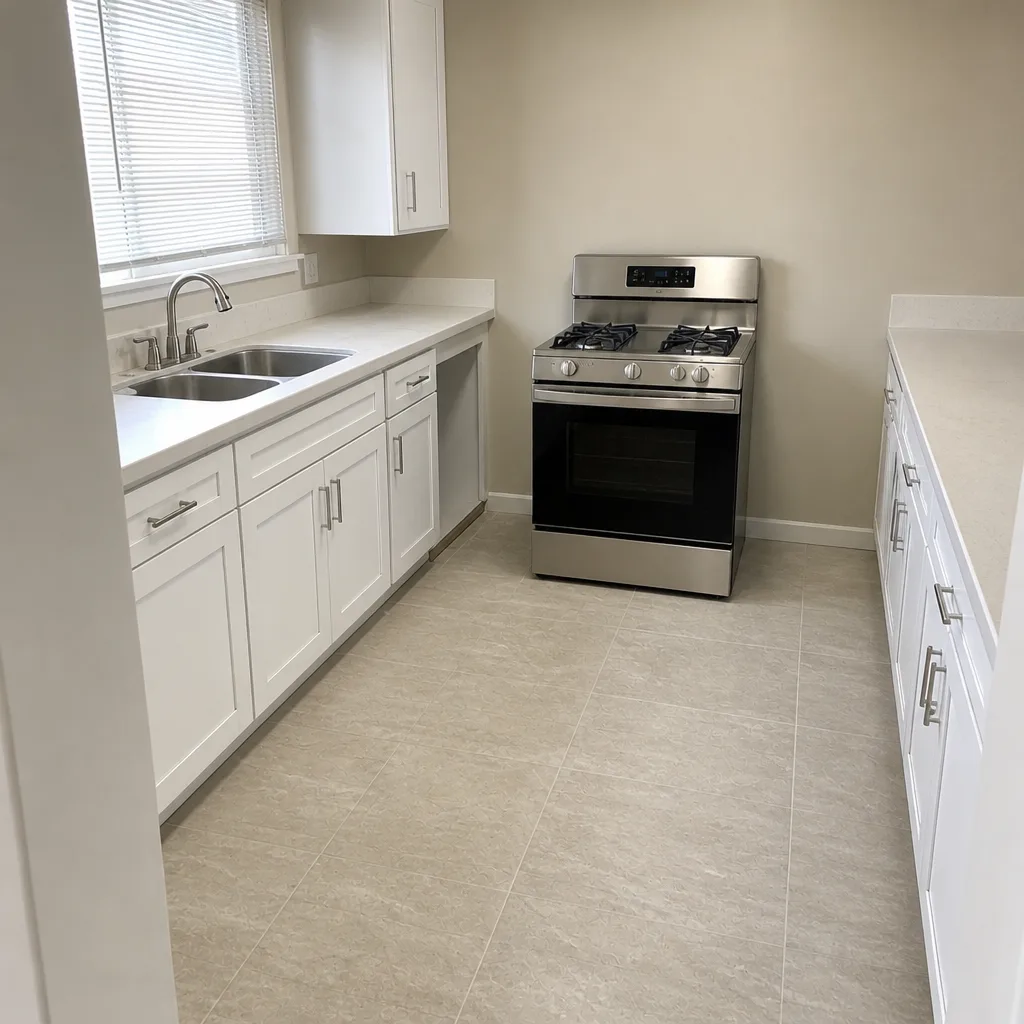 After
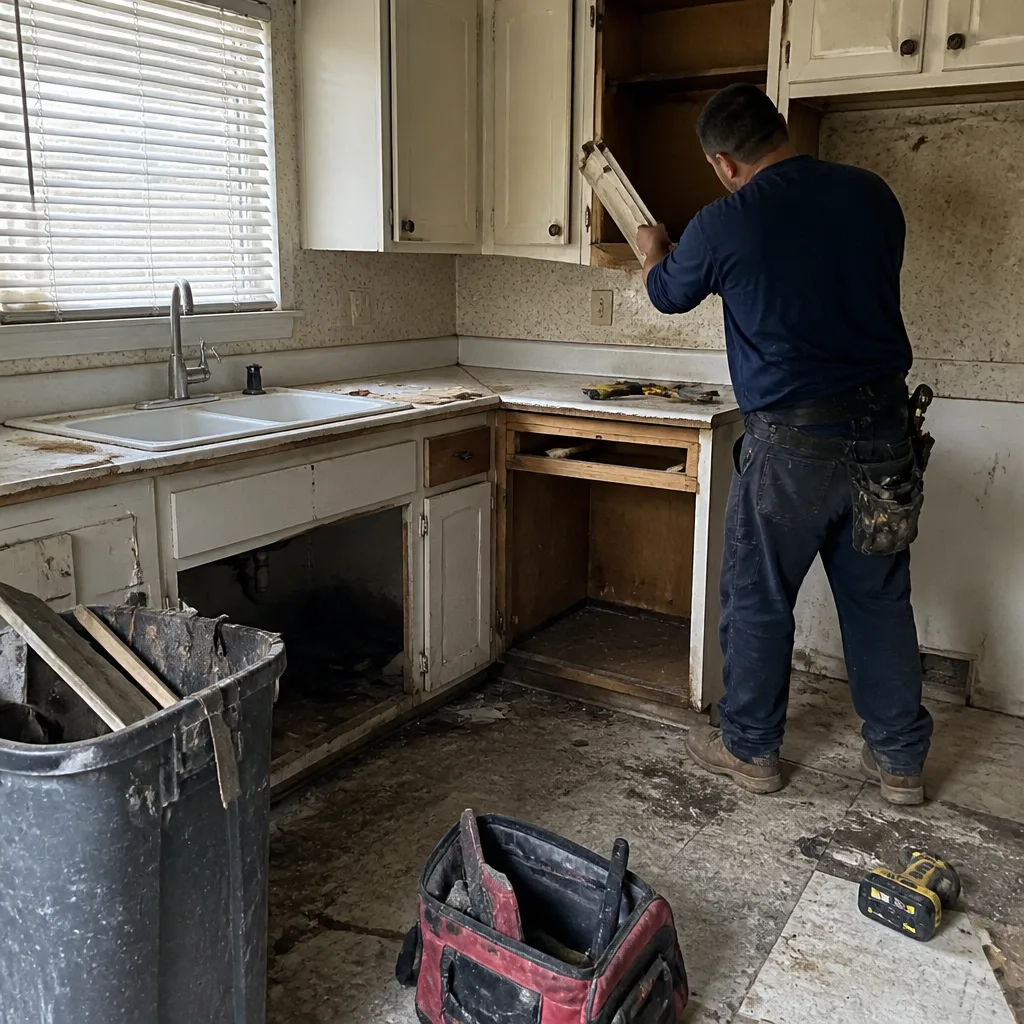 Before
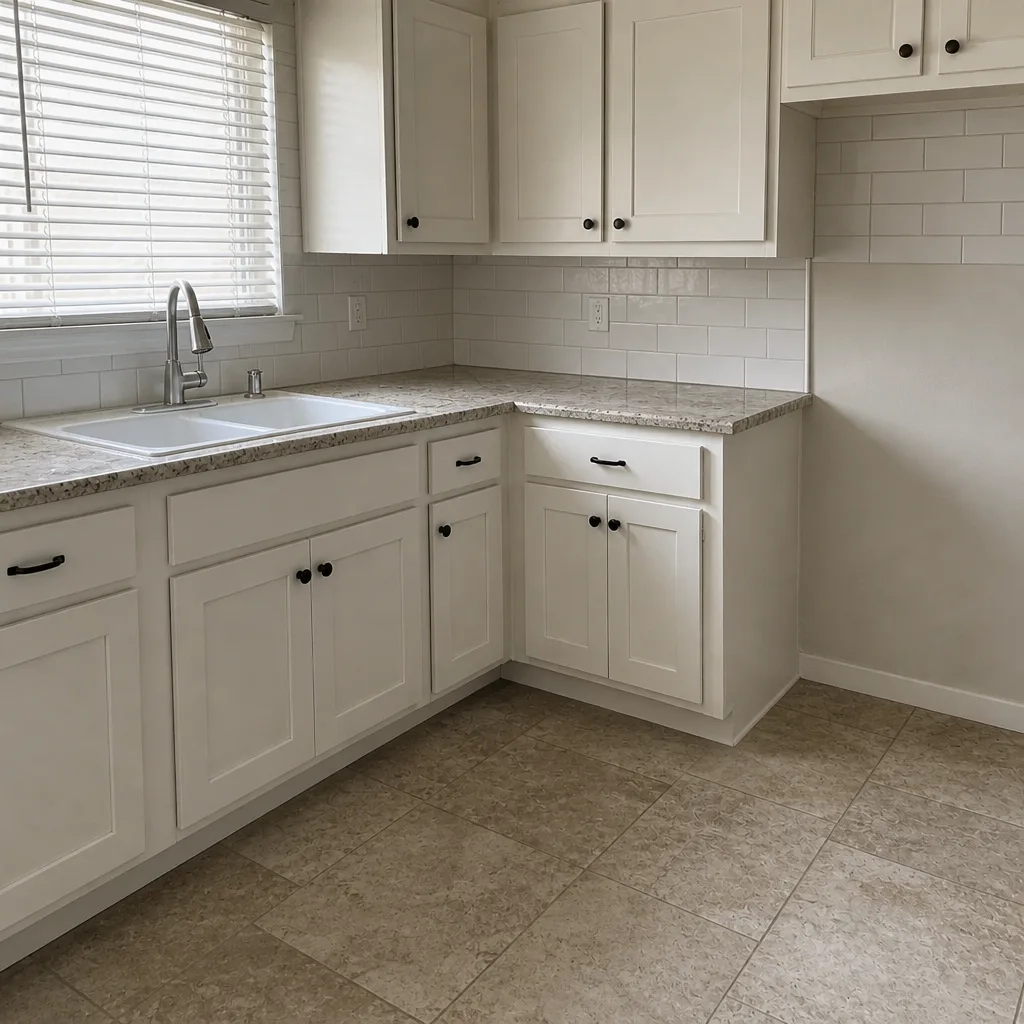 After
Cabinet Refacing vs. Replacement in Anaheim, CA: The Box-Condition Test That Decides It
Choose refacing in Anaheim unless the cabinet boxes themselves are compromised, the footprint needs to change, or your kitchen gets heavy west-facing sun. Cabinet refacing is the right answer about 60% of the time, but in a pre-1970 Anaheim home there’s a specific three-part box-condition test you should run before anyone gives you a quote. The test tells you more than any brochure can, because the deciding factor isn’t door style or finish color. It’s what’s behind the doors. Call (888) 300-3178 and we’ll walk your kitchen with you, no pressure either way.
Anaheim is essentially two construction markets in one, and that split shapes every kitchen decision here. Around the Resort District, work runs on hotel schedules. In the older residential grid – the Colony, west Anaheim, the postwar tracts – you’re dealing with 1950s-60s single-story slab homes where the original cabinets are still standing, original plumbing is often a coin flip, and there’s no crawlspace to crawl into. Groundwork Construction Co. of Anaheim works both sides of that line, and the older housing stock is where the refacing conversation gets interesting.
Key Takeaways
- Refacing keeps your existing boxes and replaces doors, drawer fronts, veneer and hardware. Replacement removes everything and starts fresh.
- Press-test every base cabinet floor. Moisture-softened particleboard in pre-1970 Anaheim kitchens is the single most common reason refacing turns into a bad bet.
- When more than two base cabinets have compromised floors, or box repair tops 30% of the refacing quote, replacement wins on 10-year value.
- Want to move the range, add a cabinet run, or take wall cabinets to the ceiling? Refacing locks the footprint. Replacement doesn’t.
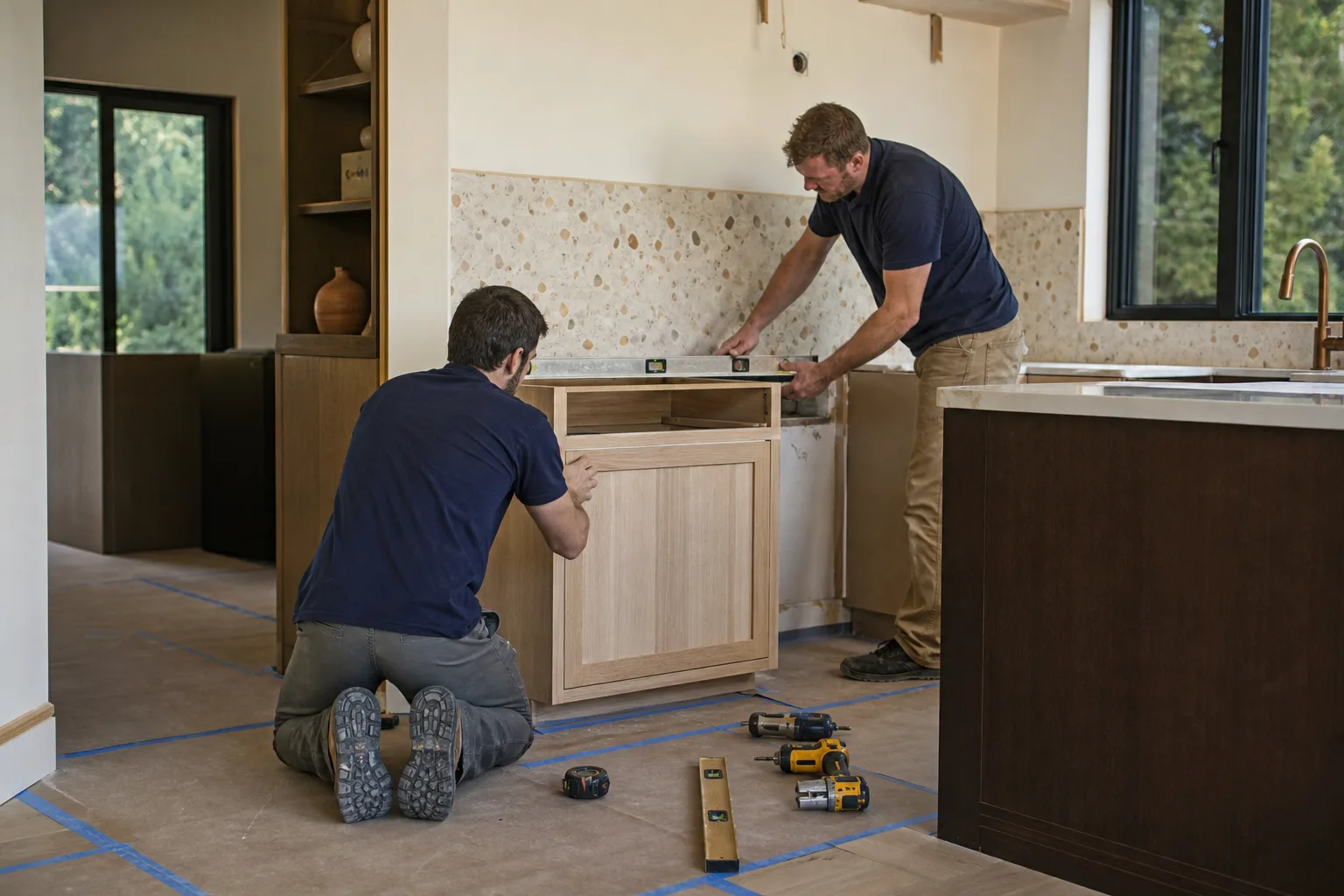
What Is the Difference Between Cabinet Refacing and Replacement?
Refacing reuses the cabinet boxes and replaces what you see and touch: doors, drawer fronts, veneer skins on the box faces, and hardware. Replacement pulls the boxes out entirely and installs new cabinetry, so the structure, dimensions and warranty all start fresh. The cost gap is real but narrower than most homeowners expect, and it narrows further in older Anaheim homes where the boxes themselves need repair before refacing can happen at all.
| What changes | Refacing | Full replacement |
|---|---|---|
| Cabinet boxes | Reused as-is (or repaired first) | New, factory-built |
| Layout | Locked to existing footprint | Fully reconfigurable |
| Interior depth and inserts | Limited by existing box dimensions | Built to modern standard |
| Workmanship warranty | Applies to installation | Applies to installation, plus fresh product warranty |
| Typical Anaheim range | Lower end of $14,000-$45,000 in a full kitchen remodel context | Upper end of that range, more with layout changes |
Neither column is “better.” The question is which one your specific boxes and your specific plans can actually support. That’s where the test comes in.
The Three-Part Box-Condition Test for Anaheim Kitchens
Run this before you accept a refacing quote. It takes about ten minutes with a flashlight and your hands, and it will save you from a shortcut you’ll regret.
1. Press-test the floor of every base cabinet
Push down firmly on the bottom panel inside each base cabinet, especially under the sink. Softness, flex or a spongy give means moisture has gotten in. Decades of minor under-sink leaks are practically a fixture in pre-1970 Anaheim slab homes with original plumbing, and particleboard that’s been damp and re-dried loses its structure. A cabinet box that flexes won’t hold a new door’s hinges for long, no matter how good the veneer looks on day one.
2. Identify face-frame vs. frameless construction
If you can see a wood frame around the cabinet opening with the door resting against it, you have face-frame construction, which is what most Anaheim tract kitchens were built with. Frameless boxes from this era are uncommon, and they need different adhesion prep for veneer because there’s no frame edge to hide a seam. A refacing quote that assumes face-frame without checking is a quote built on an assumption.
3. Measure interior depth against today’s standard
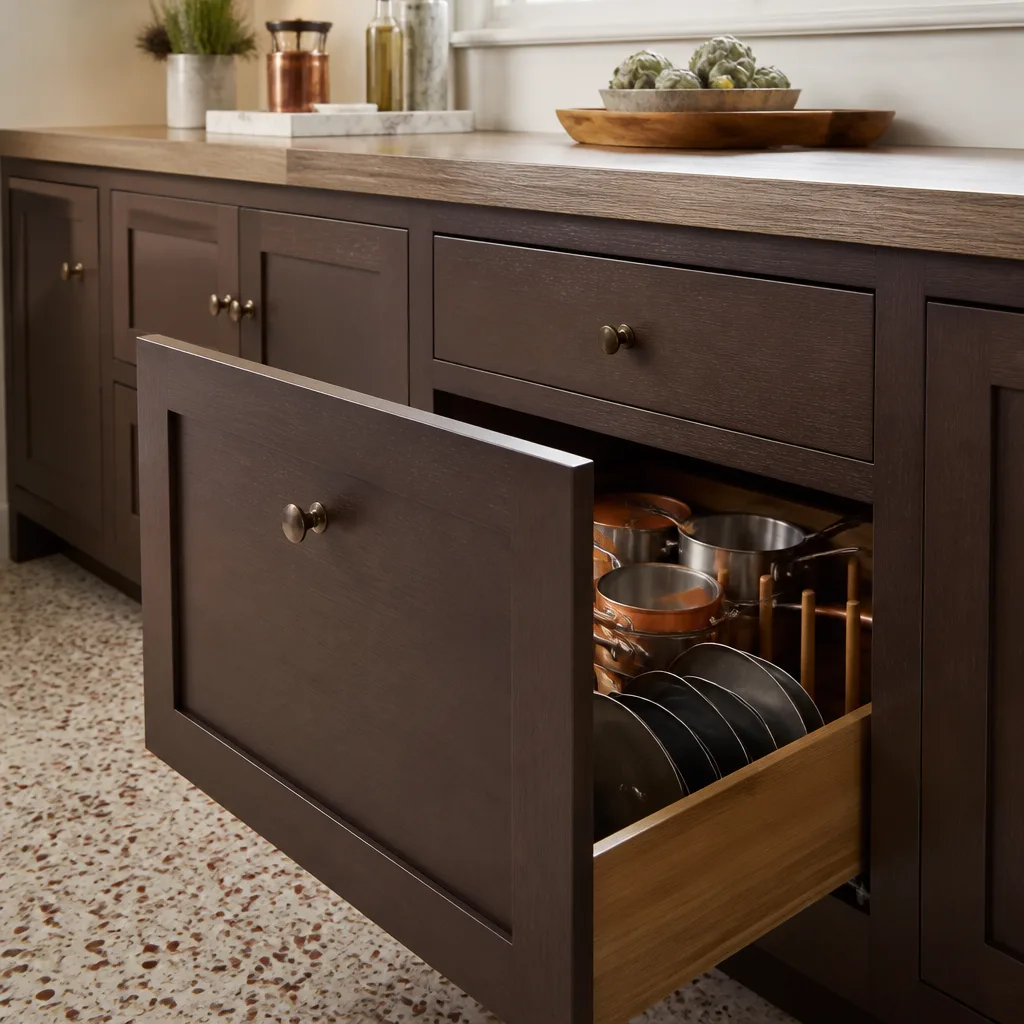
Measure front-to-back inside a base cabinet. Many original tract kitchen boxes in Anaheim run 11 to 12 inches of interior depth versus the 12-inch standard modern cabinets are built to. That difference matters after refacing, because it limits which pull-out organizers, deep drawers and inserts will actually fit. If you’ve been picturing a drawer full of pot lids sliding out smoothly, confirm the box depth first.
When Does Replacement Beat Refacing?
Replacement wins when the boxes fail the test above, when you want to change the layout, or when the sun load on your kitchen is heavy. We give you a straight answer on all three, because a refacing job that fails in year three helps nobody.
- The 30% crossover. When box repair pushes past 30% of the total refacing quote, replacement delivers better 10-year value because you’re paying new-cabinet money for old structure. Replacement also restarts the structural warranty clock; refaced boxes carry the history they were built with.
- Two or more bad boxes. If more than two base cabinets have compromised floors or backs, replacing the whole run costs less over time than piecemeal repair and stays structurally consistent.
- Layout changes are off the table with refacing. Adding a base cabinet run, taking wall cabinets to the ceiling, or reconfiguring around a relocated range or sink all require moving boxes. Refacing locks the footprint exactly where it sits.
- Anaheim’s UV load. In kitchens with west-facing windows, adhesive-applied veneer faces more thermal cycling stress than a factory-finished door. That’s an honest limitation of refacing that most refacing vendors won’t volunteer, and Anaheim’s hot, dry summers and sun-baked lots make it worse than a milder climate would.
Our technicians have up to 12 years of experience reading exactly these conditions. When the boxes are sound and the layout stays, we’ll say refacing and mean it. When they aren’t, we’ll show you why.
What Does Cabinet Work Cost in Anaheim?
Cabinet installation in Anaheim runs $4,000-$13,000 as a standalone line item. Drop that into a full kitchen and the combined scope lands in our $14,000-$45,000 range for a complete Kitchen Remodeling project, depending on cabinetry tier, countertops and whether walls move. Refacing sits lower in that band because you’re not buying boxes. Replacement sits higher.
What you get for the difference matters. Semi-custom cabinetry offers sizing between stock and full custom, which closes the gap that makes replacement feel out of reach in a small Anaheim kitchen. We build around KraftMaid’s semi-custom line specifically for that reason: the dimensional flexibility lets us solve an 11-inch box problem instead of living with it. Pair that with the 730-Day Done Right Promise on installation, and you have layered coverage on cabinets you’ll open 20 times a day.
Upfront pricing, no surprises: the number you see is the number you pay. A free project estimate and design consult is standard, projects over $10,000 qualify for $1,000 off, and 0% financing for 18 months makes the larger number manageable.
Frequently Asked Questions
Only if the boxes pass the press test and you’re keeping the layout. Refacing is worth it when the structure is sound and you want new doors and hardware without the cost of new cabinetry. In pre-1970 Anaheim tract homes, box condition is the deciding factor, not the refacing method itself. Call (888) 300-3178 and we’ll give you a straight read on your boxes, free.
Refacing costs less than replacement in the same kitchen, and both fit inside the $14,000-$45,000 range for a full kitchen remodel here, with cabinet installation alone running $4,000-$13,000. Replacement lands toward the top of the range once you add new boxes, sizing and fresh warranty coverage. Call (888) 300-3178 for an exact quote; estimates are free.
No. Refacing keeps the existing cabinet footprint, so adding a base run, raising wall cabinets to the ceiling or relocating an appliance all require replacement instead. If the layout is staying put, refacing is on the table; if it isn’t, plan for new boxes. Worth a conversation before you commit either way.
Not always, and sun exposure is the reason. In kitchens with west-facing windows, adhesive-applied veneer faces more thermal cycling stress than factory-finished doors, and Anaheim’s hot, dry summers accelerate that. Factory finishes hold up better over a 20-year horizon in those conditions. A quick assessment tells you whether your kitchen gets enough sun to tip it; call (888) 300-3178.
Get a Straight Answer on Your Cabinets
If you’d rather have it looked at, Groundwork Construction Co. of Anaheim offers a no-pressure assessment in Anaheim. We’ll press-test the boxes, measure the depth and tell you plainly whether refacing makes sense or replacement is the better 10-year call. From foundation to finish line, one contractor handles it all, backed in writing by the 730-Day Done Right Promise. Call (888) 300-3178 for a free estimate and design consult.
Written by the team at Groundwork Construction Co. of Anaheim, serving Anaheim, CA.