






Free written scope consultation - allowances, timeline, and change-order rules on paper before a single trade is scheduled
Styles & brands we work with
- Kitchen remodeling
- Bathroom remodeling
- Home additions & ADU
- Roofing
- Windows & doors
- Driveway & pavers
- Fence
See the difference
 Before
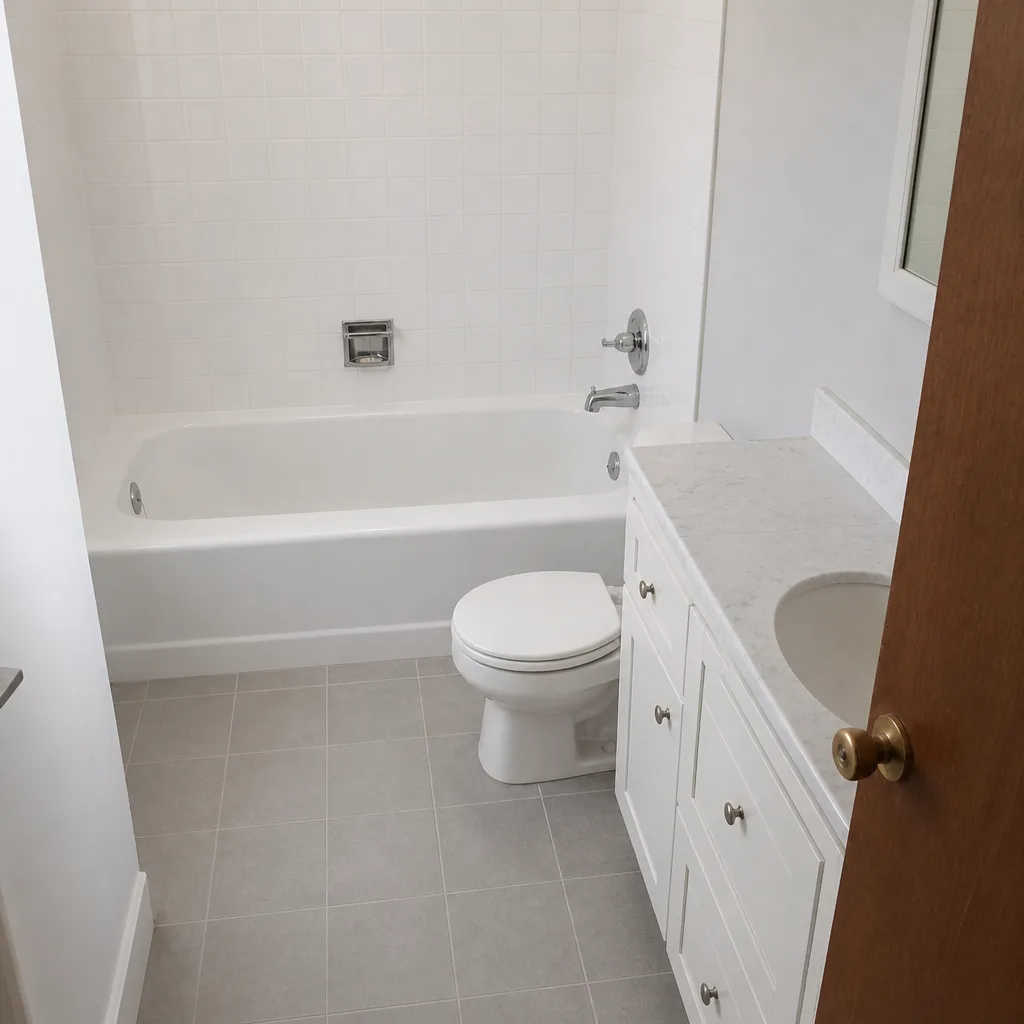 After
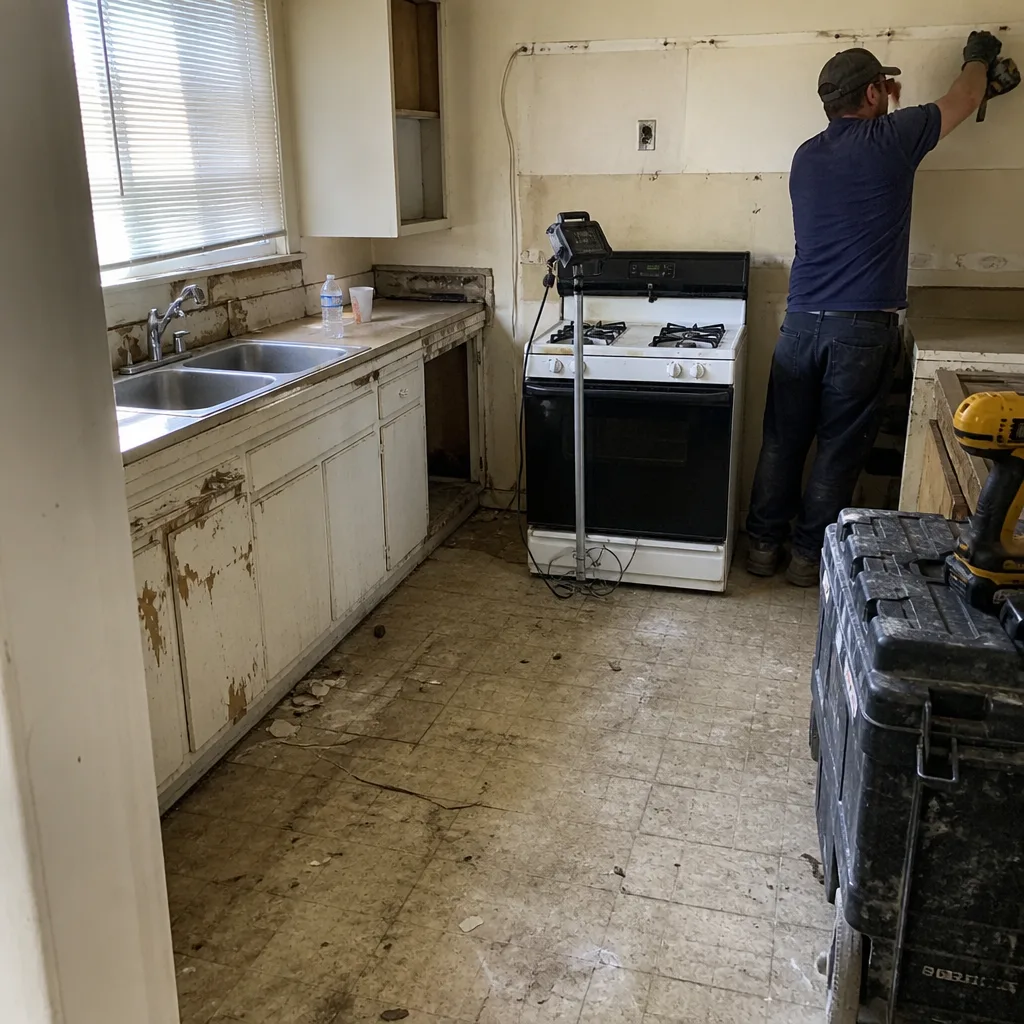 Before
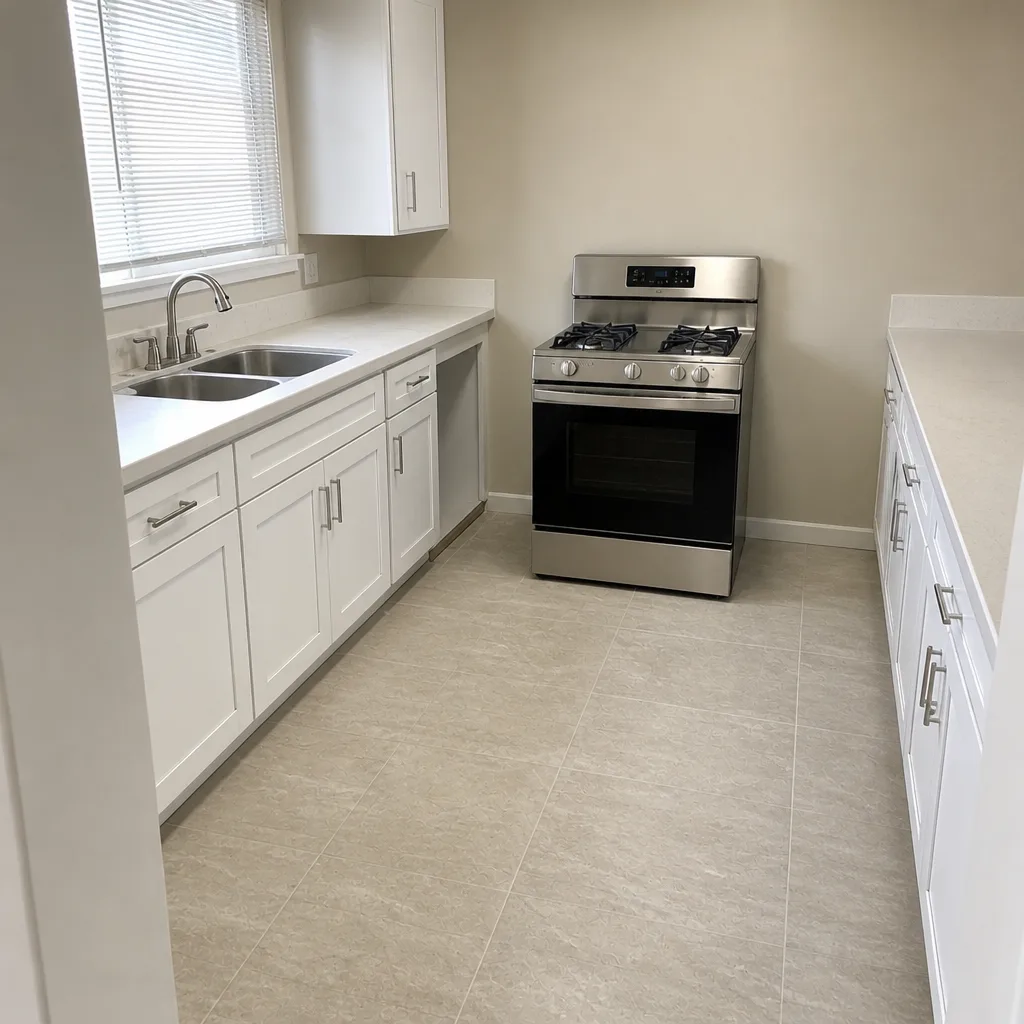 After
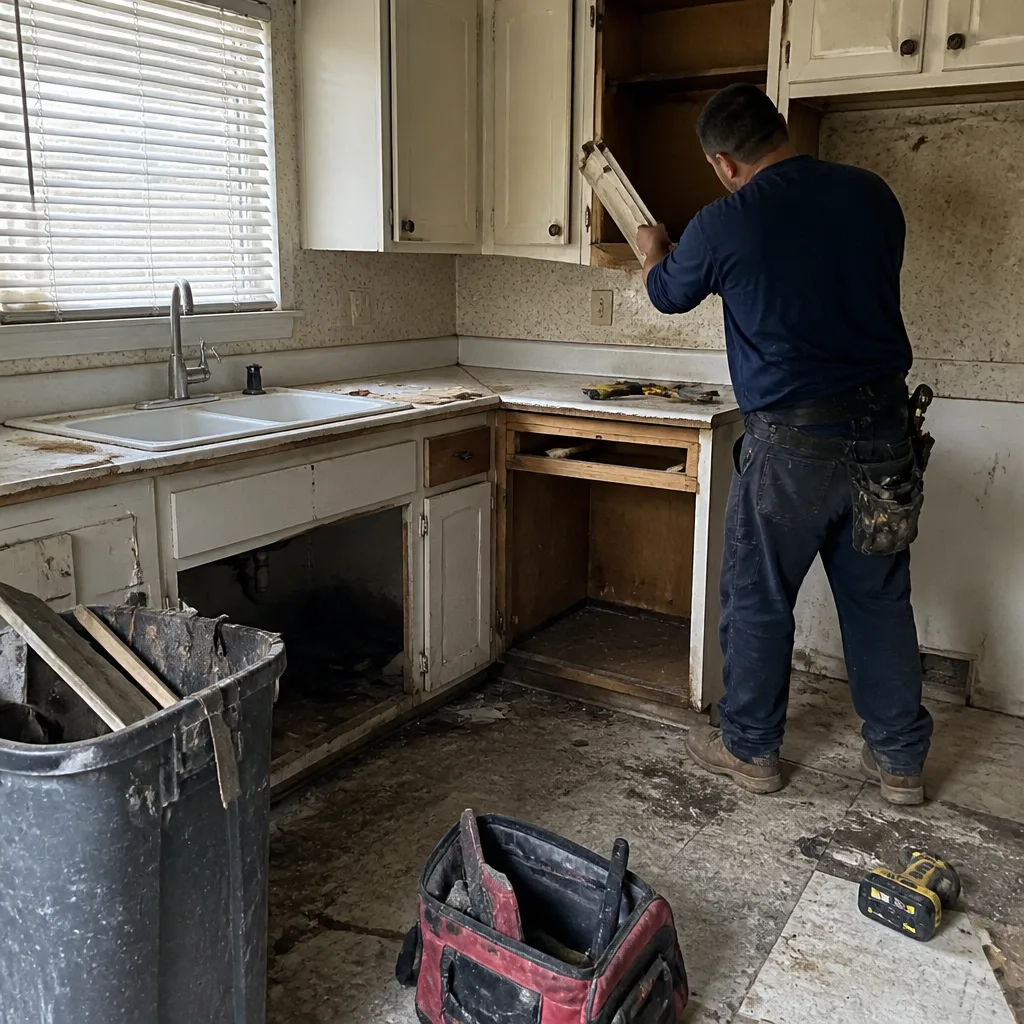 Before
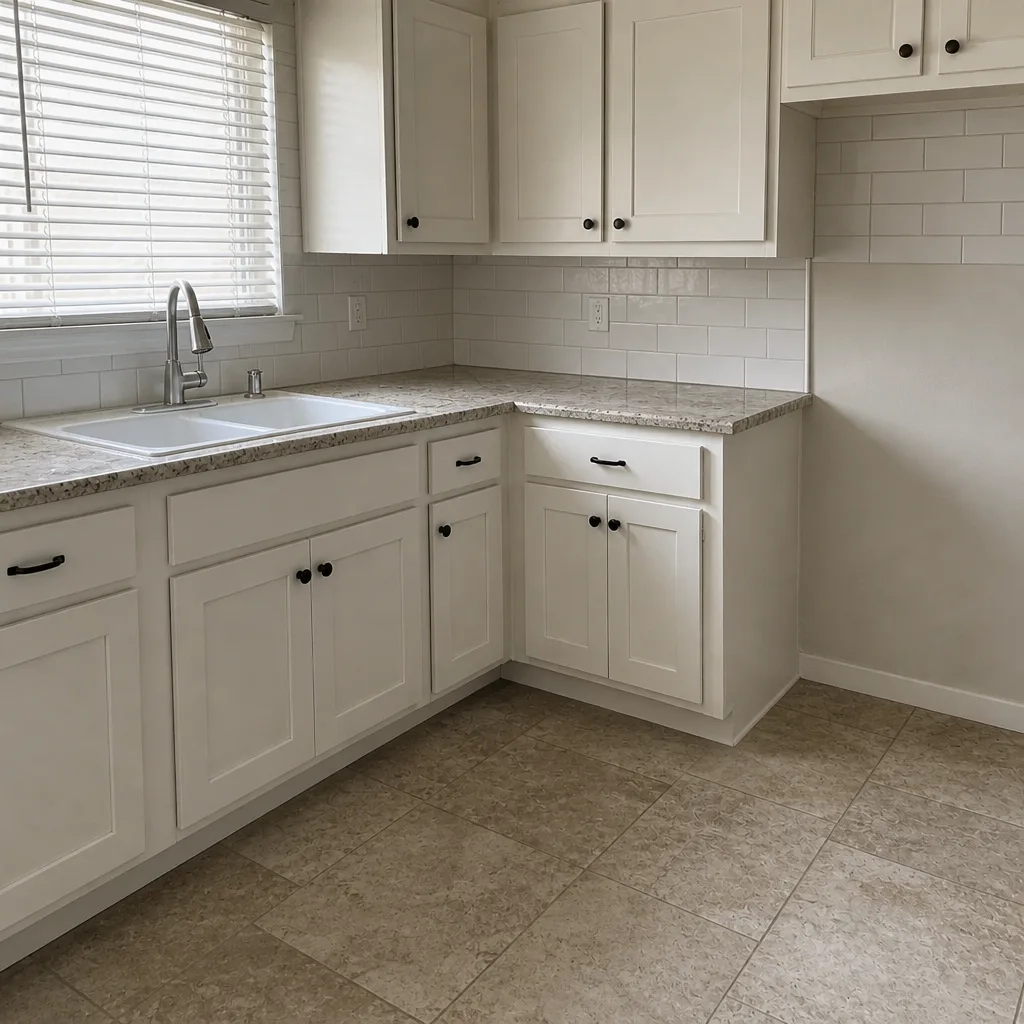 After
How to Find a Roof Leak in Anaheim, CA: The Slab-Home Method Most Guides Get Wrong
To find a roof leak on a typical Anaheim home, stop looking straight up from the ceiling stain. On a slab-on-grade 1950s or 1960s single-story tract home, water that enters the roof deck travels horizontally along the drywall backing or vapor barrier and often surfaces 8 to 12 feet from where it actually came in. That means the leak hunt starts by mapping the whole ceiling plane against the roof above it, not by tracing a single drip upward. If water is actively coming through after a storm, call us at (888) 300-3178 and we’ll get a trained roofer out to trace it instead of guessing.
Anaheim sits in a semi-arid Santa Ana wind corridor, and the sun does most of the damage here long before rain ever does. Hot, dry summers bake the stucco, flashing and decking through constant heat-cycling, and the lack of freezing weather means shallow foundations and uninsulated slabs have survived for decades without a cavity to hide water in. That’s the exact condition that makes leak-finding here its own skill.
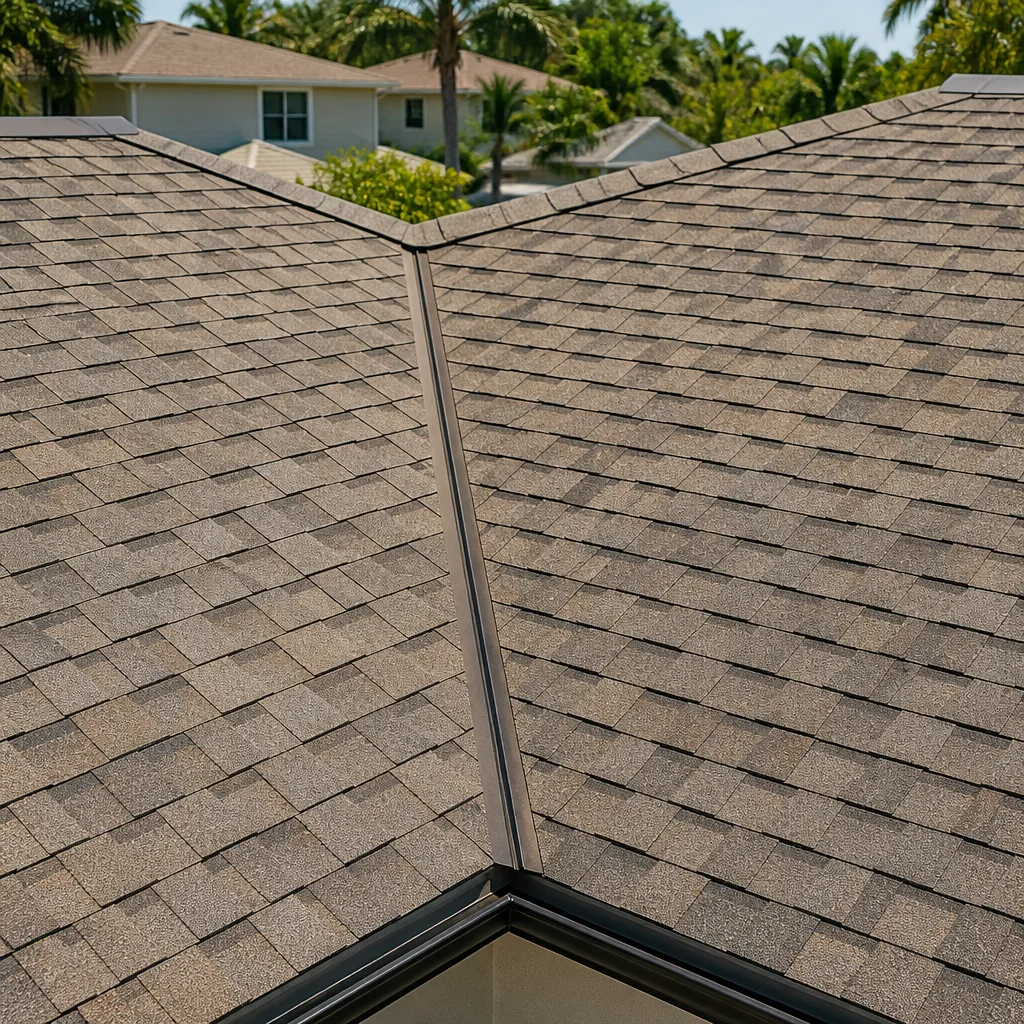
Why “Follow the Stain Up” Fails in an Anaheim Ranch Home
The standard advice, “find the ceiling stain and look straight up on the roof,” was written for homes with an attic cavity and a crawlspace. Anaheim’s dominant 1950s-60s housing stock, especially across the Colony and west Anaheim, is single-story tract construction on a slab with minimal insulation and no true attic. There’s no rafter bay for water to drip down, and no subfloor to catch it. When water gets past the roof, it hits that bare or lightly insulated decking, spreads along the nearest horizontal surface, and drops through the first opening it finds in the ceiling drywall. Your stain is a symptom location, not a source location.
So start by drawing out the top floor. Sketch the ceiling stain, mark every penetration and ridge line on the roof plan above it, then widen your search 10 feet in every direction. That wider footprint is the actual search zone.
What to Look For: A Comparison of Leak Sources on Anaheim Roofs
Once you’ve widened the zone, the question becomes which of the common leak sources actually applies to your house. On Anaheim’s sun-baked stucco walls and low-pitch roofs, the usual suspects ranked by how often they’re the real culprit:
- Roof-to-wall step flashing (stucco): the #1 non-obvious source on these homes. Step flashing that has thermally cycled loose from the stucco lets water behind the wall, which then shows up on an interior ceiling and gets misdiagnosed as a window or plaster leak.
- HVAC curb and vent penetrations: rooftop package units are common on 1960s-70s tract properties, and the curb flashing dries and cracks in the UV. Inspect here before blaming the shingles.
- Pipe boots and vent flashings: the rubber seals crack in the heat and fail quietly.
- Field shingles or tile: often the last place to look, not the first, on a low-pitch Anaheim roof.
The order matters. Checking the shingle field first wastes an afternoon on a lot of Anaheim roofs when the real entry point is flashing 15 feet away.
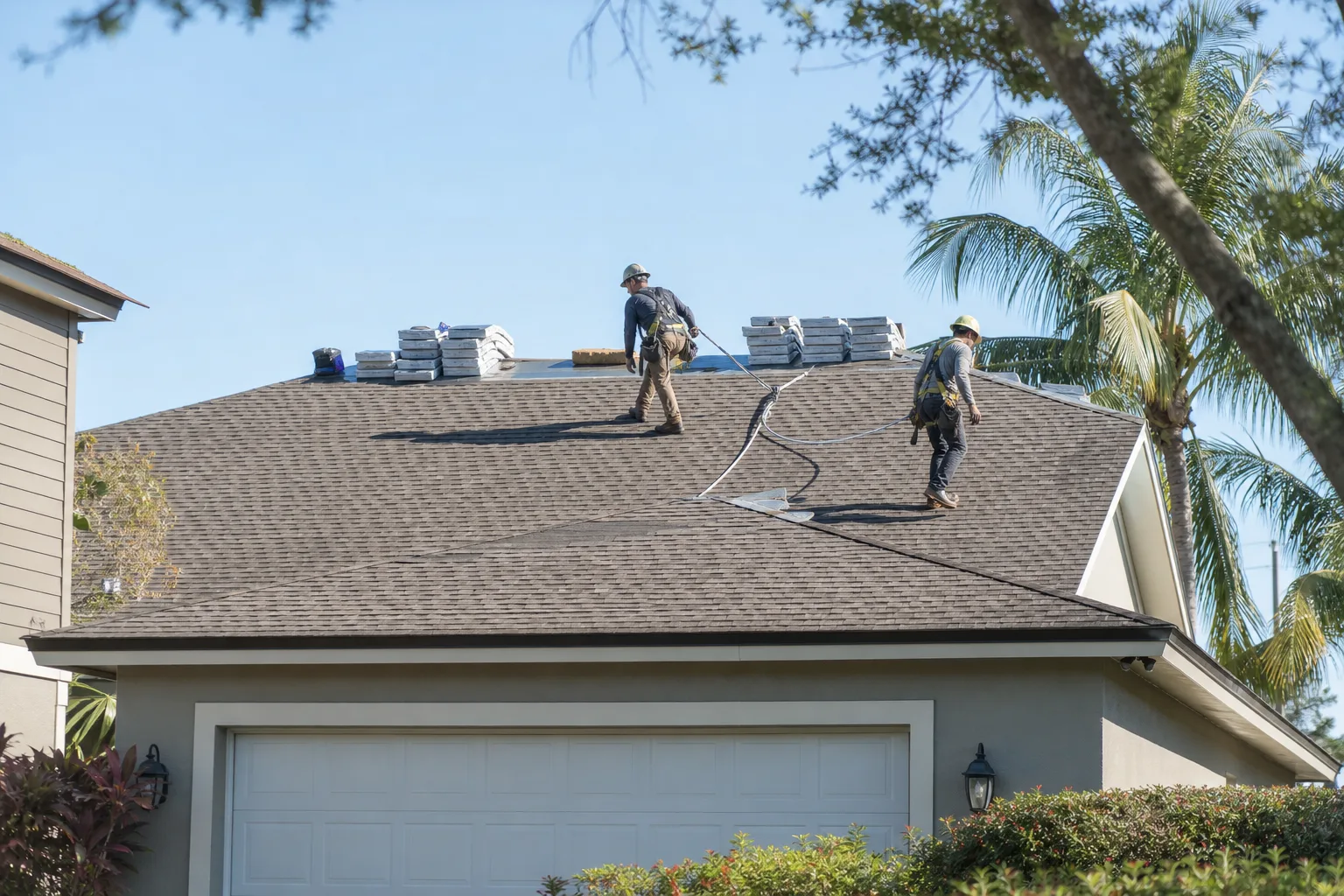
The Safe Hose Test: Work Uphill, Wait, Then Narrow
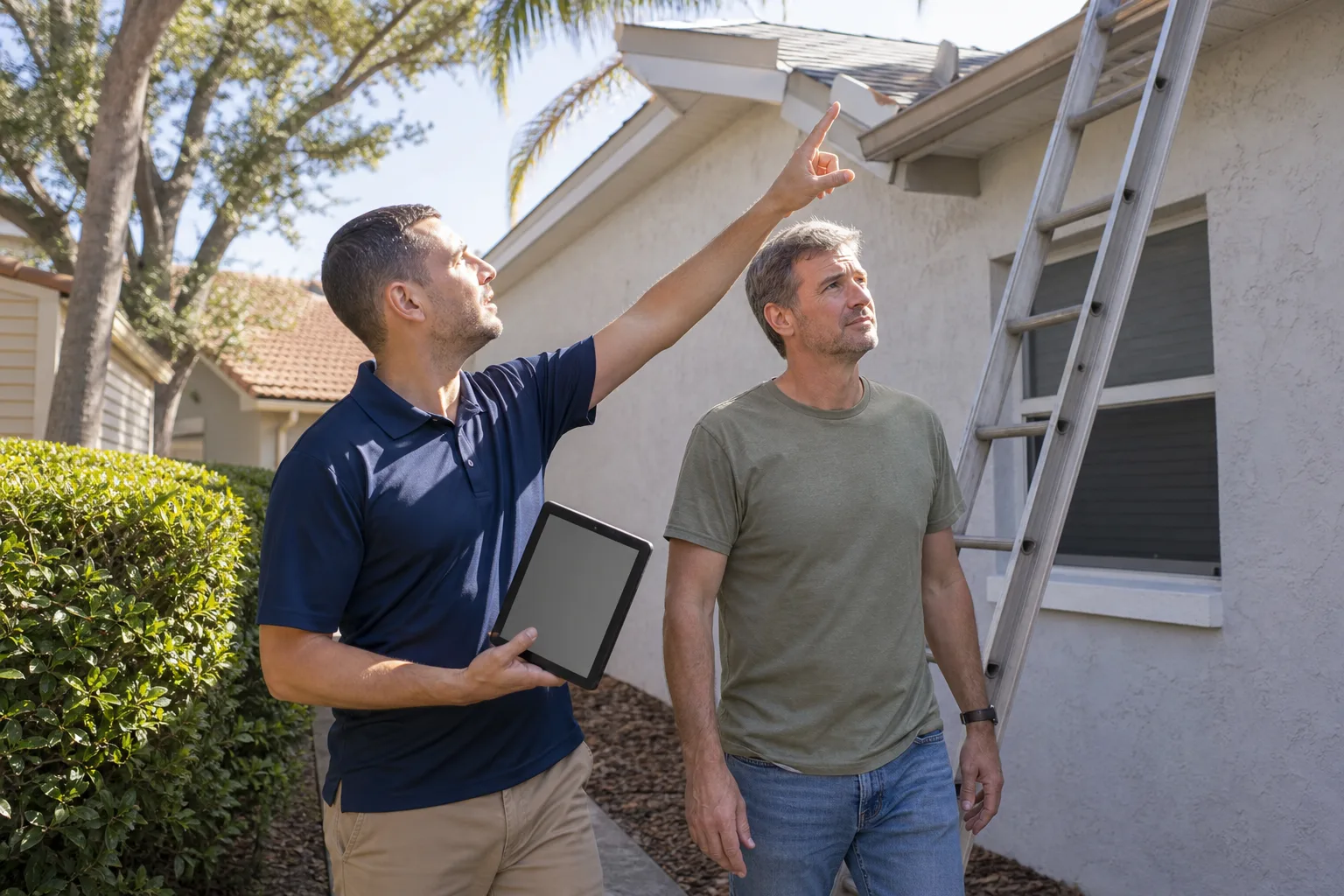
If you want to pinpoint it yourself, a controlled water test is the reliable method, done safely from the ground or a stable ladder with a spotter, never on a wet or steep roof. Flat-lot Anaheim homes make this easier to run in clean sections:
- Start at the lowest roof penetration, usually a vent or HVAC curb.
- Run a low-pressure hose on one section for 10 to 15 minutes, then stop and watch the ceiling inside.
- The section that produces interior dripping within that window is your zone.
- Inspect the flashing and seals on that section first, before touching anything wider.
Work in small sections and keep the water low-pressure. High-pressure spraying drives water where rain never would and produces false positives. If interior damage is already active or the ceiling is sagging or bubbling, stop testing and get a professional out.
When the hose test reaches its limit
Some leaks don’t show up under a hose because they only appear under wind-driven rain. A leak that opens up during a Santa Ana-driven storm is often coming in at a wall junction or around a nail, and no amount of garden hose will recreate it. That’s when an experienced eye on the roof and a moisture meter in the ceiling beats any DIY guide. Our technicians have up to 12 years of experience and arrive background-checked and in uniform, so you know who’s on your roof. If it’s 11 PM and water is dripping, a live person answers at (888) 300-3178 around the clock.
What Groundwork Does Differently on a Leak Call
When you’d rather hand it off, our roofing team traces the leak to the actual entry point, not just the stain. We test the same way a careful homeowner should: penetration by penetration, uphill, with time between sections. Then we repair the flashing and seal at the source and back the work with our 730-Day Done Right Promise, one of the longest workmanship guarantees in residential construction. If the fix calls for replacement or a bigger repair, we work with trusted brands like GAF, CertainTeed and Owens Corning so you’re choosing quality, not just availability.
Roof repair in Anaheim, from a single flashing fix to a few damaged tiles, typically runs $400 to $1,800. Tile roof repair runs $600 to $2,500, and a full roof replacement runs $8,000 to $20,000. We quote upfront before anything starts, the number you see is the number you pay, and you can see everything we cover on our Roofing page or check availability across our Anaheim service area.
| Roofing service | Anaheim price range |
|---|---|
| Roof repair (flashing, minor leaks) | $400 to $1,800 |
| Tile roof repair | $600 to $2,500 |
| Roof replacement | $8,000 to $20,000 |
| Metal roof installation | $15,000 to $40,000 |
Standing promotions apply to larger projects: $1,000 off projects over $10,000 and 0% financing for 18 months, with a free estimate and design consult. That flexibility matters in a city that runs two markets side by side, from the Resort District’s hospitality economy to the aging postwar grid, where roof work has to fit the home in front of it.
FAQs
Roof leak repair in Anaheim typically costs $400 to $1,800 for flashing and minor repairs, with tile roof repair at $600 to $2,500 depending on how many tiles are involved. Call (888) 300-3178 for an exact quote, and estimates are free.
Yes. In a slab-on-grade Anaheim ranch with no attic, the leak is traced from the roof side by testing penetrations and flashings uphill in sections, not by following the ceiling stain upward. The stain marks where the water emerged, not where it entered.
Repair is almost always cheaper for a single isolated leak, so it usually starts with flashing and boots before anyone talks replacement. If the roof is at the end of its life or leaking in several spots, replacement often costs less over time. Call (888) 300-3178 and we’ll tell you honestly which one applies.
We take roofing calls around the clock, and a live person answers at (888) 300-3178 24/7, so you’re not waiting on a voicemail. If water is actively coming in, we can get someone out to stop the leak and trace the source before it spreads.
Key Takeaways
- The ceiling stain in a slab-on-grade Anaheim home can be 8 to 12 feet from the actual entry point.
- Check stucco step flashing and HVAC curb flashing first; the shingle field is often the last suspect.
- Hose-test uphill in sections, 10 to 15 minutes each, then narrow to the zone that leaks.
- Repair runs $400 to $1,800, and the 730-Day Done Right Promise backs the workmanship.
If you’d rather have it looked at, Groundwork Construction Co. of Anaheim offers a no-pressure assessment in Anaheim. Call (888) 300-3178 and we’ll find the leak, quote the fix upfront, and back it in writing from foundation to finish line.
Written by the team at Groundwork Construction Co. of Anaheim, serving Anaheim, CA.