Free written scope consultation - allowances, timeline, and change-order rules on paper before a single trade is scheduled
Styles & brands we work with
- Kitchen remodeling
- Bathroom remodeling
- Home additions & ADU
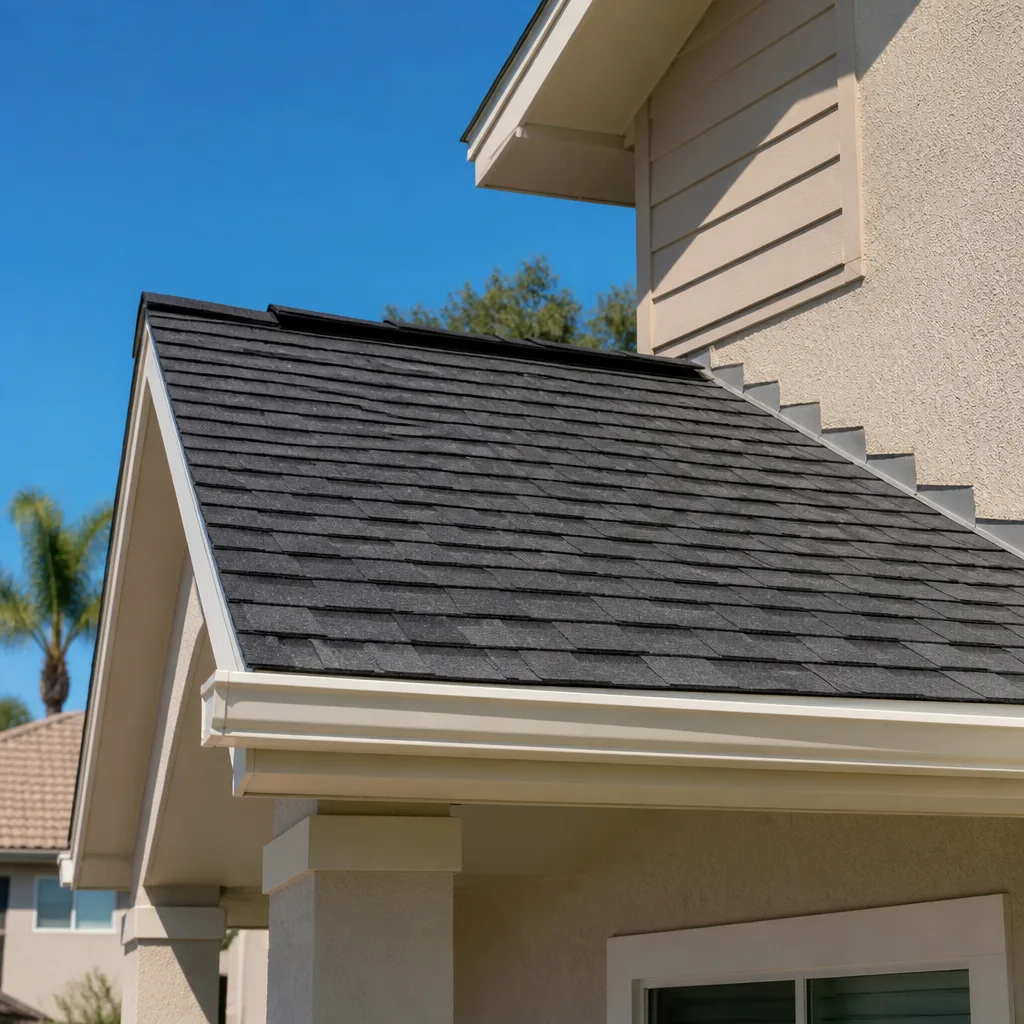
- Roofing
- Windows & doors
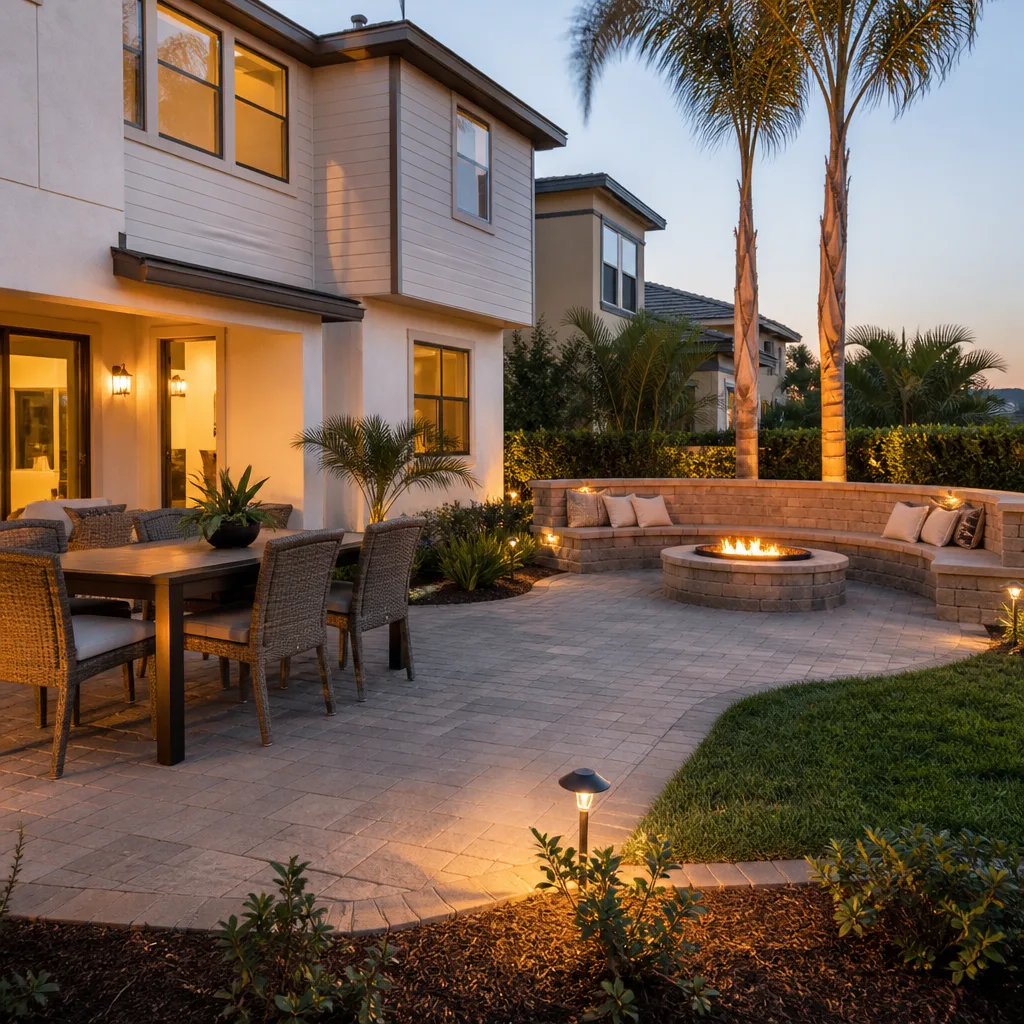
- Driveway & pavers
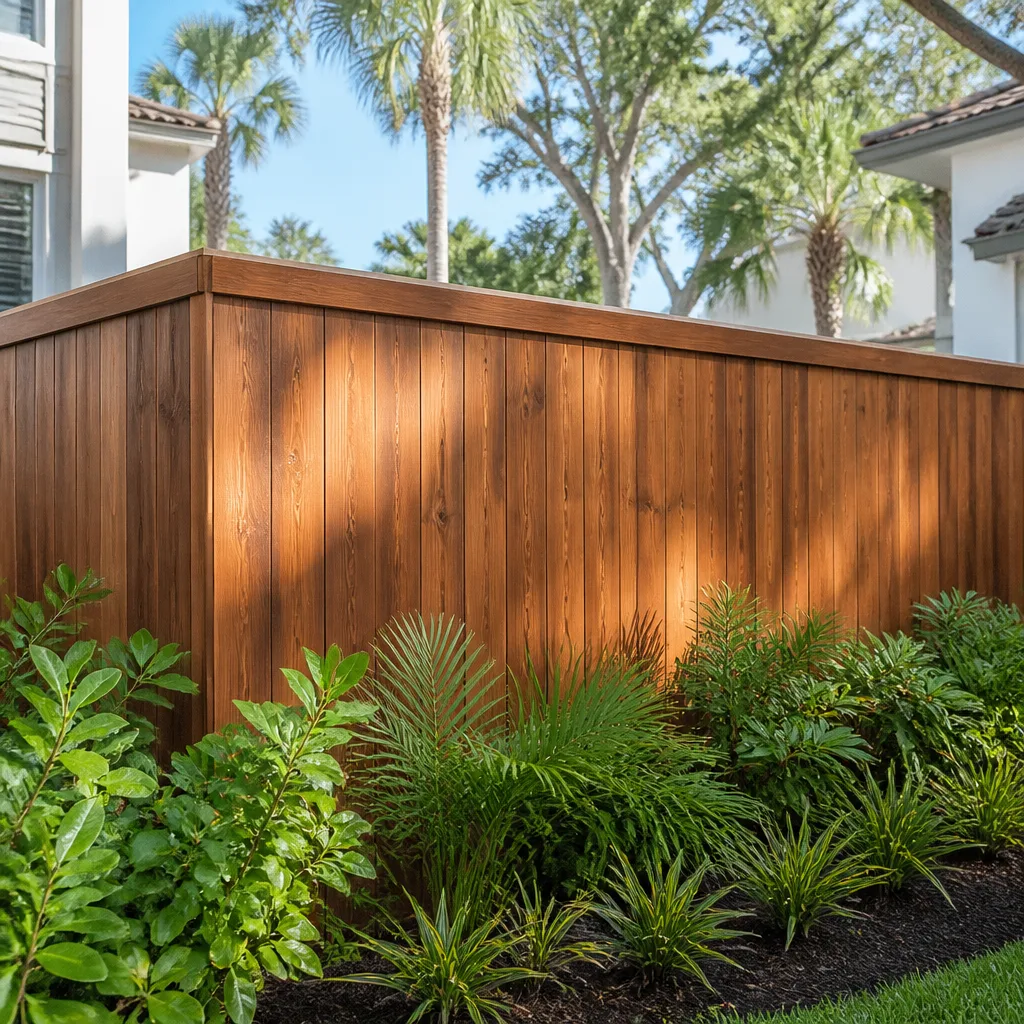
- Fence
See the difference
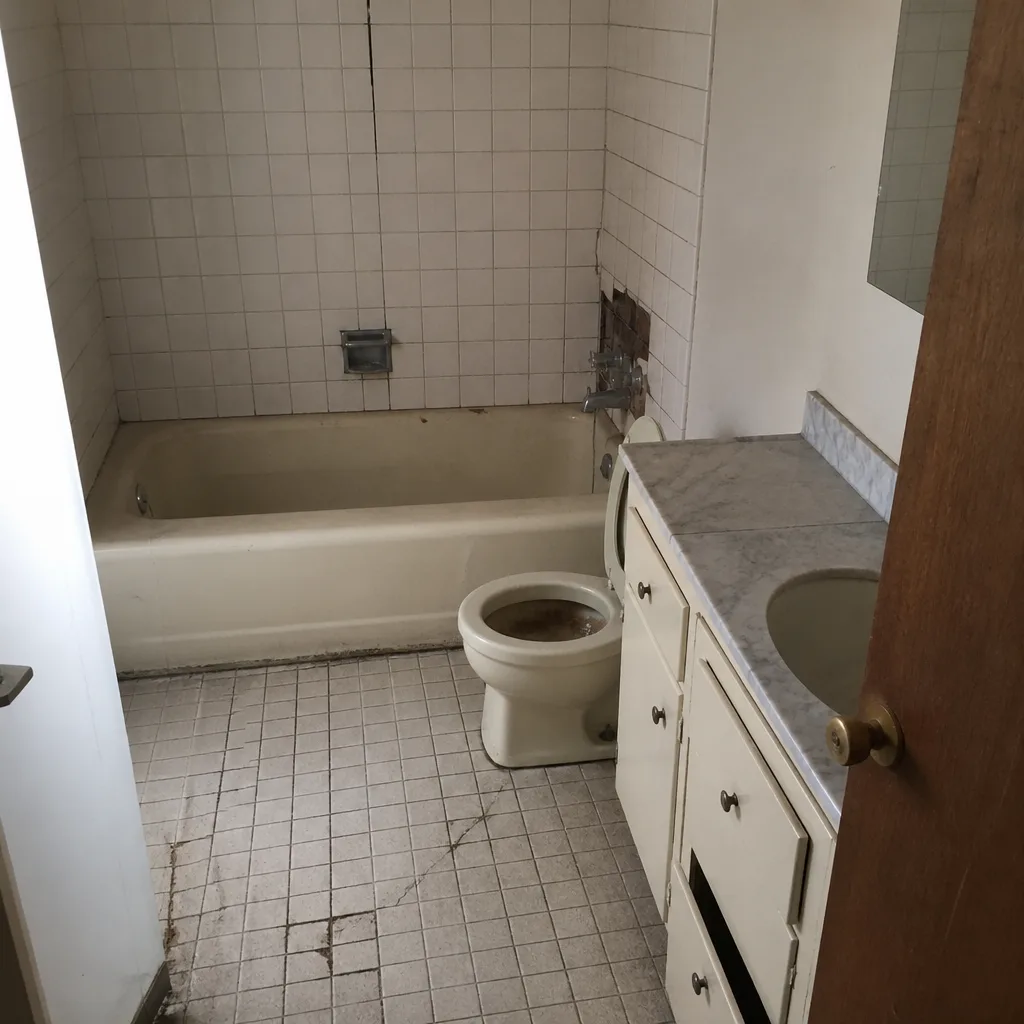 Before
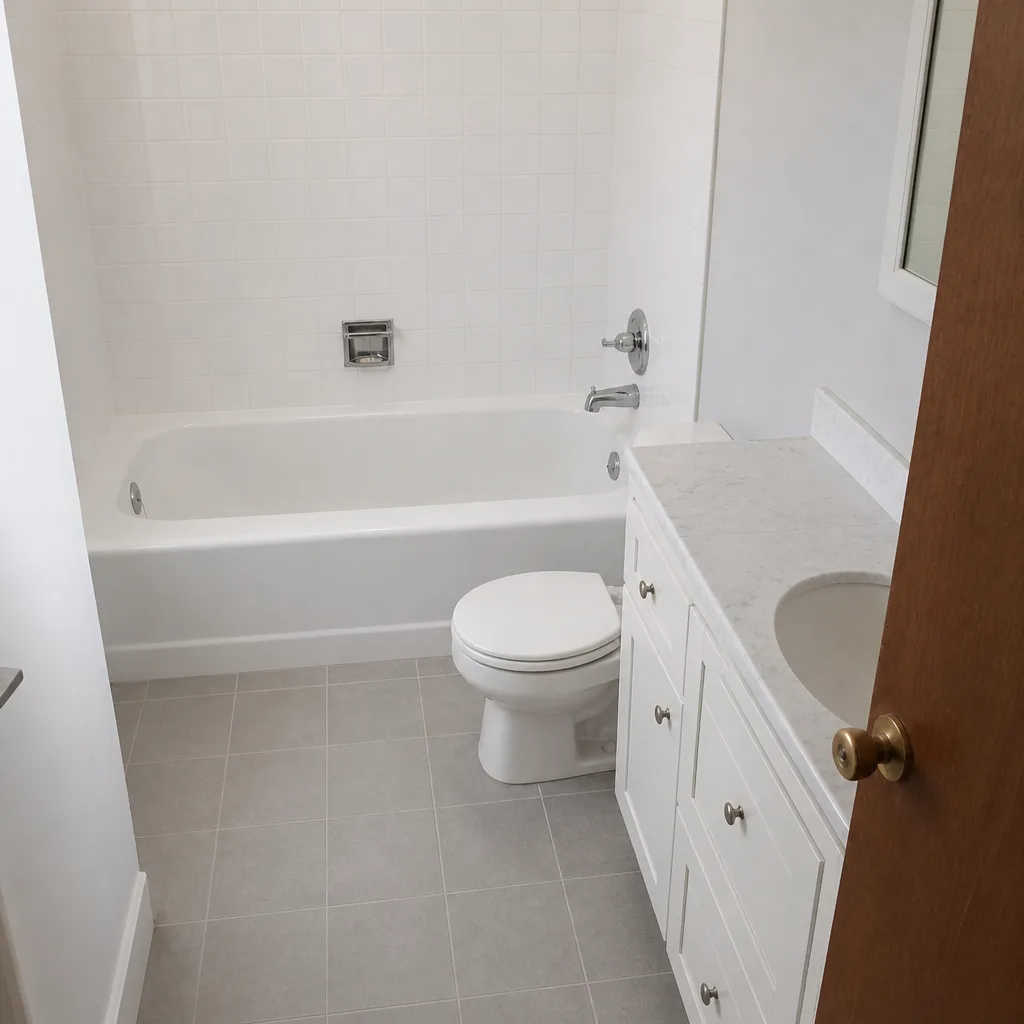 After
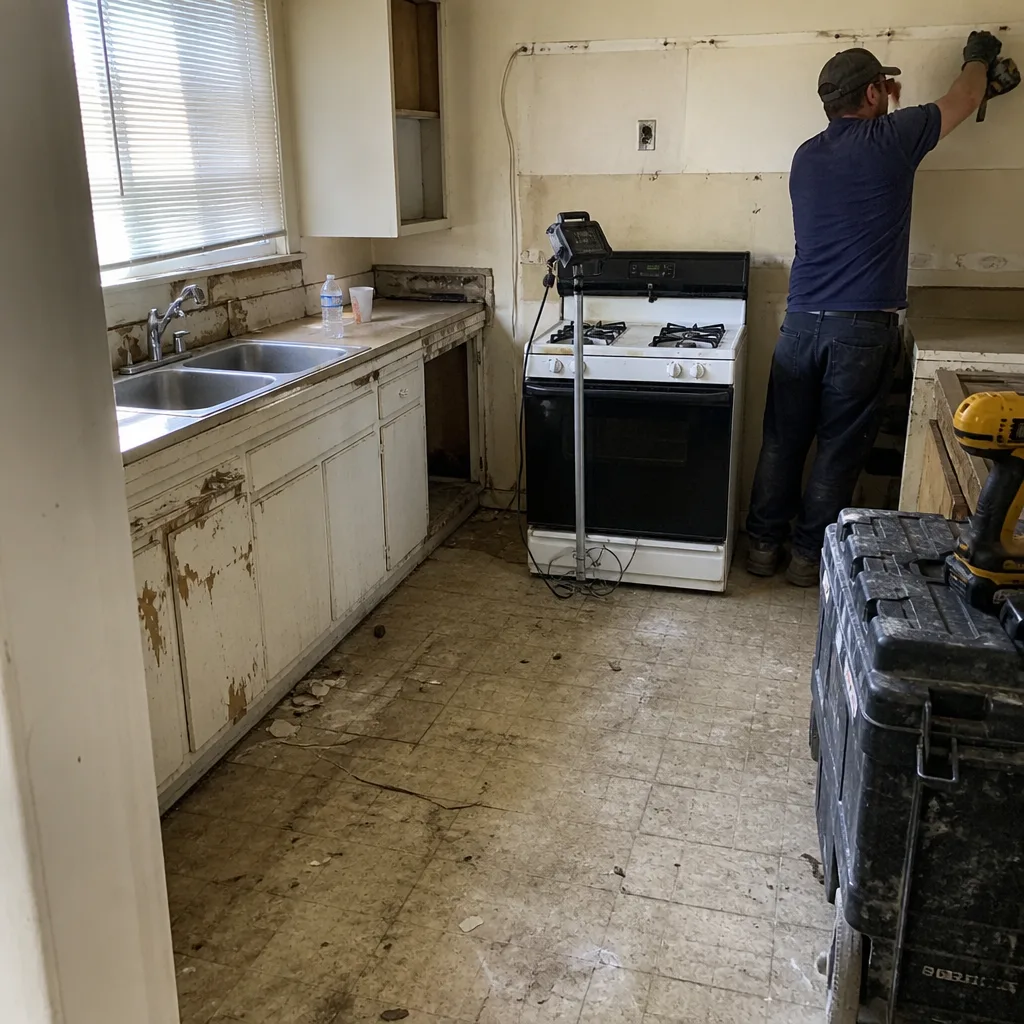 Before
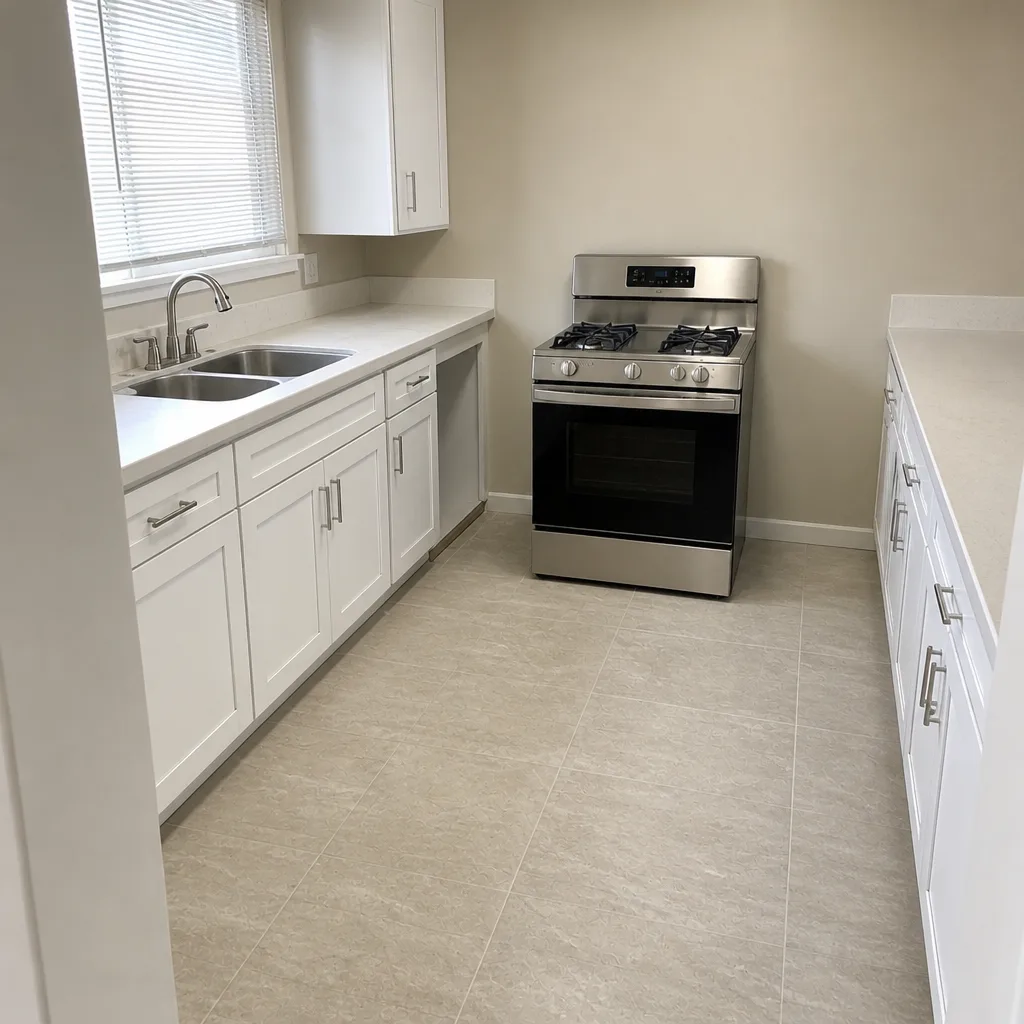 After
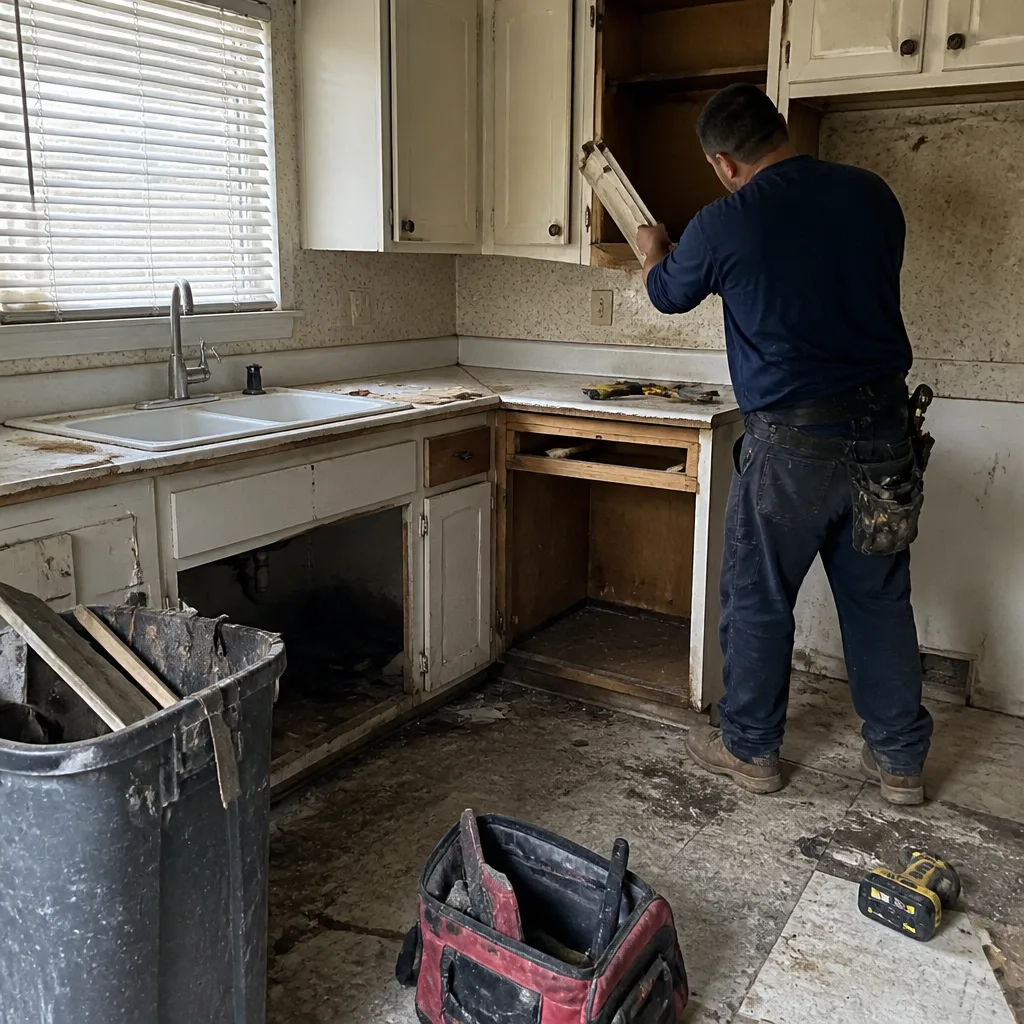 Before
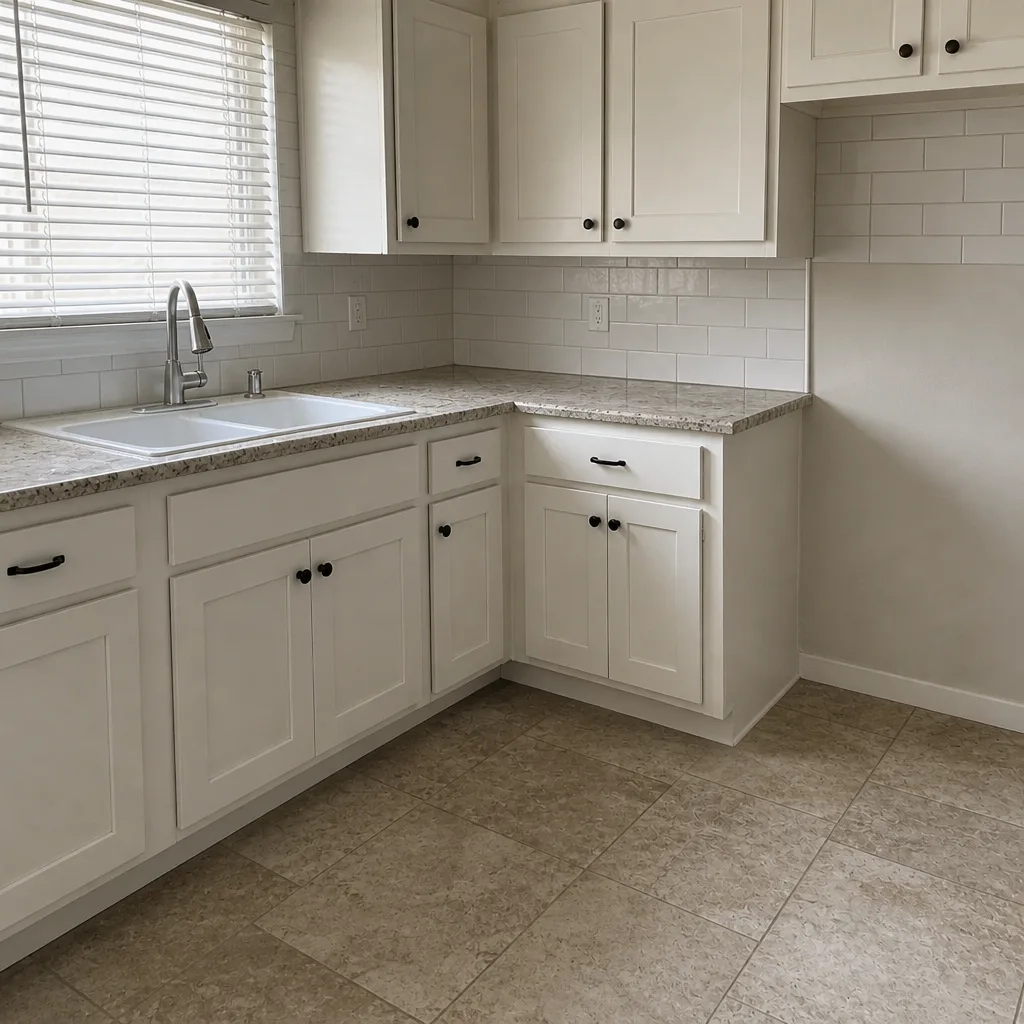 After
Metal Roof vs Shingles in Anaheim: The Decision That Actually Holds Up Here
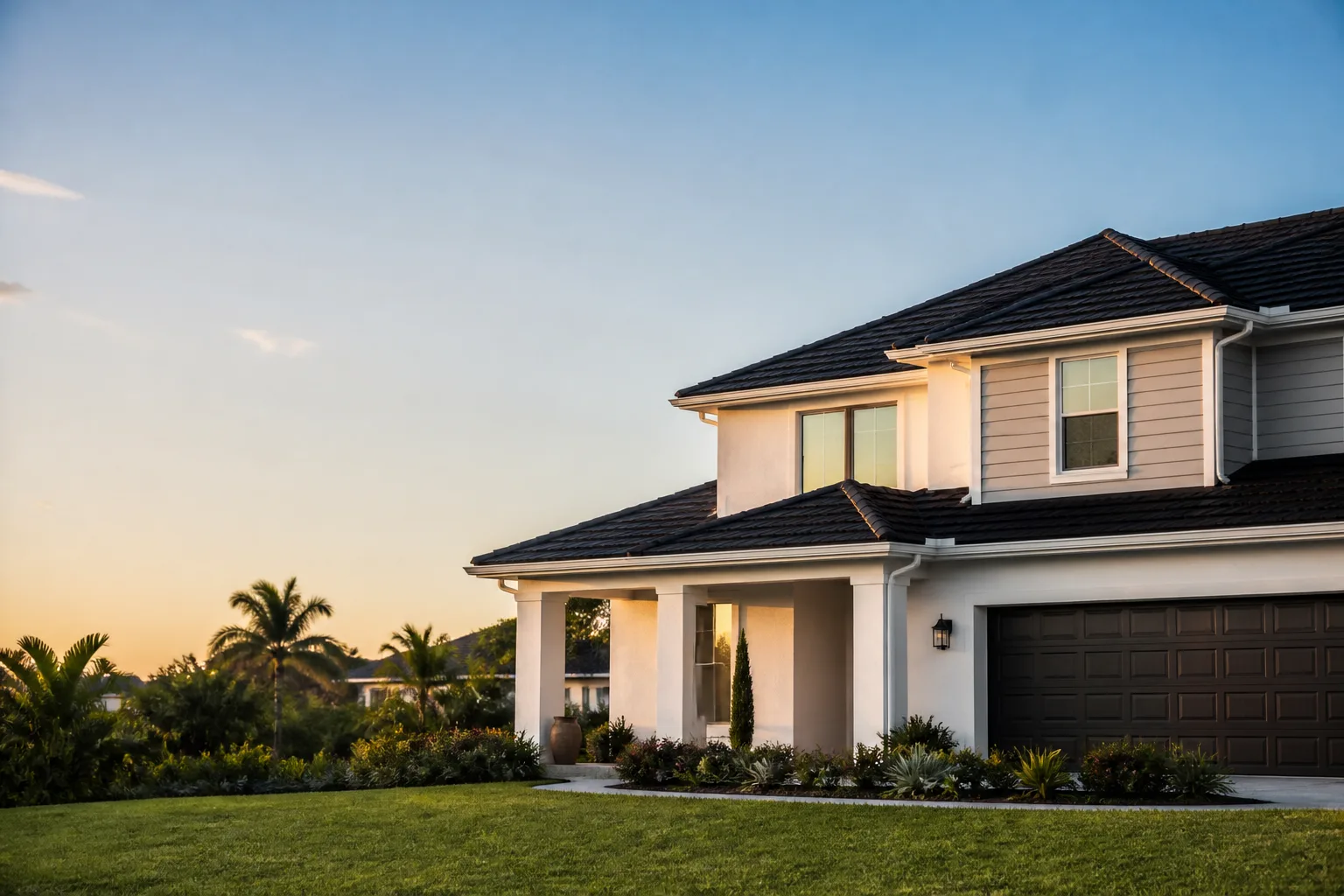
Choose asphalt shingles unless your Anaheim home sits in a Santa Ana wind corridor, an ember-zone edge, or on failing 1950s roof framing - then choose standing-seam metal. For most west Anaheim and Colony tract homes, a properly installed architectural shingle roof is the smarter spend; for foothill-adjacent properties and homes that have already lost a roof to wind, metal earns its premium. Both materials live or die on installation, which is why every Groundwork Construction Co. of Anaheim roof carries our 730-Day Done Right Promise. Call (888) 300-3178 for a free estimate.
Anaheim averages more than 280 sunny days a year. A south-facing asphalt roof here can hit surface temperatures above 150°F in July, and that daily heat-cycling burns through standard 3-tab shingle life roughly 30% faster than the manufacturer’s printed estimate. Metal doesn’t care. That single fact reshapes the whole comparison.
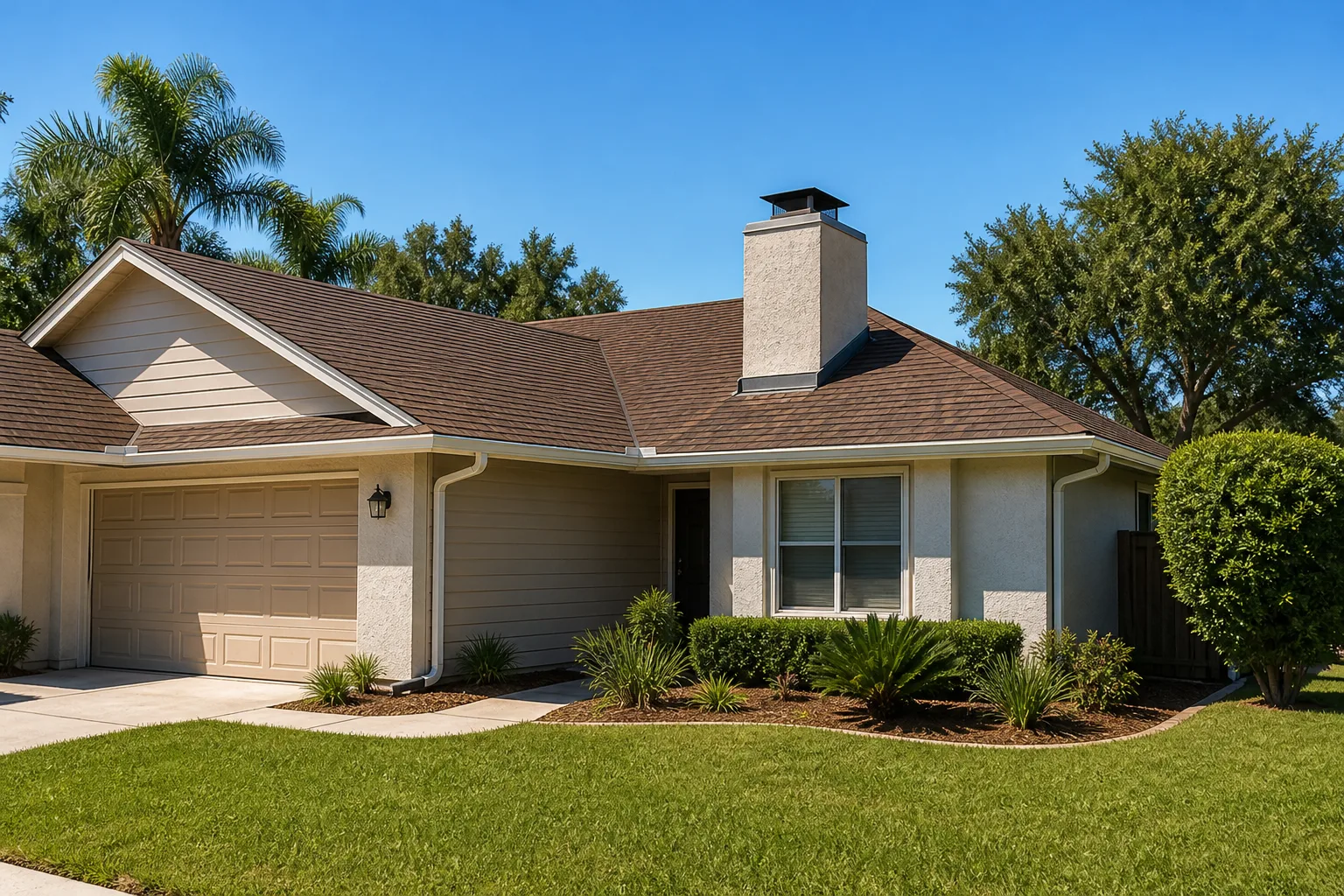
Why the Sun Beats Up Shingles Here Faster Than the Label Says
Shingle failure in Anaheim isn’t primarily a rain problem. It’s granule loss. Every hot afternoon expands the asphalt mat; every cool night contracts it. Do that 300 times a year and the granules that shield the asphalt from UV start shedding into your gutters years ahead of schedule. On a 20-year-rated 3-tab shingle, we routinely see meaningful granule loss by year 10 to 12 on unshaded south and west slopes.
Metal takes the same beating and shrugs. A cool-metal or painted standing-seam panel reflects a large share of that solar load instead of absorbing it. On a typical Anaheim slab-on-grade home with minimal attic insulation, that reflectance measurably lowers attic temperature - often 20°F to 30°F cooler at peak afternoon - which translates into less heat bleeding down through a thin ceiling. On a newer, well-insulated Platinum Triangle build, that delta shrinks because the insulation is already doing the work. The older the house, the more a cool roof matters.
The Santa Ana Wind Gap: 140 mph vs. 60-130 mph
This is where the Anaheim decision gets sharper than the national guides allow. Standing-seam metal panels are commonly rated to 140 mph wind uplift. Standard asphalt shingles carry wind ratings from about 60 mph on builder-grade 3-tab up to 130 mph on premium architectural products installed with a high-wind nailing pattern. The gap matters most on the foothill-adjacent edges of Anaheim, where ember-zone designations and defensible-space requirements already apply.
Embers don’t need a hurricane. A 60 mph Santa Ana gust carrying burning debris is enough. Metal’s interlocking panels and concealed fasteners leave fewer ember-catching gaps than shingle tabs, and metal won’t ignite from a landing ember the way aged, dried asphalt can. If your property borders the wildland edge, that’s a real consideration, not a sales line.
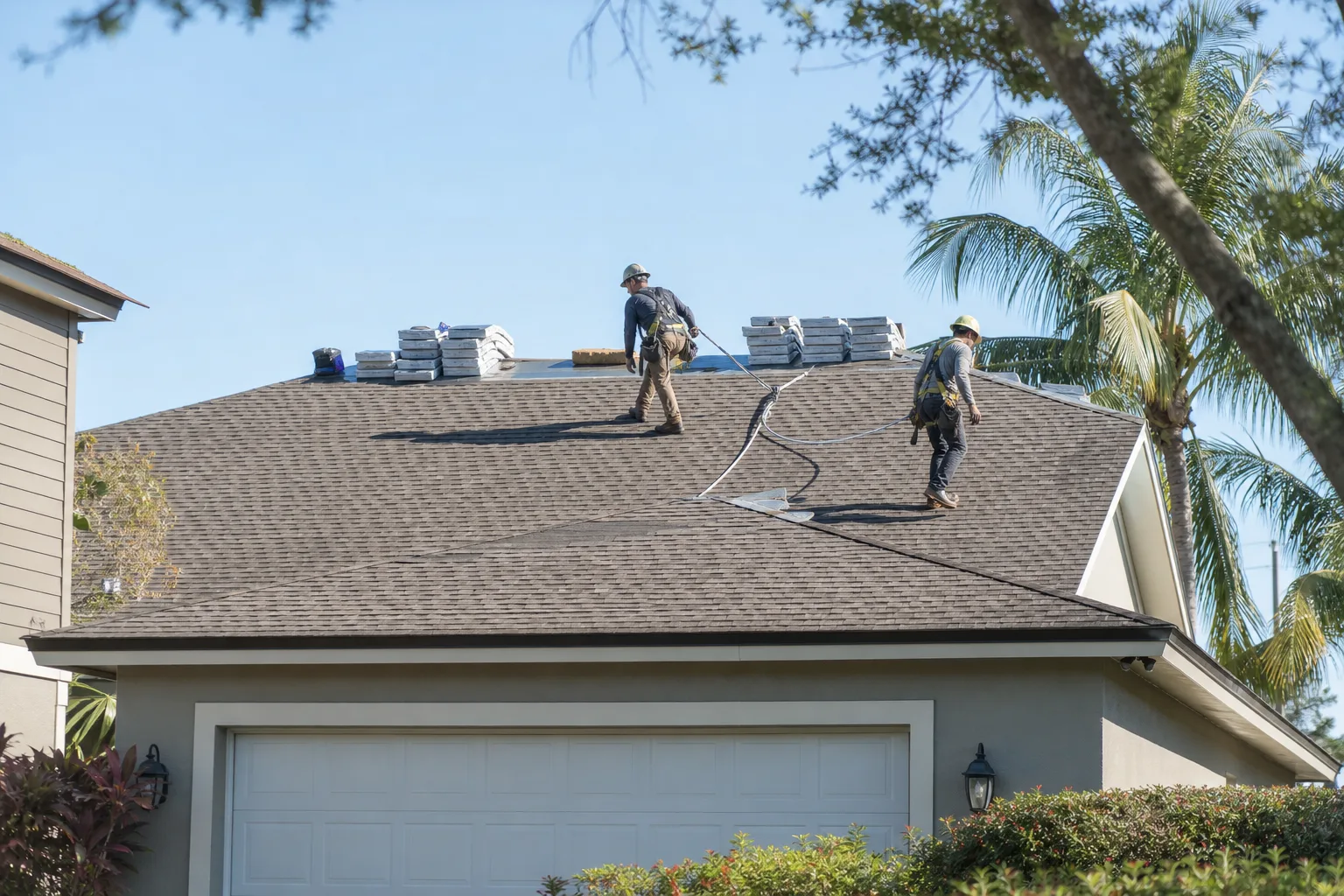
Weight Load: The 1950s Framing Reality Most Guides Skip
Anaheim’s historic Colony and west-side neighborhoods are full of 1950s and 60s single-story tract homes on slab foundations. Those roof frames were engineered for the light materials of their era. Here’s the comparison that gets ignored:
| Material | Weight (lbs per sq ft) | Wind Rating | Typical Anaheim Cost |
|---|---|---|---|
| 3-tab asphalt shingle | 1.5-2 | 60-70 mph | Lower end of $8,000-$20,000 |
| Architectural shingle | 2-3.5 | 110-130 mph | $8,000-$20,000 |
| Standing-seam metal | 1-3 | Up to 140 mph | $15,000-$40,000 |
| Clay/concrete tile | 9-12 | Varies | Premium tier |
On aging framing, tile is the material that demands a structural conversation. Metal’s light profile is a genuine structural advantage on a 1950s Anaheim roof that was never built for heavy loads. That’s a fact the aesthetic-first comparison pages leave out.
Common Anaheim Scenarios We See
- West Anaheim 1950s tract, original roof: Architectural shingle with a high-wind nailing pattern is usually the right call. The framing is sound but light-rated, and the budget belongs to the re-roof, not a structural upgrade.
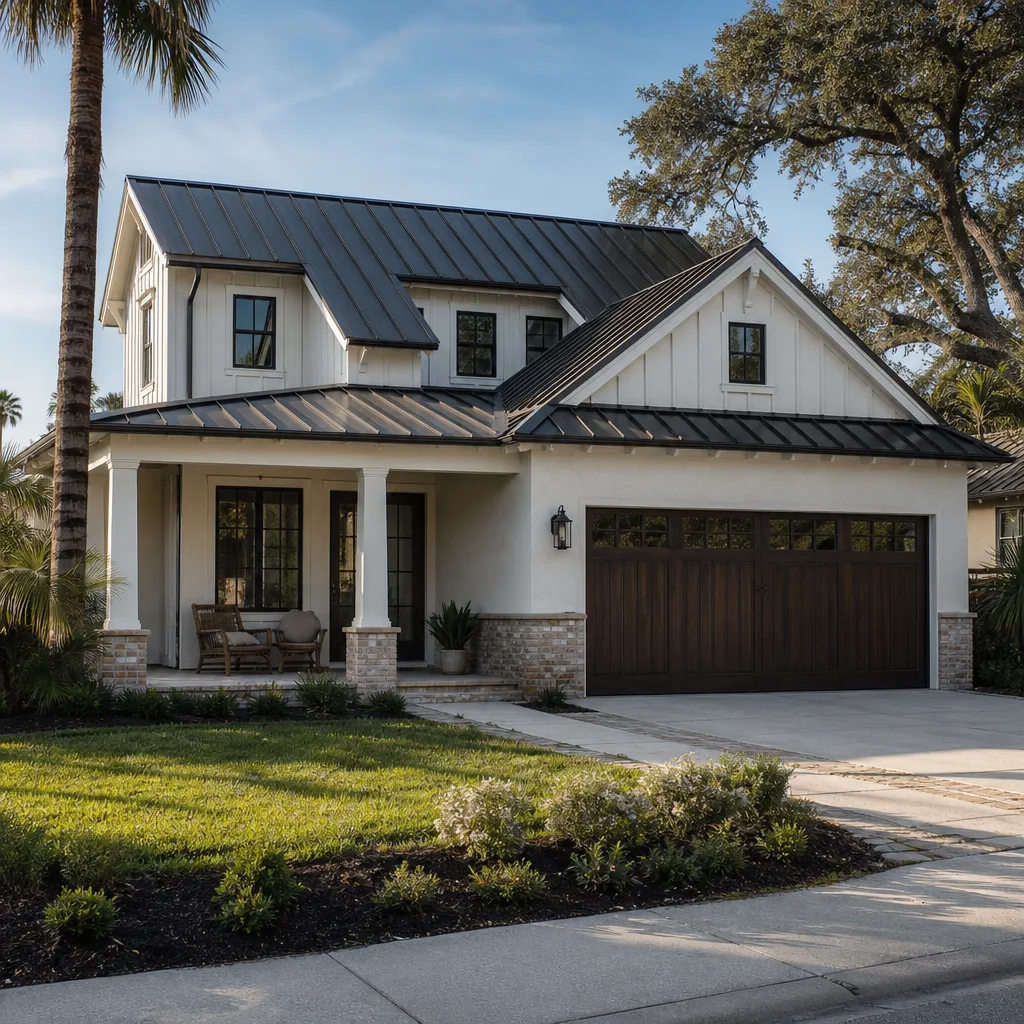
- Foothill-adjacent home near the ember zone: Standing-seam metal, full stop. The wind and ember resilience justifies the premium over its service life.
- Colony home with granule loss on south slopes only: A targeted repair first. Roof repair runs $400-$1,800; full replacement is a different conversation. Start with a free assessment.
- Newer Platinum Triangle infill: Already well-insulated, so the cool-roof energy payoff is smaller. Choose on wind exposure and lifespan, not attic heat.
Anaheim is really two construction markets in one - the Resort District running on hotel and attraction schedules, and the older residential grid of postwar tract homes where re-roofs and ADU conversions dominate. Our crews work both, scheduling around quiet-hour constraints near the Resort District when a job calls for it. You can see the full scope of what we handle on our Roofing service page.
Which Materials We Actually Install
For architectural shingles we install GAF and Owens Corning systems - both backed by manufacturer warranties layered on top of our own. For standing-seam metal, we spec panels by wind rating and reflectivity, matched to your exposure. Whichever material you pick, the workmanship guarantee is the same: our 730-Day Done Right Promise means if it’s not done right, we make it right - and that two-year coverage typically outlasts the labor warranty most competitors offer on either material. Materials are built to last; the install is what we back in writing.
Whichever way you lean, you’re working with background-checked, uniformed technicians and upfront pricing - the number you see is the number you pay. Projects over $10,000 get $1,000 off, and 0% financing for 18 months is available. Learn more about how we work across Anaheim service area and the rest of our home base.
Our technicians have up to 12 years of experience, and every call is answered by a live person, 24/7 - no voicemail, no waiting until Monday.
FAQs
Yes, if your home is in a Santa Ana wind corridor or ember-zone edge, where metal’s 140 mph rating and ember resistance justify the $15,000-$40,000 cost over a $8,000-$20,000 shingle roof. For most sheltered Anaheim tract homes, architectural shingles deliver better value over the years you’ll own the house. Call (888) 300-3178 for a free assessment of your specific exposure.
Metal roof installation in Anaheim runs $15,000-$40,000, while a full shingle roof replacement runs $8,000-$20,000. Roof repair, if that’s all you need, is $400-$1,800. The metal premium is real but the lifespan and wind resilience offset it on exposed properties. Estimates are free - call (888) 300-3178 for an exact quote.
It can, and the effect is largest on older slab-on-grade homes with minimal attic insulation. A reflective metal roof often drops peak attic temperature 20°F to 30°F, reducing heat bleeding through a thin ceiling. On newer, well-insulated builds the payoff is smaller. Call us to talk through your home’s specifics before you decide.
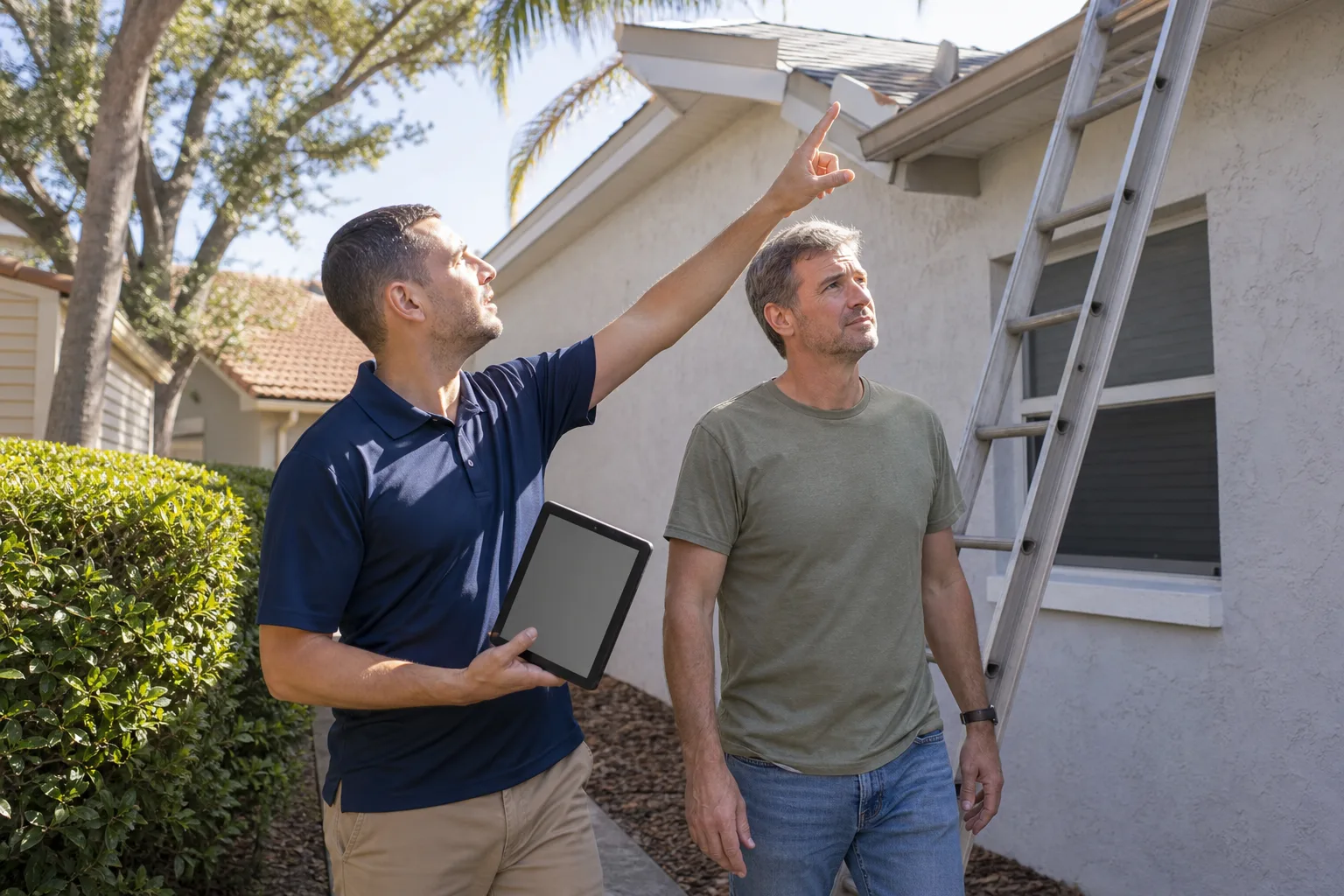
Often, yes. We answer calls live 24/7 and can often schedule a same-day or next-day free estimate in Anaheim. Roof repair and replacement decisions both start with eyes on the actual slopes, not a phone guess. Call (888) 300-3178 to get on the schedule.
If you’d rather have it looked at, Groundwork Construction Co. of Anaheim offers a no-pressure assessment in Anaheim - call (888) 300-3178.
Written by the team at Groundwork Construction Co. of Anaheim, serving Anaheim, CA.