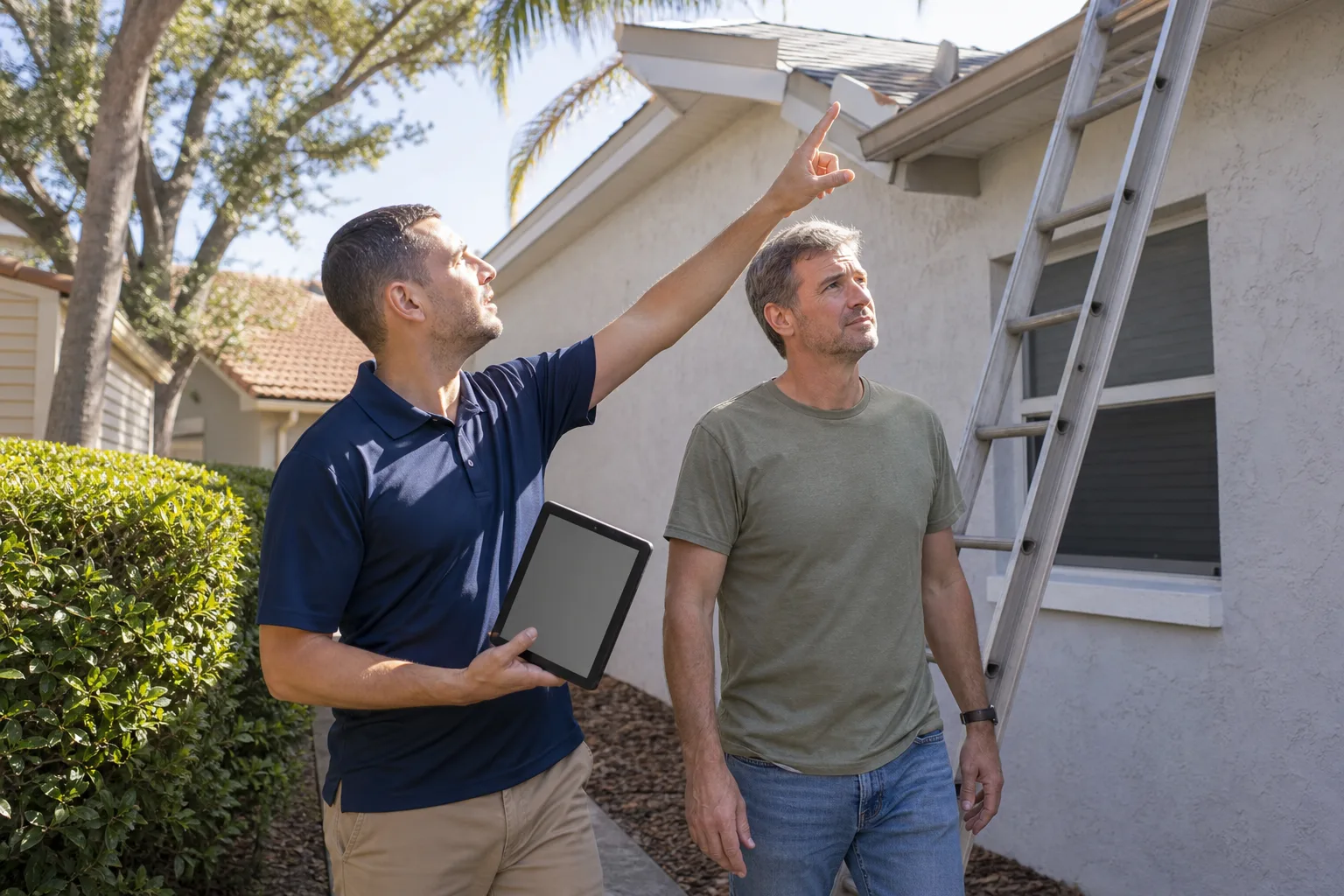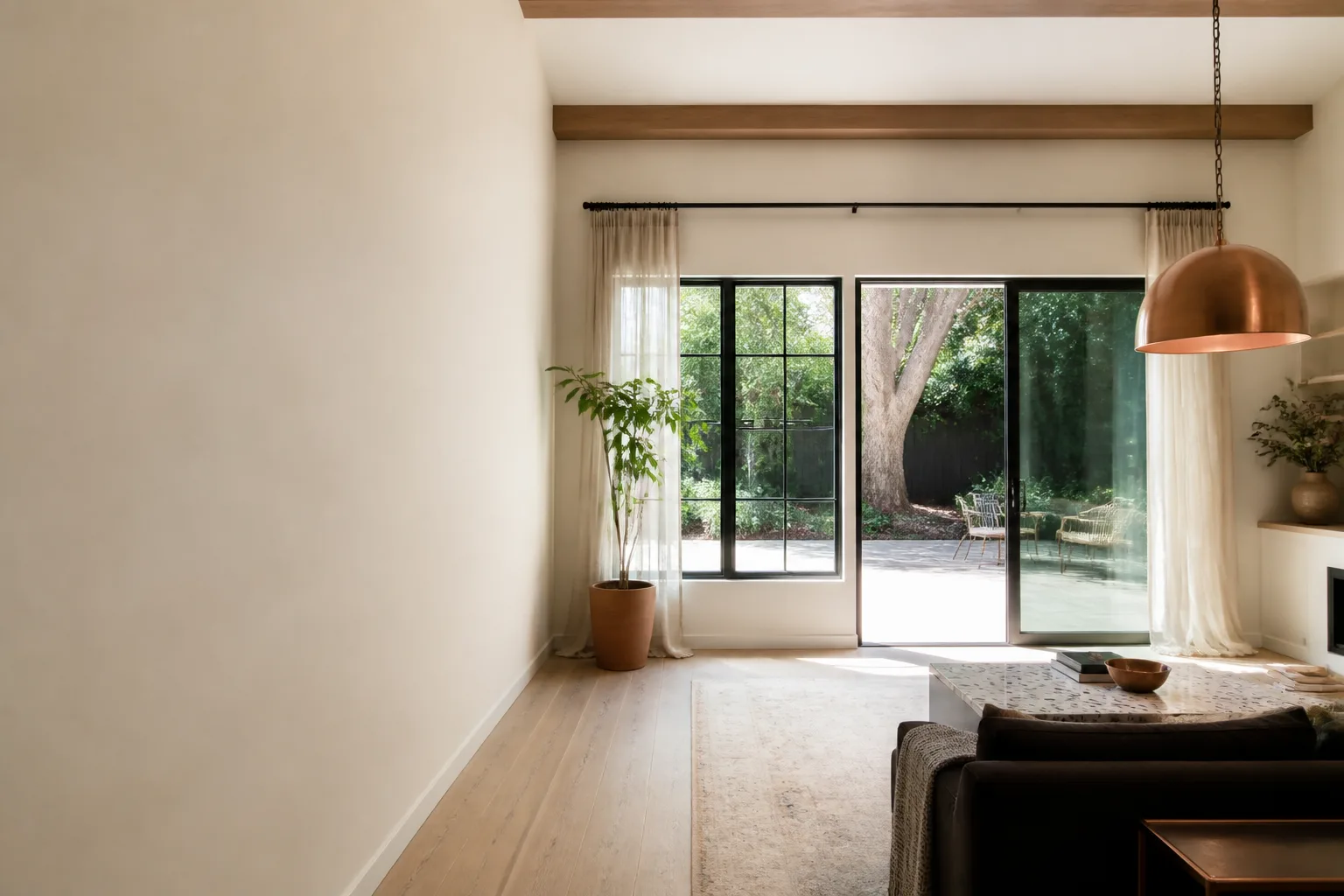
Free written scope consultation - allowances, timeline, and change-order rules on paper before a single trade is scheduled
Styles & brands we work with
- Kitchen remodeling
- Bathroom remodeling
- Home additions & ADU
- Roofing
- Windows & doors
- Driveway & pavers
- Fence
See the difference
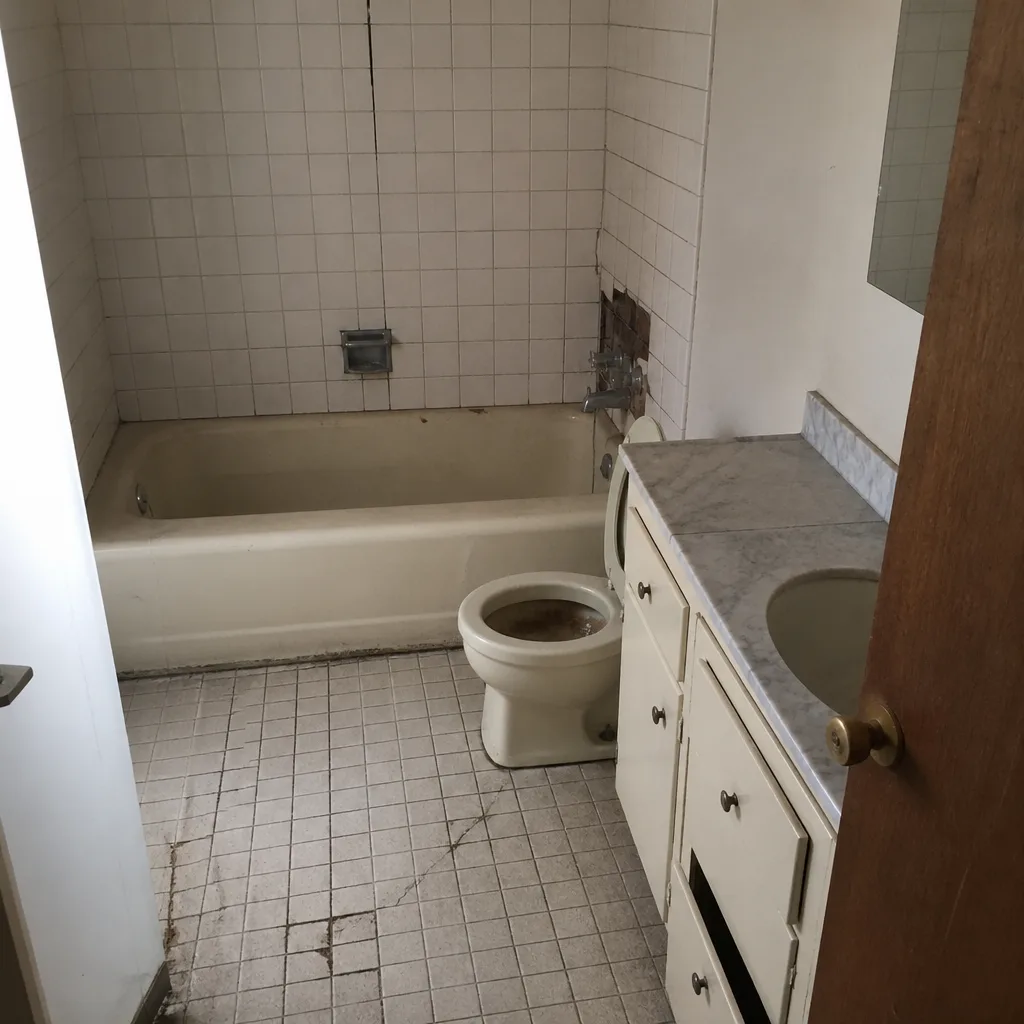 Before
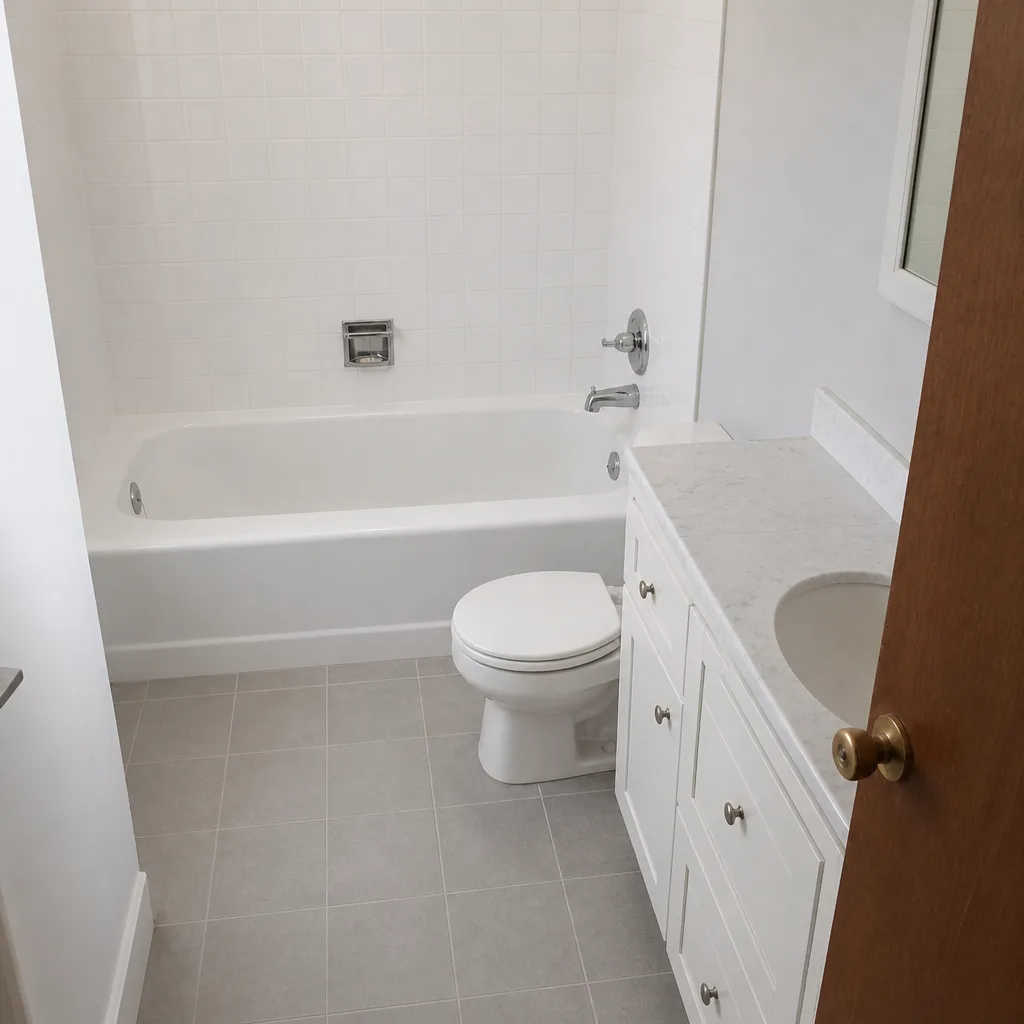 After
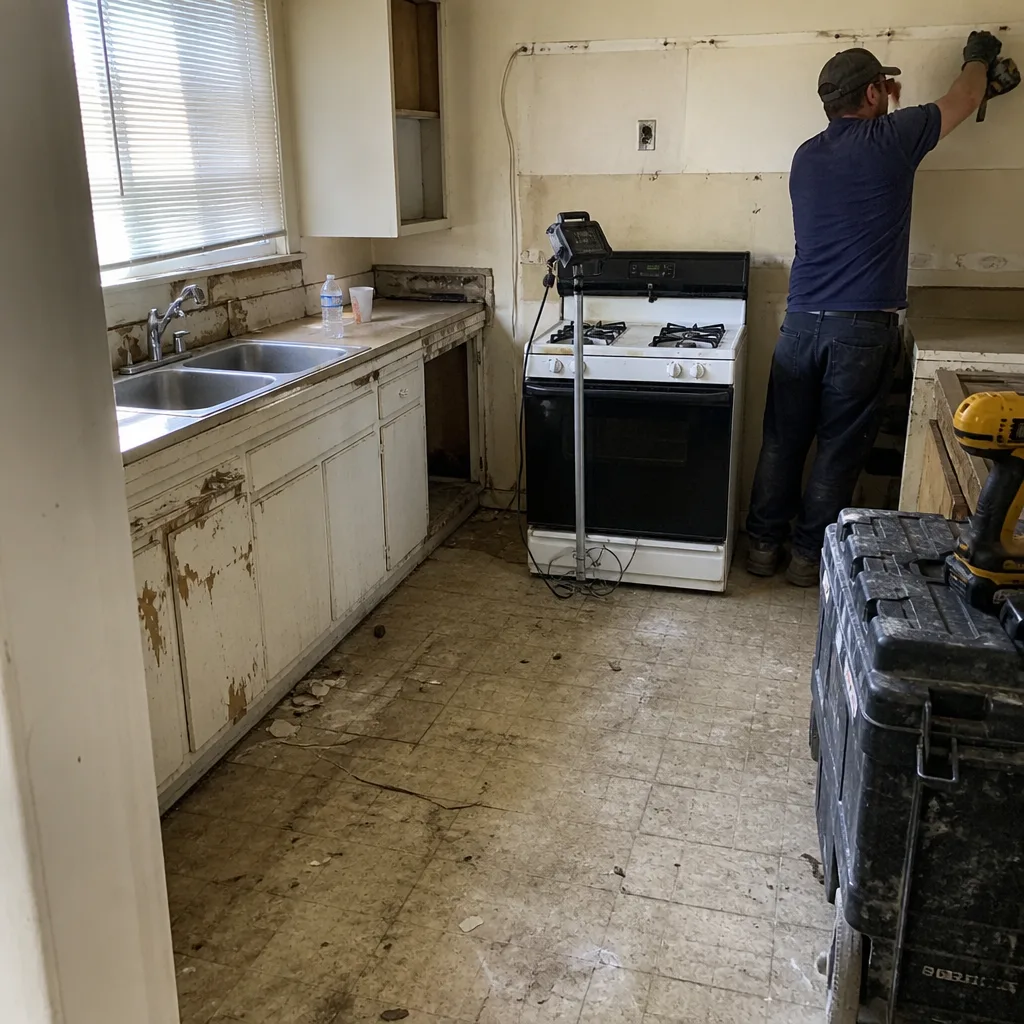 Before
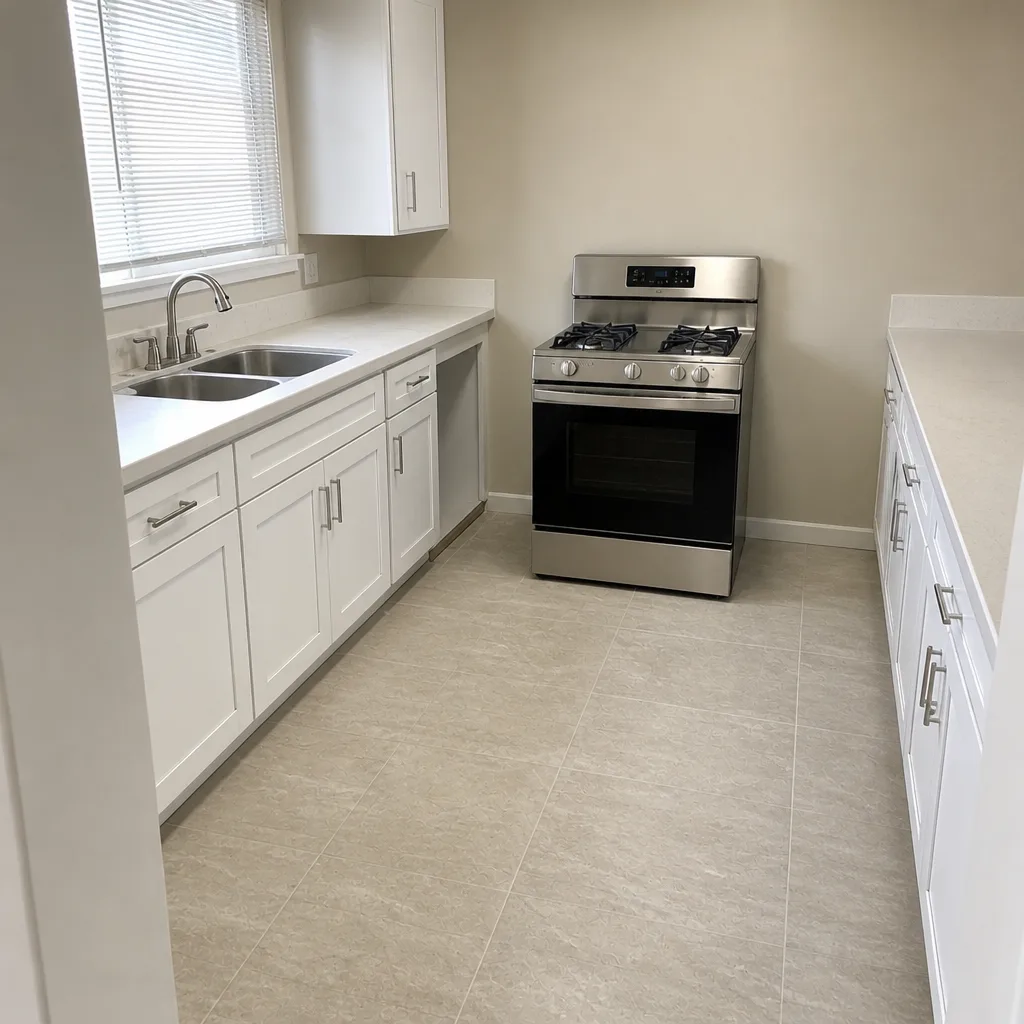 After
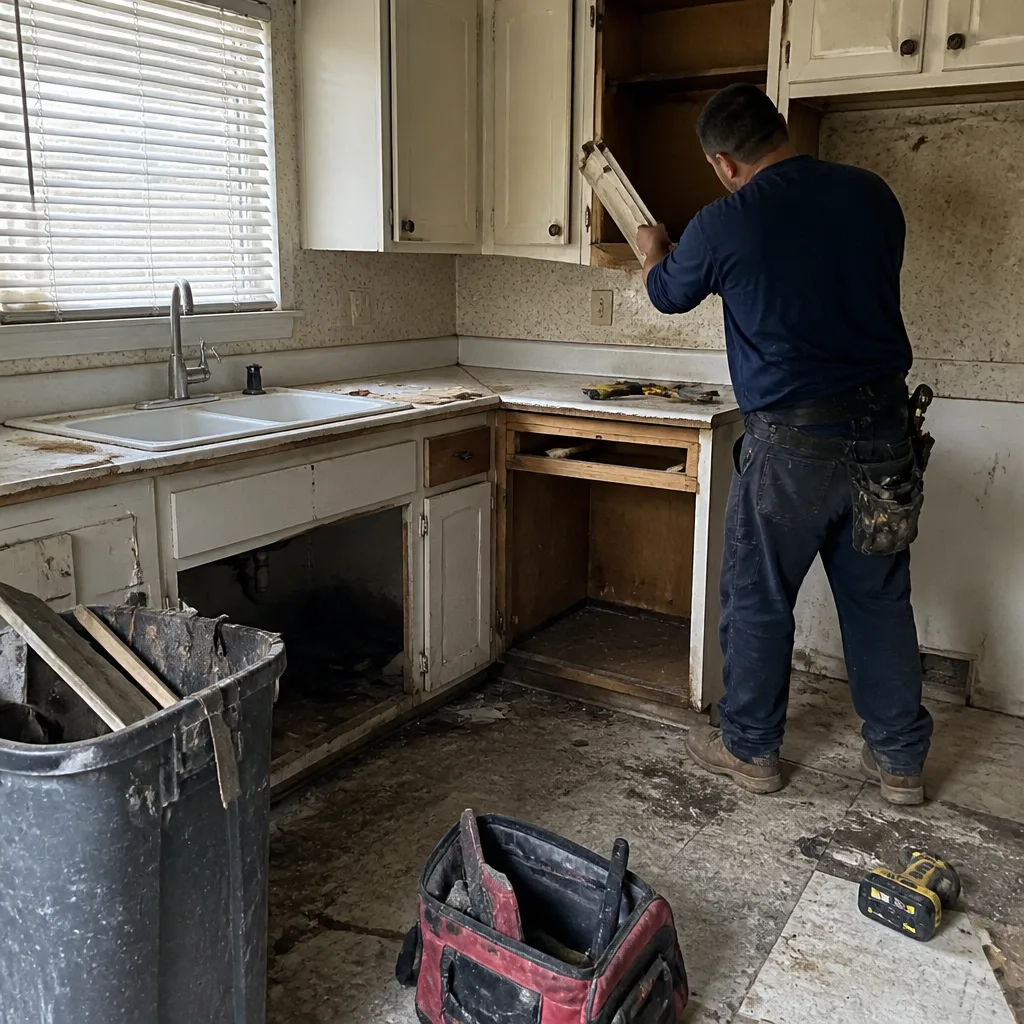 Before
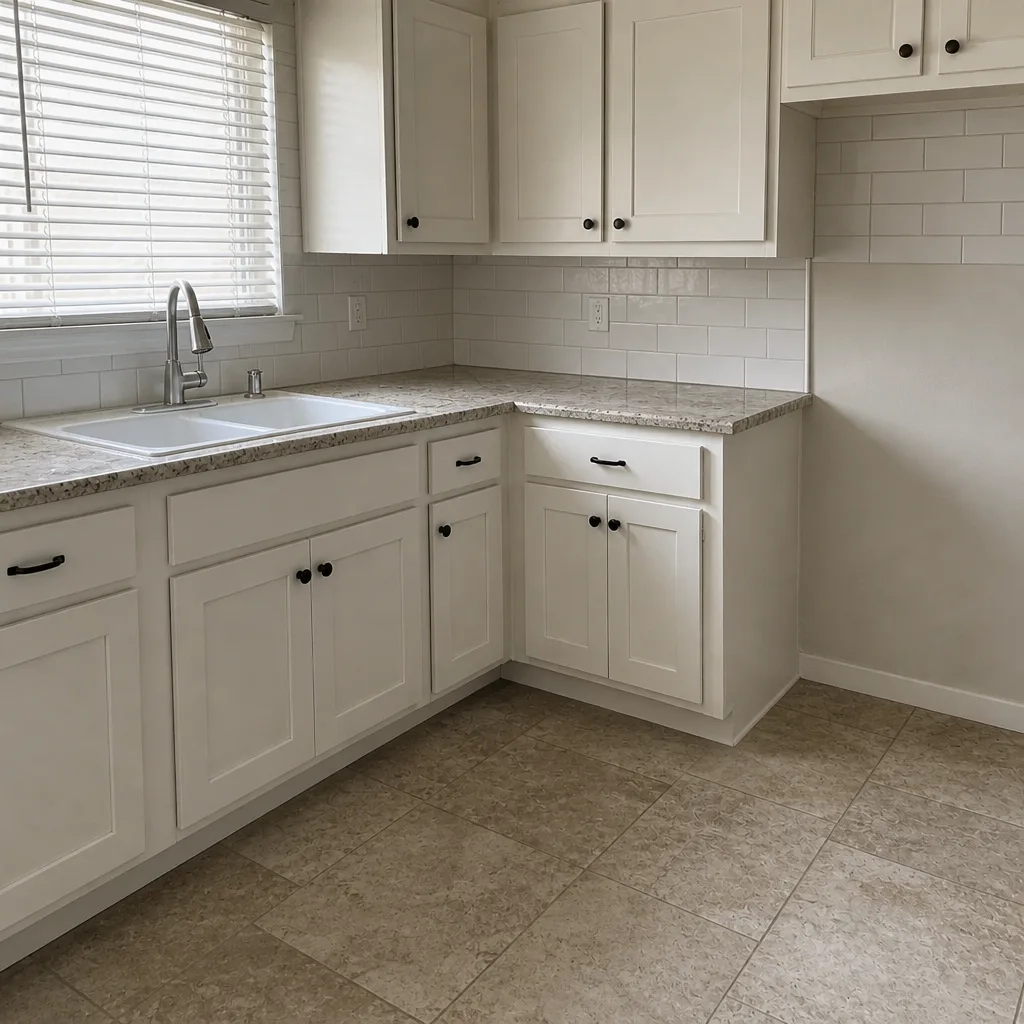 After
Double Hung vs Casement Windows in Anaheim, CA: Which One Belongs on Your Wall?
Choose casement windows on walls that face open sky, wind, or a hillside, and double-hungs everywhere a sash opening outward would block a walkway or hang over a neighbor’s fence line. That’s the short version. Here’s why it matters in Anaheim: during a Santa Ana wind event carrying wildfire smoke, a casement cranked shut holds a tighter seal than a double-hung, because its sash presses into a weatherstripped frame instead of sliding past it. Anaheim gets several of those smoke-and-dust events a year, so the choice is less about looks than about how your walls handle weather. Call (888) 300-3178 and we’ll walk your rooms with you.
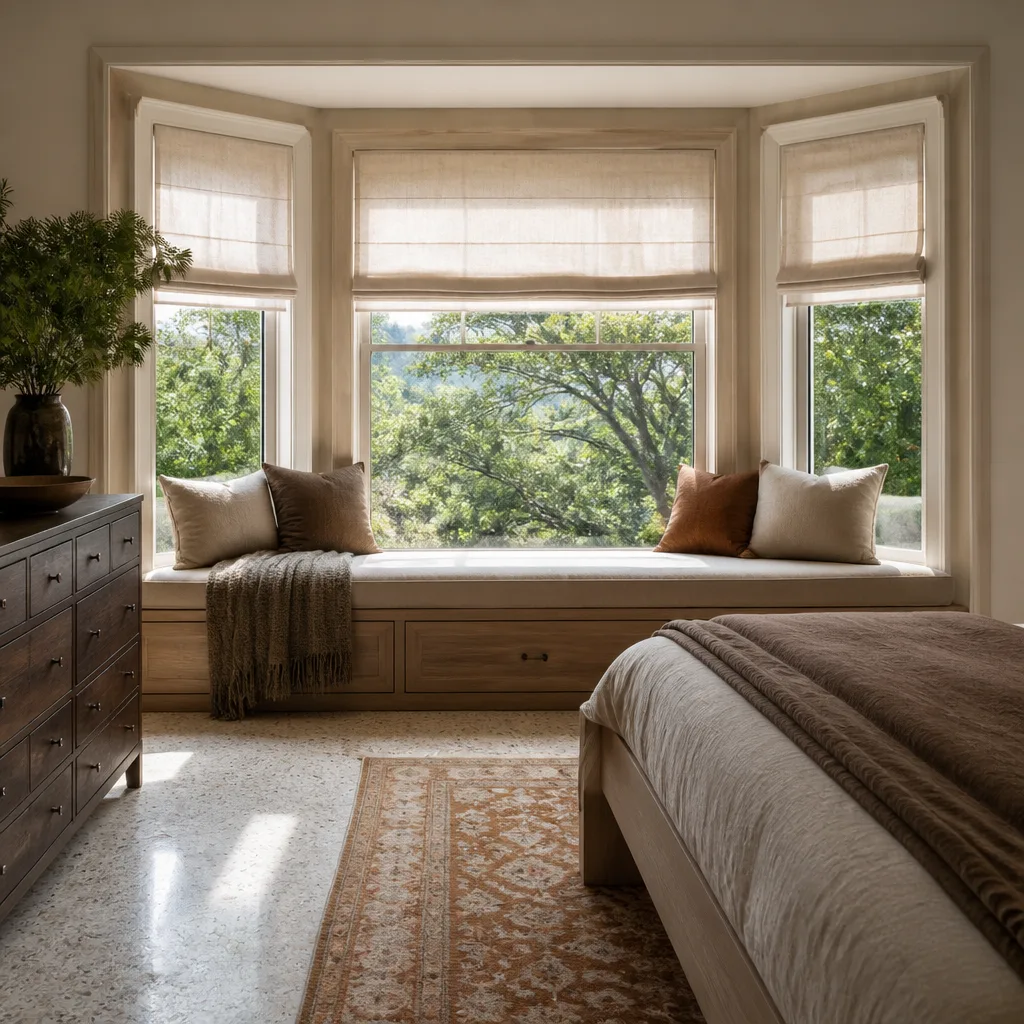
The seal is the whole story: compression vs. sliding
Two window styles, two completely different ways of closing.
A casement closes like a jar lid. The crank draws the sash against a gasket that runs the full perimeter, so the seal is continuous and compressed. Air has to defeat that gasket to get in. A double-hung closes like a pocket door, with the sashes sliding down into a frame and meeting a set of interlocking rails. It seals well, but not as tightly, and the seal degrades as weatherstripping compresses over time.
In most of the country that gap is academic. In Anaheim it’s a homeowner’s concern. Sitting in a semi-arid Santa Ana wind corridor, the city gets hot dry summers and recurring smoke and fine-dust events, and the infiltration difference shows up as ash film on the interior sill after a bad wind week. Casements win that test clearly.
Where double-hungs still win
Double-hungs earn their keep on clearance and durability. A casement sash swings outward and, when fully open, sits a foot or more past the wall. On Anaheim’s west-side grid of 1950s tract homes, where lot lines run close and side yards squeeze between houses, that swing creates a real tripping and head-strike hazard for anyone walking the property edge. Double-hungs slide up and down flush with the wall and never encroach on the yard. Their hardware is also simpler: fewer moving parts means less to service. On a busy family home with kids cycling windows constantly, that simplicity matters.
Ember intrusion: what Anaheim’s foothill-adjacent homes need to know
If your home sits on the eastern edge of Anaheim toward the hills, your windows are part of your defensible envelope. California’s wildland-urban interface (WUI) standards, updated alongside the state’s ember-resistant construction provisions, push toward multi-pane glazing that resists radiant heat and frames and seals that keep embers from finding a gap. Both casements and double-hungs can comply. Not every product in either style does. What trips up homeowners is buying on style before checking the rating. If you’re within a mapped WUI zone, ask for the glazing spec and the air-infiltration number before you sign. On smoke and ember exposure, a tight casement is generally the safer starting point; on a wall where clearance rules out a crank-out sash, a well-sealed double-hung rated for the zone does the job.
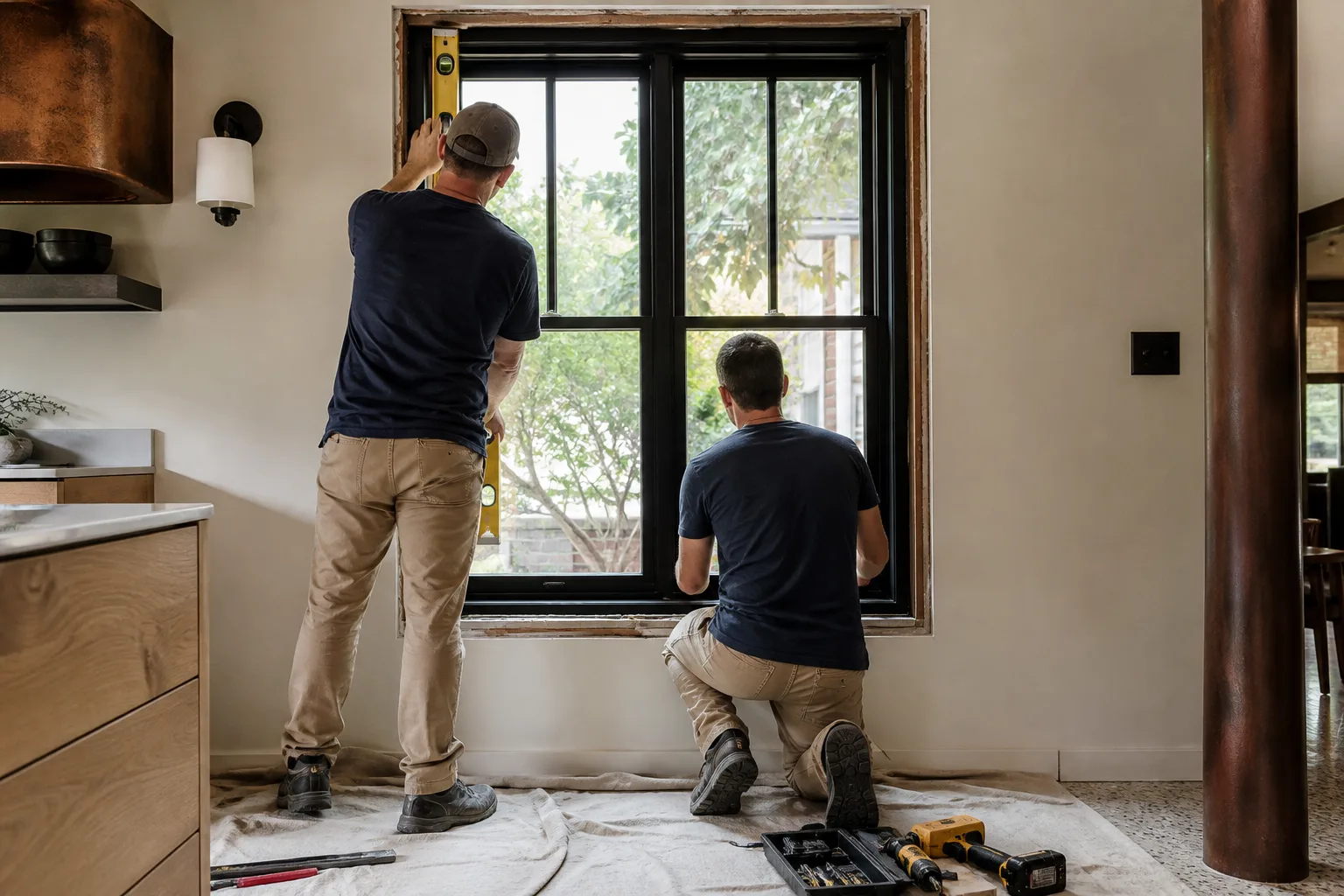
Room by room: how we sort it out in practice
We don’t pick one style for a whole house. We walk the rooms. A practical framework that works in Anaheim homes:
- Living room and primary bedroom facing an open rear yard or the hills: casement. Maximum ventilation, best sealed against smoke and dust.
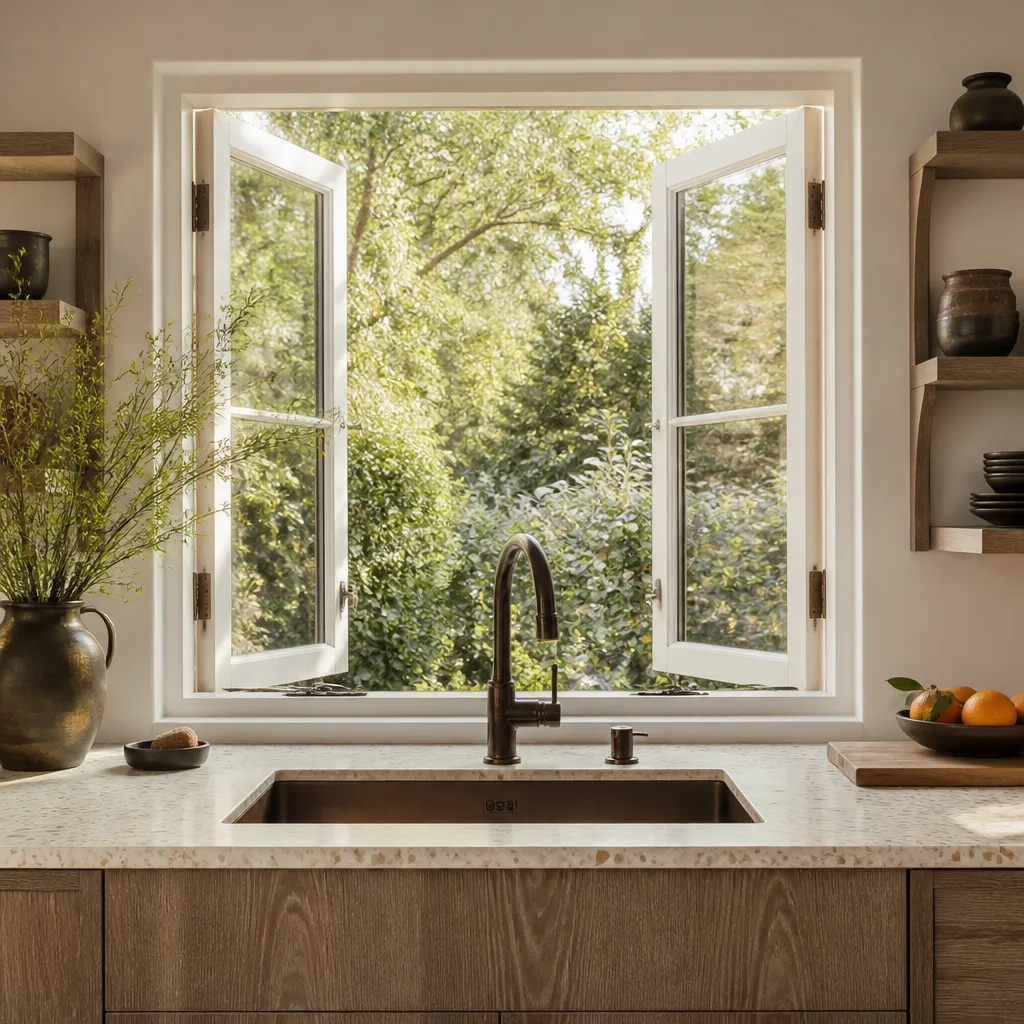
- Kitchen over the sink: casement. No sash to reach across, and the crank keeps a countertop clear.
- Side-yard walls and walls a few feet from a neighbor: double-hung. The outward swing of a casement would block the walkway.
- Bedrooms kids use, or windows near a patio path: double-hung. Flush operation, fewer protruding edges.
- Second-story windows over a walkway or driveway: double-hung, or a tilt-in casement only if clearance allows.
- Any wall within a mapped WUI zone: whichever style carries the rated glazing and seal you need.
Do casements or double-hungs fit Anaheim’s older homes better?
It depends on what was there before. Much of Anaheim’s housing stock is 1950s to 1970s single-story tract homes on slab foundations, and many still carry the original aluminum sliders. Those openings are usually sized for a horizontal slider, so a casement often drops into the same rough opening with less framing work than a double-hung. When a window sits above a stucco wall on a sun-baked lot, the style choice also has to account for UV heat-cycling, which stresses both seals and hardware over the long haul.
We see this most in the older residential grid – the Colony, west Anaheim, the postwar blocks around it – where a “simple” window swap sometimes reveals framing that needs attention behind the stucco. If you want the full picture of what we install across the region, our Anaheim service area page covers the neighborhoods we work in and what to expect. For the broader window and door lineup, see our Windows & Doors service.
Andersen vs. Marvin: real specs, head to head
We carry two of the strongest names in the category, and the honest answer to “which is better” is “which line.” Here’s a practical comparison of what homeowners ask about most. A lower U-factor means better insulation; a lower air-infiltration number means a tighter seal. Exact figures vary by model and glass package, so we confirm the spec sheet for your specific unit before ordering.
| Consideration | Andersen (casement & double-hung) | Marvin (casement & double-hung) |
|---|---|---|
| Casement closing action | Crank-out, compression seal against the weatherstrip | Crank-out, compression seal, with a robust multi-point lock on many lines |
| Double-hung operation | Sliding sashes, tilt-in cleaning on many models | Sliding sashes, smooth counterbalance, tilt-in available |
| Thermal performance (U-factor) | Varies by line and glass; ask for the rated number | Varies by line and glass; ask for the rated number |
| Air infiltration | Rated per model; casement models generally test tighter | Rated per model; casement models generally test tighter |
| Best for WUI-adjacent walls | Select models carry rated glazing | Select models carry rated glazing |
| Hardware to watch long-term | Crank operator and locks | Crank operator and multi-point locks |
For kitchens and baths, we pair window work with finishes from Kohler and Grohe so the trim, hardware, and color story hold together. Marvin and Andersen both make a casement that handles Anaheim’s wind-and-smoke seasons well. The line that fits your wall and your budget is a conversation, not a guess.
What window work costs in Anaheim
Upfront pricing means the number you see is the number you pay. Here’s how our window work sorts out:
- Window replacement: $4,500-$15,000
- Impact window installation (rated glazing): $8,000-$25,000
Standing offers that lower the entry point: a free project estimate and design consult, 0% financing for 18 months, and $1,000 off projects over $10,000. Every installation is covered by our 730-Day Done Right Promise – if it’s not right, we make it right.
The hardware question: cranks and locks are where windows fail
The most common failure points on any window are the moving parts. On casements, it’s the crank operator and the lock; on double-hungs, it’s the counterbalance and the sash lock. These are the pieces homeowners call us about first, and they’re exactly what the 730-Day Done Right Promise covers: operators, locks, seals, and weatherstripping. If a crank strips or a lock misaligns on a window we installed, we make it right. That’s how we back work that’s built to last, backed in writing.
FAQs
Repair is usually cheaper when the problem is hardware or seals alone, but replacement wins when the frame or glazing has failed and repairs would only delay the inevitable. In older Anaheim tract homes with original single-pane sliders, we often find that a partial repair costs a meaningful share of full replacement, which changes the math. Call (888) 300-3178 for a free estimate and a straight answer on which path makes sense.
Full window replacement in Anaheim typically runs $4,500-$15,000, and impact-rated installation runs $8,000-$25,000. The style itself is usually a smaller piece of the cost than the glass package, frame material, size, and how much framing work the opening needs. Call (888) 300-3178 for an exact quote – estimates are free.
Yes, casement windows generally seal out smoke and dust better than double-hungs because the sash compresses against a gasket when closed. That tighter seal is the reason we favor casements on Anaheim walls facing open sky and the hills, especially if you’re near a WUI zone. If a wall’s clearance rules out an outward-swinging sash, a well-rated double-hung is the right compromise. Call (888) 300-3178 to sort out a room-by-room plan.
We answer calls live 24/7 and can schedule a free estimate quickly. Our technicians bring up to 12 years of experience, arrive background-checked and in uniform, and quote upfront. Call (888) 300-3178 to book a visit in Anaheim.
If you’d rather have it looked at, Groundwork Construction Co. of Anaheim offers a no-pressure assessment in Anaheim – call (888) 300-3178 and we’ll walk your rooms and quote it straight.
Written by the team at Groundwork Construction Co. of Anaheim, serving Anaheim, CA.