Free written scope consultation - allowances, timeline, and change-order rules on paper before a single trade is scheduled
Styles & brands we work with
- Kitchen remodeling
- Bathroom remodeling
- Home additions & ADU
- Roofing
- Windows & doors
- Driveway & pavers
- Fence
See the difference
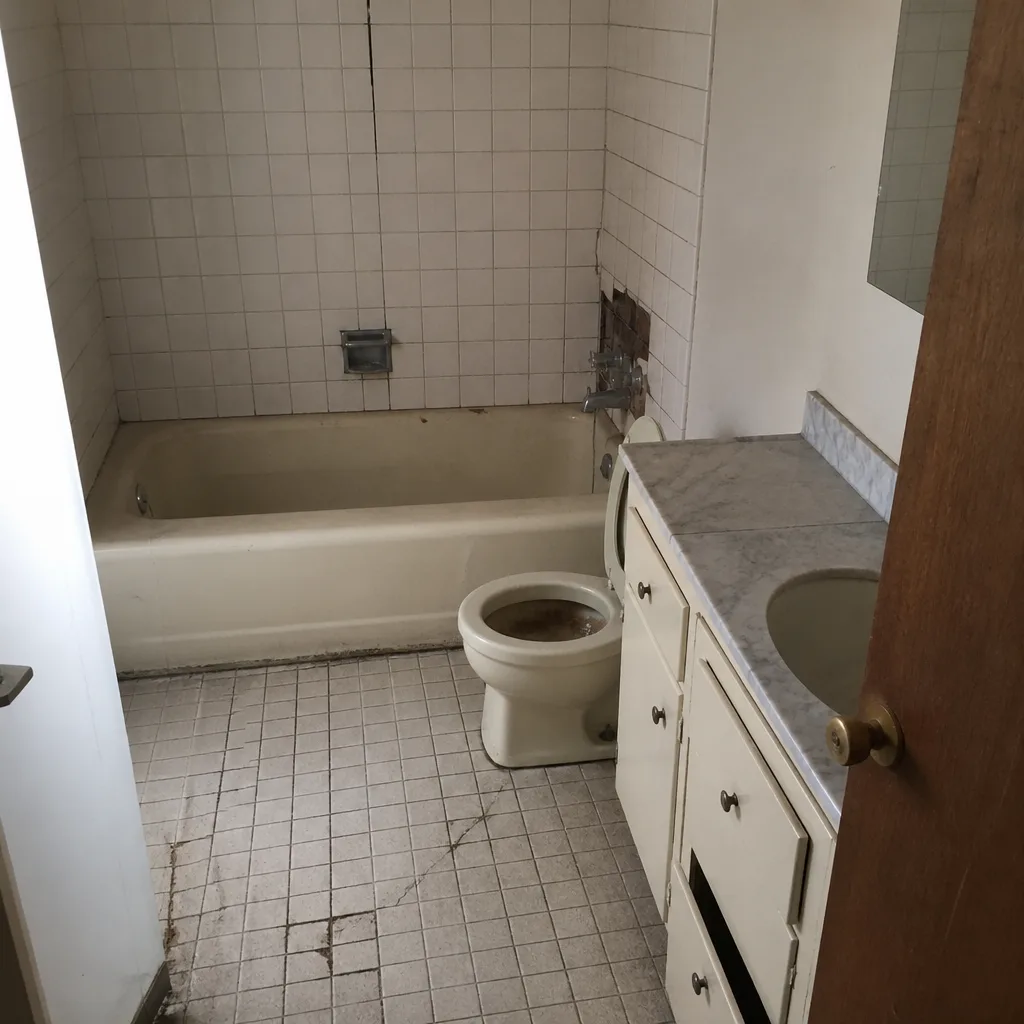 Before
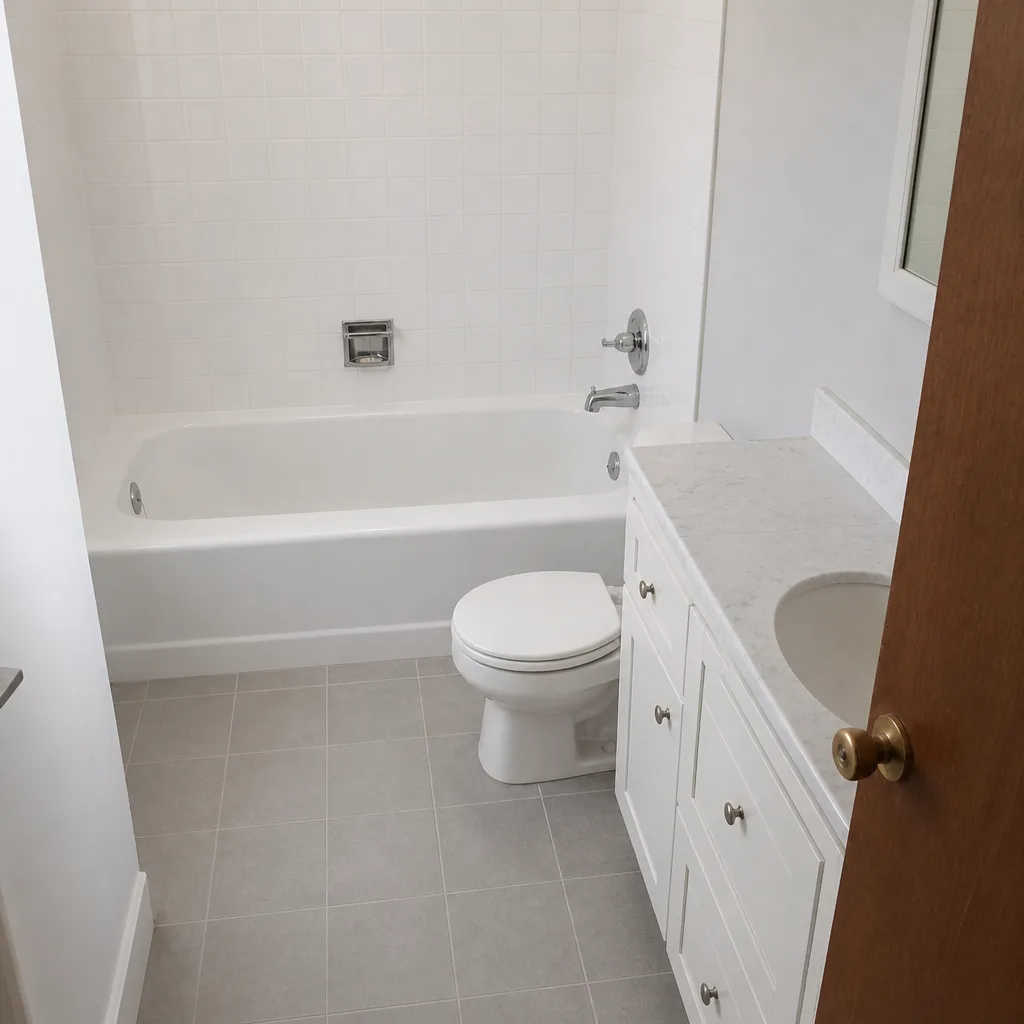 After
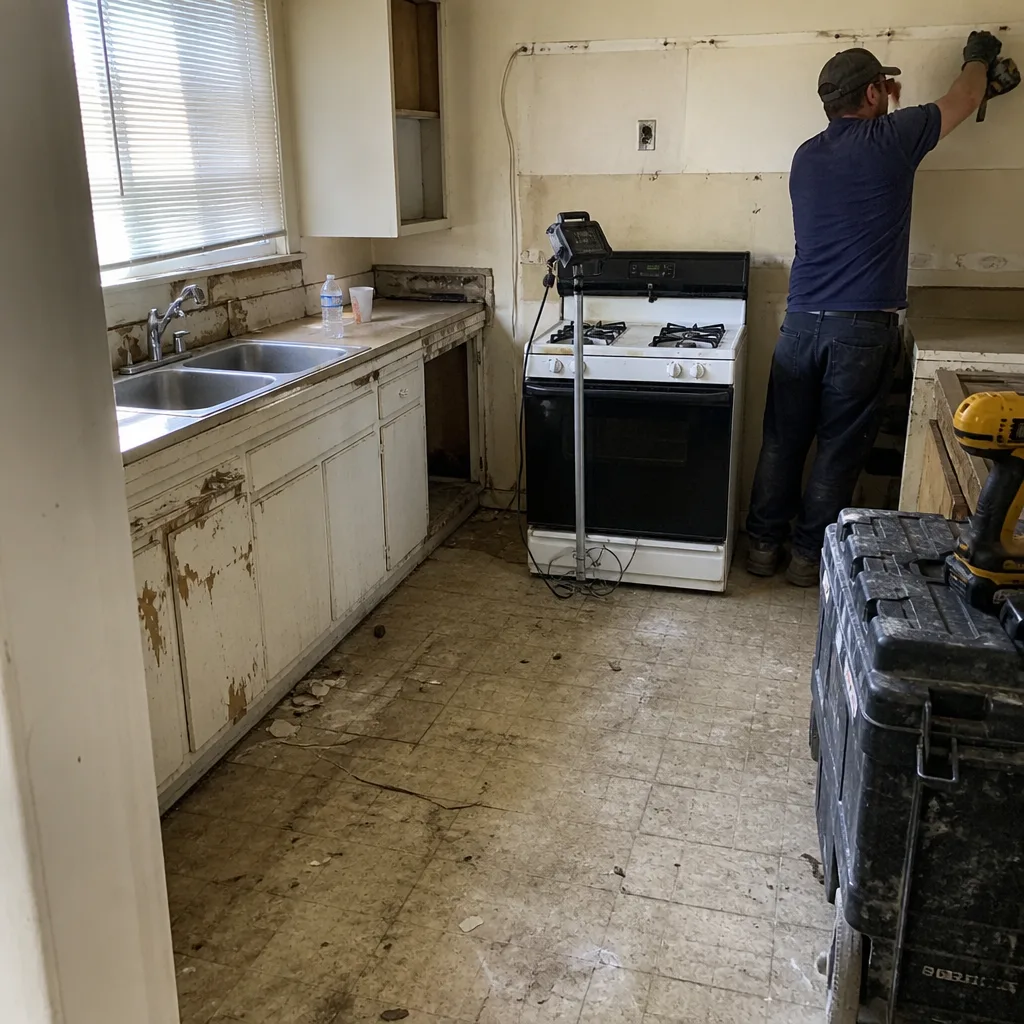 Before
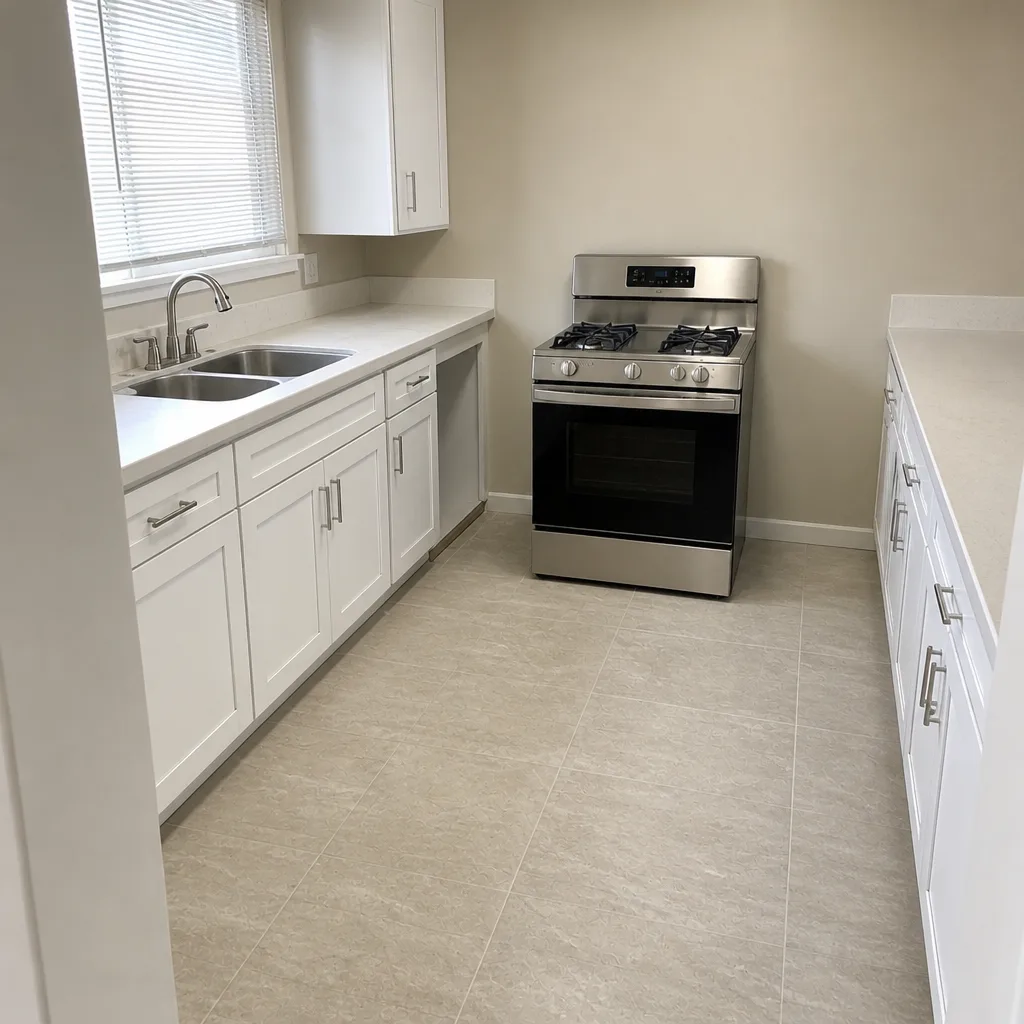 After
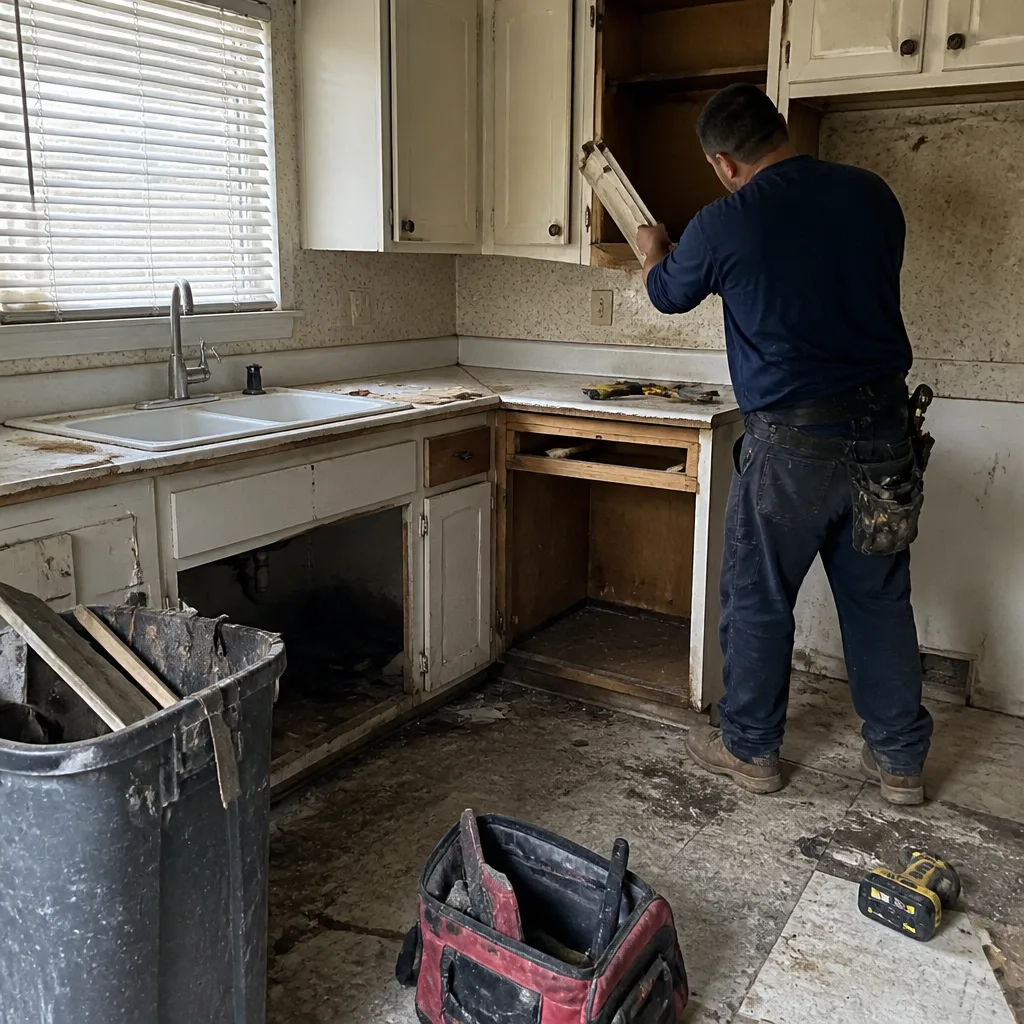 Before
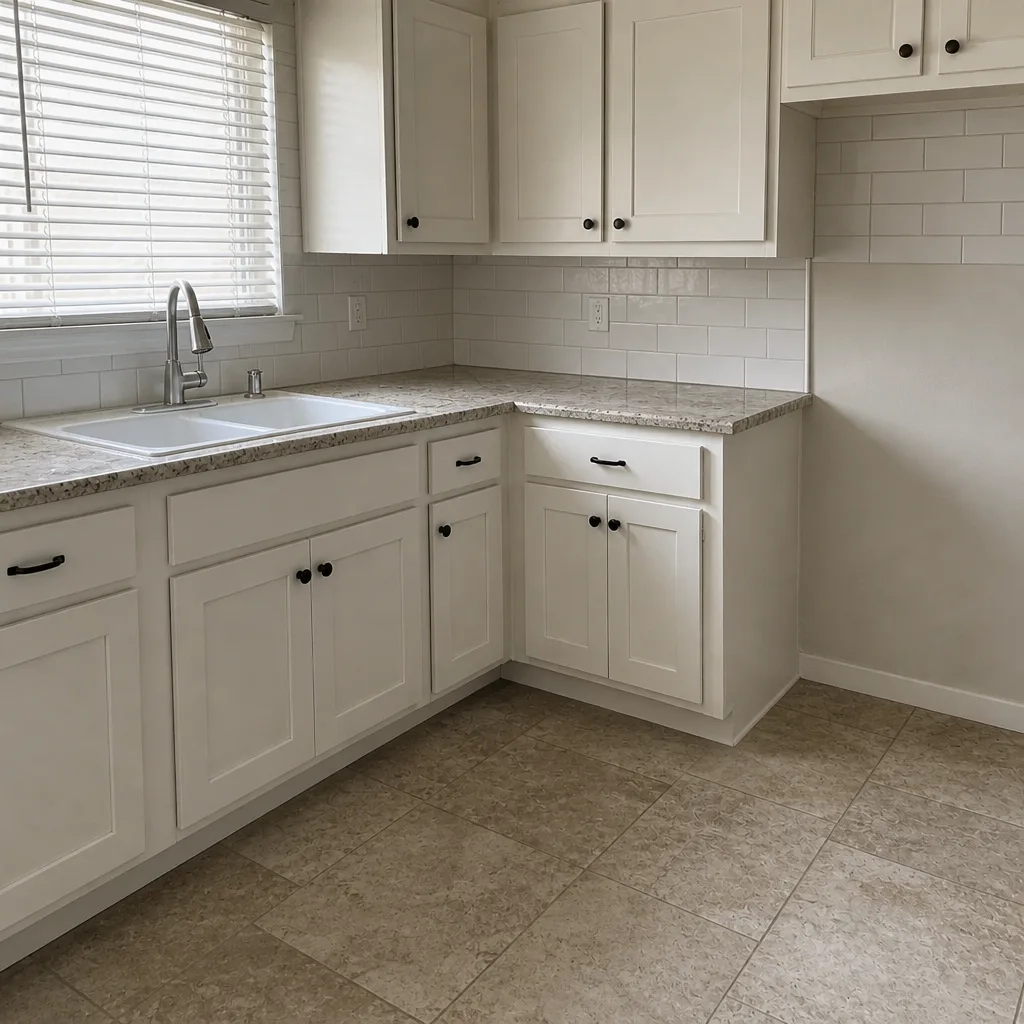 After
Window Design Pressure Ratings in Anaheim, CA: What That Number on the Sticker Actually Means
A window’s design pressure (DP) rating is the wind load, measured in pounds per square foot, that a window is tested to withstand without structural failure, water infiltration, or permanent deflection. It’s printed on the label as DP followed by a number – DP35, DP50, DP65 – and that single figure is the spec that determines whether a window survives a Santa Ana wind event or leaks for the next decade. If your window’s label shows a DP number sized for calm coastal air, it’s undersized for Anaheim’s real wind exposure. Call (888) 300-3178 and we’ll pull the actual rated spec for your opening before anyone quotes you a replacement.
Anaheim isn’t a hurricane coast, so most homeowners assume DP ratings are someone else’s problem. They aren’t. In the 2021 Santa Ana wind event, gusts in the Anaheim flatlands hit 70 mph, and much of the city’s 1950s tract housing still carries windows chosen for the “standard residential” label rather than the wind the neighborhood actually sees. Here’s what the number means, why it matters more here than the marketing brochures suggest, and how to verify the real tested figure instead of trusting a verbal claim.
Why Anaheim’s Wind Exposure Demands More Than a “Standard Residential” Window
CalFire and Cal OES classify much of Orange County as a Wind Exposure Category C zone – open terrain with scattered obstructions, which generates higher sustained loads than the sheltered Category B rating most generic window literature assumes. That classification matters because DP requirements scale with exposure category and with the height of the opening above grade. A window on the second story of a home near the Platinum Triangle faces a different load than a single-story slider in the Colony, even on the same street.
Anaheim sits in a semi-arid Santa Ana wind corridor. Hot, dry summers and mild winters mean the UV cycling on glass and frames is relentless, but the bigger factor for DP performance is the wind itself. Those wind events funnel through the flat residential grid with nothing to break them up. A window rated for a gentle coastal breeze is being asked to do a job it was never tested for.
The Three Numbers Behind Every DP Rating (and Why Most Pages Conflate Them)
This is where most of the window industry’s marketing gets sloppy. A single DP badge on a showroom sample actually stands for three separate test results, and they measure very different things.
- Design Pressure (DP): The wind load the window is rated to handle in normal service without permanent damage. This is the number you should be comparing when you shop, and the one that belongs in your project scope.
- Structural Test Pressure (STP): Typically 1.5 times the DP rating. The window is held at this load for a set period and then inspected for permanent deformation. Pass this, and the window recovers its shape after severe wind.
- Ultimate Test Pressure (UTP): Usually several times the DP. This is where the window is pushed until it fails outright – a safety margin, not a service rating. No one should be sizing your windows to the UTP number.
When a contractor waves a brochure and says “this one is rated for high wind,” ask which of the three they’re quoting. A DP rating that’s actually an ultimate test figure will make a marginal window look tough. We specify the DP number in writing on every project, which ties directly into our 730-Day Done Right Promise: if the specified rating isn’t what gets installed, we make it right.
Why Slab-on-Grade Homes Change the Math in Anaheim
Here’s the piece almost no window page mentions. Much of Anaheim’s housing stock – the historic Colony, west Anaheim, the postwar tracts – is single-story construction on a slab foundation with no crawlspace and no wood subfloor. That matters for window performance because a wood subfloor flexes slightly under lateral load, absorbing some of the wind energy before it reaches the window frame. A slab-on-grade home has no such buffer. The rigid concrete-to-frame interface transfers lateral wind load directly into the window unit.
In practical terms, a marginal DP rating that might hold up in a wood-frame home with a subfloor becomes riskier in a slab-on-grade Anaheim home. The frame takes the full load, the sealant joints work harder, and the hardware absorbs forces a more generously rated window would shrug off. We’ve seen it repeatedly: windows that passed inspection and looked fine for two or three seasons before water started tracking behind the frame. The lack of a subfloor is often the hidden variable.
What to Look For: Verifying a Real DP Rating Before You Sign
You don’t have to take a contractor’s word for a wind rating. Every reputable manufacturer publishes certified DP ratings per SKU and per size, so the tested figure is verifiable before installation begins.
- Ask for the spec sheet by model and size. DP ratings vary within a product line. A fixed picture window and an operable casement from the same series can carry different ratings.
- Check the label on the unit itself. Every certified window carries a permanent label showing its DP rating, and it should match the spec sheet.
- Confirm the rating against your exposure category. A DP rating that’s fine for sheltered terrain is undersized for Category C exposure in a wind corridor.
- Get the specified rating written into the scope. If it’s not in the contract, it’s not guaranteed. We put it in writing every time.
This is exactly why we work with manufacturers who publish per-SKU data. Andersen and Marvin both show certified DP ratings for every model and size in their lines, so homeowners can verify the number rather than accept a verbal claim. We spec those brands into Groundwork Construction Co. of Anaheim projects specifically because the data is on the record.
How Much Does Specifying the Right Rating Add to a Window Project in Anaheim?
The DP rating itself usually doesn’t carry a large premium – the cost driver is the window line, size, and frame material. But here are the market ranges for Anaheim window work so you can budget with real numbers.
| Project | Typical Anaheim Range |
|---|---|
| Window Replacement (whole home) | $4,500-$15,000 |
| Impact Window Installation | $8,000-$25,000 |
| Single window hardware/seal repair | Quoted per opening |
Whole-home window replacement across a typical Anaheim tract home runs $4,500-$15,000, and impact-rated units come in higher at $8,000-$25,000 depending on glazing and count. The spec sheet verification and DP documentation we provide come standard on every project, not as an add-on. Our technicians have up to 12 years of experience reading and specifying to these ratings, and you can see how this fits our broader Windows & Doors work.
If you’re weighing a full replacement against repair, the DP question should decide it: a window with a marginal rating for its opening is a candidate for replacement no matter how good its glass looks. Our home remodeling services cover the full envelope, and for local specifics across the city, see our Anaheim service area page.
Frequently Asked Questions
Most Anaheim homes in Wind Exposure Category C need a DP rating of at least DP40 to DP50 for typical openings, with higher ratings for tall second-story windows or exposed locations near the wind corridor. The exact requirement depends on opening size, height above grade, and your specific exposure, so the only reliable answer comes from the spec sheet for your window model and a realistic look at your site.
Not automatically – a higher rating means heavier frames and thicker glazing, which can add cost and change the look of the window. The goal is a rating matched to your actual wind exposure, not the highest number on the brochure. Over-speccing wastes money; under-speccing is where leaks and hardware failures come from. Call (888) 300-3178 for a free assessment of what your home actually needs.
Nothing to have it explained – the real cost is the window project itself, which runs $4,500-$15,000 for whole-home replacement or $8,000-$25,000 for impact-rated units. We provide a free project estimate and design consult so you can evaluate the rated spec against real numbers before committing. Estimates are free.
We take calls around the clock with a live person answering at (888) 300-3178, and we schedule assessments as quickly as the calendar allows. Same-day visits depend on your location and our schedule, but you’ll never reach a voicemail black hole. Call for the soonest available time.
Getting the Right Rating in Writing
If you’d rather have it looked at than guess, our team will pull the actual DP spec for your opening and put it in writing before any work begins. Groundwork Construction Co. of Anaheim offers a no-pressure assessment across Anaheim – call (888) 300-3178 for a free project estimate and design consult, and we’ll confirm the right rating for your home.
Written by the team at Groundwork Construction Co. of Anaheim, serving Anaheim, CA.