


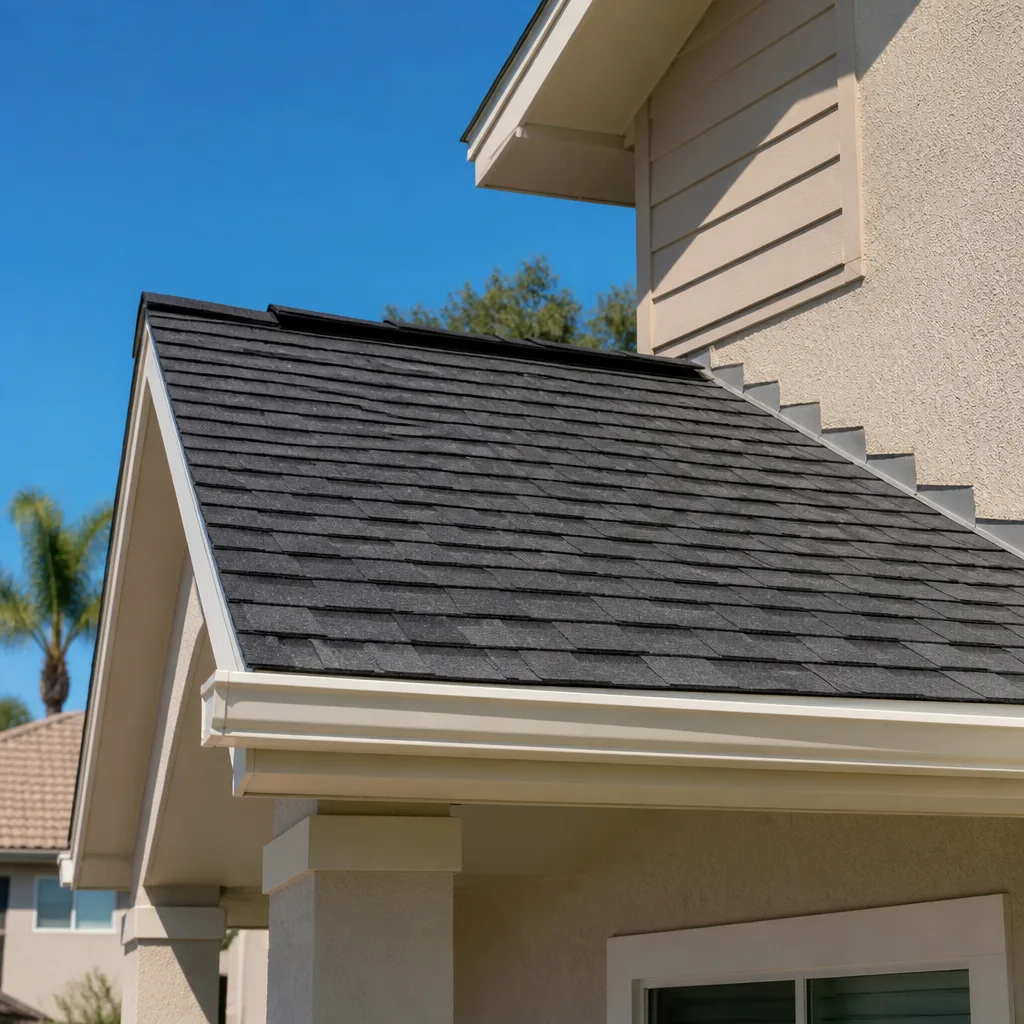
Free written scope consultation - allowances, timeline, and change-order rules on paper before a single trade is scheduled
Styles & brands we work with
- Kitchen remodeling
- Bathroom remodeling
- Home additions & ADU
- Roofing
- Windows & doors
- Driveway & pavers
- Fence
See the difference
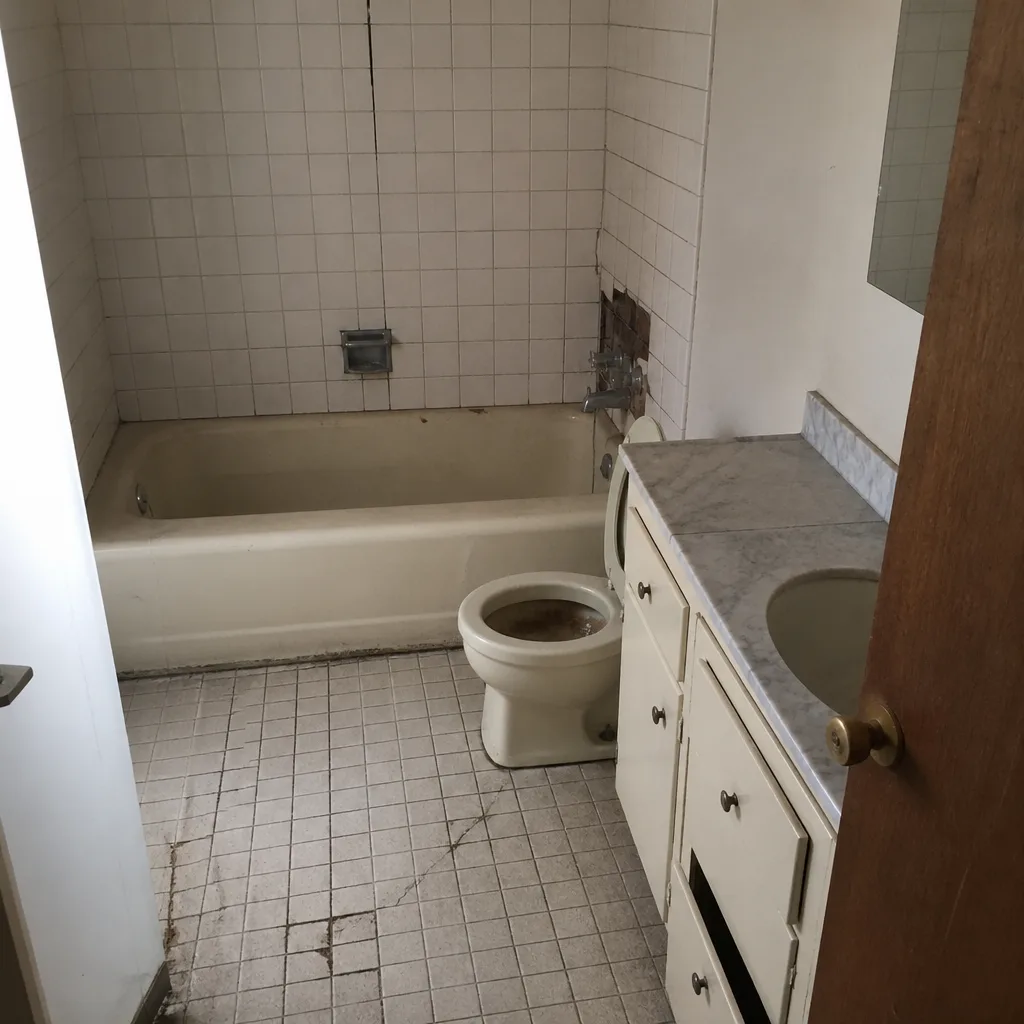 Before
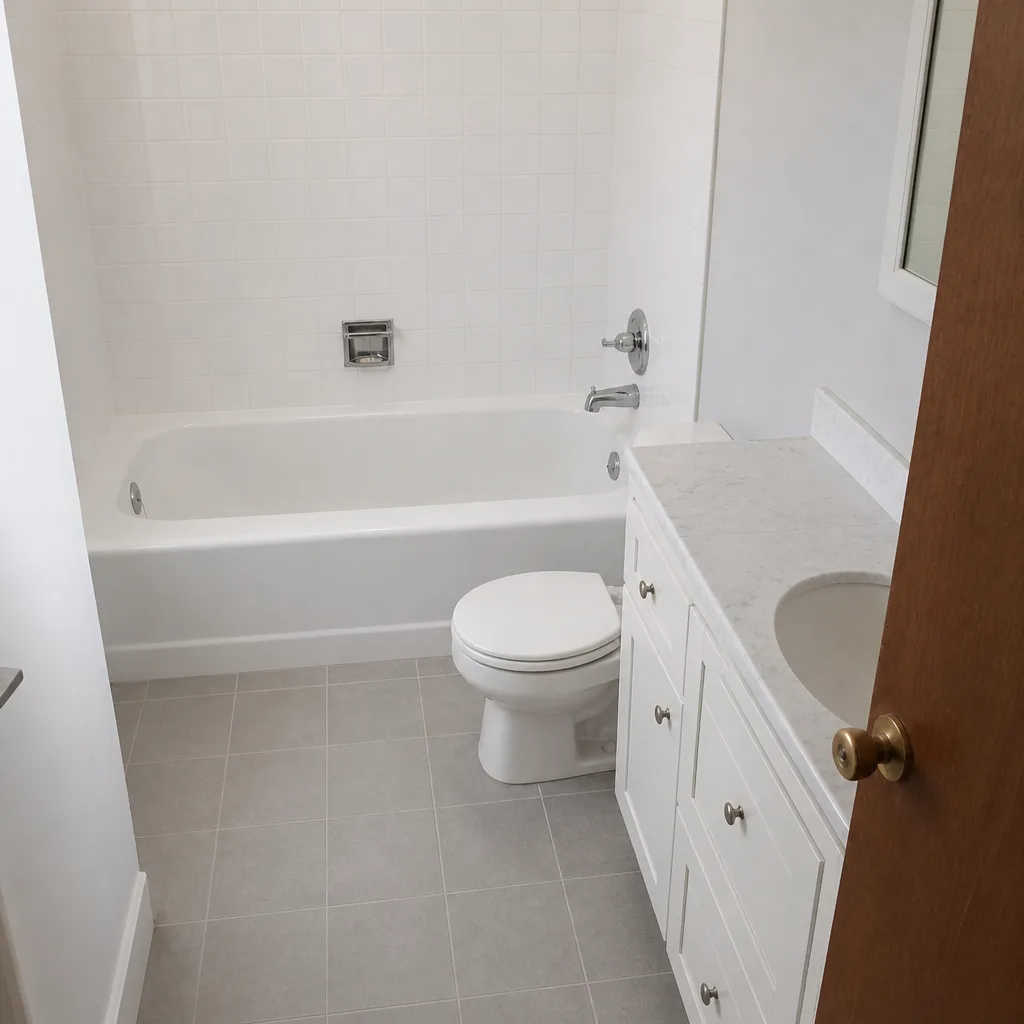 After
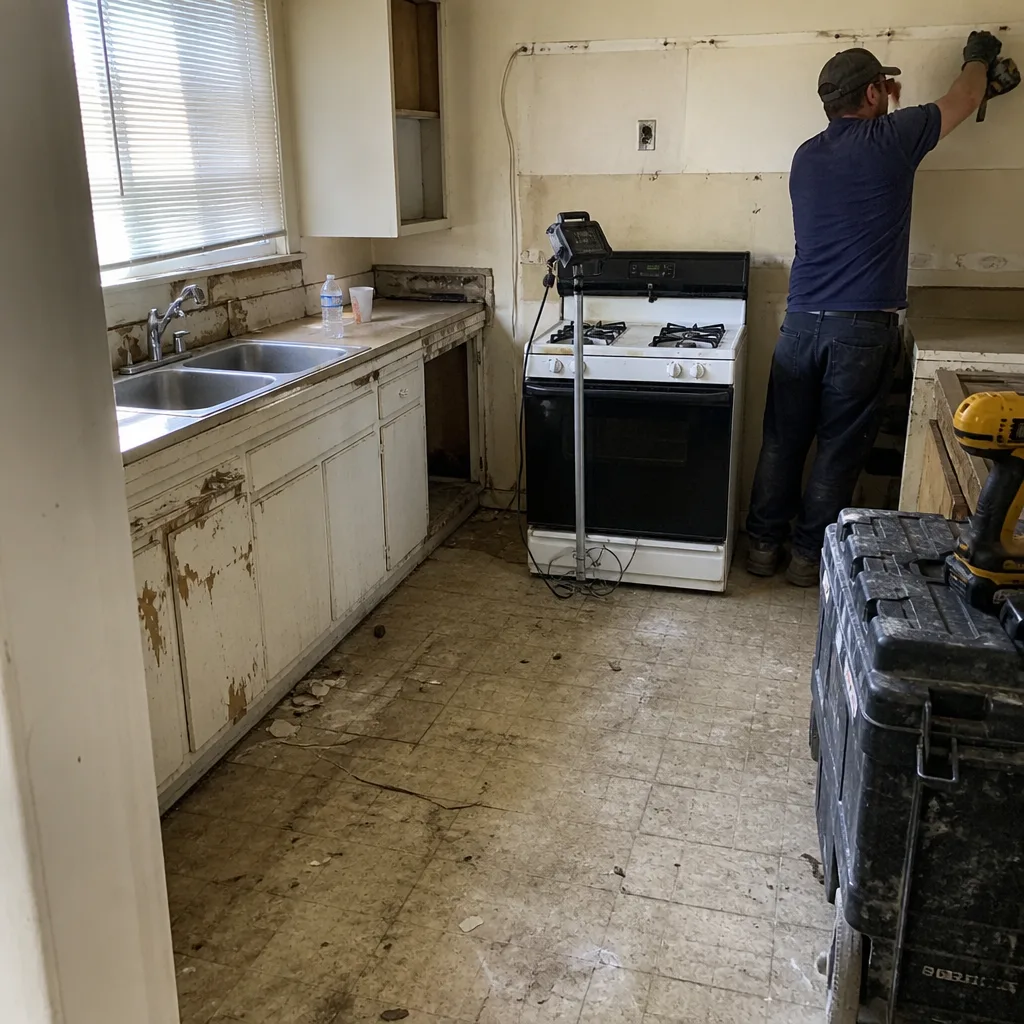 Before
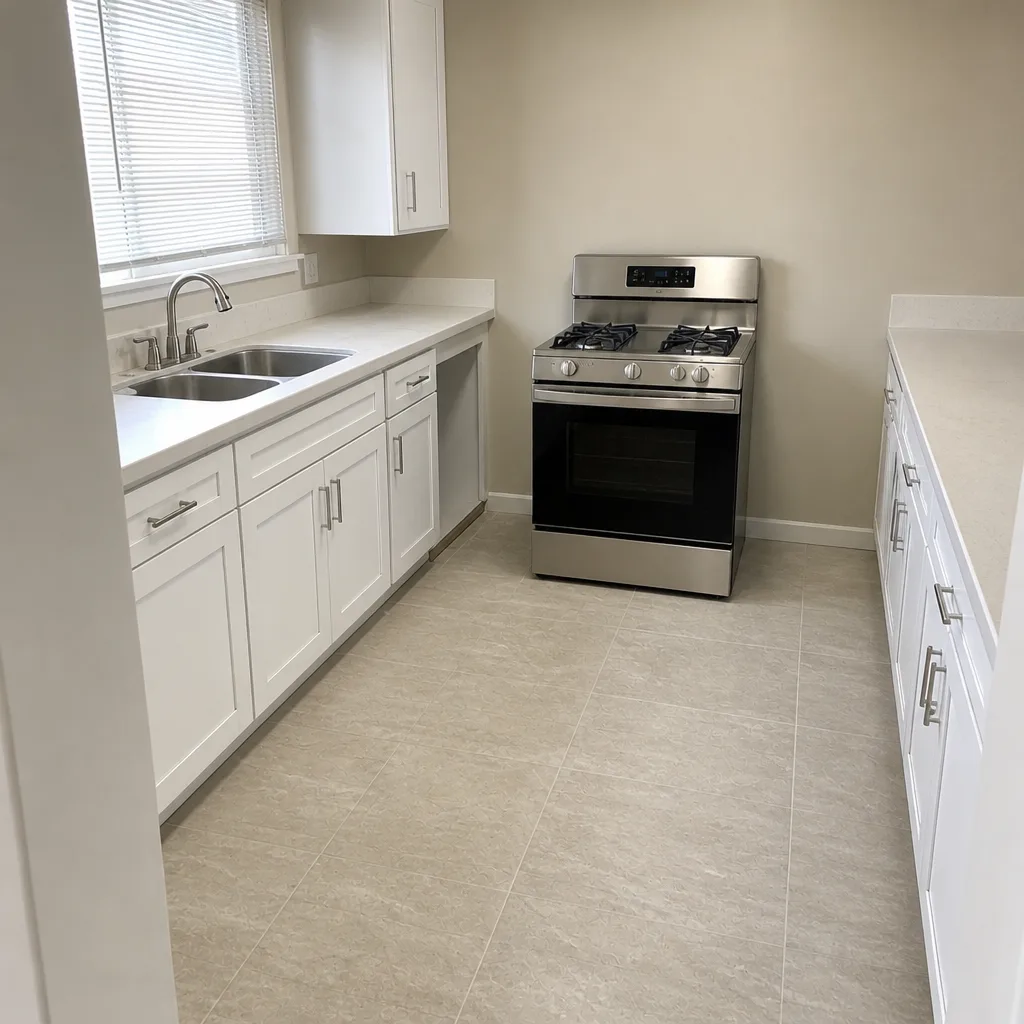 After
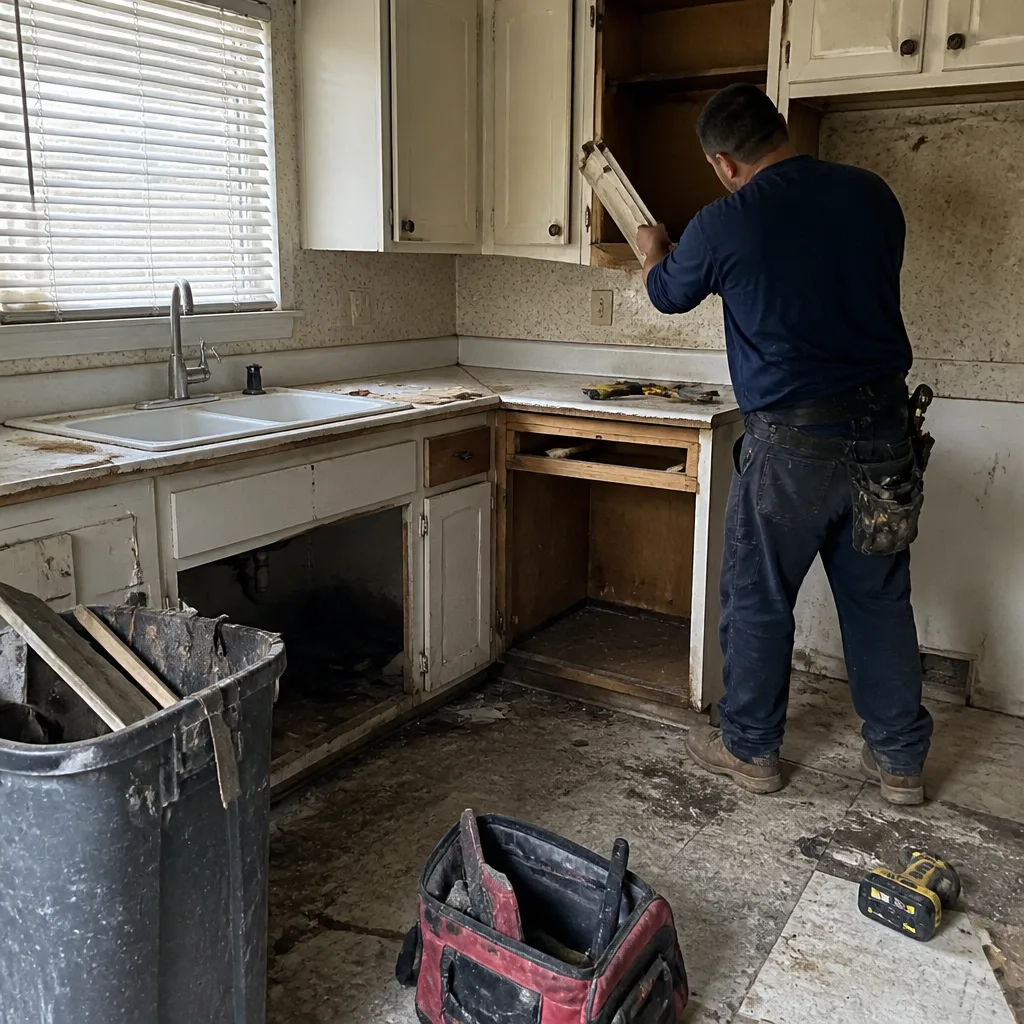 Before
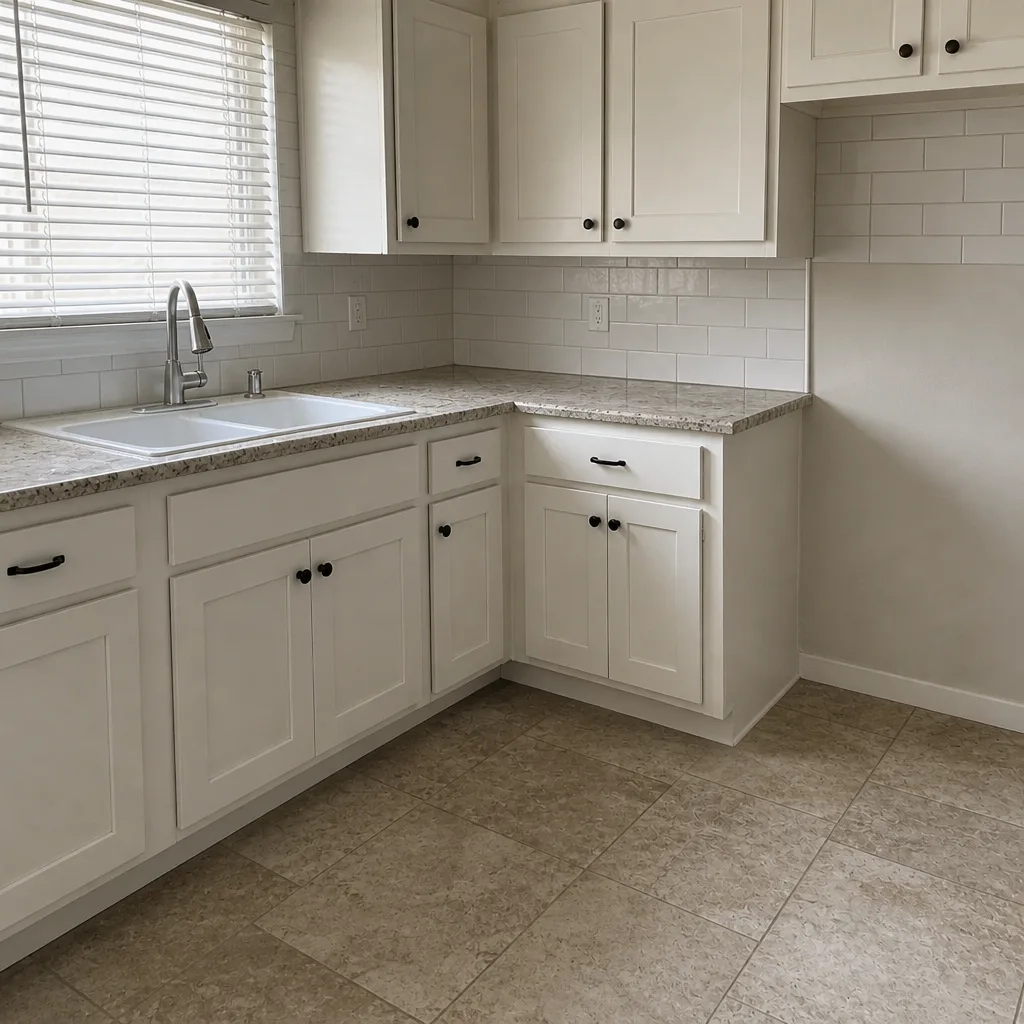 After
How to Fix a Sinking Driveway in Anaheim, CA
The short answer: a sinking driveway in Anaheim is usually caused by expansive clay subgrade cycling under a shallow 1950s slab, not a drainage failure, and the durable fix is soil stabilization first, then slab lifting or replacement. Corner-lifting the concrete onto soil that will keep moving just buys you another few seasons. If your panels are dropping in isolated patches instead of cracking in clean lines, that’s the signature of subgrade movement, and we’re at (888) 300-3178 to walk you through what that means for your specific lot.
If your driveway is dropping unevenly, you’re probably not looking at a drainage problem. You’re looking at Anaheim’s clay-heavy subgrade doing what it’s done under these slabs for roughly 70 years.
Why Anaheim Driveways Sink Differently Than Most Guides Assume
Most “how to fix a sinking driveway” advice is written for a rainy climate with loose, sandy soil. Anaheim isn’t that. We work in a semi-arid corridor with hot, dry summers and mild, occasionally wet winters, and much of the city’s housing sits on flat, sun-baked lots where shallow foundations were allowed to persist because there’s no freeze-thaw cycle to punish them. That combination creates a specific failure pattern.
Three things go wrong under an older Anaheim driveway, often all at once:
- Expansive soil shrink-swell cycles. Our native clay swells when it finally takes on winter moisture and shrinks hard through a dry summer. A slab poured on top of that movement gets rocked, not cracked cleanly, and it drops in isolated spots.
- Original shallow compaction. Plenty of these slabs went in during the 1950s under mass-grading standards that were looser than today’s. The sub-base was never built for the loads and soil movement it’s seen since.
- Old gray concrete that’s lost its bond. The original slab has often separated from its sub-base entirely, so it’s floating on a moving bed rather than sitting on a stable one.
That’s why the tell is uneven, patchy settling rather than a straight crack. A drainage issue usually leaves a clean fault line. Expansive soil leaves a patchwork.
What Mudjacking Gets Wrong on Anaheim Clay
Mudjacking is the fix most people get pitched first, and on a lot of soils it’s fine. On Anaheim’s expansive clay it has a shaky track record. The method injects a cement slurry under the slab to lift it, but it does nothing to the soil movement cycle underneath. You’ve lifted a slab onto a substrate that’s going to keep swelling and shrinking through the next decade of summers and winters. The lift often holds for a while and then the movement returns.
Polyurethane foam lifting is a better option on stable ground. It’s lighter than slurry and moves less on its own. But on an expansive-clay lot, foam still needs soil stabilization prep to make sense. Skip that step and you’re just repeating the mudjacking problem with a pricier material.
The step most contractors skip
Soil stabilization starts with reading the subgrade before anyone quotes a lift. That means checking what’s actually under the slab, how deep the expansive layer runs, and whether the slab has lost its bond. Only then does lifting or replacement make sense. A technician who quotes a lift without looking underneath is guessing. Groundwork sends background-checked, uniformed technicians who assess subgrade conditions before quoting, so soil remediation doesn’t show up as a surprise line item after the job’s already underway.
When a lift does make sense, or when the slab is too far gone and replacement is the better call, the options break down roughly like this for Anaheim homeowners:
| Fix | Typical Anaheim range | Best for |
|---|---|---|
| Slab lifting (foam, with soil prep) | Often within the driveway repair band | Stable soil, partial settling |
| Concrete driveway replacement | $4,500-$12,000 | Failed slab, lost bond, severe movement |
| Paver driveway installation | $7,000-$18,000 | Lots that need flexible, repairable surface |
| General driveway replacement | $5,000-$14,000 | Full tear-out and rebuild |
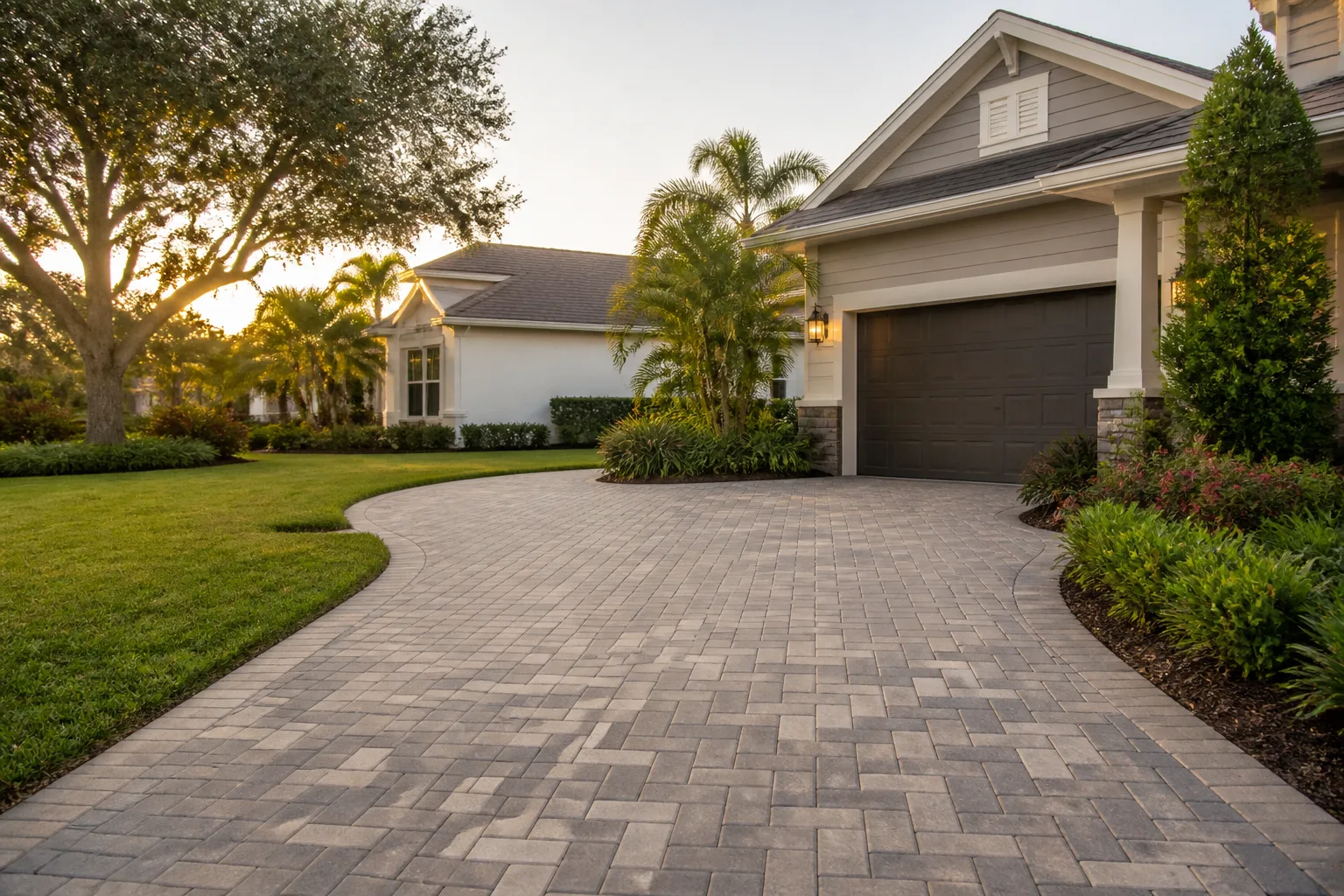
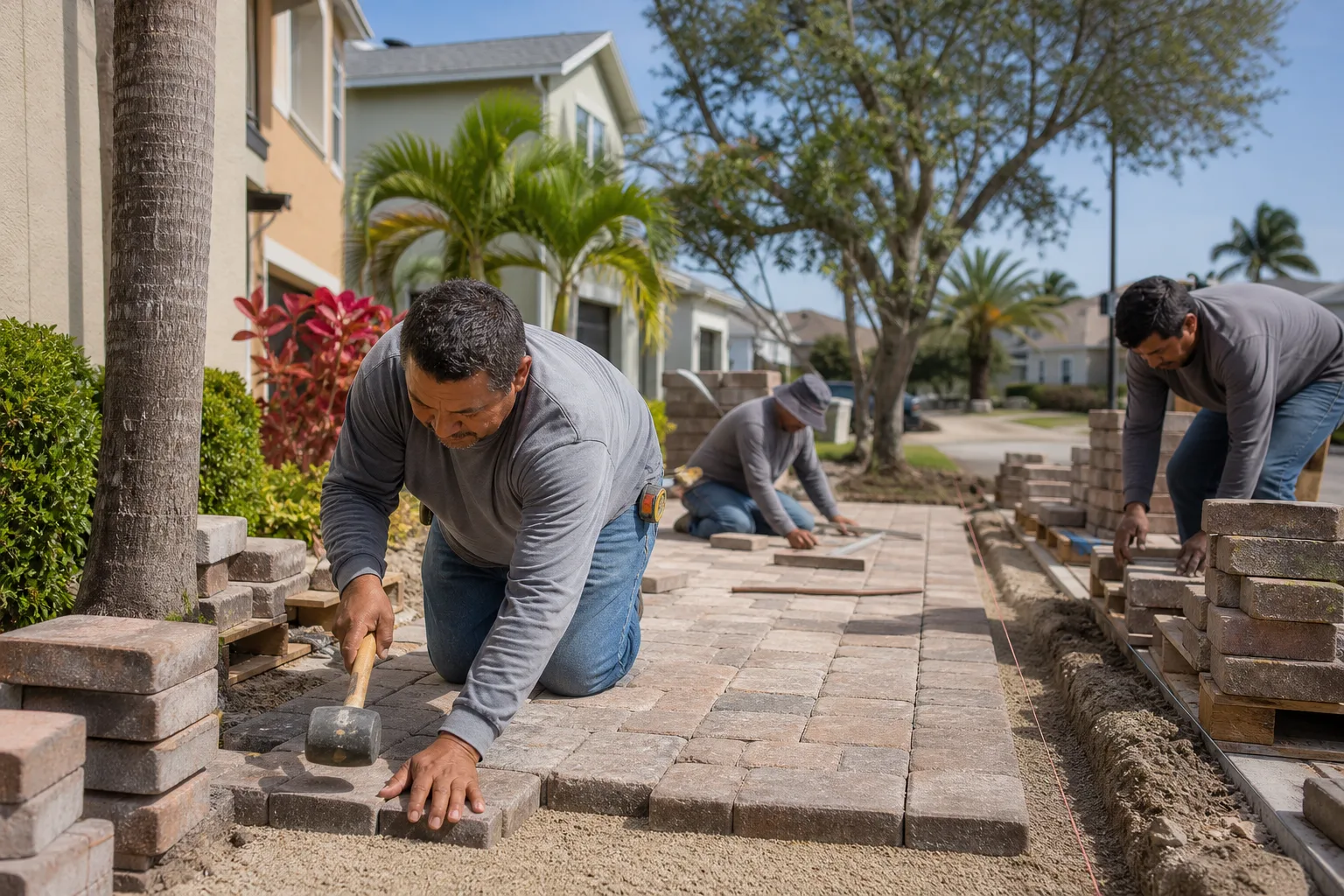
Pavers are worth a longer look on expansive soil because individual units can be reset if movement continues, which a poured slab can’t. We install Tremron and Techo-Bloc systems on properly prepped bases for exactly those lots. If you want to see how that compares to a poured surface, our Driveway & Pavers page lays out the tradeoffs.
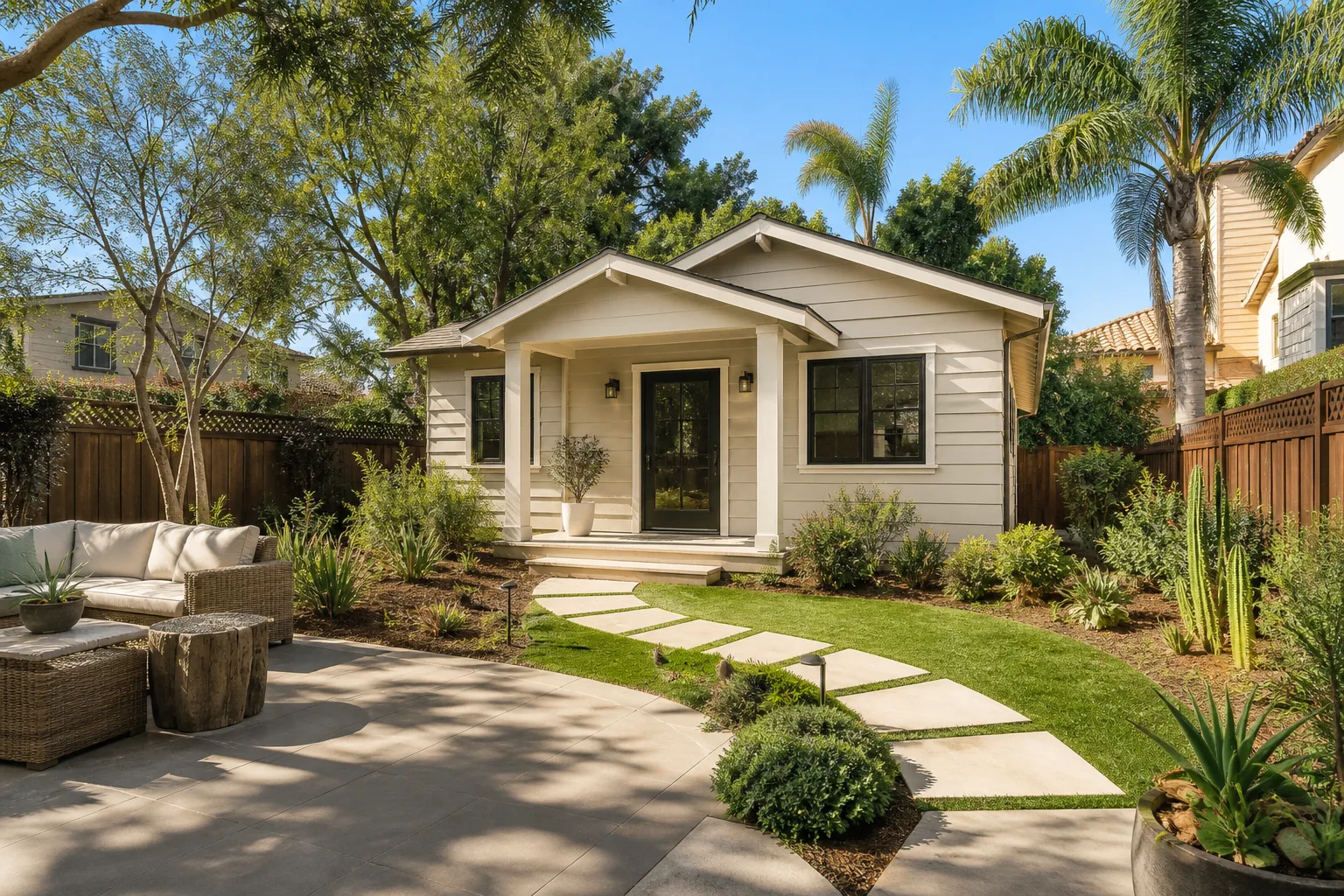
The Conversation No Other Contractor Page Opens: Your Driveway and Your House Slab
Here’s the part that matters most in Anaheim’s older west-side neighborhoods and the Colony. In a lot of these 1950s slab-on-grade homes, the driveway slab and the house slab share a grade beam edge. The driveway isn’t a separate structure sitting off to the side. It’s tied into the same foundation system.
Which means a sinking driveway can be an early signal of the same sub-base failure that affects the structure. When we see driveway panels dropping against the house edge, we check whether the movement is isolated to the drive or showing up along the slab too. That’s not a scare tactic, it’s just what the geometry tells us. And because these are slab-on-grade homes with no crawlspace or subfloor to inspect from below, foundation questions get answered at the surface or with concrete work.
This is also where a “simple” project on one of these homes can turn into concrete work. The same shallow-slab reality that sinks a driveway hides under a lot of bathroom remodels in this stock. It’s all the same Anaheim subgrade story.
Why the Fix Has to Be Backed in Writing
A patch that fails in two years costs you twice. That’s why our work on this carries the 730-Day Done Right Promise, one of the longer workmanship guarantees in residential construction. If the fix isn’t done right, we make it right. You get that coverage whether we’re lifting, replacing, or rebuilding with pavers, and you get upfront pricing before the work starts. The number you see is the number you pay.
Anaheim straddles two very different construction worlds, the Resort District around Disneyland with its hotel schedules and Resort Specific Plan permitting, and the older residential grid out west and in the Colony where remodels dominate. Driveway work lives in that second world, and that’s where we focus. For a fuller picture of how we handle flatwork and hardscape across the city, see our Driveway & Pavers in Anaheim page, and for everything else we do remodeling and construction work across the area, start at the home page.
Our technicians have up to 12 years of experience reading subgrade conditions and getting the fix to hold. Calls are answered by a live person 24/7, so you’re not stuck in a voicemail black hole waiting until Monday. Most assessments get scheduled quickly, and estimates are free.
FAQs
Fixing a sinking driveway in Anaheim typically runs from about $4,500 to $12,000 for concrete replacement, while a paver rebuild lands between $7,000 and $18,000 depending on size and base prep. Lifting is usually less than a full replacement, but only when the soil allows it. Call (888) 300-3178 for an exact quote, and the estimate is free.
Foam lifting is generally the better choice on Anaheim’s expansive clay, provided the soil gets stabilized first, because it’s lighter and the injected slurry from mudjacking doesn’t stop the shrink-swell cycle. Neither works well if the subgrade is ignored. We check the soil before recommending either. Call (888) 300-3178 to get it assessed.
Yes, it can. In many of Anaheim’s 1950s slab-on-grade homes the driveway and house share a grade beam edge, so driveway settling sometimes points to the same sub-base failure affecting the structure. It’s worth checking rather than assuming. Call (888) 300-3178 and we’ll look at both.
Lifting is usually cheaper upfront, but replacement is the better value when the slab has lost its bond with the base or the movement is severe, because you won’t be paying for the same fix twice. We quote both after reading the subgrade so you can compare honestly. Call (888) 300-3178 for a free estimate.
If you’d rather have it looked at than guess from the curb, Groundwork Construction Co. of Anaheim offers a no-pressure assessment in Anaheim with upfront pricing and a 730-Day Done Right Promise behind the work. Call (888) 300-3178 to get your driveway diagnosed and your free estimate scheduled.
Written by the team at Groundwork Construction Co. of Anaheim, serving Anaheim, CA.