Free written scope consultation - allowances, timeline, and change-order rules on paper before a single trade is scheduled
Styles & brands we work with
- Kitchen remodeling
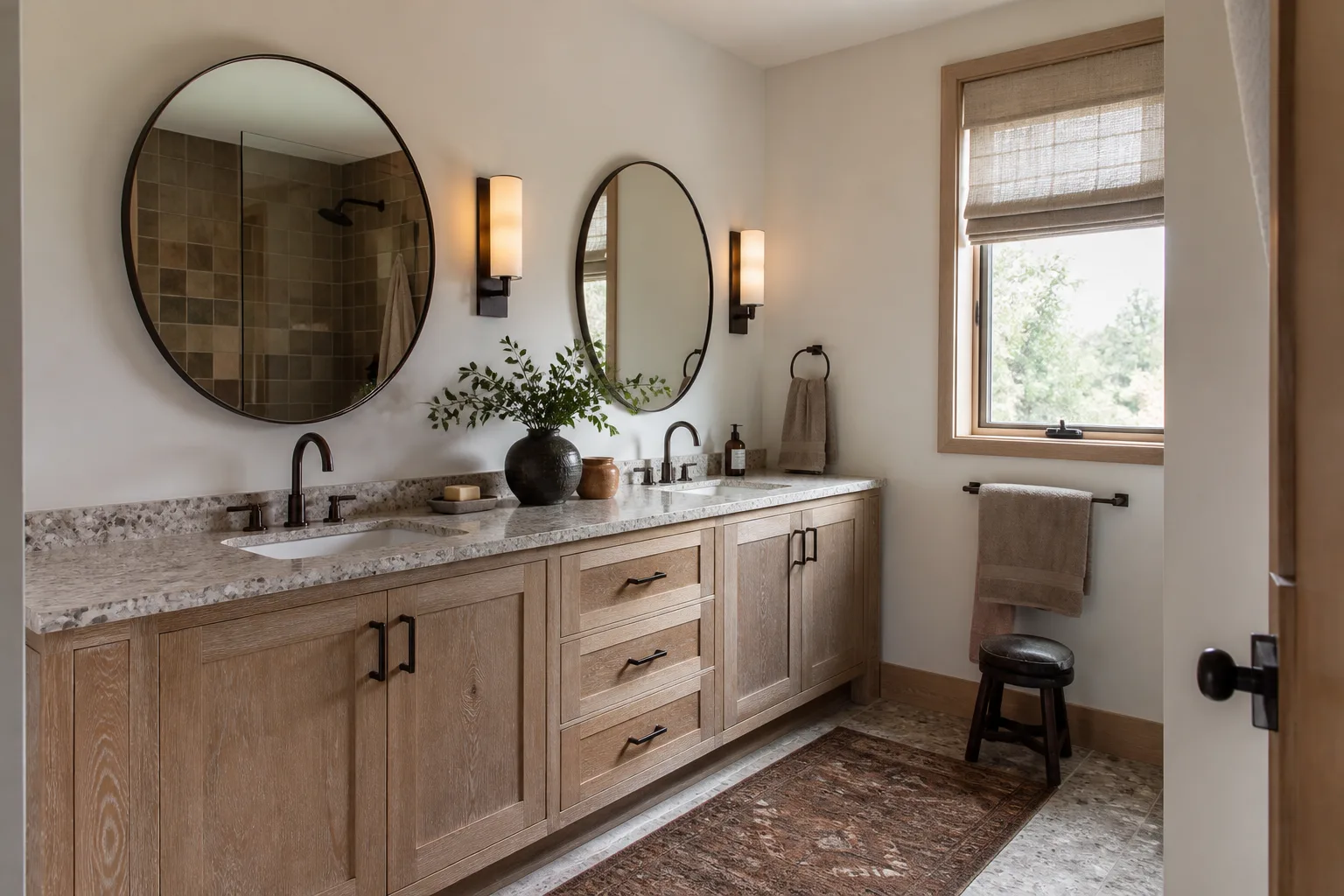
- Bathroom remodeling
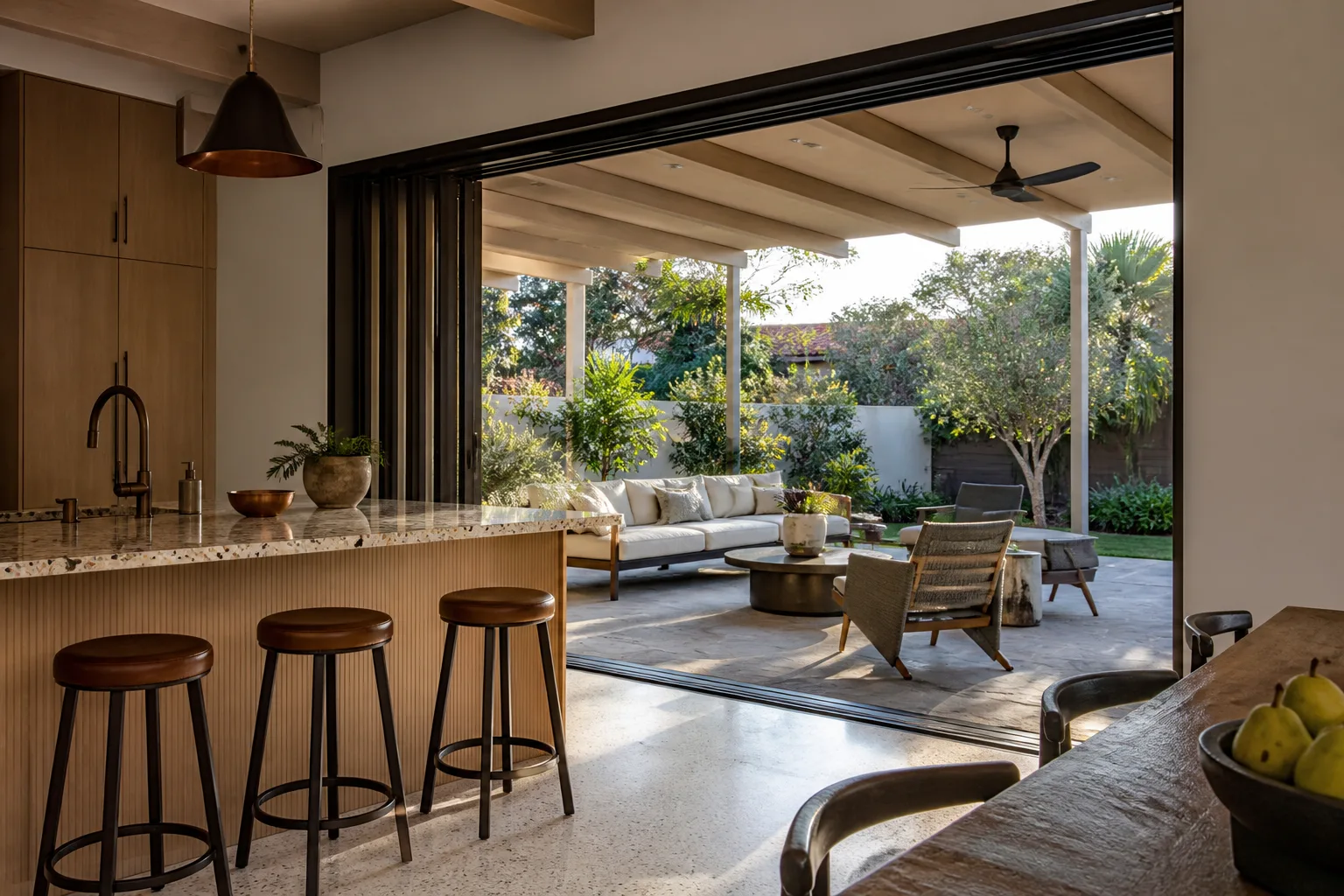
- Home additions & ADU
- Roofing
- Windows & doors
- Driveway & pavers
- Fence
See the difference
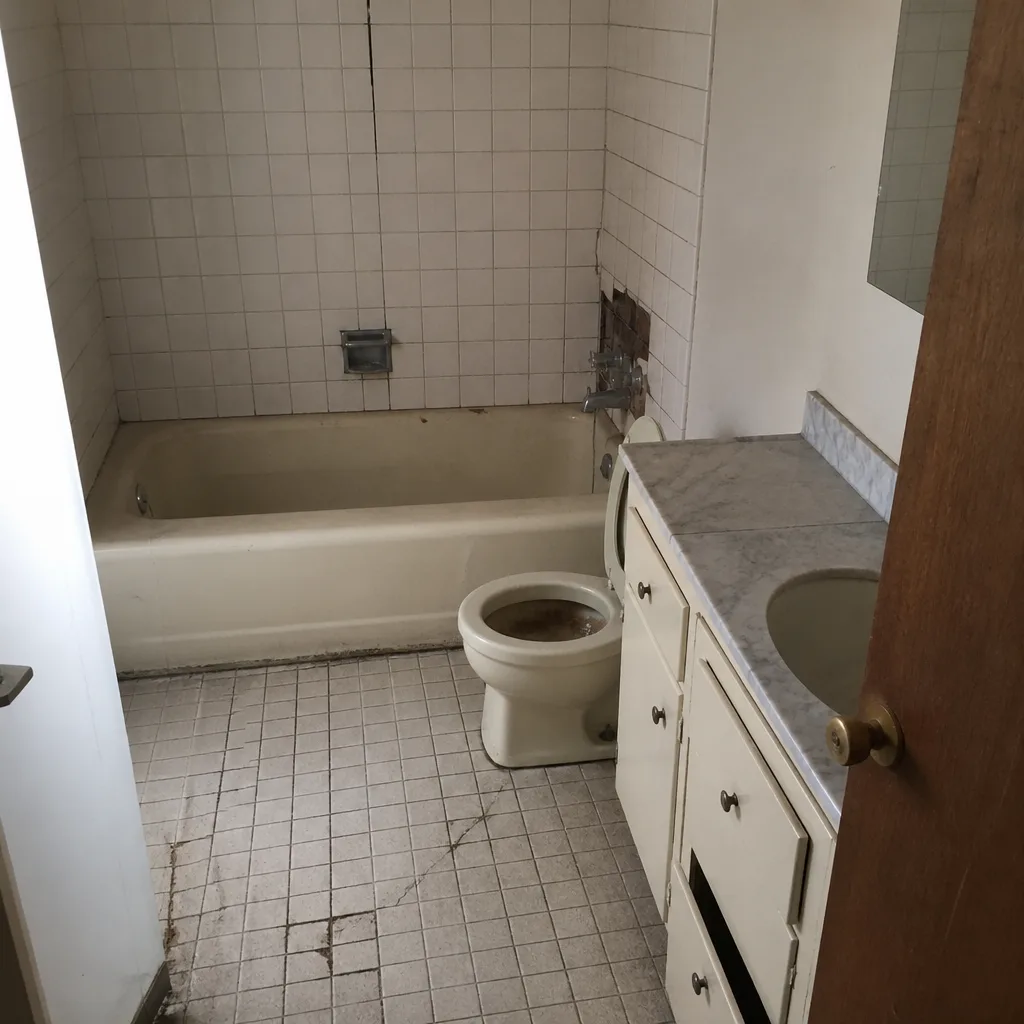 Before
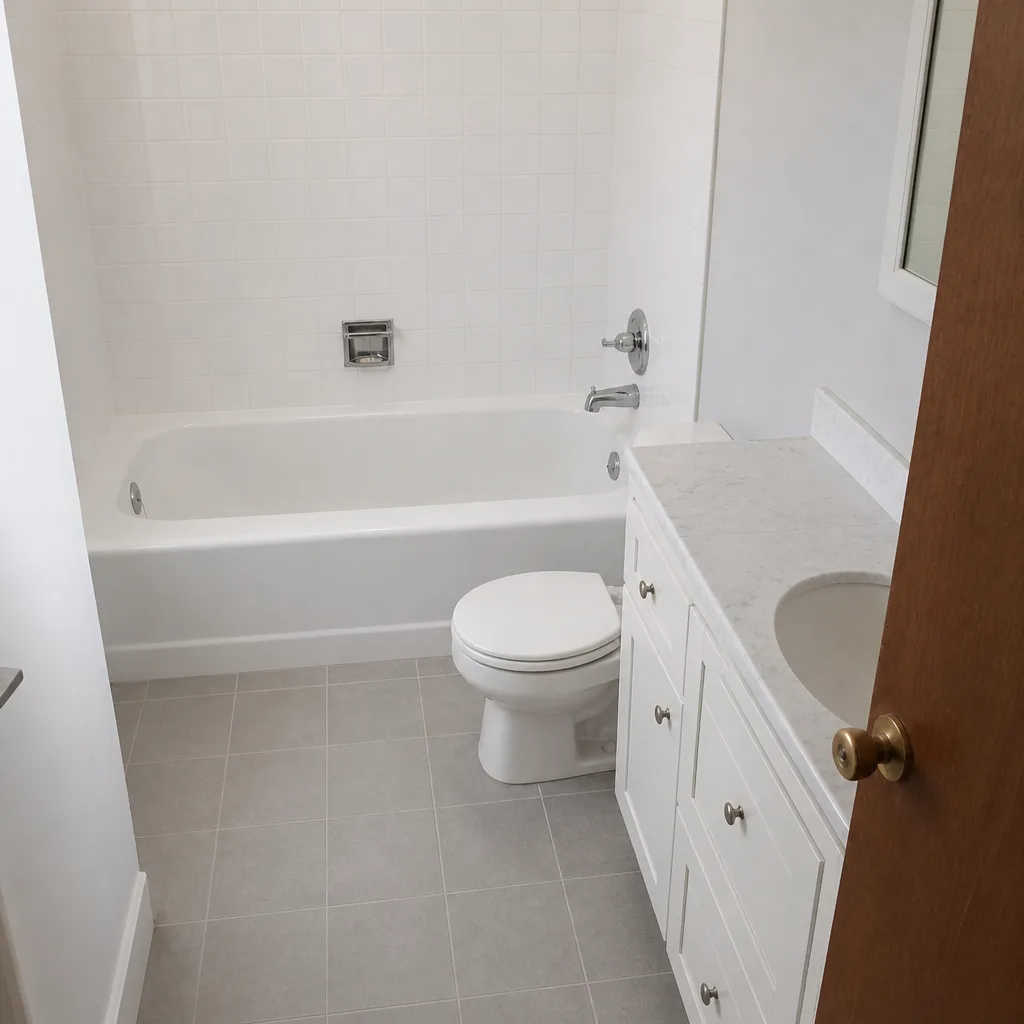 After
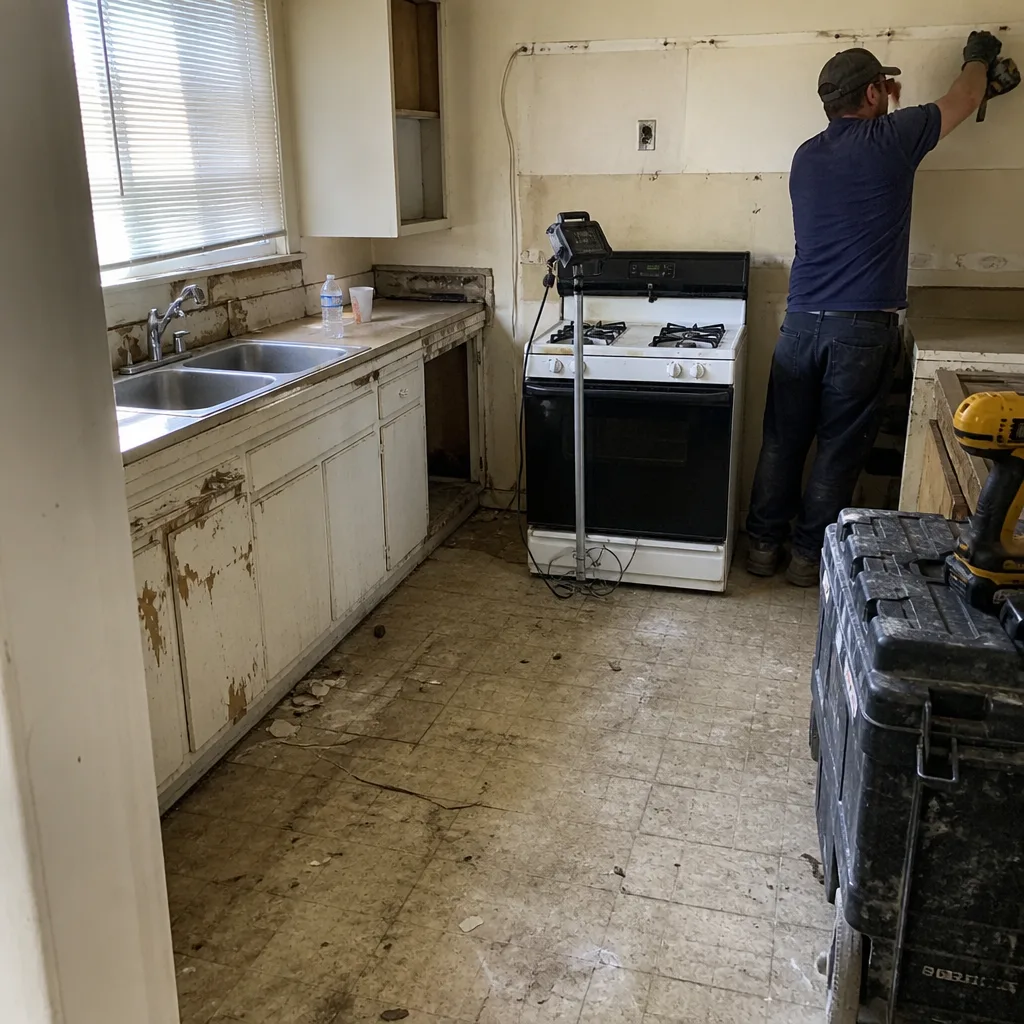 Before
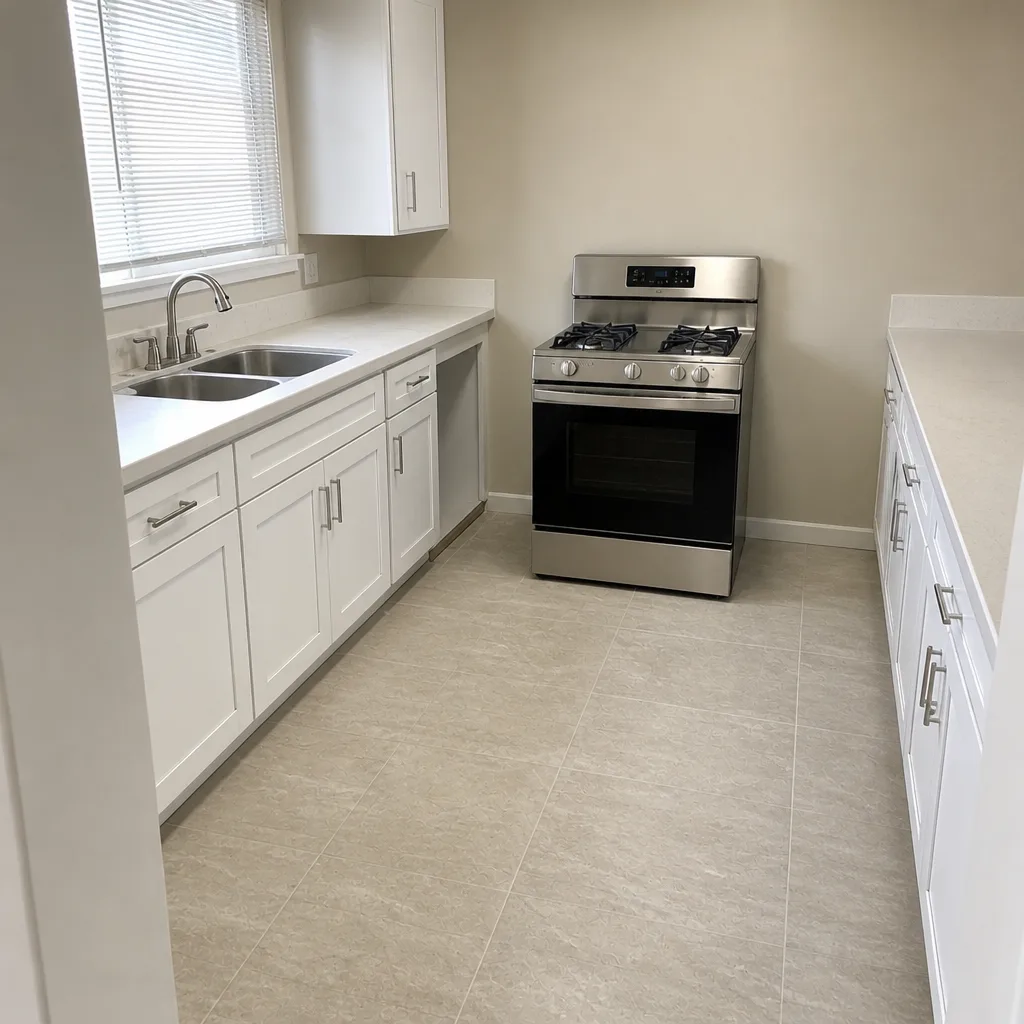 After
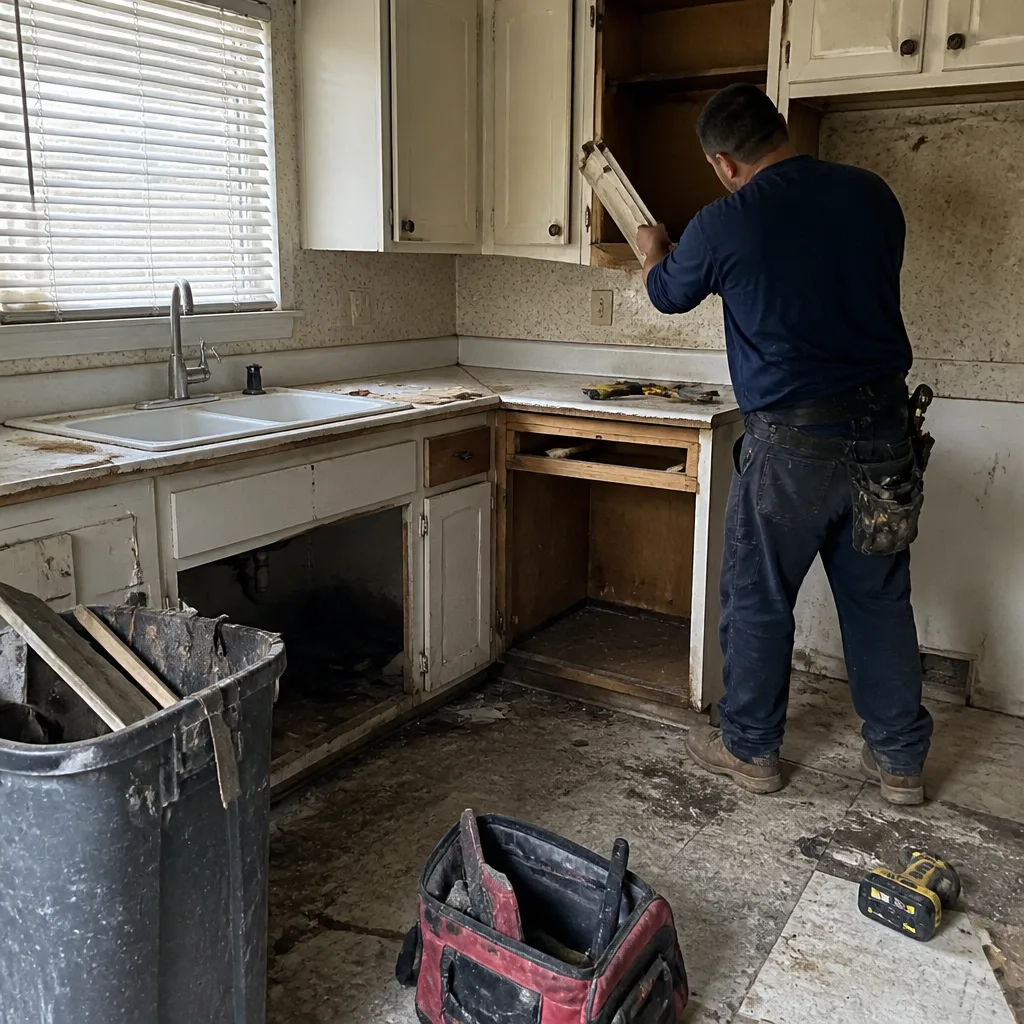 Before
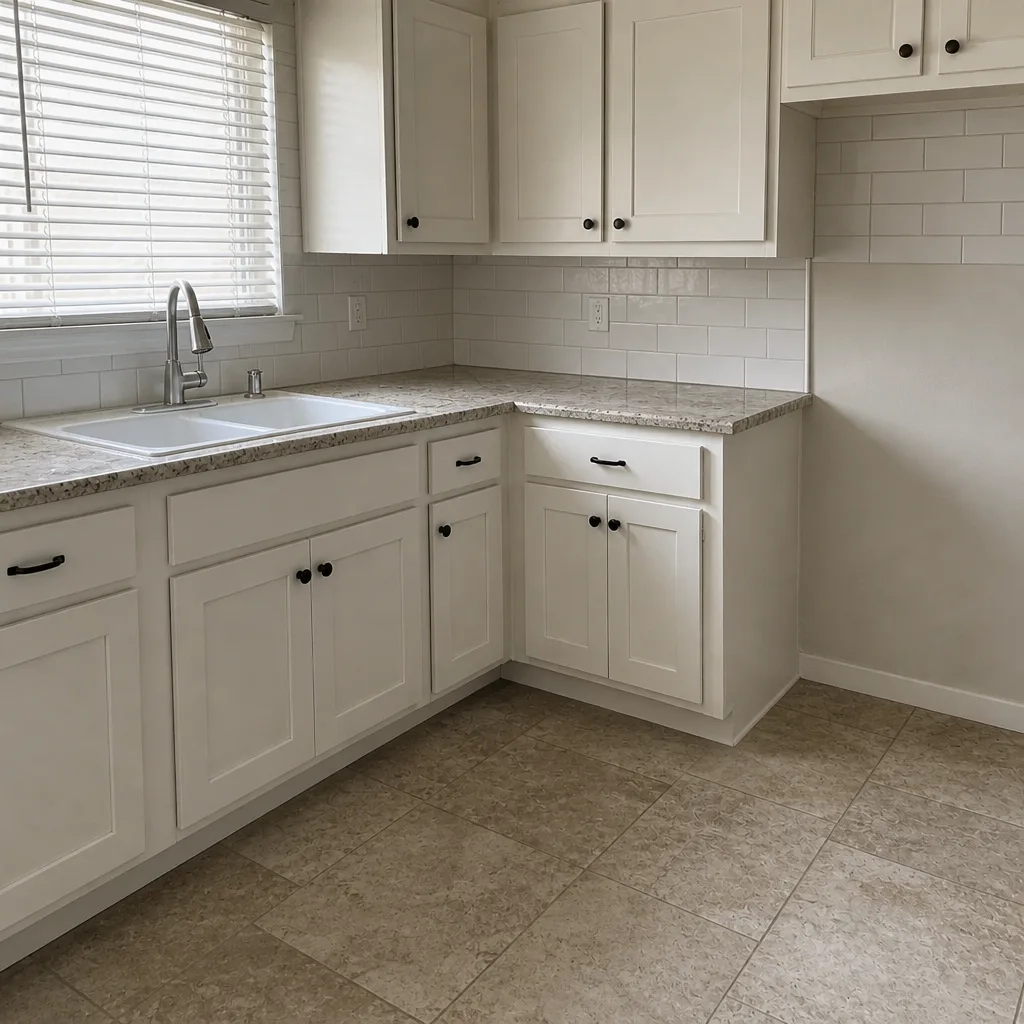 After
Junior ADU vs Standard ADU in Anaheim: Which One Actually Pays Off?
Choose a standard ADU if you want permanent square footage, resale value, and rental income you can keep even after you move out. Choose a junior ADU (JADU) only if you’re an owner-occupant who wants the lowest upfront cost and can live with giving up a bedroom, because California’s owner-occupancy rule makes a JADU a poor pure-investment play. In Anaheim’s 1,300 sq ft single-story ranch homes, that decision follows the property for decades. Call (888) 300-3178 and we’ll walk your lot and your numbers honestly – no pressure either way.
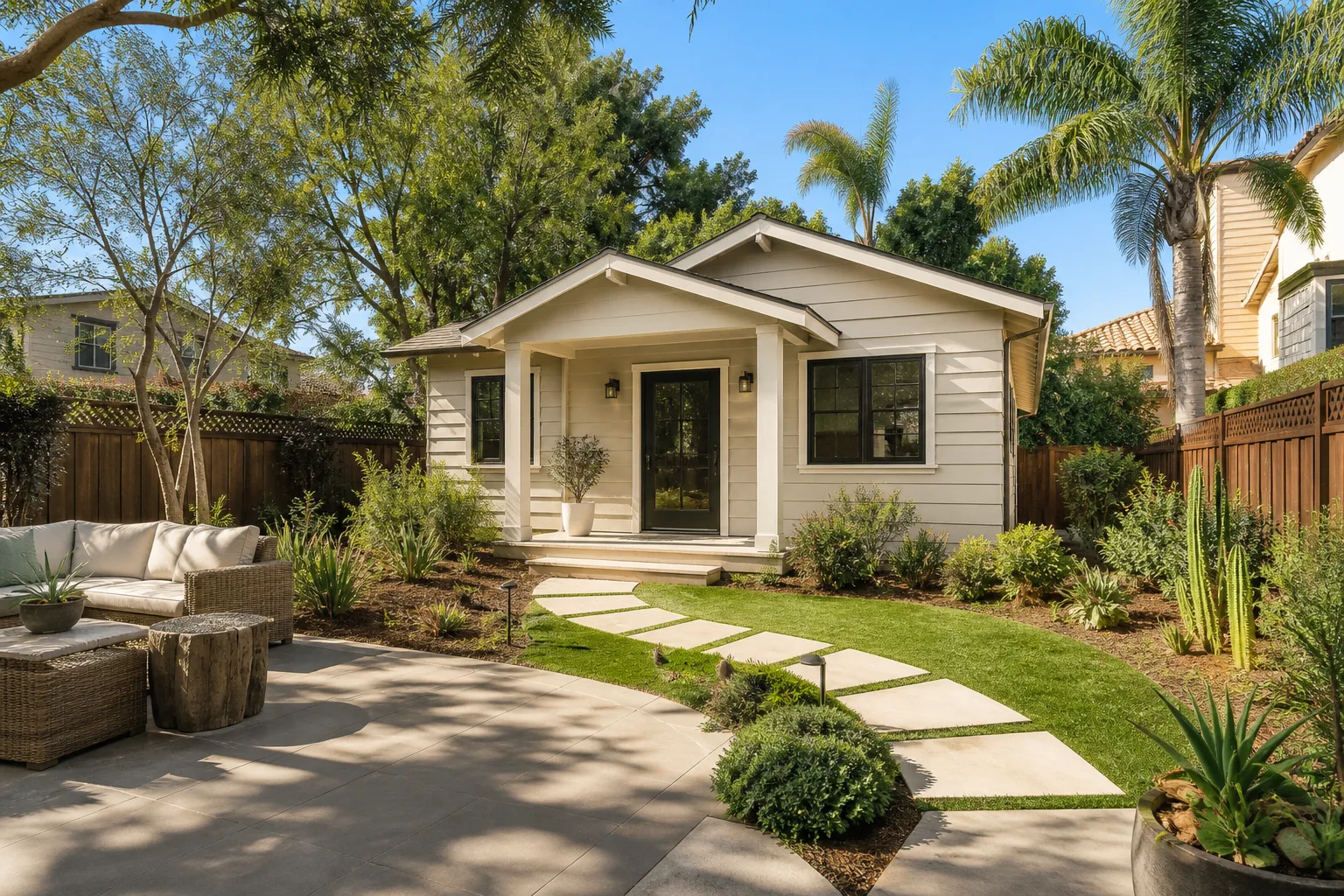
Why Anaheim’s Ranch Housing Stock Changes the Math
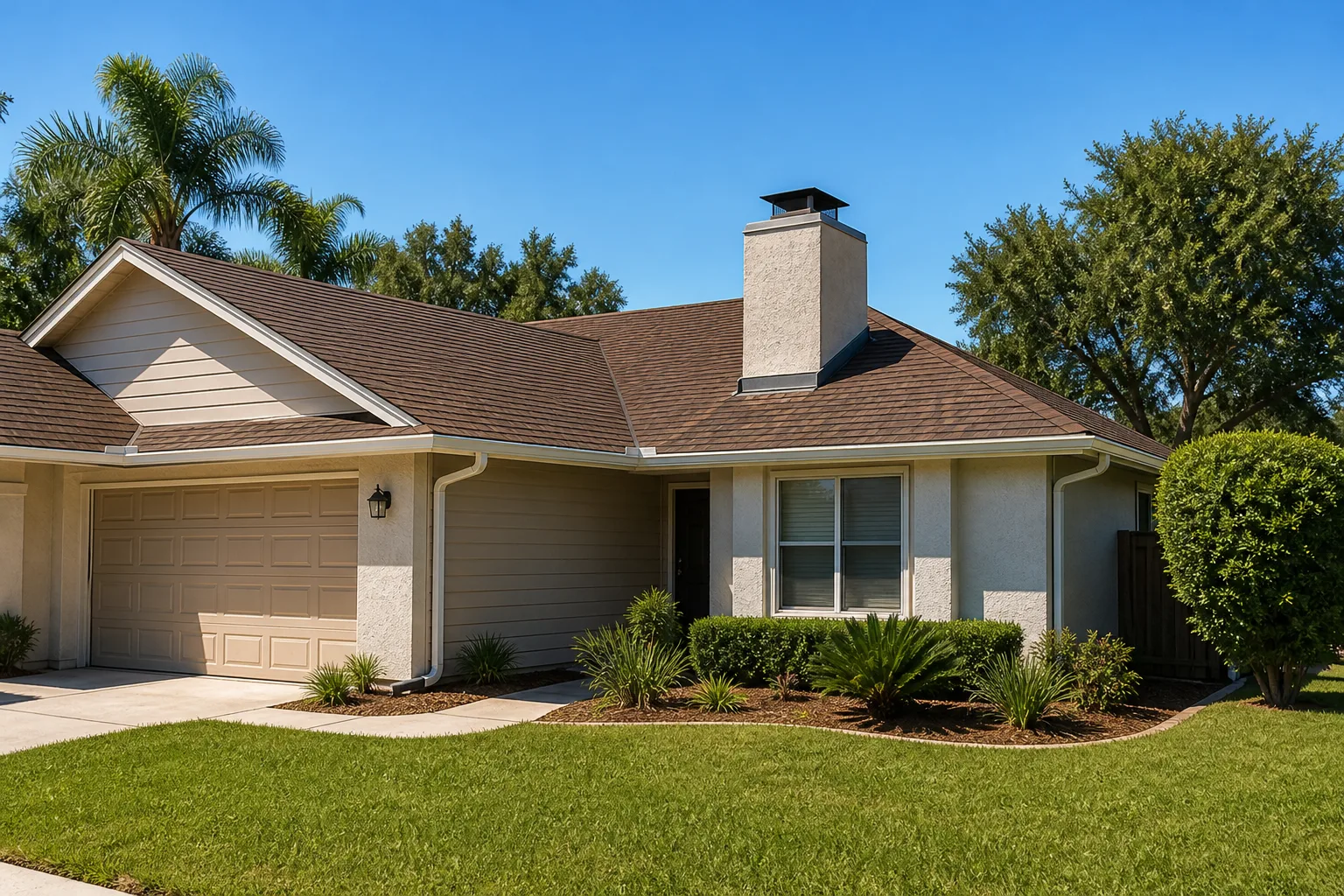
Most of the older residential grid here – the Colony, west Anaheim, the postwar tracts – was built between the 1950s and 1970s as single-story homes on slab foundations. That single fact reshapes the JADU-versus-standard-ADU comparison more than any brochure will tell you.
A JADU lives inside the existing footprint. You’re converting a bedroom, tying into an existing wall, cutting interior concrete to route plumbing and drain lines to a new bathroom. On a slab-on-grade Anaheim home, that means a concrete saw, dust control, and the real possibility of hitting the older gray concrete and buried surprises these lots are known for. There’s no crawlspace to work under – the slab is the floor.
A detached or attached standard ADU builds new. The plumbing runs through exterior trenching to a fresh foundation, and you’re pouring new concrete rather than cutting old. Different problems. Different costs. Neither path is “easy,” and the JADU’s headline cost advantage shrinks once you’re cutting slab in a 1962 ranch home instead of converting a room with a wood subfloor.
Then there’s the climate. Anaheim sits in the Santa Ana wind corridor with hot, dry summers and heavy UV cycling on anything exposed – roofing, stucco, decking. A detached ADU takes that sun on a brand-new envelope. A JADU sits mostly inside the thermal shell of the house you already have, which is one genuine edge for the smaller build.
The Trade-Off That Decides It: Permanent vs. Reversible
A JADU is technically reversible. You can un-convert a bedroom back into a bedroom. A standard ADU is not – once you’ve built 500 to 1,000 square feet of new structure, that square footage is part of the property permanently. That permanence cuts both ways.
The permanence is why the standard ADU tends to lift resale value more reliably: appraisers and buyers count added living area, and Anaheim buyers in the $80K-$200K+ household range actively look for income-capable properties. But the reversibility of a JADU matters too, because a JADU carries a legal string most guides skip: under California law (and even after AB 976 loosened some local barriers) a JADU generally requires owner occupancy. If you build a JADU planning to rent it forever, then move out and rent the whole house, you’ve built something you may not legally be able to keep renting as a standalone unit. For an owner-occupant, that’s fine. For an investor treating it as a pure rental play, it can be a deal-breaker.
Side-by-side: what each path gives you
| Factor | Junior ADU (JADU) | Standard ADU |
|---|---|---|
| Typical build cost in Anaheim | Lower – reuses existing walls and roof | $90,000-$220,000 |
| Adds to resale square footage | No – it’s a reclassified bedroom | Yes – new permitted living area |
| Reversible? | Yes, technically | No – permanent structure |
| Owner-occupancy required | Generally yes under state law | No – rentable even if you move out |
| Slab work | Interior concrete cutting for plumbing | Exterior trenching to a new foundation |
| Best fit | Owner-occupant who can spare a bedroom | Owner who wants lasting value and rental income |
On the revenue side, the gap is real. A typical one-bedroom ADU in Anaheim rents for meaningfully more per month than a studio JADU commands – and that monthly differential, compounded across five years, eats into the JADU’s upfront savings fast. Run the numbers over a five-to-seven-year horizon before you decide, not just the day-one construction bid.
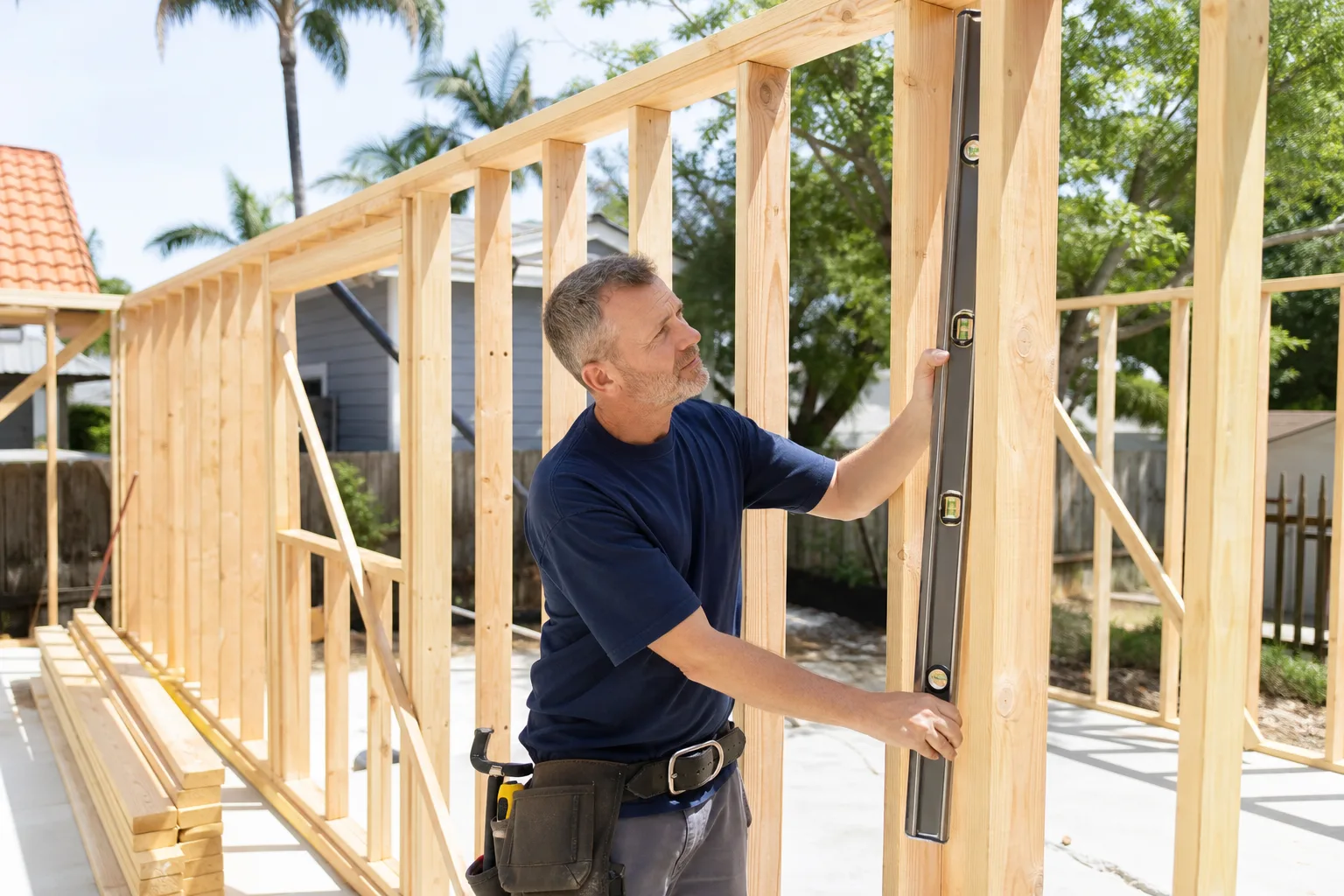
An Operator’s View on What Goes Wrong in Each
Here’s the first-hand piece most comparison pages never touch: the two builds fail in different ways, on different timelines, and that’s exactly why the warranty has to cover both fully.
- JADU work – interior plumbing tied into an aging system, shared-wall construction, and egress window installation in an existing bedroom wall. Failure modes show up early: a drain that weeps at the slab cut, a flashing detail at the new egress opening, a plumbing joint under fresh concrete.
- Standard ADU work – foundation, roofing, and the exterior envelope. Failure modes run longer: a roof detail that only leaks after the first Santa Ana wind-driven rain, a stucco crack from UV heat-cycling, a foundation settling over seasons.
This is where the 730-Day Done Right Promise earns its keep. It covers interior plumbing, shared-wall and egress work on a JADU and the foundation, roofing, and exterior envelope on a standard ADU – if any of it isn’t done right, we make it right, for two full years from completion. Most of the early JADU failures and the slower ADU envelope failures both fall inside that window. We back it with background-checked, uniformed technicians on every job and upfront pricing where the number you see is the number you pay.
For the exterior material choices on a detached build, we work with brands like James Hardie for siding and Belgard for hardscape, so the envelope that has to survive Anaheim’s sun is specified, not improvised. The full range of what we build, from conversions to ground-up units, lives on our Home Additions & ADU page and our Home Additions & ADU in Anaheim service page.
What Each Path Actually Costs in Anaheim
Budget anchors to plan around – real ranges, not teasers:
- Garage or bedroom conversion (the JADU-adjacent work): $30,000-$80,000
- Full standard ADU construction: $90,000-$220,000
- Home addition, for context: $45,000-$130,000
- Related interior work bundled in – a bathroom remodel: $9,000-$28,000; a kitchen remodel: $14,000-$45,000
The gap between the low end of a JADU and the low end of a standard ADU is real money – often the deciding factor. But weigh it against the added square footage and rentable value the permanent build locks in. We pair big-scope work like this with 0% financing for 18 months and $1,000 off projects over $10,000, so the larger build doesn’t have to be a cash-flow shock. Groundwork Construction Co. of Anaheim guides you through the decision, it doesn’t push you toward the pricier option.
FAQs
Yes. A junior ADU is generally cheaper because it reuses existing walls, roof, and footprint rather than building new foundation and structure. A JADU typically runs in the garage-conversion range ($30,000-$80,000), while a full standard ADU in Anaheim runs $90,000-$220,000. Call (888) 300-3178 for an exact quote on your address – estimates are free.
Less reliably than a standard ADU, because a JADU doesn’t add permitted square footage – it reclassifies an existing bedroom. A standard ADU adds new living area that appraisers count and buyers pay for. That said, an owner-occupant who wants low-cost housing for a family member gets real lifestyle value from a JADU even without a resale bump. Call (888) 300-3178 to talk through your specific goal.
Generally no, and this is the trap. California’s JADU framework carries an owner-occupancy requirement, so a JADU built as a rental-only investment isn’t a safe long-term plan if you intend to move out and rent the whole property. A standard ADU doesn’t carry that same restriction. Call (888) 300-3178 and we’ll confirm how it applies to your situation before you commit.
A JADU is usually faster because it works within the existing shell, though slab cutting for plumbing still adds interior concrete work on Anaheim’s ranch homes. A standard ADU has more stages – foundation, framing, roofing, envelope – so it takes longer but delivers permanent square footage. Call (888) 300-3178 for a realistic timeline on your lot.
If you’d rather have it looked at, Groundwork Construction Co. of Anaheim offers a no-pressure assessment in Anaheim – we’ll tell you straight which path fits your home and your plans. Call (888) 300-3178 for a free estimate today.
Written by the team at Groundwork Construction Co. of Anaheim, serving Anaheim, CA.