Free written scope consultation - allowances, timeline, and change-order rules on paper before a single trade is scheduled
Styles & brands we work with
- Kitchen remodeling
- Bathroom remodeling
- Home additions & ADU
- Roofing
- Windows & doors
- Driveway & pavers
- Fence
See the difference
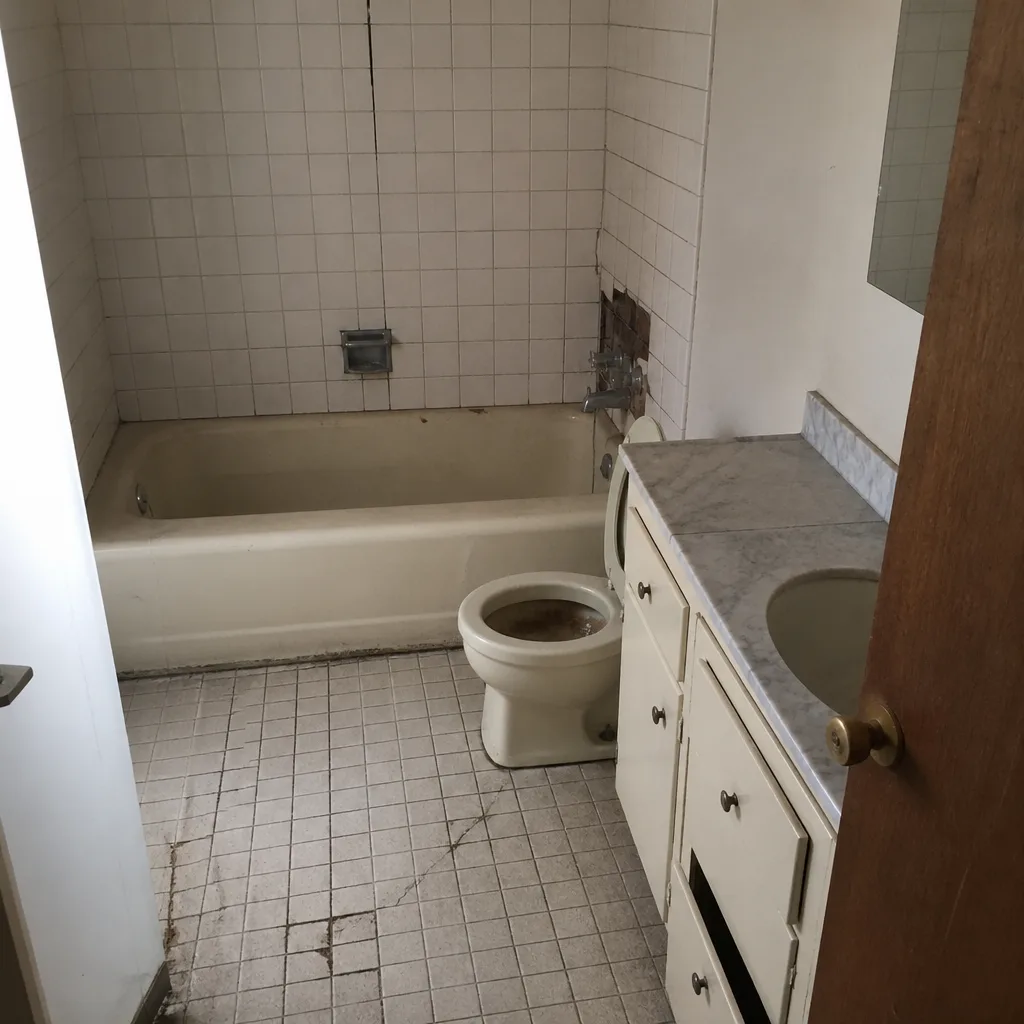 Before
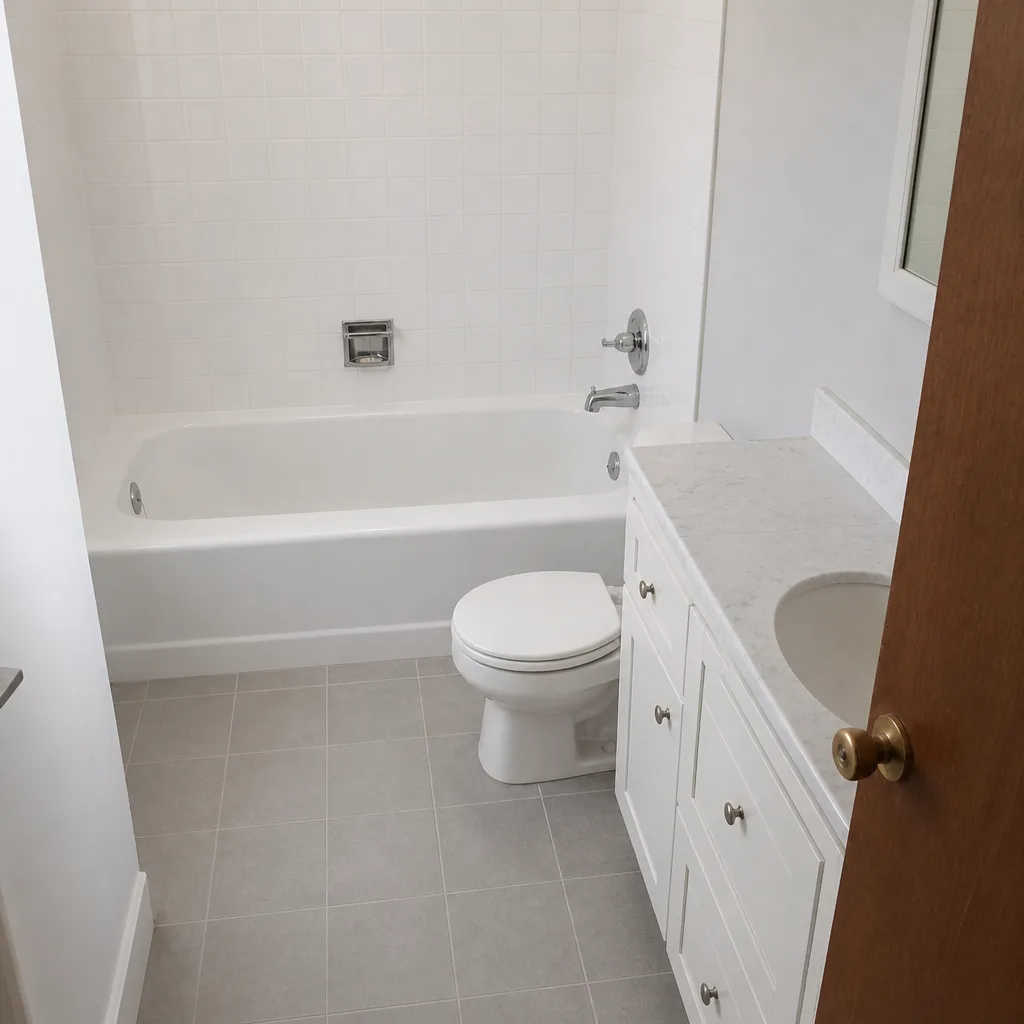 After
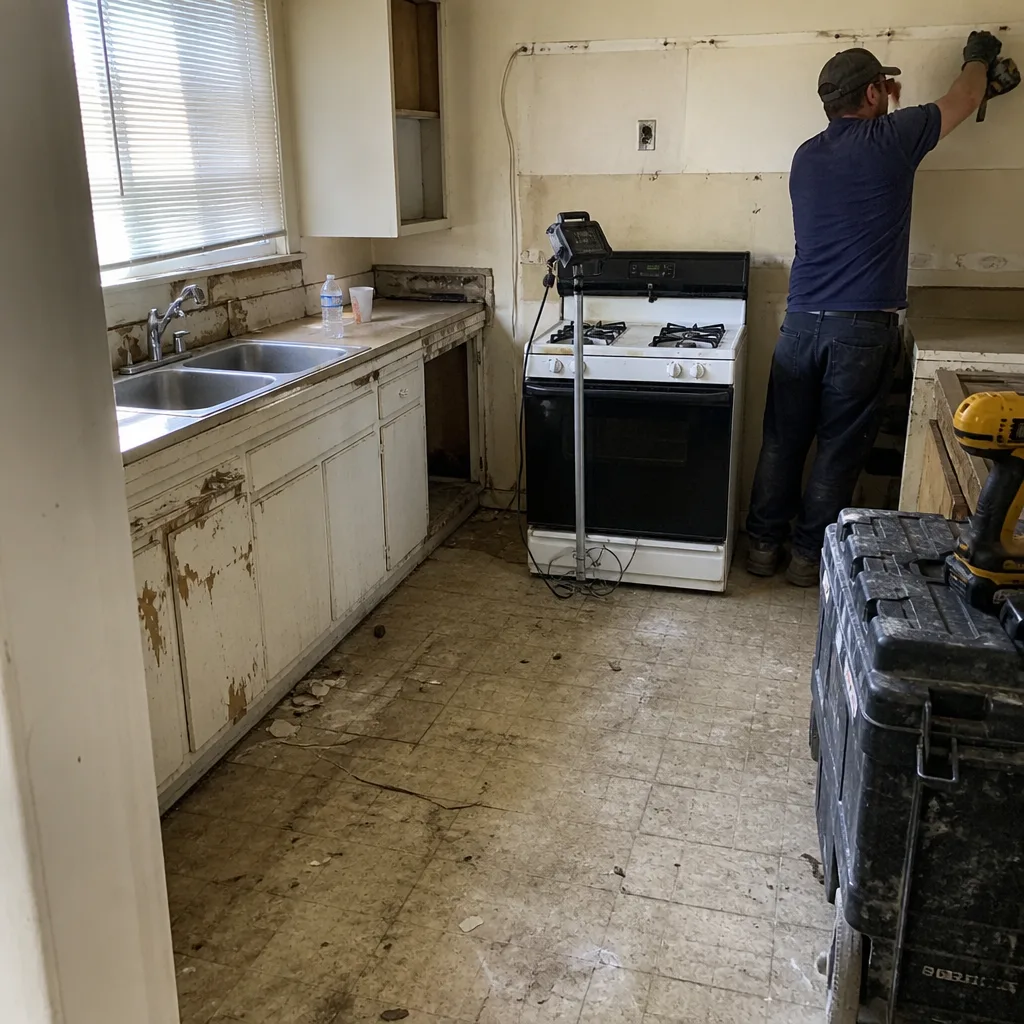 Before
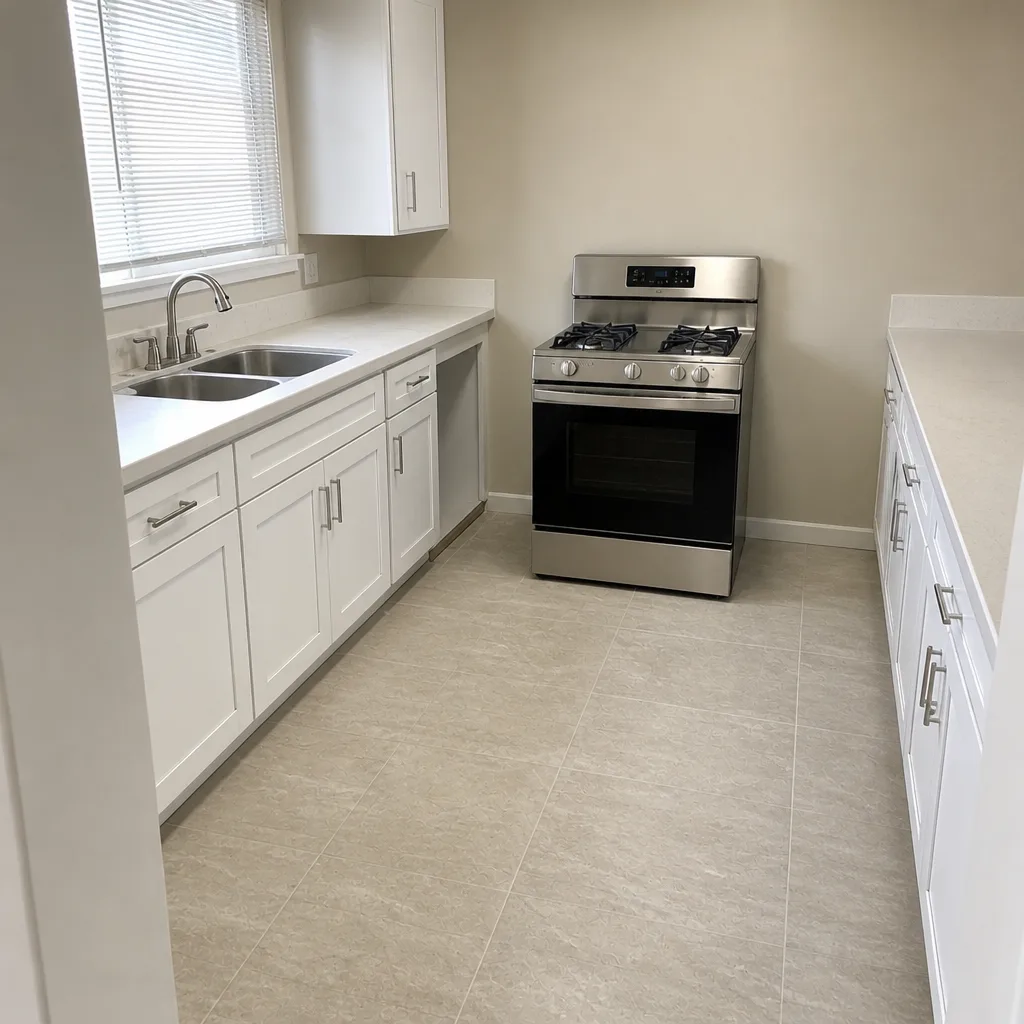 After
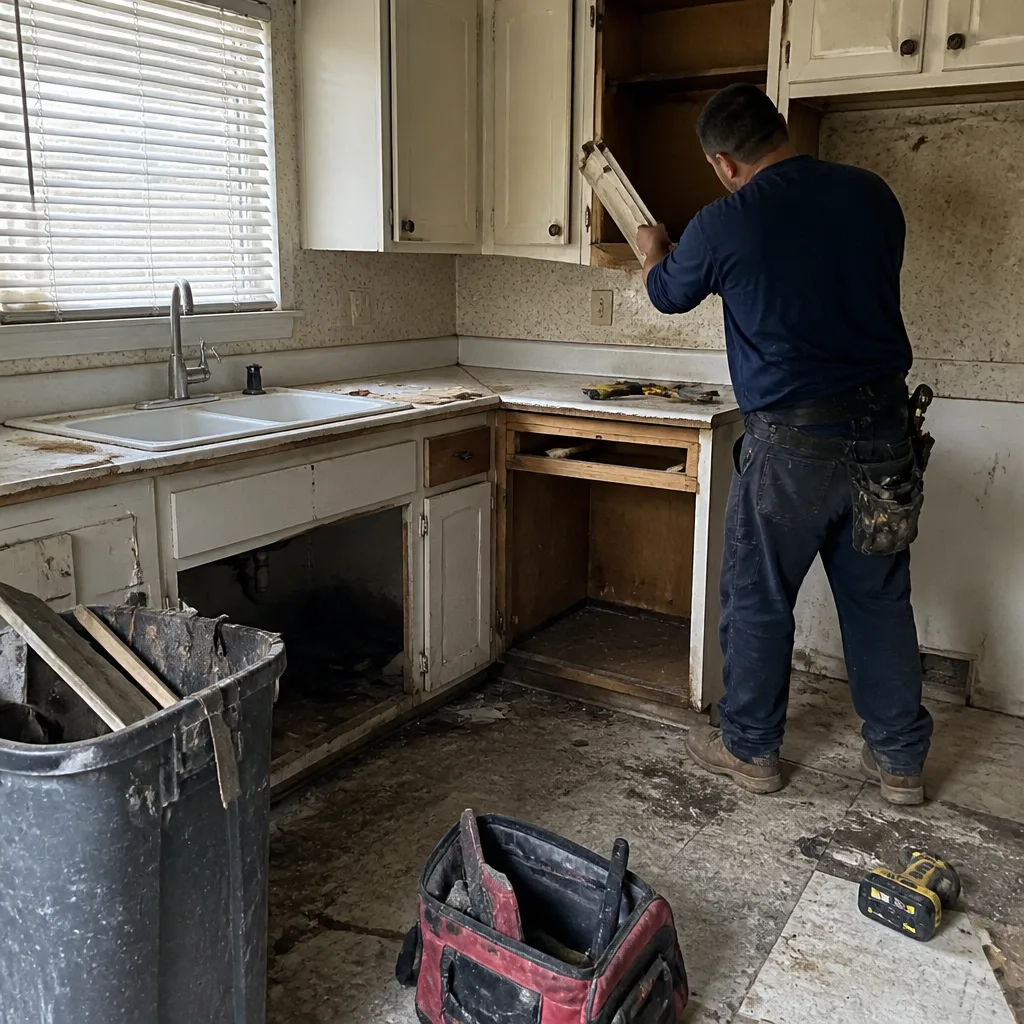 Before
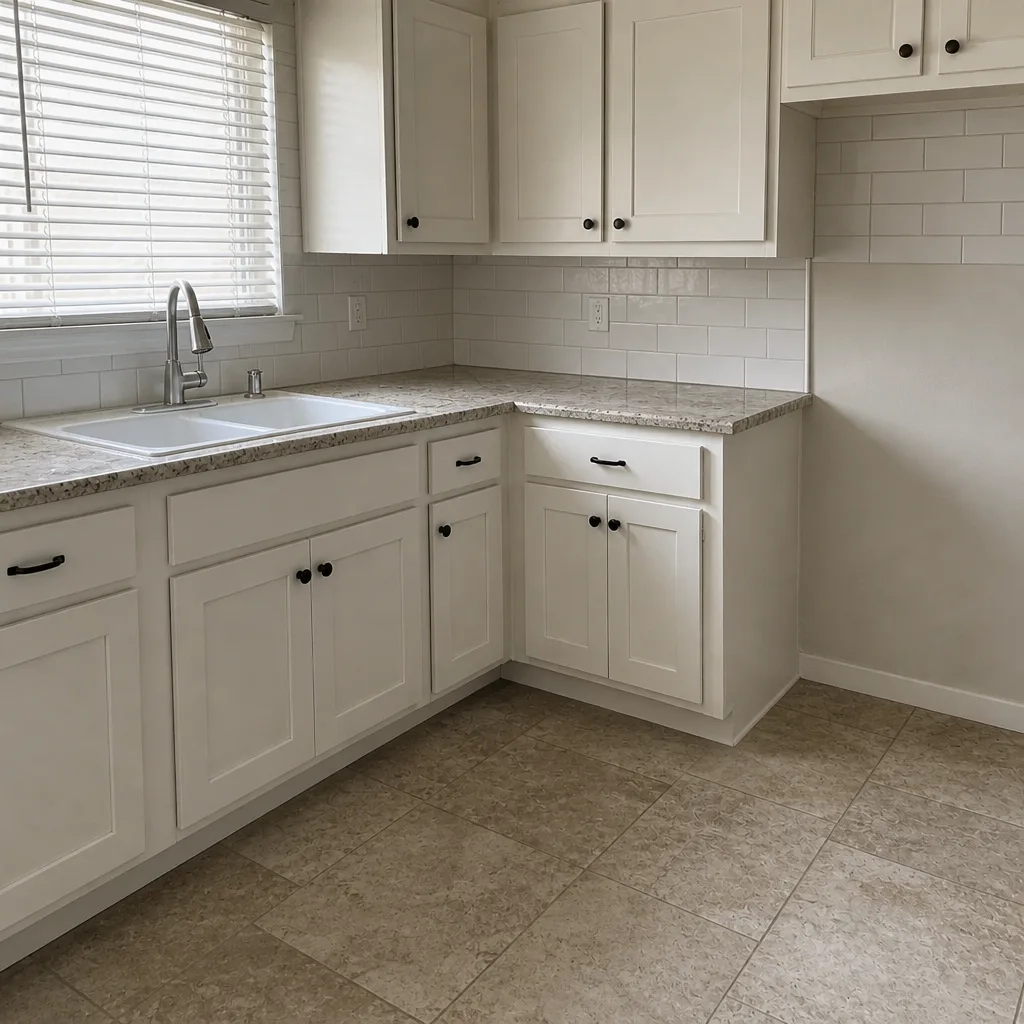 After
The Best Roofing Material for Anaheim, CA: Choose Architectural Cool-Roof Shingles Unless You’re in It for 40 Years
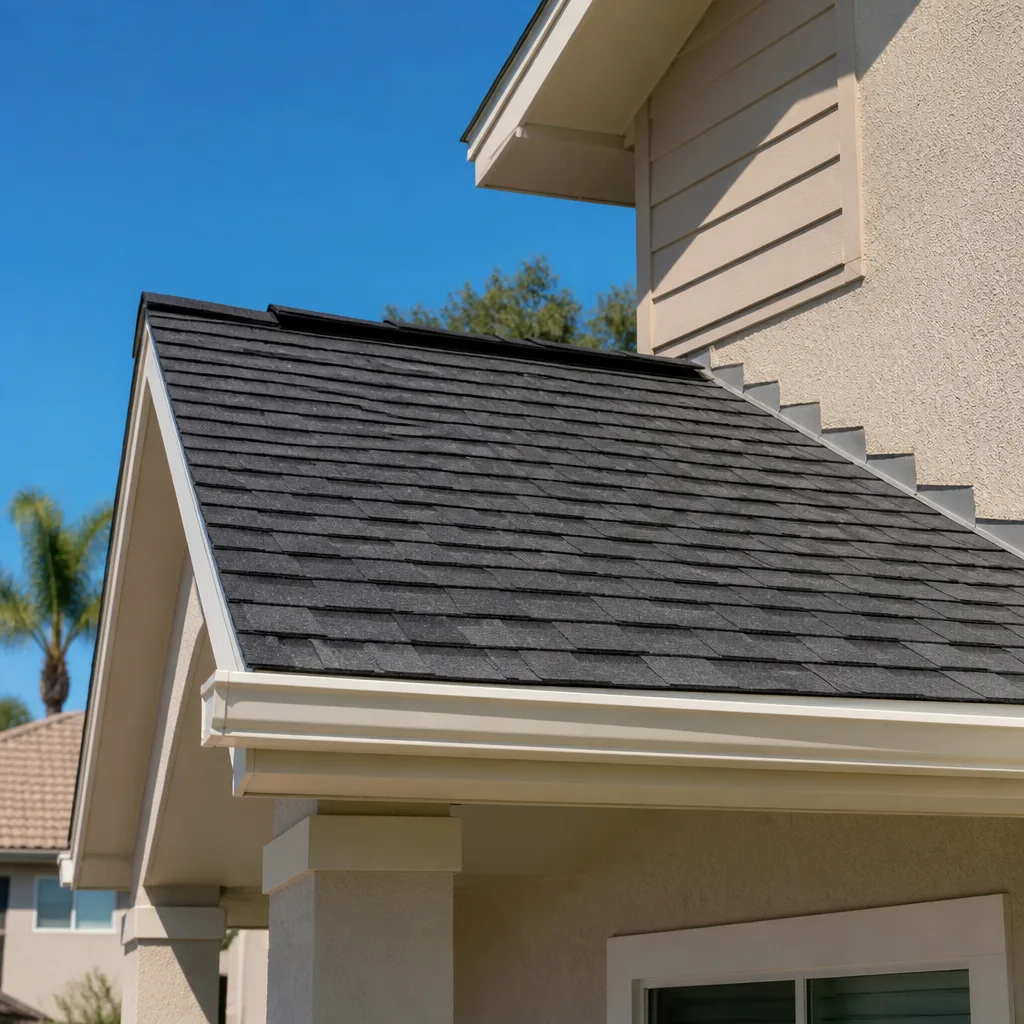
For most Anaheim homes, the best roofing material is an architectural asphalt shingle carrying a Title 24 cool-roof rating – specifically a GAF or Owens Corning product that meets the Solar Reflectance Index threshold. Choose clay or concrete tile instead if your framing can handle the dead load and you’re planning to stay 30-plus years. Choose standing-seam metal if you want the longest service life and you’re on a Platinum Triangle or Resort-area property where curb appeal drives resale. Standard dark 3-tab asphalt doesn’t make the list, because California’s energy code largely removes it from Anaheim re-roofing permits. Call (888) 300-3178 and we’ll tell you which of the three fits your actual roof.
Groundwork Construction Co. of Anaheim has spent years working the residential grid here, and the honest answer is that the “best” question has a narrower answer in Anaheim than any national guide admits. Reading through 10 materials is wasted effort when code and climate have already cut the field to three.
Why Title 24 Removes Half Your Options Before You Shop
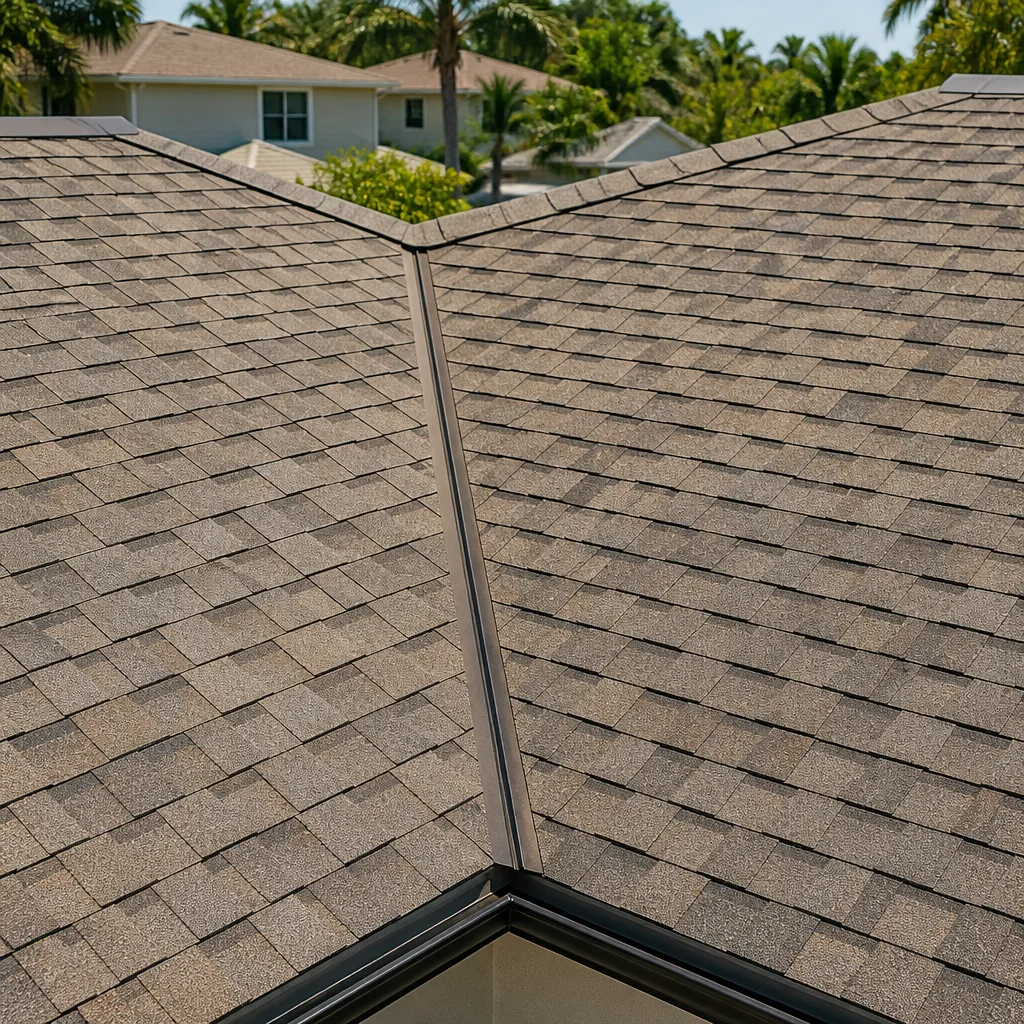
Here’s the filter nobody’s guide starts with. Anaheim sits in a semi-arid Santa Ana wind corridor with hot, dry summers, and the city enforces California Title 24 cool-roof requirements on re-roofing permits. A standard dark asphalt shingle fails the minimum Solar Reflectance Index threshold for most of these permits. That single fact eliminates a huge share of the shingles sold at big-box stores.
What’s left is compact: cool-rated architectural shingles, tile, or metal. Homeowners who walked in expecting ten choices walk out weighing three. That’s not marketing – it’s code, and it’s the reason we start every Anaheim roofing conversation with the permit, not the product catalog. Our technicians have up to 12 years of experience reading those spec sheets, and we’ll show you the actual SRI ratings rather than asking you to trust a brand name.
The Anaheim Material Matrix: Four Options Scored on What Actually Matters Here
We score every material across five dimensions specific to this city: UV longevity under relentless sun, Santa Ana wind uplift resistance, dead load on framing that’s often 1950s-70s vintage, Title 24 compliance, and 10-year total cost of ownership. Here’s how the four realistic contenders stack up.
| Material | UV Longevity | Wind Uplift | Dead Load | Title 24 | 10-Yr Cost of Ownership |
|---|---|---|---|---|---|
| Architectural shingles (GAF/Owens Corning) | Good – 20-25 yrs | Strong at 110 mph rating | Light | Compliant when cool-rated | Lowest upfront |
| Clay tile | Excellent – 50+ yrs | Good with proper fastening | Heavy – needs framing check | Compliant | Highest upfront, lowest long run |
| Concrete tile | Excellent – 40-50 yrs | Good | Heavy – needs framing check | Compliant | High upfront |
| Standing-seam metal | Excellent – 40-50 yrs | Excellent | Lightest | Compliant with cool coating | Highest upfront, strong long run |
What the matrix tells you: architectural shingles win on load and budget, tile wins on lifespan but demands a framing evaluation on older Anaheim homes, and metal wins on wind and weight but carries the steepest entry price. None is “best” in a vacuum – the winner depends on your budget, your framing, and how long you plan to stay.
Two Anaheim Markets, Two Right Answers
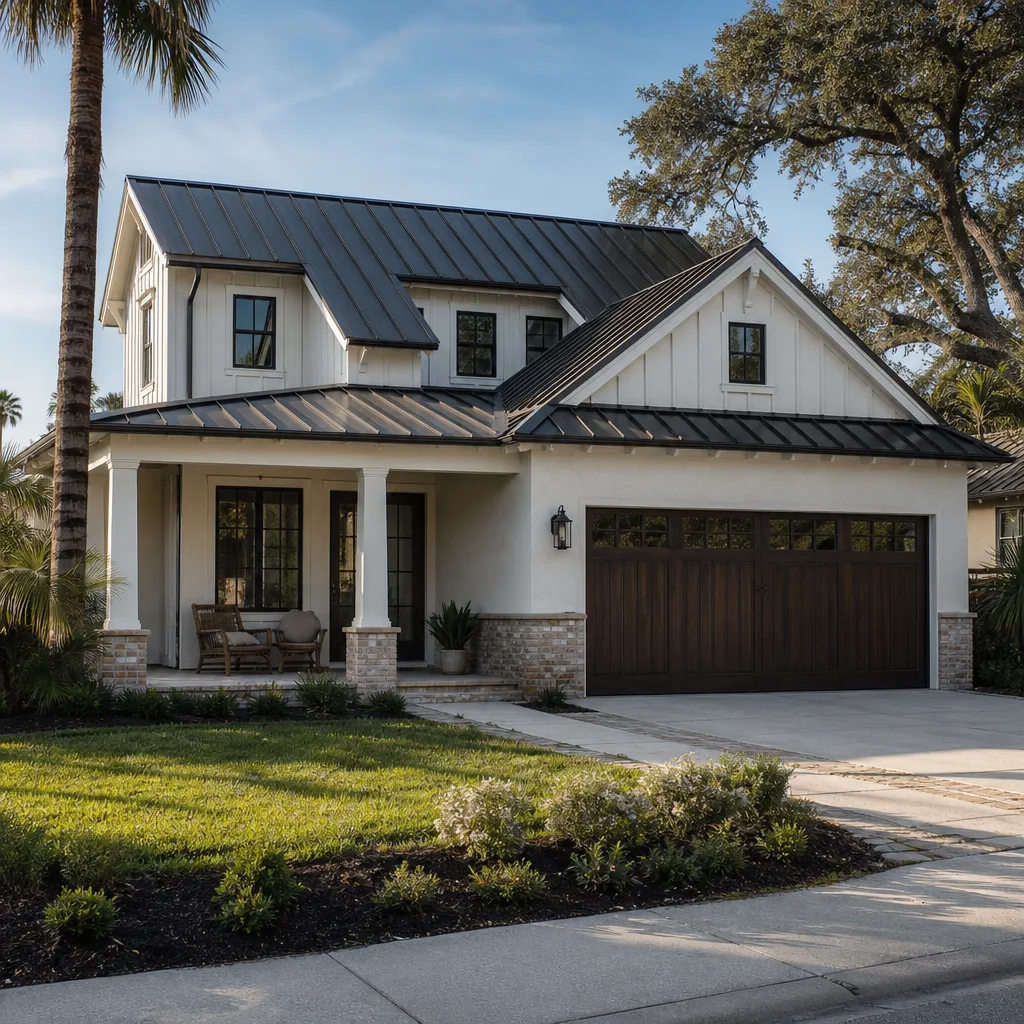
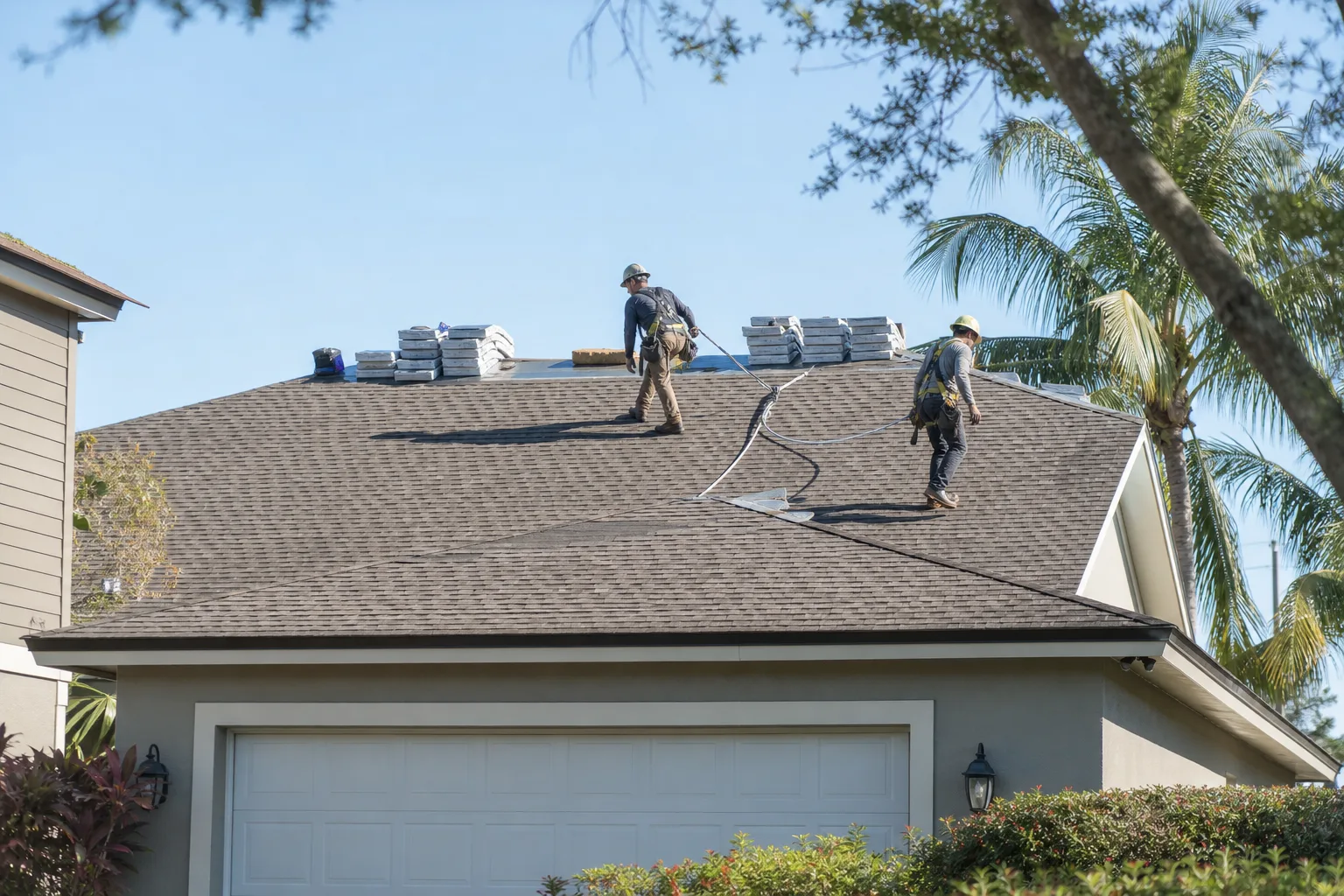
Anaheim is essentially two construction markets in one, and it shows in roofing choices. Around the Resort District and Platinum Triangle, homeowners and landlords usually plan for long-term return and resale, so tile or standing-seam metal earns its premium. On the older residential grid – the Colony, west Anaheim – where 1950s-60s tract homes sit on tight renovation budgets, architectural cool-roof shingles are the most cost-effective compliant option, and they leave money for the ADU conversion or kitchen upgrade on the same list.
Neither path is the “wrong” one. The mistake we see most is a Colony homeowner stretching for tile without a framing check, or a Platinum Triangle owner installing shingles on a 40-year horizon where metal would have paid back. If you’re unsure which market logic fits your property, our Roofing team can walk the roof and tell you straight.
Foothill Properties: The Ember-Zone Question Worth Asking
For Anaheim properties edging toward the foothills, wildfire ember exposure turns Class A fire rating from a talking point into a permit requirement – and not every material achieves Class A as a standalone assembly. Some shingle systems reach Class A only with a specific underlayment combination beneath them; tile and metal often earn Class A more cleanly. This is where the difference between a brand name and the actual product spec sheet matters. We pull the rating documentation for the exact GAF or Owens Corning product we’re proposing and show you how the assembly is built, not just what the box says.
What Does a Roof Replacement Cost in Anaheim?
A standard roof replacement in Anaheim runs $8,000-$20,000, and that range reflects the cool-rated shingle work most permits now demand. Here’s how the compliant options price out:
- Architectural cool-roof shingle replacement: $8,000-$20,000
- Standing-seam metal roof installation: $15,000-$40,000
- Tile roof repair (keeping an existing tile system): $600-$2,500
- Routine roof repair: $400-$1,800
These are upfront numbers, and every Groundwork project carries upfront pricing so the number you see is the number you pay. We also offer 0% financing for 18 months and $1,000 off projects over $10,000, which takes some of the sting out of the jump to tile or metal. Every installation is backed by our 730-Day Done Right Promise – if it’s not done right, we make it right.
How to Compare Materials Before You Sign
Ask for the spec sheet, not the brochure. Any contractor can name a brand; the useful question is what Solar Reflectance Index that specific product scores, what wind-uplift rating it carries, and what its Class A assembly requires. Here’s the short checklist we’d hand a friend:
- Confirm the product meets Title 24 SRI for an Anaheim permit.
- Get the framing checked before committing to tile’s dead load on a 1950s home.
- Verify the wind-uplift rating against Santa Ana corridor exposure.
- Request the Class A assembly documentation for foothill-adjacent properties.
- Compare 10-year total cost of ownership, not just today’s invoice.
We work with GAF, Owens Corning, and vetted tile suppliers precisely so homeowners can see real ratings on real products. Curious how we handle the full scope? Start on our home page or explore the Anaheim service area.
FAQs
For most 1950s Anaheim tract homes, cool-rated architectural shingles are the better fit because the original framing wasn’t engineered for tile’s dead load. Tile is the better long-term choice only if a framing check confirms the roof can carry it. Either way, both must meet Title 24 cool-roof thresholds to pass permit review.
Yes, for most re-roofing permits, because California Title 24 enforces minimum Solar Reflectance Index thresholds here. That’s why standard dark 3-tab shingles usually won’t clear the permit and cool-rated architectural shingles, tile, or metal become the realistic options. Call (888) 300-3178 to confirm what your specific permit requires – estimates are free.
Yes – wildfire ember-zone requirements make Class A fire-rated roofing effectively mandatory for Anaheim properties near the foothills. The catch is that not every material earns Class A on its own; some shingle systems reach it only with a specified underlayment assembly. We document the exact assembly for your roof before work begins.
Expect roughly 20-25 years from architectural shingles, 40-50 years from concrete tile, and 40-50 years from standing-seam metal under Anaheim’s sun and wind exposure. The semi-arid UV load is the main driver of that spread, which is why the longer-lived materials pay off for homeowners planning to stay.
Ready to Pick the Right Roof?
If you’d rather have it looked at than read another comparison, Groundwork Construction Co. of Anaheim offers a no-pressure assessment in Anaheim – call (888) 300-3178. We answer live, 24/7, with background-checked technicians and a free estimate and design consult. Choose quality, not just availability.
Written by the team at Groundwork Construction Co. of Anaheim, serving Anaheim, CA.