Last updated November 18, 2026
Free written scope consultation - allowances, timeline, and change-order rules on paper before a single trade is scheduled
Choosing the Right Construction Brand: A Buyer’s Guide for Anaheim
Two driveways go in the same week on the same Anaheim block. Five years later, one is a map of hairline cracks while the other still looks poured last season. Same sun, same soil, same freeze-free climate. The difference usually comes down to what the contractor specified: a commercial-grade base under a polymer-modified mix versus the cheapest blend that still cleared code minimums. Most Anaheim homeowners never get a say in that decision, even though it determines how long the work holds up. This guide gives you the vocabulary to ask the right questions about material brands, understand the answers, and spot the difference between a contractor who specs for longevity and one who specs for margin. You’ll learn how to read manufacturer warranties, which categories are worth a premium in Anaheim, and why an authorized installer isn’t the same as a retail buyer.
Quick Answer
The “right” construction brand in Anaheim is the one whose manufacturer warranty is specific, transferable, and backed by an authorized installer who pulls permits and follows the published spec, not the one with the biggest ad budget. In most trades, the quality tier matters most for waterproofing, roofing, windows, and concrete base materials, where Anaheim’s high UV index and dry-then-wet cycles punish cheap products fast. For cabinets, interior doors, and trim, mid-tier brands from a careful installer often outperform a premium label installed poorly.
Styles & brands we work with
- Kitchen remodeling
- Bathroom remodeling
- Home additions & ADU
- Roofing
- Windows & doors
- Driveway & pavers
- Fence
Table of Contents
- How to Judge a Material Brand by Its Warranty, Not Its Marketing
- Which Material Categories Have Real Quality Tiers in Anaheim Conditions
- Why Contractor Brand Partnerships Matter (and How to Tell If Yours Is Authorized)
- Cross-Referencing Brand Specs Against Anaheim Climate Data
- Questions That Reveal Whether Brands Are Spec’d for Longevity or Margin
- The Seven Trades Where Anaheim Brands Matter Most
- Anaheim Codes, Permits, and Why the Brand on the Label Isn’t the Whole Story
How to Judge a Material Brand by Its Warranty, Not Its Marketing
A manufacturer warranty is a legal document. A contractor’s verbal assurance is a memory. When you’re comparing brands, put the two documents side by side and read the fine print on each. Most of the “premium” claims you see on product pages dissolve the moment you ask what the warranty actually covers and for how long.
The stronger interior brands we specify carry manufacturer warranties that cover material defects for decades and, on certain products, transfer to the next owner of the home. That transferability matters in Anaheim, where short homeownership cycles and rental conversions mean the person who benefits from the warranty often isn’t the person who paid for it. A brand with a transferable warranty is worth real money at resale. A brand with a one-year “limited” warranty that excludes labor, UV damage, or installation error is a marketing claim dressed as a promise.
Here’s what a strong warranty typically includes:
- Material defects covered for 20 years or more on premium products.
- Transferability to a new homeowner, sometimes with a modest fee.
- A published installation spec the contractor must follow for the warranty to be valid.
- Coverage of component failures (seals, finishes, hardware) as well as structural failures.
- A written exclusion list you can actually read, not a page of vague language.
What a weak warranty usually does:
- Excludes labor, which is 40-60% of your total project cost.
- Voids coverage if installation deviates from spec, even slightly.
- Requires the original purchaser only, so it dies at resale.
- Covers “material defects” without defining what a defect is.
Then layer on the contractor’s workmanship warranty, which is a separate promise. Our 730-Day Done Right Promise covers workmanship for two full years on every project, which is one of the longest residential guarantees we know of. A premium brand installed badly still fails; the only reliable structure is a strong manufacturer warranty paired with a strong written workmanship warranty and an installer who honors both.
Which Material Categories Have Real Quality Tiers in Anaheim Conditions
Not every trade rewards a premium brand equally. In some categories, the top-tier product is a genuine difference in service life. In others, the premium label is mostly cosmetic and a well-installed mid-tier product holds up fine under Anaheim’s conditions.
Categories where premium brands clearly pay off
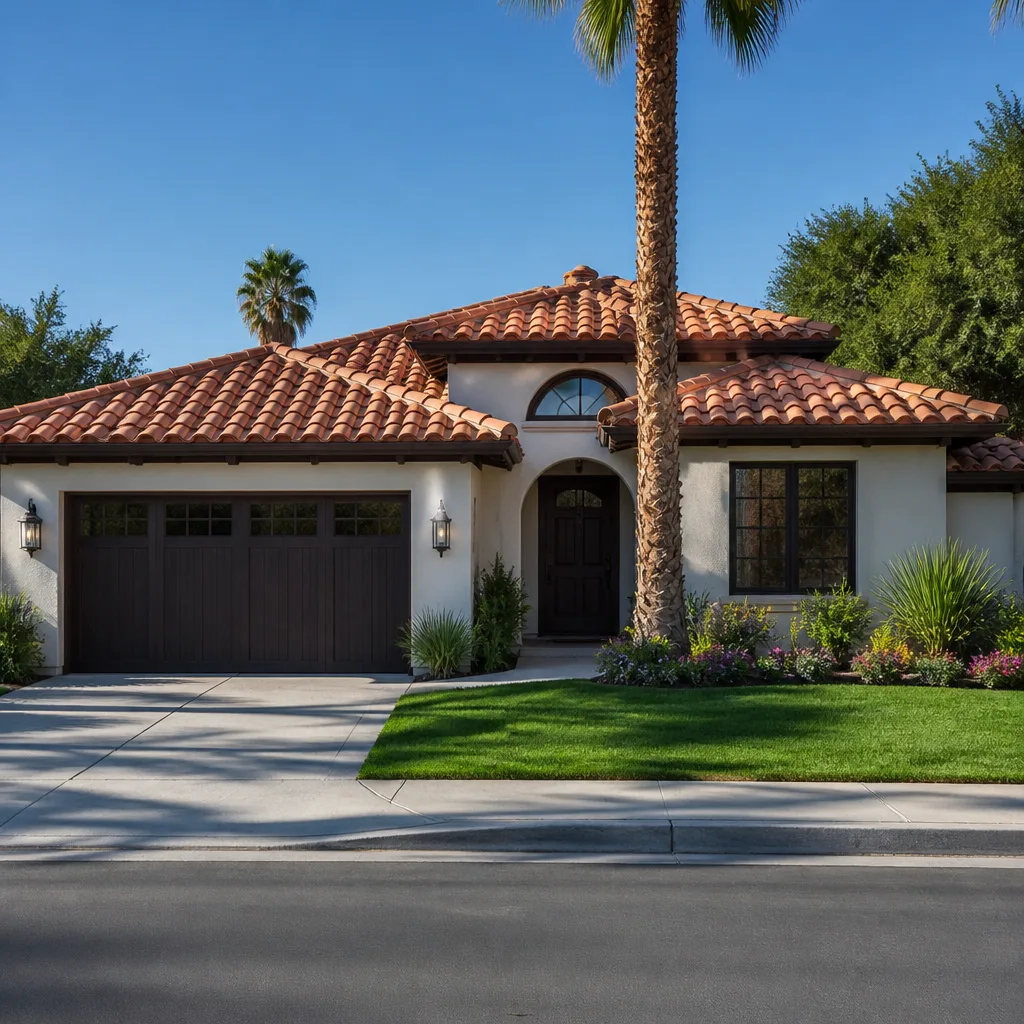
- Roofing. Under a GAF or CertainTeed architectural shingle, the difference between the base tier and the top tier is roughly a decade of service life, better granule adhesion against UV, and stronger algae resistance in shaded areas of Anaheim Hills where morning fog lingers. Premium underlayments and venting systems, which the brand spec drives, matter as much as the shingle itself.
- Windows and doors. Anaheim gets intense summer sun on south and west elevations. Andersen and Pella glass packages with low-E coatings and dual-pane construction with argon fill materially extend the life of the unit and lower cooling load. On the non-name side, brands like PGT and Boral make solid products, but you still need to verify the glass build, not just the brand badge.
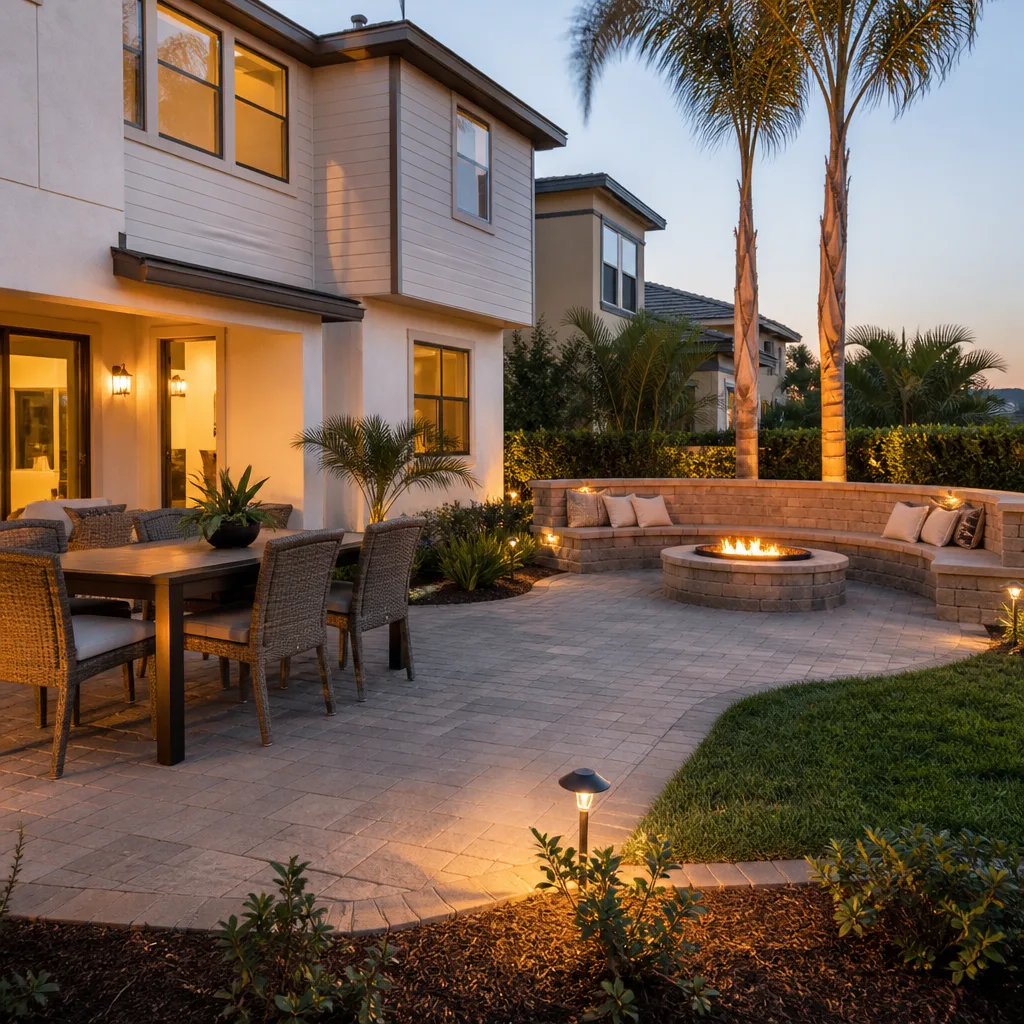
- Concrete, base, and pavers. The single largest determinant of driveway longevity in Anaheim is what’s under the surface. A base built with a commercial-grade aggregate (typically 3/4-inch class II) and a polymer-modified mix resists our dry-then-wet seasonal cycling far better than a code-minimum pour. Belgard and similar hardscape brands deliver good surface products, but a premium paver atop a weak base is money wasted.
- Exterior siding and trim. James Hardie fiber cement products carry a 30-year non-prismatic warranty on many color lines and resist our UV load without the repaint cycle that trips up vinyl. In Anaheim’s older neighborhoods, that durability alone justifies the upgrade.
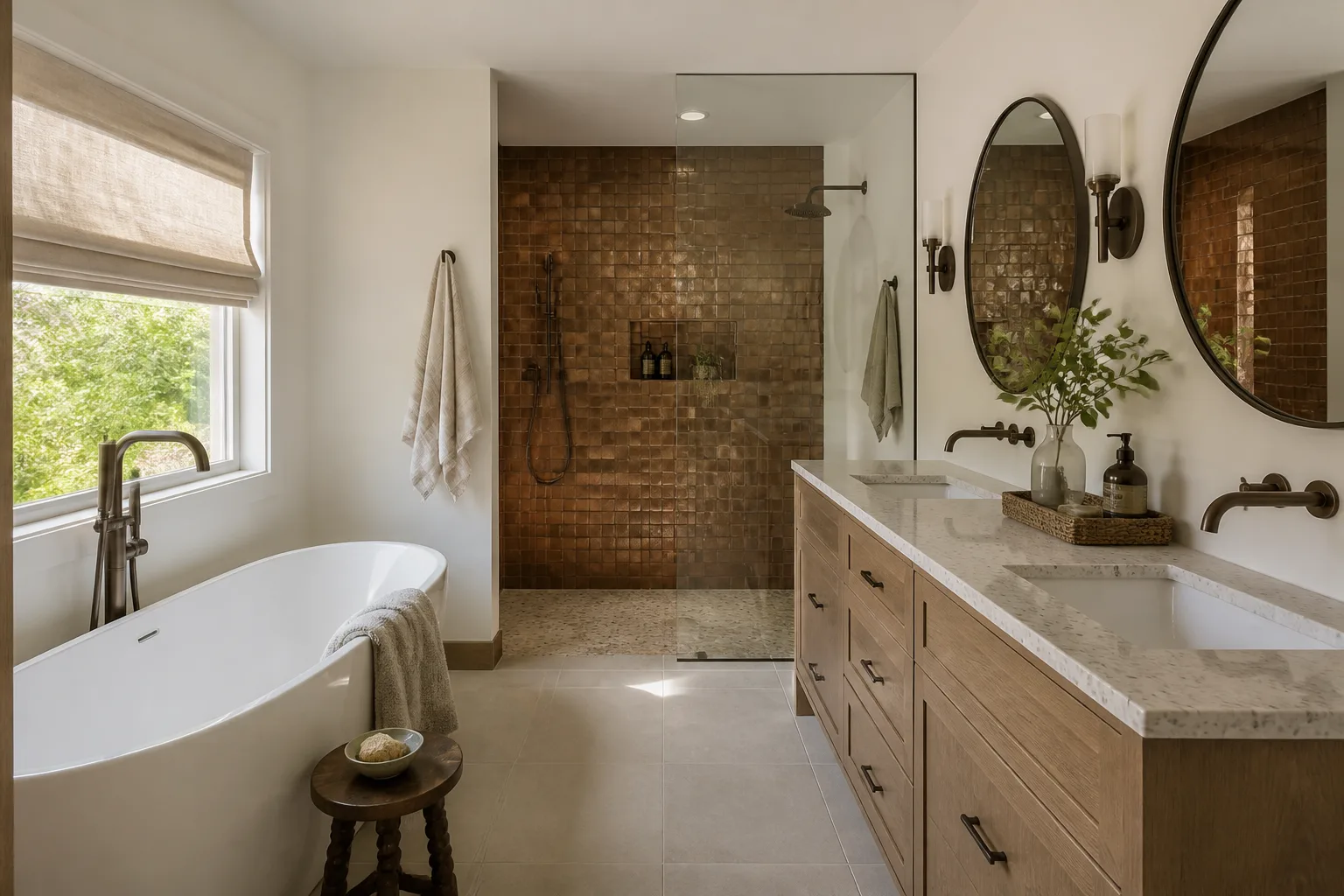
- Waterproofing and shower systems in bathrooms. The membrane is invisible when the project’s done, which is exactly why the brand on the label matters. A brand-name bonded membrane with a published installation spec far outperforms generic sheet material, and most bathroom failures we see in Anaheim trace to this layer.
Categories where mid-tier built well beats premium built poorly
- Cabinetry. KraftMaid’s entry tier with soft-close, a proper toe-kick, and a precise install by a careful technician will outlast a boutique cabinet banged in by a rushed crew. The brand matters less than the box construction and door alignment.
- Interior doors and trim. Solid-core doors from a mid-tier brand are a clear upgrade over hollow-core, but the jump from $500 to $1,500 per door rarely pays back beyond taste.
- Fixtures and plumbing finishes. Kohler and similar brands offer genuine quality in valves and cartridges, where cheap clones fail in five years. But the chrome finish itself already meets the same standards across most reputable brands.
Cross-reference any product you’re considering against Anaheim’s actual climate stress. The UV index sits high enough through summer that any exterior material without UV stabilization will chalk or fade faster than the manufacturer claims. Seasonal thermal swings between inland cool nights and warm days crack concrete and stress adhesive bonds. The brand that engineers for those two conditions is the brand worth the upgrade.
Why Contractor Brand Partnerships Matter (and How to Tell If Yours Is Authorized)
An authorized installer can register your project for a manufacturer warranty (often extending coverage), buy product at partnership pricing that reflects in your bid, and access technical support from the brand when a tricky install comes up. An unauthorized installer buying retail gets none of that, though they’ll still quote you a brand name.
Knowing which one you’re talking to is easier than it sounds. Ask these questions directly and watch what happens:
- “Can you register this install with the manufacturer in my name?” An authorized installer says yes without hesitation. An unauthorized one says something vague about “the warranty is covered by us.”
- “Which specific product do you plan to install, and what’s the model number?” Authorized installers name the model. Others stall or generalize.
- “Where do you buy your materials?” Authorized installers have supply relationships at distribution level. Buying “retail” from a big-box store is a tell.
- “Which manufacturers do you actually have active partnerships with?” Real partnerships come with a list. If the answer is “we use everything,” there’s no real partnership.
- “Do you have the brand’s published installation spec on hand?” Authorized installers know the spec exists and refer to it. Others install from habit.
We keep a curated set of verified brand partners per trade, which lets us specify products that match Anaheim conditions and register those installs on behalf of homeowners. That’s not marketing polish; it’s the difference between a warranty that exists on paper and one that actually activates when something fails.
One more tell: authorized partners tend to have access to first-run product and consistent supply, while unauthorized installers sometimes substitute mid-project when a particular SKU isn’t on the shelf. If you’ve ever had a contractor swap material after the fact, you know why that matters. For the categories where our partnerships matter most, see Driveway & Pavers in Anaheim, where base and surface brands decide how a driveway ages.
Cross-Referencing Brand Specs Against Anaheim Climate Data
Manufacturer specs are written to cover a national range. Anaheim sits in a specific envelope within that range, and some brands perform outstandingly here while others coast on reputation built elsewhere. Pull the product’s technical data sheet and check it against these local conditions.
The four Anaheim climate stressors that break cheap materials
- High UV index. Anaheim runs UV 9-11 most of the summer, which accelerates fading, chalking, and elastomeric failure in exterior coatings. Brands that engineer for UV, not just “resistance,” show up in actual service life, not the datasheet.
- Dry-then-wet seasonal cycling. Long dry stretches followed by winter rain cause wood to expand and contract, concrete to hairline-crack, and caulk joints to pull. Materials with high flexibility and proper movement accommodation in the spec survive it better.
- Thermal cycling between day and night. Inland Anaheim sees meaningful overnight temperature drops even in summer, which stresses adhesives, sealants, and window frames. Brands with documented thermal movement ratings are worth the premium.
- Marine-influenced humidity in near-coast neighborhoods. Parts of west Anaheim sit within a coastal moisture gradient that pushes salt and humidity into exterior metals. Fasteners and hardware need to be rated for the exposure, which is a spec detail, not a marketing line.
When you’re comparing two brands in the same category, pull the technical sheet from each and compare these specific numbers:
- UV resistance testing data (accelerated weathering hours).
- Thermal expansion coefficient and rated movement.
- Water absorption percentage.
- Salt spray performance for metals.
- Published installation specification for the product.
If a brand won’t publish these, that tells you what it thinks of your ability to check. Roofing is the category where this matters most in Anaheim, since the roof takes everything the climate throws at it. We spec GAF and CertainTeed on Anaheim roofs for exactly this reason, and we look at Atlas and Tamko as solid mid-market options depending on the product line. For projects where roofing ties into broader structural work, our Home Additions & ADU in Anaheim service handles the intersections.
Questions That Reveal Whether Brands Are Spec’d for Longevity or Margin
A contractor’s material selection is usually decided in the first 30 minutes of putting the bid together. Brand choice, base material grade, and installation method all get locked in before you ever see the proposal. The questions below open up that decision-making to daylight.
- “What brand and model number do you plan to install, and why that one over the alternatives?” A well-spec’d contractor names the product and gives a reason tied to your project or Anaheim conditions. A margin-driven contractor names it but can’t explain the choice.
- “What’s the manufacturer warranty on this product, and does the install qualify for it?” This separates contractors who know the spec from ones who install by habit and hope it passes.
- “What’s the base material under this surface, and what grade?” On driveways, pavers, and hardscapes, this is the question that reveals everything. An installer who says “3/4 class II base at 4-inch compacted depth” is worth listening to. One who says “we use gravel” isn’t.
- “Is there a cheaper product in this category, and why did you propose this one?” A contractor confident in their spec can explain the cost difference directly. A defensive answer or a pivot to sales talk signals the choice wasn’t about your project.
- “Have you installed this specific product in Anaheim before?” Brands perform differently here than in wetter climates, and a contractor who’s seen the product in service locally knows which ones age well.
- “What does your workmanship warranty cover, and for how long?” Our 730-Day Done Right Promise is two years of workmanship coverage, matched against the manufacturer warranty. If either is short or conditional, the whole stack has a weak link.
None of these questions are hostile. A well-run contractor will welcome them, and if a bid doesn’t come with a written line-item spec on brand and model, that’s already the answer to all six. Transparency starts at the proposal stage, not the post-project conversation. For warranty and material choices across exterior work, our Fence Installation in Anaheim service line follows the same brand-first approach.
The Seven Trades Where Anaheim Brands Matter Most
Most Anaheim construction projects touch more than one trade, and each trade has brands that reward careful specification and brands that survive on distribution muscle. We spec across seven core service lines, and here’s what we look for in each.
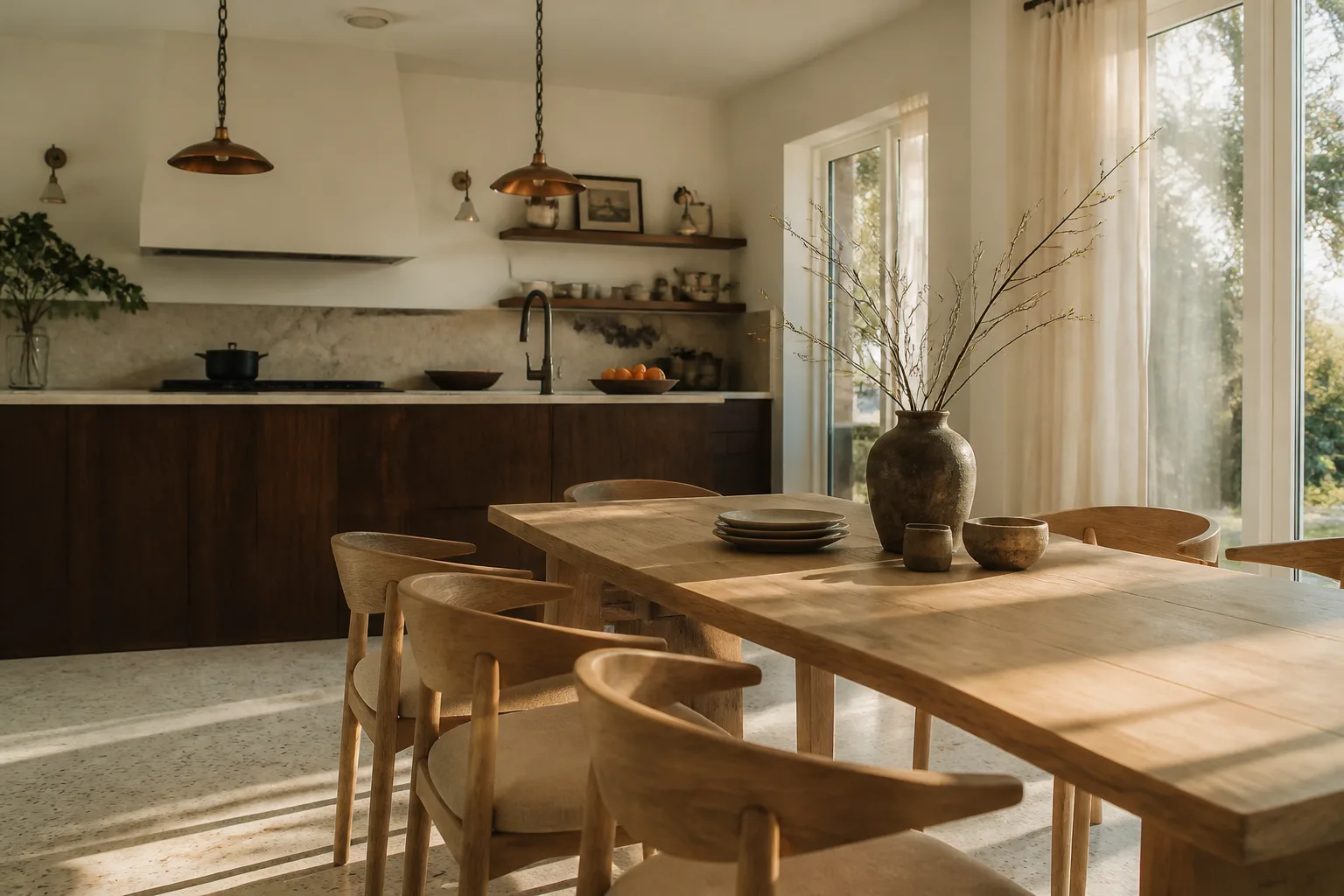
- Kitchen redesign. KraftMaid cabinetry anchors most of our kitchen work, paired with Cambria quartz for counter surfaces and Kohler fixtures where valve and cartridge quality actually shows up five years later. These are categories where the mid-tier from a strong brand beats the top-tier from a weak one.
- Bathroom redesign. Waterproofing membranes and shower valve brands carry the project. Cheap waterproofing is the most expensive mistake you can make in a bathroom, and even mid-priced fixtures will outlast cheap valves by a decade.
- Roofing. GAF and CertainTeed on the premium side, with Atlas and Tamko as strong product-line options. The underlayment and venting spec matters as much as the shingle brand.
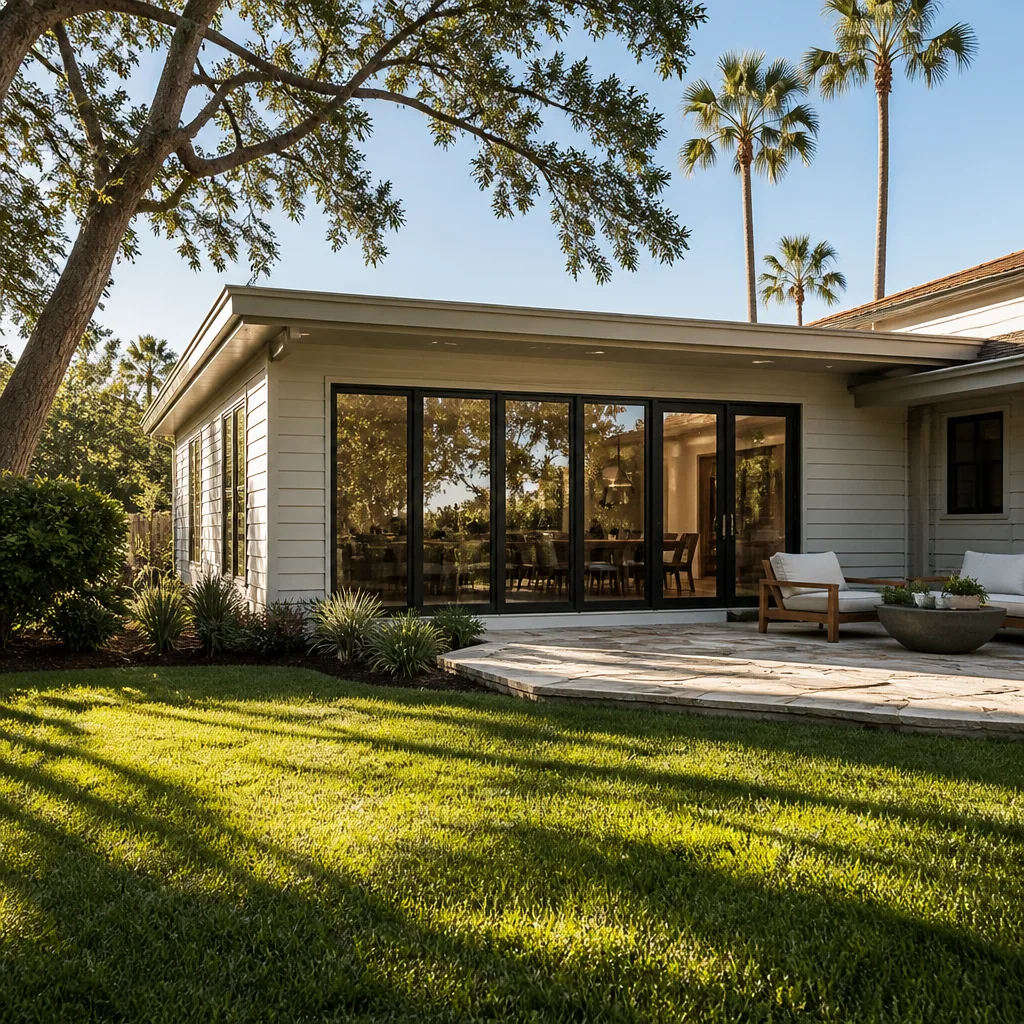
- Windows and doors. Andersen and Pella on the glass package, with PGT worth considering on specific product lines. The glass spec determines UV performance more than the frame brand.
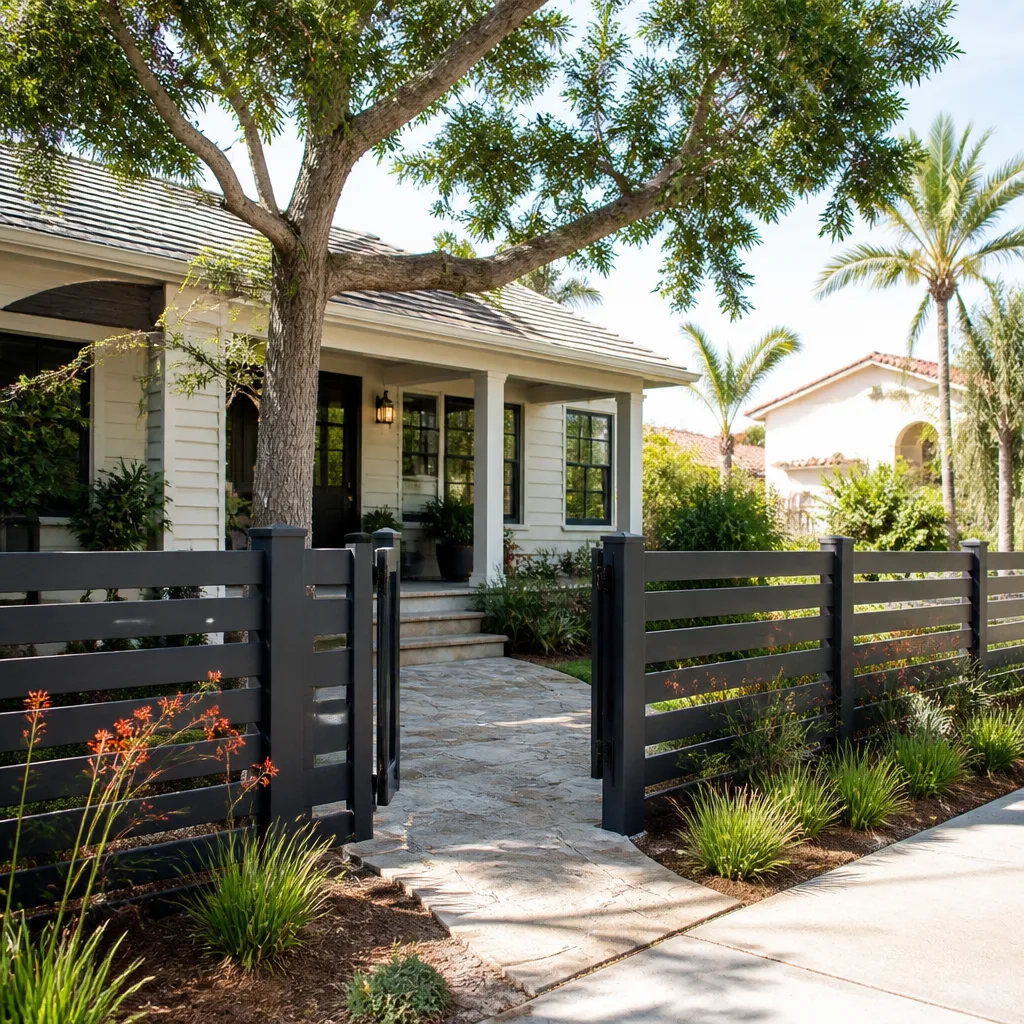
- Fencing. Material selection (cedar, composite, vinyl, or metal) plus fastener quality decides service life. Non-name fencing brands with proper fastener spec can outperform a weak-spec branded fence.
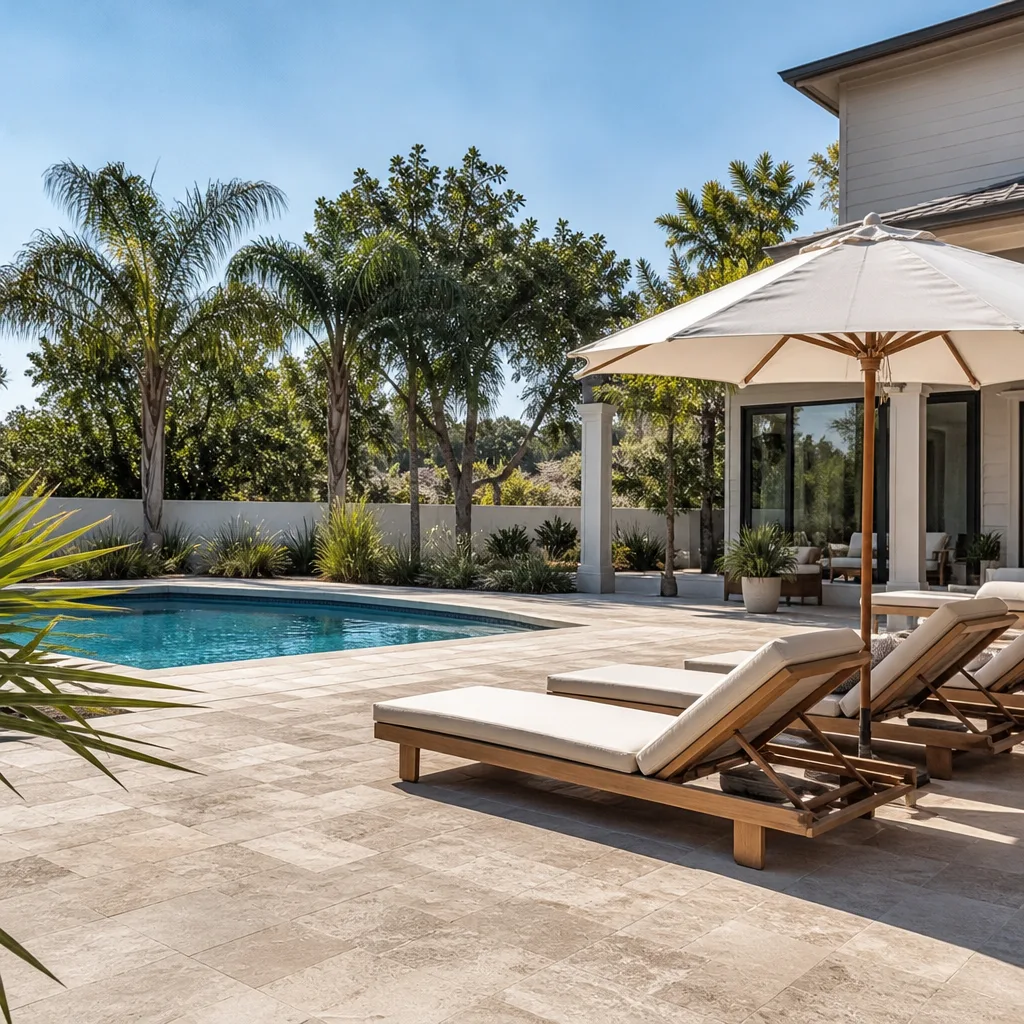
- Driveways and pavers. Belgard and similar brands deliver strong surface products, and the base material underneath is the actual variable. The spec sheet on base grade is what matters.
- Additions and ADU. Every one of the above combines into a single structure. Brands across roofing, siding, windows, and flooring all need to hold together with a written warranty inside 730 days.
When a project spans multiple trades, the brand suite has to work together rather than against itself. James Hardie siding meeting a CertainTeed flashing detail meets a GAF roof termination: the seams between brand systems are where failures happen. You can see how our umbrella of services meets that standard starting from our Groundwork Construction Co. of Anaheim home.
Anaheim Codes, Permits, and Why the Brand on the Label Isn’t the Whole Story
A premium shingle installed on a deck that doesn’t meet code won’t perform. A top-tier window installed without proper flashing will leak. Building codes and inspection requirements determine the floor, and brand quality determines the ceiling. Anaheim building permits run through the city’s Community & Economic Development Department, and most exterior, structural, and system-level work needs a permit and inspections. Roofing replacement, window replacement in most situations, structural changes, additions, and ADUs all trigger the process.
The permit has one curious feature homeowners rarely think about: it requires the installer to follow the manufacturer’s published spec, not just code minimums. If a contractor installs a brand-name shingle with the wrong fastener count, the warranty voids even though the work passed inspection. That’s the gap where cheap installs live, and where good specs matter most. Pull the spec sheet against the actual install on any project you’re quoting.
Doing it right, from foundation to finish line, means the spec, the permit, and the warranty all line up. That’s not a differentiator most contractors can point to in writing. It’s how we work.
Common Mistakes to Avoid
- Trusting a contractor’s warranty assurance without seeing the manufacturer warranty. If the paperwork doesn’t exist in writing with a model number, the assurance is a handshake, and handshakes don’t survive when a product fails in year five.
- Letting the contractor choose brands without a model number on the bid. A bid that says “premium shingle” or “quality window” is an invitation to substitute the cheapest qualifying product. Ask for the model on every line.
- Assuming “well-known brand” means “well-installed brand.” A GAF shingle installed with the wrong venting is a GAF shingle that fails early, and the manufacturer won’t honor the warranty. Installation spec matters as much as brand choice.
- Skipping climate cross-reference. Anaheim UV and thermal cycling stress different products than a wetter or colder climate would. A brand with outstanding performance in the Pacific Northwest may have weaker UV data here.
- Confusing authorized installers with retail buyers. Anyone can buy a premium product at a big-box store and install it. Only an authorized installer can register the warranty and access the brand’s technical backup.
- Not asking which category actually rewards premium. Putting premium money into interior doors while skipping waterproofing in bathrooms is a common misallocation. Ask which category delivers the biggest difference in your specific project.
- Accepting a verbal workmanship guarantee. A workmanship promise is only as strong as the written term. Our 730-Day Done Right Promise runs two full years in writing, and any competitor’s guarantee should come with the same level of formality or none of it counts.
See the difference
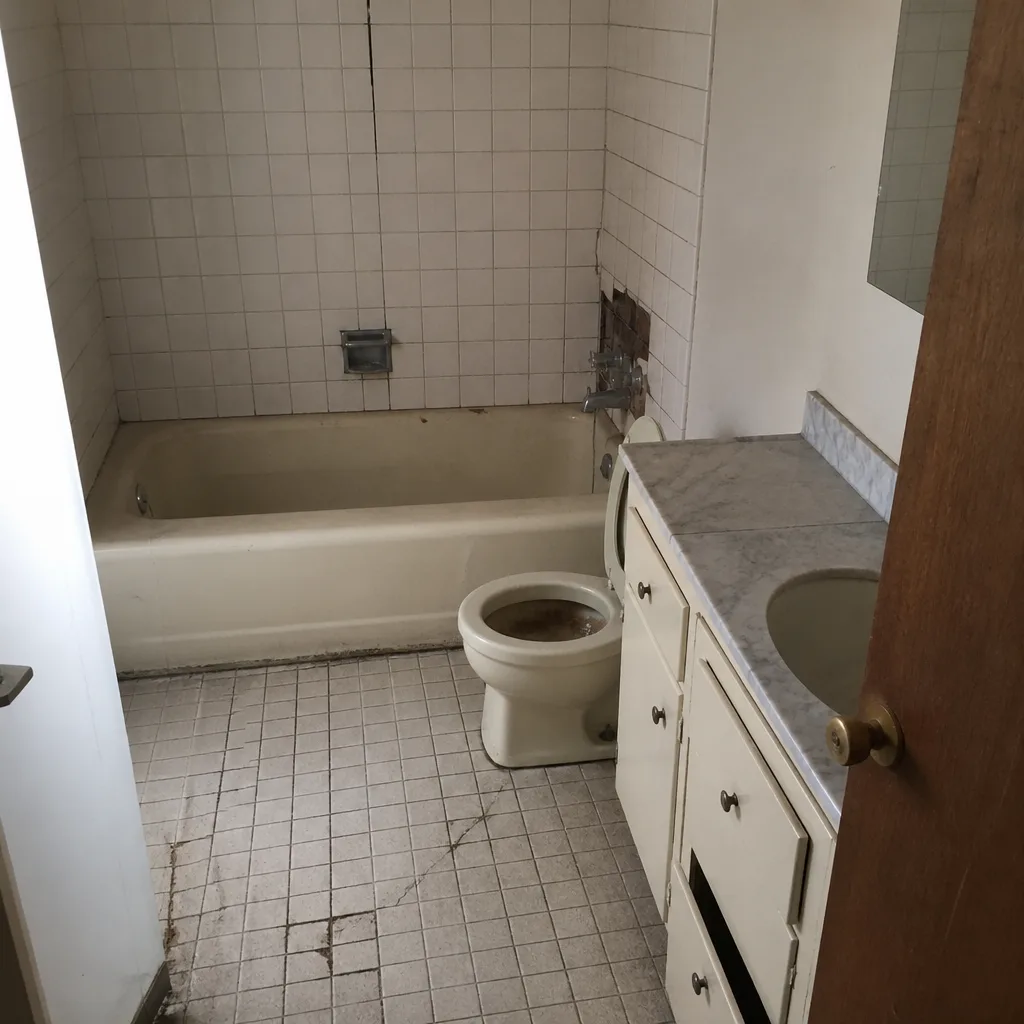 Before
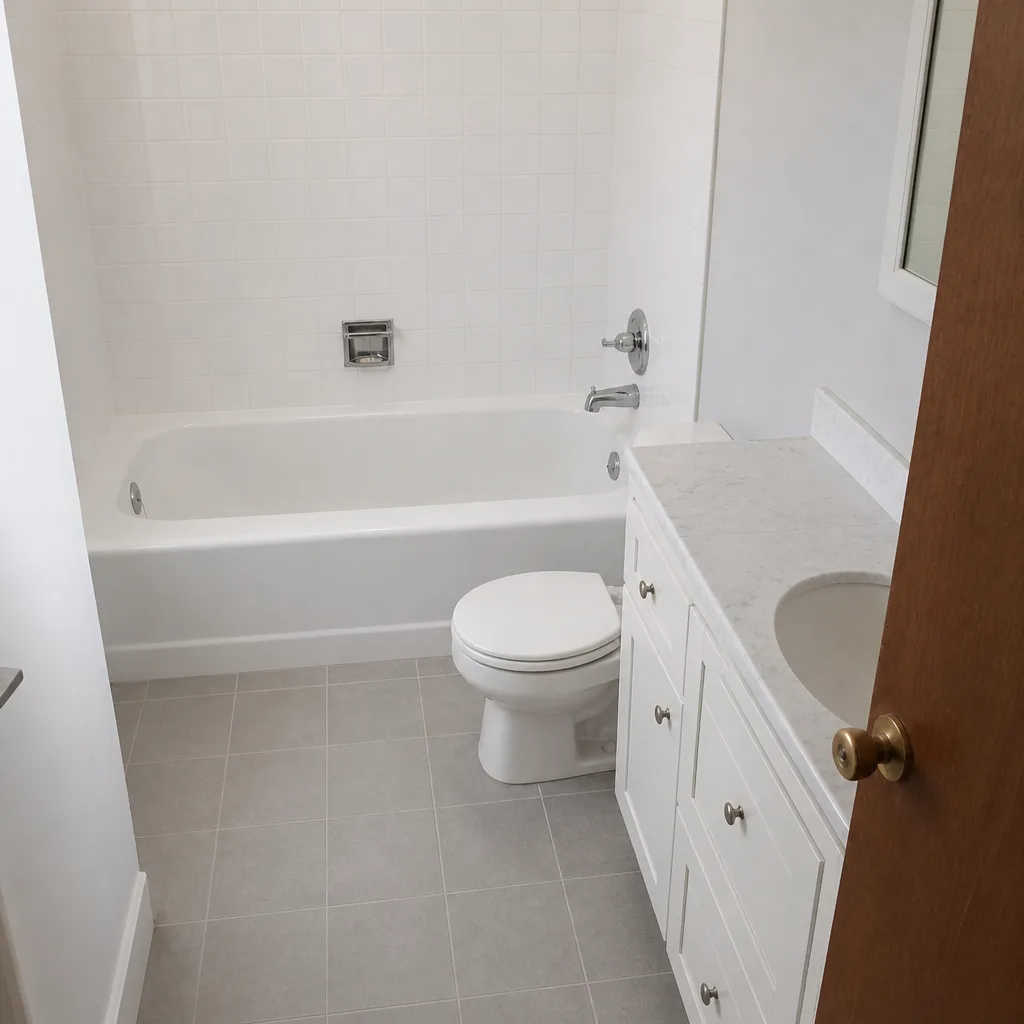 After
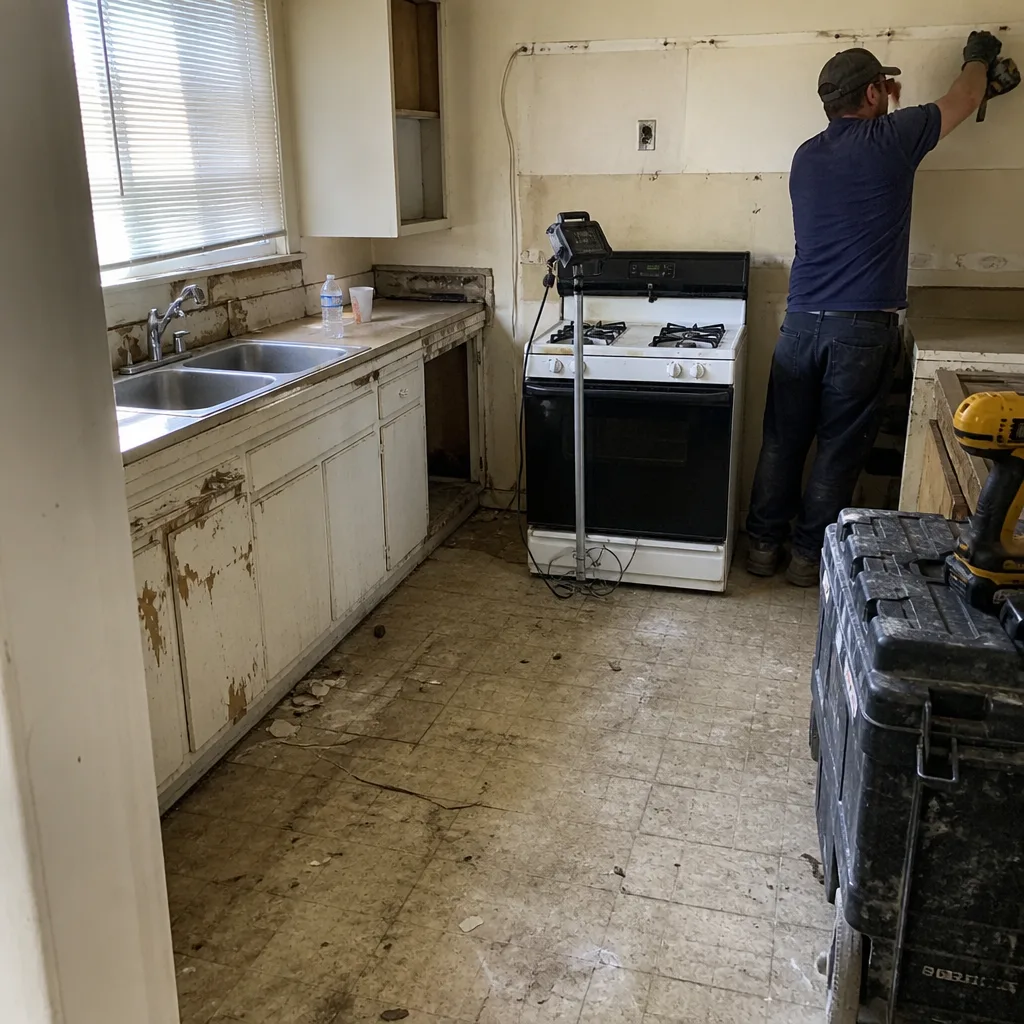 Before
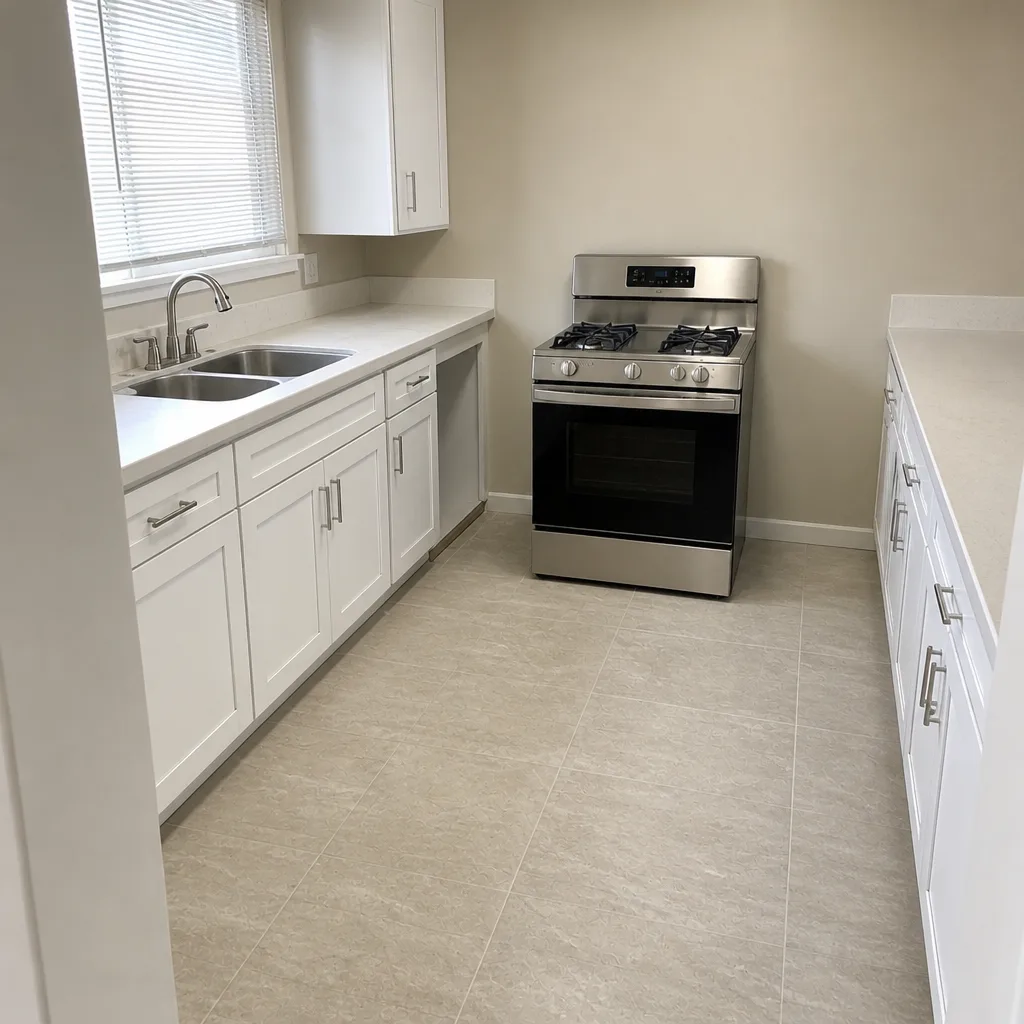 After
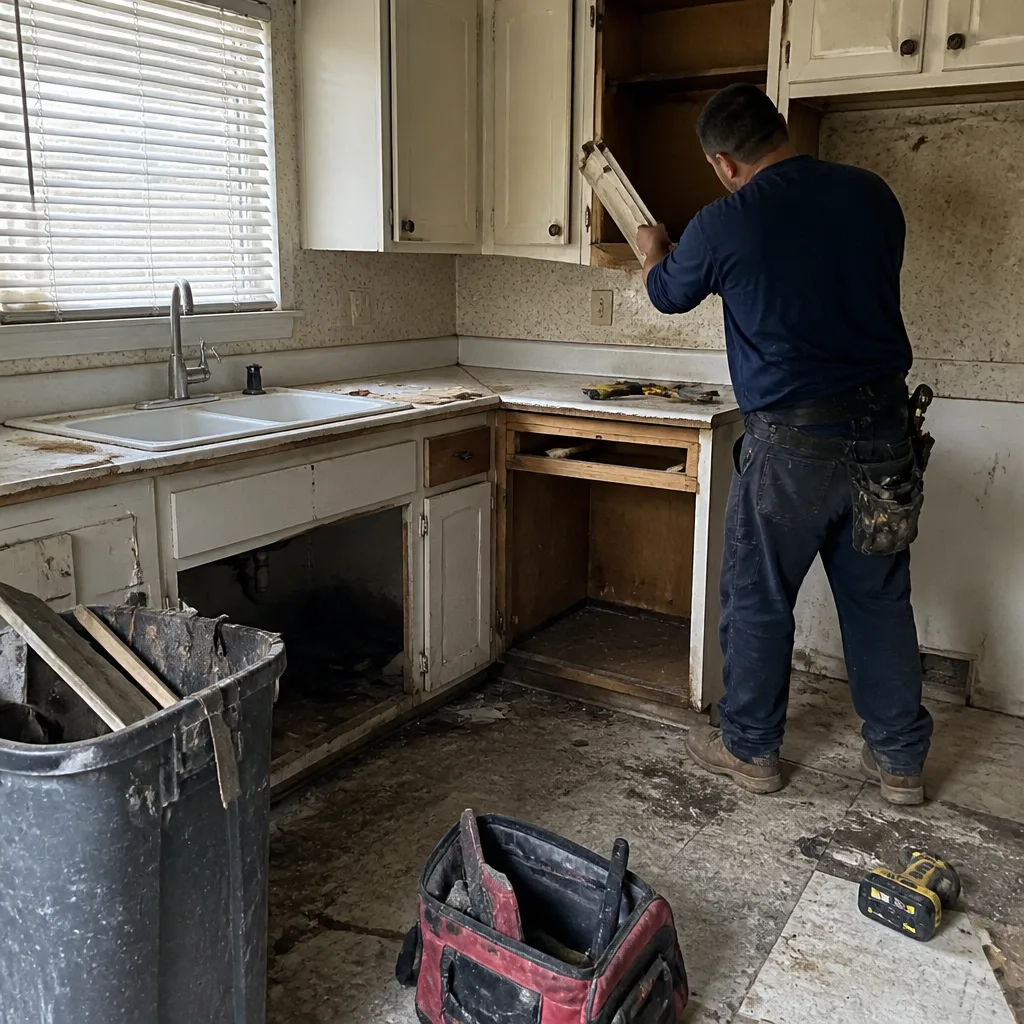 Before
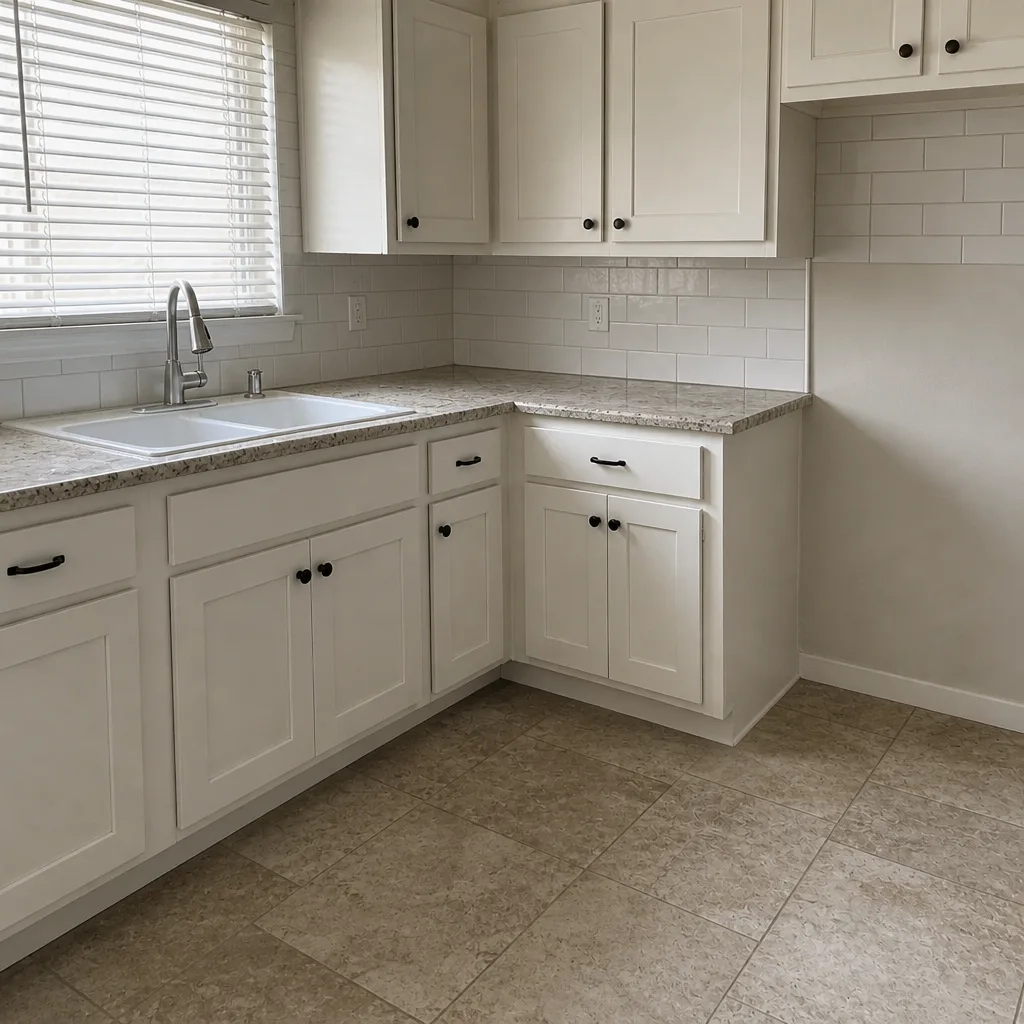 After
When to Call a Professional
When the decision on brands matters enough to justify bringing in someone who does this daily, the project usually falls into one of these categories: a roof or window replacement on an Anaheim home older than 25 years, where code and climate have shifted since the home was built; a driveway or hardscape project where base material selection will determine the next 20 years of appearance; a bathroom or kitchen remodel where the waterproofing and cabinetry spec are invisible on the bid but decisive on service life; an ADU or addition where brand systems across six trades have to work together; or any project where you’ve been burned before and want to see the model number on paper before signing. Groundwork Construction Co. of Anaheim offers free estimates in Anaheim, with written line-item pricing and brand names on the bid. Call (888) 300-3178 to schedule yours.
Frequently Asked Questions
Premium brands pay off most in roofing (GAF, CertainTeed), windows (Andersen, Pella), waterproofing systems, and concrete base materials, where the premium buys measurable service life under Anaheim’s UV and thermal cycling. Brands in categories like interior doors and plumbing finishes matter less than the installer’s work. The right test is whether the manufacturer warranty covers well beyond 10 years and transfers at resale. Call (888) 300-3178 to talk through which categories matter for your specific project.
Ask directly if the contractor can register the manufacturer warranty in your name, and ask for the model number of the product to be installed. Authorized installers answer without hesitation and typically have a documented list of active brand partnerships. Unauthorized installers buy product retail and cover the warranty under their own workmanship promise, which is a very different level of protection. Our technicians install through active partnerships, so the warranty activates on paper the way it should.
Yes, in four specific ways: high UV index (9-11 in summer) that stresses exterior coatings and glazing, dry-then-wet seasonal cycling that cracks concrete and pulls caulk joints, meaningful day-night thermal swings that stress adhesive systems, and coastal moisture influence in west Anaheim neighborhoods. Brands with documented UV and thermal performance data perform measurably better here than brands optimized for cooler or wetter climates. That cross-reference is what we check before specifying products.
A manufacturer warranty covers product defects but typically excludes labor and often voids if installation deviates from spec. A workmanship warranty covers the installer’s labor for any issue that traces to installation. You want both, in writing. Our 730-Day Done Right Promise runs two full years of workmanship coverage, which pairs with manufacturer warranties on the products we install to give Anaheim homeowners a two-layer protection with no gaps in between.
You can, but a code-minimum product installed to code minimum will typically hit the end of its service life in 5-10 years under Anaheim conditions. Cheaper products often void their own warranty if the installation differs from spec, and they’re typically excluded from premium coverage entirely. The upgrade cost between base-tier and premium-tier in most categories runs 10-20% of project total, and the service-life difference usually runs decades. Calls are answered by a live person, 24/7, at (888) 300-3178 if you want to compare options on your project.
Line up the model numbers, the manufacturer warranty terms, the base materials, and the workmanship warranty side by side for each bid. The bid with the more expensive brand usually wins only if the workmanship and spec also hold up. A cheaper brand with a strong installer, a solid manufacturer warranty, and a 730-day-plus workmanship guarantee can beat a premium brand with a weak installer every time. That’s why we put model numbers and line-item pricing on every estimate.
The Bottom Line
The construction brand your contractor specifies decides how long the work lasts in Anaheim’s actual conditions. Judge a brand by its manufacturer warranty, not its marketing. Recognize which categories have real quality tiers in Southern California climate and which don’t. Separate authorized installers from retail buyers. Cross-reference product specs against Anaheim’s UV and thermal data. And ask the six questions that reveal whether the spec is for your longevity or their margin. The right answer looks the same every time: written model numbers on the bid, active brand partnerships behind the install, and a workmanship warranty long enough to matter. Our 730-Day Done Right Promise is one of the longest residential workmanship guarantees in the space. Upfront pricing, no surprises, on every project. To schedule a free estimate in Anaheim, call (888) 300-3178.
Written by the team at Groundwork Construction Co. of Anaheim.