Last updated November 18, 2026




Free written scope consultation - allowances, timeline, and change-order rules on paper before a single trade is scheduled
Fence Installation Warning Signs Every Homeowner Should Know
A fence that fails inspection has to come down, and that cost lands on you, not the contractor who skipped the permit. Here’s the part most homeowners get wrong: the crews that cause the worst problems rarely show up with obvious red flags. They show up on time, hand you the lowest bid, and write a contract that sounds perfectly normal. The trouble surfaces six months later when the posts start leaning, the gate sags, and the phone number they gave you rings to a voicemail box that’s full. This guide gives you the specific, pre-contract warning signs that separate cut-rate crews from contractors who’ll still answer the phone next year, with details tuned to how fences actually get built in Anaheim.
Quick Answer
The biggest warning signs of a bad fence contractor are a bid with no permit in it, a contract that never names post depth, concrete cure time, or material brands, and a site evaluation that skips grade, drainage, and soil. Add a push for cash and no written warranty, and you’re looking at a crew that will cost you far more than the difference on the estimate. In Anaheim, any contractor who offers to skip the permit pull is quietly shifting legal and financial risk onto you.
Styles & brands we work with
- Kitchen remodeling
- Bathroom remodeling
- Home additions & ADU
- Roofing
- Windows & doors
- Driveway & pavers
- Fence
Table of Contents
- Why Skipping the Permit Puts You at Risk
- Contract Language That Signals Corner-Cutting
- What a Real Site Evaluation Looks Like
- The Cash Discount Trap
- How to Read a Fence Bid Line by Line
- Questions to Ask Before You Sign
- Answers That Should Disqualify a Contractor
- Anaheim-Specific Things to Watch For
Why Skipping the Permit Puts You at Risk
In Anaheim, fence height, placement, and sometimes materials are regulated by city code, and a fence above a certain height or near a property line typically needs a permit before anyone digs a hole. When a contractor says “we don’t need a permit for this, it slows things down,” they’re not doing you a favor. They’re moving the risk onto your shoulders, because the permit is tied to the property, not to the contractor. If the fence gets flagged later, the city comes to the homeowner.
Here’s what that risk actually looks like. A fence that fails inspection has to come down at your expense. You can’t recover that from a contractor who’s already been paid and moved on to the next job. And in Anaheim, where lots run tight in older neighborhoods like the Colony District and near downtown, a fence that creeps a few inches over a property line can trigger a neighbor dispute the city has to mediate. The contractor is long gone by then.
A legitimate contractor treats the permit as part of the job, not an obstacle. That means:
- Pulling the permit before the first post goes in, in the company’s name and yours.
- Knowing Anaheim’s current fence height limits and setback rules for your specific lot.
- Building to pass inspection the first time, with the posts, footings, and attachments the inspector will actually check.
- Providing you the inspection sign-off when the job closes out.
If a contractor waves off the permit as unnecessary paperwork, ask one question: “If the city flags this fence, who pays to take it down?” The answer you get tells you everything. When we quote Fence Installation in Anaheim, the permit line shows up in writing, because a fence that passes inspection is the only kind worth building.
Contract Language That Signals Corner-Cutting
You don’t need to be a lawyer to spot a bad fence contract. You need to know which specifics should be there and what their absence means. A vague contract isn’t an oversight. It’s usually deliberate, because vague language lets a contractor substitute cheaper materials, shallow footings, or fast-cure concrete without technically breaking the agreement. Read the scope section line by line and look for what’s missing.
Post depth and footing specs. The contract should state post depth in inches and the footing type (concrete, gravel, or driven). Anaheim’s clay-heavy soil in parts of the city and the expansive soils near the Santa Ana River corridor behave differently from sandy fill, and a contractor who doesn’t specify depth is planning to eyeball it. “Posts set appropriately” is not a spec. “Posts set 24 to 36 inches deep in concrete footings” is.
Concrete cure timeline. Concrete needs time to cure before panels go on and before anything leans against the fence. A contract with no cure timeline means the crew will be back tomorrow morning hanging panels on green concrete, and that’s how fences end up out of plumb before the season changes. Look for a stated cure window.
Material brand callouts. Vinyl and ornamental fences are not interchangeable, and quality varies widely between manufacturers. A contract that says “6-foot vinyl privacy fence” without naming the brand is leaving room to swap in a thinner, cheaper product. Reputable manufacturers like Bufftech and ActiveYards produce lines with different wall thicknesses and warranties, and a straight-shooting contractor names the exact product so you can compare it against the bid next door. Ornamental aluminum and steel work should call out a brand too, whether that’s Ameristar or Jerith.
Warranty in writing. If workmanship coverage is verbal or missing, assume there isn’t any. The 730-Day Done Right Promise we back every project with exists precisely because vague handshake warranties don’t survive the first strong wind.
What a Real Site Evaluation Looks Like
Before anyone quotes a fence, someone should walk your property and look at the ground. Not glance at it. Look at it. A fence is a structure rooted in soil, and the soil, grade, and drainage on your lot determine whether it stands straight for fifteen years or leans by next spring. If the person measuring your yard never mentions grade, drainage, or soil, you’re being quoted by someone who plans to build blind.
A proper site evaluation covers four things, and you should see each one happening:
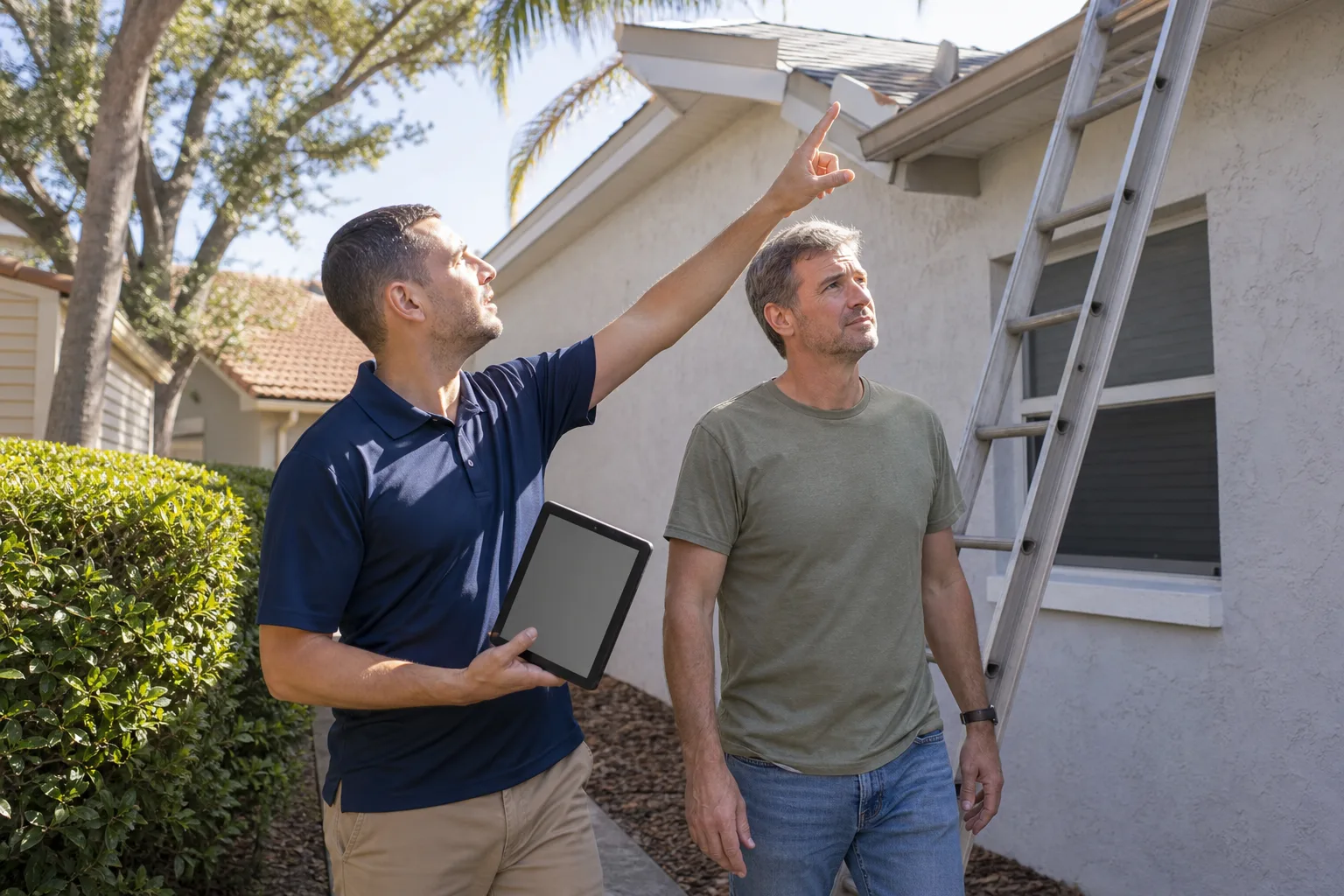
- Grade and slope. Anaheim lots are rarely flat. A fence line that follows a slope needs stepped panels or racked panels, and the contractor needs to decide which before quoting. A crew that shows up with a string line and a clipboard is doing it right; one that paces the property and writes a number on a card is not.
- Drainage paths. Water has to go somewhere, and a solid fence across a drainage path creates pooling against your foundation or a neighbor’s. In Anaheim, where winter rains can arrive hard after months of dry, poor drainage shows up fast. A contractor should point out where water flows and how the fence will handle it.
- Soil conditions. Clay, fill, rock, and sand all change how a post sets. A contractor who digs a test hole or probes the ground before quoting knows what they’re building into. One who doesn’t is guessing, and shallow footings in the wrong soil are the number one cause of leaning fences.
- Existing utilities and property lines. Gas, water, irrigation, and low-voltage lines run where nobody expects them. A contractor should call for utility locating before digging and should know where your property line actually sits, ideally with a survey or plat reference.
If any of those four gets skipped, the bid is a guess dressed up as a price. We treat the site walk as the foundation of the estimate, because a fence line that fights the ground is a fence that costs you twice.
The Cash Discount Trap
“Pay cash and I’ll knock 15% off.” It sounds like a favor. It’s a signal about how every future dispute will go. A contractor who wants cash off the books is a contractor who doesn’t want a paper trail, and a paper trail is exactly what you need if the fence fails, the posts rot early, or the crew disappears mid-job. When there’s no record of the transaction, there’s no leverage when something goes wrong.
The cash discount also tells you something about how that contractor runs a business. Cash-only or cash-preferred operators tend to skip insurance, skip bonding, and skip the paperwork that protects both sides. If an uninsured worker gets hurt on your property, the liability question can land on your homeowner’s policy. If the contractor is bonded and insured, that’s their problem to solve, not yours. Ask for proof of both before any money changes hands.
There’s a legitimate version of this conversation. A contractor can offer financing, deposit terms, or payment schedules tied to milestones, and all of those are normal. We offer 0% financing for 18 months and $1,000 off projects over $10,000 for exactly this reason: transparent terms beat off-the-books cash deals every time. When a contractor pushes cash and won’t put terms in writing, that’s your cue to walk.
How to Read a Fence Bid Line by Line
Two bids for the same fence can differ by thousands and still be apples to apples, or they can differ by a few hundred and be worlds apart. The number at the bottom tells you almost nothing. The line items tell you everything. Here’s what a real fence bid should break out, and what a thin one leaves out to keep the price low.
- Linear footage and fence type. The bid should state total footage, fence height, and material type. “Fence” alone is not a line item.
- Post spacing. Standard spacing sits at 6 to 8 feet depending on material and wind load. A bid that doesn’t state spacing may be planning wider gaps to save posts, which means a weaker fence.
- Post depth and footing. Concrete footings, depth in inches, and whether concrete is included. Missing footings are a classic hidden cost.
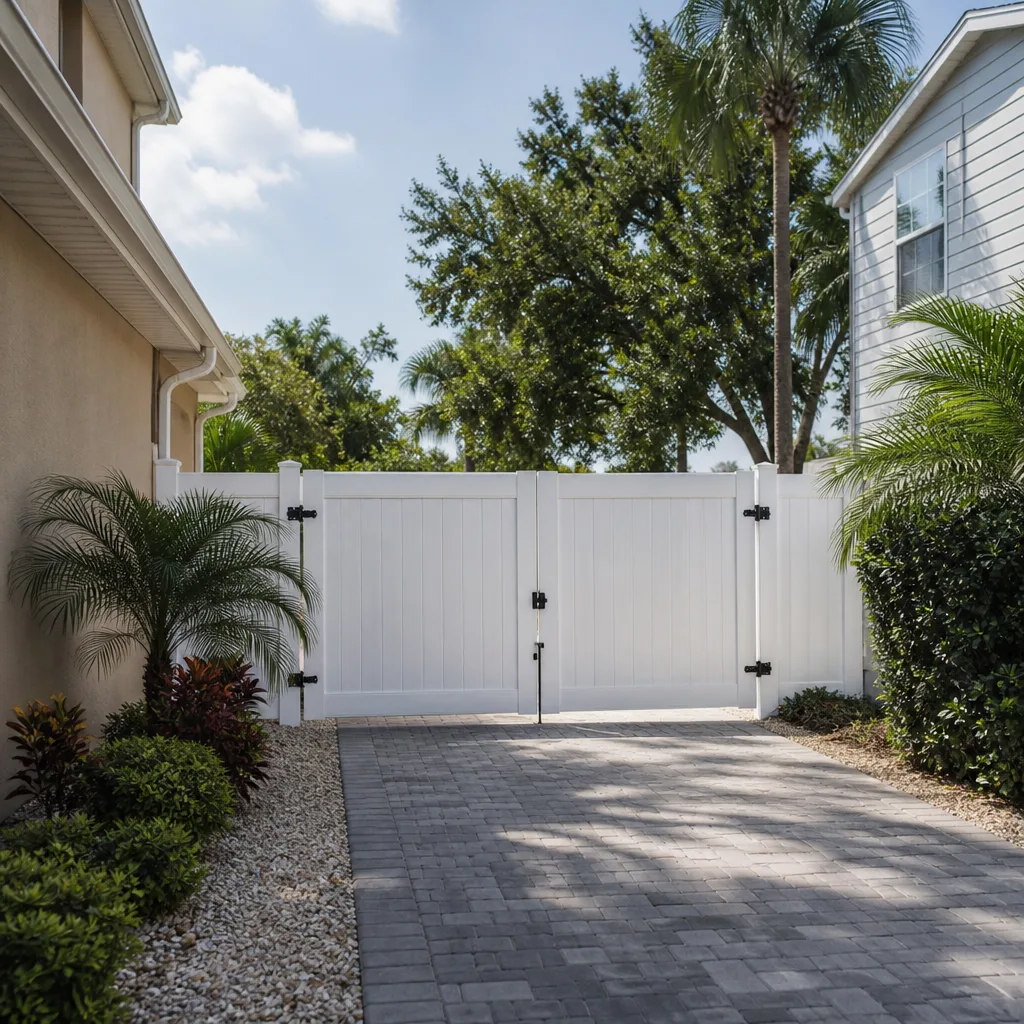
- Gate details. Gate width, hinge type, and latch hardware. Gates are the most-used part of any fence and the first thing to fail if cheap hardware gets used.
- Demo and haul-away. If an old fence comes out, who removes it and who pays the dump fees? A bid without a demo line is a bid with a surprise at the end.
- Permit and inspection. A line for the permit pull and inspection closeout, or an explicit statement that the contractor handles it.
- Warranty terms. Workmanship warranty spelled out in writing, plus the manufacturer’s material warranty.
When a bid comes in dramatically low, find out which of those lines vanished. Usually it’s the footing depth, the permit, or the warranty, and all three matter. The full-scope approach we take on Driveway & Pavers in Anaheim applies to fences too: itemized, written, and honest about what’s included.
Questions to Ask Before You Sign
Ask these questions before you sign anything. A good contractor answers them without flinching. A bad one gets defensive, vague, or starts talking about how busy they are and how the price is only good today. That last one is its own warning sign: pressure to sign now is pressure to skip the thinking.
- “Will you pull the permit, and is it in the bid?” The answer should be yes and yes, with a line item to show it.
- “How deep are the posts going, and what’s the footing?” You want a number in inches and a specific footing material.
- “What brand and model of fence material are you installing?” Look for a named manufacturer, not a category. Bufftech and ActiveYards are common quality vinyl options; Ameristar and Jerith for ornamental.
- “How long will the concrete cure before panels go on?” A specific cure window, not “we’ll see how it goes.”
- “Are you licensed, insured, and bonded, and can I see proof?” A real contractor has documents ready without a fuss.
- “What’s the workmanship warranty, and is it in the contract?” Written terms or nothing.
- “Who handles utility locating before digging?” The contractor should own this, not you.
- “What happens if the fence fails inspection?” The right answer is that the contractor fixes it on their dime. The wrong answer is anything about additional charges.
- “How do you handle change orders?” You want written, priced, approved before work continues, not a verbal “we’ll add it to the bill.”
- “Can I see the final contract before I put down a deposit?” Yes should come easily. A hesitation is a signal.
Answers That Should Disqualify a Contractor
Some answers end the conversation on the spot. These aren’t gray-area judgment calls. Each one tells you something concrete about how your fence will be built and how disputes will resolve if it goes wrong.
- “We don’t need a permit for this.” In Anaheim, some projects do and some don’t, but a contractor can’t know without checking your lot’s rules. Skip the permit and you carry the risk.
- “Posts set 18 inches is fine, we’ve never had a problem.” Shallow footings in Anaheim’s soils show up as leaning fences within a season or two. Depth is not negotiable.
- “Cash only, no receipt.” No paper trail means no recourse. Walk away.
- “The warranty is implied by our reputation.” An unwritten warranty doesn’t exist. Get it in the contract or find someone who will put it there.
- “We don’t need to look at the grade, just tell us the footage.” This is the single clearest sign of a crew that quotes by phone and discovers problems on your dime.
- “That price is only good today.” Legitimate contractors don’t need artificial deadlines. Pricing pressure is a sales tactic, not a service.
- “We can’t tell you the material brand until we order it.” Brand and model should be in the contract before you sign.
Each of these is a doorway to a much larger problem. The pattern behind all of them is the same: shifting risk from the contractor to the homeowner. A fence is a multi-year investment, and the right partner sees it that way.
Anaheim-Specific Things to Watch For
Local conditions shape fence installation in ways that out-of-area contractors routinely miss. Anaheim sits in a climate with hot, dry summers and a winter rain pattern that arrives in concentrated bursts. Combustible fences run adjacent to property lines across much of the city, and both the state and many HOAs now push for ember-resistant construction in specific zones. A contractor who doesn’t know whether your lot falls in a local fire hazard zone and doesn’t account for the typical wind corridors through parts of west Anaheim is quoting you a fence built for a different place.
Neighborhood context matters too. In Natomas-style newer tracts (the kind of grading you find around Anaheim Hills), lots may have engineered fill that settles at a different rate than native soil, and a shallow footing that works on flat native soil can sink or heave in fill. In older Anaheim neighborhoods near the Packing House District or along the downtown grid, property lines can be tight, shared fences between neighbors require coordination, and utility locating matters more because the infrastructure runs close to the surface.
Anaheim soil in the Santa Ana River basin area tends toward sandy and silty layers with occasional clay pockets. That mix moves with moisture, and a post set in a hole without proper concrete footing to below the frost-free depth will rack out of plumb over a season of wet and dry cycles. Contractors who’ve built fences in Anaheim for years know this. Contractors who quote electronically from a different county usually don’t.
One more local point: HOA rules. Anaheim has more than a few HOAs with specific fence material, height, and color requirements. A contractor who doesn’t ask about HOA requirements before quoting may leave you with a fence you have to tear out because it doesn’t match the architectural review. Ask the question yourself if they don’t. And if your project expands into more than fencing, we handle the whole property under our Home Additions & ADU in Anaheim work, so a fence, a driveway, and an addition can follow one plan.
Common Mistakes to Avoid
- Signing a bid with no permit line. If the permit isn’t in the bid, it isn’t in the plan, and the code office will come to you, not the contractor, if the fence gets flagged. In Anaheim that means a potential teardown at your cost.
- Accepting a verbal warranty. A fence warranty you can’t read won’t hold up when a post leans or a panel cracks. Get workmanship and material warranties in writing, with terms spelled out.
- Letting a contractor quote by phone without a site visit. Grade, drainage, soil, and utility location can’t be assessed from a voice call. A quote without a walk-through is a guess.
- Skipping proof of insurance and bonding. An uninsured worker getting hurt on your property can create liability for your homeowner’s policy. Ask for documents before any work starts.
- Paying the full amount up front. Standard terms tie payments to milestones. Full payment before work begins removes every bit of leverage you have if things go wrong.
- Not checking HOA requirements first. Anaheim HOAs can require specific materials, heights, and colors. A fence that passes city inspection but fails architectural review has to come out.
- Assuming the lowest bid is the best deal. The lowest bid usually drops footing depth, concrete cure time, brand-name materials, or the permit. The cost of those shortcuts lands on you later.
See the difference
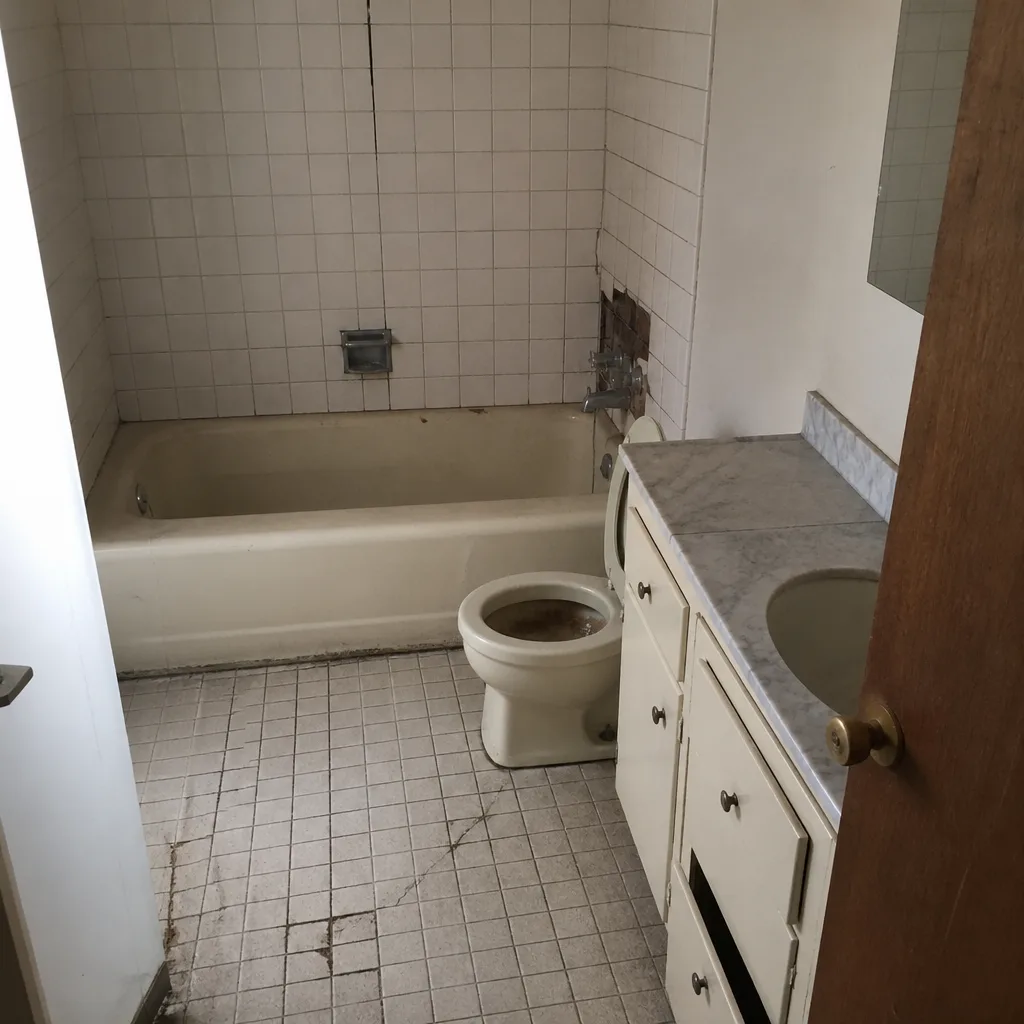 Before
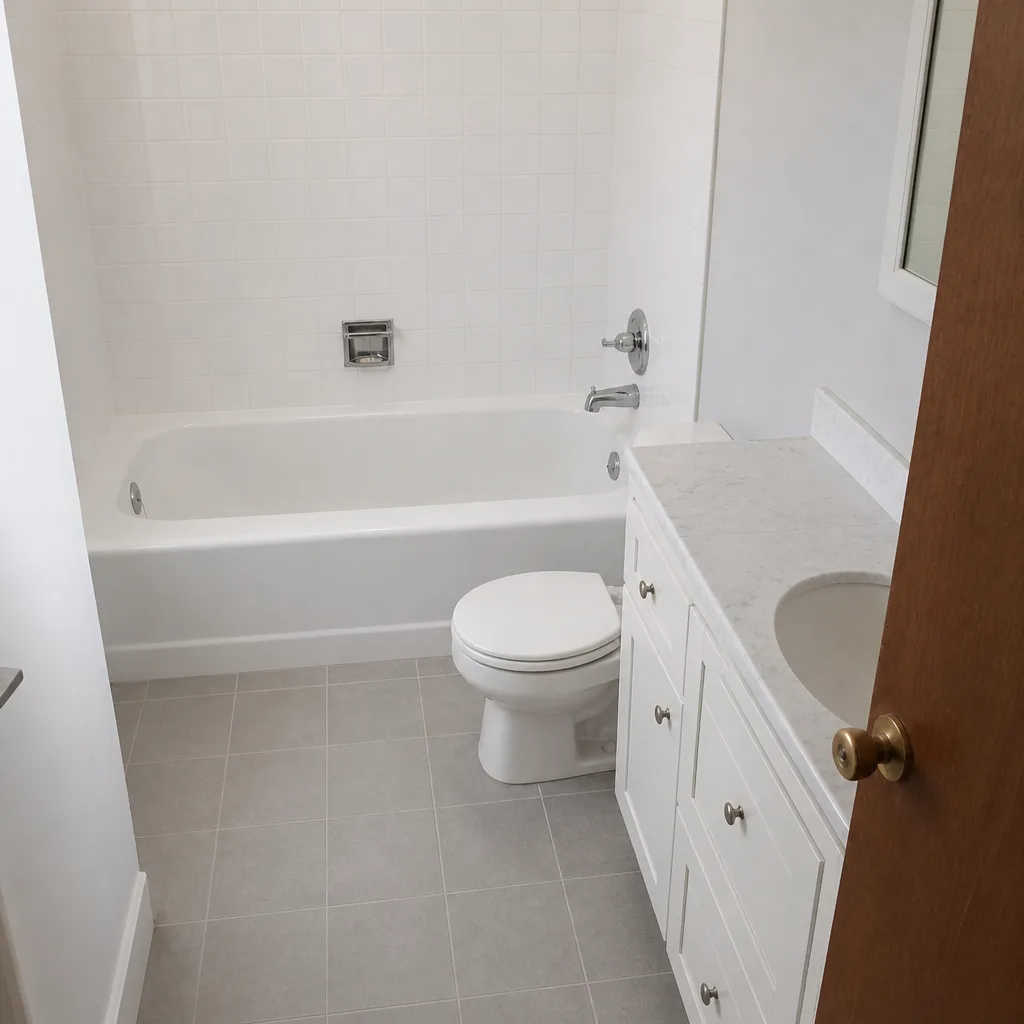 After
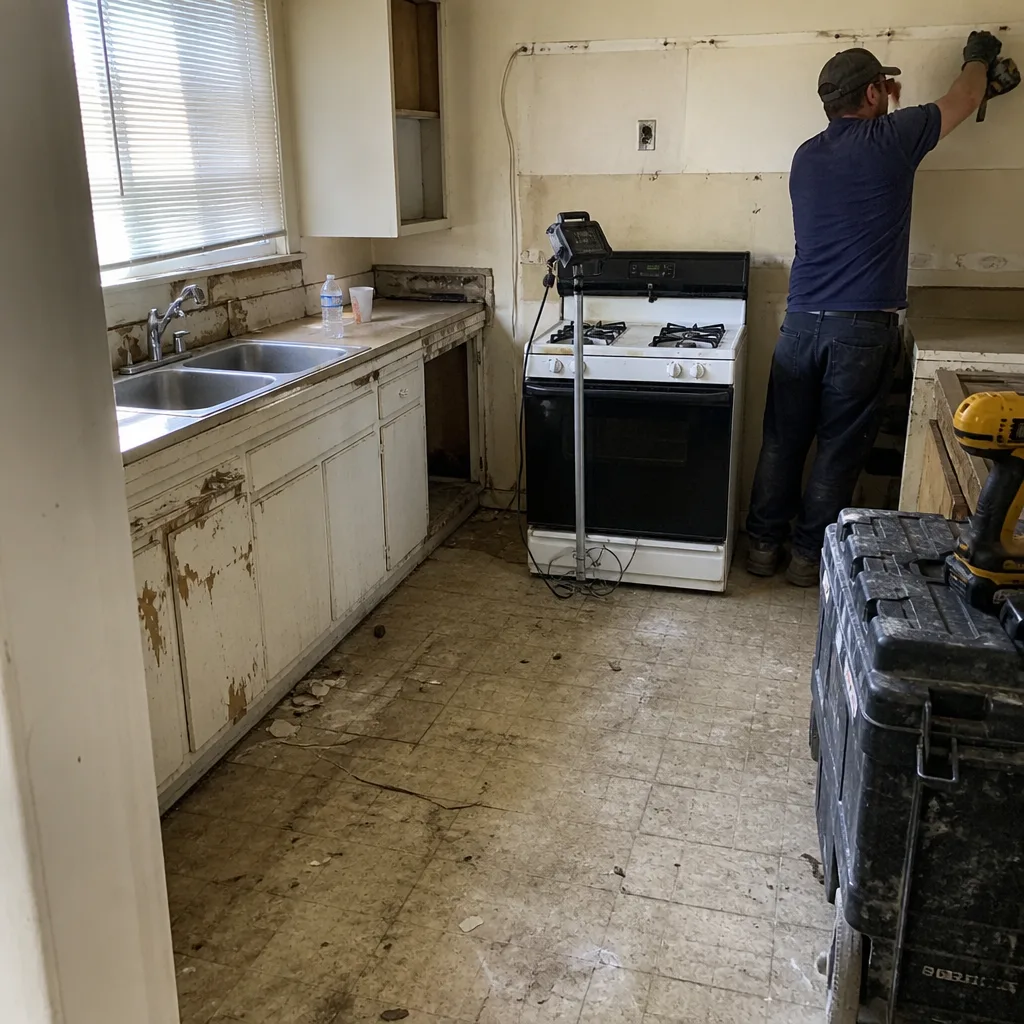 Before
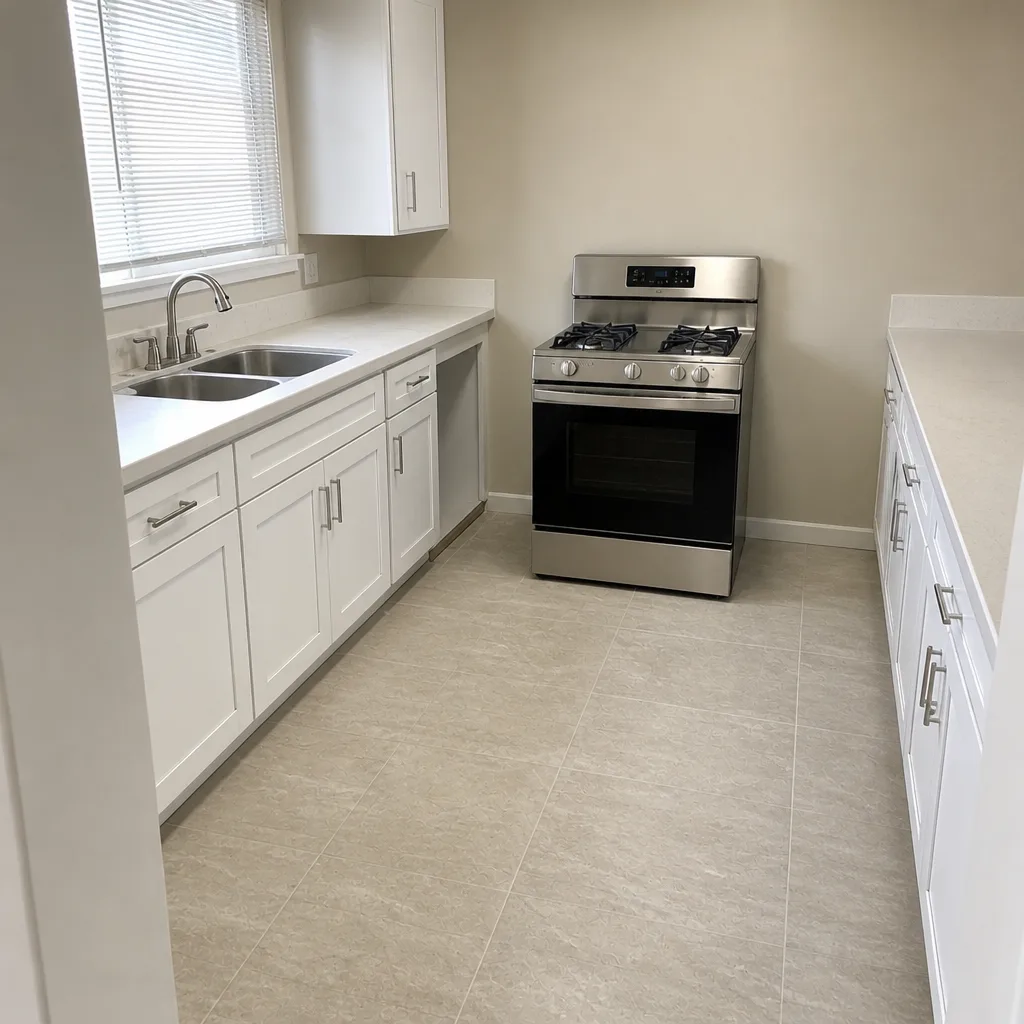 After
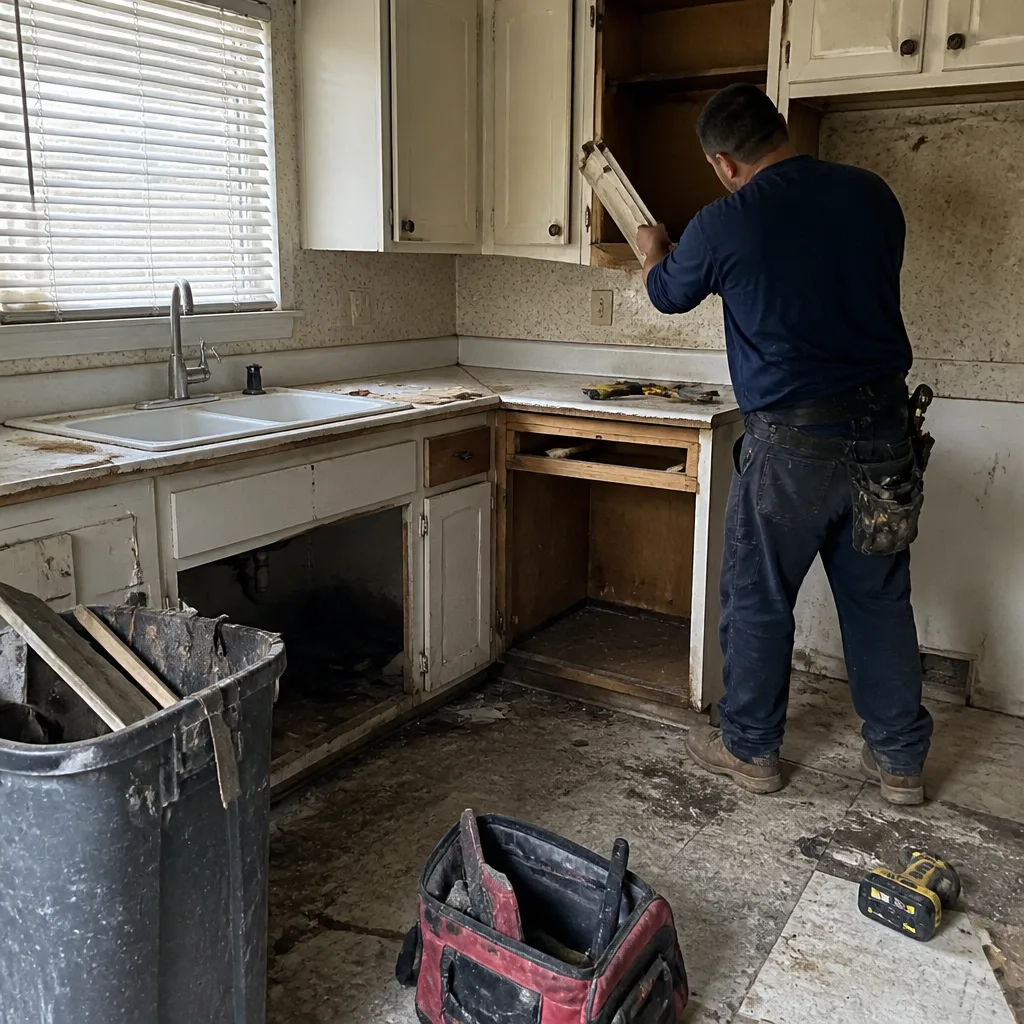 Before
 After
When to Call a Professional
Some fence decisions are too costly to get wrong, and the stakes rise once a permit, a property line, or a shared boundary with a neighbor is involved. If your fence line sits on a slope, if the ground is soft or has settled, if you’re replacing a fence that failed early, or if utility lines run anywhere near the dig line, call a professional. In Anaheim, any project near a property line or above the city’s height limits needs a permit and an inspector’s sign-off, and a licensed contractor handles both. Don’t try to match a quote from a phone call. Get a written estimate from someone who walked the property and put the footing, cure time, permit, and warranty in writing.
Groundwork Construction Co. of Anaheim offers free estimates in Anaheim. Our technicians have up to 12 years of experience, and we back every project with the 730-Day Done Right Promise. Call (888) 300-3178 to schedule your free estimate and design consult.
Frequently Asked Questions
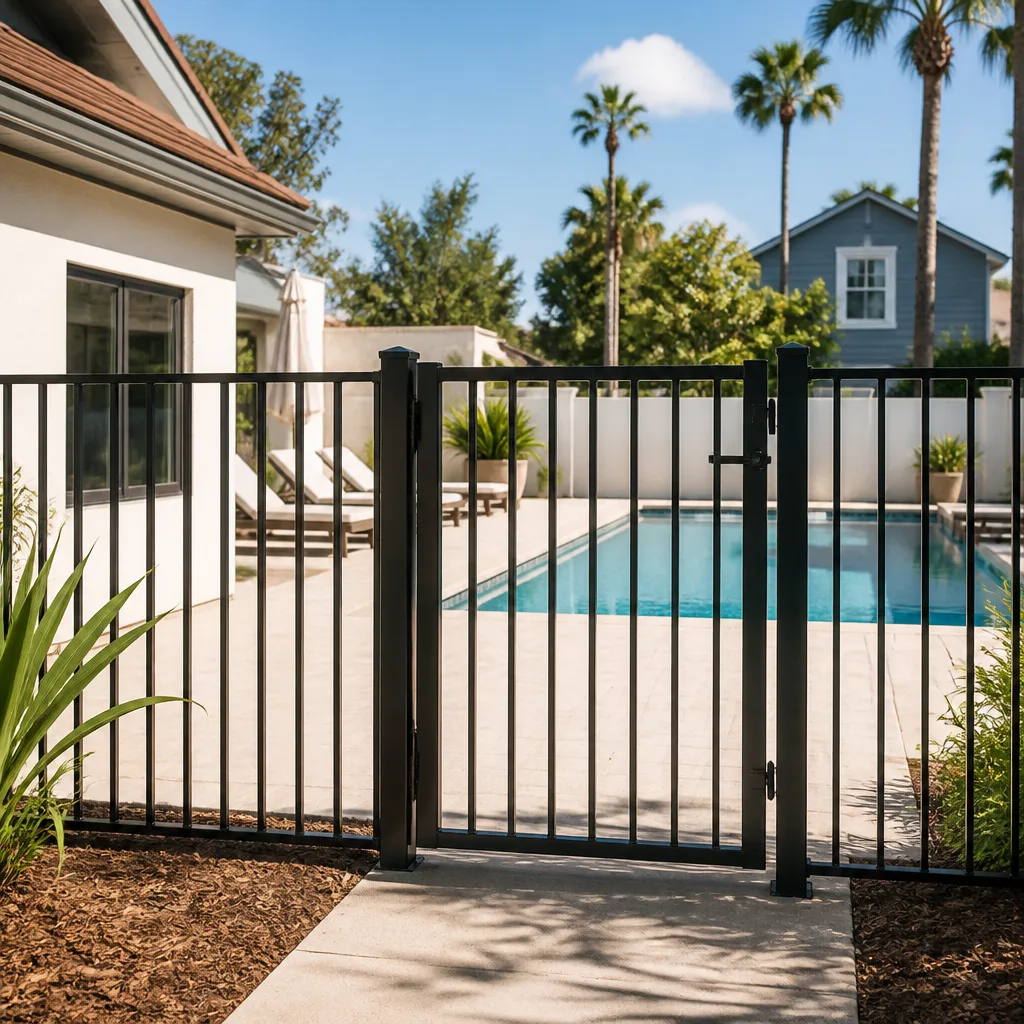
The biggest warning signs are a bid that skips the permit line, a contract with no post depth or concrete cure timeline, and a site evaluation that never checks grade, drainage, or soil. Add a push for cash and no written warranty, and you’re looking at a crew that will cost you more than you save. Any one of these is a reason to slow down; two or more is a reason to walk.
Often, yes. Anaheim regulates fence height, placement, and sometimes materials, and fences above the height limit or near a property line typically need a permit before installation. A contractor who says no permit is needed without checking your specific lot is shifting the legal and financial risk to you. Ask for a written line item for the permit and inspection closeout in the bid.
Fences lean because the posts weren’t set deep enough, the footings were undersized, the concrete didn’t cure before panels went on, or the soil moves with moisture cycles. In Anaheim, clay pockets and winter rain bursts can expose all of those problems within a season. A contractor who specifies post depth and cure time in the contract prevents most of this before it starts.
Yes. A cash-preference discount usually signals a contractor who wants no paper trail, and no paper trail means no leverage if the fence fails or the warranty is disputed. It also tends to correlate with skipping insurance and bonding. Request proof of insurance, get the payment terms in writing, and consider legitimate financing instead.
Most residential fence installations take 1 to 3 days of active work, plus concrete cure time before panels go on. The exact timeline depends on linear footage, gate count, demo of any old fence, and how the site grades. Get the promised timeline in writing, and be wary of any contractor who promises to finish the same day a large fence goes up; rushing cure time is how fences fail early.
The contract should name post depth and footing type, concrete cure timeline, material brand and model, permit responsibility, demo and haul-away terms, gate hardware specifics, payment schedule tied to milestones, and both workmanship and manufacturer warranties. If a section is vague or missing, that’s precisely where the corners will be cut. Compare line items against competing bids before you sign.
Homeowners can sometimes pull their own permits for certain projects, but the risk of getting depth, footing, and permit requirements wrong is high, and any mistake lands on your property record. A licensed contractor carries the insurance and know-how to build it right the first time. If your fence sits near a property line or on unstable soil, professional installation is the safer call.
The Bottom Line
The worst fence contractors don’t show up with red flags. They show up with low bids and vague paperwork, and the problems surface months later when the fence leans and the crew is gone. The warning signs are all specific and all readable before you sign: no permit in the bid, no post depth or cure time in the contract, no site evaluation for grade and drainage, a push for cash, and answers that shift risk to you. Every fence is built to last, and a written workmanship guarantee is how that promise holds up over the long run, whether it’s from us or anyone else. Trust the contractors who put the details in writing.
If you’re planning a fence in Anaheim and want a straight answer on cost, permit requirements, and timeline, call Groundwork Construction Co. of Anaheim at (888) 300-3178 for a free estimate. We’ll walk your property, look at the ground, and put the whole scope in writing. That’s the Groundwork Construction Co. of Anaheim home way to start any project, from foundation to finish line.
Written by the team at Groundwork Construction Co. of Anaheim.