Last updated November 18, 2026








Free written scope consultation - allowances, timeline, and change-order rules on paper before a single trade is scheduled
Seasonal Construction Care for Anaheim: Year-Round Homeowner’s Guide
Anaheim’s “mild” climate is really a cycle of thermal stress, not a four-season vacation. Dark pavers and asphalt can push past 150°F on an August afternoon, winter rain finds every micro-crack and expands it, and fall Santa Ana winds sandblast unprotected surfaces with grit carried in from the canyons and foothills. The damage most Anaheim homeowners discover isn’t sudden. It’s a slow grind that shows up months after the weather window that caused it. This guide walks you through the annual sequence that protects your biggest asset, from the pre-summer surface check to the October drainage reset.
Quick Answer
Anaheim homes need four distinct seasonal touches: a late-spring sealing and caulking window (roughly March through early June, when temperatures are warm enough to cure but before summer UV peaks), a pre-summer inspection of concrete, stucco and pavers, an October drainage and grading reset before the wet season, and a Santa Ana wind cleanup each fall. The single most useful takeaway is that surface repairs, sealants, and caulk all bond best in that spring window, so schedule them before the heat arrives rather than after a failure shows up.
Styles & brands we work with
- Kitchen remodeling
- Bathroom remodeling
- Home additions & ADU
- Roofing
- Windows & doors
- Driveway & pavers
- Fence
Table of Contents
- The Spring Window: When Sealants and Repairs Actually Cure in Anaheim
- Pre-Summer Checklist for Concrete, Stucco, and Pavers
- Prepping Drainage and Grading Before the October-March Wet Season
- Santa Ana Wind Season: What It Does to Surfaces and What to Do
- Spotting Winter Moisture Damage Before It Becomes Structural
- The Annual Roof and Roofline Calendar
- Building a Year-Round Care Plan for Your Anaheim Home
- Neighborhood Notes: Anaheim Hills, Old Towne, and Everything Between
The Spring Window: When Sealants and Repairs Actually Cure in Anaheim
This is the section most people skip, and it’s the one that saves the most money. In Anaheim, sealants, caulk, and patching compounds need a specific combination of temperatures to cure correctly: daytime highs between roughly 55°F and 85°F, overnight lows that stay above about 45°F, and 24 to 48 dry hours afterward. The window that hits that reliably runs from about late February through early June. Push the work into July and August and you’re fighting surface temps that fry solvent-based sealants before they’ve fully cured, leaving a tacky or chalky finish that fails within a year.
We’ve seen this play out repeatedly in neighborhoods like Anaheim Hills, where south-facing driveways and patios reach surface temps that will blister a sealer applied too late in the season. The fix isn’t complicated. It’s about timing.
What goes into a productive spring window:
- Re-caulk around windows, doors, and stucco seams before summer heat causes expansion and widens the gap
- Seal concrete and pavers while overnight temperatures are still stable, not during a heat spike
- Repair any wood rot, trim damage, or stucco cracking before the dry season sets it deeper
- Touch up paint on south- and west-facing surfaces, which take the sun’s hardest hit
- Inspect gutter seams and downspout connections before rain returns in the fall
Do these in order. Sealing over a caulk that hasn’t fully cured means the sealer lifts and you’ve wasted a weekend and a few hundred dollars in materials. If you hire out just one piece of this, make it the sealant application. A professional gets the coverage rate and dry-time right, and that’s the difference between a five-year surface and a fifteen-year one.
Pre-Summer Checklist for Concrete, Stucco, and Pavers
By the time Santa Ana winds start howling in October, you’re dealing with the consequences of what happened in June. The pre-summer inspection is the most leveraged hour you’ll spend on your Anaheim property all year. Here’s what to look at:
- Walk the concrete. Hairline cracks under a quarter inch can be filled now. Cracks wider than that, especially if there’s a vertical offset, need a professional eye. In Anaheim’s clay-heavy soils, differential settling shows up fast after a wet winter.
- Press-test the stucco. Tap the stucco on the south and west faces. Hollow sounds mean the stucco has detached from the substrate. This is a moisture trap waiting for the first rain, and it’s the leading cause of premature stucco failure we see locally.
- Check paver joints. Polymeric sand breaks down faster in Anaheim’s heat. If you can dig sand out with a screwdriver, it’s time for a refill before the summer sun widens the joints further.
- Photograph everything. Take dated photos of every surface and crack. When you’re comparing a contractor’s estimate in November, you’ll want to know what changed since June.
- Trim vegetation back from surfaces. In Anaheim Hills and East Anaheim, mature trees shade some surfaces and overheat others. Consistent sun exposure is what causes cracking. Keep the shade pattern stable or expect accelerated wear.
Nothing on that list requires special tools. What it requires is doing it in May or June, not September when the crack is a half-inch wide and the repair has tripled in scope. Our technicians have up to 12 years of experience and see the same failure points in Anaheim over and over. Catching them in the spring is almost always cheaper than the fall repair.
Prepping Drainage and Grading Before the October-March Wet Season
Anaheim’s wet season runs roughly October through March, and nearly all of a year’s worth of moisture arrives in about eight weeks. Your soil, your slab, and your foundation are asked to move and drain more water during those weeks than the rest of the year combined. What happens in September determines whether that water drains away or soaks in around your foundation.
Foundation saturation is the expensive problem, and it’s almost always preventable in September. When the soil around a slab stays wet for weeks, it expands. When it dries, it contracts. The cycle cracks the slab and stresses whatever is built on it. In our experience across Anaheim, the homes that show foundation movement by February were the ones that didn’t move their gutter downspouts in September.
What to do before the first rain:
- Extend every downspout at least 4 to 6 feet from the foundation so water lands on grade, not against the wall
- Re-check the soil grade: it should slope away from the house at roughly one inch per foot for the first six feet
- Clear gutters and downspouts of leaves and debris. A clogged gutter backs water into the fascia, and from there into the wall
- Test the French drain or surface drainage. Run a hose where the water pools naturally and watch where it goes
- Inspect paver and concrete joints for any gap that could let water wick beneath the surface
If your property has ever pooled water in a known low spot, that’s the spot to fix in September, not January. Standing water near a foundation for weeks is the single most common cause of the moisture issues we get called out to in Anaheim after February storms.
Santa Ana Wind Season: What It Does to Surfaces and What to Do
Santa Ana winds arrive each fall and run through the early winter. They carry fine grit and abrasive particles from the canyons and foothills, and they hit exposed surfaces like a low-speed sandblaster. That’s not dramatic. It’s cumulative. Over several seasons, unprotected stucco, painted surfaces, and non-sealed pavers lose their finish faster than the same materials on a protected lot.
Before wind season arrives (August and September in most Anaheim years), the preparation is straightforward:
- Clean and re-seal flat concrete and pavers so abrasives can’t lodge in pores
- Check the roof for loose shingles and flashing; wind tears at anything already lifted
- Trim tree branches close enough to scrape stucco or windows during a wind event
- Secure outdoor fixtures and move patio furniture that could become a projectile
After a wind event, the cleanup is the valuable part. Grit accumulates in gutters and at the base of walls, and combined with the first rain it turns into abrasive mud that clogs drains. A post-storm walkthrough in October catches grit before the wet season turns it into a problem. If you’re replacing a roof this season, spec wind-rated materials. We work with GAF, CertainTeed, and Atlas roof systems that carry strong wind warranties, and the small bump in material cost pays back through the next several wind seasons in Anaheim.
Spotting Winter Moisture Damage Before It Becomes Structural
Anaheim doesn’t get snow, but our wet-season cycle is exactly the moisture profile that damages stucco, concrete, and wood. The trick is knowing what the early signs look like, because by the time you see obvious damage, you’re usually past the simple repair stage. Here’s what we look for:
- Stucco: Chalky patches, a fuzzy white “efflorescence” bloom, or soft spots you can press into with a screwdriver. Efflorescence is salt that migrated out of the wall during wetting. It’s a reliable indicator of moisture behind the surface.
- Concrete: White crusty edges along cracks, dark staining, or a crack that was stable in September and has grown by an eighth of an inch by February. This is the pattern of freeze-thaw cycles happening at the sub-slab level, and in Anaheim it’s almost always a drainage problem upstream of the crack.
- Wood trim, decking, and fences: Soft spots, black mildew creeping from the bottom up, or paint that’s bubbling and flaking in patches. Patches like that aren’t a paint problem, they’re a moisture problem behind the paint.
- Roof and roofline: A brown ring on interior ceiling plaster, or dark streaks on the underside of the roof sheathing in the attic access. Both are signs that flashing or underlayment has lost its seal during a storm.
Call or run a walkthrough as soon as you see any of those. In our experience, winter moisture caught in January is a few hundred dollars of repair. The same moisture caught in April, after the wall cavity has been damp for months, is a structural repair at ten times the cost. We see this pattern clearly on Anaheim Hills homes with south and west exposure where stucco has already detached from the sheathing.
The Annual Roof and Roofline Calendar
Your roof is the surface that takes the whole year’s weather without a break. It also has the highest repair cost, which makes the annual calendar the most valuable element of any maintenance plan. Here’s how the year maps to roof work in Anaheim:
- Spring (March to May): Best window for roof replacement and major repair. The dry, moderate weather lets roofing crews work without heat stress, and freshly installed shingles have the whole dry season to settle.
- Summer (June to August): Not the ideal replacement window because surface temps can exceed 150°F on a dark shingle roof, but a fine time for inspection and minor flashing work. Get the inspection done now so the fall work is planned.
- Fall (September to October): Pre-wet-season check. Secure any lifted shingles, clean gutters, verify flashing at chimneys and skylights. This is the last chance to catch wind damage before the rain arrives.
- Winter (November to March): Emergency repair only. Normal replacement jobs get pushed around by rain. If your roof is over 20 years old, winter is when you’ll find out.
Roof materials matter for the same reason. We specify GAF, Owens Corning, and Boral tiles for Anaheim roofs because those systems carry meaningful wind and impact warranties, and the shingles don’t chalk prematurely in our UV load. If you’re pricing a new roof, ask about the wind rating and the warranty length in writing. Both are worth more than a marginal difference in price.
Building a Year-Round Care Plan for Your Anaheim Home
The hardest part of seasonal care isn’t any one task, it’s remembering to do them in sequence. Here’s a simple four-quarter calendar we recommend for Anaheim homeowners:
- Q1 (January to March): Winter damage inspection. Look for moisture signs on stucco, wood, and interior walls. Catch what winter caused.
- Q2 (April to June): The spring work window. Seal, caulk, patch, repair. This is the year’s best twelve weeks for anything that needs to cure.
- Q3 (July to September): Pre-summer surface check (do it early in the quarter), then drainage and grading work in September before the wet season. Roof inspection too.
- Q4 (October to December): Post-wind cleanup, gutter clearing, and any winter storm repairs. Re-seal anything that got wind-damaged early in the quarter, when overnight temps are still warm.
Write the calendar down. Put a reminder in your phone for the 15th of March, June, September, and November. That’s the entire system, and following it is the difference between a home that costs a steady, predictable amount to maintain and one that costs dramatically more in emergency repairs every few years.
Neighborhood Notes: Anaheim Hills, Old Towne, and Everything Between
Anaheim isn’t one climate, and the seasonal care that matters depends on where you live. Here’s how it breaks down:
- Anaheim Hills and East Anaheim: Higher elevation, more wind exposure, more clay-heavy soils. Santa Ana wind damage and slope drainage are the big concerns. Hillside grading during the wet season is where foundations suffer, so the September grading reset matters most here.
- Old Towne and the Platinum Triangle: Older housing stock, mature trees, tighter lots. The chief problem is roof and drainage, especially in older homes with downspouts that dump water against the foundation. Spring caulking and window sealing are the highest-value work.
- West Anaheim and the Beach Boulevard corridor: Closer to the marine layer, slightly more moisture in the air, and a different wear pattern. Stucco chalk and efflorescence show up faster and wood decay shows up more often. The spring sealing window is essential here.
- North Anaheim (near the 91 and Orangethorpe): Wind exposure and road grit combine to wear exterior surfaces faster. Dark pavers and exposed concrete lose finish quickly. Regular sealing pays back dramatically.
Not every neighborhood needs every step every year. A licensed professional walking your property once will tell you which of these applies. Groundwork Construction Co. of Anaheim home is a good place to start if you want to see how a full-scope maintenance plan fits with bigger projects like a Home Additions & ADU in Anaheim.
Common Mistakes to Avoid
- Sealing in July or August. The summer surface temperature on dark pavers and asphalt will blister a fresh sealant before it cures. Wait for the spring window or a cool fall day.
- Skipping the September gutter clean. Wet-season water that can’t drain becomes a foundation problem. Do the gutters and downspouts in September, not after the first rain.
- Painting over stucco cracks instead of sealing them. Paint hides the problem for one season; the water still gets in. Caulk and seal the crack first, then paint.
- Ignoring efflorescence. That white bloom on stucco is salt from moisture inside the wall. Power-washing it off is not a repair, it just masks the problem until it returns.
- Waiting to call after a wind event. A lifted shingle or damaged flashing discovered in October is a small repair. Discovered in January, it’s an interior water damage repair.
- Assuming “mild climate” means “low maintenance.” Anaheim’s climate is actually a thermal cycle that punishes surfaces year-round. The maintenance is lower than in freeze-thaw states, but it’s not optional.
- Using the wrong sealer for the material. Concrete sealers and paver sealers are formulation-specific. Using a concrete sealer on pavers, or the wrong penetration/acrylic type, causes chalking, yellowing, and adhesion failure within a season.
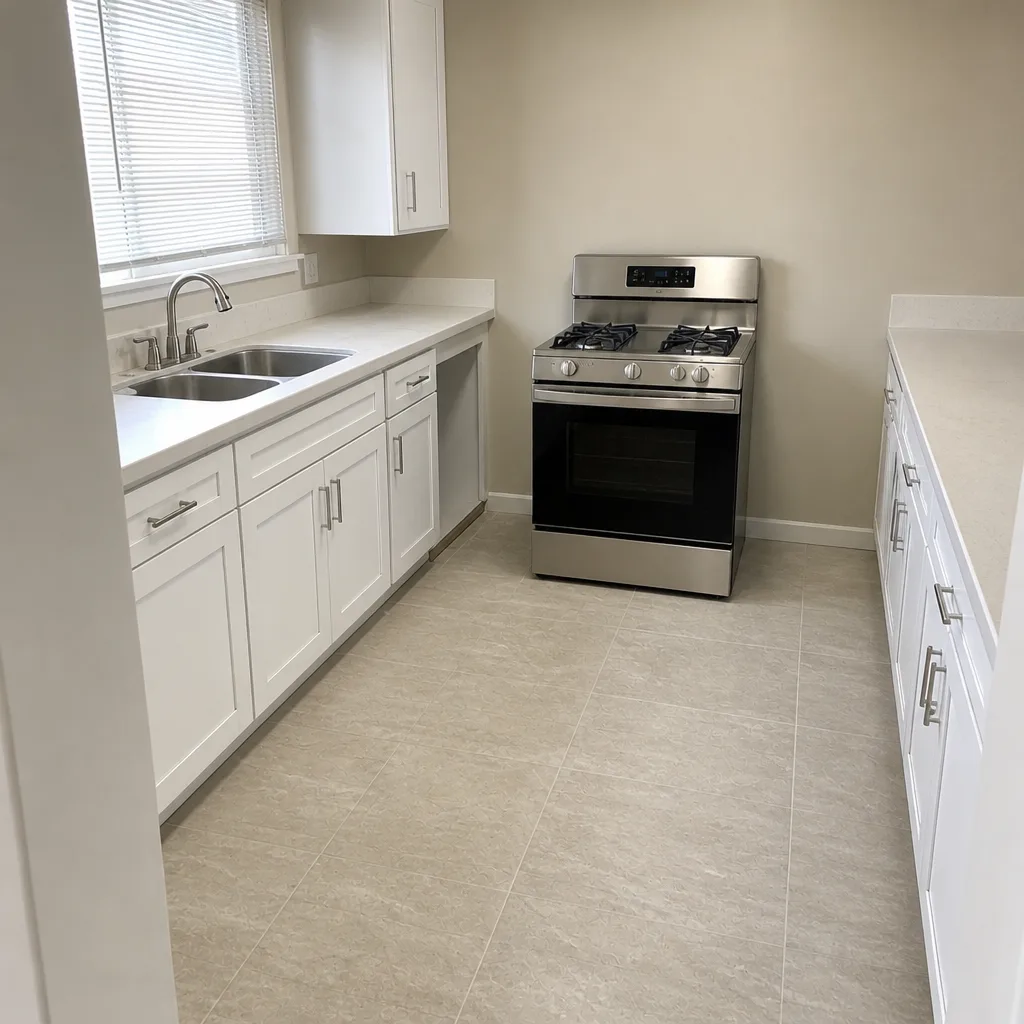
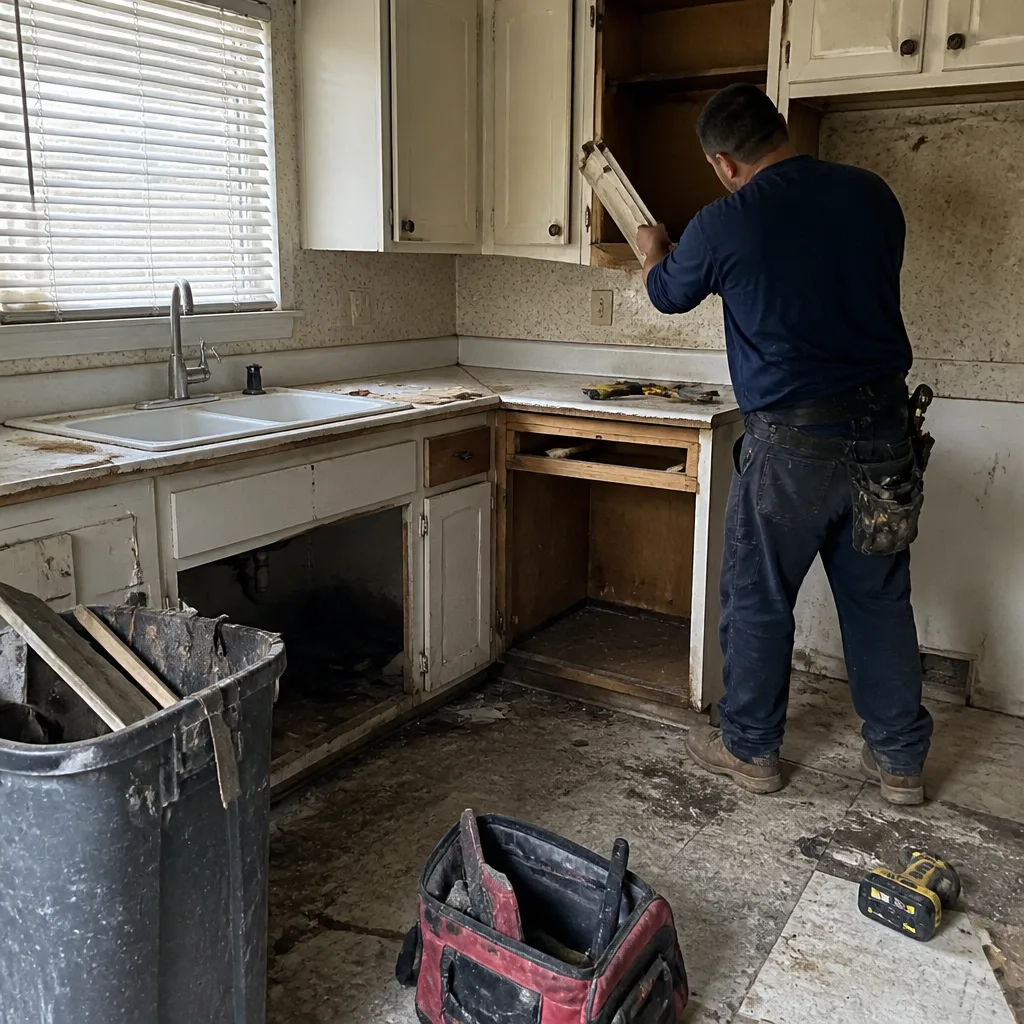
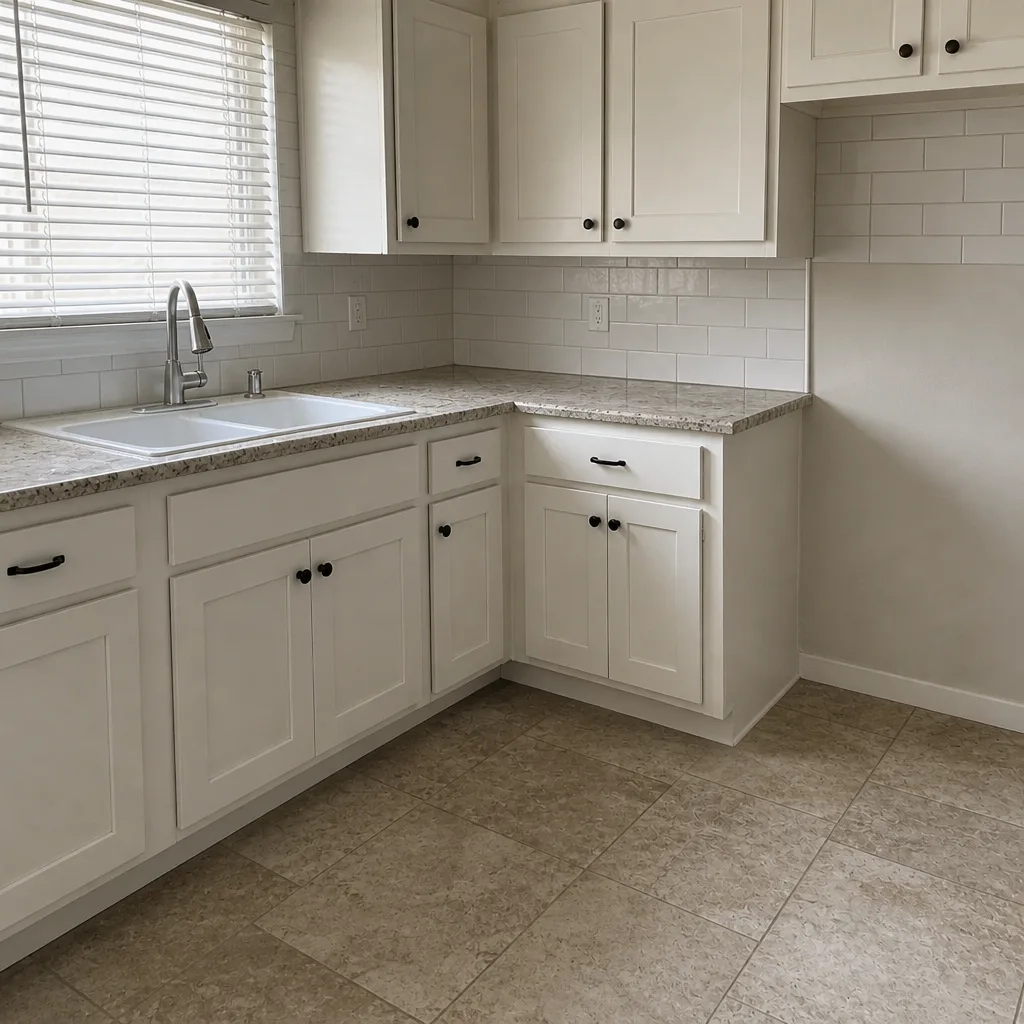
See the difference
 Before
 After
 Before
 After
 Before
 After
When to Call a Professional
A homeowner can reasonably handle surface cleaning, gutter clearing, and basic observation. Everything else deserves a trained eye. Call a professional if you’re seeing stucco that sounds hollow, cracks that have grown over the winter, water staining on interior walls or ceiling plaster, or paver joints that have opened more than a quarter inch. Call if your roof is past its expected service life and hasn’t had a full inspection. Call if you’re not certain what you’re looking at, because seasonal damage is often the one area where a small professional assessment saves thousands. Groundwork Construction Co. of Anaheim offers free estimates in Anaheim. Our technicians have up to 12 years of experience, and every estimate is a written line-item bid with the 730-Day Done Right Promise attached. Call (888) 300-3178 to schedule your free estimate.
Frequently Asked Questions
Spring, roughly March through early June, is when sealing actually works in Anaheim. Daytime temps need to stay under about 85°F, overnight lows above 45°F, and you need 24 to 48 dry hours for the sealer to cure. Late-summer surface temps on dark pavers routinely exceed 150°F and will fail a sealant applied in July or August. A fall window after the Santa Ana winds also works. Call (888) 300-3178 for an exact quote on your driveway or patio, and estimates are free.
Most cosmetic stucco crack repairs in Anaheim run a few hundred dollars for a typical single-story area, and detached stucco that has to be cut out, re-lathed and re-coated runs considerably more per area. The big cost variable is whether moisture has gotten behind the wall. Efflorescence or hollow stucco means the repair is deeper than just patching the surface. A professional assessment gets you an accurate scope before anything is cut. Call (888) 300-3178 for a free estimate.
Yes, and often worse than in colder climates because the wet-then-dry cycle is so fast. Anaheim gets almost all of its rain between October and March, then dries out completely for months. That rapid wet-dry cycle expands and contracts our clay-heavy soils, which is exactly the stress that cracks slabs and drives foundation movement. Extending downspouts and fixing grade in September is the single most effective prevention step. Call (888) 300-3178 if you’re seeing new cracks after a wet season; estimates are free.
Every two to three years is the practical answer for most Anaheim hardscapes, though it depends on exposure. A south- or west-facing patio that gets full summer sun and grit carried in by Santa Ana winds may need it every other year. A shaded north-facing entry can go three or four years. The test is simple: if water stops beading on the surface and starts soaking in, the sealer has worn out. Our technicians have up to 12 years of experience sealing Anaheim pavers and can tell you by looking. Call (888) 300-3178 to schedule a free estimate.
Usually only if the damage is from a discrete event and the cause can be tied to a specific storm. Gradual seasonal wear, deferred maintenance, and long-term moisture intrusion are almost never covered, which is why prevention pays better than the claim. If you’re facing a repair, get a written line-item estimate from a licensed and insured contractor before you call your insurer. Groundwork Construction Co. of Anaheim is licensed and insured, pulls the required permits, and offers free written estimates. Call (888) 300-3178.
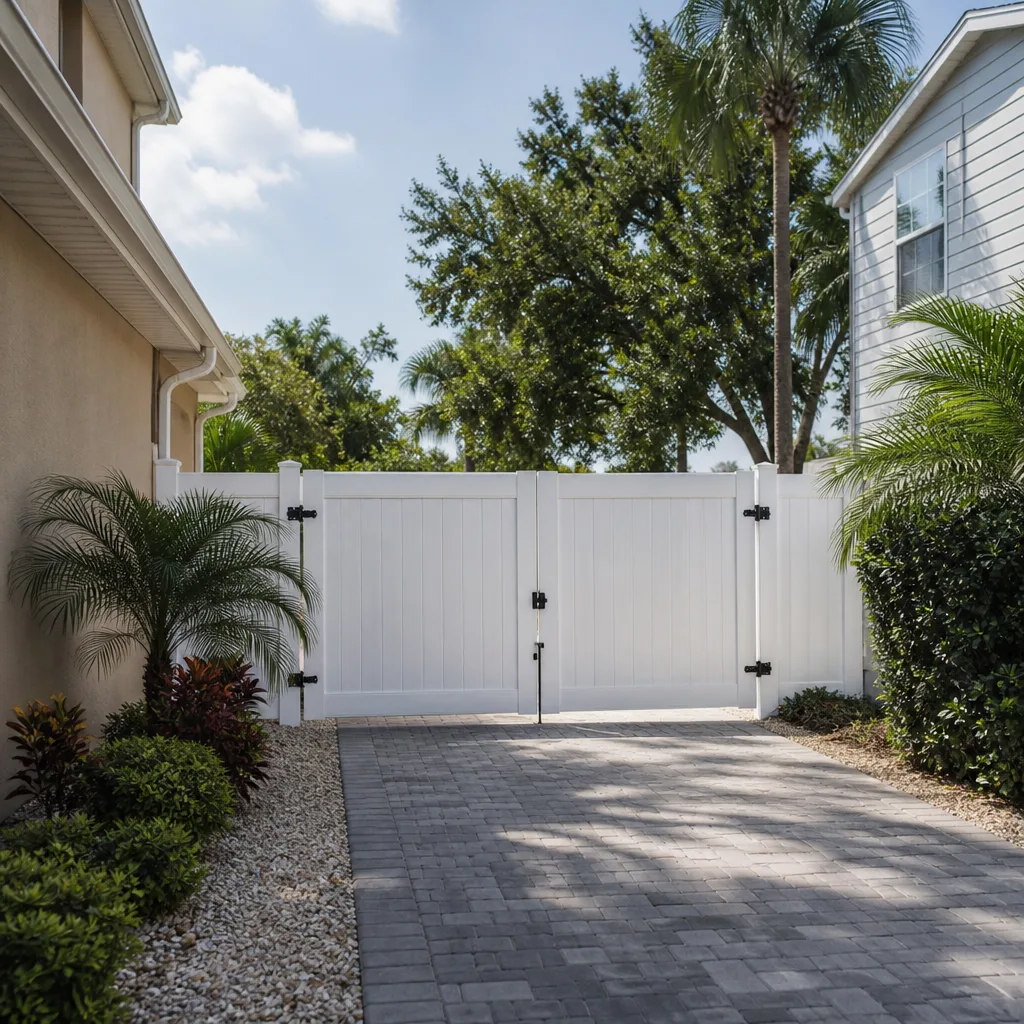
Yes, and we run both through the same process: upfront pricing, background-checked technicians, and the 730-Day Done Right Promise. That means seasonal repair work on stucco, roofing, or hardscape is covered by the same written guarantee as a full remodel. If you’re planning a bigger project next to your maintenance work, we can scope both. We handle Driveway & Pavers in Anaheim, Fence Installation in Anaheim, and full kitchen, bath, roof, window and addition projects. Call (888) 300-3178 for a free estimate.
The Bottom Line
Anaheim’s climate is not a four-season vacation. It’s a cycle that punishes surfaces year-round: heat in the summer, grit in the fall, water in the winter, and thermal contraction in the spring. The good news is that the whole system runs on a simple calendar, and the calendar has four checkpoints. Handle them in sequence and the annual cost stays predictable. Skip them and winter moisture damage catches you in February at ten times the price. The single most valuable habit we can recommend is to put the four quarterly checkpoints on your phone today and treat the spring sealing window as the year’s anchor. If you’d rather hand off the inspection at any point, our team is one call away.
Groundwork Construction Co. of Anaheim offers free estimates across every service area, from seasonal repairs to full-scope remodels, and every project carries the 730-Day Done Right Promise. Our technicians have up to 12 years of experience, arrive in uniform, and are background-checked. Calls are answered by a live person 24/7. Ready to get ahead of the next weather window? Call (888) 300-3178 for your free estimate.
Written by the team at Groundwork Construction Co. of Anaheim.