

Free written scope consultation - allowances, timeline, and change-order rules on paper before a single trade is scheduled
Styles & brands we work with
- Kitchen remodeling
- Bathroom remodeling
- Home additions & ADU
- Roofing
- Windows & doors
- Driveway & pavers
- Fence
See the difference
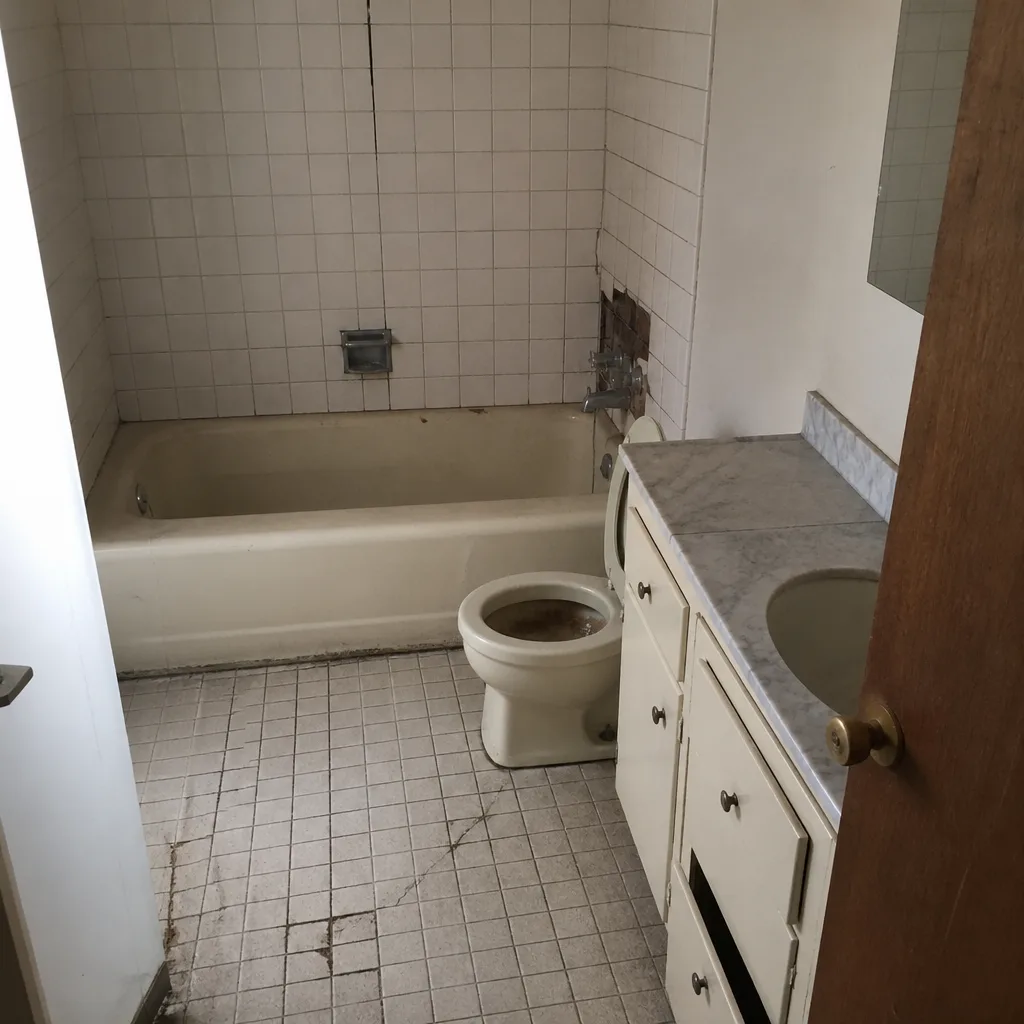 Before
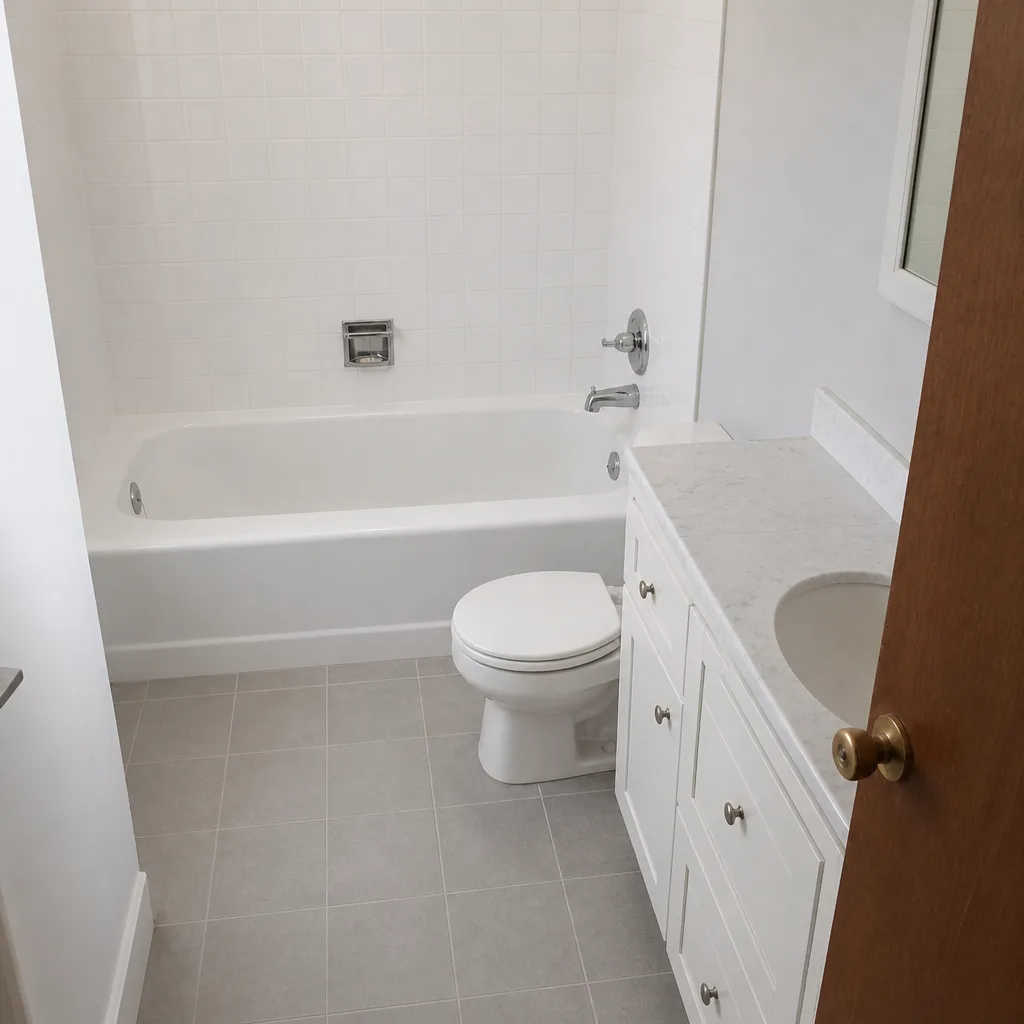 After
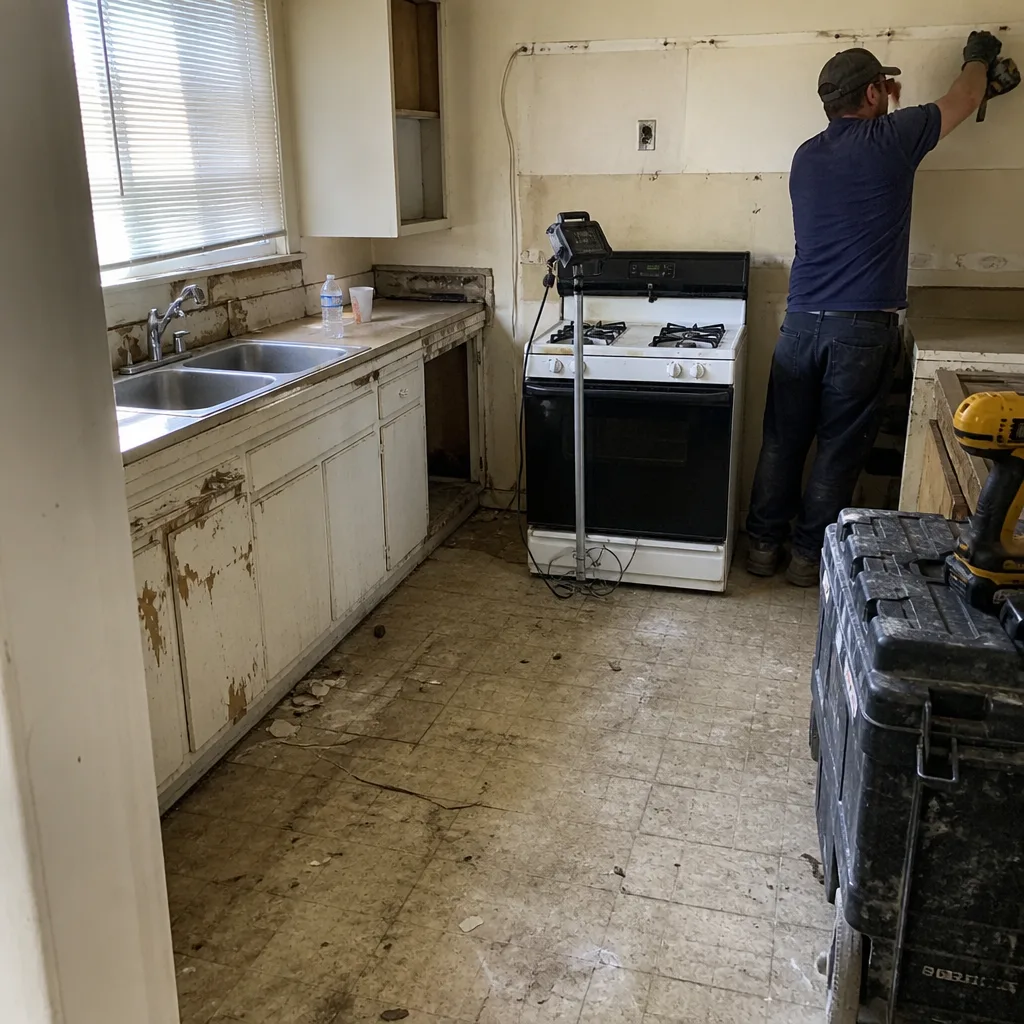 Before
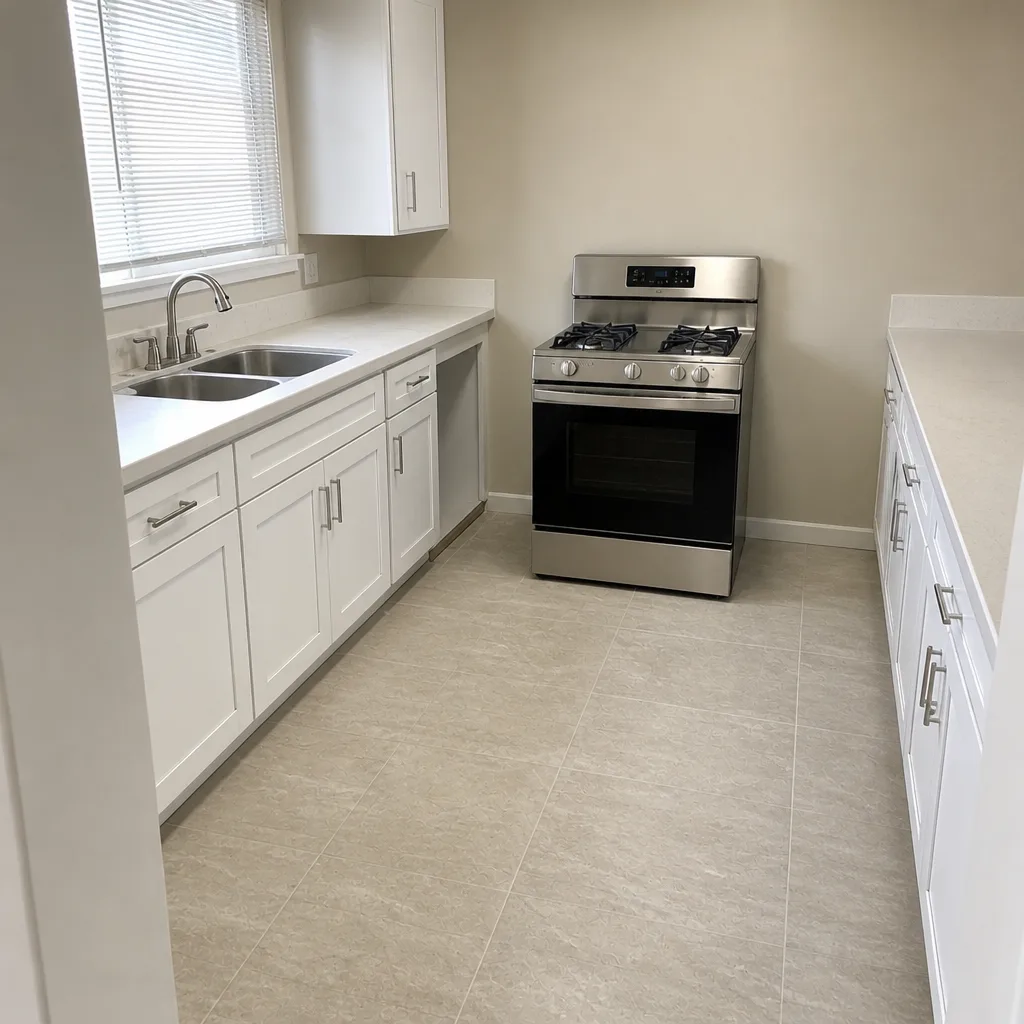 After
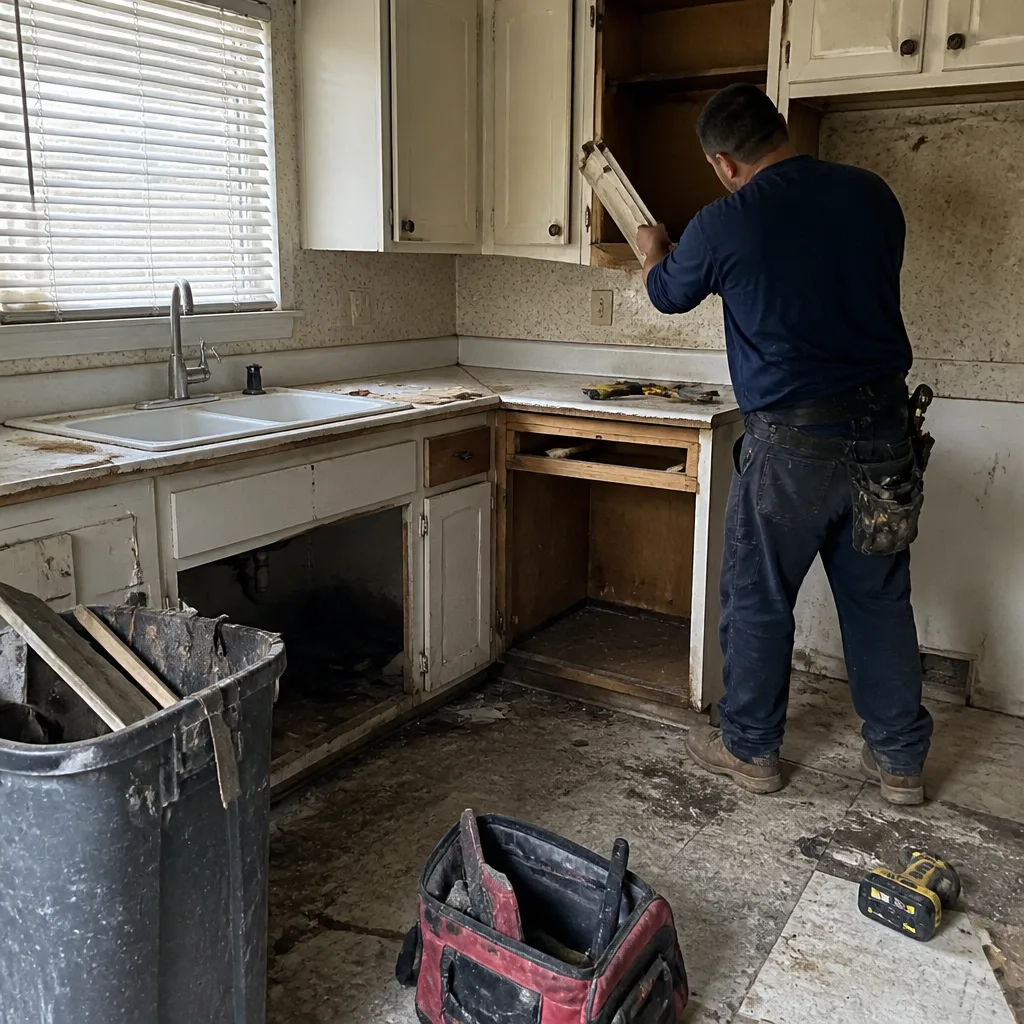 Before
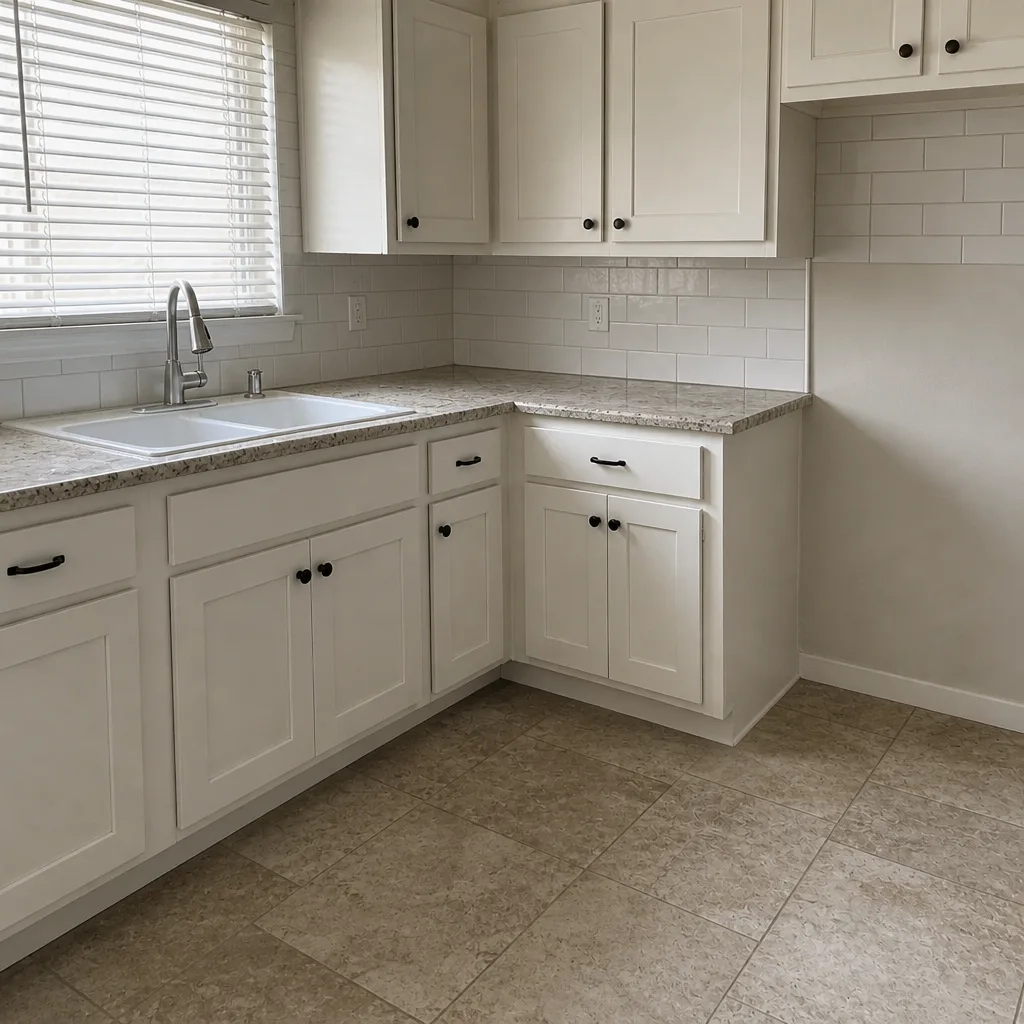 After
How Thick Should a Concrete Driveway Be in Anaheim, CA?
For a standard residential driveway in Anaheim, 4 inches of concrete over properly compacted subgrade is the right answer for cars and light trucks. Bump that to 5 to 6 inches with rebar if you park an RV, a heavy work truck, or anything with a loaded trailer. The 4-inch number you see quoted everywhere is baseline in Anaheim because we don’t freeze, so depth alone isn’t what protects your slab here. Call (888) 300-3178 and we’ll tell you exactly what your driveway needs.
Here’s the part that surprises homeowners: in this climate, the mix design and the prep under the slab matter more than adding a fifth inch. Anaheim’s sun-baked summers and dry air do more damage to a poorly poured driveway than cold weather ever would. A 5-inch slab over loose fill cracks before a 4-inch slab over solid, compacted base. Thickness is only one variable in a good pour.
Key Takeaways
- 4 inches is right for cars; 5 to 6 inches with rebar for RVs, trucks, and heavy loads.
- Compaction and subgrade prep beat raw thickness every time.
- In Anaheim’s heat, water-cement ratio and summer curing practices decide how strong the surface gets.
- Properly reinforced 4-inch concrete outlasts an unreinforced 6-inch slab.
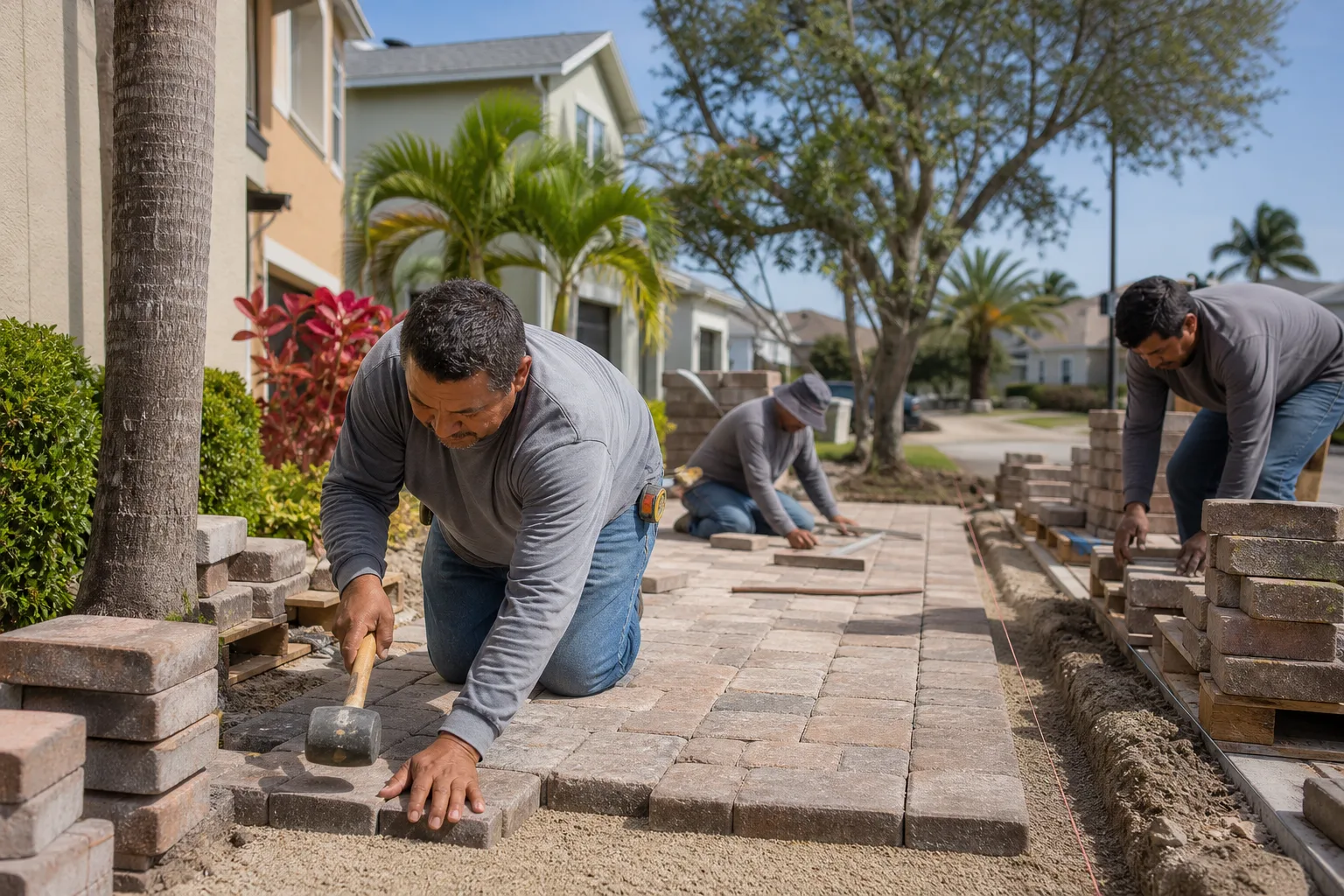
Why Anaheim’s Climate Changes the Thickness Conversation
Most of the “how thick” advice online was written for places with deep frost lines. In those states, the ground heaves and cracks slabs from below, so builders pour thicker to survive the freeze-thaw cycle. Anaheim doesn’t have that problem. Our soil doesn’t expand with ice, so the slab isn’t fighting the ground through winter. What it does fight is ultraviolet heat-cycling: flat, sun-exposed lots here bake concrete through hot, dry summers and pull moisture out of a fresh pour fast.
That matters during the cure. When Anaheim pours happen in July or August, the surface can dry out before the concrete has finished gaining strength, which leaves a weaker top layer that dusts, spalls, and cracks earlier. A contractor who doesn’t adjust the mix and use curing blankets or a curing compound in summer is handing you a weaker driveway no matter how thick they made it. Thickness can’t rescue a bad mix. Our crews have up to 12 years of experience with local pours, and we specify the mix, thickness, and reinforcement in writing before the truck ever shows up.
Soil Preparation Is the Real Variable in Anaheim
A lot of Anaheim’s housing runs on slab-on-grade construction, especially the postwar tract homes in the Colony and the west-side neighborhoods. Many of those driveways were poured directly onto native soil decades ago. When we replace one, the question isn’t “how thick?” first, it’s “what’s underneath?” Poorly compacted fill will fail a thick slab just as fast as a thin one. We compact the subgrade in lifts, check the base, and build up from there.
If the subgrade is solid, 4 inches does the job for normal passenger vehicles. Skip the compaction and you’re pouring a slab that cracks from the underside within a few years. Homeowners who assume a thicker slab is automatically stronger sometimes pay for extra concrete that fails anyway. We’d rather put that money into proper base prep and a better mix, because that’s what actually keeps a driveway flat and tight for the long run.
Matching an Older Anaheim Driveway’s Thickness
Plenty of postwar driveways around Anaheim were poured 5 to 6 inches thick with almost no reinforcement. When one of those cracks out and a homeowner gets bids, they often assume the new one has to match the old depth. It doesn’t. A properly reinforced 4-inch slab with a correct mix design outperforms an unreinforced 6-inch slab from 1962. The old slab was thick because the materials and methods were limited, not because it was better.
That’s why we write down the mix design, the thickness, and the reinforcement on the scope before we pour. You see exactly what you’re getting: the PSI of the concrete, whether it’s wire mesh or rebar, the thickness, the joints. Nobody should discover what was poured after the truck pulls away. Upfront pricing, no surprises is a promise, and it starts with spelling out the specs.
When You Actually Need 5 or 6 Inches
Not every driveway is a car pad. If you park a motorhome, a heavy pickup, a boat trailer, or anything that concentrates weight on a small footprint, thin concrete won’t hold up. Here’s how we size it for Anaheim homes:
| Use | Recommended Thickness | Reinforcement |
|---|---|---|
| Passenger cars and light SUVs | 4 inches | Wire mesh or fiber |
| Occasional heavy truck or trailer | 5 inches | Rebar |
| RV pads and constant heavy loads | 6 inches | Rebar grid |
| Over weak or questionable subgrade | 5 to 6 inches | Rebar plus extra base |
If you’re weighing concrete against another surface, it helps to compare material and cost together. Our Driveway & Pavers page breaks down pavers, asphalt, and concrete side by side, and the Driveway & Pavers in Anaheim page covers local install details. Concrete driveway installation in Anaheim typically runs $4,500 to $12,000, and driveway replacement runs $5,000 to $14,000. Paver driveways land between $7,000 and $18,000. Sealing, which matters more in our sun, runs $250 to $700. From our home base, we handle all of it.
What to Ask Before Anyone Pours Your Driveway
You can protect yourself with a few direct questions at the bid stage. The answers separate a real scope from a verbal handshake.
- What’s the concrete’s PSI rating, and what mix are you using for summer curing?
- How deep are you excavating, and how are you compacting the base?
- Is it wire mesh or rebar, and how is it positioned in the slab?
- Where do the control joints go, and how soon after the pour?
- How are you curing the concrete given Anaheim’s dry summer heat?
- What’s included in the written scope, and what will the final price be?
Any honest contractor answers those without flinching. If someone gives a 4-inch driveway quote with no mention of base prep, mix design, or reinforcement, the number is low because the work is thin. We back every pour with our 730-Day Done Right Promise, so if something isn’t right, we make it right. We use quality materials from brands like Quikrete, and our background-checked, uniformed technicians show up ready to work, not to improvise. Calls reach a live person 24/7, and we offer 0% financing for 18 months plus $1,000 off projects over $10,000 to make a full-driveway replacement easier to plan.
FAQs
Use 6 inches with a rebar grid for a full-size RV pad, or 5 inches with rebar for lighter trailers and occasional heavy loads. Anaheim’s freeze-free ground means load capacity, not frost, drives the decision here. Call (888) 300-3178 for a quote built around exactly what you park.
Yes, 4 inches is enough for normal passenger cars and light SUVs when the base is properly compacted and the mix is right. The catch is that “right” depends on prep and curing, which is why a 4-inch pour over solid subgrade beats a thicker one over loose fill. Estimates are free if you want an exact call.
Wire mesh works for a standard 4-inch car pad; rebar belongs in anything 5 to 6 inches or that sees heavy truck and RV traffic. Reinforcement is only as good as where it sits in the slab, so placement matters as much as the choice. Call (888) 300-3178 and we’ll match it to your driveway.
Cracking usually comes from a weak subgrade, skipped control joints, or a mix that dried too fast in summer heat, not from thin concrete. That’s why we treat compaction and curing as seriously as thickness. If your current driveway is cracking, a no-pressure assessment will tell you whether it needs a patch or a full replacement.
Get Your Driveway Sizing Right From the Start
If you’d rather have it looked at than guess, Groundwork Construction Co. of Anaheim offers a no-pressure assessment in Anaheim. We’ll check your subgrade, size the slab to how you actually use it, and put the mix and reinforcement in writing. Call (888) 300-3178 for a free estimate, and get a driveway built to last, backed in writing.
Written by the team at Groundwork Construction Co. of Anaheim, serving Anaheim, CA.