Free written scope consultation - allowances, timeline, and change-order rules on paper before a single trade is scheduled
Styles & brands we work with
- Kitchen remodeling
- Bathroom remodeling
- Home additions & ADU
- Roofing
- Windows & doors
- Driveway & pavers
- Fence
See the difference
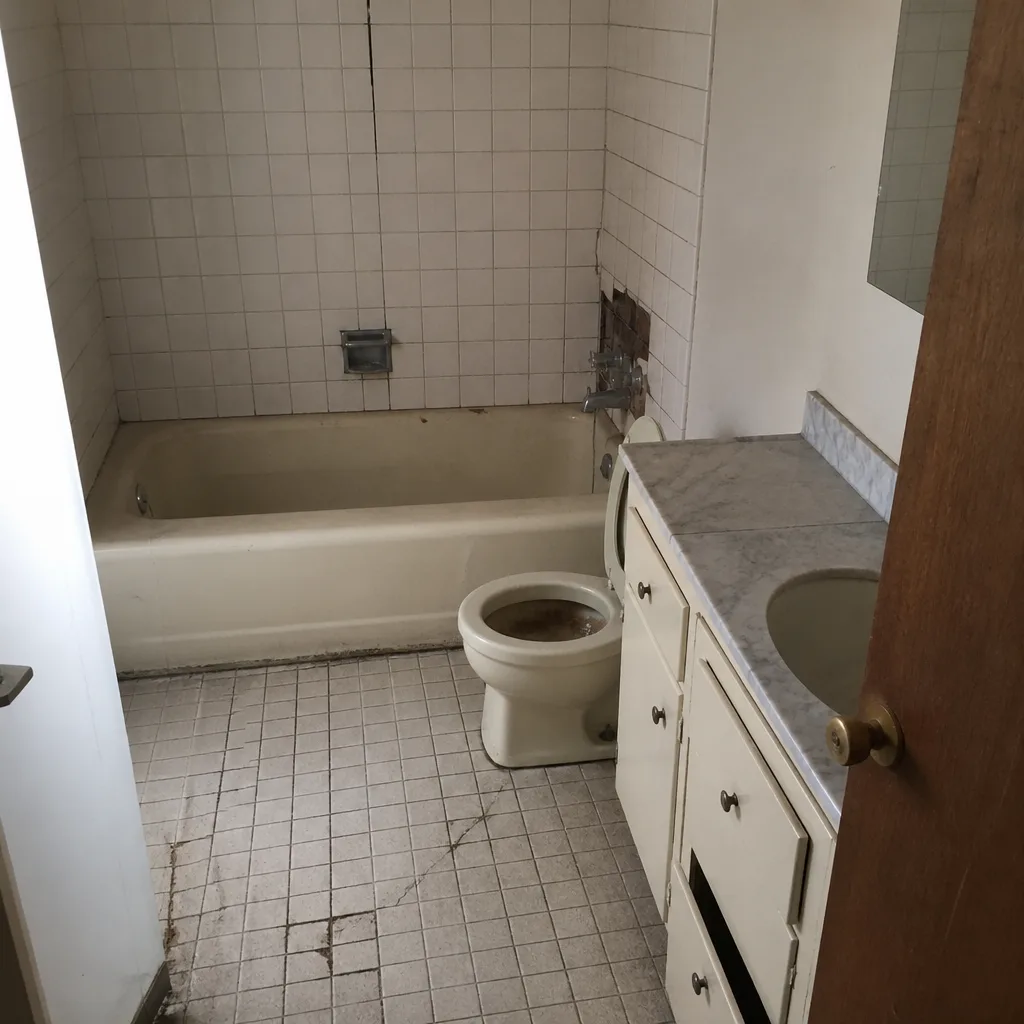 Before
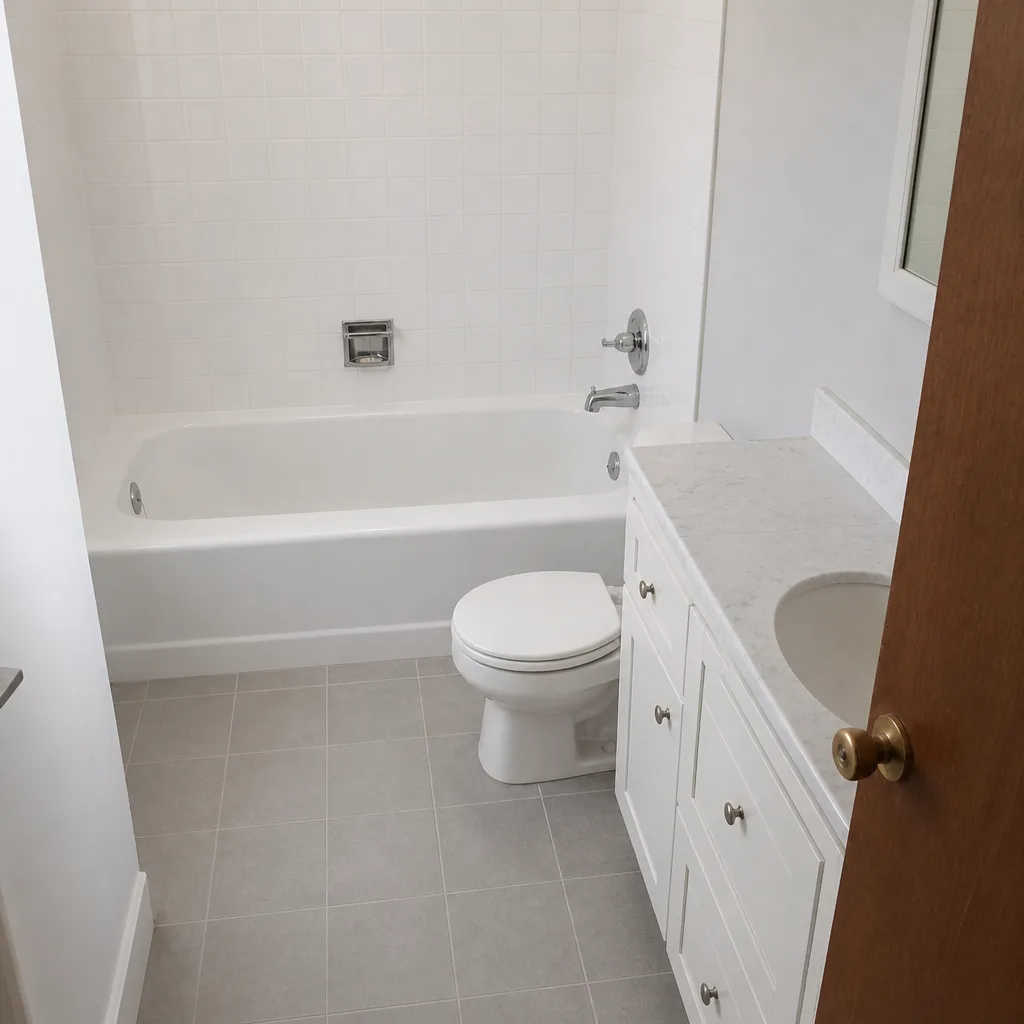 After
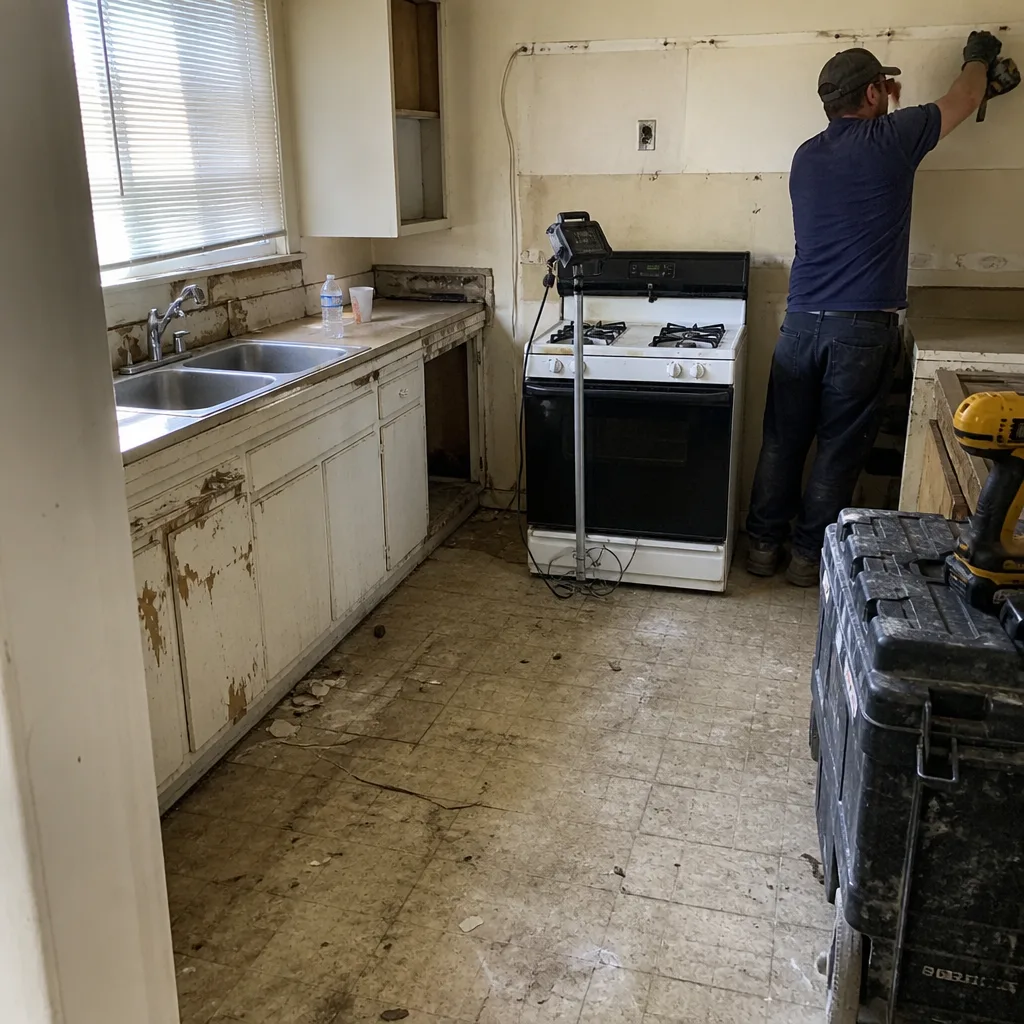 Before
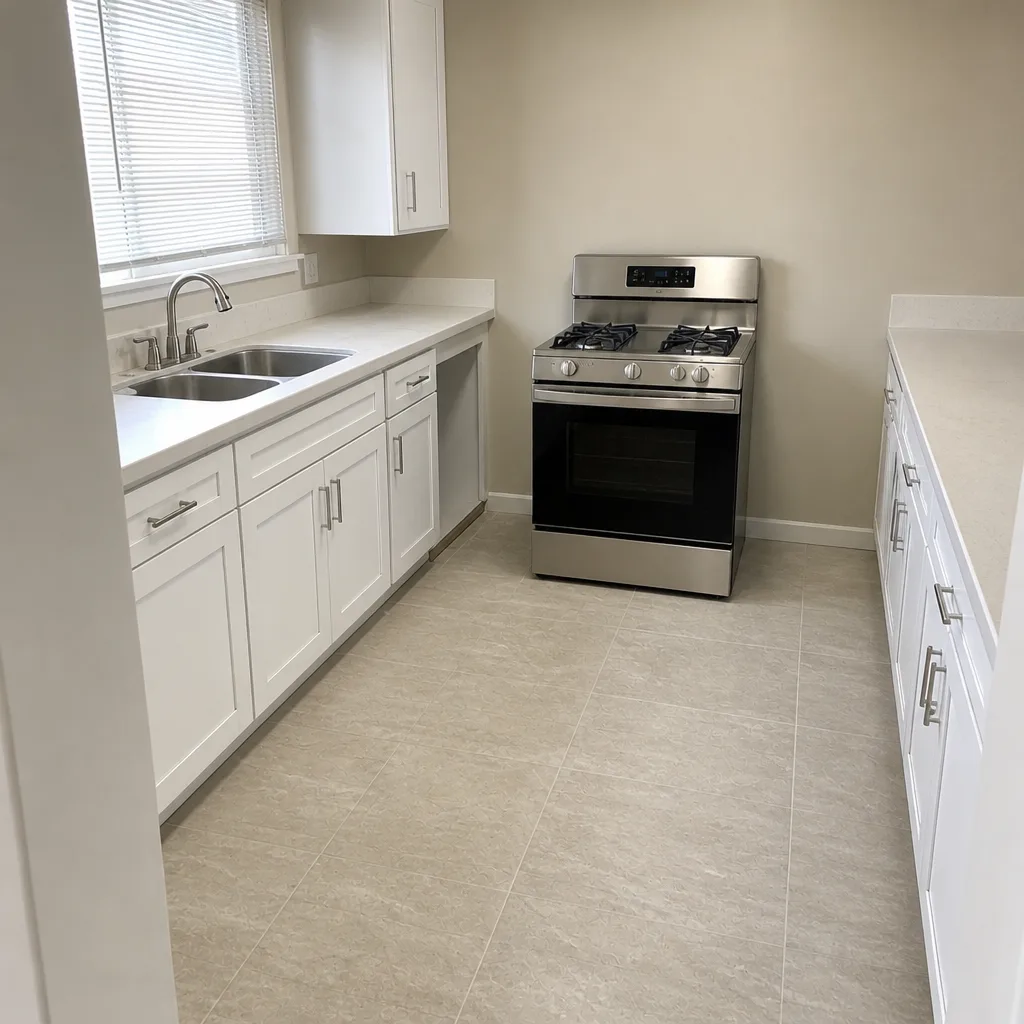 After
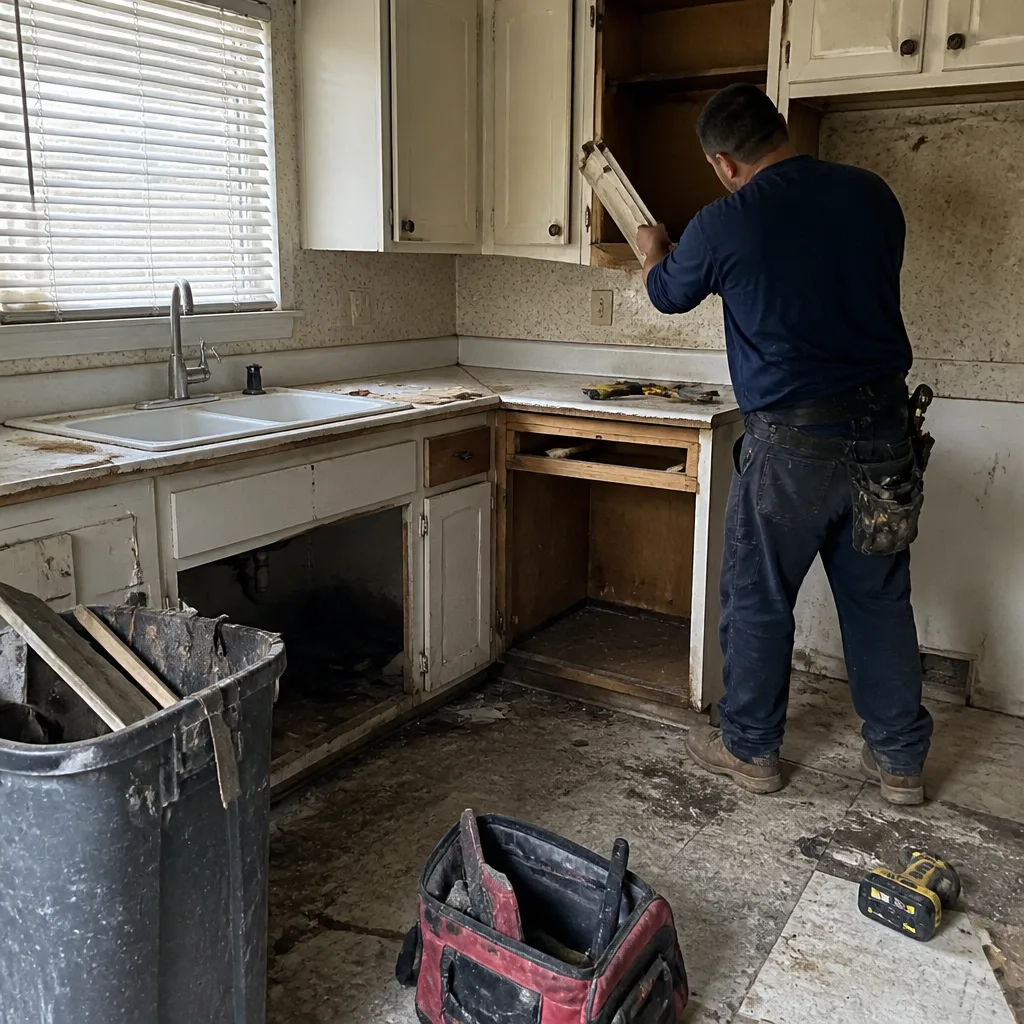 Before
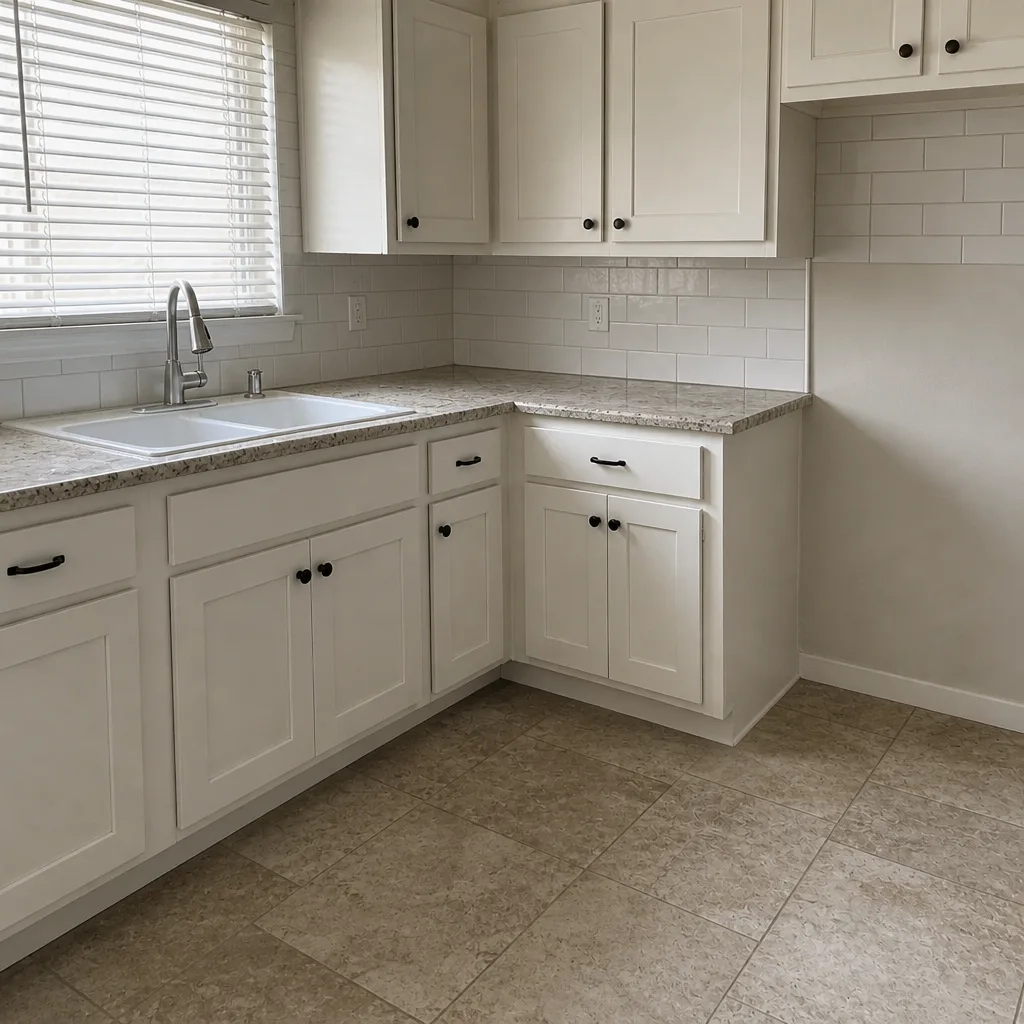 After
Impact vs. Hurricane Proof vs. Storm Rated Windows in Anaheim, CA: What the Labels Actually Mean
“Hurricane-proof” is not a legal rating, and it doesn’t exist in any U.S. building code - it’s marketing language with no test standard behind it. “Impact-resistant” and “storm-rated” are real categories, but they measure different things: impact resistance means the glass passed large-missile and cyclic-pressure testing (ASTM E1886/E1996), while storm-rated usually means the window passed air, water, and structural performance tests (AAMA 506-type protocols) without any missile-impact component. In Anaheim, none of these labels is mandated statewide for residential windows, so the only way to know what you’re buying is to demand the actual third-party test report. Call (888) 300-3178 for a straight answer on any window you’re considering.
That confusion matters here more than most homeowners realize. Anaheim is a semi-arid Santa Ana wind corridor, and the housing stock in the Colony and west Anaheim is largely 1950s-1970s single-story tract homes with original single-pane aluminum windows. Those windows are the weak point in both wind events and the wildfire ember exposure that comes with foothill-adjacent properties. Before we get into which label you actually need, it helps to know what each one legally means.
What Each Term Actually Certifies (and What It Doesn’t)
The three phrases get thrown around interchangeably in ads, but only two of them point to an actual test protocol. Here’s how they break down:
- Impact-resistant: The glass assembly passed ASTM E1886/E1996 - a large-missile impact test followed by cyclic pressure loading to simulate a windborne debris strike and the pressure swings that follow. This requires a laminated interlayer, the plastic layer bonded between two panes that holds the glass together after it cracks.
- Storm-rated: Typically references AAMA 506 or similar air, water, and structural performance testing. The window can handle wind-driven rain and design pressure without failing - but there’s no missile impact component. A storm-rated window without laminated glass is not the same product as an impact-rated one, even if the spec sheet looks similar.
- “Hurricane-proof”: Unregulated. No code, no standard, no certification. Any manufacturer can print it on a brochure. Treat it as ad copy, not performance data.
The gold standard most people have heard of is the Miami-Dade NOA (Notice of Acceptance), which is the impact certification required in South Florida’s High-Velocity Hurricane Zone. It’s a genuinely rigorous benchmark. But it was designed for a subtropical hurricane market with debris-driven storms, and California’s building code does not require it. That doesn’t mean it’s irrelevant in Anaheim - it means it’s a voluntary performance benchmark. If a window carries a Miami-Dade NOA, you have meaningful assurance of impact performance. Just don’t assume the absence of one means the window is deficient, because California regulates window performance through a different set of rules.
What Actually Applies to Anaheim Windows: Ember Zones, Not Hurricanes
Anaheim doesn’t get hurricanes. What it does get is Santa Ana winds, hot dry summers, and wildfire ember exposure on the properties closer to the foothills. That’s where California Building Code Section 714 comes in - the ember-zone glazing requirement that calls for multi-pane glazing or tempered glass in certain wildfire-exposure areas.
Here’s the overlap nobody mentions: impact-rated glass is built with a laminated interlayer, and that laminated construction is what gives it ember resistance too. So a homeowner in a foothill-adjacent Anaheim property could satisfy a CBC Section 714 ember requirement and get wind performance from the same window. But those are two separate regulatory standards being satisfied by one product - not the same standard. A contractor who treats them as interchangeable is either confused or hoping you won’t ask. Groundwork Construction Co. of Anaheim specifies Andersen and Marvin window lines with published, third-party-tested performance data for each relevant category, and you get the actual test reports, not a salesperson’s verbal claim about which “level” of protection you’re getting.
Where the Labels Look Alike on Paper but Perform Differently
If you own a home in the Colony or near the Resort District and your real goal is wind and noise performance, pay attention to the acoustic difference. An AAMA 500-series storm-rated window gets you wind and water performance. What it won’t get you is the STC (sound transmission class) benefit that laminated impact glass provides, because that interlayer is exactly what dampens sound. Two windows can post similar structural numbers and feel completely different in a room facing a busy Anaheim street. That’s a difference you can only catch by reading the test data, not the label on the showroom display.
How Much Do Impact Windows Cost in Anaheim?
Impact-rated window installation in Anaheim runs $8,000 to $25,000 for a typical whole-home project, depending on the number of openings, frame material, and glass configuration. Standard window replacement sits lower at $4,500 to $15,000. The premium you pay for impact glass comes from the laminated interlayer and the testing the assembly has passed - you’re paying for documented performance, which is the whole point.
| Project | Typical Anaheim Range |
|---|---|
| Impact Window Installation | $8,000 - $25,000 |
| Standard Window Replacement | $4,500 - $15,000 |
| Window + door package (ask for a bundled quote) | Quoted per project |
Those numbers hold across Anaheim’s two construction markets, though the scope differs. On the older residential grid - the Colony, west Anaheim, the postwar tracts - most jobs involve removing original single-pane aluminum and dealing with whatever the wall cavity has been hiding since the 1950s. Near the Platinum Triangle and Resort area, new infill work tends to be a cleaner swap. The other Anaheim-specific wrinkle: because so much of the housing is slab-on-grade with no crawlspace, any window trim or stucco repair around an opening gets figured into the job in a way it wouldn’t in a neighboring city with more raised-foundation stock.
We handle the full scope through our Windows & Doors line, and if you’re still mapping out a larger renovation, our home page covers the full range of work we take on across the Anaheim service area.
What to Ask Any Contractor Before You Sign
Don’t accept a verbal “this is hurricane-rated” or a spec sheet that lists a “protection level.” Ask for the third-party test report for the exact model going into your wall. Then confirm three things: the test standard cited (ASTM E1886/E1996 for impact, AAMA 506 for storm performance), the glass construction (laminated interlayer versus monolithic or insulated with no laminate), and the manufacturer’s published performance values. All of this is standard for Andersen and Marvin, which is why we build our window work around those lines - the data exists and you can hold it in your hand.
Our technicians have up to 12 years of experience reading those reports and matching them to what a specific Anaheim property actually needs. Every project is covered by our 730-Day Done Right Promise: if it’s not done right, we make it right. Calls get answered by a live person 24/7, and pricing is upfront with no surprises. Financing for 18 months at 0% is available, plus $1,000 off projects over $10,000 and a free estimate and design consult.
FAQs
No. “Hurricane-proof” is a marketing phrase with no legal classification or test standard behind it anywhere in U.S. building codes. When you see it, ask what test the window actually passed - impact resistance (ASTM E1886/E1996) and storm performance (AAMA 506) are the real categories to look for.
Not required by California code for most homes, but impact-rated glass can still make sense near the foothills, where CBC Section 714 ember-zone glazing requirements may apply, and where the laminated interlayer also cuts street and wind noise. The right answer depends on your specific property, not a blanket rule. Call (888) 300-3178 for an exact read on your windows.
Storm-rated windows passed air, water, and structural performance tests but no missile-impact test. Impact-resistant windows passed large-missile and cyclic-pressure testing and use a laminated interlayer that holds the glass together after a strike. They can post similar structural numbers on paper while behaving differently in a real event, and only the impact-rated product delivers the acoustic benefit.
We schedule same-day assessments across Anaheim when the calendar allows, and a live person answers the phone 24/7 regardless of when you call. Call (888) 300-3178 and we’ll find the earliest slot, plus a free estimate and design consult.
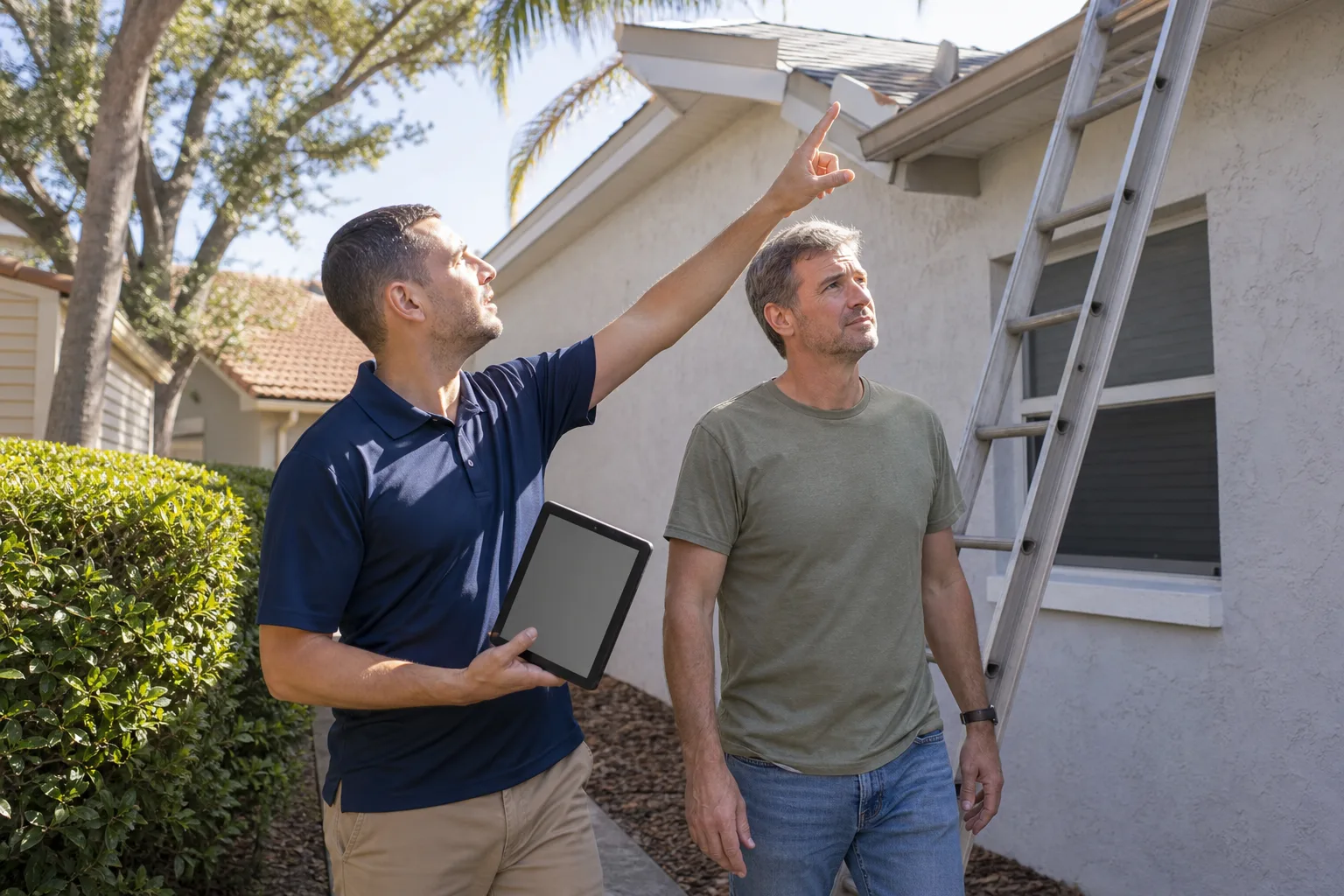
If you’d rather have it looked at, Groundwork Construction Co. of Anaheim offers a no-pressure assessment in Anaheim - call (888) 300-3178. We’ll bring the test data, walk your openings, and tell you plainly which category your home actually needs. Estimates are free, pricing is upfront, and the work is backed by our 730-Day Done Right Promise.
Written by the team at Groundwork Construction Co. of Anaheim, serving Anaheim, CA.