Free written scope consultation - allowances, timeline, and change-order rules on paper before a single trade is scheduled
Styles & brands we work with
- Kitchen remodeling
- Bathroom remodeling
- Home additions & ADU
- Roofing
- Windows & doors
- Driveway & pavers
- Fence
See the difference
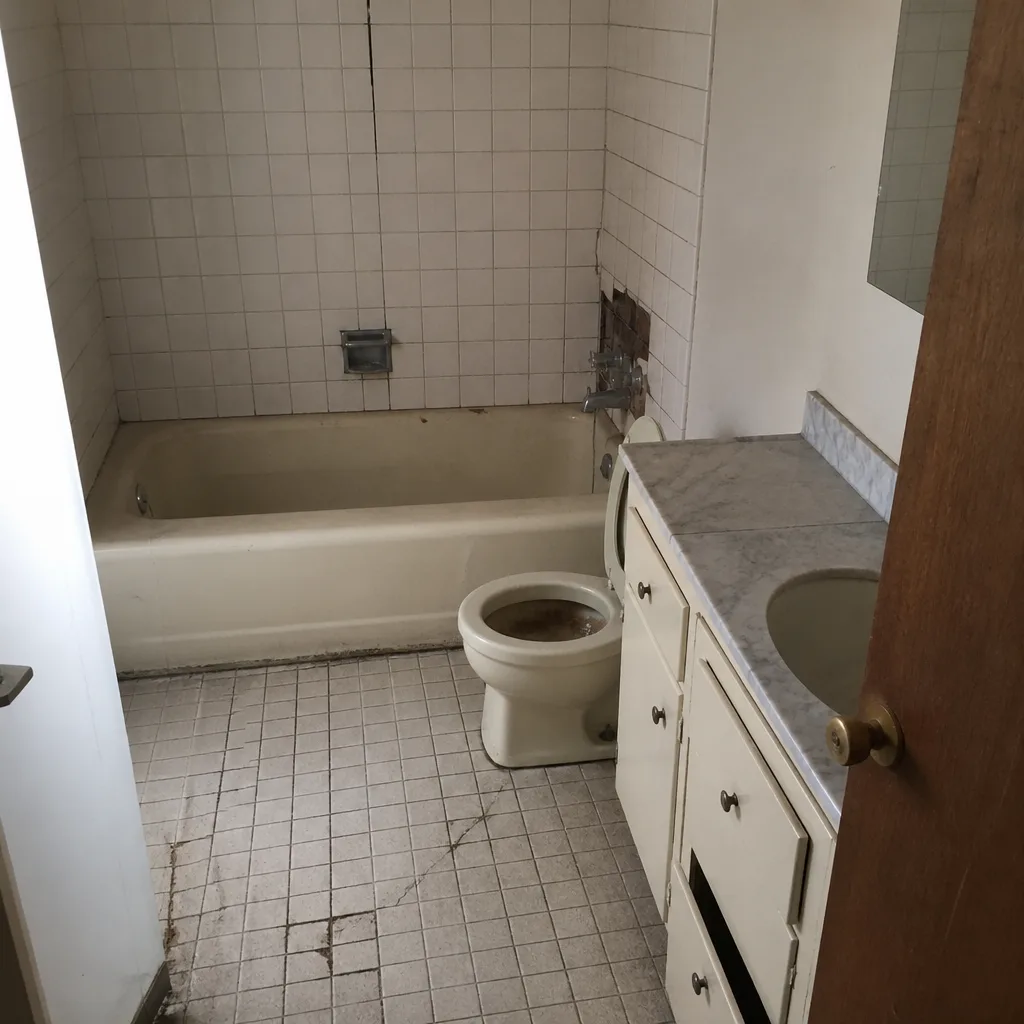 Before
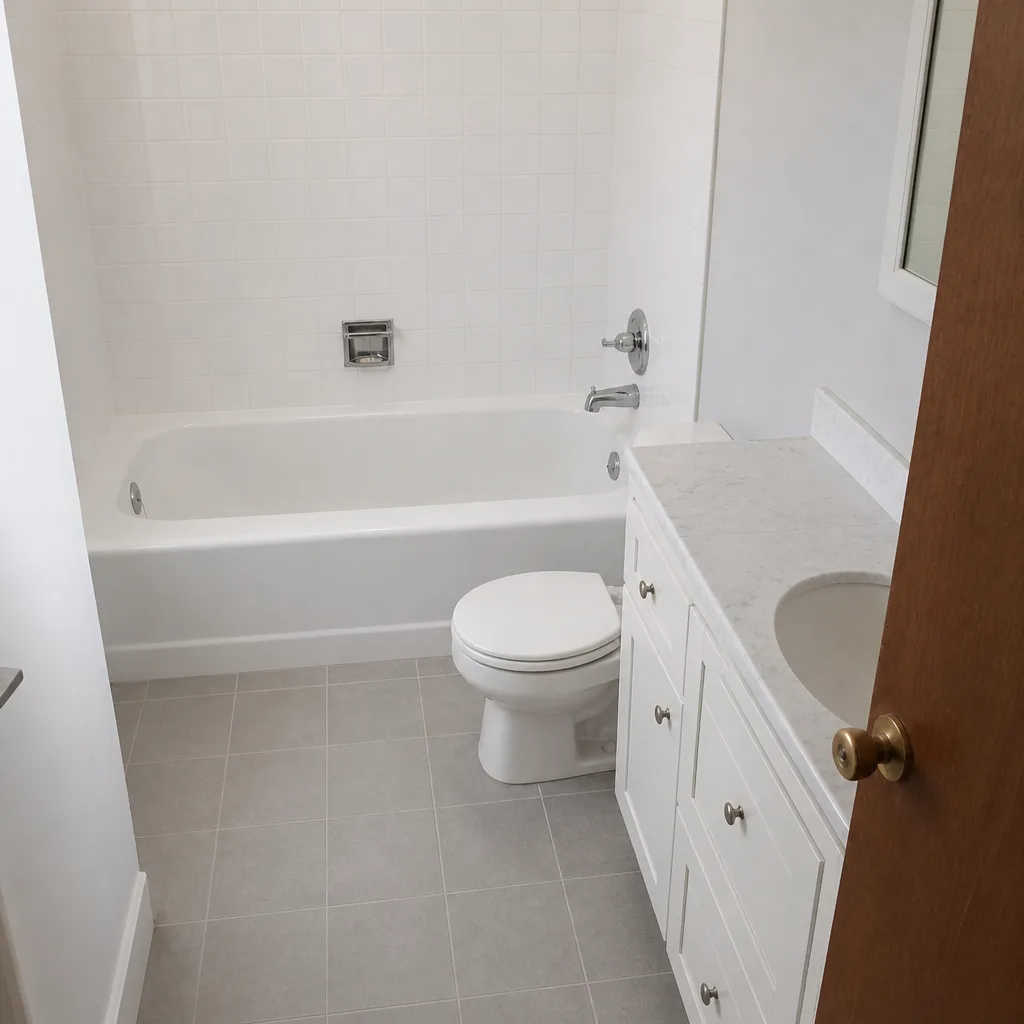 After
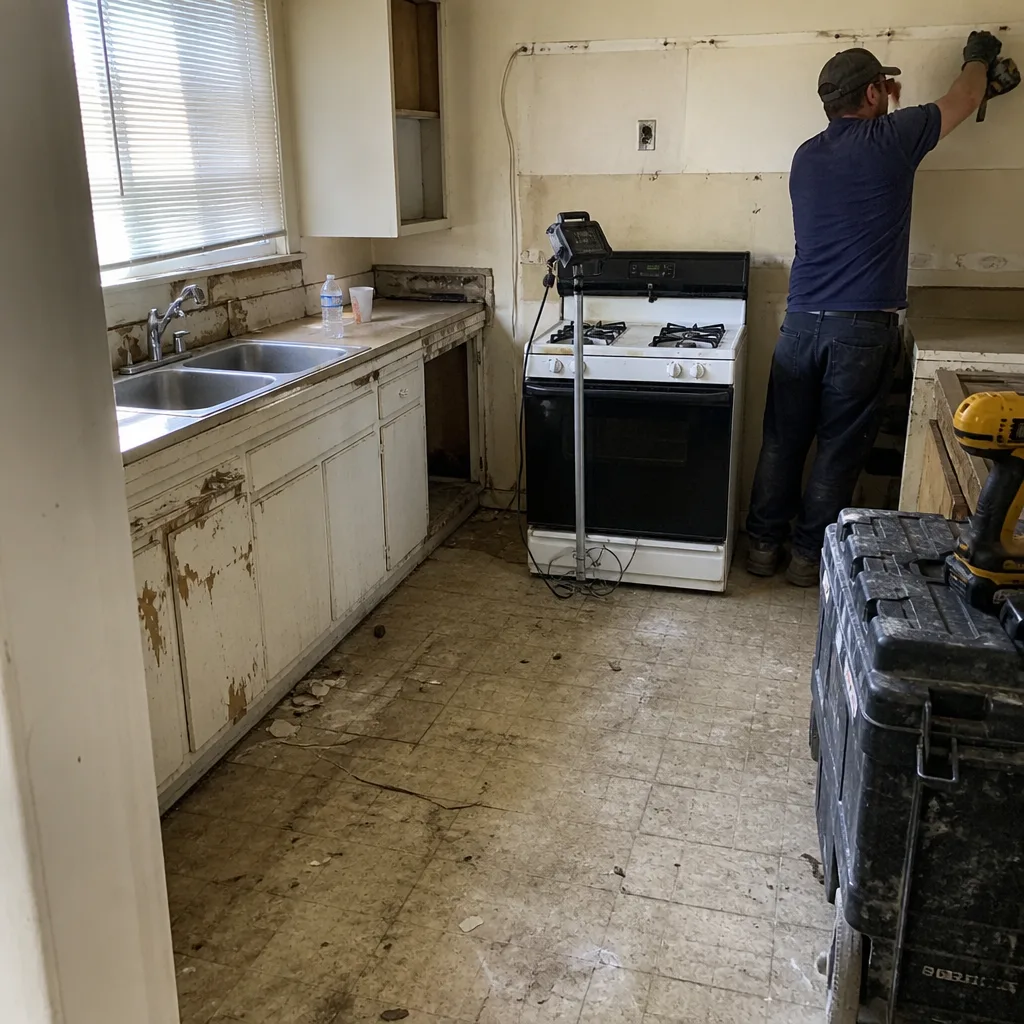 Before
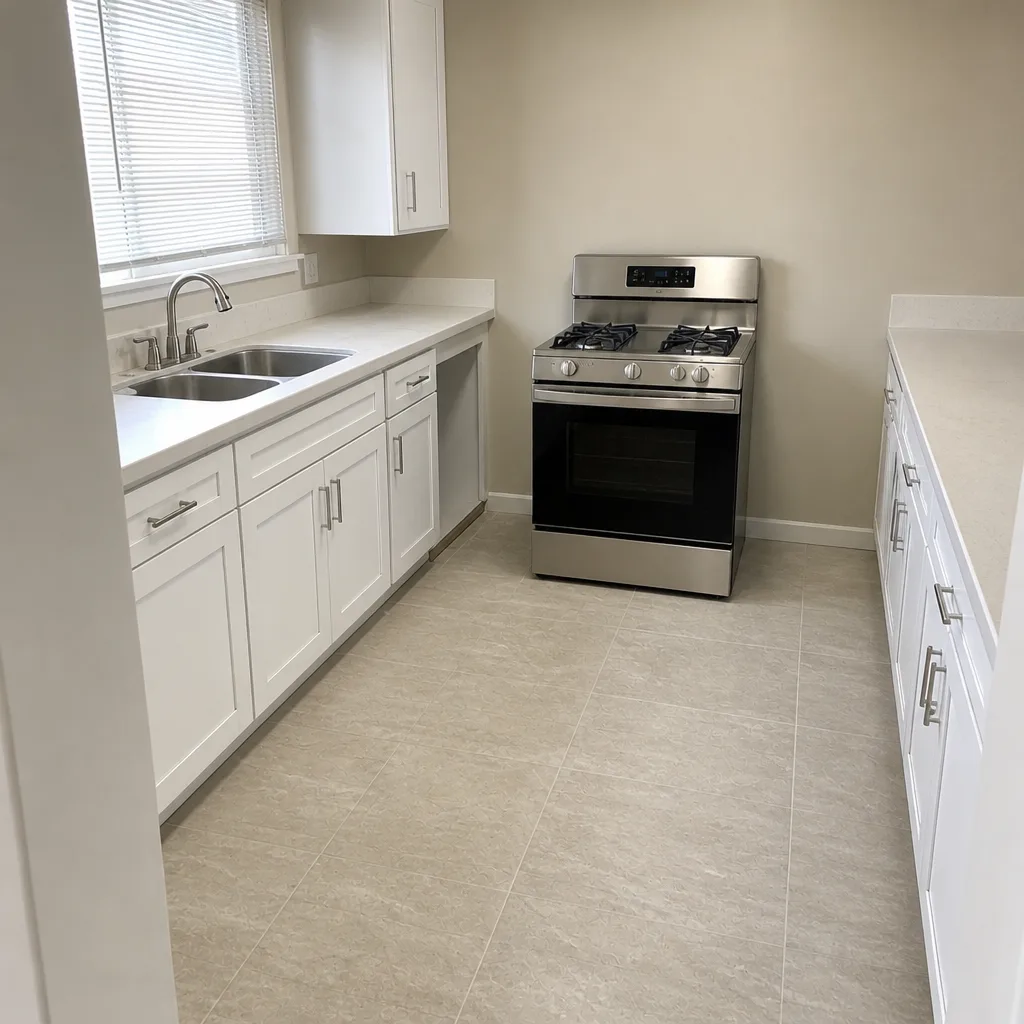 After
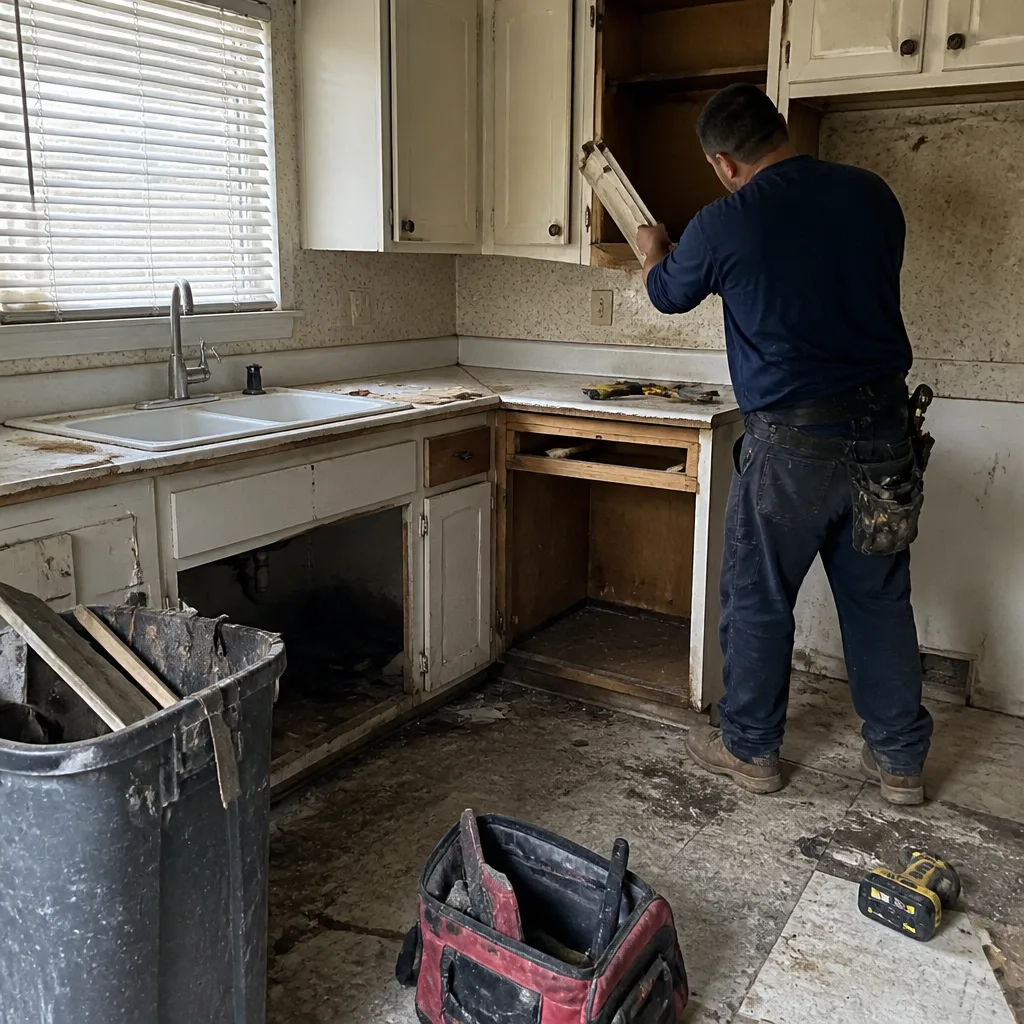 Before
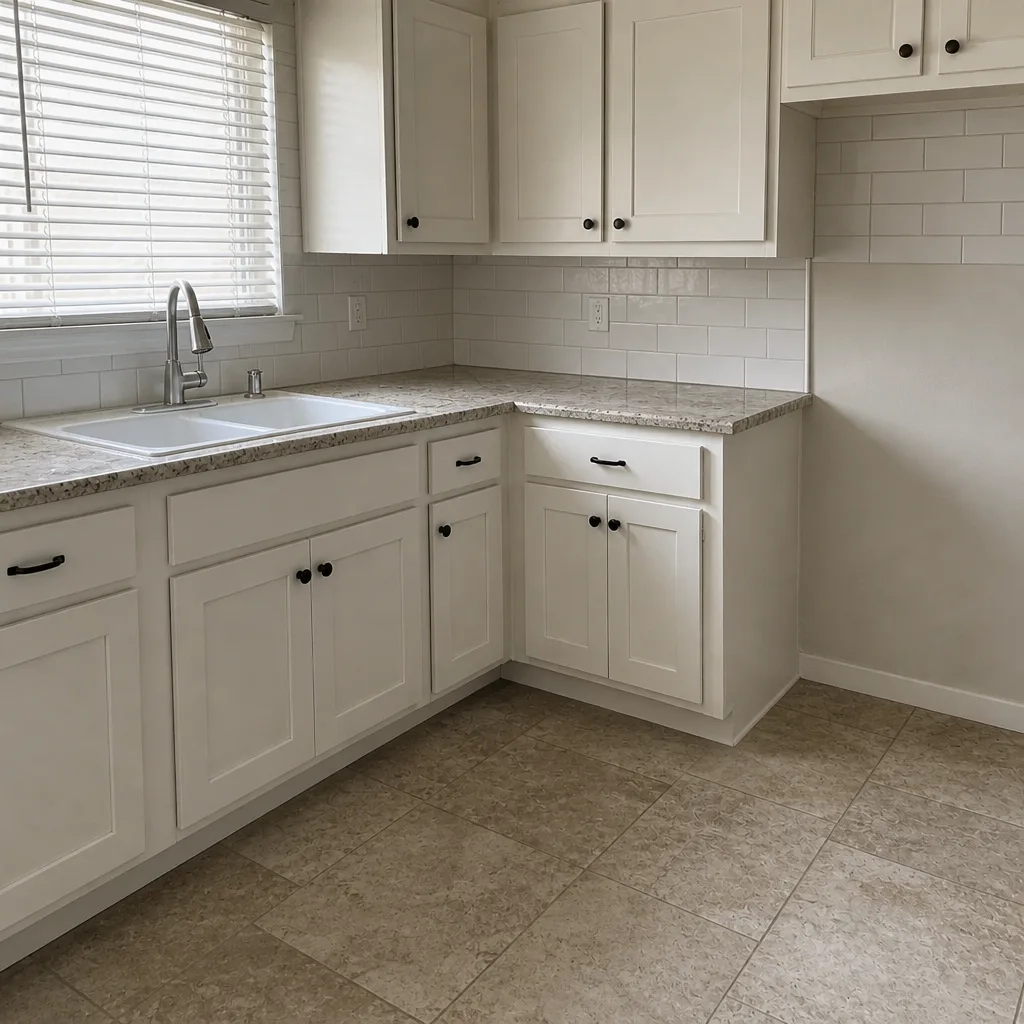 After
Tile vs Vinyl Plank Kitchen Flooring in Anaheim: Check Your Slab Before You Choose
Choose vinyl plank unless your slab is prepped for tile or you’re tiling a wet, greasy zone. In Anaheim’s postwar slab-on-grade homes, the slab itself decides the answer more often than the material sample does. A concrete pour that’s out of flat by more than 3/16 inch over 10 feet will crack grout joints within a couple of years, and plenty of 1950s and 1960s Anaheim slabs are. Call Groundwork Construction Co. of Anaheim at (888) 300-3178 and we’ll put a straightedge on your floor before anyone talks finishes.
That’s the short version. Here’s the honest longer one, because the right call depends on what’s under your kitchen, not what looks best in a showroom.
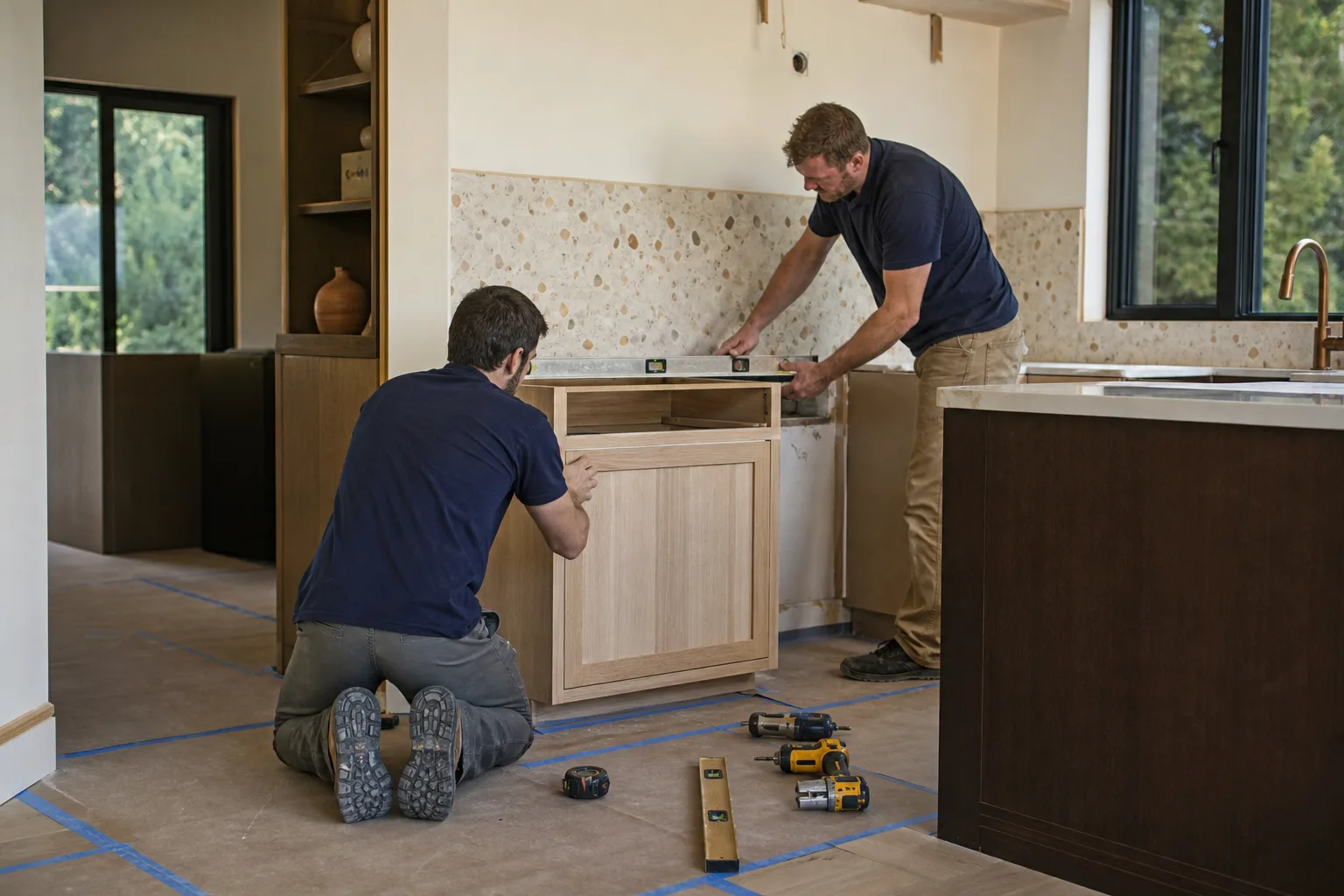
Why the slab decides this before the material does
The Tile Council of North America (TCNA) sets the flatness standard for tile at no more than 3/16 inch of variation across 10 feet. Most tile setters will 4 1/2 feet check with a straightedge and call it good enough. On new concrete it usually is. On a slab poured during Anaheim’s tract-home boom, it frequently isn’t – uneven curing, older gray concrete, and years of settling all work against you.
Here’s what that means for your quote. If your floor fails the flatness test, tile installation needs self-leveling underlayment as a prep step. That runs $1.50 to $3.00 per square foot on top of the tile itself, and it’s almost never in the first quote you get. You find out after the demo, when the setter’s straightedge starts rocking. LVP doesn’t care. A proper commercial-grade plank floats over minor slab variation within tolerance – no adhesive, no grout, no leveler.
In the Colony and the older west-side grid, we regularly see this exact scenario play out: a homeowner picks tile, the crew pulls the old vinyl, and the slab is off by a quarter inch. The budget moves. The schedule moves. Nobody’s happy. That’s a big reason we walk the slab first.
A straight comparison for an Anaheim slab kitchen
| Factor | Ceramic/Porcelain Tile | Commercial-Grade LVP (6-8mm, attached underlayment) |
|---|---|---|
| Slab flatness needed | Within 3/16″ over 10 ft | Floats over minor variation within tolerance |
| Prep cost for uneven slab | Adds $1.50-$3.00/sq ft for self-leveler | Usually none |
| Underfoot | Hard, cold | Warmer, more forgiving on long standing stretches |
| Grout | Yes – can crack if slab moves | None |
| Water behavior | Truly waterproof surface | Water-resistant, not waterproof |
| UV stability | Fade-resistant | Requires UV-stable wear layer – mandatory in Anaheim sun |
| Install speed | Slower, adhesive + grout cure | Faster, generally no adhesive |
| Lifespan (installed on prepped slab) | 20+ years for the long-haul homeowner | Shorter service life |
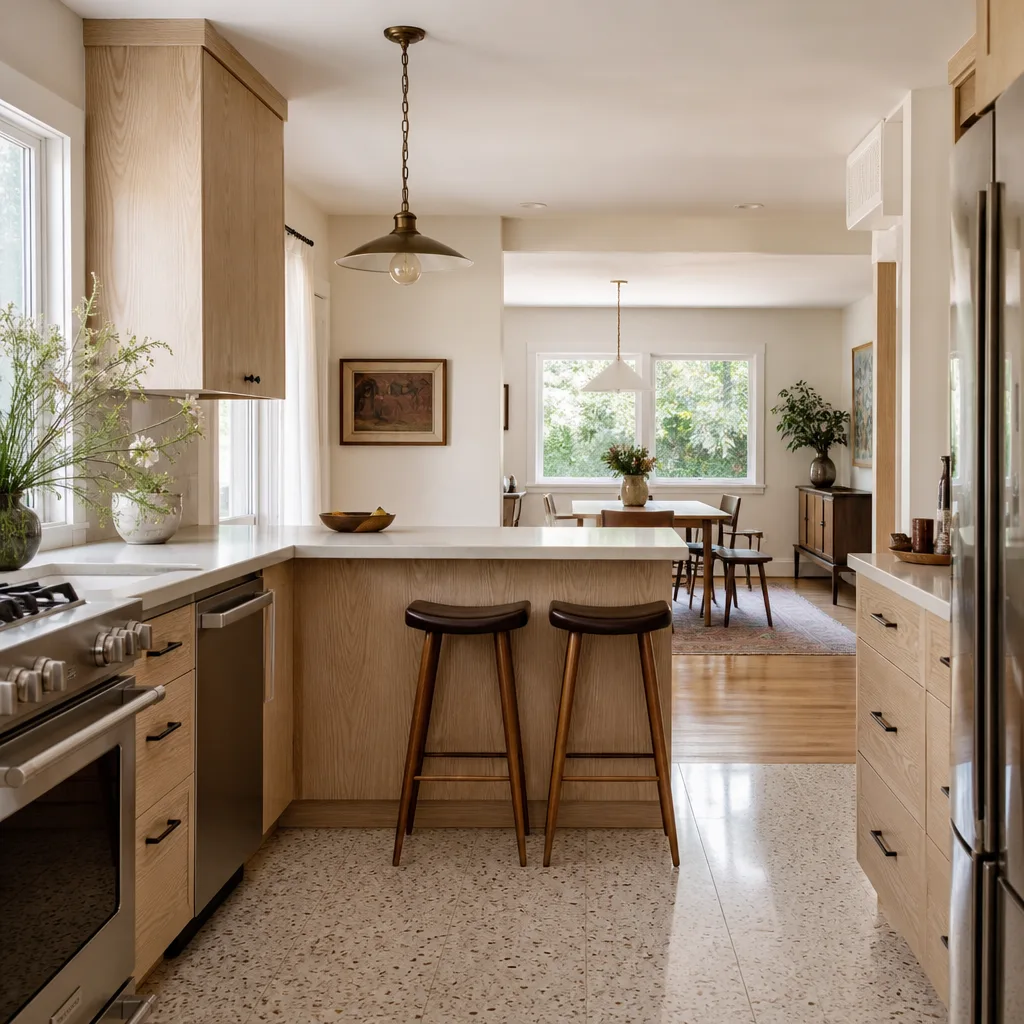
For most Anaheim slab kitchens, LVP wins on cost and on slab tolerance. The numbers back it up. A kitchen remodel through Groundwork runs $14,000 to $45,000, and flooring is one line inside that – the self-leveler, tile, and grout together can push a tile floor past an LVP floor by a meaningful margin once prep is honest. LVP also goes down faster, which keeps the rest of the schedule moving in a single-story tract home where the kitchen is the hub.
The Anaheim sun problem nobody puts in the brochure
Anaheim sits in the Santa Ana wind corridor with hot, dry summers, and kitchens with sliding glass doors or south-facing windows get hammered with direct sun. Lower-grade LVP fades and thermally expands under that load. It cups at the seams. It pulls at the walls. By year three it looks tired.
So specify this up front: commercial-grade LVP with a UV-stable wear layer. In this climate it’s not an upgrade, it’s the requirement. Anything rated for light residential use in a sun-baked Anaheim kitchen is a mistake you’ll see in two summers.
When tile is still the right answer
LVP isn’t the automatic pick. We tell homeowners to tile in three specific spots:
- Under and around the range. Intense heat and cooking grease belong on ceramic or porcelain, which shrugs off both.
- At the sink and dishwasher. That’s where standing water exposure is highest, and tile’s true waterproof surface outperforms LVP’s water resistance. A dishwasher leak behind an LVP plank is a slow problem.
- If you’re staying 20+ years. A tile floor properly installed on a prepped slab outlasts any LVP product on the market. If this is your forever kitchen, prep the slab and lay tile.
Some homeowners split it: tile at the wet wall and range, LVP through the open kitchen and into the living space. That’s a smart compromise for a lot of Anaheim layouts, and it’s worth pricing both ways before you commit.
What the 730-Day Done Right Promise changes about this decision
A cracked grout joint or a buckled LVP plank within two years is covered under our 730-Day Done Right Promise. If it’s not done right, we make it right. That’s one of the longest workmanship guarantees in residential construction, and it means we carry the consequences of a bad product match on your slab.
Which is the whole point. When the contractor eats the callback, there’s a strong incentive to recommend the floor that actually belongs in your house rather than the one with the best margin. Our technicians have up to 12 years of experience reading slab conditions, and every job gets background-checked, uniformed crews and upfront pricing where the number you see is the number you pay. No surprises after demo.
If you’re weighing a kitchen overhaul alongside the floor, our Kitchen Remodeling in Anaheim page covers how flooring fits into the larger scope, and you can see the full picture of our Kitchen Remodeling work. Materials come from partners like Quikrete and Sakrete for the concrete and underlayment prep, so the subfloor side is as dialed as the finish side.
FAQs
Vinyl plank is the better fit for most Anaheim slab kitchens because it tolerates minor slab unevenness without cracking or lipping, costs less installed, and feels warmer underfoot. Tile wins at the range and sink, or if you plan to stay in the home 20+ years. Call (888) 300-3178 for a free estimate on either path.
As one line inside a full kitchen remodel that runs $14,000 to $45,000, expect tile to cost more installed – partly for material, and largely for the $1.50 to $3.00 per square foot self-leveler your 1950s slab may need before tile goes down. LVP generally skips that prep step. Call (888) 300-3178 for an exact quote; estimates are free.
Often yes. If your slab is out of flat by more than 3/16 inch over 10 feet, tile needs self-leveling underlayment as a prep step. It adds cost and is usually buried in the fine print of a first quote. We test the slab before quoting so you’re not surprised after demo.
Lower-grade LVP can fade and expand under direct Anaheim sun through sliding doors and south-facing windows. Commercial-grade LVP with a UV-stable wear layer resists it. Specify UV-stable – in this climate it’s required, not optional.
Get it looked at before you buy a single plank
If you’d rather have it looked at, Groundwork Construction Co. of Anaheim offers a no-pressure assessment in Anaheim – we’ll check your slab, compare tile and LVP honestly for your layout, and put real numbers in writing. Call (888) 300-3178 for a free estimate.
Written by the team at Groundwork Construction Co. of Anaheim, serving Anaheim, CA.