Free written scope consultation - allowances, timeline, and change-order rules on paper before a single trade is scheduled
Styles & brands we work with
- Kitchen remodeling
- Bathroom remodeling
- Home additions & ADU
- Roofing
- Windows & doors
- Driveway & pavers
- Fence
See the difference
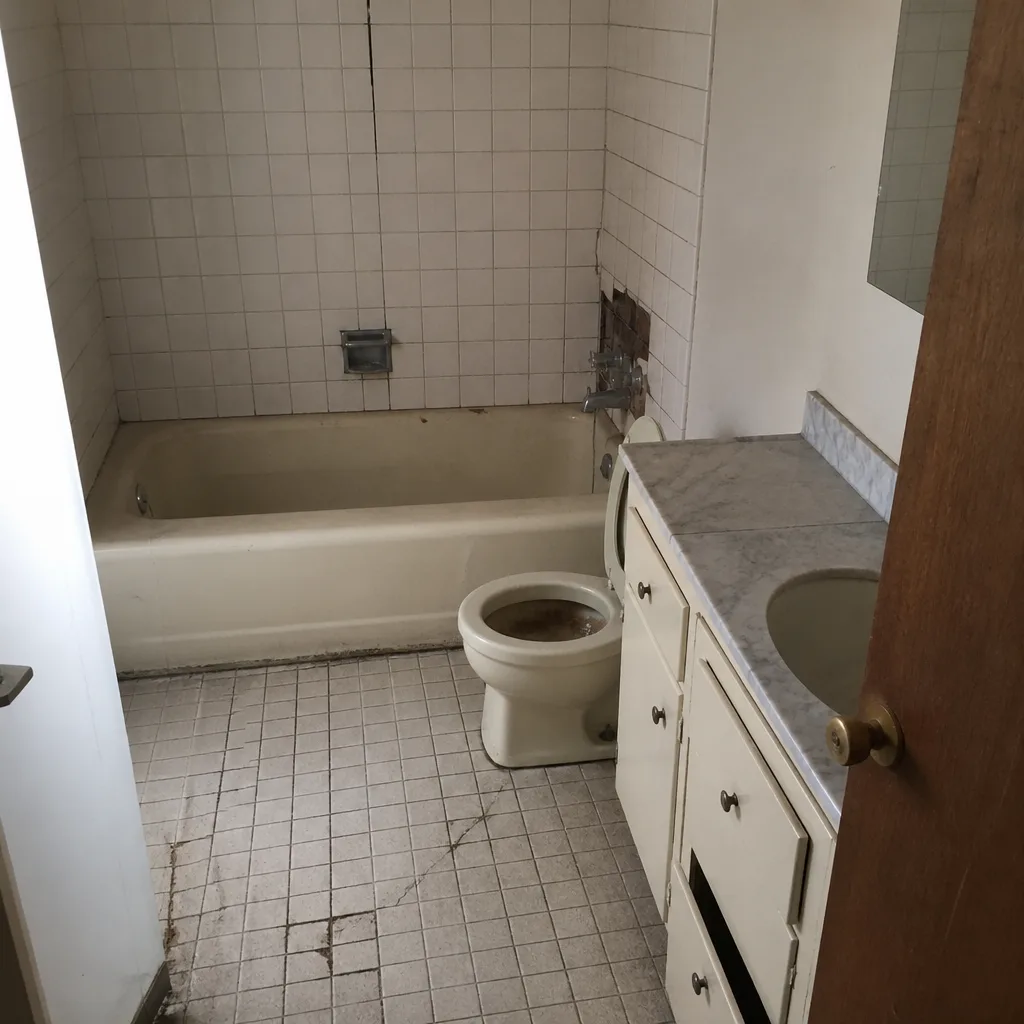 Before
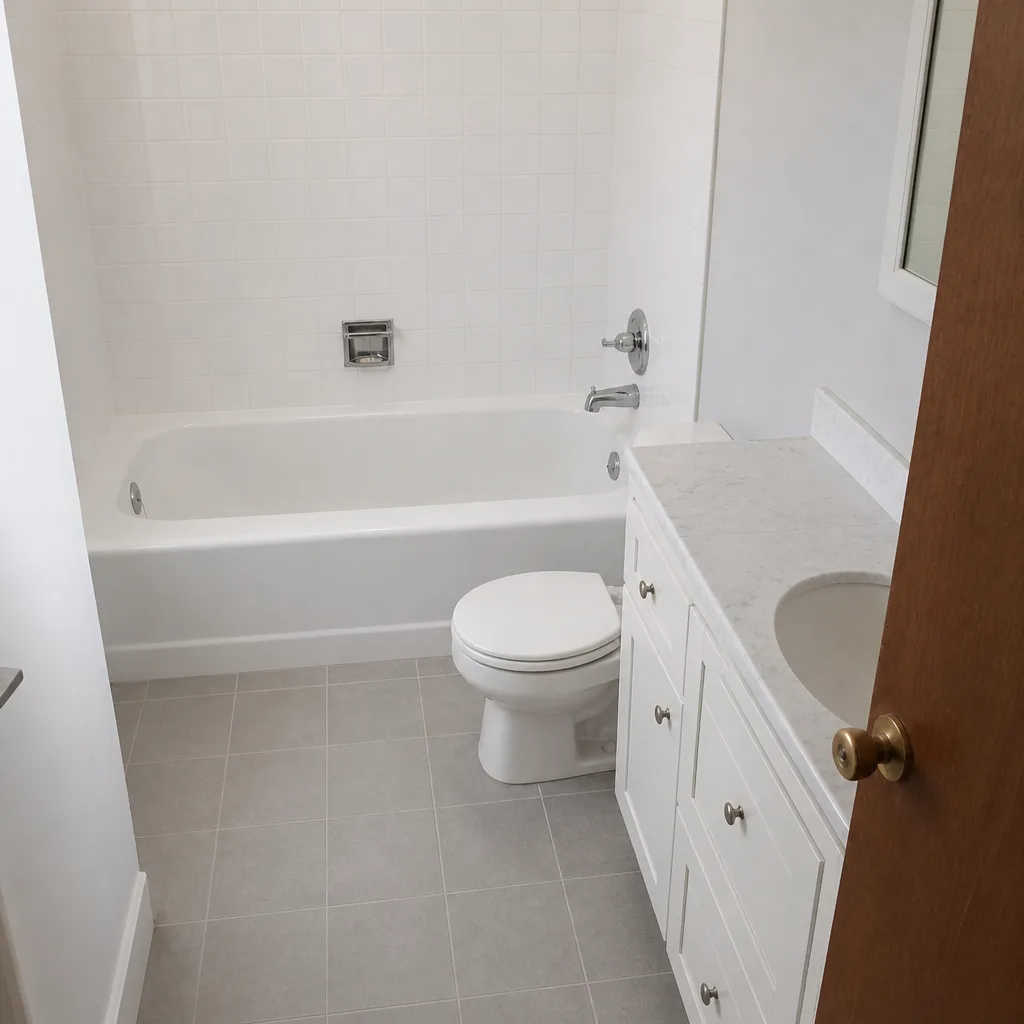 After
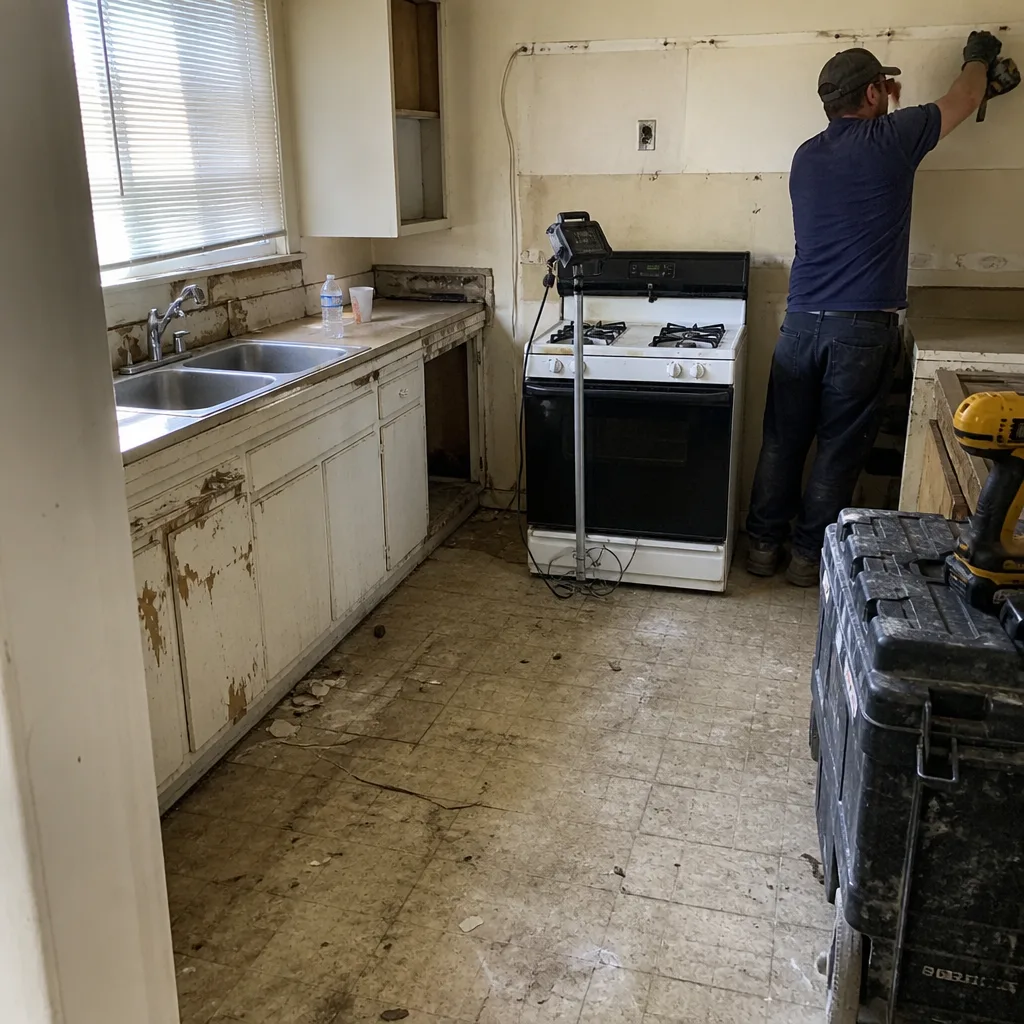 Before
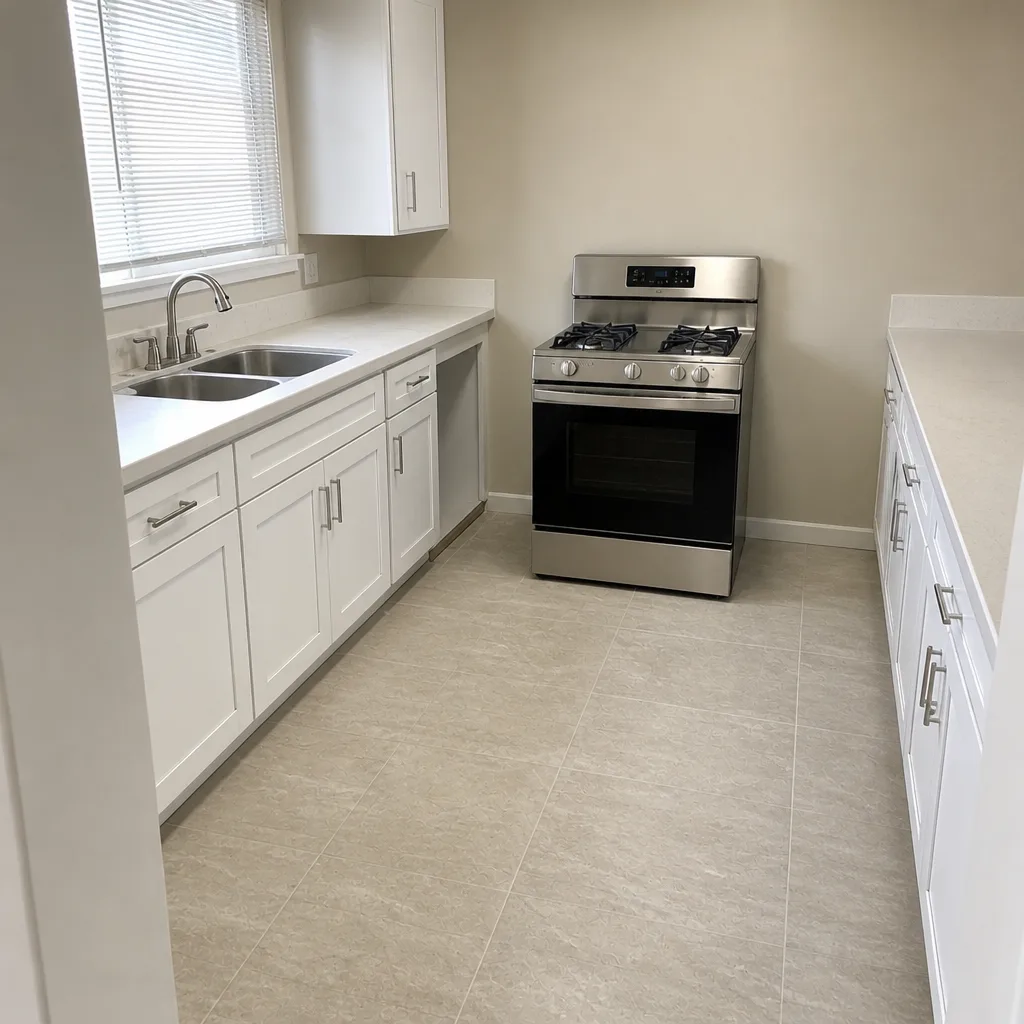 After
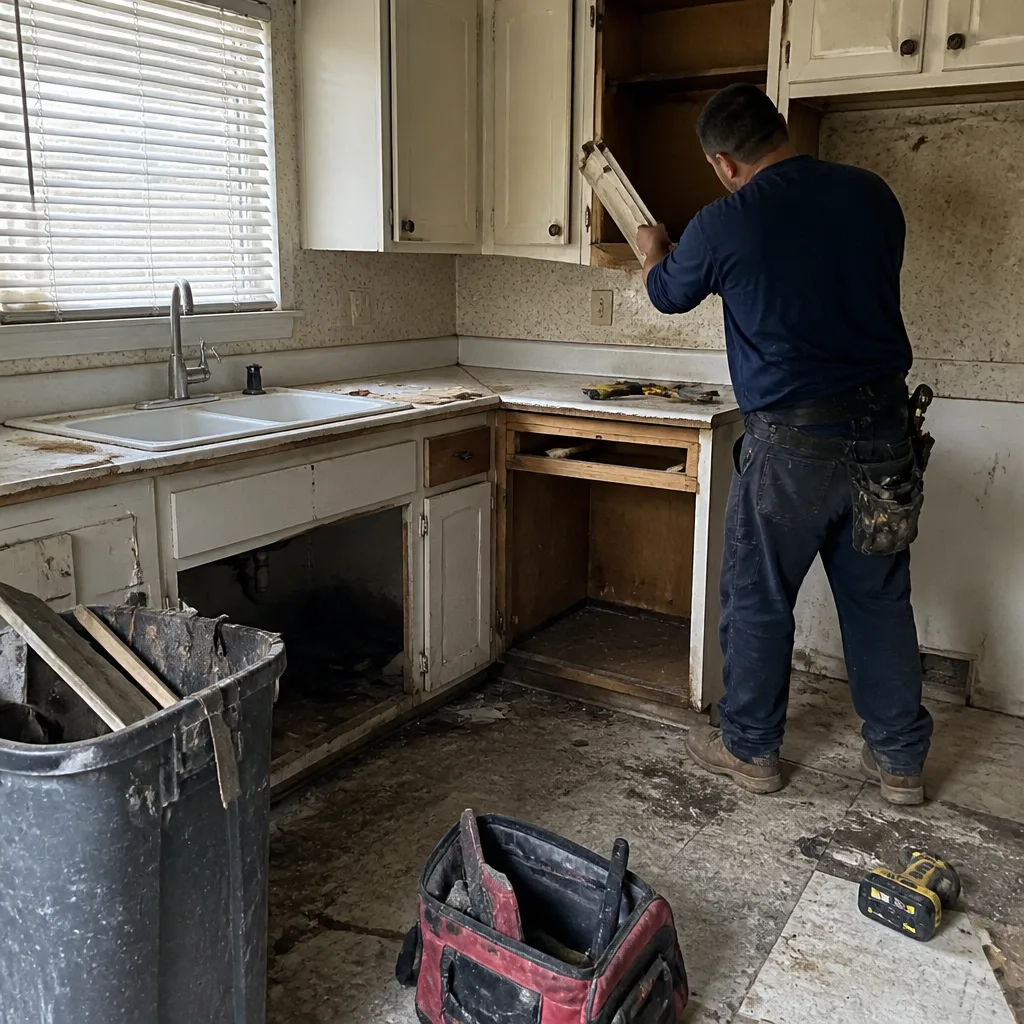 Before
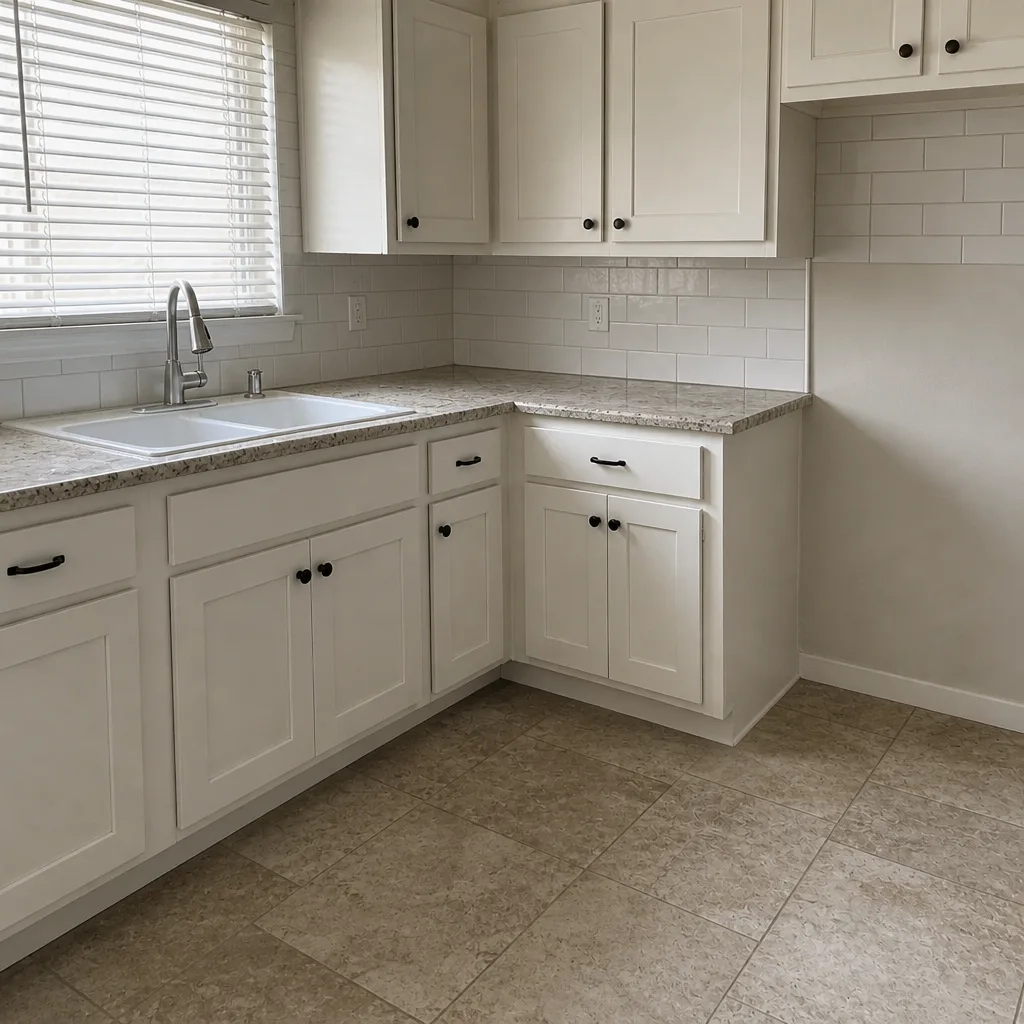 After
What Is Low-E Glass? The Anaheim Answer Most Window Salespeople Skip
Low-E glass is window glass with an invisible metallic oxide coating that reflects radiant heat while letting visible light through. The short answer that matters in Anaheim: not all Low-E is the same, and two windows both labeled “Low-E” can perform about 40% differently on solar heat gain depending on which surface the coating sits on and how it was applied. Get that spec wrong on a west-facing stucco wall and you’ll feel it every July afternoon. If you want a straight read on what your home actually needs, call (888) 300-3178 and a live person picks up, day or night.
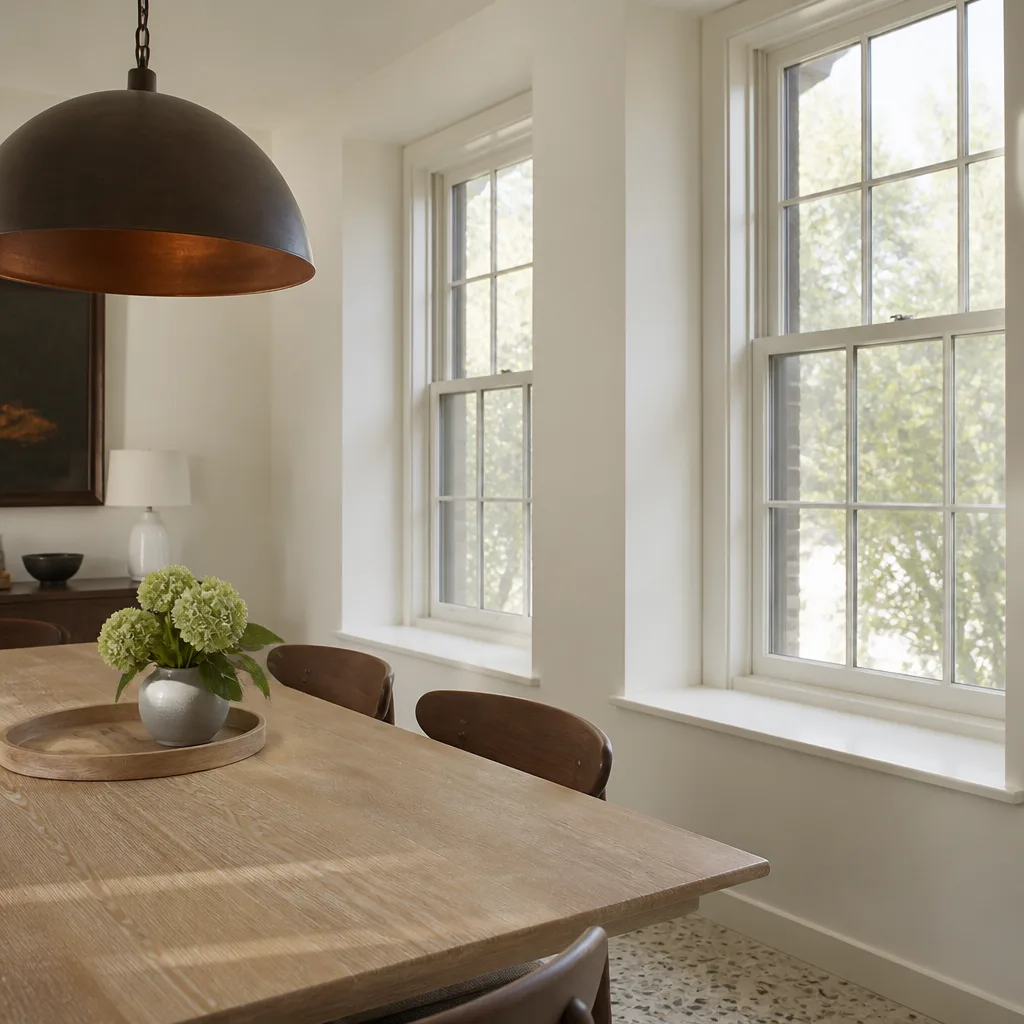
Hard-Coat vs. Soft-Coat: The Distinction That Decides Your Summer
There are six or more Low-E configurations sold in Southern California, and they split into two families.
- Pyrolytic (hard-coat) Low-E is applied while the glass is still molten, so the coating fuses into the surface. It’s tough, and it typically sits on surface 2 of an insulated glass unit (the inner face of the exterior pane). Hard-coat leans on solar gain for passive heating, so its SHGC (solar heat gain coefficient) runs higher.
- Sputtered (soft-coat) Low-E is deposited in a vacuum chamber in multiple microscopic layers. It’s more delicate, but it goes on surface 3 (the room-side face of the exterior pane, facing the air gap). That position is what lets a soft-coat reflect radiant heat back out before it crosses the gap, which drives SHGC down.
In a climate with real winter heating load, hard-coat on surface 2 makes sense. Anaheim isn’t that climate. We sit in a semi-arid Santa Ana wind corridor with hot, dry summers and mild winters, so the cooling season drives the decision. Soft-coat on surface 3 is the spec we push for sun-exposed elevations here, because it rejects more of the radiant load before it warms the interior.
Why a west-facing wall in 92801 makes this a money question
Picture a 1960s single-story tract home off West Broadway, the kind of postwar stock that fills much of west Anaheim. The west elevation catches direct afternoon sun from roughly 1 PM to 7 PM in June, July and August, when outdoor temps sit in the high 80s to mid 90s. A surface-2 hard-coat unit transmits noticeably more of that radiant energy into the room than a surface-3 soft-coat unit of the same visible-light spec. On a wall of glass that’s a real difference in how hard your air conditioner works and how fast the room rebounds after sunset. It’s a line on the data sheet, but it’s a line you pay for monthly.
UV Fade: The Anaheim Benefit Nobody Explains Well
Anaheim gets north of 290 sunny days a year. That’s great for the patio and rough on anything organic near a window. Hardwood floors, cabinetry faces, leather, artwork and upholstery all fade from ultraviolet exposure, and UV does that damage even on days the blinds are half shut. Low-E coatings block 95% or more of UV, which is a property-value argument as much as a comfort one. In the Colony, where homeowners are carefully restoring original mid-century interiors, keeping original oak flooring and period cabinetry from bleaching is a concrete reason to care about the coating spec, not just the frame color. Groundwork Construction Co. of Anaheim handles this as part of a full Windows & Doors scope, so the glass spec gets matched to the room instead of defaulted.
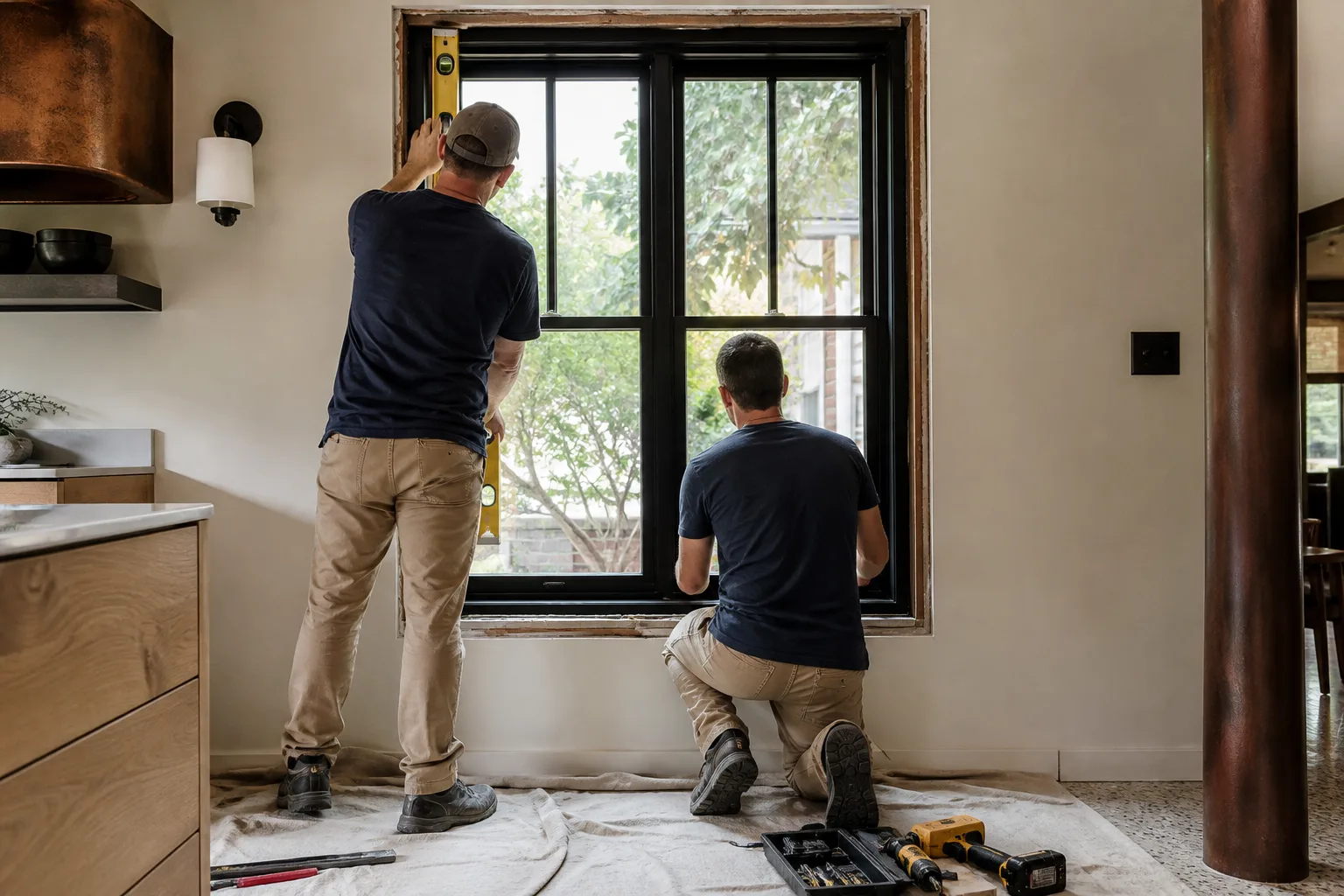
Read the Data Sheet, Not the Sales Pitch
The reason we can talk about this at all is that our brand partners publish the numbers. Andersen’s High-Performance Low-E configurations and Marvin’s coating options both ship with labeled U-factor and SHGC values on the glass. That means the homeowner isn’t trusting a claim at the kitchen table; they’re reading a spec sheet with a number on it. Compare those published figures across the units you’re quoted. The coating type, the surface position and the gas fill (argon is standard in most Low-E IG units) will show up as measurable differences in SHGC, and SHGC is the number that maps to Anaheim’s cooling reality.
We specify from that catalog across Owens Corning, IKO, Atlas and Tamko for the roofing side of the same projects, but for glass the brands that matter are Andersen and Marvin. What our technicians have up to 12 years of experience doing is matching that published data to the actual orientation, overhang and glazing area on your house, not pulling a default SKU off a list.
What the numbers look like in a typical Anaheim quote
| Scope | Typical Anaheim range |
|---|---|
| Window replacement (whole-home or multi-unit) | $4,500-$15,000 |
| Impact window installation | $8,000-$25,000 |
| Single-room or partial glazing upgrade | Scoped per opening |
Those ranges reflect the Anaheim market, and they move with the glazing package you choose. Soft-coat surface-3 Low-E on a full west wall is a different line item than a single slider swap. Upfront pricing, no surprises, is how we quote it: the number you see is the number you pay, and 0% financing for 18 months plus $1,000 off projects over $10,000 keeps the bigger scopes manageable.
Title 24 and the Permit Trap
California’s Title 24 energy code sets specific U-factor and SHGC thresholds for replacement windows, and the Low-E coating spec is precisely what carries a unit over that line. When a crew skips the permit to save a few hundred dollars and a week of schedule, they also skip the compliance step, and that leaves the homeowner holding a non-compliant install. Our work goes through permits, and every install is covered by the 730-Day Done Right Promise: if it’s not done right, we make it right, in writing, well past the point most warranties end. That’s the accountability piece the coating conversation should come with.
FAQs
Yes, and more on west-facing walls than anywhere else. Anaheim’s hot, dry summers and roughly 290-plus sunny days mean the radiant heat rejection and UV fade protection both get exercised hard, so a soft-coat surface-3 spec pays back faster here than in a mild coastal climate. Call (888) 300-3178 for a free estimate on your specific elevations.
Hard-coat (pyrolytic) fuses into the glass during manufacture and usually sits on surface 2, with higher solar heat gain; soft-coat (sputtered) is a vacuum-deposited multilayer coating on surface 3 that blocks more radiant heat. For Anaheim’s cooling-driven climate, soft-coat on surface 3 is typically the better spec. We’ll walk you through the labeled SHGC on each option at your estimate.
It slows the fade substantially. Low-E coatings block 95% or more of UV, which is the wavelength that bleaches hardwood, cabinetry and upholstery. In a Colony-area home with restored original interiors, that’s one of the strongest reasons to spec it. Call (888) 300-3178 for an exact quote down to the opening.
You can, but you shouldn’t, and we won’t. California Title 24 requires replacement windows to meet U-factor and SHGC thresholds, and the Low-E coating spec is what proves compliance. An unpermitted install leaves you exposed. Our work is permitted, and the 730-Day Done Right Promise backs it in writing.
Get Your Glass Spec Right the First Time
You don’t need to become a coatings expert. You need the person quoting your windows to tell you which surface the Low-E sits on, hand you the SHGC number, and put the work behind a permit and a real warranty.
If you’d rather have it looked at, Groundwork Construction Co. of Anaheim offers a no-pressure assessment in Anaheim, from foundation to finish line, without the guesswork. Call (888) 300-3178 for a free estimate.
Written by the team at Groundwork Construction Co. of Anaheim, serving Anaheim, CA.