Last updated November 18, 2026

Free written scope consultation - allowances, timeline, and change-order rules on paper before a single trade is scheduled
The Complete Guide to Construction in Anaheim
Most construction guides are written for a hypothetical city. Anaheim isn’t hypothetical. It has specific setback rules that vary block to block, Platinum Triangle development pressure that reshapes entire neighborhoods, and a Mediterranean climate that cracks concrete and ages roofs differently than what builders from wetter or colder regions plan for. Your contractor should know all of it before breaking ground. This guide maps the full terrain: Anaheim-specific zoning and permit realities, how the climate drives material selection, the real sequence of a full-scope project, what “full-scope” actually means versus a subcontracted patchwork job, and how to verify licensing and open permits through the city’s own portal before you sign anything.
Quick Answer
Building or renovating in Anaheim means working within the city’s residential zoning districts, pulling permits through Anaheim’s online portal, and selecting materials rated for hot dry summers and mild wet winters. The sequence runs from site assessment and permit approval through construction and final inspection sign-off, and the single biggest variable in outcome is whether one accountable contractor owns the whole scope. Verify any contractor’s license and open permits on the city portal before signing, and insist on a written scope with fixed pricing.
Styles & brands we work with
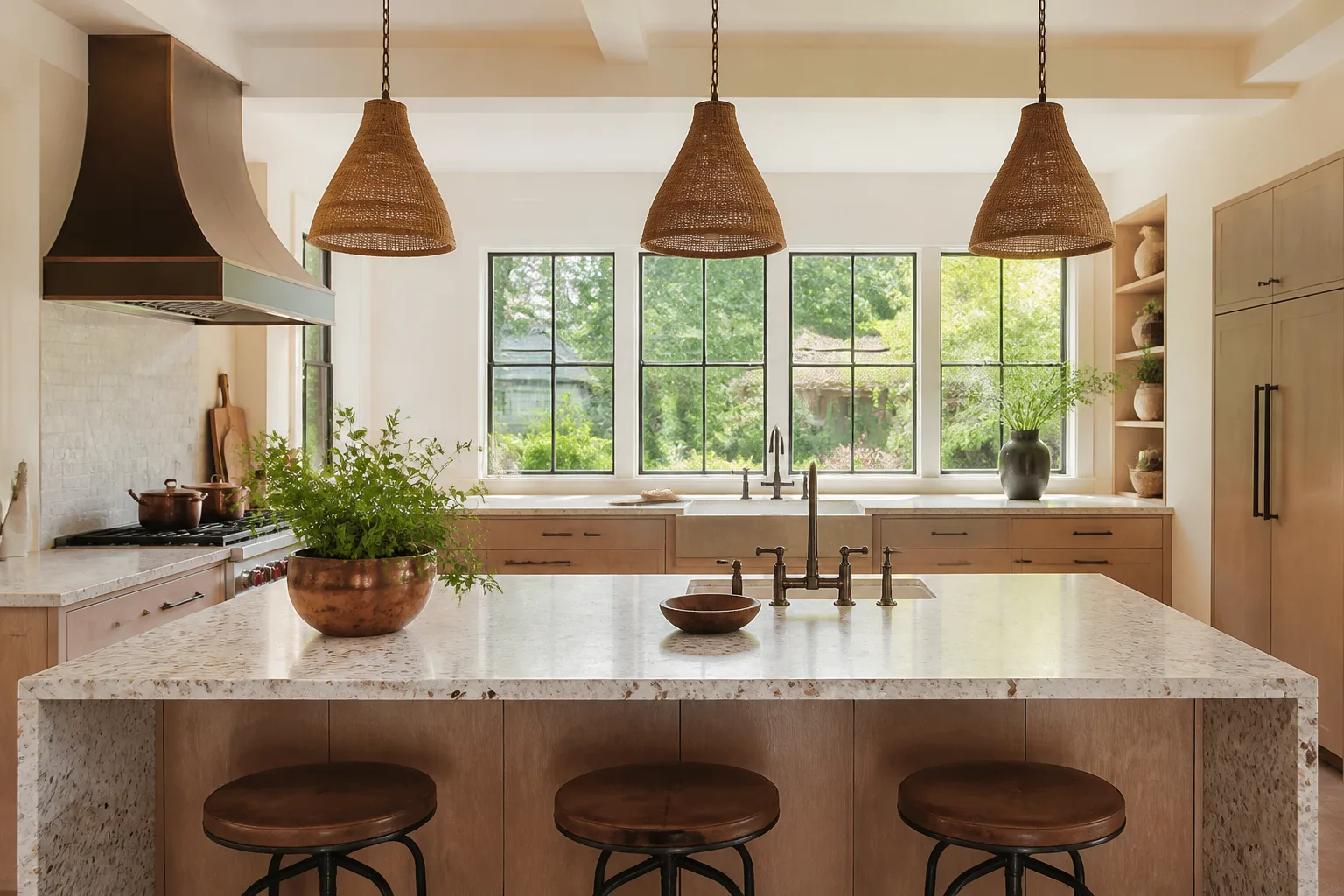
- Kitchen remodeling
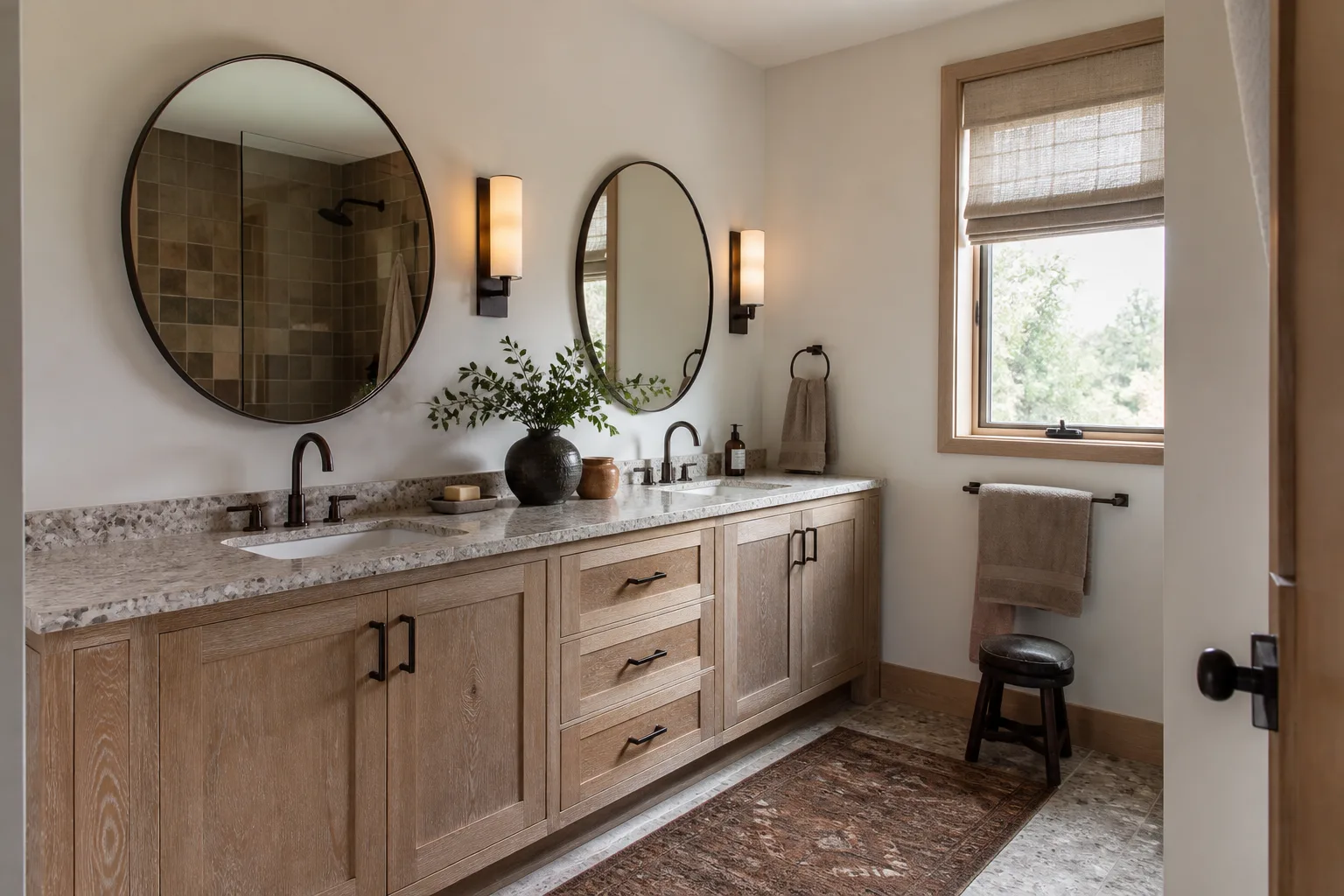
- Bathroom remodeling
- Home additions & ADU
- Roofing
- Windows & doors
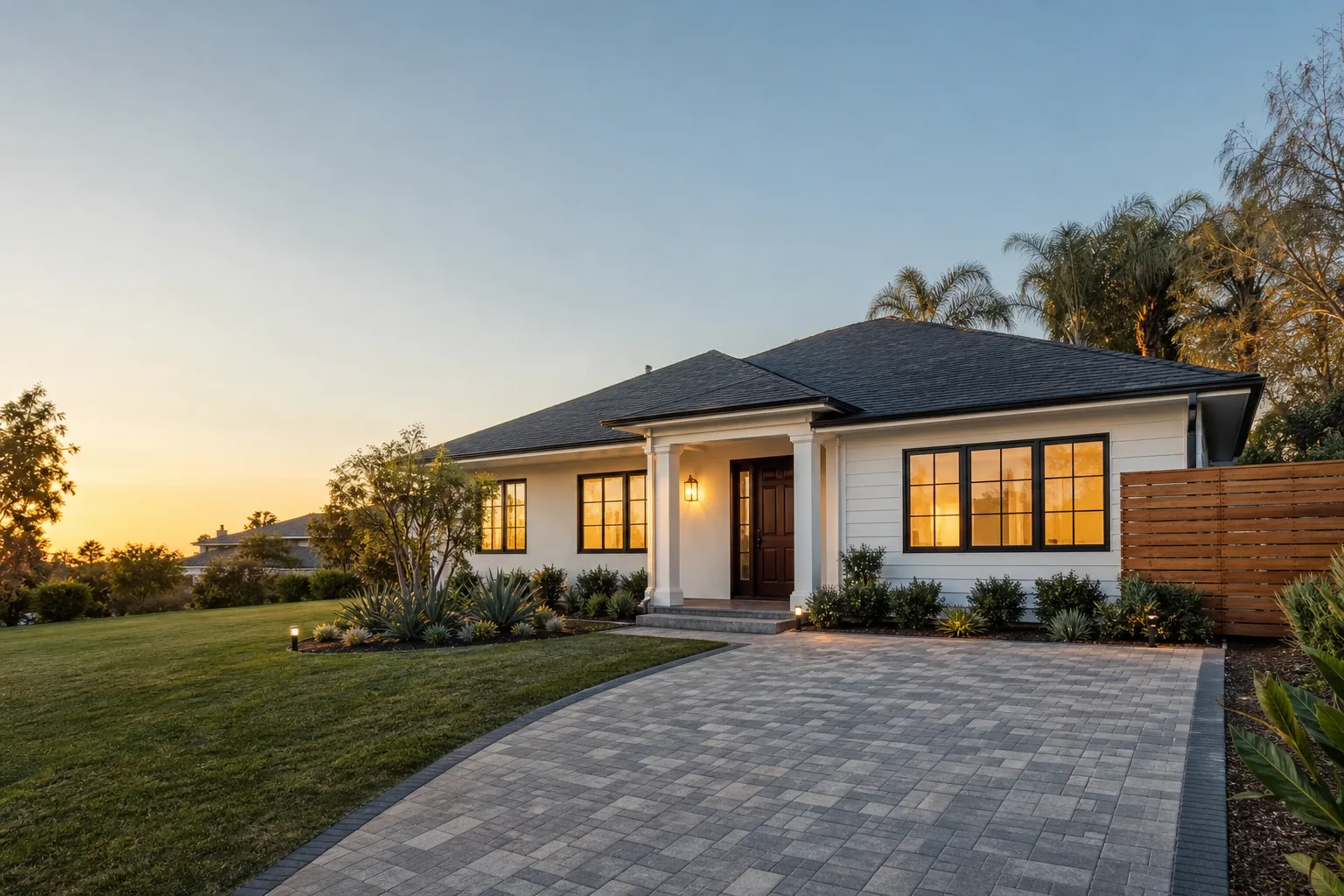
- Driveway & pavers
- Fence
Table of Contents
- How do Anaheim’s zoning districts affect your project scope?
- How does Anaheim’s climate drive material selection?
- What is the real sequence of a full-scope construction project?
- What does “full-scope” actually mean?
- How do you verify licensing and permits before signing?
- What does construction cost in Anaheim?
- Common mistakes to avoid
- Frequently asked questions
How Do Anaheim’s Zoning Districts Affect Your Project Scope?
Anaheim’s residential zoning isn’t one rulebook. It’s a set of districts, and the district your parcel sits in decides how tall you can build, how close to the property line you can get, how much of the lot can be covered by structures, and whether an addition or accessory dwelling unit is even allowed by right. A homeowner on a standard R-1 lot in West Anaheim is playing by different rules than someone near the Platinum Triangle, where mixed-use overlays and higher density allowances change what’s feasible. And a property inside one of the city’s many HOA overlays adds another layer on top of the municipal code, because HOA architectural review can be stricter than the city’s own requirements.
What this means for your project scope, in practical terms:
- Setbacks: Front, side, and rear setback minimums differ by district. A rear addition that fits comfortably on one lot may be a nonstarter two streets over.
- Lot coverage: The percentage of your lot that can be covered by buildings, patios, and hardscape has a ceiling. This directly limits how big a home addition can be.
- Height limits: Second-story additions in single-story neighborhoods frequently run into height and massing limits, and neighbors get notice.
- ADU eligibility: State law has loosened ADU rules considerably, but local implementation still matters. See our guide to Home Additions & ADU in Anaheim for how this plays out here.
- HOA overlays: Architectural review committees can dictate materials, colors, fence heights, and even roof profiles. Approval timelines run on their schedule, not the city’s.
Before you draw anything, pull your parcel’s zoning designation and confirm whether an HOA overlay applies. That single step saves weeks of design work on a scope that was never going to get approved. In our experience, the projects that go sideways fastest are the ones that started with a plan instead of a zoning check.
How Does Anaheim’s Climate Drive Material Selection?
Anaheim sits in a Mediterranean climate: hot, dry summers with intense UV exposure, and mild, occasionally wet winters. That combination stresses building materials in ways that a contractor from a colder or wetter market may not account for. Concrete in Anaheim doesn’t just crack from freeze-thaw; it cracks from thermal expansion and from soils that dry and shrink in summer, then swell after winter rains. A driveway poured to the same spec as one in the Midwest will fail here faster. That’s why we specify mixes and joint spacing for local conditions, and why we lean on brands like Quikrete and Sakrete for materials that perform in this range.
Where climate shows up in material decisions:
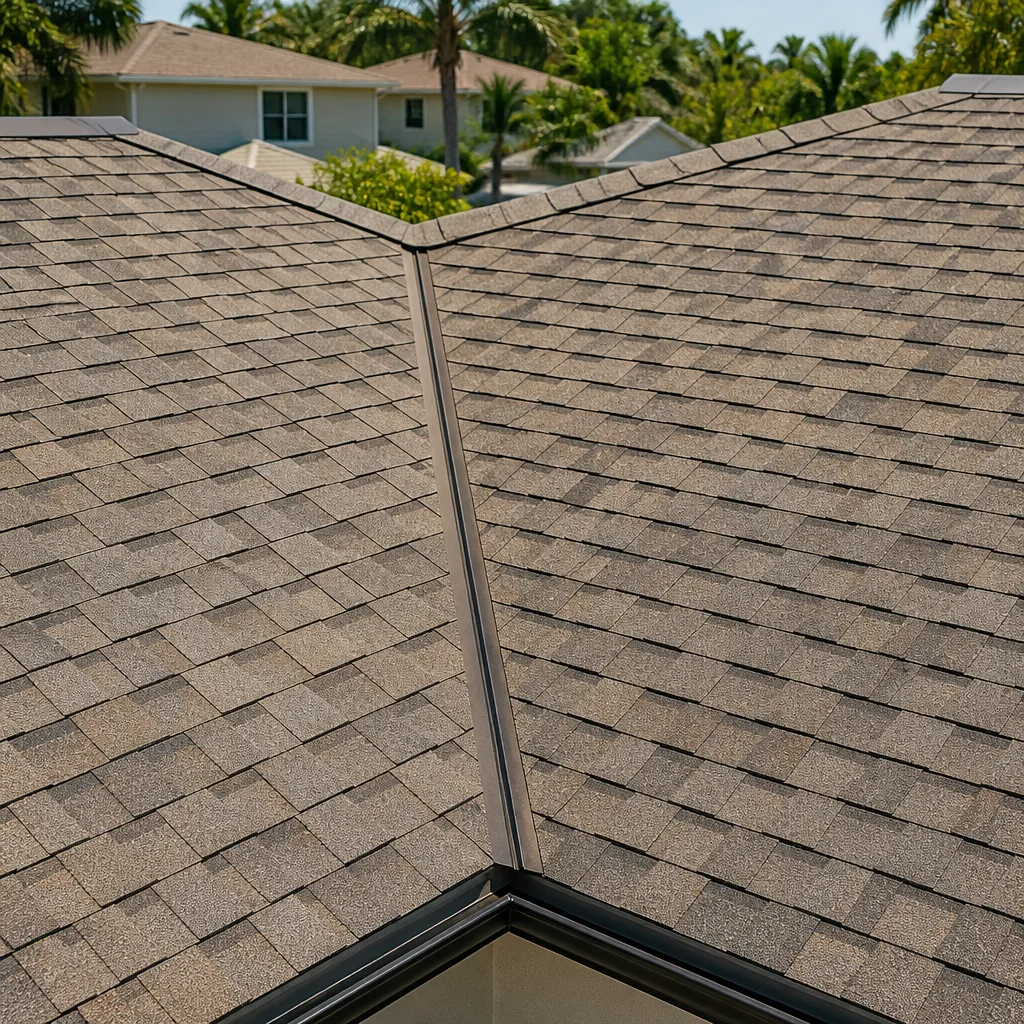
- Roofing: Asphalt shingles rated for high heat and UV hold up far better than budget lines. We install GAF and CertainTeed systems rated for this climate, because a roof here takes a beating from sun exposure that a cloudy market never delivers.
- Concrete and pavers: Proper base preparation matters more than the surface material. Expansive clay soils and dry summers mean a driveway is only as good as what’s under it. Our Driveway & Pavers in Anaheim work starts with soil and drainage, not with the finish.
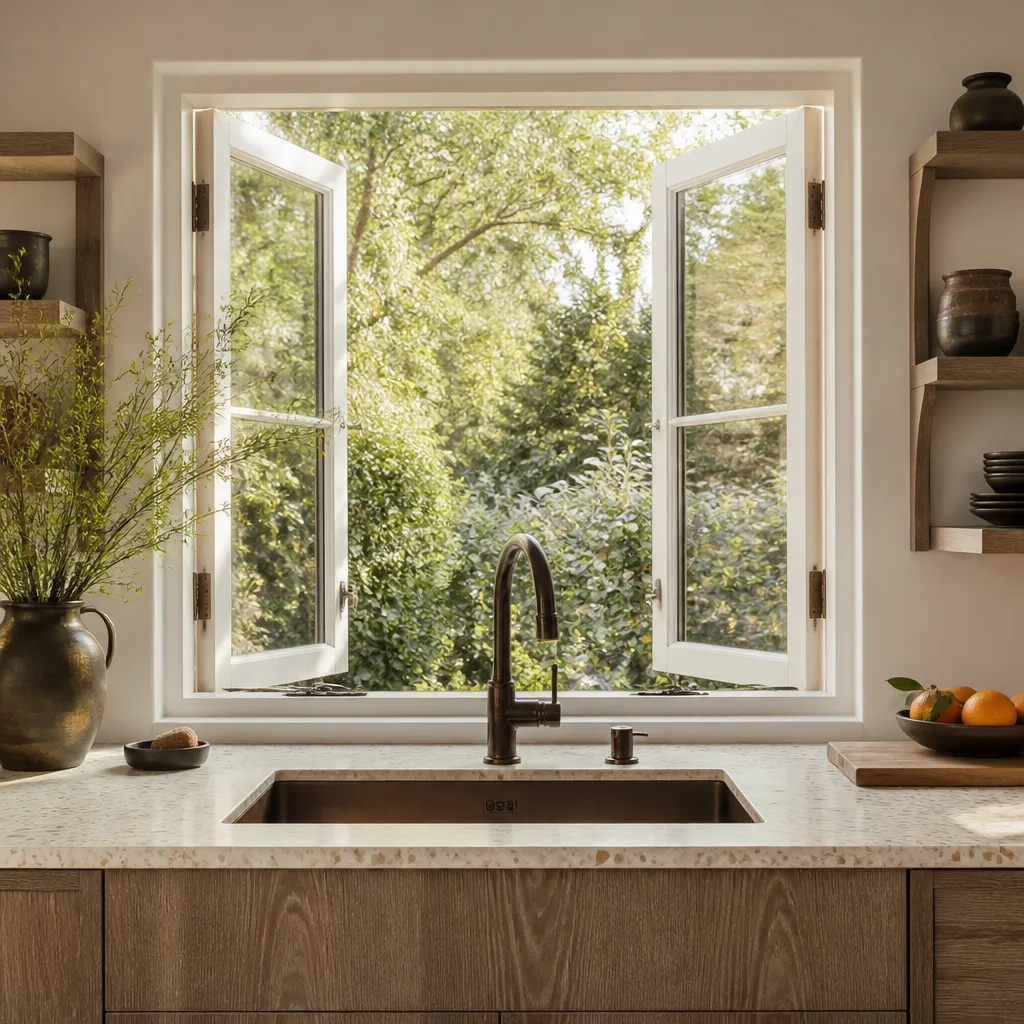
- Windows and doors: UV degradation destroys cheap seals and frames. Andersen and Marvin products hold their performance over a long horizon, which is the whole point of a long-horizon guarantee.
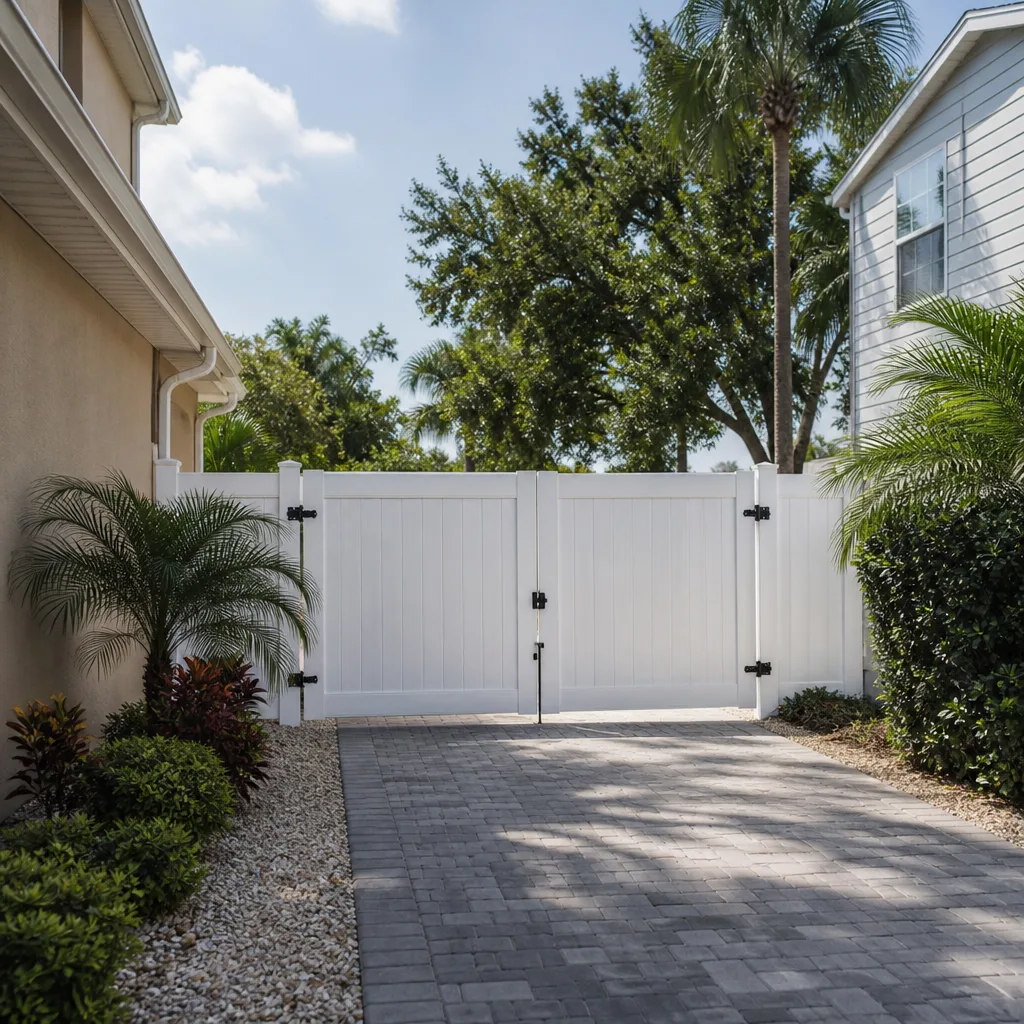
- Exterior cladding and fencing: James Hardie fiber cement and cedar alternatives resist the sun-and-dry cycle better than standard wood. Fence posts rot at the soil line after wet winters; we set them for drainage. See our Fence Installation in Anaheim page for how that’s handled.
- Paint and sealants: Exterior coatings need UV-stable formulations. A paint that lasts eight years in a cooler market may chalk in five here.
None of this is guesswork. It’s the difference between a contractor who orders what’s on the truck and one who specifies for the address. Built to last, backed in writing, starts with choosing materials that can actually last in Anaheim.
What Is the Real Sequence of a Full-Scope Construction Project?
Homeowners often picture construction as one long blur. It isn’t. A well-run project follows a sequence, and knowing it lets you spot a contractor who’s improvising. Here’s the real order of operations for a full-scope project in Anaheim:
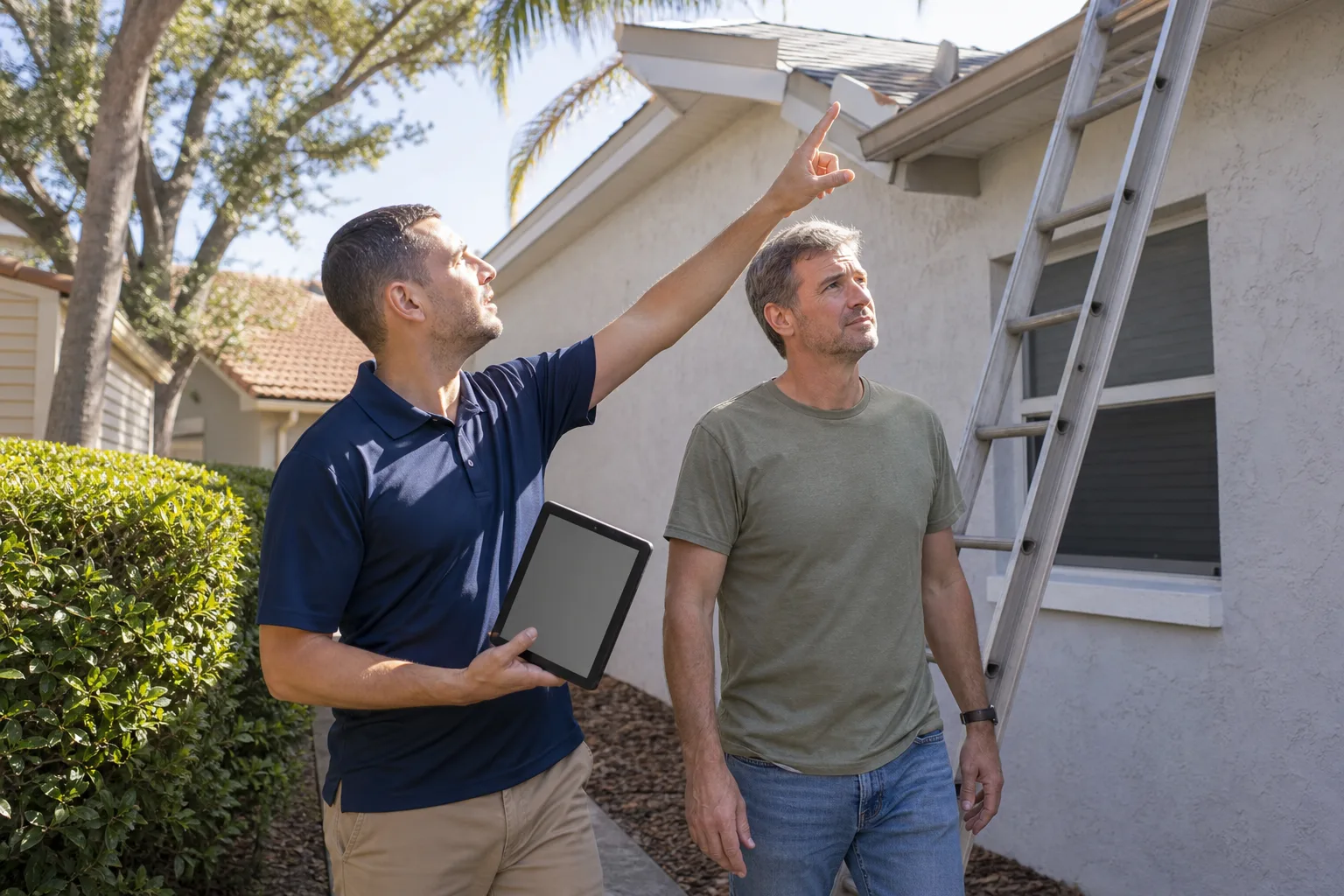
- Site assessment. We walk the property, check existing conditions, confirm zoning and HOA status, and identify what’s actually feasible before anyone designs anything.
- Design and scope lock. Drawings, material selections, and a line-item written scope. This is where the number gets fixed, not later.
- Permit application and approval. We pull the permits and manage the city review. For structural work, plan check can take weeks; skipping this step is how “small” projects become violations.
- Pre-construction scheduling. Material orders, trade scheduling, and a start date in writing. Long-lead items like windows and custom cabinetry dictate the calendar.
- Demolition and site prep. Tear-out, dumpsters, protection of everything staying. Dust control matters on a tight Anaheim lot.
- Rough-in. Framing, electrical, plumbing, and HVAC, each inspected before it’s covered up. Inspection failures here are normal and expected; hiding them is not.
- Insulation and drywall. The walls close up. After this point, changes get expensive, which is why scope lock happens early.
- Finishes. Cabinets, counters, tile, flooring, paint, fixtures. The visible phase, and the one homeowners judge everything by.
- Final inspection and sign-off. The city signs off, permits close, and you get documentation. A project isn’t done when it looks done; it’s done when it’s signed off.
- Walkthrough and warranty handoff. Punch list, final walkthrough, and the written guarantee in your hands.
Most jobs are completed in a single visit only when the scope is truly small. Larger projects run this full arc, and the contractor who can walk you through each stage, in order, with dates, is the one who’s actually done it before.
What Does “Full-Scope” Actually Mean?
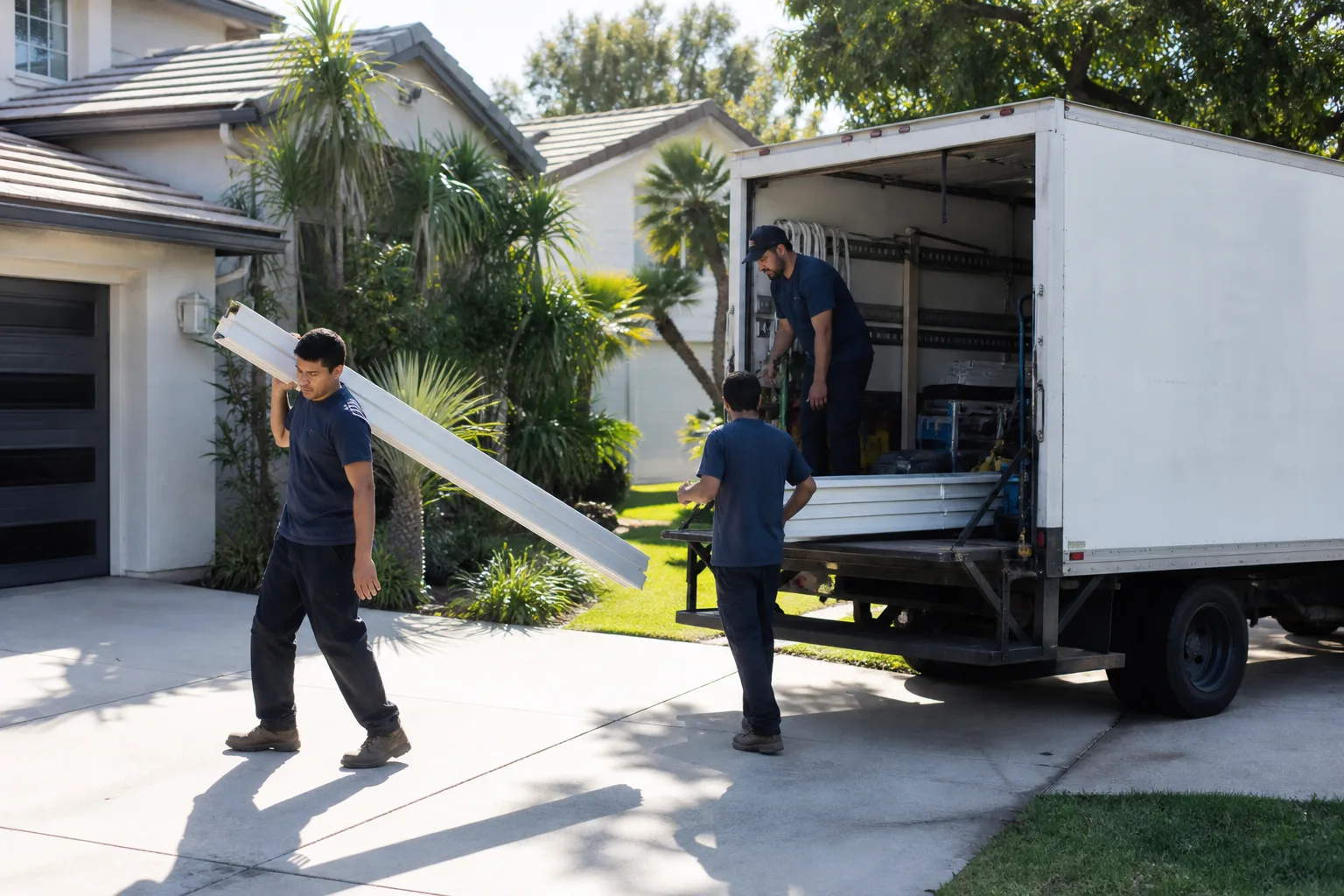
Full-scope means one contractor owns the entire project from foundation to finish line: design coordination, permits, every trade, the final inspection, and the warranty. It is not the same as a general contractor who subcontracts every phase to the lowest bidder and disappears when the framer and the electrician blame each other. The difference shows up in accountability. When one company owns the whole job, there’s no finger-pointing between trades, no gap where a subcontracted patchwork job leaves a hole, and no one to call but us if something’s wrong.
Here’s how the two models actually differ in practice:
- Single point of contact: Full-scope means one number to call, one scope document, one warranty. Patchwork means you’re the project manager, coordinating four companies who never agreed on a schedule.
- Permit ownership: A full-scope contractor pulls and closes the permits. In a patchwork job, permits often fall through the cracks, and open permits become your problem at resale.
- Warranty coverage: Our 730-Day Done Right Promise covers the work. When five different companies touch a project, each one warrants only their sliver, and the seams between them belong to nobody.
- Scheduling integrity: One company sequencing its own trades avoids the classic patchwork delay where the plumber is waiting on the framer who’s waiting on a permit nobody pulled.
- Material consistency: A curated set of brand partners across every trade means the kitchen, the roof, and the windows are specified to work together, not sourced separately by whoever showed up.
We’ve seen Anaheim homeowners pay twice for the same wall because two subcontractors each assumed the other was handling it. Full-scope exists to make that impossible. It’s also why our technicians arrive background-checked and in uniform: the person in your home is verified, and the company behind them is accountable.
How Do You Verify Licensing and Permits Before Signing?
You verify a contractor’s license and any open permits on your property through public records before you sign anything, and it takes about fifteen minutes. California licenses are checked through the Contractors State License Board, and Anaheim permit history is available through the city’s online permit portal. Open permits on a property are a red flag: they can stall a sale, trigger code enforcement, and reveal work done without inspection. Do this check on every bidder, not just the one you’re leaning toward.
A simple verification sequence:
- Look up the license. Confirm the license is active, the classification matches the work, and there are no disciplinary actions on record. The name on the license should match the name on your contract.
- Check insurance and bond. Ask for current certificates. A legitimate contractor provides them without hesitation.
- Search the property’s permit history. The city portal shows permits pulled, inspections passed, and whether any are still open. Ask the contractor to explain anything open.
- Confirm who pulls the permit. It should be the contractor, in the company’s name, with the work described accurately. A contractor who asks you to pull the permit as the homeowner is shifting liability onto you.
- Get the scope in writing. Line-item, fixed price, no change orders without your written approval. The number you see is the number you pay.
This is the step homeowners skip when they’re excited about a design, and it’s the one that matters most. If a contractor hesitates when you mention the portal, that’s your answer. Our team at Groundwork Construction Co. of Anaheim home walks every customer through this verification openly, because we’d rather earn the trust than assume it.
What Does Construction Cost in Anaheim?
Construction costs in Anaheim reflect Orange County labor rates and material pricing, which run above the national average. Exact numbers depend on scope, materials, and site conditions, but here are the ranges homeowners should budget for on common projects. Every legitimate bid should itemize to this level of detail.
| Project type | Typical Anaheim range | Main cost drivers |
|---|---|---|
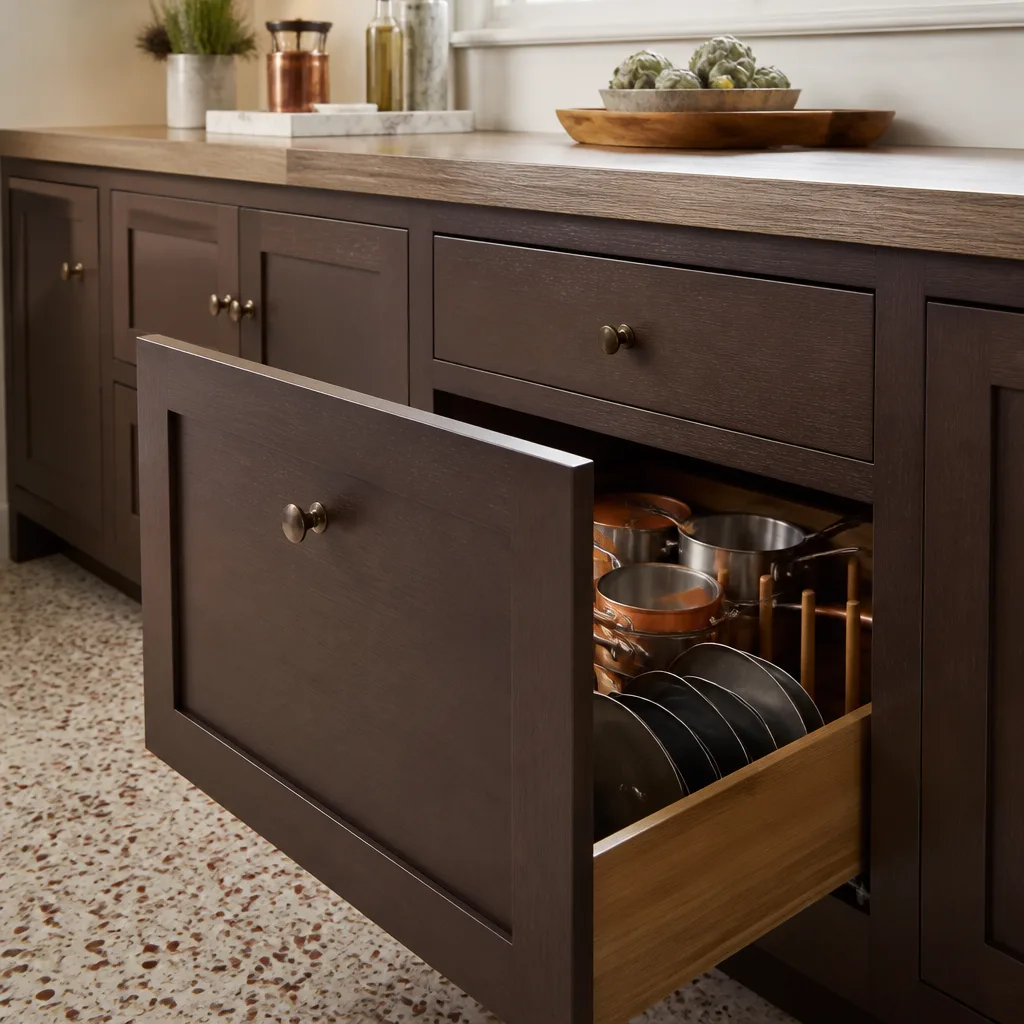
| Kitchen remodel (mid-range) | $30,000 – $75,000 | Cabinet brand, counter material, layout changes, electrical/plumbing relocation |
| Bathroom remodel | $15,000 – $40,000 | Tile, fixture brand, waterproofing, layout |
| Roof replacement | $12,000 – $30,000 | Square footage, material system, decking condition, tear-off |
| Window replacement (whole home) | $8,000 – $25,000 | Frame material, glass rating, count, custom sizing |
| Driveway or paver project | $6,000 – $20,000 | Square footage, base prep, paver selection, drainage |
| Fence installation | $3,500 – $12,000 | Linear feet, material, height, gate hardware, grading |
| Home addition or ADU | $150,000 – $400,000+ | Square footage, foundation, utility runs, finishes, site constraints |
Treat these as planning ranges, not quotes. A firm number requires walking the property, because Anaheim’s varied lot conditions and soil behavior change foundation and drainage costs dramatically from one address to the next. Get a free project estimate and design consult before you commit to a budget you built from a table alone. And know the structures that protect you: fixed pricing, no surprise change orders, and 0% financing for 18 months, plus $1,000 off projects over $10,000, make a large project financially manageable without hiding costs in the fine print.
Common Mistakes to Avoid
- Skipping the zoning and HOA check. Designing before you confirm your district’s setbacks and any HOA overlay means you may fall in love with a plan the city or the HOA will never approve. Check first, design second.
- Accepting a ballpark bid. A single-line “kitchen: $45,000” bid tells you nothing and leaves room for endless additions. Insist on a line-item written scope with a fixed price.
- Letting the contractor skip permits. Unpermitted work in Anaheim becomes an open permit at resale and a code enforcement issue for you. Permits pulled and inspections passed are non-negotiable.
- Choosing materials for price over climate performance. A budget roof or thin concrete that works in a mild market fails in Anaheim’s heat and UV. Specify for this climate, not the catalog’s cheapest page.
- Hiring separate trades yourself. Coordinating a plumber, electrician, and framer as a homeowner sounds cheaper until the schedule collapses and everyone blames everyone else. Full-scope ownership prevents that.
- Not verifying the license and open permits. Fifteen minutes on the state board and city portal protects you from a decision that costs tens of thousands to undo.
- Ignoring the wet-winter drainage picture. Anaheim’s dry summers hide drainage problems until the first hard winter rain. Grade, gutters, and hardscape drainage need planning up front, not patching later.
See the difference
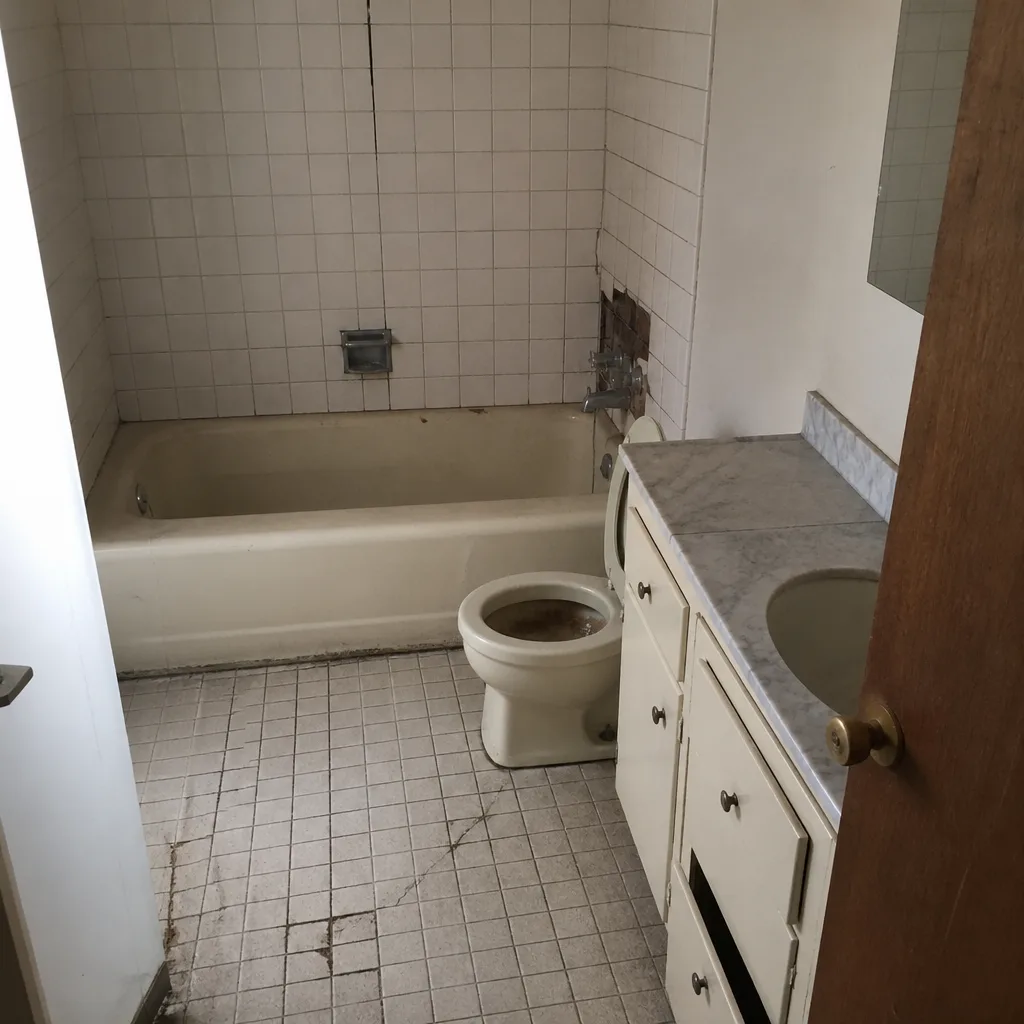 Before
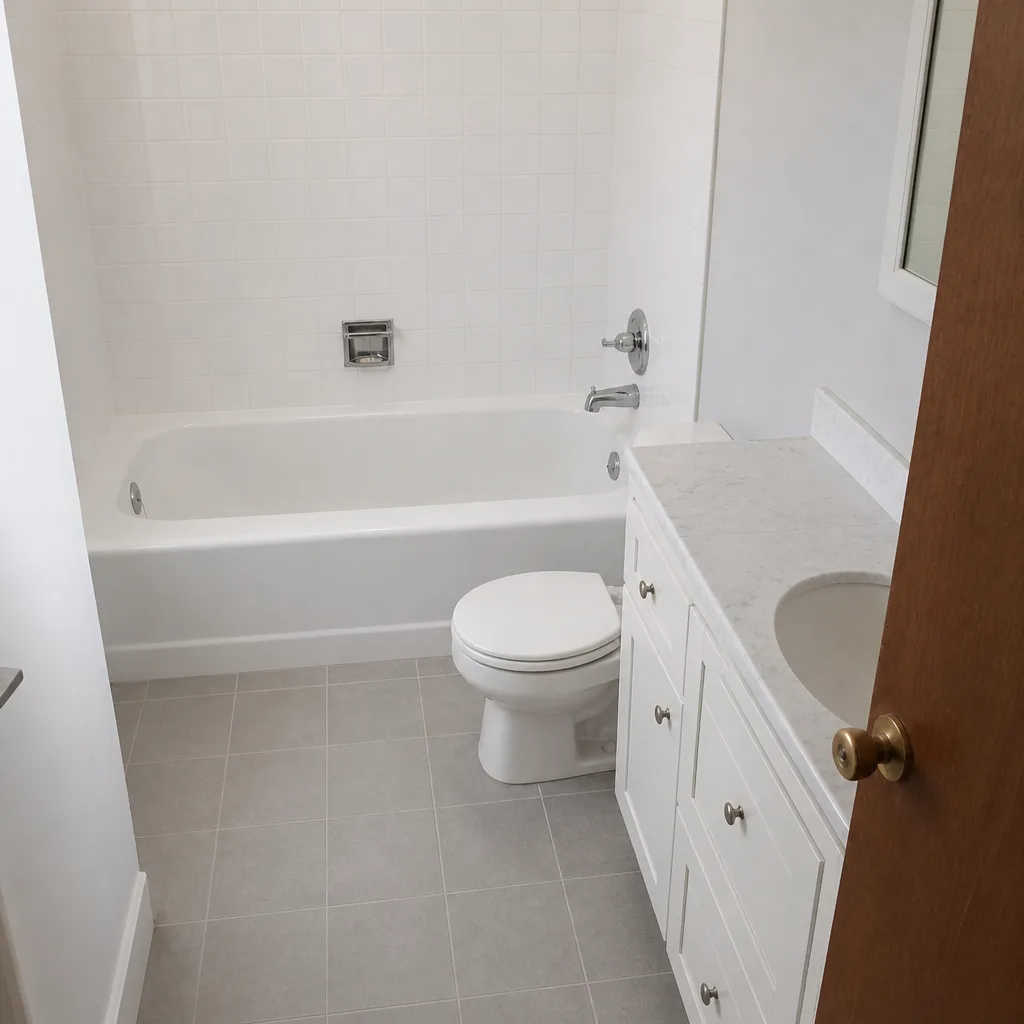 After
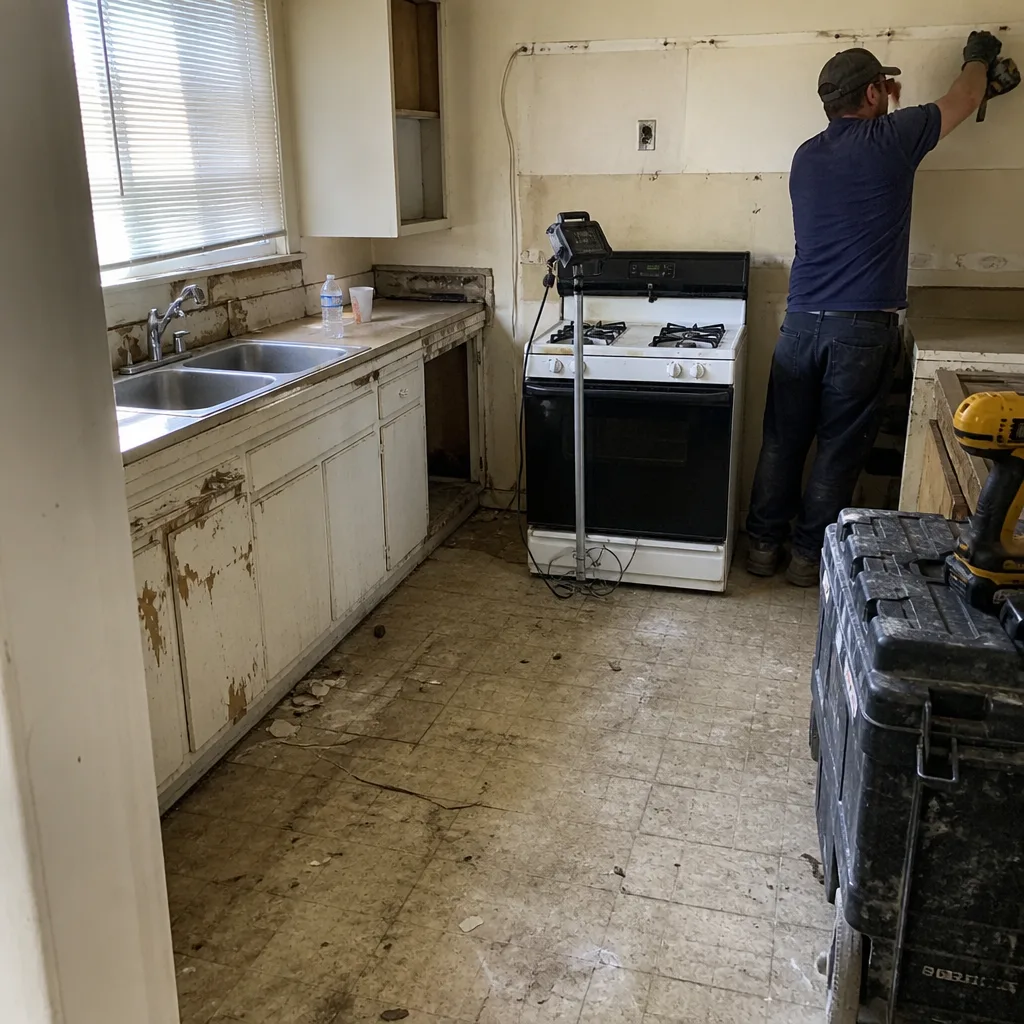 Before
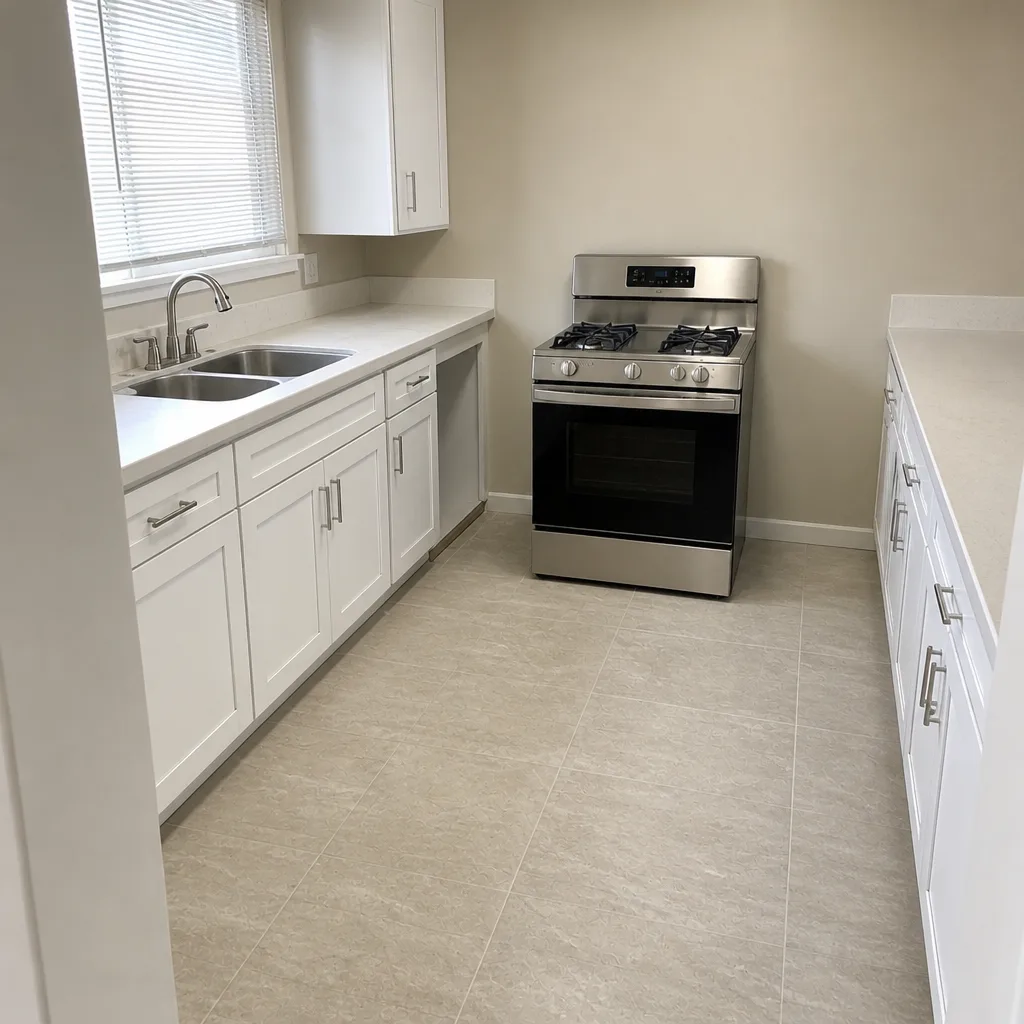 After
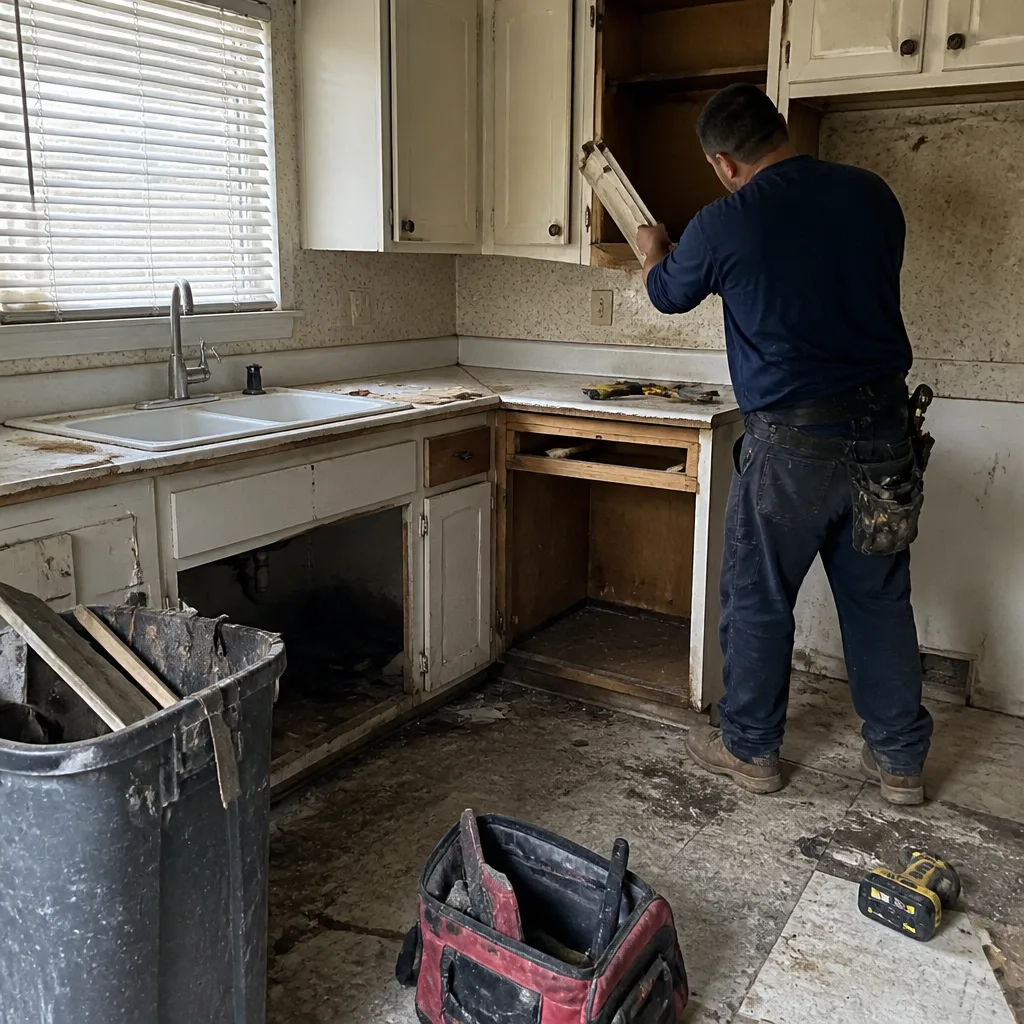 Before
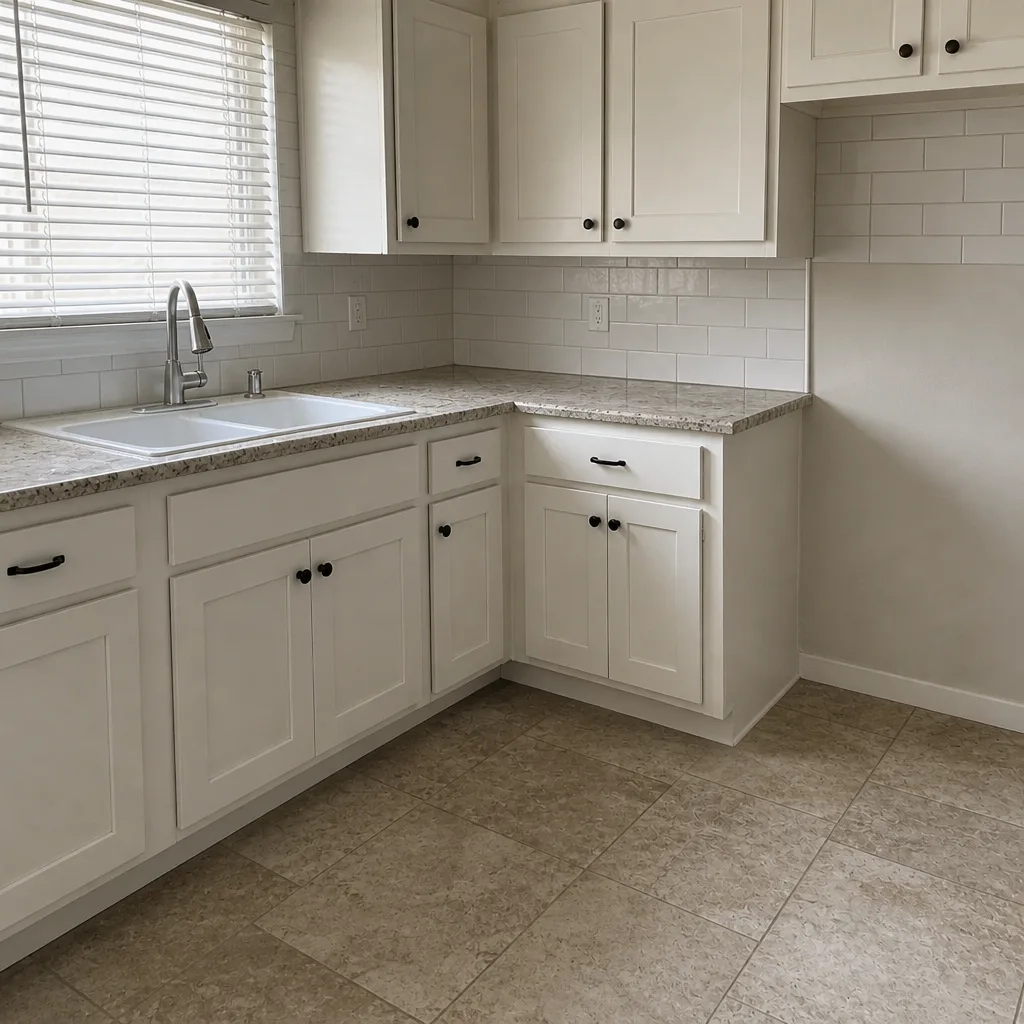 After
When to Call a Professional
Call a professional before you sign, not after. If you’re planning a kitchen or bathroom remodel, an addition or ADU, a roof replacement, window and door upgrades, or a driveway, fence, or paver project, a licensed contractor should assess the site, confirm zoning and HOA conditions, and give you a written scope before any money changes hands. Call immediately if you’ve found open permits on the property, if a previous contractor left work unpermitted or incomplete, or if a structure shows signs of failing, like shifting foundation, roof leaks, or a fence line pulling away from posts after winter rains. Groundwork Construction Co. of Anaheim offers free estimates in Anaheim, and our calls are answered by a live person, 24/7, no voicemail. Call (888) 300-3178 to schedule your free estimate.
Frequently Asked Questions
Yes. Additions and ADUs require permits, plan review, and inspection sign-off in Anaheim, and the scope of review depends on your zoning district and whether an HOA overlay applies. Pulling permits is the contractor’s job, not yours, and we handle the application and inspections as part of the project. Call (888) 300-3178 for a free estimate and a clear picture of what your project will require.
A mid-range kitchen remodel in Anaheim typically runs $30,000 to $75,000, driven mainly by cabinet brand, counter material, and whether plumbing or electrical gets relocated. Custom layouts and premium finishes push toward the top or beyond. Call (888) 300-3178 for an exact quote, because estimates and design consults are free.
No, not under our process. We lock the scope and price in writing before construction begins, and change orders only happen if you request a change and approve it in writing. Hidden-cost surprises are what we’re explicitly built to eliminate. Call (888) 300-3178 for a fixed, line-item quote.
Look up the contractor’s license through the Contractors State License Board to confirm it’s active, the classification matches the work, and there are no disciplinary actions. Then check the city’s permit portal for open permits on your property and confirm the contractor pulls permits in the company’s name. We’re happy to walk you through this on the phone; call (888) 300-3178.
Anaheim’s hot dry summers and wet winters mean UV-rated roofing, properly based concrete and pavers, and UV-stable windows and cladding matter more here than in milder markets. Material selection should be specified for these conditions, not pulled from a generic catalog. Call (888) 300-3178 and we’ll walk through the right materials for your address.
Our 730-Day Done Right Promise covers the workmanship on your project for two years: if it’s not done right, we make it right. It’s one of the longest workmanship guarantees in residential construction, and it’s in writing, not just on the website. Call (888) 300-3178 to see how it applies to your project.
The Bottom Line
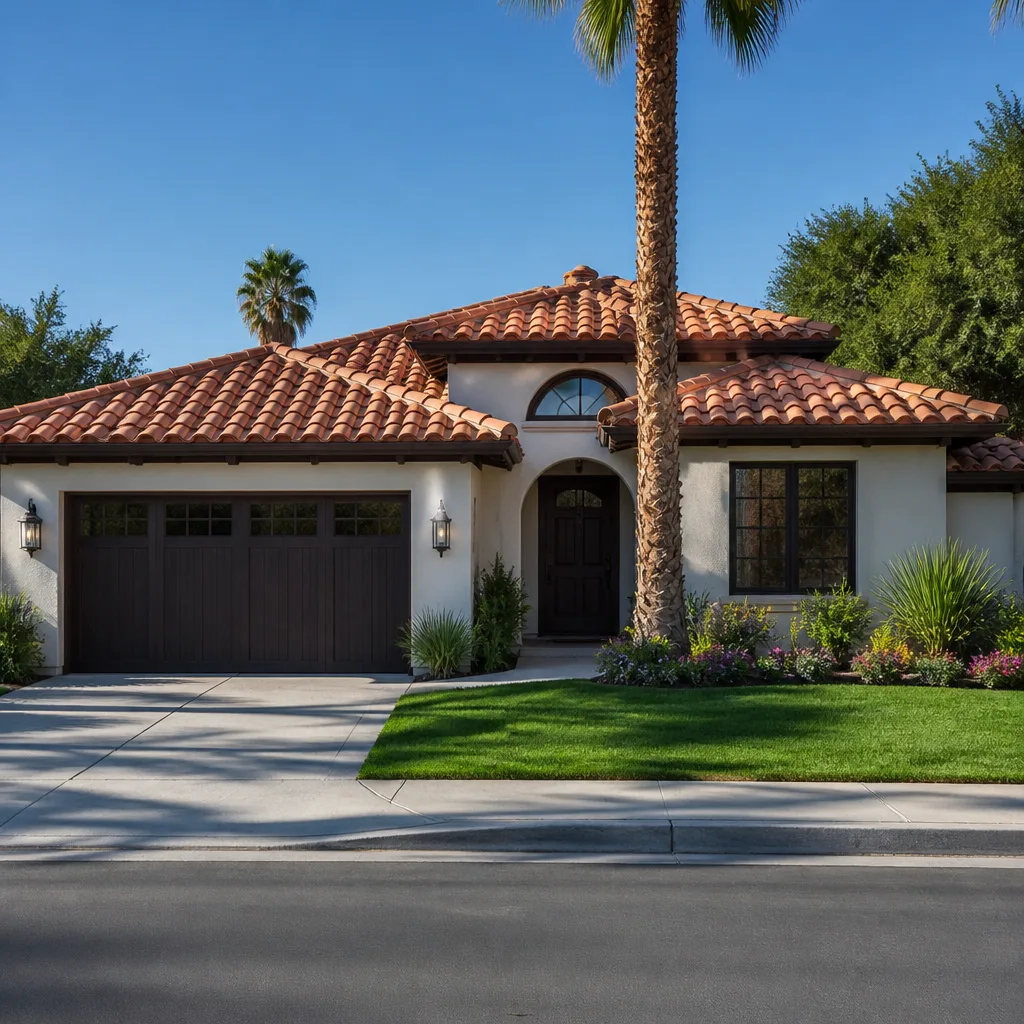
Building in Anaheim comes down to preparation: confirm your zoning district and any HOA overlay before designing, specify materials for this climate rather than a generic catalog, follow the real project sequence from site assessment through final inspection sign-off, and verify licensing and open permits on the city portal before you sign anything. Insist on a fixed, line-item written scope from one accountable contractor who owns the entire job, not a patchwork of trades. Groundwork Construction Co. of Anaheim handles all of it from foundation to finish line, backed by the 730-Day Done Right Promise. Call (888) 300-3178 to schedule your free estimate and design consult.
Written by the team at Groundwork Construction Co. of Anaheim.