Last updated November 18, 2026

Free written scope consultation - allowances, timeline, and change-order rules on paper before a single trade is scheduled
DIY vs Professional Construction: The Anaheim Homeowner’s Decision Guide
In California, certain construction work performed without a licensed contractor can void your homeowner’s insurance coverage for related claims. That means a DIY retaining wall that fails during a winter storm isn’t just a property problem, it’s an uninsured one. Most Anaheim homeowners weighing DIY against a professional crew fixate on skill, but skill is the easiest part to settle. The harder questions are liability, permits, and what the work has to survive legally and physically. This guide draws the line honestly: which projects in Anaheim are genuinely DIY-appropriate, which ones look simple but carry hidden risk, and how to price out a DIY attempt against a professional bid without fooling yourself.
Quick Answer
In Anaheim, DIY makes sense for cosmetic and non-structural work that falls under the California contractor license threshold, while anything that touches structure, gas, high-voltage electrical, plumbing systems, or requires a permit should go to a licensed professional. The dividing line isn’t whether you can physically do the work. It’s whether the work, once done, is legal, insurable, and built to hold up against Anaheim’s clay soils, dry summers, and winter rain.
Styles & brands we work with
- Kitchen remodeling
- Bathroom remodeling
- Home additions & ADU
- Roofing
- Windows & doors
- Driveway & pavers
- Fence
Table of Contents
- What California’s $500 Contractor Threshold Actually Means for DIY
- Projects in Anaheim That Are Genuinely DIY-Appropriate
- Projects That Look Simple but Carry Hidden Liability
- How to Calculate the True Cost of DIY vs a Professional Bid
- Where a Failed DIY Attempt Costs More to Fix Than Hiring Correctly
- The Hybrid Approach: Prep and Finish Work You Keep, Licensed Portions You Hire
- How to Read a Professional Bid Like a Contractor
- What Makes Construction in Anaheim Different
What California’s $500 Contractor Threshold Actually Means for DIY
California’s Contractors State License Board sets the threshold at $500 in combined labor and materials. Any project where the combined cost of labor and materials exceeds $500 legally requires a licensed contractor. The threshold resets per project, not per year, so you can’t split one $4,000 job into eight $499 invoices to sidestep it. Here’s what the rule does and does not do:
- It covers most real remodeling work. A bathroom that costs more than $500 in labor and materials together sits above the threshold. The same is true of a roof repair, a fence installation, or a driveway replacement.
- It triggers permit requirements in Anaheim. The City of Anaheim requires permits for structural, electrical, plumbing, and mechanical work, plus additions, pools, and most exterior modifications. Permit work essentially never falls below the threshold.
- It protects you, not the contractor. Hiring an unlicensed contractor who exceeds $500 is legal trouble for them, but the insurance headache lands on you. Most homeowner policies exclude claims related to unpermitted or improperly performed work, so a failed unpermitted deck is a you problem.
- It affects resale. When you sell, Anaheim buyers and their inspectors will ask to see permits for any major work. Unpermitted work often stalls a sale or forces a price reduction that dwarfs what you saved.
What the threshold does not mean: it doesn’t mean every small job needs a contractor. Its purpose is to protect you from real risk on real scope. Use it as your first filter, then keep reading for the projects that pass through.
Projects in Anaheim That Are Genuinely DIY-Appropriate
None of the work below requires a permit in most Anaheim cases and none of it carries the structural or liability risk that makes DIY dangerous. These are the projects we tell homeowners to feel confident tackling themselves:
- Interior painting. A kitchen or bedroom repaint is a weekend job with a couple hundred dollars in materials. No permit, no liability, and a botched patch is easily sanded out.
- Cabinet hardware and pulls. Installing knobs and drawer pulls is a drill-and-screw job with almost no risk. If you’re replacing cabinet boxes, that’s a different conversation.
- Light fixture swaps (same circuit). Replacing a fixture on an existing junction box is DIY-appropriate in California. Adding a new fixture with new wiring is not.
- Landscaping bed work. Mulching, planting, edging, and re-grading a flowerbed are all fine. Do not touch the slope of the ground next to your foundation.
- Fence board replacement. Replacing a few pickets or boards on an existing fence is low-risk. Installing a brand-new fence requires a permit and is a different scope entirely.
- Caulking and weatherstripping. Sealing windows and doors is one of the highest-value DIY projects in Anaheim, where we routinely see air leaks at original 1970s and 1980s window frames.
- Pressure washing. Concrete driveways, patios, and siding all get a visible lift from a rented pressure washer and an afternoon. Careful with soft stucco around original Anaheim bungalows.
- Tile backsplash in a kitchen. A straight-set ceramic backsplash over drywall is genuinely a beginner tile job. If the wall behind it has significant water damage, stop and call someone.
- Interior door and trim swaps. Swapping a hollow-core door or replacing baseboard is a finish-work project that lives inside the $500 threshold per item.
- Shelving and closet build-outs. Freestanding or wall-anchored storage systems are a safe DIY project with a drill, a level, and a Saturday.
The pattern: cosmetic, reversible, non-structural. If you screw it up, you can undo it without cutting into the home’s shell or touching a system.
Projects That Look Simple but Carry Hidden Liability
These are the jobs that trip up confident Anaheim homeowners. Each one looks like a weekend project and each one carries consequences that don’t show up until months later, often triggered by a buyer’s inspector or a winter storm.
- Garage door springs. High-tension torsion springs are genuinely lethal if they snap during handling. Never DIY. This is one of the non-negotiables in the trades and professional installers carry the tools and the training to do it safely.
- Retaining walls over 4 feet. Anything over 4 feet above grade, and any wall holding back a slope, requires an Anaheim permit and typically engineering. In our experience, walls around Anaheim Hills often fail because homeowners underestimate how saturated our clay soils get after a rainy January. An unpermitted wall that slides into a neighbor’s yard is a lawsuit, not a repair.
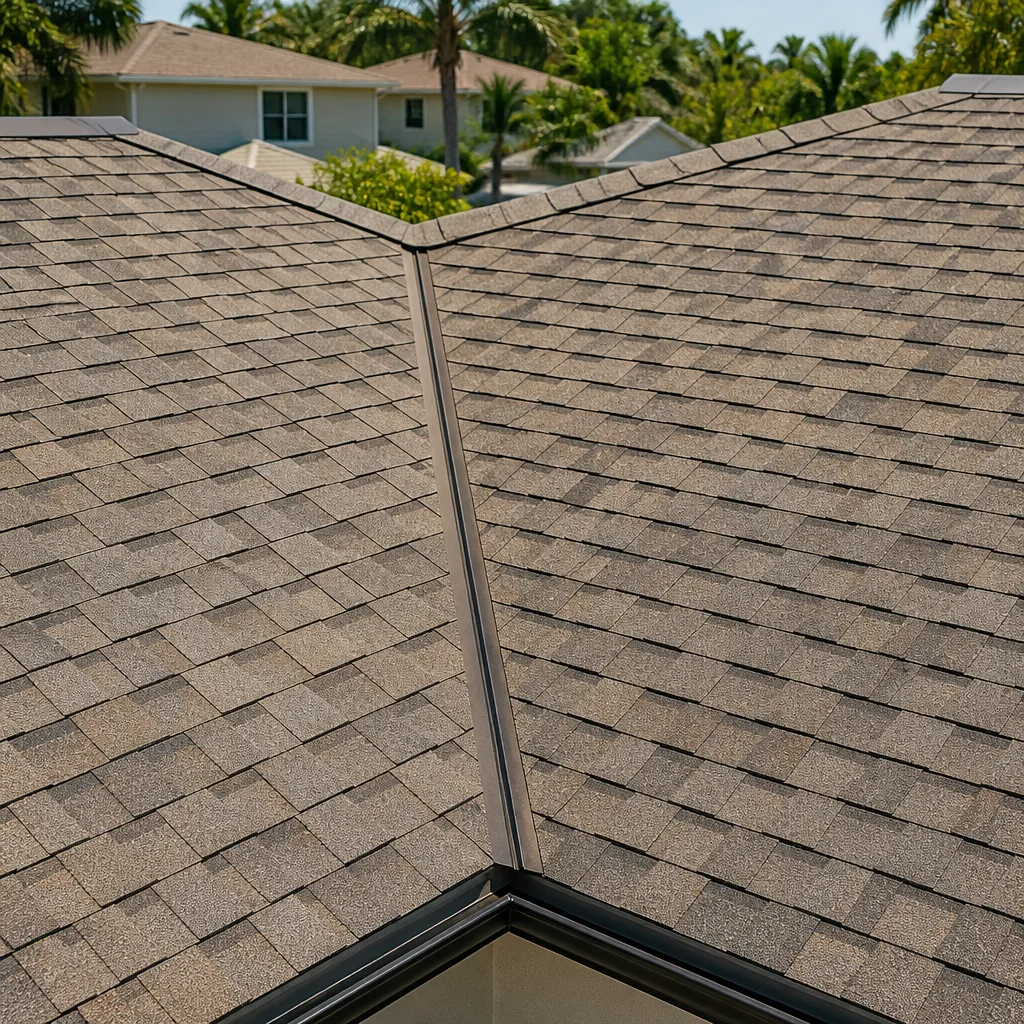
- Roof repairs and re-roofs. A few missing shingles look like a fast fix. Full re-roofs require permits, inspections, and specific underlayment and flashing standards under California code. Getting flashing wrong is not a cosmetic issue. It’s water inside your ceiling.
- Electrical panel work. Opening a panel to add a circuit or swap a breaker is standard professional work. The mistake we see is a homeowner adding a 220V circuit for an EV charger or hot tub themselves. The consequences are fire, insurance denial, and a much bigger bill later.
- Gas line work. Any modification to gas plumbing requires a licensed plumber and a permit. A leak you can’t smell is a serious risk, and this is a hard stop for DIY.
- Any structural wall removal. The “open concept” trend has cost more Anaheim homeowners money than almost any other renovation ambition. If the wall is load-bearing, even in a garage, it needs an engineer, a permit, and a contractor.
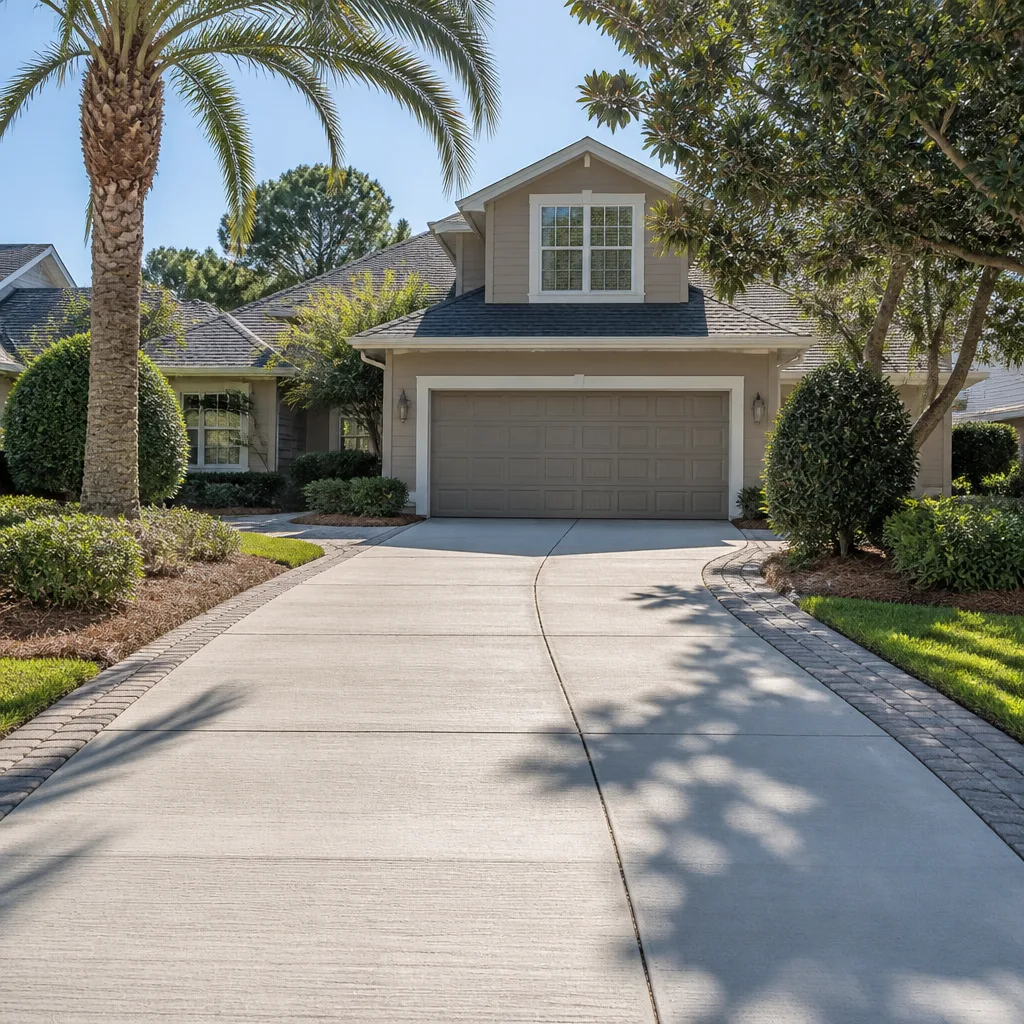
- Driveway and paver base prep. Looks like shoveling and grout. In fact, sub-base compaction and drainage slope determine whether that paver field survives its first spring. Our team handles driveway & pavers in Anaheim precisely because the parts that fail are the parts you can’t see when the job’s finished.
- Fence installation. New fencing in Anaheim requires a permit and, in many cases, is a shared-property question under California’s good-neighbor fence rules. We see disputes come up over property-line accuracy, and the fix requires a surveyor, not a contractor.
- Window replacement. Swapping a window looks mechanical. In California, replacements need Title 24 compliance and correct flashing around the rough opening. Improper flashing on a new window is a slow leak that shows up two winters later as rot in the wall cavity.
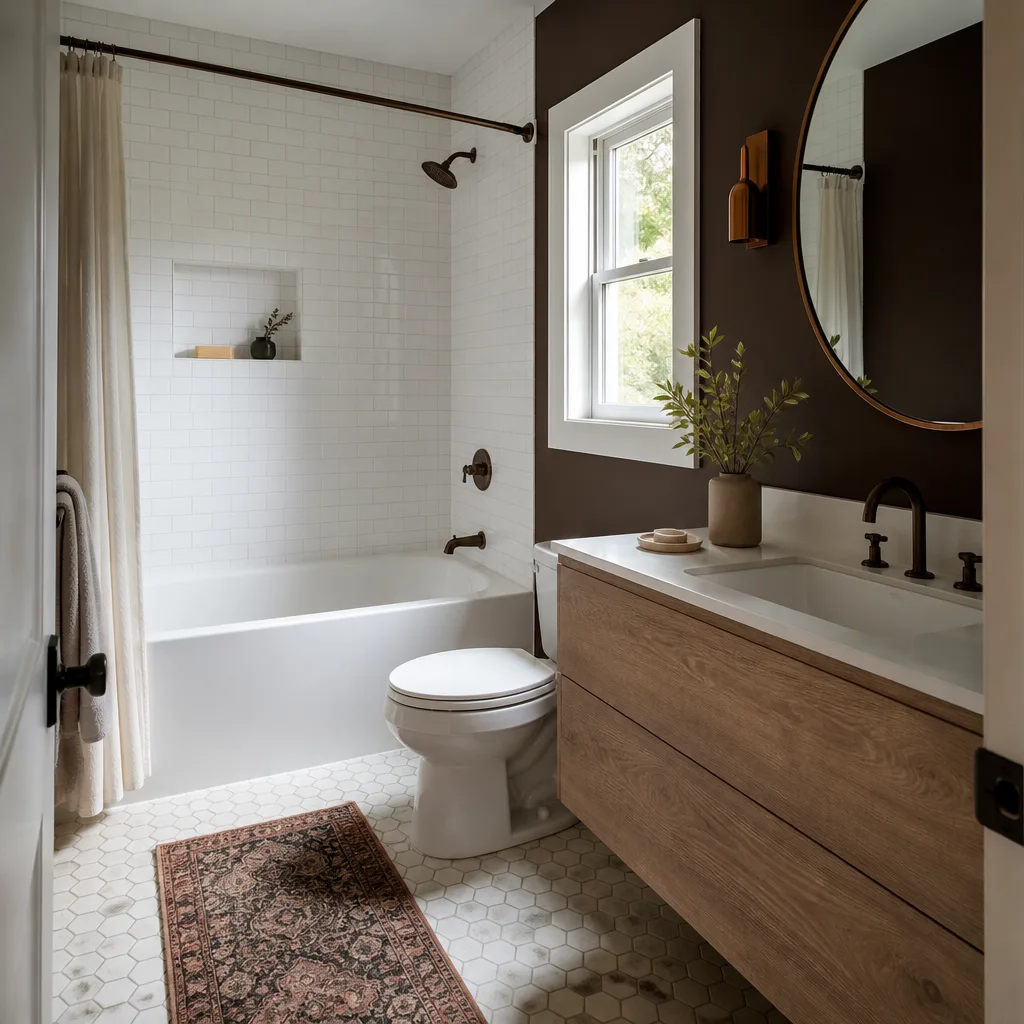
- Bathroom remodels. Almost every full bath touches plumbing, electrical, and waterproofing. Waterproofing is where the real damage lives: a failed shower pan is a $10,000 – $25,000 fix once it rots the subfloor and the ceiling below.
These aren’t warnings meant to scare you off renovation. They’re the honest line: some work carries consequences that outstrip any savings you’d get from doing it yourself.
How to Calculate the True Cost of DIY vs a Professional Bid
Homeowners routinely compare the DIY material cost to the professional bid and feel like the bid is inflated. It isn’t. Here’s how to price a DIY attempt honestly, using a moderate kitchen backsplash project as the example:
- Add up materials you’ll actually buy. Not the idealized list. Include the second box of tile you need after you mismeasure, the extra thinset, the correct notched trowel, grout sealer. Real material cost usually runs 15 – 25% above the plan for first-time DIYers.
- Add tool rentals or purchases. Tile saw rental is often $60 – $90 per day in Anaheim. If you buy a wet saw instead, you’re at $250 – $400 for a tool you may use once. Factor in blades, float, and mixing paddle.
- Add permit fees. For permit-required projects, Anaheim permitting fees vary by scope but commonly land in the $300 – $1,500 range for residential work. Add inspection-related time off work.
- Add material waste. Pros buy 10% overage and factor waste into the bid. DIYers buy 10% overage only if they’re being disciplined. Waste disposal is often a hidden cost: hauler fees for tile, grout buckets, and old materials commonly run $250 – $500 per trip.
- Add your time in real dollars. A kitchen backsplash takes an experienced installer 1 – 2 days. A first-timer takes 4 – 6 days spread over weekends. If your weekend is worth $400 – $800 in income or rest, that’s a real cost. Add in the second weekend to fix what went wrong.
- Add the redo risk. Assume one do-over. Tiles set on unlevel thinset are tear-out-and-restart. That’s another $200 – $400 in material and another weekend.
When we walk Anaheim homeowners through this math for a mid-scope bath or kitchen job, the DIY savings shrink fast. For pure cosmetic work, DIY often still wins. For anything permitted or system-touching, the professional bid is usually cheaper than an honest DIY budget. That’s not a sales pitch, it’s arithmetic.
Where a Failed DIY Attempt Costs More to Fix Than Hiring Correctly
Some DIY failures are quick fixes. Others trigger cleanup costs that dwarf the professional bid you were avoiding. These are the categories where we’ve personally seen the worst math:
- Shower pans. A failed shower pan from a DIY install typically costs $8,000 – $20,000 to correct once it’s soaked through the subfloor and ceiling. The original professional bid for that job would have been a fraction of that.
- Ungrounded electrical additions. A DIY circuit that fails inspection often has to be torn out and re-run from the panel. Anaheim electrical permits typically require the correction to be permitted retroactively, which doubles the paperwork and the cost.
- Roof flashing around a skylight or chimney. A small leak from wrong flashing is a $300 fix. Three winters later it’s a $4,000 – $9,000 rot remediation project that involves pulling shingles, replacing sheathing, and repairing interior drywall.
- Unpermitted additions. This is the worst one. A homeowner who builds a $40,000 unpermitted add-on often finds that fixing the code problems, pulling the permits retroactively, and passing inspections runs another $15,000 – $40,000. In some cases the city requires partial demolition. Our team handles home additions & ADU in Anaheim specifically because this category almost always involves permits, engineering, and a real inspection schedule.
- Tiled pans and curbless showers. Waterproofing failures in a curbless shower are invisible until the damage reaches the room below. Anaheim’s slab-on-grade construction hides the problem longer, which means it goes deeper before you notice.
- Fence and gate installs. A leaning fence from weak posts isn’t a repair, it’s a rebuild. Pulling posts and re-setting in Anaheim clay often means tearing out the whole run and starting again.
The pattern: any DIY failure that involves water intrusion, unpermitted scope, or electrical inspection is more expensive to fix than the original professional bid.
The Hybrid Approach: Prep and Finish Work You Keep, Licensed Portions You Hire
One of the most underused strategies we see smart Anaheim homeowners use: split the work by risk, not by convenience. Do the parts you can legally and safely handle, hire the licensed scope. Here’s how that breaks down:
- Prep you can usually do first. Demo of non-structural surfaces, tear-out of old flooring, moving furniture, clearing access, trimming landscaping ahead of a fence install. Prep work saves real labor cost because it’s the least-skilled part of any job.
- The licensed scope you should not touch. Framing that affects structure, electrical, plumbing, gas, HVAC, roofing, and waterproofing. These sit with a licensed contractor, and any honest one will tell you they aren’t negotiable.
- Finish work you can usually keep. Interior paint, trim, hardware install, closet systems, and often tile setting in already-prepared spaces. If your bathroom tile installer scoped the floor prep and backer board, laying straight-run floor tile is a common homeowner finish task.
- How to structure the contract. Be upfront. When you’re interviewing contractors, tell them what you’re doing yourself. A good one will outline what needs to be ready before they start. A contractor who won’t quote a job because you’re doing the demo is a contractor who’s offering to do the whole project or nothing.
- Get the finish scope in writing anyway. Even if you keep the paint, ask the contractor to walk through what their scope includes and where their insurance stops. A handshake on “you paint the bedrooms” is a handshake that fails when a bedroom wall gets damaged during install.
This hybrid approach is common on Anaheim remodels in older neighborhoods like West Anaheim and the Colony District, where the tear-out is substantial but the finish work is genuinely within reach.
How to Read a Professional Bid Like a Contractor
Half of the DIY-vs-pro decision comes down to whether the professional bid looks trustworthy enough to justify the price. It should. A real bid is a fixed scope document. The bids that drive homeowners to DIY are almost always the vague ones. Here’s what to look for:
- Line-item scope. Every trade is spelled out separately: framing, drywall, electrical, plumbing, tile, finish. Lumped bids (“$38,000 for the whole kitchen”) are a red flag for scope creep.
- Explicit material specs. Brand, model, and color are named for each material. A bid that says “premium fixtures” without a brand means you’re not sure what’s coming.
- Fixed price with a change-order clause. The number you see should be the number you pay, with an explicit statement of what triggers a change order. If the bid doesn’t say that, ask.
- Permit language. A good bid says who pulls the permits and who pays. In Anaheim, permits are typically the contractor’s scope. If a bid is silent on permits, that’s a problem.
- Workmanship warranty spelled out. Not “quality guarantee.” A duration, in writing. The 730-Day Done Right Promise we offer is two full years, which is one of the longest residential workmanship guarantees on the market. Ask every contractor what their number is.
- Payment schedule that matches milestones. A bid that asks for 50% up front is a red flag. A defensible schedule is front-loaded on materials and reverses for the finish.
- Insurance and license on the document. The license number on the bid should match the CSLB database. Anyone can type a license number onto a bid, so verify independently.
When a bid covers these seven items, the decision almost makes itself. Pro bids that fail these items are exactly why DIY looks attractive, and homeowners are right to push back.
What Makes Construction in Anaheim Different
Anaheim has specific conditions that tilt some projects toward professional work faster than a generic guide would suggest:
- Clay soils. Much of Anaheim sits on expansive clay that swells with winter rain and shrinks in summer. Foundations, driveways, retaining walls, and fence posts all feel this more than they would on sandier ground. Improperly compacted base prep on pavers is the single most common failure we see on Anaheim driveways.
- Older housing stock in specific neighborhoods. The Colony District, West Anaheim, and pockets near downtown carry homes built between the 1920s and the 1960s. Electrical panels, plumbing, and structural framing in these homes routinely surprise homeowners during demo. Lead paint and asbestos in pre-1980 homes add cost that nobody budgets for on a DIY project.
- Winter rainy season. Anaheim’s concentrated rain from December through March is when most construction failures surface. A roof that looked fine in September reveals itself in a January storm. If you’re weighing DIY roof work, plan to be finishing it before October.
- Title 24 compliance. California’s energy code affects window replacements, HVAC, and additions. It’s a permit-level requirement that DIYers routinely miss on window swaps.
- Anaheim zoning and ADU rules. ADU rules in Anaheim have shifted multiple times in recent years, and setback requirements vary by lot. This is a category where the local expertise genuinely changes the outcome.
- Hillside and hillside-adjacent lots. Anaheim Hills poses slope, drainage, and retaining wall questions that flat-ground guides don’t touch. A retaining wall on even a moderate slope can require engineering.
We see these factors up close across projects in Anaheim. Our technicians have up to 12 years of experience in this market, and the pattern is consistent: the projects that fail DIY are the ones that run into one of these Anaheim-specific conditions. Old electrical in a Colony District bungalow. Poor base prep on a Canyon Hills driveway. Clay soil fighting a Yorbita fence install. If your project touches any of these, the professional bid stops looking like an expense and starts looking like protection.
Common Mistakes to Avoid
- Assuming the $500 threshold is per year. It’s per project. Splitting one scope into multiple invoices to stay under $500 doesn’t work legally, and an inspector who notices will treat the whole thing as unpermitted work.
- Treating “can I do it” as the same question as “should I.” Physically, most Anaheim homeowners can lay a tile floor. The question is whether the waterproofing layer underneath it was done right, because that’s what costs $10,000 – $20,000 to correct two years later.
- Underestimating homeowner insurance exposure. Many California homeowners policies exclude claims for unpermitted work, and a claim related to a DIY failure can trigger a non-renewal. That’s an ongoing cost far beyond the repair.
- Starting a permit-required project without talking to the city first. Anaheim permit timelines vary by scope and by season. Homeowners who start before pulling permits are often told to tear down to rough framing for inspection.
- Skipping the pre-1978 lead and asbestos check. A meaningful share of Anaheim homes predate the lead paint ban. Any DIY demo in a pre-1978 home is a safety question, not just a code question. Get the test before you swing the hammer.
- Comparing DIY material cost to professional bid scope. You’re comparing two different things. The bid includes labor, liability, warranty, permits, disposal, and the redo risk that you, doing it yourself, will carry.
- Hiring the low bid “just to get it done.” The lowest bidder in Anaheim is often the one leaving out permits, insurance, and warranty. That’s not cheaper, it’s a smaller scope dressed up as a deal.
- Doing roof, gas, or electrical panel work without asking anyone. These are the three trades where DIY injury and insurance denial lines cross. Any reputable contractor will tell you the same thing.
- Assuming the fence install is a weekend job. Posts, permit, and property-line review turn a weekend fence project into a two-week project with a survey. We do fence installation in Anaheim and the difference is almost always what lives two feet underground.
See the difference
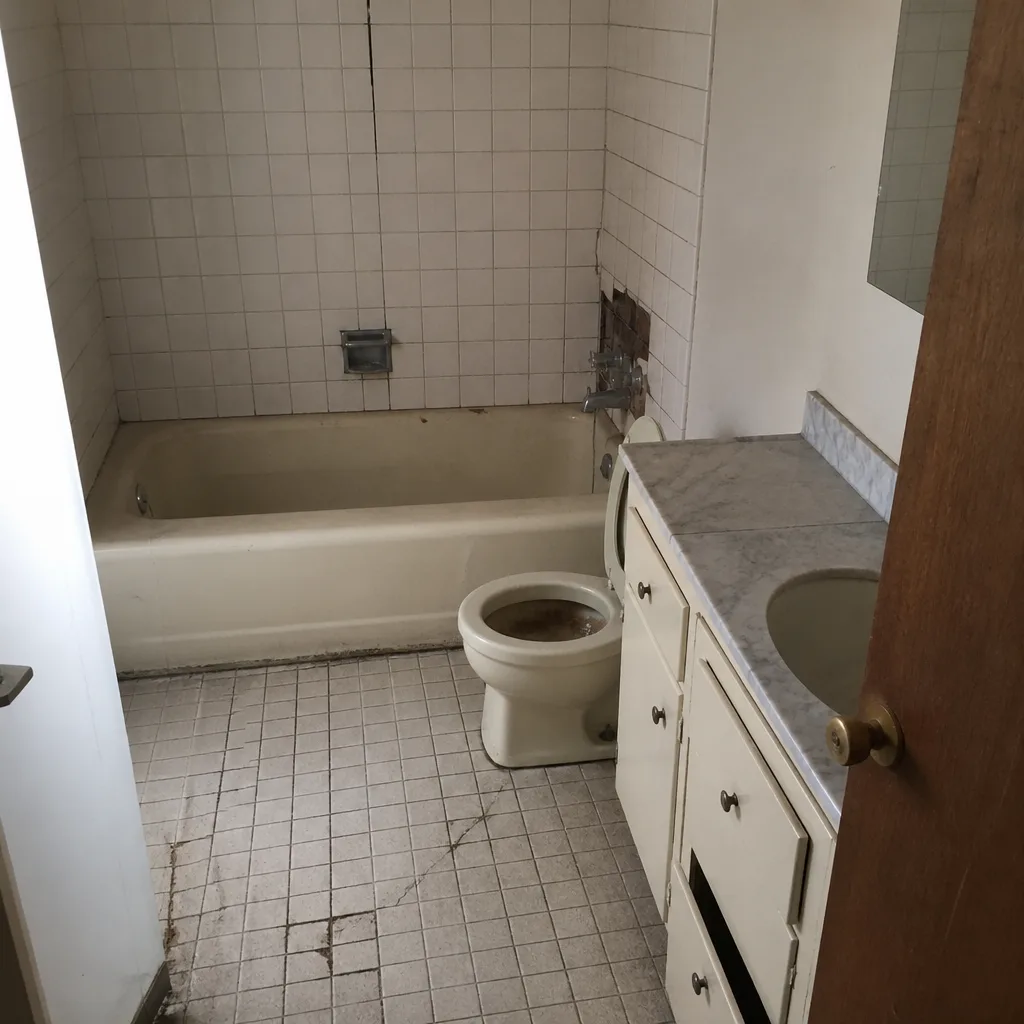 Before
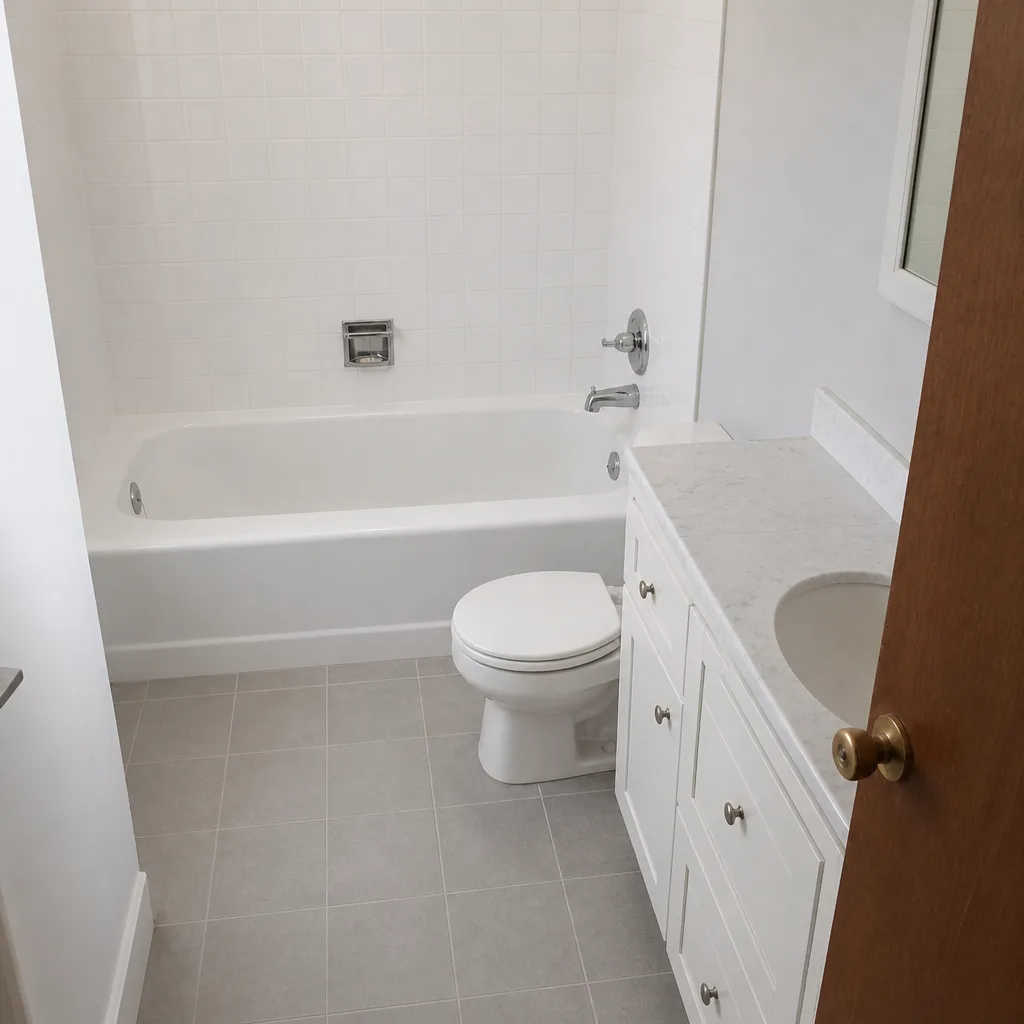 After
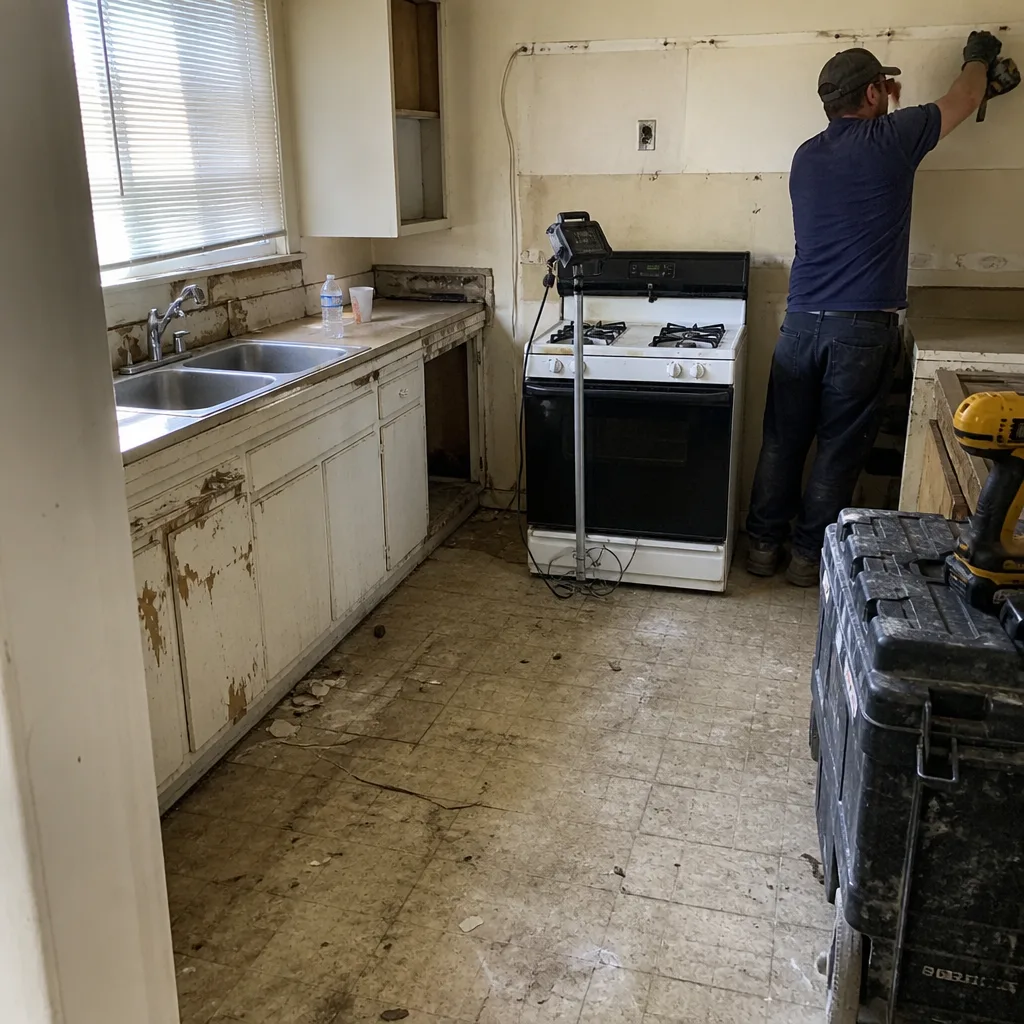 Before
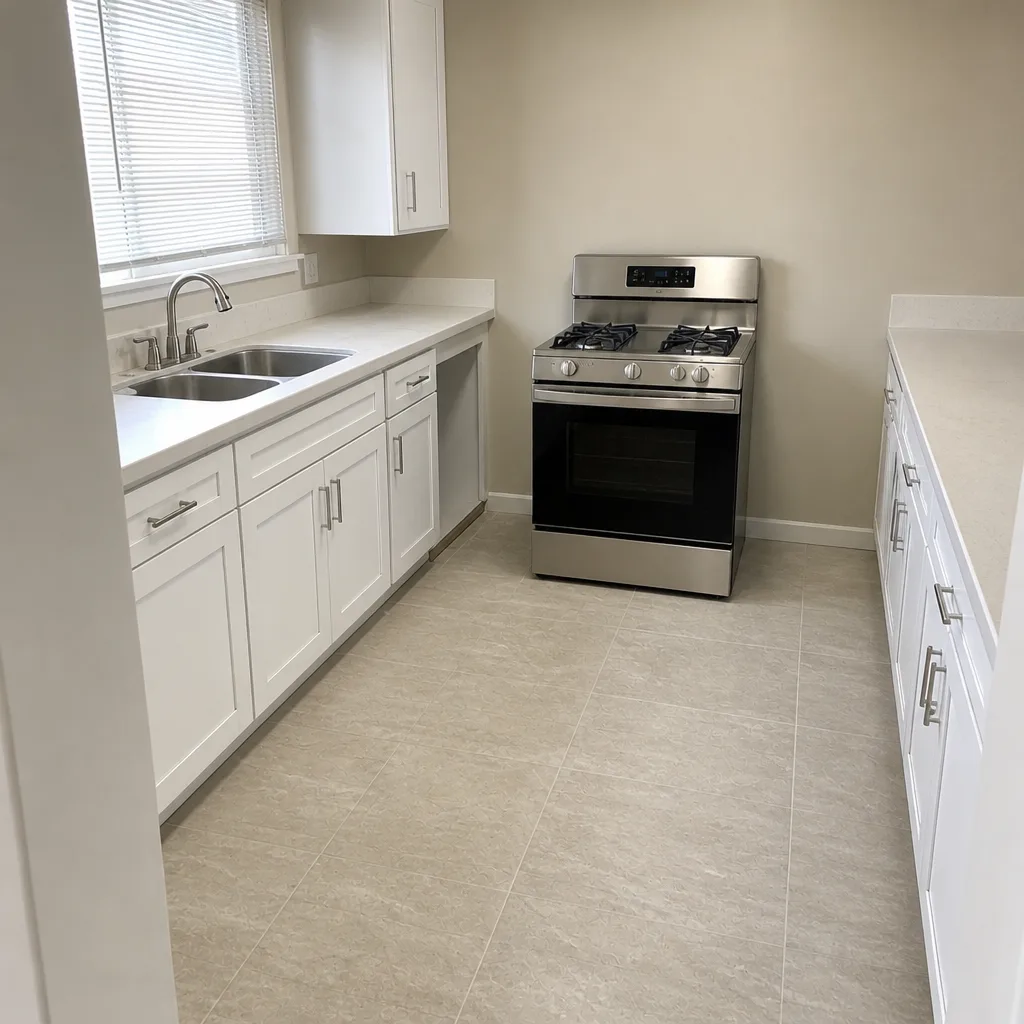 After
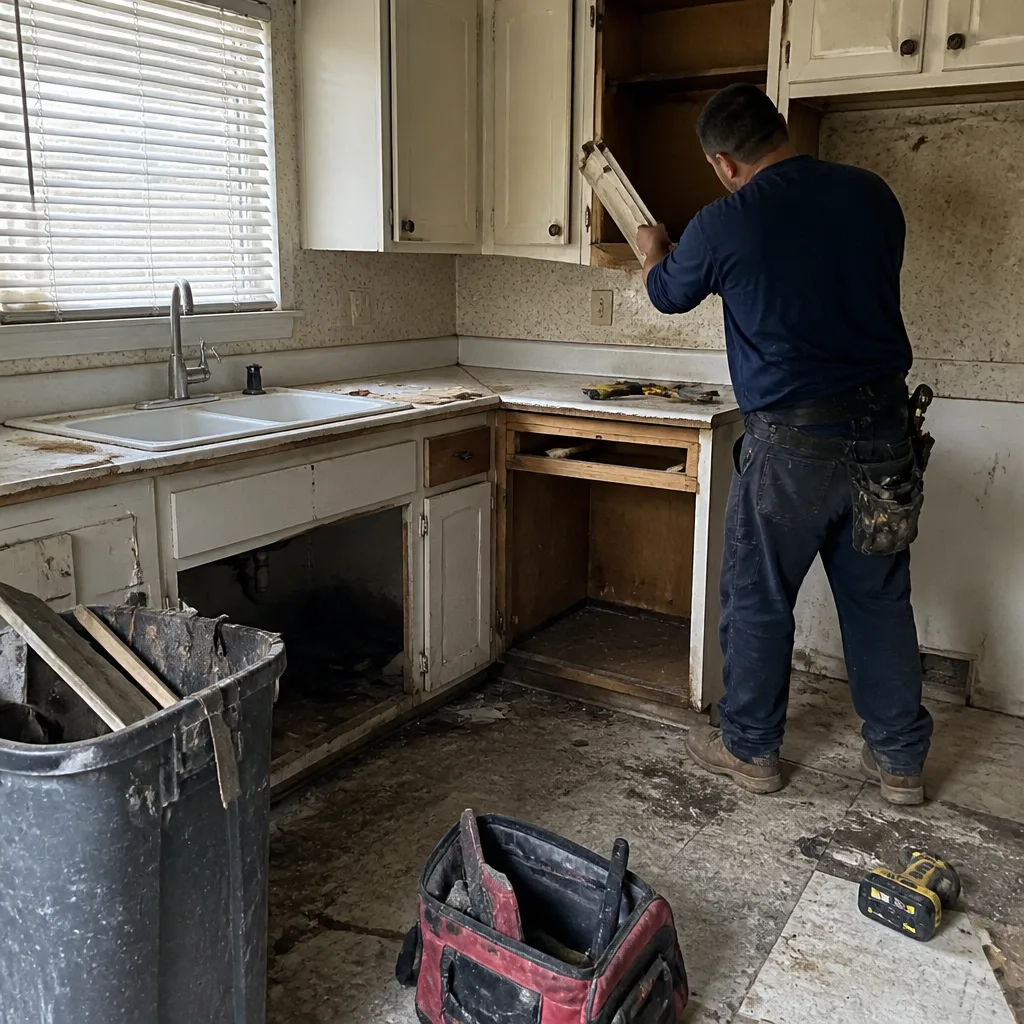 Before
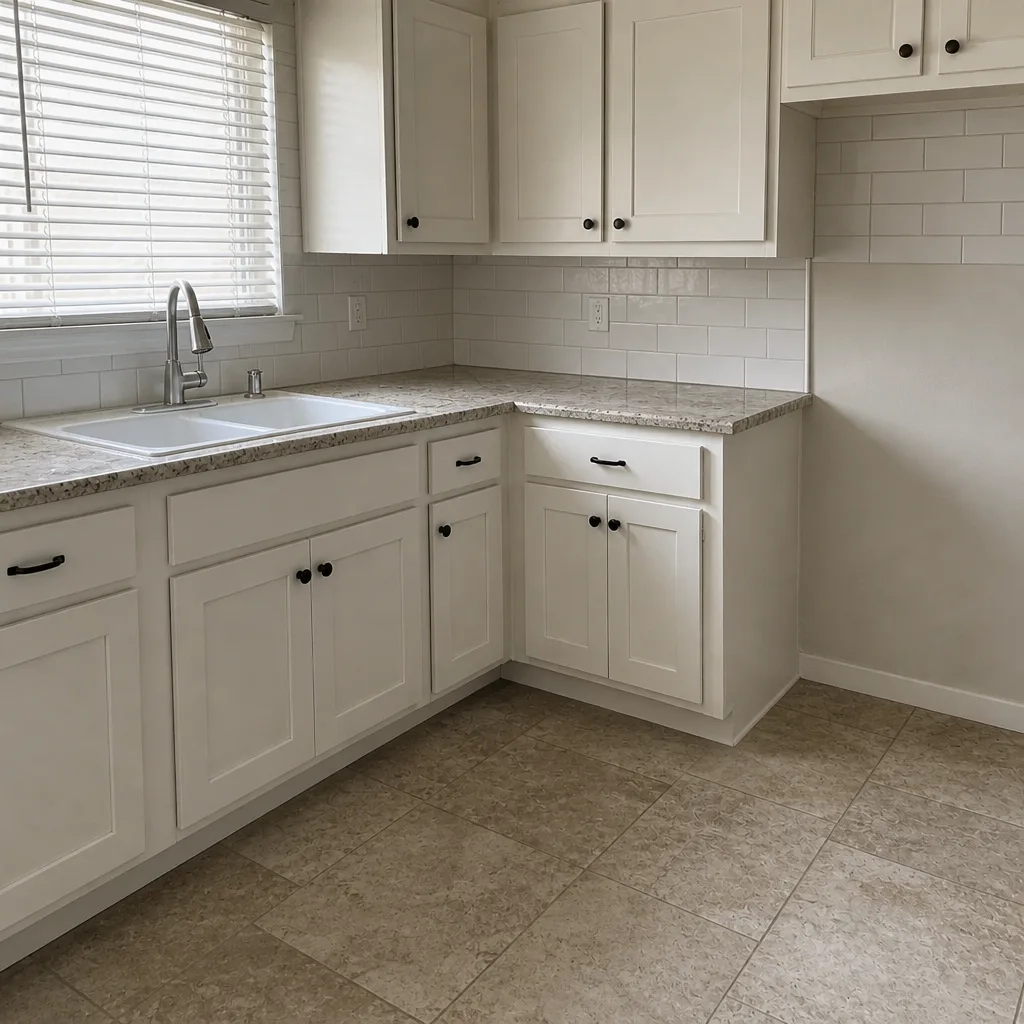 After
When to Call a Professional
Call a licensed professional any time the project crosses any of these lines: it requires a permit, it touches structure, it involves gas, electrical panel work, plumbing system changes, roofing, or high-tension springs, it exceeds $500 in combined labor and materials, or it sits on an Anaheim slope, hillside, or older home with unknown electrical or plumbing. Also call when the inspection timeline matters: if you’re buying or selling in the next 24 months, unpermitted work is a transaction risk. If you’re unsure which side of the line your project sits on, that’s a signal to get a professional opinion before you start, not after.
Groundwork Construction Co. of Anaheim offers free estimates in Anaheim. Our calls are answered by a live person around the clock, so you’re not sitting in voicemail until Monday morning. Call (888) 300-3178 to schedule yours.
If you’re early in planning, our team can walk through scope, permits, and real numbers in a free design consult. We don’t push a whole-project bid when a hybrid approach makes more sense, and we don’t promise work you’re allowed to do yourself. Upfront pricing, no surprises, and a written bid with the fixed number you see and the fixed number you pay.
Frequently Asked Questions

Yes, for projects under $500 in combined labor and materials that don’t require a permit. California allows homeowners to do their own work on their primary residence, and Anaheim permits can be issued to homeowners for specific scopes. The line is the $500 threshold, permit requirements, and the insurance consequences of unpermitted or improperly done work. Anything structural, gas, electrical panel, or roofing-adjacent stays with a licensed contractor.
Not always, but it frequently triggers exclusions or claim denials when the loss connects to the unpermitted work. Many carriers treat unpermitted structural, electrical, or plumbing work as outside the policy’s coverage, and a claim related to a DIY failure can trigger a non-renewal. Read your policy or call your carrier before starting any project that will exceed the $500 threshold.
A mid-scope Anaheim bathroom remodel typically runs $18,000 to $38,000 depending on size and finish level, with high-end work going higher. The bid should be a fixed line-item scope with named material brands and a written warranty duration. Call (888) 300-3178 for a free estimate with real numbers for your specific bathroom.
For a straightforward tile backsplash on intact drywall, yes. For floor tile where waterproofing and substrate matter, the math usually favors professional. A failed shower pan or floor install costs roughly $8,000 to $20,000 to correct once water reaches the subfloor, which is four to ten times what the professional install would have cost. Call (888) 300-3178 if you want a free estimate before deciding.
Timelines vary by scope. A minor remodel permit is often a few weeks; additions and ADUs commonly take longer and may involve plan review, engineering, and multiple inspections. Budget the permit timeline into the project regardless of who does the work, and confirm current timing with the City of Anaheim before you commit to a start date. Call (888) 300-3178 for a free estimate and we’ll talk through realistic permit timelines for your scope.
A properly written bid is fixed, with a change-order clause that names exactly what triggers additional cost (hidden damage discovered during demo, owner scope changes, or unforeseen code corrections). If a bid doesn’t spell out those triggers, ask to see them in writing before signing. At Groundwork Construction Co. of Anaheim, our bids are fixed with the change-order triggers spelled out. Call (888) 300-3178 for a free estimate.
Yes, in most cases. New fences, fence replacements, and fence height changes typically require a permit, and shared-property fence work involves California’s good-neighbor fence rules. We regularly run into this on Anaheim fence projects where the property line isn’t where either homeowner thought it was. Call (888) 300-3178 for a free fence estimate.
Three things help most: a rough scope in plain language, photos of the current condition, and a target budget range. A licensed contractor can turn those into a real bid in one visit. Have them also confirm their license on the CSLB database, and ask for their workmanship warranty duration in writing. Call (888) 300-3178 to schedule a free estimate.
They should, and the number matters. A serious workmanship warranty runs in years, not months. Our work is covered by the 730-Day Done Right Promise, which means if the work isn’t right, we make it right, for two full years after the job. Ask every contractor for their warranty in writing before you sign.
Spring through fall is the safest window for exterior work in Anaheim, because it gives the finish time to cure before the December – March rain. Roofing, exterior paint, fence install, and paver projects that start before October are the ones that don’t run into weather delays. Call (888) 300-3178 for a free estimate any time of year, but if you’re aiming for a summer completion, start the estimate now.
The Bottom Line
The DIY versus professional decision in Anaheim comes down to four questions: does the scope exceed $500 in combined labor and materials, does it require a permit, does it touch a system or structure, and does it carry consequences you can’t unwind. Cosmetic, reversible, non-permitted work is genuinely within reach for most homeowners. Structural, electrical, plumbing, gas, roofing, and high-tension work is not. The hidden costs matter most: unpermitted work often voids insurance and stalls a sale, and the failures that cost the most to fix are always the ones you can’t see from the surface. When you get a real bid with fixed pricing, permits in scope, and a written workmanship warranty, the professional bid stops looking expensive and starts looking like the cheaper path.
If you want a walk-through of your project with real numbers and no pressure to sign anything, they answer the phone 24/7 at (888) 300-3178 and their estimates are free. Groundwork Construction Co. of Anaheim works with brand partners like GAF, Owens Corning, James Hardie, and Barrette so you’re choosing quality, not just availability. We’re the place to start with a consultation from Groundwork Construction Co. of Anaheim on any project you’re weighing, whether it ends up in your hands or ours.
Written by the team at Groundwork Construction Co. of Anaheim.