Last updated November 18, 2026


Free written scope consultation - allowances, timeline, and change-order rules on paper before a single trade is scheduled
DIY vs Professional Fence Installation: What’s Safe to Do Yourself
Post hole depth and diameter are the most skipped specifications in DIY fence installation. Someone rents an auger for a Saturday, digs down about two feet because that feels deep enough, and drops a bag of fast-set concrete around each post. The fence looks plumb on Sunday. Then Anaheim’s expansive clay soil takes on water during the first significant rain cycle, swells, and shifts, and by year two that fence is leaning like it gave up. The failure was set in motion on day one, in a hole nobody measured. This guide covers what’s genuinely safe and achievable for a capable homeowner, what isn’t, and where the line actually falls in Anaheim’s soil and permit landscape.
Quick Answer
Basic wood panel replacement, vinyl panel re-hanging, and minor gate adjustments are genuinely DIY-achievable for a mechanically capable homeowner, and most of that work doesn’t require a permit in Anaheim. Post setting, footing, and full fence layout are the phases where DIY fences fail most often, because the depth, diameter, and concrete requirements in Anaheim’s expansive soil are more exacting than most guides admit. If your project includes new posts, new footings, or any fence over six feet tall, the professional route is the safer and usually cheaper long-term call.
Styles & brands we work with
- Kitchen remodeling
- Bathroom remodeling
- Home additions & ADU
- Roofing
- Windows & doors
- Driveway & pavers
- Fence
Table of Contents
- What Fence Work Is Genuinely DIY-Achievable?
- Why Post Setting Is the Phase That Decides Everything
- Anaheim’s Soil and Climate: What It Means for Your Fence
- The Real Permit Landscape in Anaheim
- How to Calculate Your True DIY Cost
- The Hybrid Approach: Hire for Posts, Do the Rest Yourself
- Materials and Brands Worth Paying For
- Common Mistakes to Avoid
- When to Call a Professional
- Frequently Asked Questions
What Fence Work Is Genuinely DIY-Achievable?
We’ve walked plenty of Anaheim properties where the homeowner handled part of the fence work themselves and did a clean job. We’ve also demolished plenty where a weekend attempt went wrong. The pattern is clear enough that we can draw the line for you.
These are the fence tasks that fall comfortably inside the range of a mechanically capable homeowner:
- Individual wood panel replacement. Swapping one or two damaged boards between existing posts is basic work. If the posts are solid and the rails are still attached correctly, a single panel replacement takes a couple of hours and a few hand tools.
- Vinyl panel re-hanging. If a panel has popped out of the routed post channel and the post itself hasn’t shifted, re-seating the panel is straightforward. Most vinyl systems use a tongue-and-groove arrangement that requires no fasteners to the post.
- Minor gate adjustments. A sagging gate is usually a hinge problem or a latch alignment problem. Swapping hinges on a wood gate or tightening a sagging post-mount bracket for a vinyl gate is realistic DIY territory.
- Staining or sealing an existing wood fence. Prep, cleaning, and applying a sealant is labor, not skill. Rent a sprayer if you have a long run, or use a pump-up sprayer and a brush for touch-up. No structural risk involved.
- Replacing a latch, handle, or drop rod. Standard hardware swaps on a functioning gate are 20-minute jobs.
These are the tasks where we consistently see DIY results fail within two to five years:
- Setting new posts. Depth, diameter, and concrete mix are all critical and all consistently underspecified.
- Laying out a straight, plumb fence line over uneven ground or a slope.
- Building a new gate from scratch, including the diagonal brace layout that keeps it from sagging.
- Installing a fence on a retaining wall or near an easement, where the engineering and permit questions multiply.
- Any fence over six feet tall, where wind load and post spacing requirements become stricter.
If your list is mostly in the first group, DIY is a real option. If you’re looking at post work or a full install, the honest answer is that you’re gambling on a foundation step most homeowners aren’t equipped to verify. When you see a full install quoted by Fence Installation in Anaheim, the post-setting scope is the piece you’re paying for.
Why Post Setting Is the Phase That Decides Everything
Post setting is the unglamorous step that separates a fence that stands for 25 years from one that leans by year three. Every fence contractor in Anaheim has torn out a DIY fence where the posts were too shallow. The number of holes we’ve seen at 18 inches deep is not small.
Here’s the real specification for post setting in Anaheim soil, which is clay-heavy and expansive:
- Hole depth: one-third the post’s above-ground height, minimum. A 6-foot post needs at least 2 feet of hole, and we prefer 30 to 36 inches in Anaheim’s clay. A 6-foot fence with a 2-foot hole is borderline. A 6-foot fence with an 18-inch hole is guaranteed to lean eventually.
- Hole diameter: three times the post width. For a standard 4×4 post, that’s an 8 to 12-inch diameter hole. Too narrow and the concrete shell is too thin to resist soil movement.
- Concrete mix: pre-mixed fast-setting concrete mixed per bag instructions, not too wet. The most common DIY mistake is adding too much water, which weakens the mix. A 50-pound bag of fast-set concrete covers a hole around 10 inches wide and 30 inches deep, so plan two bags per post for a 6-foot fence in clay soil.
- Plumb check in two directions, before the concrete sets. A post that looks plumb from one angle can be canted at 3 degrees the other way. Check with a level on two faces of the post, adjust immediately, and brace with stakes.
- Gravel base for drainage. Anaheim gets winter rain and both sides of a fence need to drain. A 4 to 6-inch gravel base before pouring the concrete gives water somewhere to go.
Get any of the first three wrong and the failure is guaranteed, just delayed. That delay is what makes DIY post setting so dangerous to a homeowner’s wallet – the fence looks fine for the first year, and by the time it’s leaning you’ve lost the time and money you spent.
Anaheim’s Soil and Climate: What It Means for Your Fence
Anaheim’s soil is not a benign environment for fence posts. Much of the city sits on clay-heavy soils derived from the Santa Ana River floodplain and the older alluvial deposits that run through the region. Clay shrinks in summer and swells in winter, and throughout a typical Anaheim rainy season the soil under a fence post can move several inches up and down. Any post without enough depth, diameter, and drainage will get pushed out of plumb.
Three local patterns we’ve learned to plan around:
- North Anaheim and the flats near the 91 freeway sit on tighter clay. Posts need the deep end of the depth range and generous gravel at the bottom.
- The Anaheim Hills elevations introduce slope, which adds lateral soil pressure to downhill posts. Fence lines running across a grade need stepped post spacing rather than a continuous run.
- The old citrus groves converted to residential, especially near the Packing District and along Lincoln Avenue, sometimes have fill soil rather than native clay. Fill soil is less predictable and a fence post in fill needs a wider footing.
The Santa Ana winds that pulse through Anaheim in fall also matter. A solid wood fence acts like a sail, and a post that’s marginally set will fail at the base under sustained wind load. We’ve seen more post failures on the wind-exposed west-facing runs than anywhere else in the city.
This is the kind of local soil knowledge a contractor carries into every quote and a homeowner usually doesn’t. It’s also the reason our own approach to Groundwork Construction Co. of Anaheim home work treats the footer as the first item of business, not an afterthought.
The Real Permit Landscape in Anaheim
Anaheim’s permit requirements for fence work are narrower than most homeowners assume, but not zero. Basic wood or vinyl fence repair and replacement of panels doesn’t require a permit. Here’s the actual breakdown:
- No permit needed: Replacing an existing panel, re-hanging a vinyl panel on an existing post, adjusting a gate, staining or sealing an existing fence.
- Usually requires a permit: Building any fence over 6 feet tall, building a retaining wall over 4 feet as part of a fence line, building a fence in an easement or right-of-way, and building a fence taller than 3 feet within a front-yard setback in some Anaheim zoning areas.
- Always requires a permit: Any fence on a corner lot within the sight triangle at an intersection, and any fence combined with a pool barrier, which must meet California pool safety code.
The corner-lot sight triangle requirement is the one that catches Anaheim homeowners most often. If the fence blocks visibility at a street corner, the city can force it to be lowered or removed after the fact, which is a worse outcome than dealing with the permit up front.
Unpermitted fences become a real problem at resale. Anaheim title companies and buyers’ agents will pull permit history, and an unpermitted fence over 6 feet, an unpermitted retaining wall, or a fence violating the front-yard setback becomes a negotiating chip against your sale price or a disclosure item you have to carry. Buying the permit up front costs a couple hundred dollars and hours of paperwork. Discovering a permit problem at closing costs multiples of that in concessions and delays.
Pulling the permit correctly, including any retaining wall engineering that goes with the fence, is part of the scope we handle when we quote Driveway & Pavers in Anaheim or any other site-work project that involves fencing or hardscape changes. The work isn’t complete until the inspection is signed off.
How to Calculate Your True DIY Cost
The DIY cost of a fence project is usually much higher than the materials receipt suggests. To actually compare DIY against a professional install, you have to add in tools, waste, time, and the probability of a redo. Here’s the honest math.
| Cost Category | Typical DIY Cost (100 linear feet, 6-foot wood fence) |
|---|---|
| Materials (posts, rails, panels, hardware) | $2,400 to $3,800 |
| Concrete (2 bags per post, 33 posts) | $400 to $650 |
| Tool rental (auger, level, post driver, sprayer) | $250 to $500 |
| Material waste (measured panels, replacement boards) | 8% to 15% overage, roughly $200 to $550 |
| Permit fees (if applicable) | $0 to $400 |
| Time (2 weekends minimum, often 3-4) | 40 to 80 hours |
| Probability of redoing a phase | 30% to 50% based on typical DIY outcomes on post setting |
That last line is the one most calculators miss. If you set the posts yourself and 4 in 10 posts are out of plumb by year two, your redo cost isn’t just the concrete and the post – it’s the panel removal, the reset, and the replacement of damaged panels, easily $800 to $1,800 to fix a section that failed. The DIY project where it works is a project that never needs the redo. The DIY project where it doesn’t is one where you paid the pro price anyway, in two installments, plus two weekends.
Value your own time at even $30 an hour and the 60-hour DIY project has an $1,800 opportunity cost baked in. That number alone can put professional installation within range for many Anaheim homeowners, and it’s why we lead every quote with a written line-item price so you can compare apples to apples. If you want a professional install figure to weigh against your DIY numbers, start with a free estimate. How to Use the Comparison: add up the first six rows of the table above, add 30% to that total as the expected redo risk, and compare against a professional quote. If the numbers are within 20% of each other, the professional install wins on a rigorous accounting. The exception is if the entire project is one of the low-risk tasks in the first section – in that case, the DIY math is usually clearly in your favor.
No-hassle upfront pricing means the number you see is the number you pay, and there’s no change order after the work starts. On larger Anaheim fence and hardscape projects the numbers get easier still with 0% financing for 18 months and $1,000 off projects over $10,000, both of which are standing offers. For an Anaheim project involving a Home Additions & ADU scope where fencing is one piece of a larger build – Home Additions & ADU in Anaheim – the savings scale with the project total.
The Hybrid Approach: Hire for Posts, Do the Rest Yourself
There’s a middle route that works more often than homeowners realize: hire a professional for the post setting and footing, then install the panels, rails, and hardware yourself. It captures the phase where amateurs fail and keeps the phase where they succeed in your hands.
Contractors will work this way for the right scope and won’t for the wrong one. Here’s how to know which is which.
- When contractors will work this way: the fence line is already laid out and agreed on, the layout is simple (a straight run or a set of clearly-defined corners), the number of posts is fixed, and the homeowner is handling all panels, rails, and hardware after the posts cure. We’ve also seen it work on straightforward vinyl installs where the post-and-panel system is well-specified.
- When contractors won’t: the fence has complex elevation changes, the layout crosses easements or property-line disputes, the panels need to integrate with an existing structure like an ADU or a garage, or the total scope gets too small for the mobilization cost. On a short 40-foot run, the setup alone can exceed the labor value.
- What to expect on price: a post-setting-only quote for a 100-foot Anaheim wood fence usually runs around 40% to 55% of the full-install price, because post setting and footing are the labor-heavy, equipment-heavy phase.
- What stays with you: panel installation, hardware, staining or painting, and final inspection of the finished fence – plus the risk of any panel alignment issue if the post spacing isn’t exactly what your panel system needs. Agree on post spacing in writing before the footing is poured.
Hybrid work is one of the few places where a contractor can genuinely serve a homeowner’s preference for hands-on work without compromising the structural result. When we scope a hybrid, the deliverable is plumb, correctly-spaced, correctly-footed posts, and the rest is the homeowner’s project.
Materials and Brands Worth Paying For
One quiet reason DIY fences fail is that the material selection was too thin. A 4×4 post that’s actually 3.5 inches will do the job for a light fence, but it doesn’t have the mass to resist Anaheim’s clay movement and wind load together. The same is true of panel thickness and rail spacing.
The brands we work with across our trades – KraftMaid, Kohler, GAF, James Hardie, Belgard, and dozens of others – set a baseline for material grade that most fence products in a box store don’t match. On fence projects specifically, the material decisions that matter most are:
- Post grade and treatment. Ground-contact rated and pressure-treated to the correct retention level. A standard 4×4 labeled “above ground only” is not a fence post.
- Panel system specification. Vinyl systems vary widely in UV stability, which matters in Anaheim’s summer sun. Wood panels vary in grain density and warp resistance.
- Hardware corrosion rating. Coastal moisture reaches Anaheim year-round and every hinge, latch, and fastener should be rated for it.
Longer-horizon material choices make the DIY math harder to win, because the highest-quality materials cost more up front and last a lot longer – the very math that pushes a homeowner toward professional installation with a strong workmanship guarantee behind it.
Common Mistakes to Avoid
- Digging holes too shallow for Anaheim clay. Two feet feels deep enough. It isn’t. In Anaheim’s expansive soil, 30 to 36 inches is the working minimum for a 6-foot fence, and anything shallower is a future lean you’ll pay to fix.
- Mixing concrete too wet. The bag instructions have a water quantity for a reason. Extra water feels easier to work with and weakens the final mix, sometimes by 50% of its compressive strength.
- Skipping the gravel base at the bottom of the hole. Without gravel for drainage, water pools at the base of the post and the wood rots from the ground line upward. In Anaheim, this is the #1 cause of a 10-year-old fence going soft at the base.
- Not checking plumb on two faces. A post that reads plumb from the street can still be canted on the property-line axis, and the panel install will expose it a week later after the concrete has set.
- Building over 6 feet without a permit. Anaheim requires a permit over 6 feet, and an unpermitted fence becomes a resale headache you didn’t price into the project.
- Ignoring the corner-lot sight triangle. Anaheim has specific corner-lot visibility requirements, and a fence that violates them can be forced down after the fact.
- Buying panels before measuring post spacing. Panel systems are cut for specific post spacing. If your posts end up 7 feet 10 inches apart and the panels are spec’d for 8 feet, you can’t make the system work without re-cutting everything.
When to Call a Professional
Call a professional when any part of the following applies to your project: new posts anywhere in the scope, any fence over 6 feet tall, a fence on a slope or on a retaining wall, a fence in an easement or corner-lot sight triangle, a fence that needs to integrate with a pool safety barrier, or a fence that’s part of a larger site plan including a driveway or patio rebuild. Those are the scenarios where the structural and permitting risk outweighs DIY savings by enough to matter. The hybrid route works when the post work is the only piece you’re outsourcing; the full professional install works when the whole scope is right for it. Either is backed by our 730-Day Done Right Promise: if the work isn’t done right, we make it right. Groundwork Construction Co. of Anaheim offers free estimates in Anaheim. Call (888) 300-3178.
Frequently Asked Questions
Panel replacement, vinyl panel re-hanging, and gate adjustments are safe and realistic DIY work. New post setting, footing, and any fence over 6 feet tall are risky DIY territory in Anaheim’s expansive clay soil, and the failure shows up in year two after the first rain cycle. If your project includes new posts, the professional route is the safer call. Call (888) 300-3178 for a free estimate on post work.
At least 30 to 36 inches for a 6-foot fence, which is deeper than most guides specify because Anaheim’s clay-heavy soil moves significantly between wet and dry seasons. The rule of thumb is one-third of the above-ground post height, and in Anaheim we prefer to go beyond that minimum. A post at 18 to 24 inches will look fine for a year and lean after that. Call (888) 300-3178 to talk through the right depth for your specific soil.
Most basic fence repair and replacement doesn’t require a permit in Anaheim, but any fence over 6 feet tall, any retaining wall over 4 feet as part of a fence line, and any fence in a corner-lot sight triangle or easement does. Unpermitted fences become a real drag on resale because buyers’ agents will find them. Call (888) 300-3178 if you’re not sure whether your project needs one – we handle permits as part of the scope.
A 100-foot 6-foot wood fence in Anaheim runs roughly $5,500 to $9,000 professionally installed and roughly $3,500 to $6,000 in DIY materials, tools, and waste – before you add the 30% to 50% redo risk on post setting. The gap narrows fast once the redo is priced in. Call (888) 300-3178 for an exact line-item quote – estimates are free.
Not when the quote is written properly. A transparent line-item quote locks in the scope, the material grade, and the labor, so the number you see is the number you pay. If we find an issue during post excavation – fill soil, buried utilities we couldn’t see – we stop and discuss before pricing a change. Call (888) 300-3178 to see a line-item quote in person.
Yes, on simple layouts. Contractors will work this way when the fence line is already agreed on and the elevation change is straightforward, and it usually runs 40% to 55% of the full install price. Get the exact post spacing in writing before the footing is poured so your panel system fits. Call (888) 300-3178 to talk through a hybrid scope.
The Bottom Line
Fence installation has a wider legitimate DIY range than most trades, and that’s genuine – panel replacement, vinyl re-hanging, gate adjustments, and staining all sit comfortably in capable homeowner territory. But the tasks where DIY fences fail aren’t the glamorous ones. They’re the foundational ones: post depth, hole diameter, concrete mix, and gravel drainage. Those four specs determine whether your fence stands for five years or twenty-five, and getting any of them wrong in Anaheim’s expansive clay doesn’t show up for a year or two. If your project is panels and hardware, do it yourself. If it’s posts and footings, that’s the phase worth paying for.
Ready for a Free Estimate?
If your Anaheim fence project includes new posts, new footings, or a scope that touches the permit questions in this guide, call Groundwork Construction Co. of Anaheim at (888) 300-3178 to schedule a free estimate. Calls are answered by a live person, 24 hours a day, 7 days a week. We’ll walk your fence line, talk through the soil and any permit concerns, and leave you with a written line-item quote with no surprises. Every install is backed by the 730-Day Done Right Promise, because a fence standing twenty-five years is what we’re pricing, not a fence standing five.
Written by the team at Groundwork Construction Co. of Anaheim.
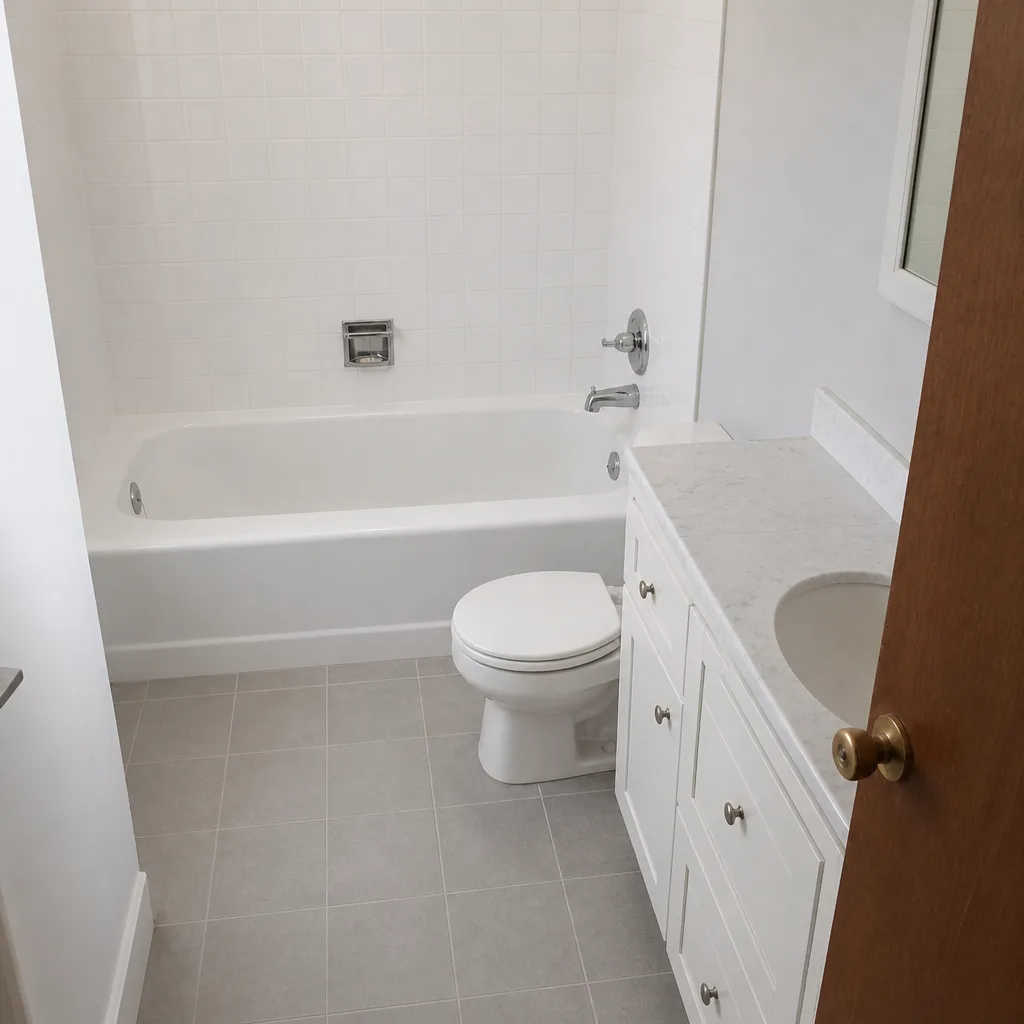
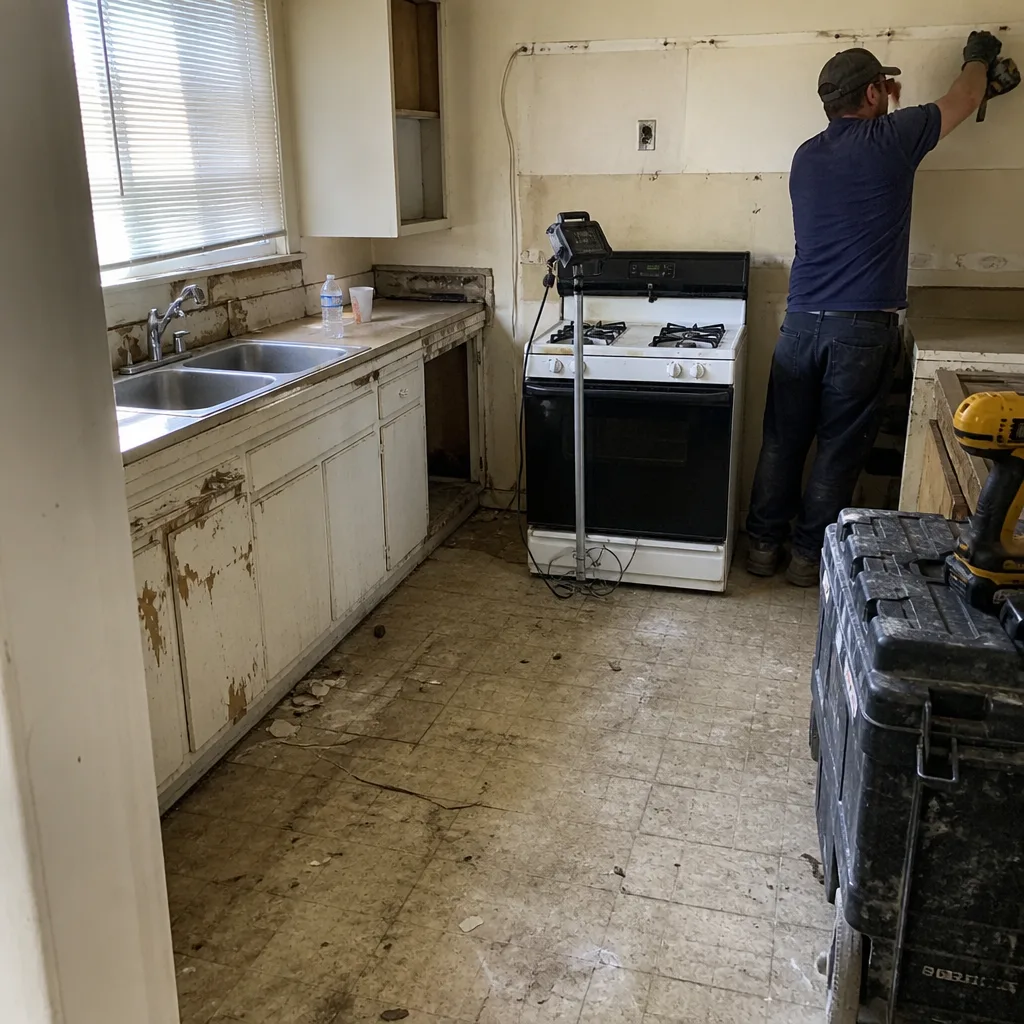
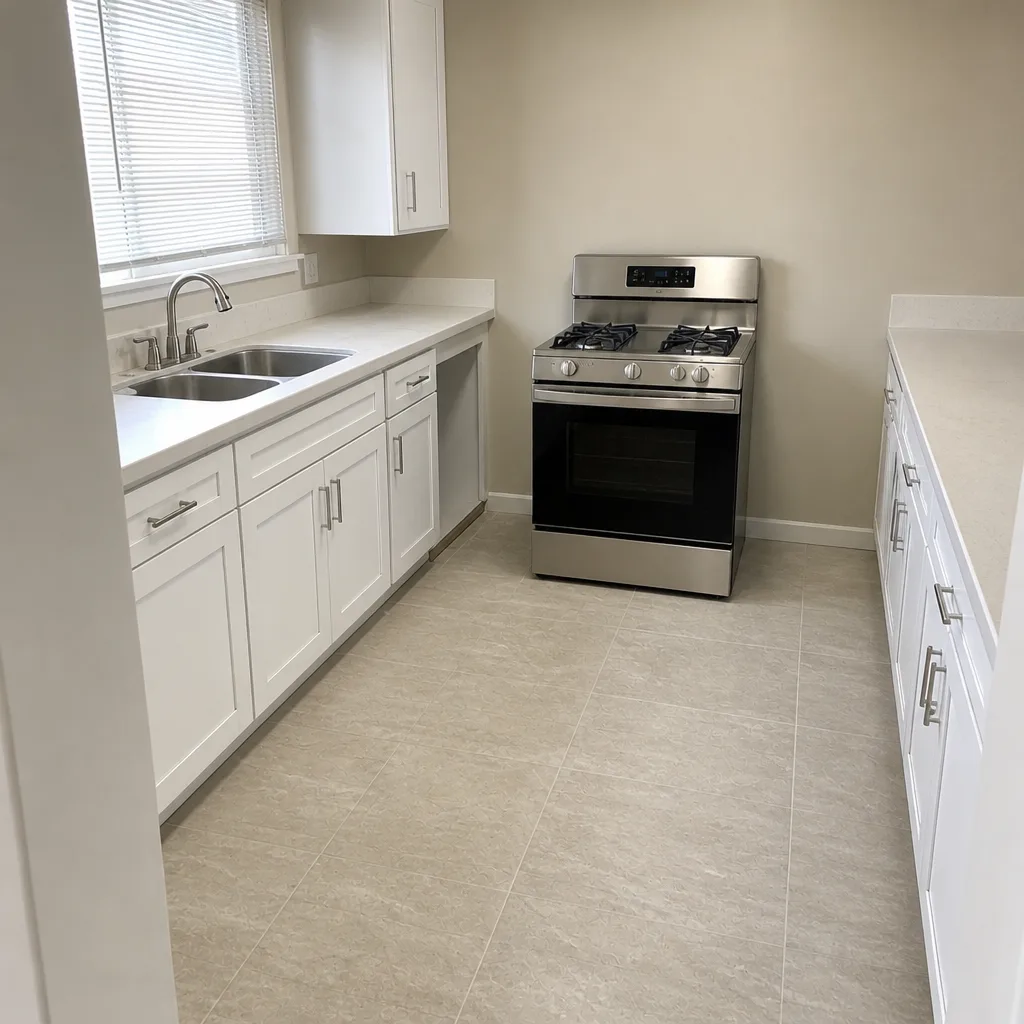
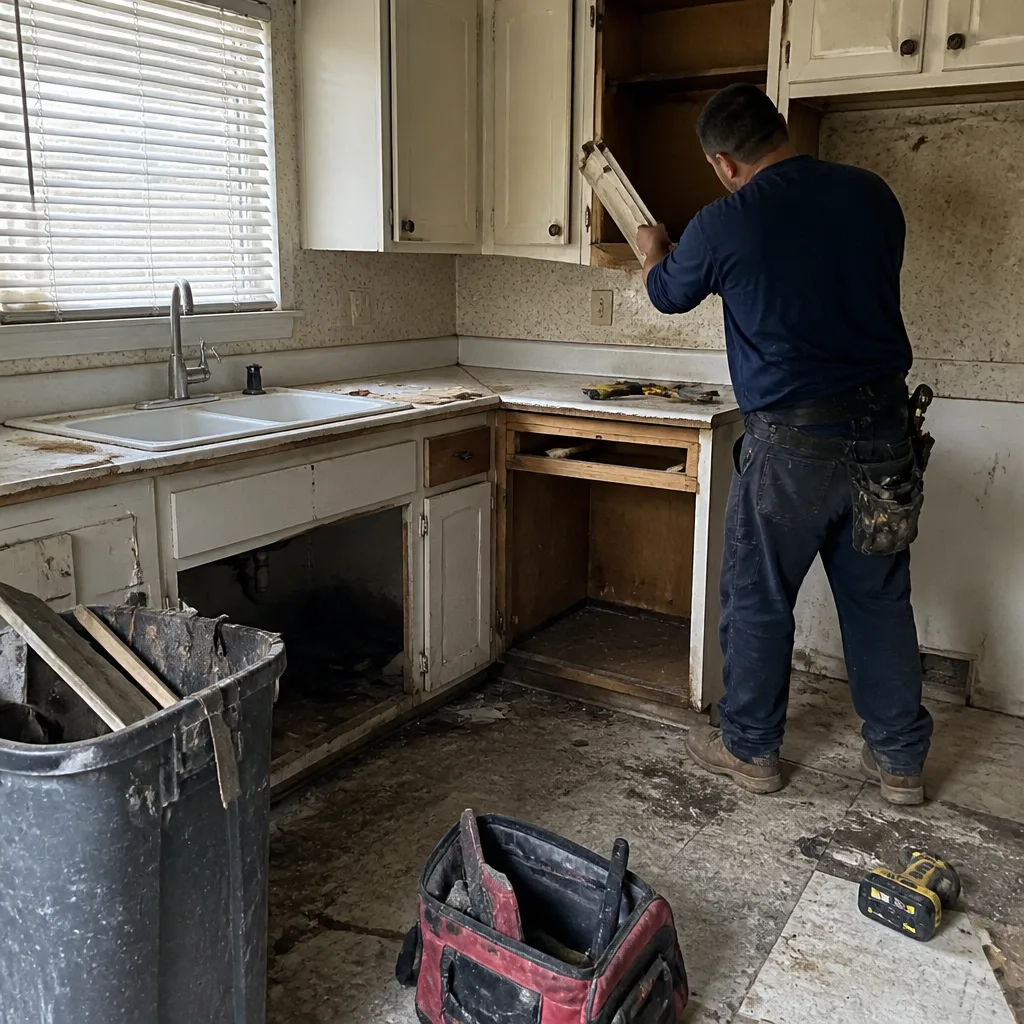
See the difference
 Before
 After
 Before
 After
 Before
 After