Last updated November 18, 2026


Free written scope consultation - allowances, timeline, and change-order rules on paper before a single trade is scheduled
Driveway & Pavers Troubleshooting: Common Problems and How to Fix Them
A sunken paver isn’t a paver problem. It’s a base problem wearing a paver face. That single distinction explains why so many Anaheim homeowners spend $600 sealing a driveway that looks worse by the next spring, then spend $6,000 tearing out a section that could have been repaired for a fraction of that. We’ve walked hundreds of driveways across Orange County, and the pattern is almost always the same: the visible symptom gets treated while the cause keeps working underneath. This guide shows you how to diagnose what’s actually failing, separate top-layer damage from bedding failure from base failure, and know which repairs hold. Written from Anaheim, for Anaheim, where summer heat and clay soil create their own rules.
Quick Answer
Most driveway paver problems in Anaheim fall into three categories: surface damage (staining, chipped faces, faded color), bedding-layer failure (rocking or wobbling pavers, migrating joint sand), and base failure (sunken sections, spreading edges, heaving after rain). Surface issues are cosmetic and can be fixed with cleaning and resealing. Bedding and base failures require lifting and resetting pavers with corrected sand or aggregate underneath. A tap test tells you which one you’re dealing with before you call anyone.
Styles & brands we work with
- Kitchen remodeling
- Bathroom remodeling
- Home additions & ADU
- Roofing
- Windows & doors
- Driveway & pavers
- Fence
Table of Contents
- How to Diagnose a Paver Problem Before You Call Anyone
- Why Pavers Rock or Wobble After a Hot Anaheim Summer
- Edge Creep: When Pavers Migrate Outward and Gaps Appear
- White Staining (Efflorescence): What It Is and How to Remove It Safely
- Drainage Problems and Standing Water Near the Garage
- Cracked or Chipped Pavers: Repair, Replace, or Leave Alone
- Partial Repairs vs. Full Replacement: When a Patch Holds
- Sealing: When It Helps, When It Makes Things Worse
How to Diagnose a Paver Problem Before You Call Anyone
The fastest way to know what’s wrong is to listen. Walk your driveway in hard-soled shoes and pay attention to sound and movement. A paver that sounds hollow or shifts underfoot is signaling that something underneath has failed – not the paver itself. A paver that stays silent but looks discolored is a cosmetic issue.
Here’s the tap test we use on every paver inspection in Anaheim:
- Tap each paver in a grid pattern with a rubber mallet or the handle of a screwdriver. Listen for a dull thud (solid base) versus a hollow knock (void underneath).
- Press down on opposite corners. If one side rocks up while the other goes down, you have a bedding failure. That paver is sitting on sand that has shifted or washed out.
- Look at the joints. Missing sand between pavers means migration is happening, and that’s a leading indicator of edge creep or base settlement.
- Check for level. Place a 4-foot level across a section. A drop of more than 1/4 inch across 4 feet suggests base settlement, not surface wear.
- Note the location. Problems near the garage apron or along the street edge are almost always drainage or edge-restraint failures. Problems in the middle of the field point to base compaction.
That last point matters more than most folks realize. In Anaheim, the driveways that fail along the street edge almost always share one thing: an edge restraint that was never anchored into the concrete curb. Under summer heat and traffic, the pavers have nowhere to go but outward.
Why Pavers Rock or Wobble After a Hot Anaheim Summer
Rocking pavers after a hot summer are usually a sand migration problem, not settling. Here’s the mechanism: Anaheim temperatures regularly cross 95°F from July through September. That heat causes the joint sand between pavers to dry, shrink, and blow away in the Santa Ana winds. Once the joints open, the thin bedding sand layer underneath starts to shift laterally every time a car rolls over. Within one season, that paver is sitting on a void.
Don’t confuse this with base failure. Base failure shows up as a broad depression – a whole section dropping together. Sand migration shows up as isolated rockers, usually in high-traffic paths (the tire lines) or along the edges.
What the repair looks like when we handle it:
- Lift the affected pavers and set them aside – they’re reusable 95% of the time.
- Re-level the bedding sand to 1 inch, compacted, not just screeded loose.
- Reset the pavers and vibrate them back into plane.
- Refill the joints with fresh polymeric sand, then re-vibrate and top off.
- Reapply edge restraint if the pavers had been pushing against it.
A single rocking paver is a 2-hour job. A whole tire line of rocking pavers is a half-day. Either way, it’s a repair, not a replacement. If you’re noticing this across your Anaheim driveway, our Driveway & Pavers in Anaheim team can diagnose it and give you a written scope before anything gets lifted.
Edge Creep: When Pavers Migrate Outward and Gaps Appear
Edge creep is the slow outward migration of pavers along the perimeter of a driveway. It shows up as widening joints near the border, pavers hanging over the concrete edge, or in severe cases, the whole outer row shifting a half-inch or more over a single summer. Left alone, it opens the joint sand to rain, which speeds up the process and eventually causes the border to collapse.
The cause is almost always a failure of the edge restraint – the plastic or metal track that’s supposed to lock the outer pavers in place. In Anaheim, we see three common versions of this:
- Restraint never anchored to the curb (common on older installs).
- Anchors pulled loose from tree roots pushing up under the driveway.
- Restraint bent or cracked by vehicles turning over the edge.
The correct repair sequence, in order:
- Remove the migrating pavers and clean out the old joint sand.
- Reset the edge restraint and anchor it properly – drilled and pinned into the concrete curb, not just screwed into the base.
- Recompact the bedding layer with a plate compactor.
- Reset pavers tight to the new restraint with a 1/8-inch joint or less.
- Fill with polymeric sand and cure according to the manufacturer’s specs.
Skipping step 2 is the most common failure we see. You can reset pavers perfectly and they’ll creep again next summer if the restraint is loose. The restraint is what makes the whole system work.
White Staining (Efflorescence): What It Is and How to Remove It Safely
That white, chalky powder on your pavers is efflorescence – a salt deposit that comes to the surface when moisture moves through the concrete or the pavers themselves and evaporates, leaving minerals behind. Chemically, it’s calcium carbonate and related salts. It’s not mold, it’s not damage, and it doesn’t mean the pavers are failing.
Effective removal depends on what you use. Here’s what to avoid and what’s safe:
- Safe: A mild efflorescence remover (diluted muriatic acid formulations sold for paver use, or commercial efflorescence cleaners). Always pretest on an inconspicuous paver first.
- Safe: A stiff-bristle brush and water for light, fresh bloom.
- Damaging: Full-strength muriatic acid, which can etch the paver face and permanently dull the finish.
- Damaging: Power washing at high pressure (over 2,000 PSI) on the paver face. It drives water deeper into the concrete and makes efflorescence come back worse.
- Damaging: Sealing over active efflorescence. The sealer traps the moisture in, and the bloom pushes through the sealer film in a matter of months.
The rule we give every Anaheim homeowner: don’t seal until the efflorescence has stopped entirely for at least 30 days. Sealing an actively blooming driveway is the single most expensive mistake we see – it turns a $200 cleaning job into a $1,200 strip-and-redo.
Drainage Problems and Standing Water Near the Garage
Water pooling on a paver driveway within 24 hours of rain is a real problem, and it’s rarely the pavers’ fault. In Anaheim, where we’re on clay soil in neighborhoods like the Colony District and parts of West Anaheim, water can’t drain down and away quickly. It has to drain on the surface – and if the slope is wrong, it sits.
Three checks in order:
- Check the slope. A driveway should fall toward the street at a minimum 1% grade (1 inch per 8 feet). Less than that and you’ll get ponding.
- Check the joint sand. If the joints are open, water that should sheet off the surface is going straight into the base. That’s how you get heaving in winter and rocking pavers in summer.
- Check for root intrusion. Anaheim has plenty of mature ficus and sycamore trees. Their roots can lift whole sections and create low points that hold water.
If a section of driveway near the garage is holding water, that’s a serious issue – the water is heading for the slab foundation and the garage wall. Don’t wait on this one. Our Groundwork Construction Co. of Anaheim home team handles drainage corrections as part of a regular driveway scope, but pooling water at the garage threshold is worth addressing sooner than later.
Cracked or Chipped Pavers: Repair, Replace, or Leave Alone
A cracked paver face isn’t always a problem worth fixing. Here’s a simple rule: if the paver is still locked in place, still level, and the crack doesn’t collect water or catch a shoe, leave it. Chips and cracks that don’t affect function are common cosmetic wear, especially on driveways 10+ years old.
Replace the paver when:
- The paver has broken entirely – water will get into the base through the opening.
- It’s rocking, meaning the crack is a symptom of an underlying issue.
- It’s in a high-visibility spot (right at the street edge or the entry) where the break is obvious.
Replacement is straightforward if you have spares – pavers from the same dye lot. If you don’t have spares, we can often source a close match, but expect the new paver to look slightly different for the first year until it weathers. Belgard pavers are common enough in Anaheim that a match is usually achievable, but dye lots do shift over time.
Partial Repairs vs. Full Replacement: When a Patch Holds
A partial repair is structurally sound when the failure is isolated and the surrounding system is still intact. It creates a weak seam when the failure is part of a broader pattern. Getting this wrong is where the “$200 repair becomes a $6,000 redo” math happens.
We use a simple rule on every Anaheim driveway:
- Patch is fine: one isolated area of failure, sound base in adjacent areas, edge restraint still anchored, no broader settlement pattern.
- Patch is risky: two or more failure points within 6 feet of each other, or any sign the base layer is compromised across the driveway.
- Full replacement is the better spend: more than 25% of the driveway is showing sunken or rocking pavers, or the base was installed without proper compaction from day one.
The weak-seam issue is what homeowners miss. When you cut a driveway open and rebuild a section, the boundary between new and old becomes a water entry point unless the base is joined correctly and the joint sand is properly cured. A patch done right has zero visible seam. A patch done wrong shows a permanent hairline crack within two seasons. That’s why partial repairs need to be judged on the base condition, not just the surface extent.
Sealing: When It Helps, When It Makes Things Worse
Sealing pavers is the most over-recommended, over-sold step in the paver world. It’s also, done right, one of the best things you can do after a repair. The difference is timing and condition.
Seal when:
- The driveway is fully cured (at least 60-90 days after installation, longer in cool weather).
- The pavers are clean, dry, and free of efflorescence for at least 30 days.
- The joint sand is fresh and settled.
- You’re using a breathable sealer designed for the paver material.
Don’t seal when:
- Efflorescence is active (you’ll trap it).
- The pavers are still off-gassing moisture from a recent rain or wash.
- You’re using a film-forming sealer on a driveway that gets heavy traffic – film sealers scratch and flake in the Anaheim heat.
- There’s any active settling or rocking. Sealing won’t fix movement, and it locks in ugly stains if the joints aren’t stable.
Sealing a corrected driveway adds 3-5 years of life to the surface finish. Sealing a failing driveway adds a coat of shiny damage that costs more to remove later. Order matters.
Common Mistakes to Avoid
- Sealing over a drainage problem. Anaheim’s clay soil means water has to sheet off the surface. Sealing a driveway that ponds at the garage traps water against the slab and makes the interior problem worse.
- Replacing a single paver without fixing the sand underneath. The new paver will rock within a season because the void is still there.
- Using a plate compactor on an unsealed paver face. It microfractures the surface and creates permanent dull spots, especially in direct Anaheim summer sun.
- Pressure washing at 3,000+ PSI to clean efflorescence. It etches the surface and drives water deeper, which brings the efflorescence back stronger within months.
- Skipping the edge restraint when resetting border pavers. This is the number-one cause of repeat edge creep in Orange County.
- Judging a repair by the surface extent instead of the base. A single visible rocker usually means the sand migration is already wider than it looks.
- Adding sand to open joints without re-vibrating and compacting. Loose sand sits on top of the joints; it doesn’t actually lock in and it washes out with the first rain.
See the difference
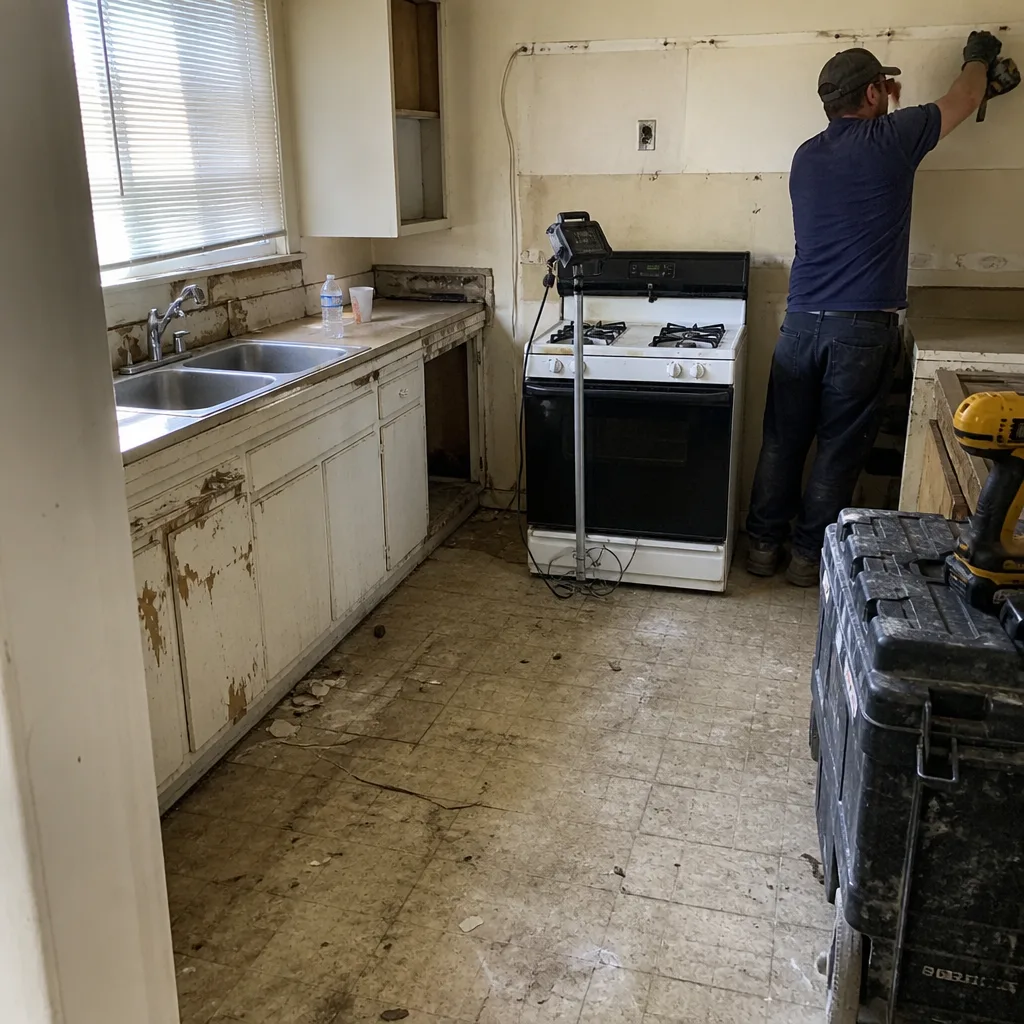
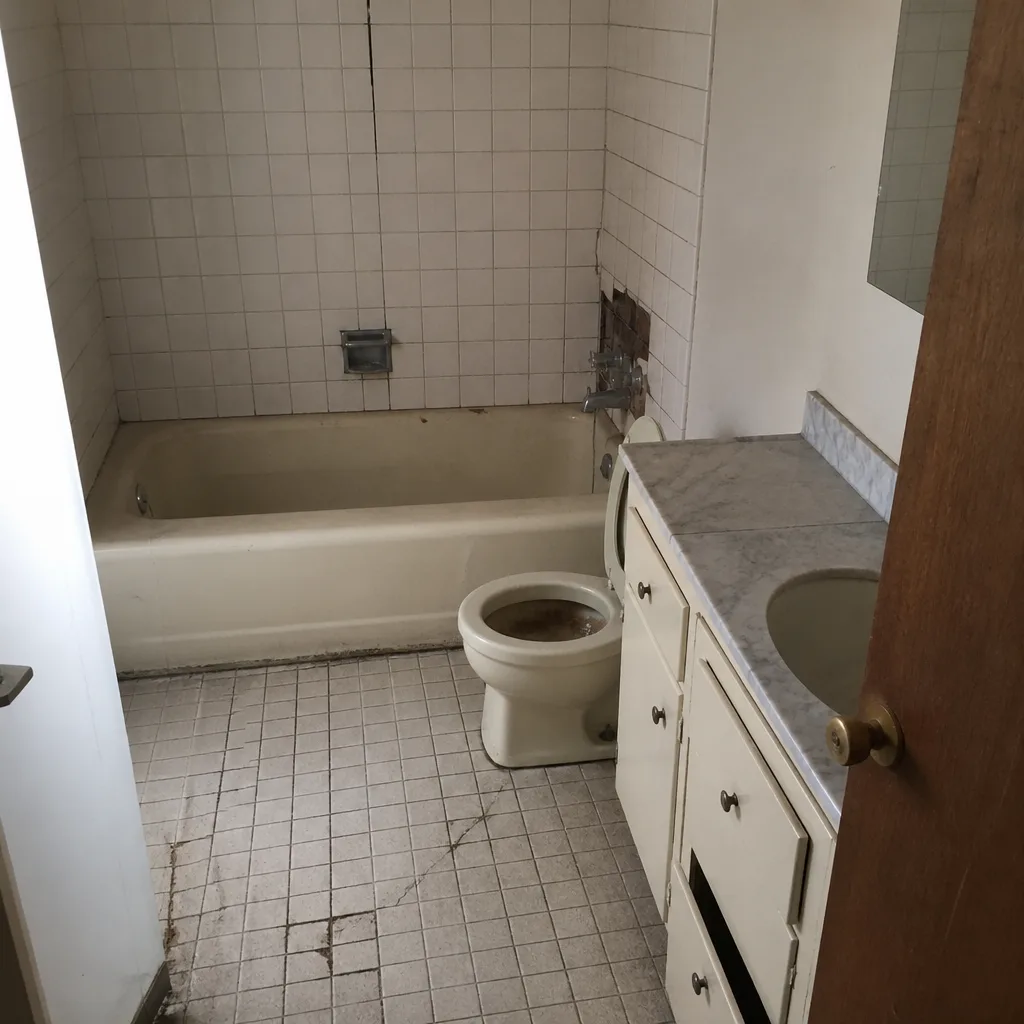 Before
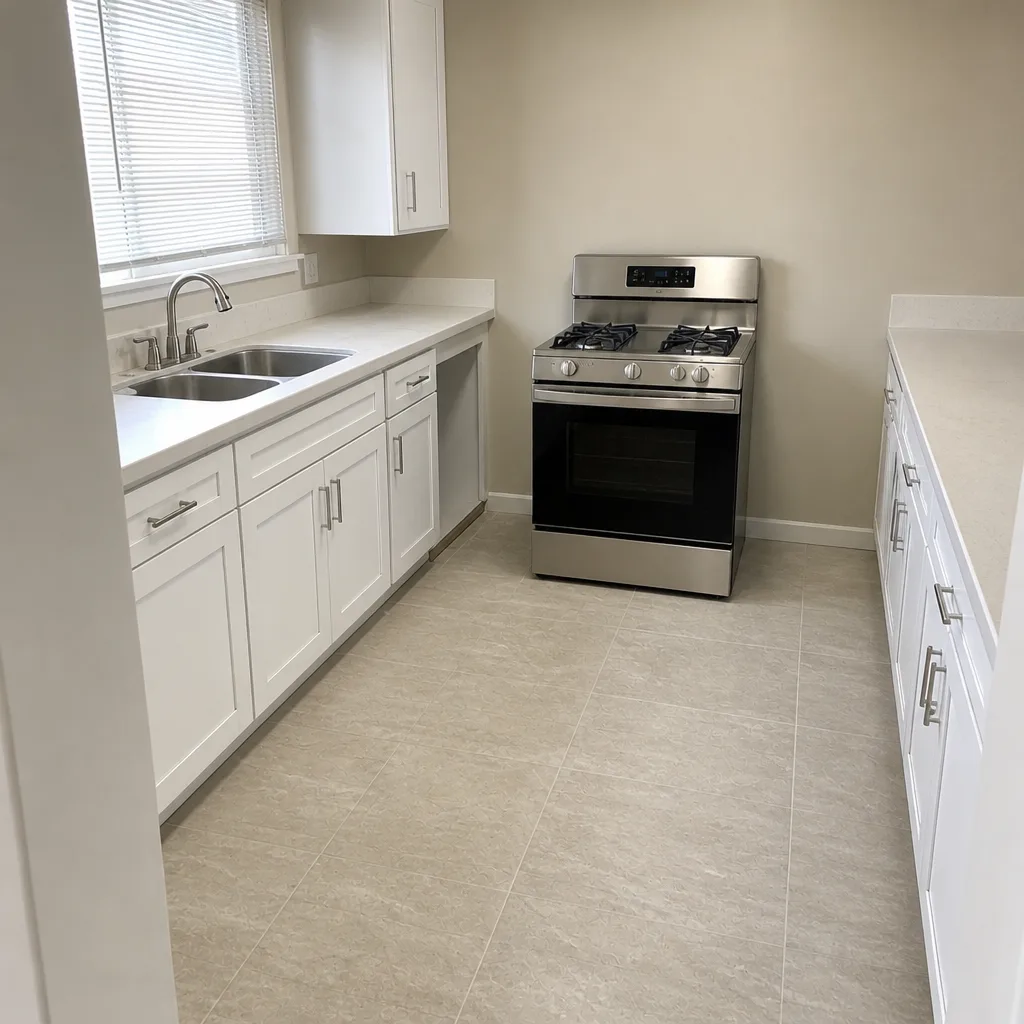
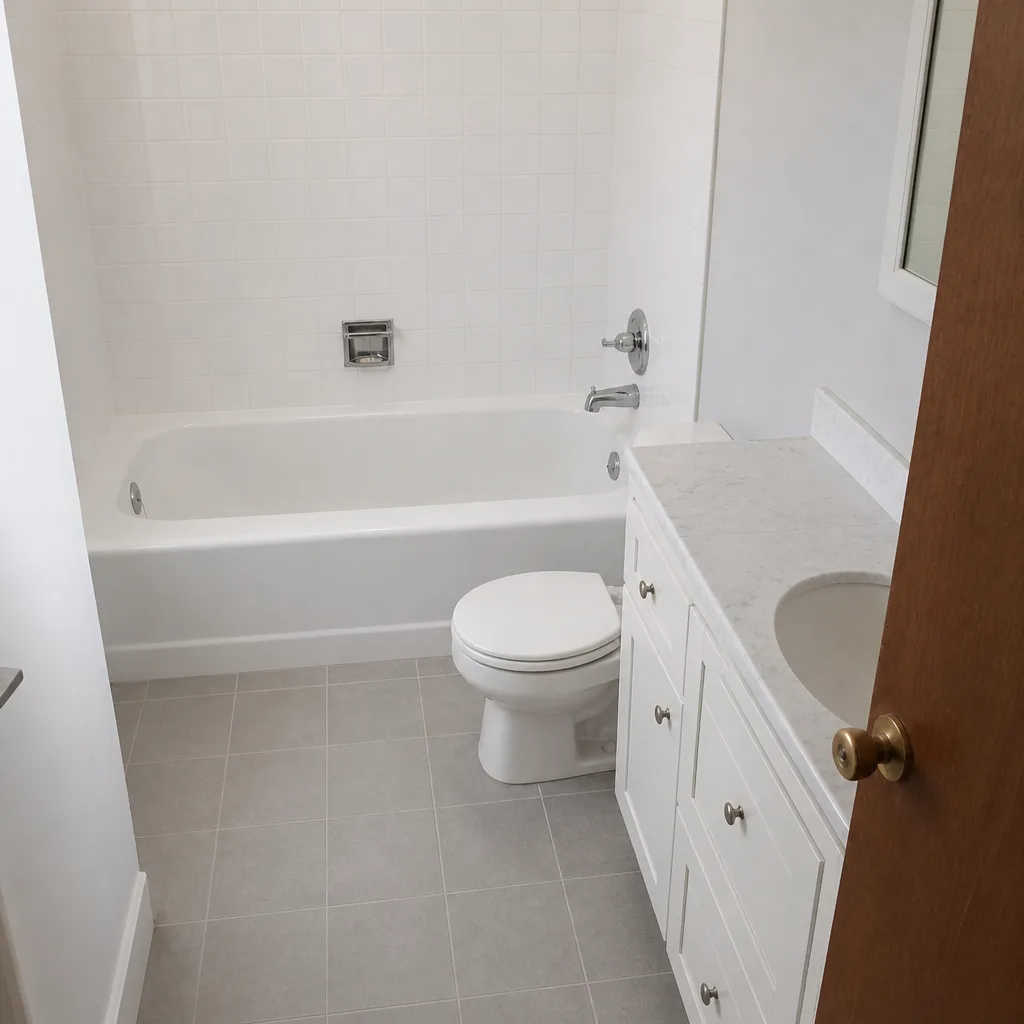 After
 Before
 After
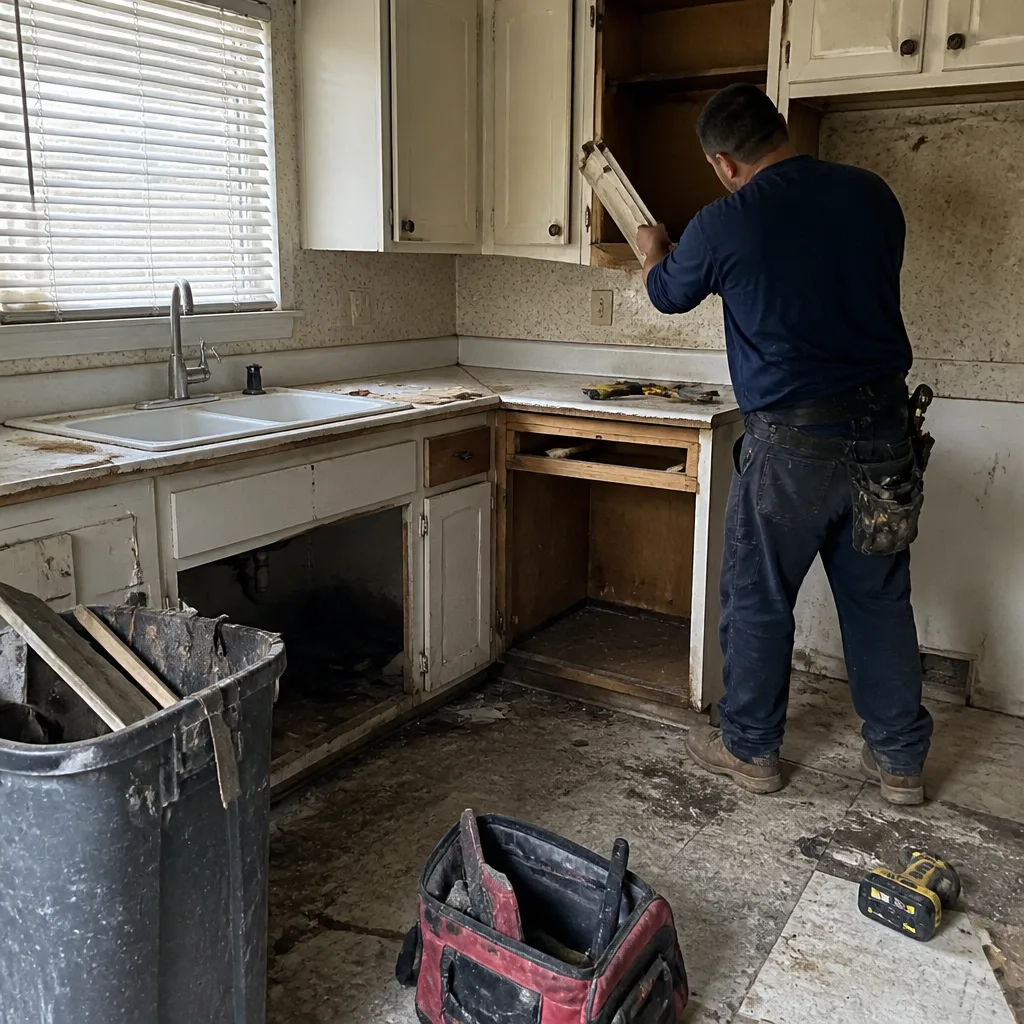 Before
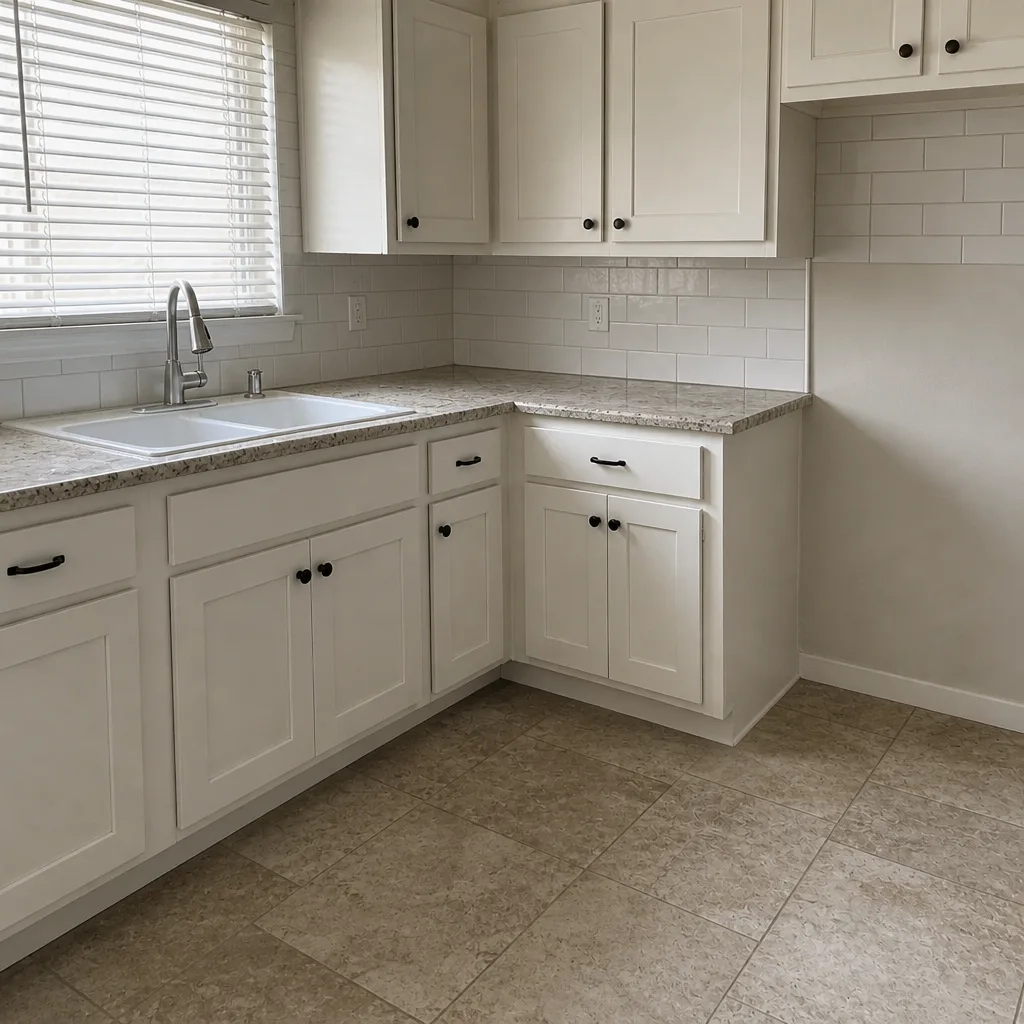 After
When to Call a Professional
Call a professional when the tap test reveals more than two adjacent hollow pavers, when there’s a visible drop near the garage threshold, when water is pooling within 24 hours of rain, or when the edge restraint is loose or broken and pavers are migrating across a section. Those four patterns point to base-level issues that a homeowner can’t diagnose by eye alone – and getting the call wrong costs more than the repair would have.
Groundwork Construction Co. of Anaheim offers free estimates on paver repair and replacement across Anaheim. We pull up each paver, tap-test the base, and write a line-item scope that separates what’s failing, what’s worth saving, and what needs to be rebuilt. Our technicians bring up to 12 years of experience to each job, and every project is backed by our 730-Day Done Right Promise – if it’s not done right, we make it right. Call (888) 300-3178 to schedule your free estimate. Calls are answered by a live person, 24/7.
Frequently Asked Questions
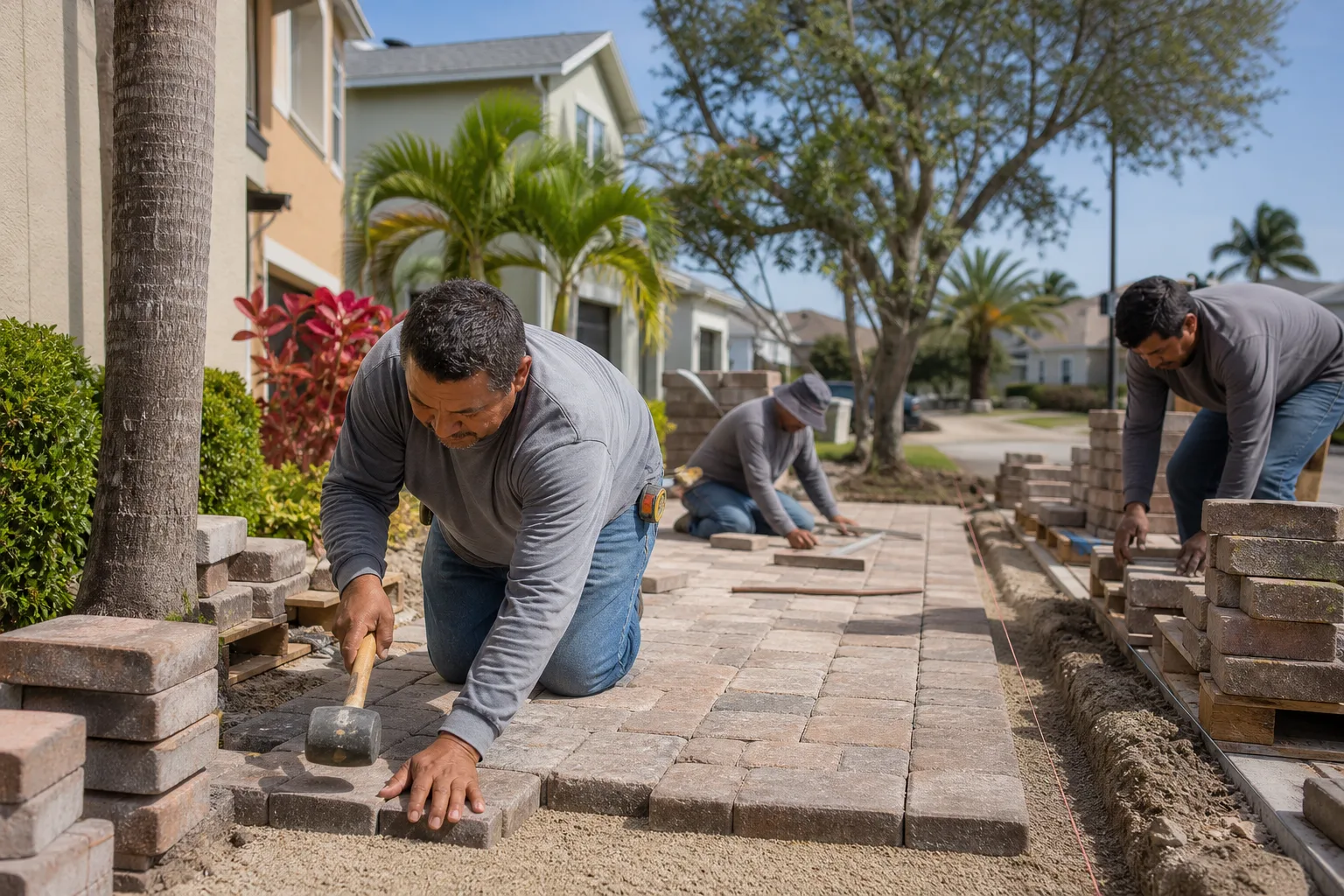
Paver repair in Anaheim typically runs $300-$900 for isolated repairs (lifting, re-sanding, and resetting a section) and $1,200-$3,000 for broader base corrections involving edge restraint replacement or drainage correction. Full driveway replacement runs $9,000-$18,000 depending on square footage and paver selection. Call (888) 300-3178 for an exact written quote on your Anaheim driveway – estimates are free.
You can lift a single loose paver and refill the bedding sand, but doing it right requires compacting the base and vibrating the reset paver into plane with the neighbors. A hand-tamped paver will look flush and sit 1/8 inch low within a month. The fix is straightforward with the right tool (a plate compactor), not with hand tools alone.
Rocking after summer is almost always joint sand migration. Anaheim summers regularly cross 95°F, which dries out and blows out the joint sand. Once joints open, the bedding layer underneath shifts laterally with traffic. The repair is lifting, re-bedding, resetting, and refilling with polymeric sand – not replacing the pavers.
No. White staining is efflorescence, a natural salt deposit from moisture moving through the concrete. It’s not mold, not a structural warning, and not harmful. It just looks bad. The safe removal is a diluted efflorescence remover and a stiff brush – not high-pressure washing or full-strength acid.
A partial repair holds if the failure is isolated, the surrounding base is sound, and the edge restraint is still anchored. It tends to fail at the seam within two seasons if the base failure is broader than the visible surface damage. The tap test shows you which scenario you’re in.
Edge creep is caused by a failed or improperly anchored edge restraint. Under summer heat and traffic, the outer row of pavers has nothing locking them in place and slowly migrates outward. The fix is resetting and anchoring the restraint, then resetting and re-sanding the outer rows. Resetting the pavers alone without fixing the restraint guarantees a return visit next summer.
The Bottom Line
Most driveway paver problems are repairable without replacement – if you diagnose correctly. Surface damage (staining, chips, efflorescence) is cosmetic. Bedding failure (rocking, migrating sand, isolated drops) is a one-to-two-day fix. Base failure (broad settlement, spreading edges, pooling water) is a bigger job, but usually still a section repair rather than a full driveway. The tap test and the 24-hour ponding test tell you which one you have before you spend a dollar. For everything beyond a single rocker, in Anaheim or anywhere across Orange County, get a professional assessment – and get it in writing.
If you’re looking at a paver driveway that needs more than re-sanding, we’re set up to handle it as part of a broader hardscape scope. Our Fence Installation in Anaheim and Home Additions & ADU in Anaheim teams often get called in when a driveway repair turns out to be a full sight-line or grading correction. From foundation to finish line, everything we touch is built to last and backed in writing by the 730-Day Done Right Promise. We’ve been proud to serve homeowners since 2014, and we bring the same upfront pricing model to every job: the number you see is the number you pay. On projects over $10,000, take $1,000 off, and 0% financing for 18 months is available for qualified homeowners. We also use a curated set of brand partners – CWS, ES Windows, ECO Window Systems, and Mr-Glass among them – that we trust enough to put on our own jobs. Call (888) 300-3178 for your free estimate and let’s figure out what’s actually going on under those pavers.
Written by the team at Groundwork Construction Co. of Anaheim.