Last updated November 18, 2026







Free written scope consultation - allowances, timeline, and change-order rules on paper before a single trade is scheduled
Bathroom Remodeling Warning Signs Every Homeowner Should Know
Efflorescence is the warning light most homeowners ignore. Those white, chalky deposits creeping across your grout and tile aren’t a cleaning problem – they’re minerals left behind by water moving through the wall assembly. Which means the waterproofing behind your tile is already compromised, and the clock on a five-figure repair started ticking months ago. In our experience walking Anaheim bathrooms, the expensive failures almost always announce themselves first. The homeowner just didn’t know what they were looking at. This guide teaches you to read your bathroom the way a contractor does: which cracks matter, what a hollow tile is telling you, why that drain keeps coming back, and how to tell a workmanship problem from a material problem.
Styles & brands we work with
- Kitchen remodeling
- Bathroom remodeling
- Home additions & ADU
- Roofing
- Windows & doors
- Driveway & pavers
- Fence
Quick Answer
The most serious bathroom remodeling warning signs are efflorescence on grout, hollow-sounding tile, a soft or spongy floor near the toilet base, cracks that follow a pattern or keep widening, and a slow drain that returns after snaking. Each one points to a hidden problem – failed waterproofing, a deteriorating substrate, rot, or a venting issue – and each gets dramatically more expensive the longer it’s ignored. Catching them early usually means a targeted repair instead of a full gut remodel.
Table of Contents
- Efflorescence: The White Powder That Means Water Is Winning
- Cracks That Matter vs. Cracks That Don’t
- The Hollow Tile Test (and What It Reveals)
- Soft Spots Near the Toilet Base
- Why Your Slow Drain Keeps Coming Back
- Workmanship Failure vs. Material Failure
- Anaheim-Specific Warning Signs
- Common Mistakes to Avoid
- When to Call a Professional
- Frequently Asked Questions
- The Bottom Line
Efflorescence: The White Powder That Means Water Is Winning
Efflorescence shows up as a fine white or grayish powder on grout lines, tile faces, and sometimes on the base of a shower wall. A lot of homeowners scrub it off, assume it was soap scum, and move on. It comes back. It always comes back, because the source is behind the tile. Water is getting into the wall assembly, dissolving salts out of the thinset, grout, or substrate, and pushing those salts to the surface as it evaporates. The powder is the symptom. The wet cavity behind the tile is the disease.
In a properly built shower, the waterproofing layer – a bonded membrane, a foam board system, or a traditional mortar bed with a liner – keeps water out of the substrate entirely. When that layer fails, or when it was installed wrong from the start, water finds the studs, the drywall, and eventually the framing. Wood softens. Mold colonizes the cavity. The tile stays put for a while, which is exactly why this gets missed.
What to check before you call anyone:
- Where the powder appears. Efflorescence at the bottom of a shower wall near the pan is the classic sign of a failed pan liner or a clogged weep hole system.
- Whether it returns after cleaning. Clean it once with a diluted white vinegar solution. If the powder is back within two or three weeks, water is actively moving.
- Grout that stays dark. Grout that never fully dries after a shower, or darkens again within hours, is holding moisture from behind.
- Loose or lifting tile edges. Tile that rocks slightly underfoot or shows a lifting edge near the efflorescence is losing its bond to a wet substrate.
Efflorescence on an exterior wall of an Anaheim home can also come from the outside – our occasional winter rain driving into a hairline crack at a window or stucco joint. In an interior shower, though, it’s almost always the waterproofing. If you’re seeing it in a shower that was remodeled within the last few years, that’s a workmanship conversation with whoever built it. If it’s a shower from the 1990s, it’s likely time to rebuild the wet area properly. Either way, get it looked at before the framing goes soft.
Cracks That Matter vs. Cracks That Don’t
Not every crack is a problem. Houses move. A home in Anaheim built on expansive clay soil, or one near the Santa Ana River corridor where soil conditions shift, will develop hairline cracks at grout joints and along the seam where the wall tile meets the floor tile. Those are cosmetic. The ones that should get your attention have a shape, a direction, or a growth pattern. Here’s how to sort them.
Cracks that are usually normal
- Thin, straight hairline cracks in grout at inside corners
- Cracks along the joint where wall tile meets floor tile (a movement joint, not a defect)
- Small cracks in the caulk bead around a tub or shower base
- Isolated hairline cracks in a floor tile that hasn’t spread or lifted
Cracks that signal trouble
- Diagonal cracks running from a corner of a window or door opening – these follow stress paths and can indicate movement in the framing or substrate.
- Stair-step cracks in tile that cross multiple grout lines – a sign the substrate beneath the tile has cracked or delaminated, which means the tile is now spanning a moving gap.
- Cracks that keep widening. Measure a suspicious crack with a pencil mark and check it again in 30 days. Any measurable growth is a red flag.
- Cracks radiating from a single point – often impact damage or a localized substrate failure under one tile.
- Cracks paired with a hollow sound or a soft floor. Never cosmetic when combined with either.
The distinction matters because the repair is different. A cosmetic grout crack gets re-grouted or re-caulked. A stair-step crack across the floor usually means the substrate – the cement backer board, the mortar bed, or a plywood subfloor – has failed, and the tile has to come up to fix it. That’s a real remodel scope, not a patch. If you’re seeing cracks like these anywhere in your Anaheim home, a free estimate and design consult will tell you quickly whether you’re looking at a $400 caulk-and-seal job or a wet-area rebuild.
The Hollow Tile Test (and What It Reveals)
Here’s the single most useful diagnostic a homeowner can do without any tools beyond a screwdriver handle or a coin. Tap the face of your wall and floor tile with the plastic end of a screwdriver handle, working in a grid across the surface. A properly bonded tile produces a sharp, solid click. A tile that has lost its bond to the substrate produces a dull, hollow thud – the difference is unmistakable once you hear both.
- Tap in a grid. Start at the top of one wall and tap every tile, then move down. Do the floor the same way, especially around the shower pan and the toilet base.
- Listen for the change. Solid tile clicks. Loose tile thuds. A single hollow tile near a corner or an edge can be a small installation miss.
- Map what you find. Note every hollow tile on a quick sketch. A cluster of hollow tiles is the concern – one isolated tile usually isn’t.
- Check the pattern. Hollow tiles spread in a band across a wall, or a patch on the floor, mean the thinset or the substrate has failed over an area. That’s a shower living on borrowed time.
Why does it happen? Water gets behind the tile, softens or degrades the thinset, and the bond lets go. Or the tile was set over a substrate that wasn’t flat, wasn’t dry, or wasn’t the right material, and the bond never fully formed. In a shower, hollow tile plus any efflorescence is a near-certain rebuild. In a dry area like a bathroom wall away from the shower, an isolated hollow tile might just be a spot where the installer missed coverage.
What a cluster of hollow tile tells you is that water is already inside the assembly and the tile is the last thing holding the wall together. Don’t pull a tile off to look – that opens the cavity to more water and, in a shower, breaks the waterproofing further. Get a professional to assess the extent. Our technicians have up to 12 years of experience reading exactly this kind of failure, and a free estimate will tell you whether the wet area needs a partial or full rebuild. The alternative is waiting for a tile to fall and taking the wall with it.
Soft Spots Near the Toilet Base
Stand on the floor next to your toilet and shift your weight. If the floor gives, sponges, or feels different from the rest of the bathroom, that’s a soft spot, and it’s telling you something specific: water has been reaching the subfloor for a long time. The usual culprit is a failed wax ring or a slow leak at the toilet flange – a seal that’s been letting a little water seep under the toilet base with every flush for months or years. The subfloor soaks, the plywood or OSB delaminates, and one day the toilet starts to rock.
The economics here are brutal if you wait. Caught early, a soft spot near the toilet base is a targeted repair: pull the toilet, cut out the damaged section of subfloor, patch it, reset the toilet with a new wax ring and a new flange if needed. That’s typically a few hundred to low four figures depending on how much subfloor is affected and whether tile has to be matched. Ignored, that same soft spot spreads, the toilet flange pulls loose from rotten wood, the floor gets a full tear-out, and you’re looking at a remodel of the entire bathroom floor plus whatever water damage has reached the framing and the room below.
Check for these signs around the toilet:
- Rocking toilet. A toilet that rocks when you sit on it, or that needs its bolts retightened repeatedly, is often sitting on a soft subfloor.
- Dark or stained grout radiating out from the toilet base – a sign of chronic moisture.
- Lifted or cracked tile around the toilet footprint.
- A musty smell that doesn’t go away after cleaning.
- Water staining on the ceiling below, if your bathroom sits over a first-floor room.
In Anaheim, a lot of the housing stock dates to the 1950s through the 1980s, and original subfloors in those homes have had decades of small toilet leaks. We see soft spots near toilet bases in a surprising share of the bathrooms we walk. If your floor feels soft, get an estimate before it becomes a gut remodel. The number you see is the number you pay, and a free estimate costs nothing.
Why Your Slow Drain Keeps Coming Back
A slow drain that gets better after snaking and then slows again is not a clog problem. It’s a venting problem. Every plumbing fixture needs a vent – a pipe that runs from the drain up through the roof to let air in behind the draining water. Without it, water draining out of the fixture creates a vacuum in the pipe, and the flow slows or gurgles. When you snake the drain, you clear whatever partial clog is there, the flow improves for a week or two, and then the same slow drain returns because nothing was ever done about the vent.
Other clues that point to venting rather than a clog:
- Gurgling sounds in the drain, the toilet, or another fixture when water drains.
- Drains in more than one fixture slowing at the same time, or in a pattern (sink and tub, but not toilet).
- A sewer smell that appears intermittently, especially after a shower.
- Slow drains after a period of disuse, then improvement after running water for a while.
- Drain cleaning that never fully restores flow. If snaking helps but doesn’t solve, you’re not looking at a clog.
Venting problems in a bathroom have a few common causes. A remodel that removed a wall without rerouting the vent. A vent stack blocked at the roof by a bird nest, leaf debris, or a collapsed section of pipe. A vent that was never properly connected in the first place, sometimes found in older Anaheim homes where a bathroom was added or moved over the years. A blocked vent also lets sewer gas back into the house, which is a health issue as much as a plumbing one.
The fix depends on the cause. Clearing a blocked vent stack is a roof-and-plumbing task. Rerouting a vent for a bathroom that was remodeled wrong is a minor construction job. Diagnosing it requires someone who knows the difference between a clog and a vent, and a lot of well-meaning handyman visits are spent re-snaking a drain that was never clogged. If your slow drain keeps coming back, ask for a vent check, not another snake.
Workmanship Failure vs. Material Failure
This distinction matters more than any other in this guide, because the two failures get you different conversations and sometimes different money. Workmanship failure means the materials were fine but the installation wasn’t. Material failure means the installation was fine but the product itself failed. The signs look similar from the outside. They aren’t.
Signs of workmanship failure
- Water pooling or not draining in a shower pan that was pitched wrong – a slope problem that water always finds.
- Hollow tile over a wide area, especially hollow tile in the first row above the shower pan.
- Grout cracking in a fresh-looking remodel, a shower that leaks or effloresces within a few years of being built.
- Tile lippage – edges that sit proud of the tile next to them – from a substrate that wasn’t flattened.
- A shower valve set too deep or too shallow, a toilet flange set below the finished floor, a tub installed out of level.
- No waterproofing membrane, or a membrane that stops short of the shower curb or the bench.
Signs of material failure
- Grout that powders or crumbles across the whole floor in a uniform pattern.
- Tile that crazes, chips, or discolors in a pattern that follows the tile itself, not the installation.
- Caulk that fails repeatedly in the same joint after proper replacement.
- A fixture that leaks at a factory joint, a valve cartridge that fails early, a toilet that runs because the fill valve sticks.
Why the distinction matters: workmanship is a conversation with the contractor who built the bathroom. Material failure is a conversation with the manufacturer’s warranty. If you go to the manufacturer with a slope problem, you’ll be told the product isn’t the issue. If you go to the contractor with a failed cartridge, you’ll be told the part is under warranty. Getting the diagnosis right the first time saves weeks.
A properly built bathroom uses known-good materials installed correctly – that’s part of why Groundwork works with a curated list of brand partners including Kohler for fixtures and trusted tile and waterproofing systems across every wet area. When a bathroom is built right, backed in writing by a 730-Day Done Right Promise, workmanship failure shouldn’t happen. When it does, the promise is what makes it right. If you’re looking at a bathroom and you can’t tell whether what you’re seeing is the tile or the install, a free estimate with someone who reads both will settle it.
Anaheim-Specific Warning Signs
Anaheim’s climate and its older housing stock leave specific fingerprints on bathroom failures, and a homeowner here should know what they look like. Our weather is mild and dry most of the year, which means bathroom moisture problems often develop slower and hide longer than they would in a wetter climate. That cuts both ways: less driving rain against the walls, but a shower that’s leaking behind the tile dries out slowly between uses and the framing has time to rot quietly. Dry air also evaporates the visible moisture, so you see the efflorescence but not the wetness that caused it.
What we look for in Anaheim bathrooms:
- 1950s to 1980s builds with original showers, tub surrounds, or subfloors. These often predate modern waterproofing membranes and have had decades of small leaks.
- Hard water deposits that mask efflorescence. Anaheim’s water is on the harder side, and the chalky scale on fixtures can hide the chalky efflorescence on grout until it’s well advanced.
- Slab-on-grade plumbing leaks. Many Anaheim homes sit on a slab with plumbing running through it. A slow drain or a slab leak can present as a bathroom floor problem that looks cosmetic from above.
- Additions and remodels from prior owners, where a bathroom was expanded or reconfigured and the waterproofing, venting, or slope was never done to code.
- Expansive clay soil in parts of the city, where foundation movement shows up as diagonal cracks around bathroom windows and door openings.
Anaheim is also a city where permits matter. Any bathroom remodel that moves plumbing, electrical, or framing is supposed to be permitted and inspected. A bathroom that shows workmanship failure and was done without permits leaves you with two problems: the failure itself and the unpermitted work. When we scope a bathroom in Anaheim, permits are pulled and inspections passed as part of the job – that’s not a slogan, it’s the only way to know the waterproofing and the rough plumbing are actually right before the tile goes on. If you’ve inherited a bathroom you’re not sure was permitted, an estimate is the moment to sort that out.
If your warning signs point beyond the bathroom – a failing roof overhead, a driveway that’s cracking toward the foundation, an addition that needs to tie into the existing structure – those are different conversations with the same standard of work. Our Groundwork Construction Co. of Anaheim home page covers the full scope, and our Home Additions & ADU in Anaheim work is where a bathroom problem and a structural problem often overlap.
Common Mistakes to Avoid
- Scrubbing off efflorescence and calling it fixed. Cleaning the surface powder without addressing the water behind the tile just hides the problem for a few weeks. It always returns because the moisture source is untouched.
- Snaking a slow drain for the third time. If a drain keeps slowing after cleaning, the vent is the likely culprit, not the clog. More snaking wastes money and leaves the real problem – and the sewer gas – in place.
- Ignoring a rocking toilet. A toilet that rocks is often sitting on a soft subfloor, which is a leak. Tightening the bolts is a band-aid that buys weeks, not a fix.
- Assuming a hollow tile is a fluke. One hollow tile in a dry area can be minor. A cluster in a shower is a failed waterproofing or bond, and it doesn’t heal.
- Hiring on the lowest bid in Anaheim without a written scope. A bid that doesn’t specify the waterproofing system, the substrate, the tile set method, and permits is not a comparable number. The gap shows up two years later as hollow tile and efflorescence.
- Remodeling over a wet substrate. Covering a leaking shower with new tile, or a soft floor with new flooring, traps the water and speeds up the failure. The hidden problem has to be fixed first.
- Skipping the permit to save time. In Anaheim, unpermitted plumbing and waterproofing work is a problem you inherit, and it’s the first thing a future buyer’s inspector will flag.
When to Call a Professional
Some of what’s in this guide you can check yourself: tap the tile, look for efflorescence, stand on the floor by the toilet, measure a suspicious crack. But there are specific situations where the smart move is to stop checking and get a professional assessment. Call us when efflorescence returns after cleaning, when a band of tile sounds hollow, when the floor near the toilet gives underfoot, when a slow drain keeps coming back after snaking, or when a crack is widening or paired with another symptom. Call us before you remodel over a problem – the cost of opening a wet wall during a planned remodel is far lower than the cost of discovering it after the tile is set. Groundwork Construction Co. of Anaheim offers free estimates in Anaheim – call (888) 300-3178 to schedule yours. The 730-Day Done Right Promise covers the work, permits are pulled and inspections passed, and the number you see is the number you pay.
If the warning signs have spread to the outside of the house, our Fence Installation in Anaheim and Driveway & Pavers in Anaheim teams assess those too, since water management around a home ties directly to what shows up inside it.
Frequently Asked Questions
Efflorescence combined with hollow tile in a shower is the most serious single combination, because together they indicate water is already inside the wall and the tile has lost its bond. Either one alone deserves a professional look; together, they usually mean the wet area needs a rebuild. Call (888) 300-3178 for a free estimate before the damage spreads.
Caught early, a soft spot near the toilet base in Anaheim typically runs from a few hundred dollars for a targeted subfloor patch with a new wax ring to low four figures if tile has to be matched and the flange is compromised. Left to spread, the same problem becomes a full bathroom floor remodel plus any water damage to the framing and the room below. Call (888) 300-3178 for an upfront estimate – estimates are free, and the number you see is the number you pay.
Not always, but in an interior shower it usually is. Efflorescence on the base of a shower wall, or on grout that stays dark between showers, points to water moving through the tile assembly. On an exterior wall, it can come from rain driving into a hairline crack. Either way, if it returns after cleaning, the moisture source is active and should be assessed.
Normal settling cracks are thin, straight, and tend to sit at inside corners or movement joints between wall and floor tile. Structural or substrate cracks run diagonally from a corner of a window or door opening, stair-step across multiple grout lines, or keep widening. Measure a suspicious crack, check it in 30 days, and call a professional if it has grown.
A slow drain that returns after snaking is almost always a venting problem, not a clog. The vent lets air in behind draining water; a blocked or missing vent restricts flow, so snaking only fixes the symptom. Gurgling, intermittent sewer smell, and multiple fixtures slowing together all point to the vent. The fix is a vent check and repair, not another snake. Call (888) 300-3178 to get it diagnosed properly.
Yes – permits are pulled and inspections passed on every bathroom remodel where plumbing, electrical, or framing is affected. Unpermitted work is a problem you inherit, and it’s the first thing a future inspector will flag. If you’re unsure whether your bathroom was permitted, a free estimate is the moment to sort it out. Call (888) 300-3178.
The Bottom Line
Bathroom failures announce themselves early. Efflorescence, hollow tile, a soft floor by the toilet, a drain that returns after snaking, a widening crack – each one is a signal you can read, and each one gets dramatically more expensive to fix the longer you ignore it. The skill is knowing which warning signs are cosmetic and which are structural, and whether you’re looking at a workmanship problem or a material problem, because the conversation and the cost are different. Read your bathroom like a contractor, check it twice a year, and get an estimate the moment something doesn’t add up. Caught early, most of what’s in this guide is a targeted repair, not a gut remodel.
To schedule a free project estimate and design consult in Anaheim, call (888) 300-3178. Calls are answered by a live person 24/7, our technicians are background-checked and arrive in uniform, and every project is backed by the 730-Day Done Right Promise – if it’s not done right, we make it right. From foundation to finish line, built to last and backed in writing.
Written by the team at Groundwork Construction Co. of Anaheim.
See the difference
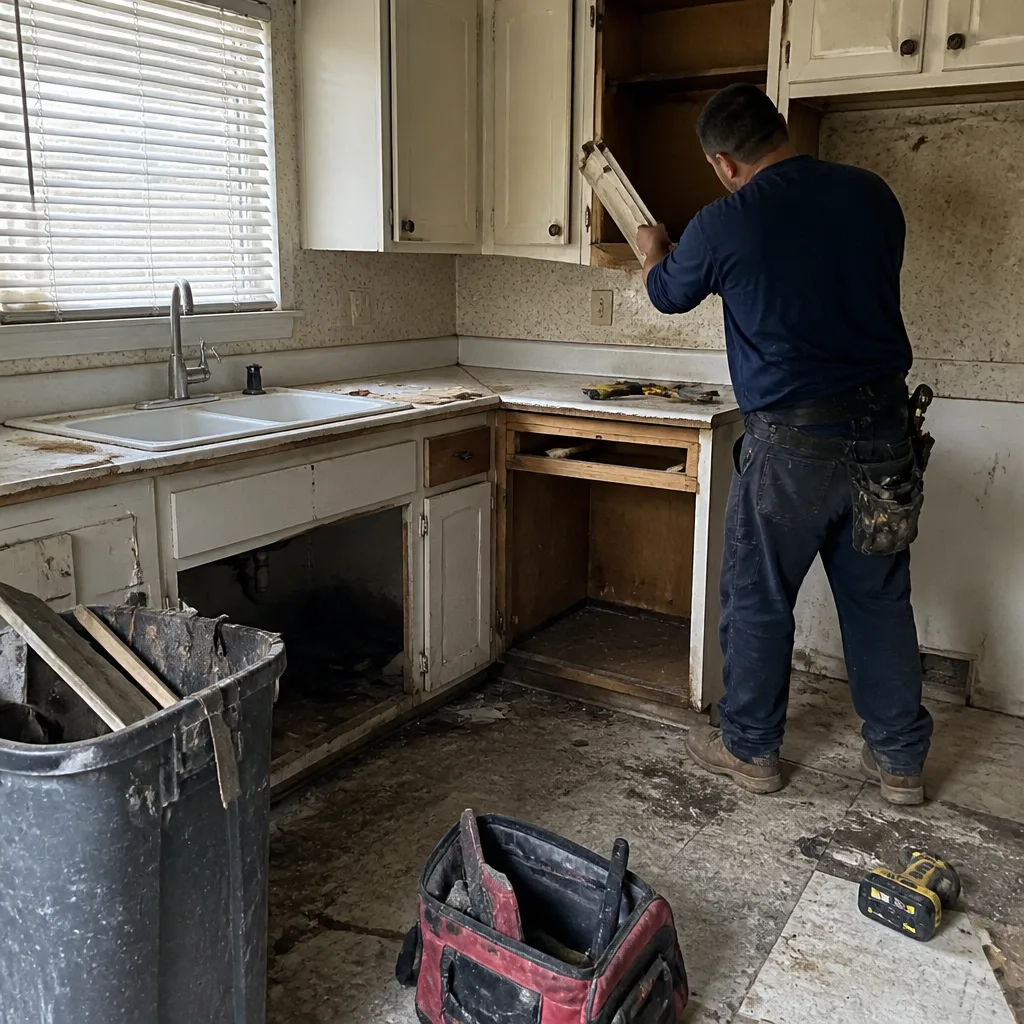
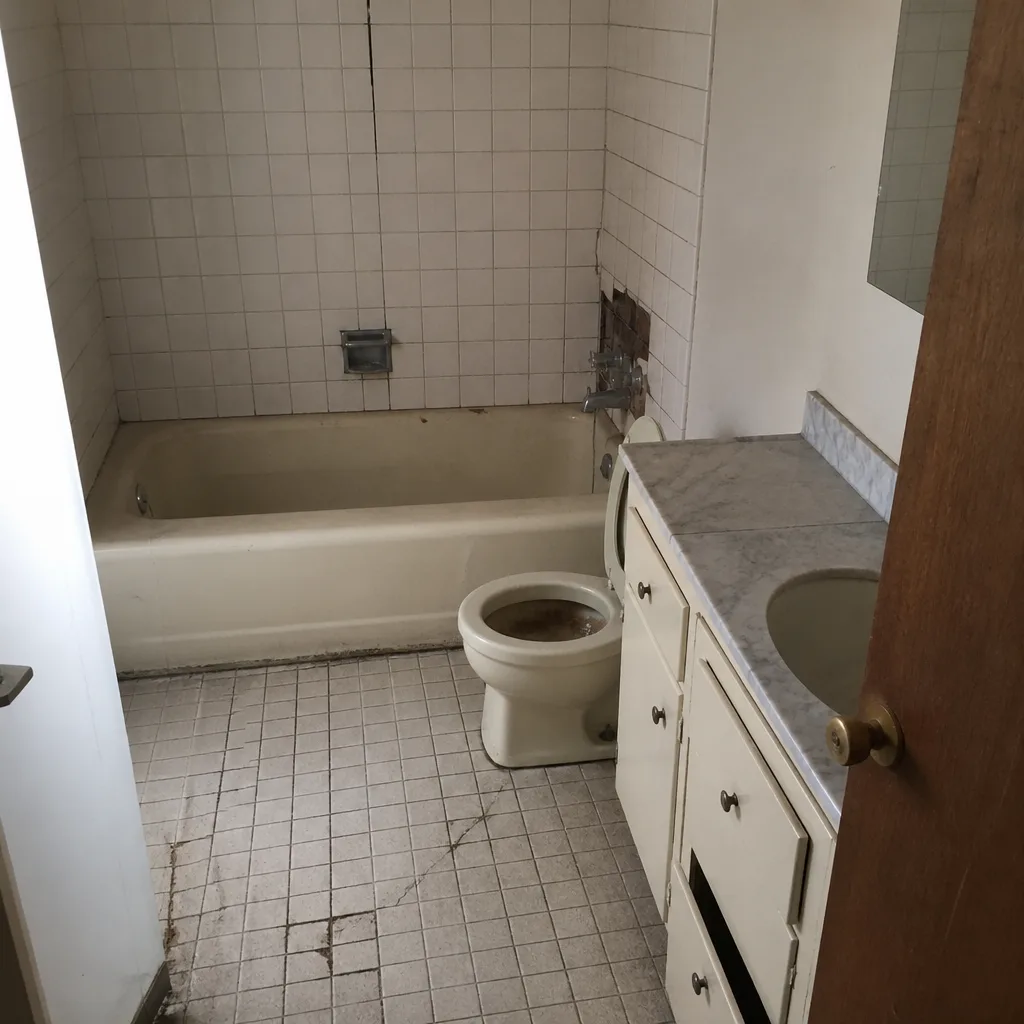 Before
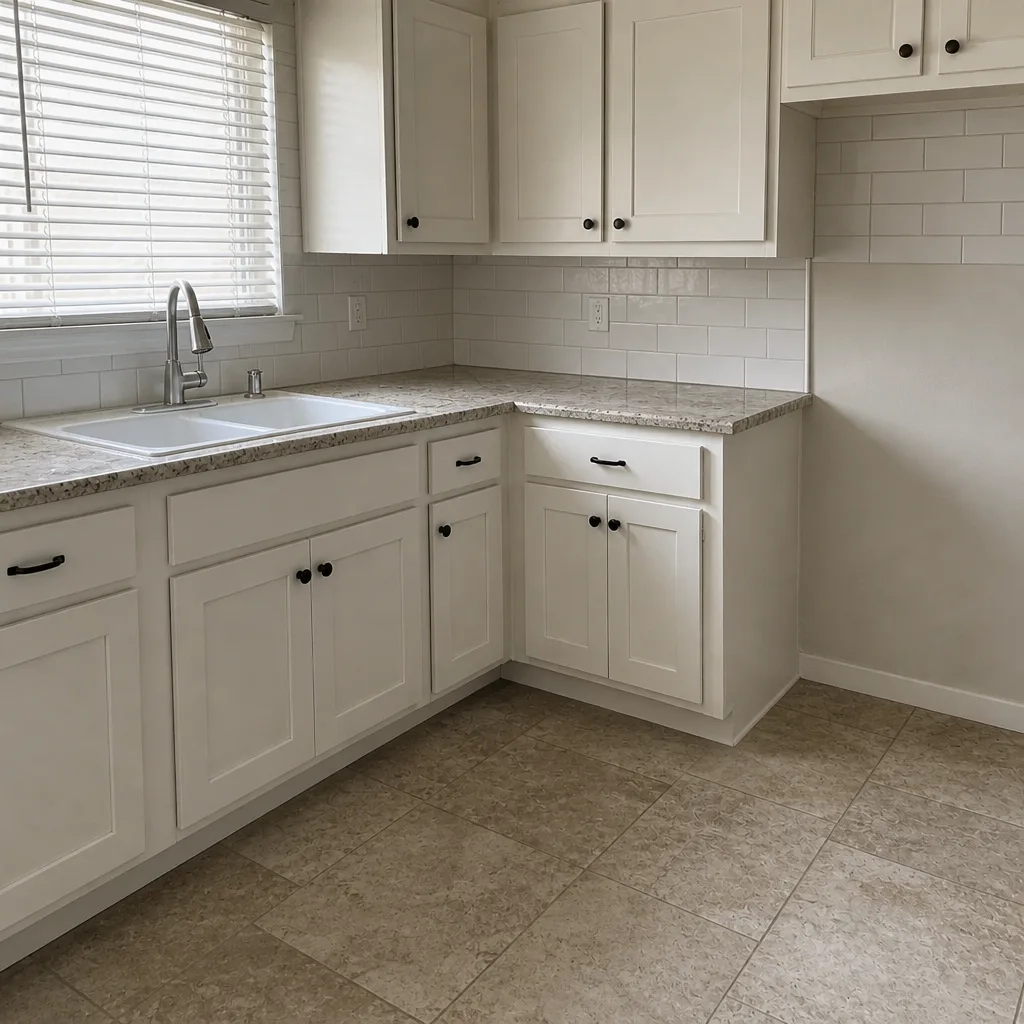
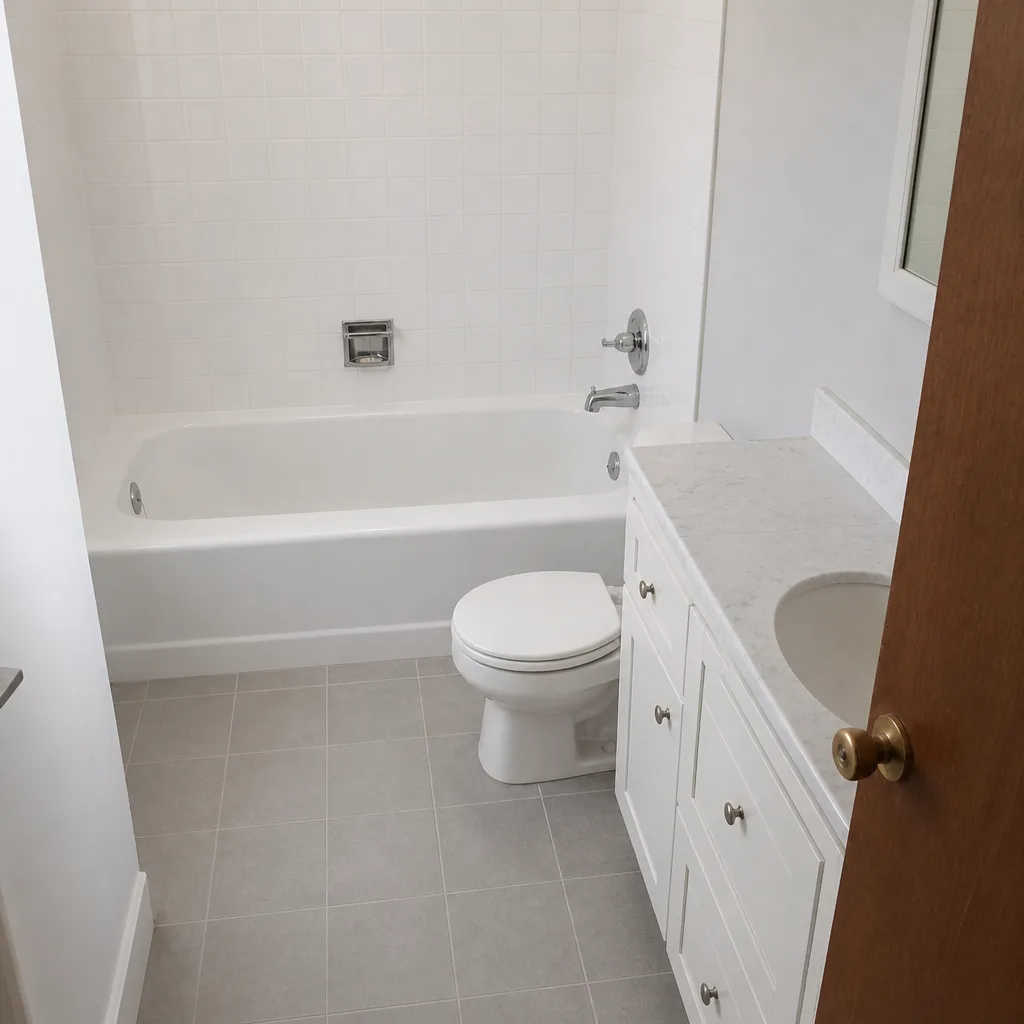 After
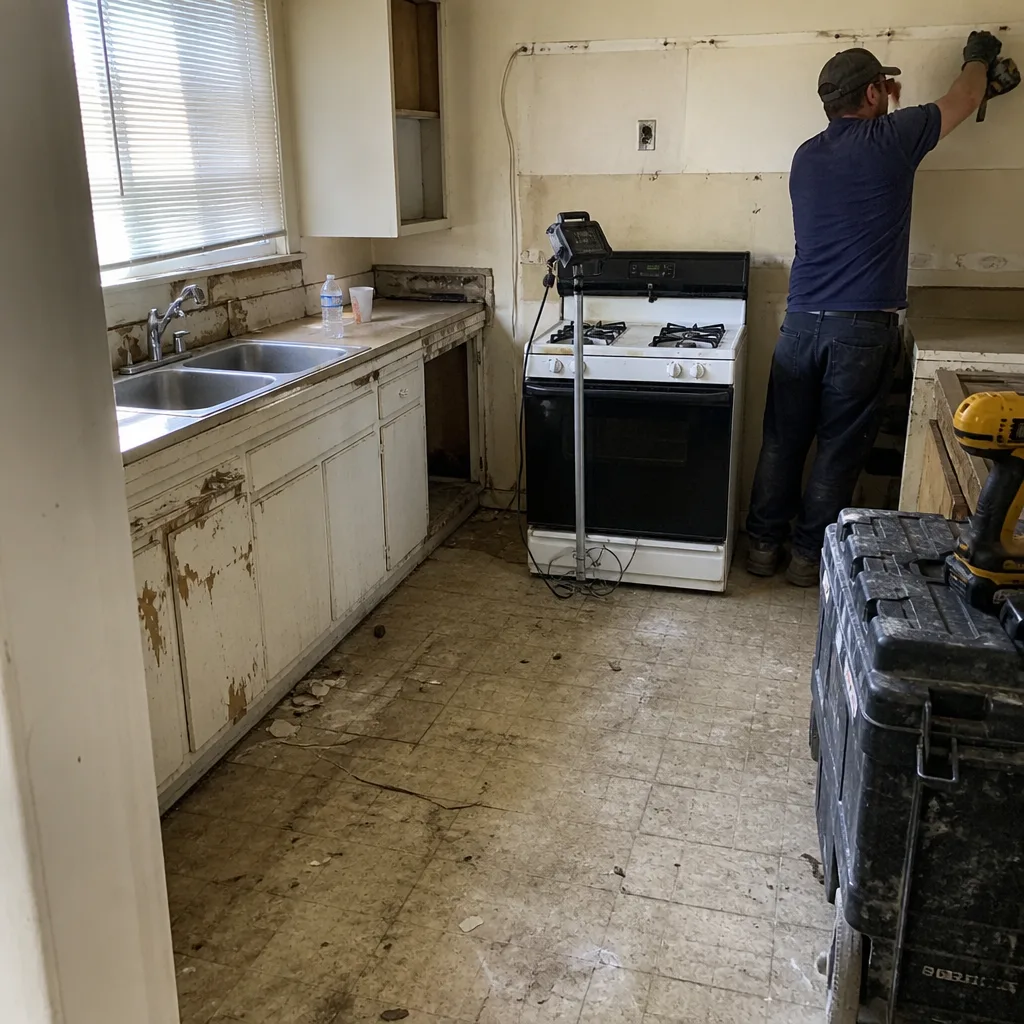 Before
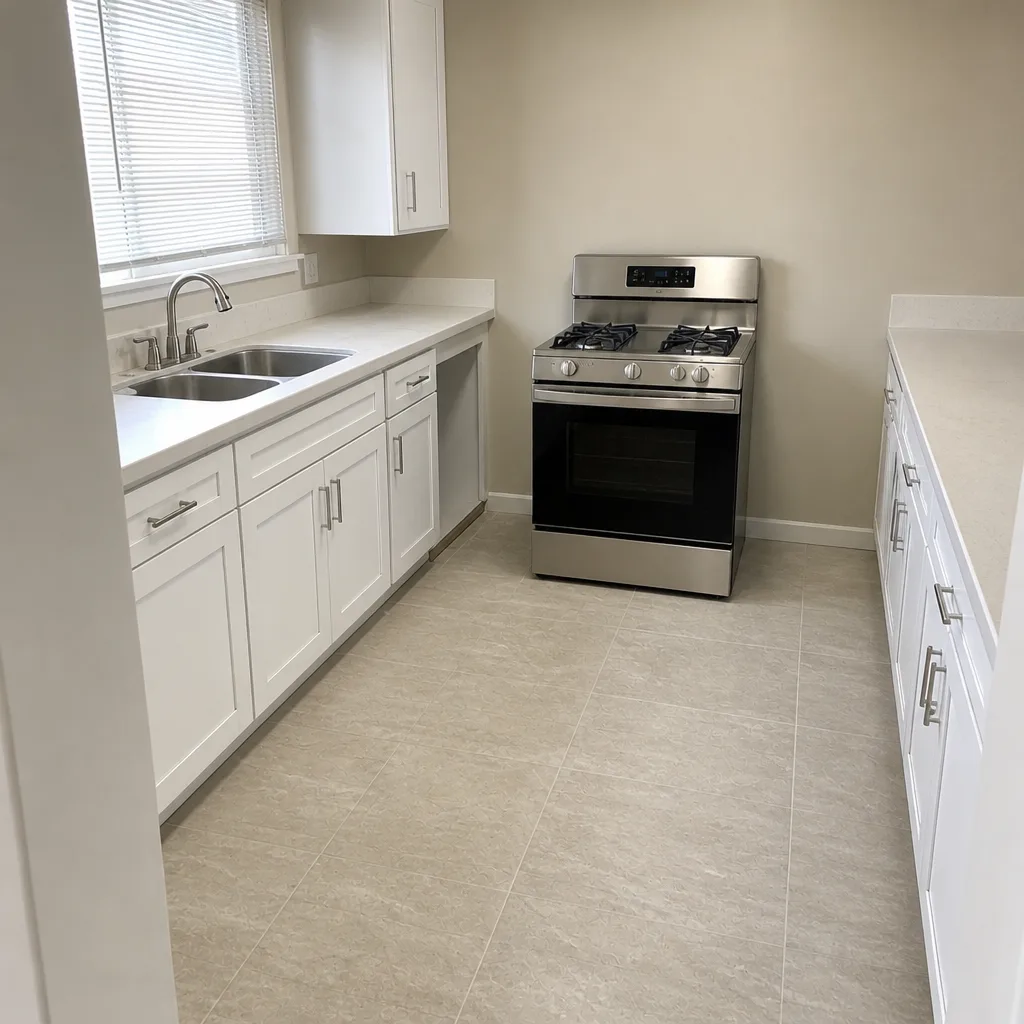 After
 Before
 After