
Last updated November 18, 2026






Free written scope consultation - allowances, timeline, and change-order rules on paper before a single trade is scheduled
Construction Warning Signs: An Anaheim Homeowner’s Reference Guide
A hairline crack in stucco and a structural crack in stucco look almost identical to an untrained eye. One costs a couple hundred dollars to seal. The other can point to foundation movement that runs into five figures to correct. The difference isn’t the crack itself. It’s the pattern, the direction, and where it sits on the wall. We’ve walked Anaheim properties where a homeowner painted over a warning for two seasons, then paid for it in a slab repair. This guide teaches you to read your home’s surfaces the way an experienced builder does, so you catch the small stuff before Anaheim’s clay soil and winter rain turn it into the expensive stuff.
Quick Answer
Most construction problems in Anaheim give visible warnings weeks or months before they become emergencies: stair-step cracks in stucco or block walls, water staining at the base of exterior walls, white powdery bloom on concrete, and cracks that widen with the seasons all point to moisture or foundation movement. Catching these early keeps a $200 repair from becoming a $20,000 correction. The rule is simple: watch the pattern and the direction, not the size.
Styles & brands we work with
- Kitchen remodeling
- Bathroom remodeling
- Home additions & ADU
- Roofing
- Windows & doors
- Driveway & pavers
- Fence
Table of Contents
- Stucco Cracks: Cosmetic or Structural?
- Drainage Warning Signs on Anaheim’s Clay Soil
- What Efflorescence Tells You About Water Migration
- Failing Waterproofing on Flatwork, Patios, and Retaining Walls
- Seismic Movement vs. Settlement: Reading the Difference
- Contractor Red Flags That Appear During a Project
- A Seasonal Walk-Through Calendar for Anaheim Homes
- When to Call a Professional
Stucco Cracks: Cosmetic or Structural?
Most stucco cracks in Anaheim are cosmetic, and most are caused by the same thing: thermal expansion. Summer afternoons here push past 90 degrees, then nights drop thirty degrees, and the stucco skin moves a little every day for decades. Over time that movement shows up as fine, spider-web cracking or short vertical cracks near corners. That’s the $200 fix. The pattern to worry about is different.
Here’s how to read the difference:
- Hairline spider-webbing across a broad area: usually cosmetic. Common on Anaheim homes built in the 1960s and 1970s when three-coat stucco was standard. Seal it and monitor.
- Short vertical cracks at the corners of windows and doors: frequently stress relief from framing movement. Cosmetic unless they keep growing.
- Stair-step cracks that follow the mortar joints of block or brick: a classic settlement or movement signal. Note the width and whether it’s widening.
- Cracks wider than a credit card edge at the top, tapering downward: that taper is a movement pattern. It’s telling you one side of the wall is dropping, which usually points to soil.
- Cracks that reappear after you patch them in the same spot: the movement hasn’t stopped. Patching it again is doing nothing.
In our experience working Anaheim homes, the cracks that matter most are the ones near corners, where two walls meet, and the ones that show up inside and outside the same wall line. A crack that reads cleanly through both faces of a wall is a different animal from one that lives only in the outer stucco coat. If you’re unsure, don’t guess. A professional walk-through costs nothing compared to a foundation repair. If you want a broader sense of how we approach structural and addition work, our Home Additions & ADU in Anaheim page explains how we assess the frame before we ever build on it.
Drainage Warning Signs on Anaheim’s Clay Soil
Anaheim sits on some of the most deceptive soil in Southern California. The clay-heavy ground here holds water like a sponge during the wet season, then shrinks and cracks as it dries through summer. That swell-and-shrink cycle moves foundations. It’s slow, but it’s relentless, and it leaves a paper trail if you know where to look.
The drainage signs we check first on any Anaheim inspection:
- Water pooling within six feet of the foundation after a rain. That’s not a landscaping problem. That’s a drainage problem, and it’s feeding the clay directly under your slab.
- Soil that pulls away from the foundation, creating a visible gap at the base. Classic shrinkage. It tells you the soil moisture swings hard, which accelerates settlement.
- Downspouts dumping straight at the wall instead of discharging to a splash block or away from the house. Anaheim’s winter storms can drop an inch of rain in a day, and a downspout aimed wrong puts it all in the same spot.
- Grading that slopes toward the house instead of away. A quarter inch per foot of fall away from the foundation is the baseline. Anything flat or negative is working against you.
- Landscaping planted tight against the wall with its own irrigation. The plants keep the soil against the foundation wet year-round, which fights the drainage you need.
- Efflorescence or water staining at the base of the exterior wall, which we’ll cover next.
Anaheim has older neighborhoods, including stretches of the Colony District and pockets near downtown, where grading has settled over decades and gutters are undersized. The fix is usually straightforward and far cheaper than foundation work: regrade a strip, extend downspouts, add a swale. We address the same water-management issues when we install walkways and patio surfaces on our Driveway & Pavers in Anaheim work, because a paver job done wrong just relocates the water instead of removing it.
What Efflorescence Tells You About Water Migration
Efflorescence is the white, powdery bloom you sometimes see on concrete, brick, or block. It isn’t mold and it isn’t dirt. It’s mineral salts that water carried to the surface and deposited when it evaporated. When you see it, water has moved through a material that’s supposed to be solid.
That’s the part most homeowners miss. A little efflorescence on a garden wall can be harmless. Efflorescence on a foundation wall, a patio slab, or the base of a block wall means water is migrating through the concrete right now, and it’s carrying salts from somewhere inside the structure. On a slab, that migration can reach rebar. On a retaining wall, it can mean the wall is holding water against its back face.
How to read it:
- White bloom that wipes off and doesn’t return: a one-time moisture event. Keep an eye on it.
- Bloom that returns after you wipe it: an ongoing water source. Find the source before you seal anything.
- Bloom with a crusty or flaking texture: salts are accumulating faster than they can evaporate, which usually means an active water path, not a passive one.
- Efflorescence paired with dark water marks or soft spots: water is reaching structural elements. Stop and call someone who can look behind the surface.
Sealing efflorescence without finding the source traps moisture and makes it worse. We’ve seen homeowners chase the bloom for years with liquid sealers while the water held a direct line to the structural fill under a patio. The fix is the water path, not the paint. Materials matter here too, which is why we specify proven products like Quikrete and Oldcastle on concrete and masonry work where water management is the whole point.
Failing Waterproofing on Flatwork, Patios, and Retaining Walls
Waterproofing fails quietly. The surface looks fine, then one rainy season it’s not, and by the time it’s visible you’re dealing with the damage behind it. These are the signs we scan for on Anaheim properties, in order of how fast they need attention:
- Efflorescence or staining on a retaining wall’s face: the wall is letting water through instead of holding it back from the soil behind it.
- Pooling on a patio or walkway: a low spot in the slab. It’s usually a sign of settlement, and it keeps those pavers or that concrete saturated.
- Frozen or wobbly pavers after a rain: the base under them is failing. That’s not a top-layer issue. The subgrade and base need attention.
- Discolored concrete with rust-colored streaks: moisture is reaching the rebar. That one gets expensive fast if you leave it.
- Soft or sunken spots near a patio edge: the slope has failed and water is collecting where it shouldn’t.
- Joint sealant that’s dried, cracked, or peeling: the first line of defense is gone. Every crack in a joint is a doorway for water.
Anaheim’s dry spells make this easy to ignore, because the surface looks fine in July. It isn’t fine. The rainy season is what tests it, and by the time a slab is pooling, a base is failing, and a wall is retaining water wrong, the cheap fix window has usually closed. Techo-Bloc and Cambridge Pavers installs are examples of why we strip a base and rebuild the drainage before laying a single paver. The surface is easy. The water management underneath is the job. If you want to see how much of your fencing and boundary walls are affected by the same water, our Fence Installation in Anaheim page covers grading and drainage at the perimeter.
Seismic Movement vs. Settlement: Reading the Difference
Anaheim sits in active earthquake country, and a crack that’s purely from settlement reads differently from one caused by a seismic event. We’re not offering this as a do-it-yourself diagnosis. Movement of any kind on a structural wall deserves a professional look. What we are offering is what to notice so you can describe it accurately when you call.
What to record:
- Width at the top vs. the bottom. A crack that’s wider at the top and tapers down usually points to foundation settlement. A crack that’s uniform in width from top to bottom reads more like movement from a seismic event or thermal stress.
- Direction and angle. Vertical cracks are often thermal. Diagonal cracks that run from a corner of a window or door toward the foundation are the ones that indicate movement.
- Where it’s growing. If it reappears in the same location after repair, it’s active. Movement that has stopped is a repair. Movement that’s continuing is a diagnostic.
- What else appeared at the same time. Doors and windows that suddenly stick, a floor that feels uneven, a gap under the baseboard. Those details together paint a picture faster than any single sign.
- When you noticed it. A crack you see in June that appeared after a winter storm may have been triggered by soil moisture, not the season. The timing matters.
This is a genuine safety issue, not a cosmetic one. High-tension forces in foundation repair and structural loads are not a weekend project. Get a trained professional on site before you do anything other than photograph and note the crack. We handle the assessment honestly: a foundation problem we can’t fix, we’ll tell you, and we’ll tell you who can. When a structural repair needs to happen before an addition or remodel, we bring that to the front of the plan. Full-scope work means the frame comes before the finish, always.
Contractor Red Flags That Appear During a Project
Most contractor guides talk about the red flags you spot before you hire. Those matter. But some of the most expensive problems show up after the contract is signed, and they’re harder to see because the work is in motion and the crew is on site. These are the signals that should make you stop work and get answers, in order of urgency:
- Requests for cash for materials that “come first.” Progress payments are normal. A sudden cash request outside the payment schedule is not. Stop and ask why the schedule is changing.
- A crew that changes on the same job more than once without a reason given. Turnover is a sign the job isn’t being managed. Ask for the schedule and the name of who’s responsible.
- “Change orders” that show up after work is already done. A change order is signed before the work happens. One that arrives after the fact is a billing problem, not a scope problem. Dispute it in writing.
- Permits that didn’t get pulled when they said they were. This is one of the biggest ones in Anaheim, where the permit and inspection process is specific to the work. Ask for the permit number and the inspection schedule, and verify it.
- Work sequence that skips a critical step, like electrical rough-in inspection before the drywall goes up. Once it’s covered, the skipped inspection is a hidden problem and a real cost to correct.
- Disappearing days without notice. A crew that doesn’t show and doesn’t call isn’t managing your project. A live person answering the phone is a baseline expectation, not a bonus.
- Moving fast on payments for work that’s not done. The written schedule should tie payments to completed milestones. If the pressure is on the money and not the work, that’s the flag.
Our own answer to these is a written schedule and upfront pricing, with the number you see being the number you pay. The 730-Day Done Right Promise exists because workmanship problems don’t show up on the final walkthrough. They show up six, twelve, twenty-four months later. A long workmanship guarantee is only as good as the company’s willingness to honor it, and we make it right when something isn’t. A project manager you can reach live, not a voicemail box, is how you catch the flags above before they cost you.
A Seasonal Walk-Through Calendar for Anaheim Homes
You don’t need to inspect your home every day. You need to inspect it at the moments when changes show up. Anaheim’s climate gives you four natural checkpoints a year, and each one catches different warning signs.
Late winter (February-March): the wet season just ended. Walk the perimeter after a rain and look for pooling, staining at the base, and any new crack in the stucco. This is when the drainage problems announce themselves.
Early summer (May-June): the soil is drying out and shrinking. Check the gap between the soil and the foundation, look for doors and windows that suddenly stick, and photograph any crack that’s growing wider than it was in spring.
Late summer (August-September): the peak of the heat cycle. Check for efflorescence on concrete and block, cracks that reappeared after you patched them, and any patio or walkway that’s pooling after you wash it down.
Late fall (October-November): pre-storm. Clear the gutters, check that downspouts discharge away from the house, and look at the grading before the rains test it. This is the one checkpoint where you can still act before the season does.
Keep a folder of dated phone photos. A cracked surface with no baseline is hard to read. A cracked surface with a photo from a year ago tells you exactly what’s happening. When you bring those photos to an estimate, the conversation is faster and more accurate. If you’re planning a larger project and want the assessment done before it starts, our Groundwork Construction Co. of Anaheim home page covers the full scope of what we do.
Common Mistakes to Avoid
- Patching a crack without finding out why it’s there. A patch that reappears is money thrown at a symptom. The pattern matters more than the patch, and Anaheim’s seasonal movement will bring the crack back if the cause is still active.
- Sealing efflorescence with a topical sealer. It traps the water and pushes the problem deeper. Find the water path first, then finish the surface.
- Assuming dry soil means the drainage is fine. In Anaheim, the soil looks great eight months of the year. The water problem is only visible in the wet season, so a July check tells you almost nothing.
- Ignoring efflorescence at the base of a retaining wall. A wall that’s holding water against its back face is quietly weakening. Bloom at the base is the warning that the waterproofing is gone.
- Hiring a contractor who won’t put the schedule and payment milestones in writing. Verbal timelines are the most common source of project-pressure problems. If it isn’t written, it isn’t real.
- Skipping the permit verification once work starts. In Anaheim, permit numbers are verifiable. A quick call to check the number and the inspection schedule is how you catch a skipped step before it’s covered in drywall.
- Waiting for a crack to get “big enough” to call someone. The pattern tells the story long before the size does. Width is the lagging indicator, not the leading one.
See the difference
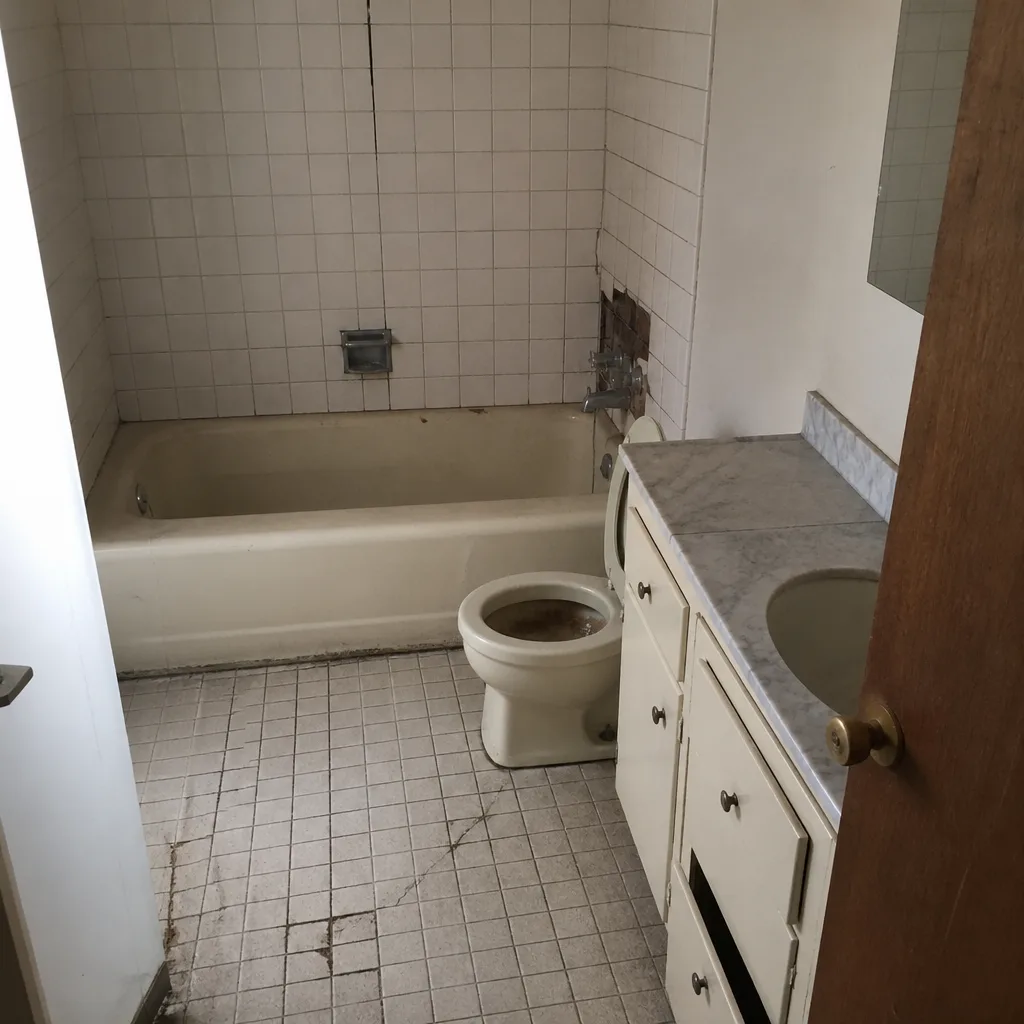 Before
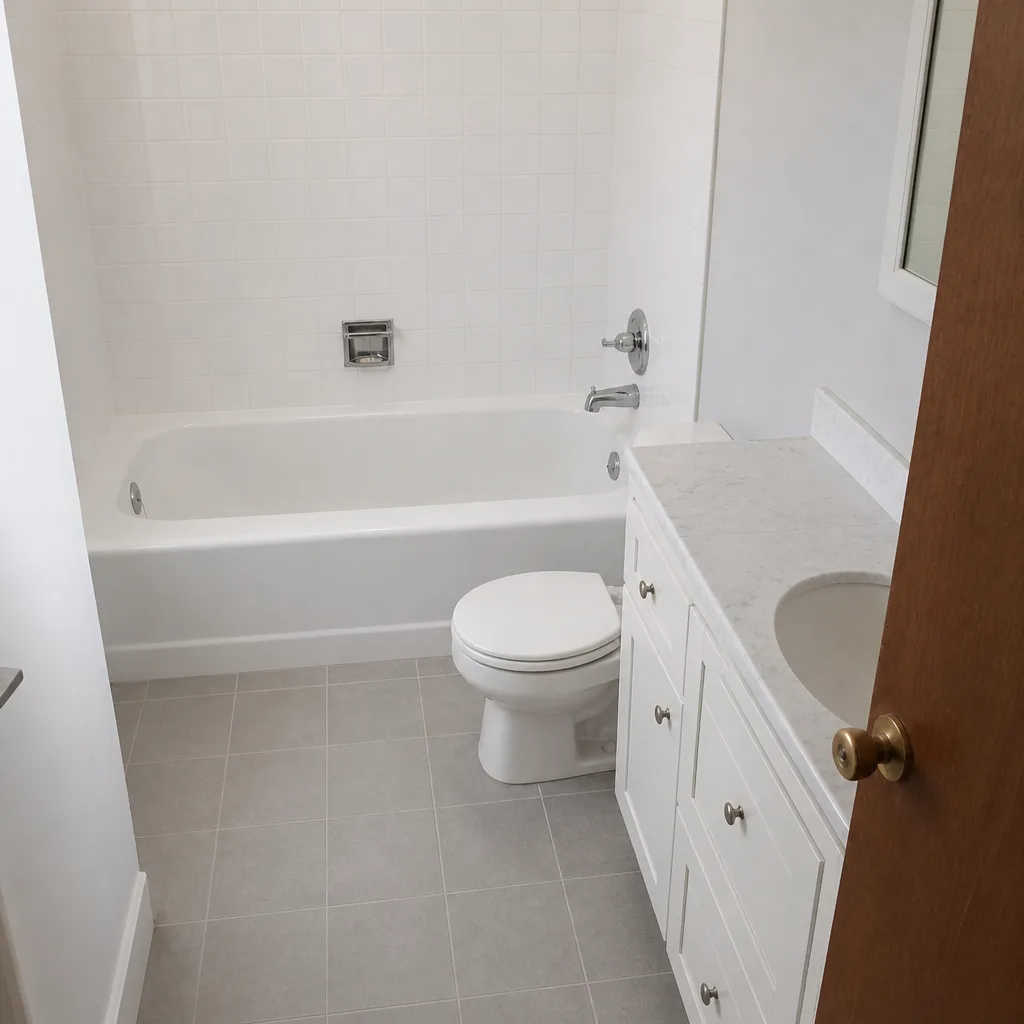 After
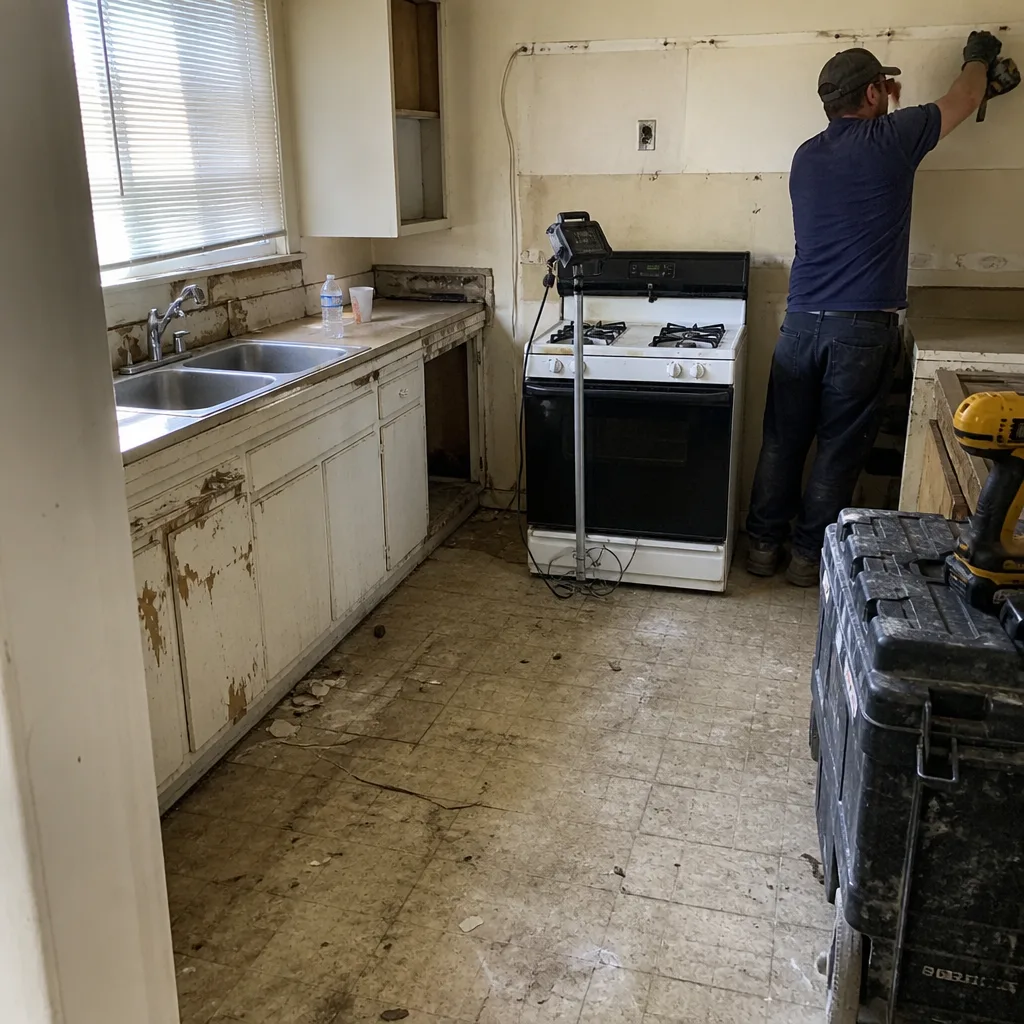 Before
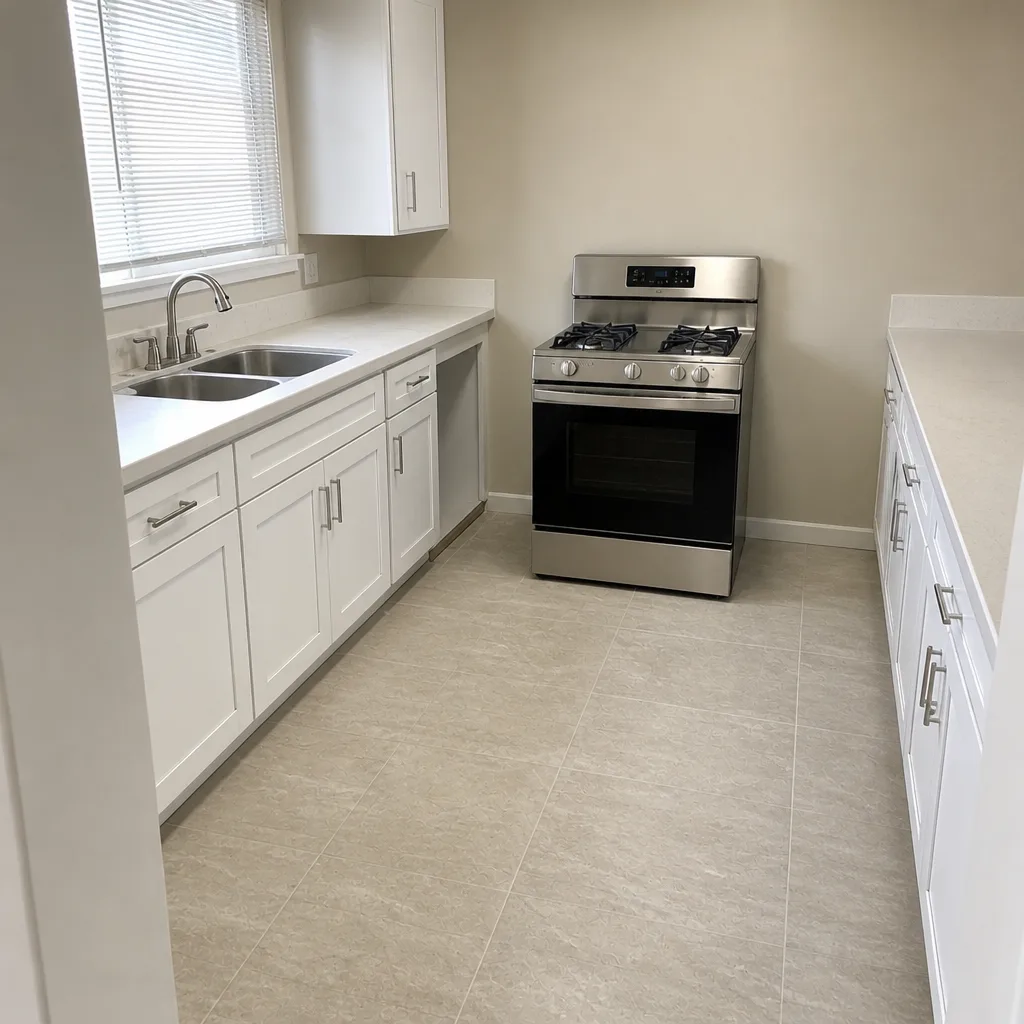 After
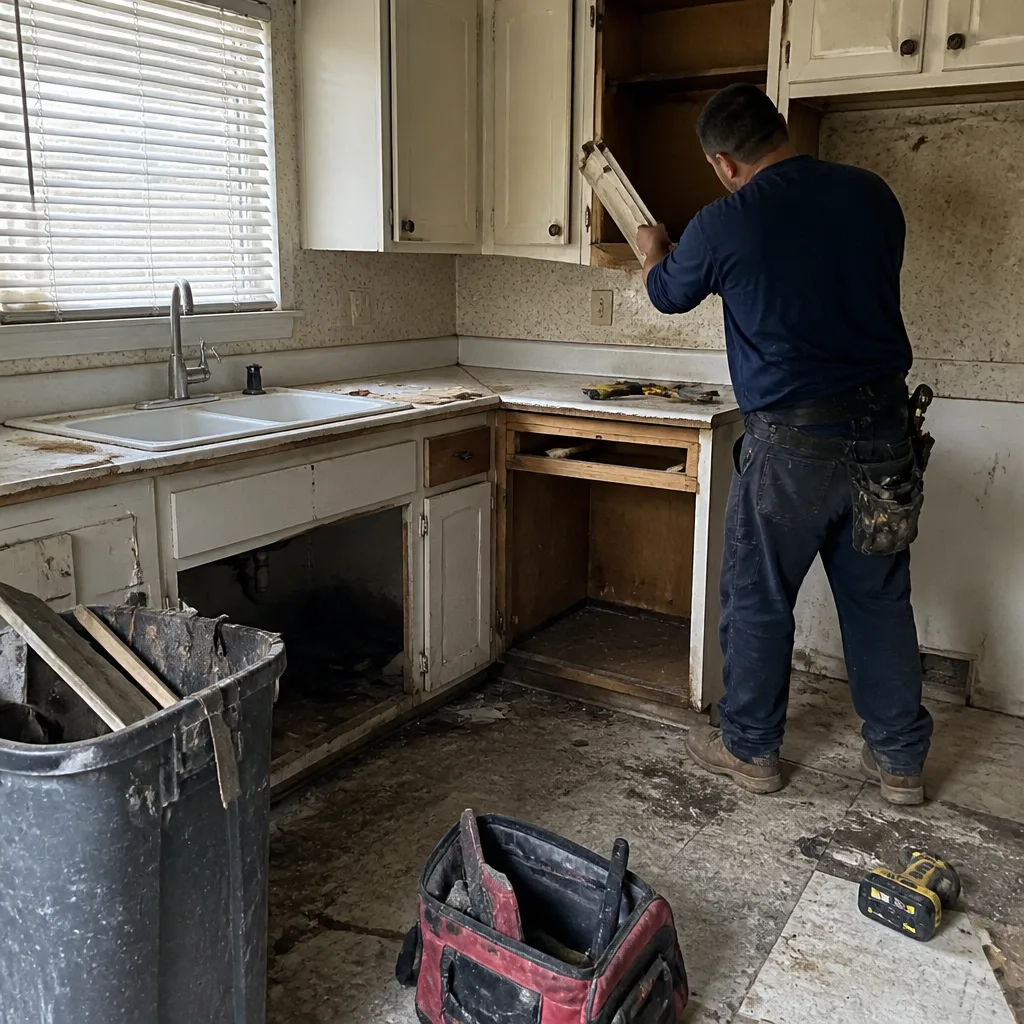 Before
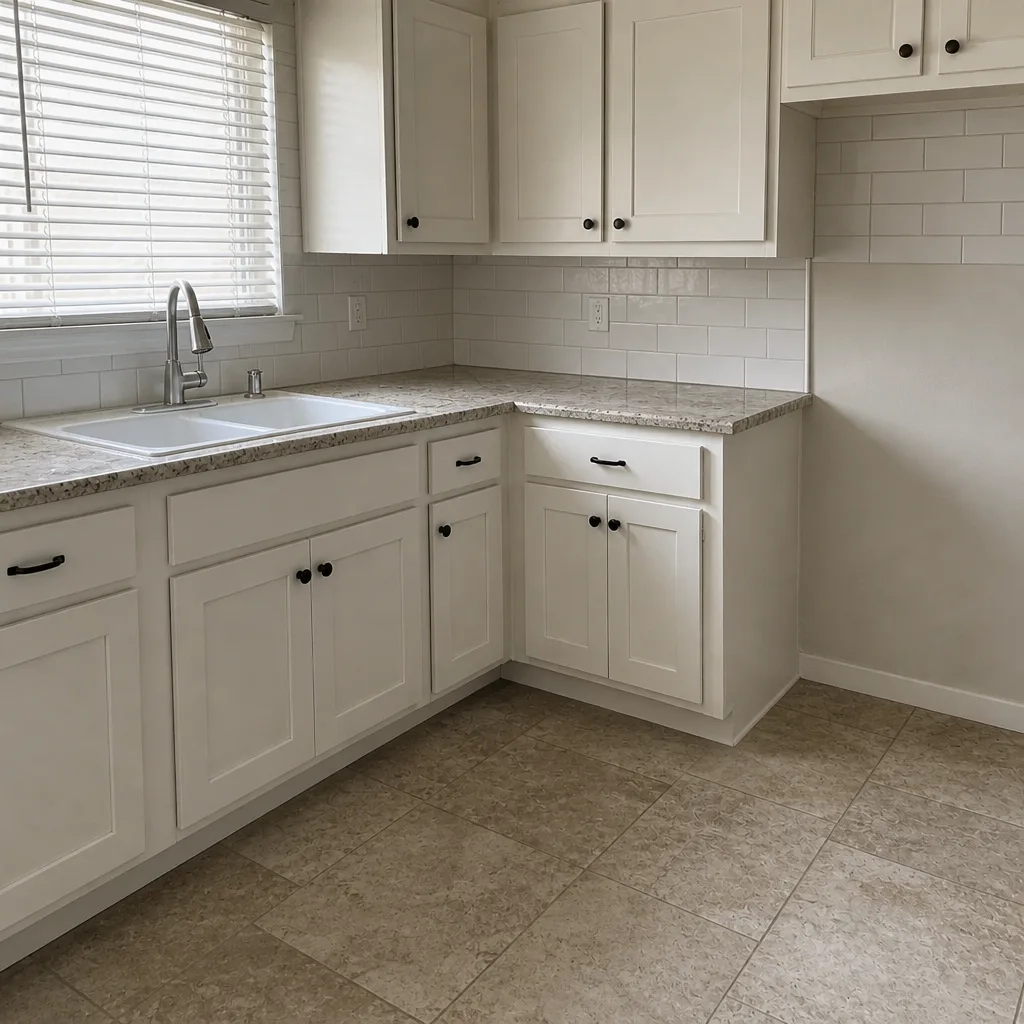 After
When to Call a Professional
Call a professional when the evidence changes or repeats: a crack that reappears after repair, efflorescence that returns, pooling within six feet of the foundation, a retaining wall holding water, or a door that suddenly won’t close. Those signals mean the water or the movement is active, and active problems get more expensive every season you wait. If the work involves structural repair, foundation correction, or anything with high-tension forces, get a trained professional on site before you touch it. The DIY answer for a cosmetic crack is a tube of sealant. The DIY answer for structural movement doesn’t exist, and the risk to you is real.
Groundwork Construction Co. of Anaheim offers free estimates in Anaheim, and calls are answered by a live person around the clock. Call (888) 300-3178 and walk us through what you’re seeing. If the answer is “monitor it for a season,” we’ll tell you that. If it’s “this needs to be fixed now,” we’ll show you why and what the fix looks like, with upfront pricing and no surprises.
Frequently Asked Questions

Size tells you less than pattern. Hairline spider-webbing is usually cosmetic, while stair-step cracks that follow the mortar joints of block, diagonal cracks running from a window or door corner toward the foundation, or a crack wider at the top that tapers down usually indicate settlement or movement. A crack that reappears in the same spot after you patch it is active movement, and that’s the pattern to get looked at. Call (888) 300-3178 for a free estimate and an honest read of what you’re seeing.
It means water has moved through the concrete and carried mineral salts to the surface, where they dried and bloomed white. A one-time bloom that wipes off and stays gone can be harmless, but bloom that returns after you wipe it means an active water path, not a stain. Find the source before you seal the surface. Call (888) 300-3178 and we’ll help you find where the water is coming from.
Clay holds water and then shrinks as it dries, and Anaheim’s wet-dry cycle moves foundations slowly and relentlessly. Water pooling within six feet of the foundation after a rain is the clearest warning that the clay under your slab is getting soaked. Regrading, extending downspouts, and adding drainage are usually far cheaper than foundation repair. Call (888) 300-3178 for a free estimate before the wet season tests it.
A sudden demand for cash outside the payment schedule, a crew that changes repeatedly without a reason given, change orders that arrive after the work is done, and permits that weren’t pulled when they said they were. Those are the in-project signals that mean you should stop work and get answers in writing. Call (888) 300-3178 if you’re in the middle of a project and something feels off. We’ll give you a straight read.
It depends entirely on what the sign is pointing to. A cosmetic stucco patch is a fast repair, while a drainage correction or a foundation issue is a scheduled project with permits and inspections. The one thing that reliably makes a repair longer and more expensive is waiting. Call (888) 300-3178 for a free estimate and a clear read on scope and timeline before you commit to anything.
Not on our projects. We price from the scope and put the number in writing, and the number you see is the number you pay, with the 730-Day Done Right Promise backing the workmanship for two full years. Change orders only happen when the scope changes, and they get signed before the work, not billed after it. Call (888) 300-3178 to schedule your free estimate.
The Bottom Line
Your home tells you what’s happening on its surfaces weeks or months before the problem becomes expensive. The skill is in the pattern: a stair-step crack that follows the mortar lines, efflorescence that returns after you wipe it, water pooling six feet from the slab, a retaining wall holding moisture against its back face, or a stucco crack that reappears in the same spot after you patch it. Those are the signals. The mistake is measuring them by size instead of reading them by pattern. Keep dated photos, walk the property four times a year, and verify the permits and the payment schedule once work starts. When the evidence repeats or grows, get a professional on site. That’s the whole guide, and it’s the same approach we take into every Anaheim project, from foundation to finish line.
Ready to get started? Call (888) 300-3178 for a free estimate.
Written by the team at Groundwork Construction Co. of Anaheim.