Last updated November 18, 2026







Free written scope consultation - allowances, timeline, and change-order rules on paper before a single trade is scheduled
How to Hire a Construction Contractor in Anaheim: A Step-by-Step Guide
The California Contractors State License Board lists over 280,000 active licenses. That number is staggering, and it’s also close to meaningless on its own. A license number tells you almost nothing about whether a contractor has ever finished a project on time, pulled their own permits, or will still answer the phone six months after they cash your check. In Anaheim, where a single-family re-roof or kitchen gut can run well past $40,000, the difference between a builder and a resume contractor is measured in change orders, stop-work notices, and money you can’t get back. This guide gives you the exact checklist, the right questions, and the red flags that separate real builders from people who are financing their learning curve with your project.
Quick Answer
To hire a construction contractor in Anaheim, verify the license on the CSLB website and confirm the classification matches your scope, request a certificate of insurance sent directly from the carrier, insist on a written contract with a defined change-order procedure and lien waivers, and ask specifically how they’ll handle City of Anaheim permits. Get at least three bids, then compare them line by line instead of by total, because the lowest number is often the one with the most expensive omissions.
Styles & brands we work with
- Kitchen remodeling
- Bathroom remodeling
- Home additions & ADU
- Roofing
- Windows & doors
- Driveway & pavers
- Fence
Table of Contents
- 1. How to Run a Real CSLB License Check
- 2. Why Three Bids Matter Less Than Why They Differ
- 3. The Contract Clauses Anaheim Homeowners Must Insist On
- 4. How to Verify Insurance and Subcontractors Independently
- 5. Questions That Reveal Whether They Know Anaheim’s Permit Process
- 6. Anaheim Climate and Code: What Actually Affects Your Build
- 7. A Realistic Hiring Timeline for Anaheim Projects
- Common Mistakes to Avoid
1. How to Run a Real CSLB License Check
Every legitimate contractor working in Anaheim holds a license from the Contractors State License Board. The check takes about four minutes at cslb.ca.gov, and it’s the single most useful four minutes you’ll spend before signing anything. But you have to know what you’re reading.
Here’s the step-by-step:
- Search by license number, not name. Names get reused and misspelled. A license number is unique and permanent, and it should match the number printed on the contractor’s bid, contract, and truck signage. If those three numbers don’t match, walk away.
- Confirm the classification. A “B” license covers general building. An “A” covers general engineering. A “C-39” is roofing, and a “C-36” is plumbing. Kitchen and bathroom remodels show up under B. A roofer holding only a C-39 who quotes you a room addition is operating out of scope.
- Check the status line. “Active” is what you want. “Expired,” “suspended,” “canceled,” or a bond that has lapsed all mean the same thing: they can’t legally contract for the work.
- Look at the bond and workers’ comp. A licensed contractor carries a contractor’s bond and, if they have employees, workers’ compensation insurance. If workers’ comp shows “exempt,” ask directly whether they use subs or day labor.
- Read the complaint history. Not every complaint is disqualifying, but a pattern of “failure to complete work” or “license not in good standing at time of contract” is a hard stop.
What the license check will not tell you: whether they showed up on time, whether their subcontractors were paid (which is how you get a mechanic’s lien on your Anaheim house), whether their tile work ever cracked, or whether they answer the phone after the final payment clears. The license confirms they’re legal to work. It does not confirm they’re competent to build.
2. Why Three Bids Matter Less Than Why They Differ
The standard advice is “get three bids.” It’s incomplete advice. Three bids are worthless if you only compare the bottom line, because a bid is not a price, it’s a scope. Two contractors can both quote $52,000 for a kitchen remodel in Anaheim and be describing two entirely different jobs.
When the totals are far apart, here’s what’s usually going on:
- One bid omits the electrical and plumbing. If the quote doesn’t name the new panel, the relocated drain, or the GFCI circuits, that number is a floor, not a price. Anaheim kitchens built before the 1980s often require a panel upgrade to support a modern appliance load; if that’s not in the bid, it’ll be in your first change order.
- One bid uses builder-grade materials and one uses spec-grade. A cabinet quote can swing $8,000 between a stock line and a semi-custom line like KraftMaid. Neither is wrong. What’s wrong is not knowing which one you’re buying.
- One bid is missing permits. A City of Anaheim building permit and the attendant plan checks typically run several hundred to a few thousand dollars depending on scope. A bid that doesn’t mention them hasn’t priced them.
- One bid is a ballpark, one is a line-item. Weak numbers (“kitchen: $50K range”) exist so the contractor can move the goalposts later. Line-item numbers (“demo, rough plumbing, HVAC relocation, framing, electrical rough-in, drywall, finish carpentry, cabinetry, counters, tile, paint, permit, dumpsters, final inspection”) can’t hide.
So here’s the better approach: ask all three contractors to quote the exact same scope document you wrote, and ask each one to itemize. Then compare line by line. Differences in specific lines tell you what’s being left out. A bid that’s $10,000 lower on an identical scope is almost never a bargain – it’s a difference in what they plan to do when the site reveals something unexpected.
This is one reason we’ve built upfront pricing into our model at Groundwork Construction Co. of Anaheim: the number you see is the number you pay, and if the scope needs to change, that conversation happens before anyone picks up a demo bar. It’s covered under the Groundwork Construction Co. of Anaheim home builder guarantee model, and it’s why we’ve earned a reputation for line-item bids that match the final invoice.
3. The Contract Clauses Anaheim Homeowners Must Insist On
The most expensive mistakes in Anaheim construction are made on paper, not on-site. Every contract you sign should include these clauses, in writing, before anyone touches your property.
Change-order procedure. Every change order should be signed by both parties before the added work begins. It should state the scope of the change, the dollar amount, the effect on the schedule, and whether any portion falls outside a previously permitted scope (which triggers a new permit). Verbal change orders are the number-one source of disputes; if a contractor won’t document them, you’ve already lost.
Lien waivers from every party. California law allows any subcontractor or material supplier you never hired to record a mechanic’s lien against your Anaheim property if the general contractor doesn’t pay them. This happens more than people realize. Build into your contract a requirement that the general contractor provide, at each payment draw and at final payment, conditional lien waivers from every sub and supplier on the job, followed by unconditional waivers once they’ve been paid. You want clean title to your property when the job is finished, not a title cloud from a materials supplier you never met.
Defined payment schedule tied to milestones. Never pay more than a modest deposit (California caps residential down payments at $1,000 or 10% of the contract price, whichever is less, for most home improvement contracts) and tie the remaining draws to specific, verifiable milestones: framing passed, rough-in passed, cabinets delivered, final inspection, punch list complete. A contractor who wants half the money on day one is a contractor who’s using your money to finance someone else’s job.
Written workmanship warranty. Get it in writing, on letterhead, with a stated length and what it covers. This is where promises become enforceable. Our 730-Day Done Right Promise – two full years on workmanship, perhaps one of the longest guarantees in residential remodeling – exists because the written part is the part that counts.
Definition of completion. What does “substantially complete” mean? Ours is specific: all items on the final inspection checklist signed off by the City of Anaheim, punch list closed, and a final walkthrough with you. Vague completion language is how contractors get final payment while your bathroom sits 90% done.
4. How to Verify Insurance and Subcontractors Independently
A certificate of insurance (COI) is a one-page document stating that a contractor carries general liability and workers’ compensation insurance. It is also the single most-photocopied, most-forged document in construction. Don’t accept a copy from the contractor. Get it from the carrier or broker directly, and call the number on the certificate – not the number the contractor gave you – to confirm coverage is current and matches the legal name on the license.
What you should see on a legitimate COI:
- The business name exactly matching the CSLB license record, not a DBA that isn’t listed.
- General liability coverage with per-occurrence limits in the millions for a large remodel – and specific written acknowledgment that the insurer covers residential construction (some general contractors carry commercial-only policies).
- Workers’ compensation coverage if the contractor has employees. No exceptions. A contractor without workers’ comp is not insured for a worker injury on your property – and workers who are hurt on your property can come after your homeowner’s policy.
- Certificate holder requirements listing you as an additional insured (for large jobs) or at minimum showing “certificate holder” information.
For subcontractors, ask for the same thing for every trade they use – the electrician, the HVAC crew, the roofers. “We trust them” is not insurance verification. Confirm each sub holds their own CSLB license in the correct classification, and ask the general contractor how subs are paid: on a draw schedule tied to milestones, or after they finish on a handshake. The handshake approach is how liens happen in Anaheim.
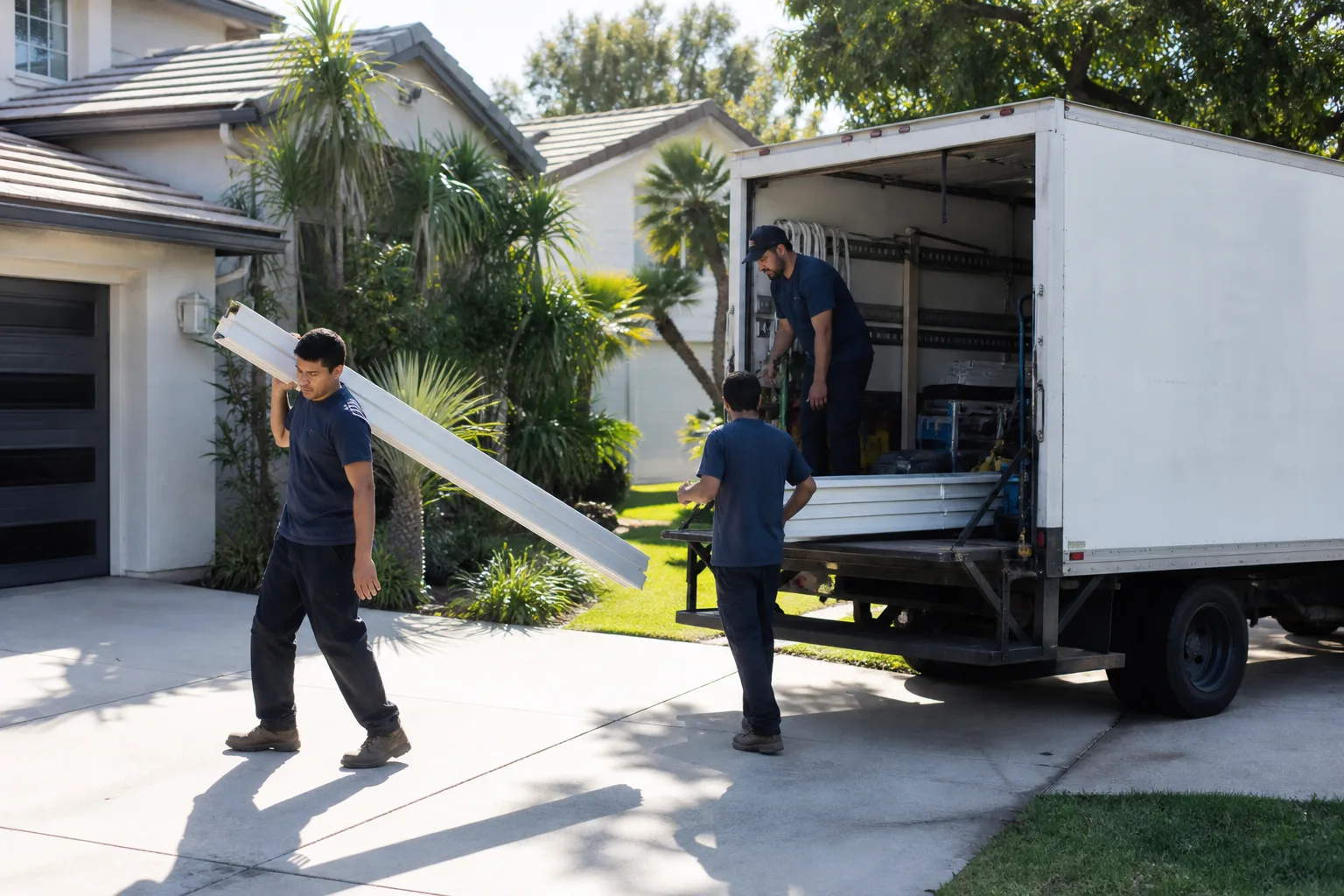
Background-checked technicians are a related signal. Everyone who reaches your property – the tile setter, the drywall crew, the roofers – should be presented on paper and arrive in uniform with a company identity attached to their name. If your contractor can’t tell you who’s coming tomorrow and who employs them, question the answer.
5. Questions That Reveal Whether They Know Anaheim’s Permit Process
Permits are the quiet divider in Anaheim construction. Contractors who know the process quote them properly, schedule inspections without drama, and can tell you how the City of Anaheim Building Division handles a pre-1940 home versus a 1990s track house. Contractors who don’t know the process plan to skip it and hope no one checks – usually because their last client called the building department about a “minor electrical issue” and learned the hard way.
Here’s what to ask:
- “Who will be the contractor of record on the permit?” It should be the licensed general contractor in the CSLB record, not a handyman, an unlicensed sub, or a friend of theirs. The name on the permit should match the name on the contract and the license.
- “What permits does this project need?” A kitchen remodel needs building and electrical permits, and often moving walls triggers a structural review. A re-roof needs a roofing permit. An ADU in Orange County goes through plan check and typically fire and sewer review in the City of Anaheim. A contractor who says “you don’t need a permit for that” about anything structural or electrical is telling you they plan to operate unpermitted.
- “Do you handle the inspection calendar or do I?” On a proper job, the general contractor schedules the inspections, meets the inspector, and handles the corrections on any findings. If they say “you’ll need to call the city,” that’s a warning.
- “How do you handle it when a City of Anaheim inspector flags something?” The answer should be a specific process: correct the issue, document the correction, re-inspect, and no cost to you if the faulty work was theirs. If the fault was in the original scope of your drawings, that’s a change order discussion. Either way, it needs a defined procedure.
- “Can I see a recent permit and final inspection record from a job like mine in Anaheim?” A real contractor will hand over the permit number, the address on the project, and the finaled inspection sheet. A resume contractor will change the subject.
We pull permits on every job that needs one, and we’re glad to walk you through the permit file for any recent Anaheim project – our Home Additions & ADU in Anaheim work especially depends on a clean permit and plan-check history, because Orange County plan checkers read that file first.
6. Anaheim Climate and Code: What Actually Affects Your Build
Anaheim sits in a coastal-influenced, semi-arid climate with hot, dry summers and mild winters. That’s good news for construction schedules and bad news for a few specific systems, and contractors who’ve worked in this climate know how to build for it – while contractors who came from a cooler, wetter market will build things in ways that fail here three summers later.
What the local climate actually changes:
- Roofing. A GAF or Owens Corning asphalt shingle roof in Anaheim sees decades of UV exposure and Santa Ana wind events. Ridge and hip fastening details that are “fine” in wetter climates come apart here. Underlayment that would leave a little give in a wet winter fails when it bakes. Ask your roofer about the wind uplift rating and how they attach the perimeter; that’s the difference between a 30-year roof and a 15-year one in this market.
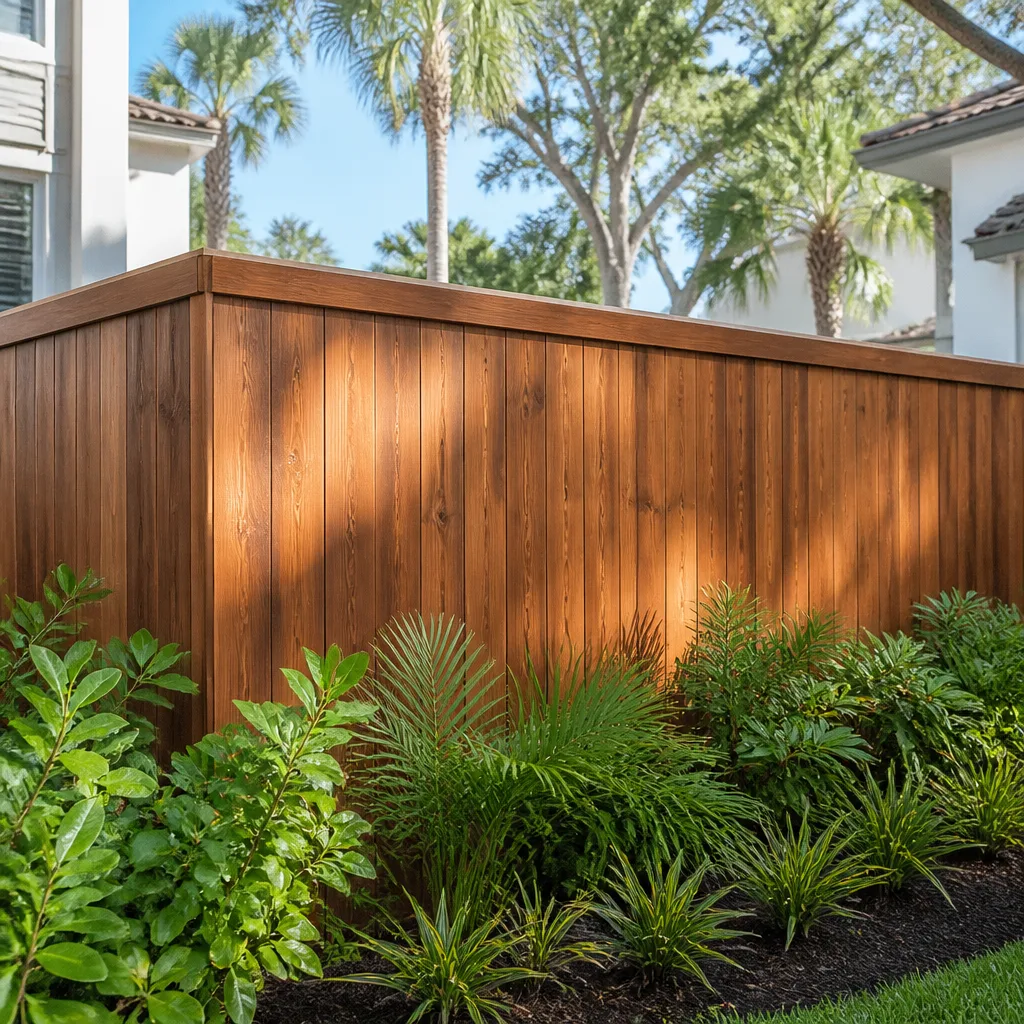
- Fences. Anaheim’s afternoon wind and dry-rot conditions mean a wood fence has a shorter life than vinyl. When we install fence in Anaheim, we lean toward Bufftech and ActiveYards vinyl because they don’t take up moisture and don’t need staining every few years – that’s a specific local reason, not a marketing preference. Our Fence Installation in Anaheim page goes into detail on material grading for the local market.
- Driveways and hardscape. The ground under Anaheim expands and contracts with moisture swings. A paver base compacted to one thickness in cool weather can heave in July if the base prep is sloppy. Belgard and Unilock pavers with proper base prep handle it well; “just set them on the dirt” doesn’t. Our Driveway & Pavers in Anaheim work is built on a compacted, engineered base for that reason.
- Insulation and HVAC. Anaheim summers mean a kitchen remodel is the right time to address attic insulation and duct sealing, which are easier and cheaper before the new cabinets go in than after. Ask about Title 24 energy compliance – current California code has specific requirements for any remodel that touches more than 50% of a home’s envelope.
- Garage and window replacement. High-UV exposure degrades old vinyl windows faster here than you’d expect. If your upgrade includes window replacement, look at Andersen or Marvin lines rated for the local sun exposure, and confirm the U-factor rating on the glass. Our Home Additions & ADU in Anaheim and full-remodel packages always include a window sun-exposure review.
The point isn’t that Anaheim is a difficult climate – it’s a remarkably forgiving one for construction. The point is that it rewards builders who know it and punishes builders who are working from a generic playbook.
7. A Realistic Hiring Timeline for Anaheim Projects
Hiring a contractor in Anaheim isn’t a week-long project. It’s a four-to-eight-week process for a major remodel, and the homeowners who skip that timeline are the ones who get burned. Here’s the realistic rhythm:
- Weeks 1-2: Gather and verify. Get your CSLB checks done, request insurance certificates from three contractors, and check references – not the ones the contractor hands you, but the ones you find yourself in public permit records for completed projects in Anaheim.
- Weeks 2-3: Write your scope document. Yes, you. A one-page written brief (“kitchen: 200 sq ft, relocate sink, add island, replace cabinets, tile floor, new appliances, permit included”) is the single best tool you have against vague bids. Each contractor quotes that same page, not their own assumptions.
- Week 3-4: Bids come back. Compare line by line, not on the total. Ask follow-up questions on every line that’s radically different from the other two.
- Weeks 4-6: Contract negotiation. The change-order procedure, lien waivers, payment schedule, and warranty terms should be hammered out here – before the contractor’s schedule fills up. A good contractor will welcome these conversations; a resume contractor will try to blow past them.
- Weeks 6-8: Permits and schedule. The City of Anaheim permit process and any Orange County plan check will take a few weeks on a major job. Start that clock before the crew shows up, not after.
If a contractor can start Monday and has no wait, ask why. Anaheim’s good contractors book weeks out. A contractor with open next-week availability and no backlog is either very new, very hungry, or very bad at finishing. None of those are the ones you want holding your $80,000 remodel.
Common Mistakes to Avoid
- Choosing the lowest bid without reading the scope. The $38,000 kitchen bid is almost always the $58,000 kitchen bid with $20,000 of “we’ll talk about that once we open the wall.” Compare line by line, always.
- Paying a large deposit up front. California law caps residential down payments at $1,000 or 10% of the contract price in most cases. Paying half up front to “help them buy materials” means you’re financing their other jobs. Milestone payments protect you; a big deposit protects them.
- Skipping the insurance certificate verification. A copy of a COI is not insurance – it’s a promise. Call the carrier and confirm. An uninsured worker injured on your Anaheim property is a claim on your homeowner’s policy, not theirs.
- Accepting verbal change orders. Every change must be in writing, signed, and priced before the work begins. Even $400 verbal changes breed $4,000 disputes.
- Not understanding who’s on the job. If the contract is with one company but the workers showing up are strangers in unmarked trucks, you’ve lost control of the job. You should know the name of everyone who steps on your property, and they should arrive in a uniform with a company ID.
- Assuming a license prevents problems. The CSLB license is a floor, not a ceiling. It confirms they’re legal. It doesn’t confirm their subs are paid or their work will hold up. That’s the contract’s job.
- Being reachable but not called back. If the contractor who’s about to build your house can’t be reached in the middle of a crisis or answered by a live human on a Saturday, your post-payment service won’t exist. We answer our phone 24/7 – live person, no voicemail – for exactly that reason.
See the difference
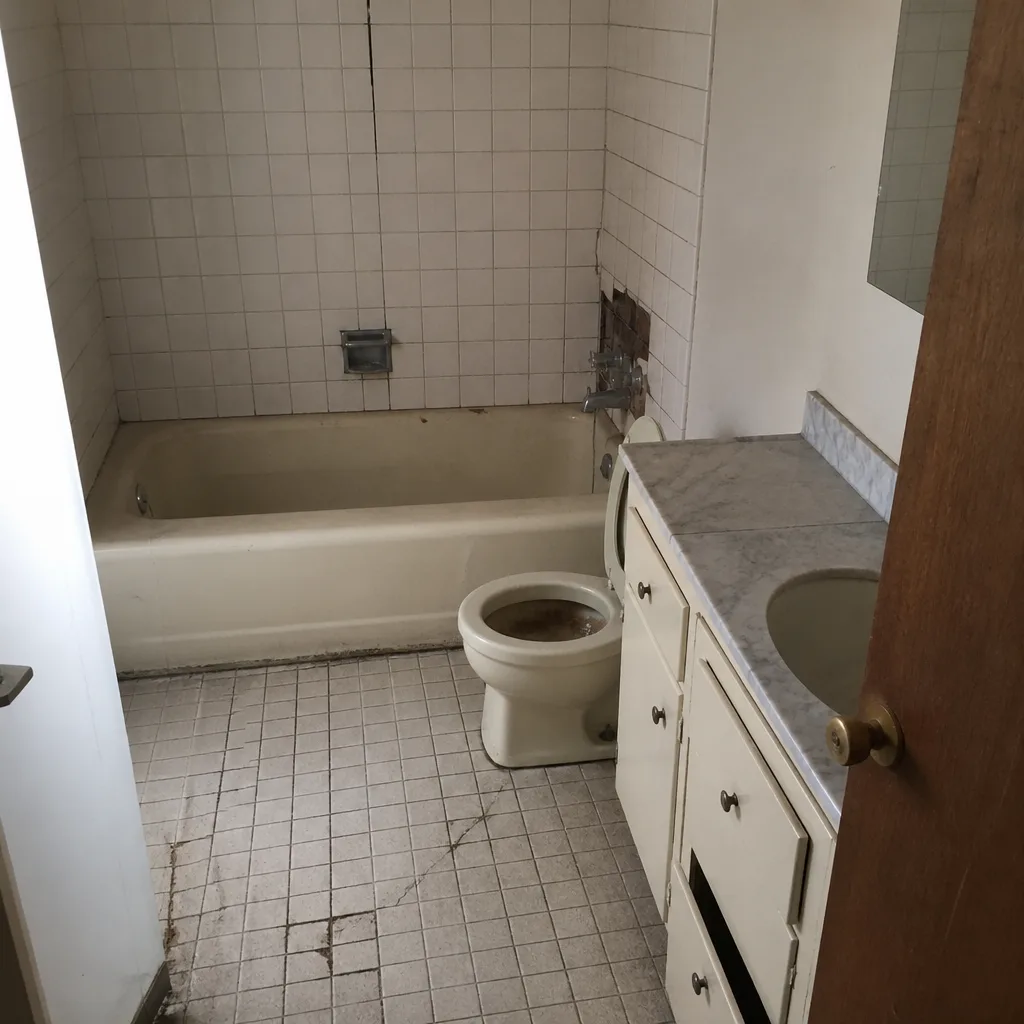 Before
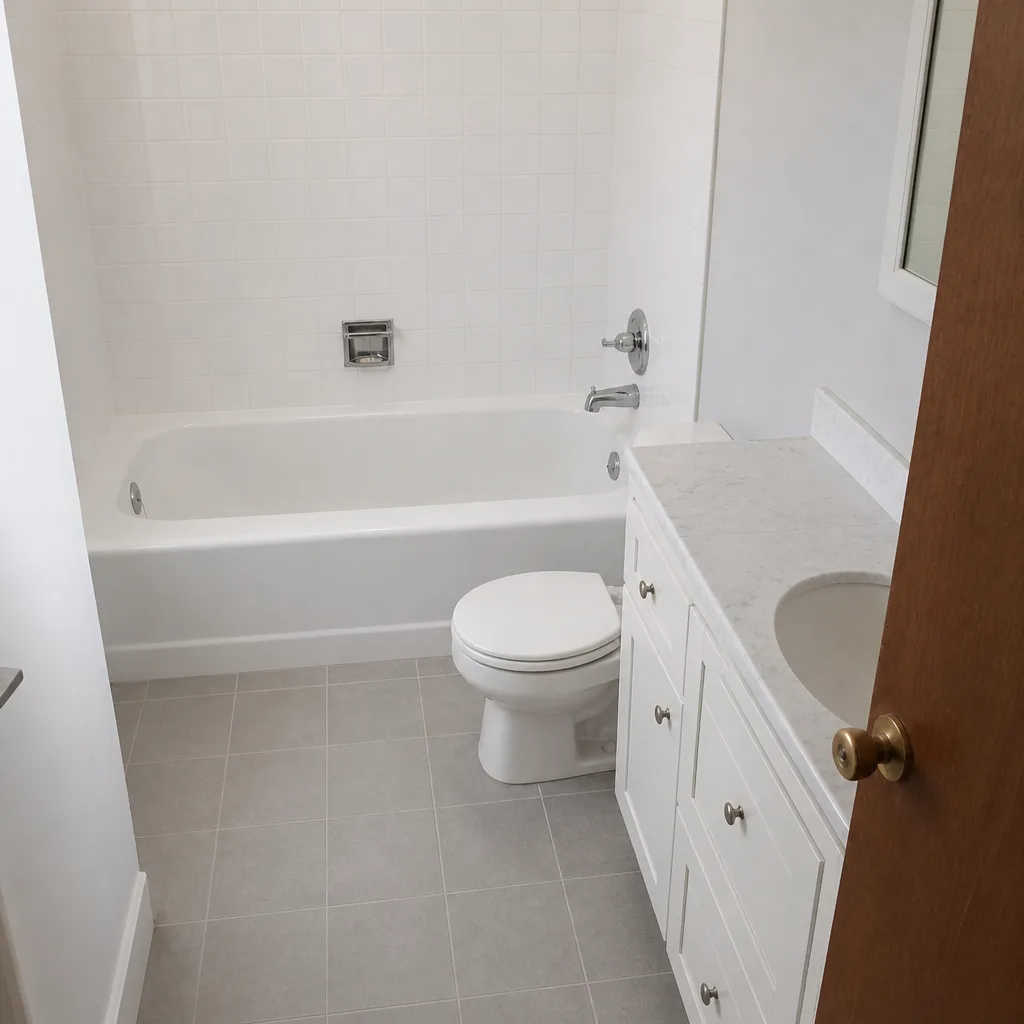 After
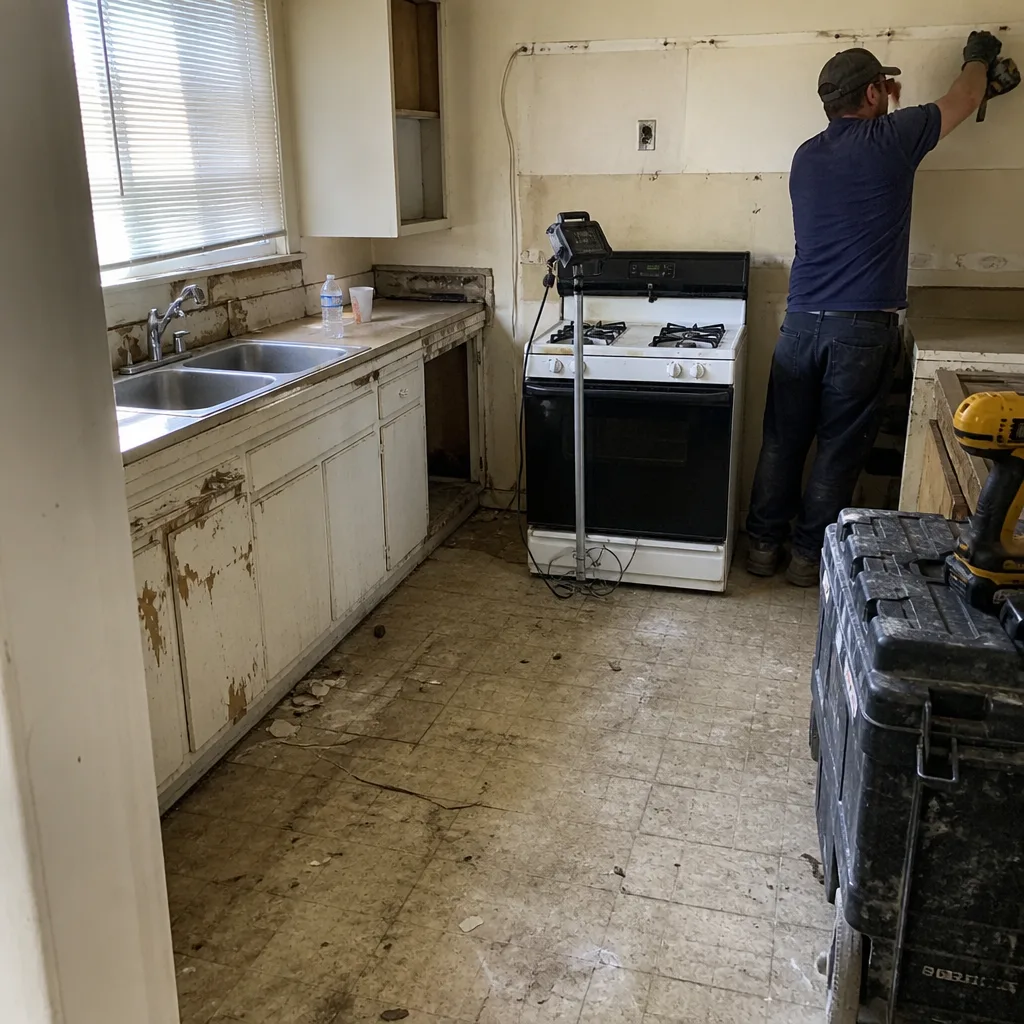 Before
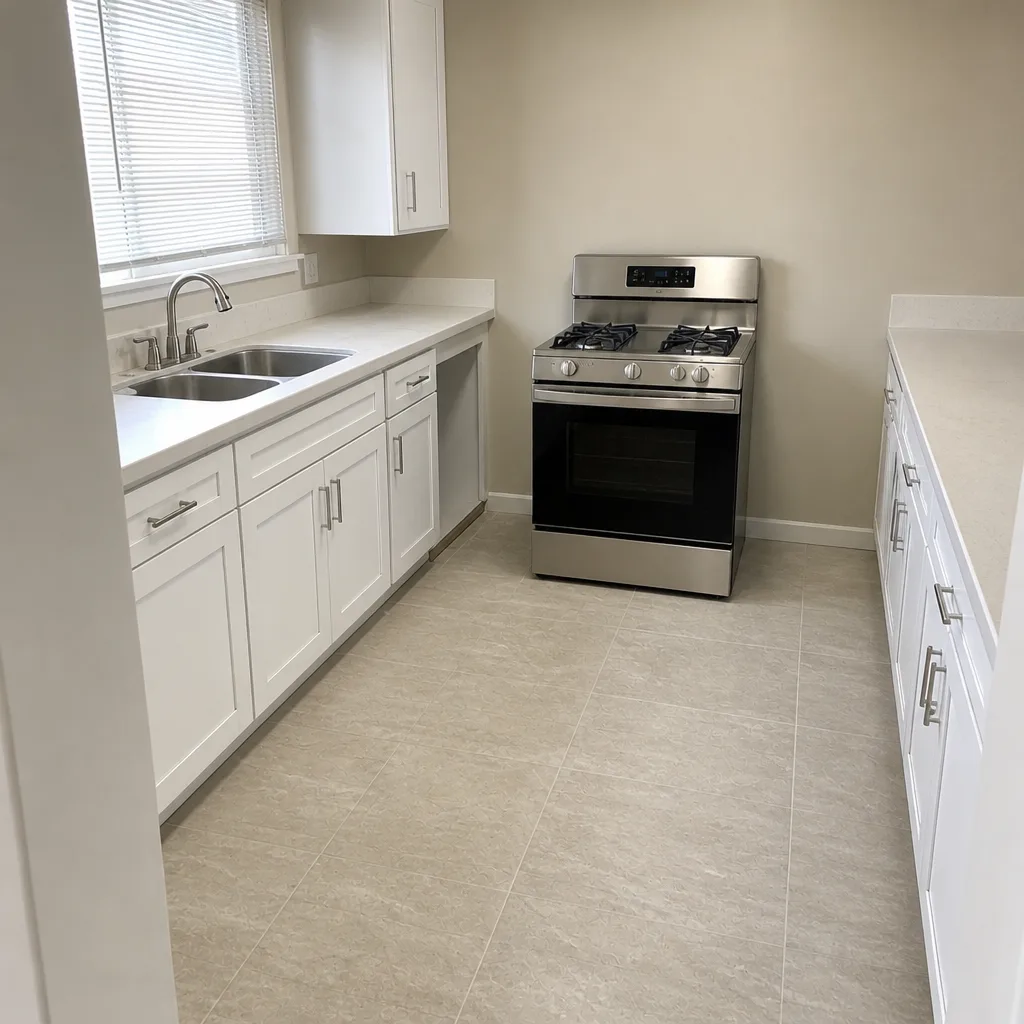 After
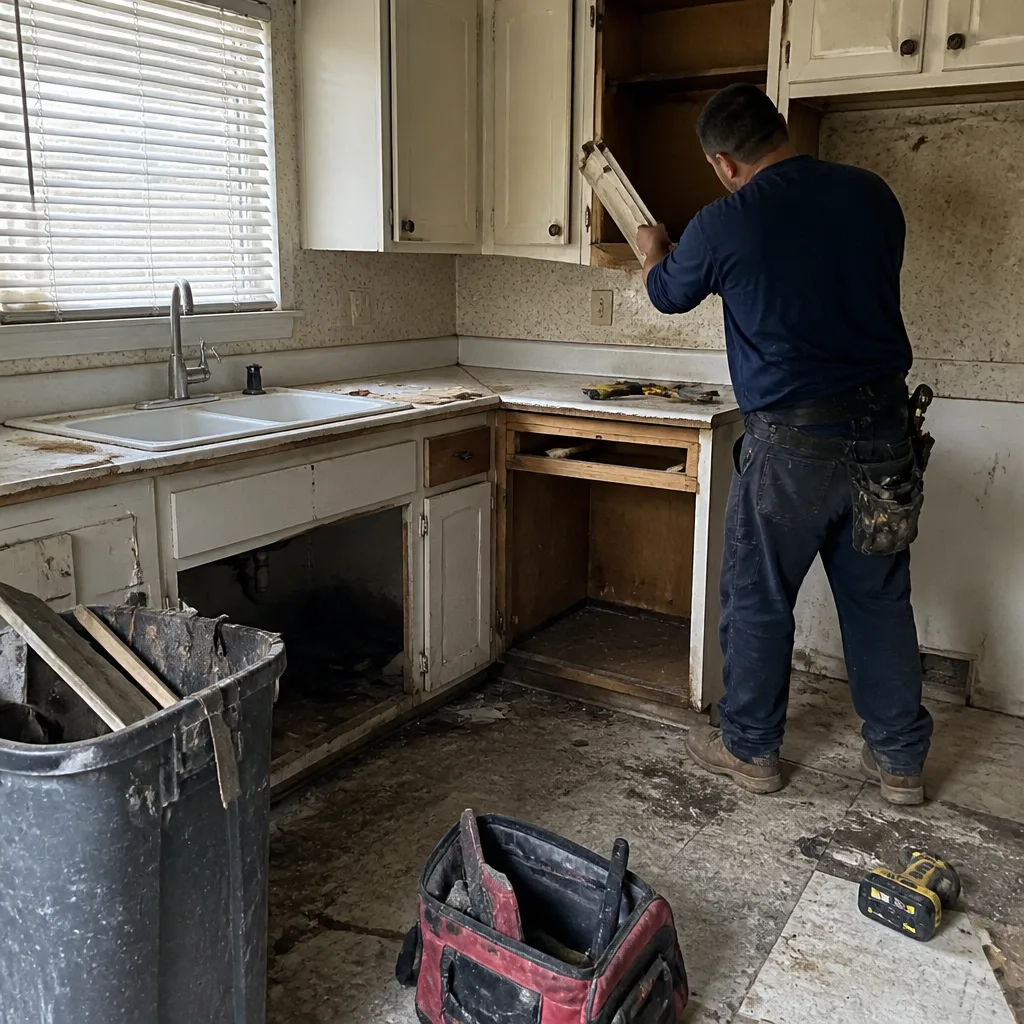 Before
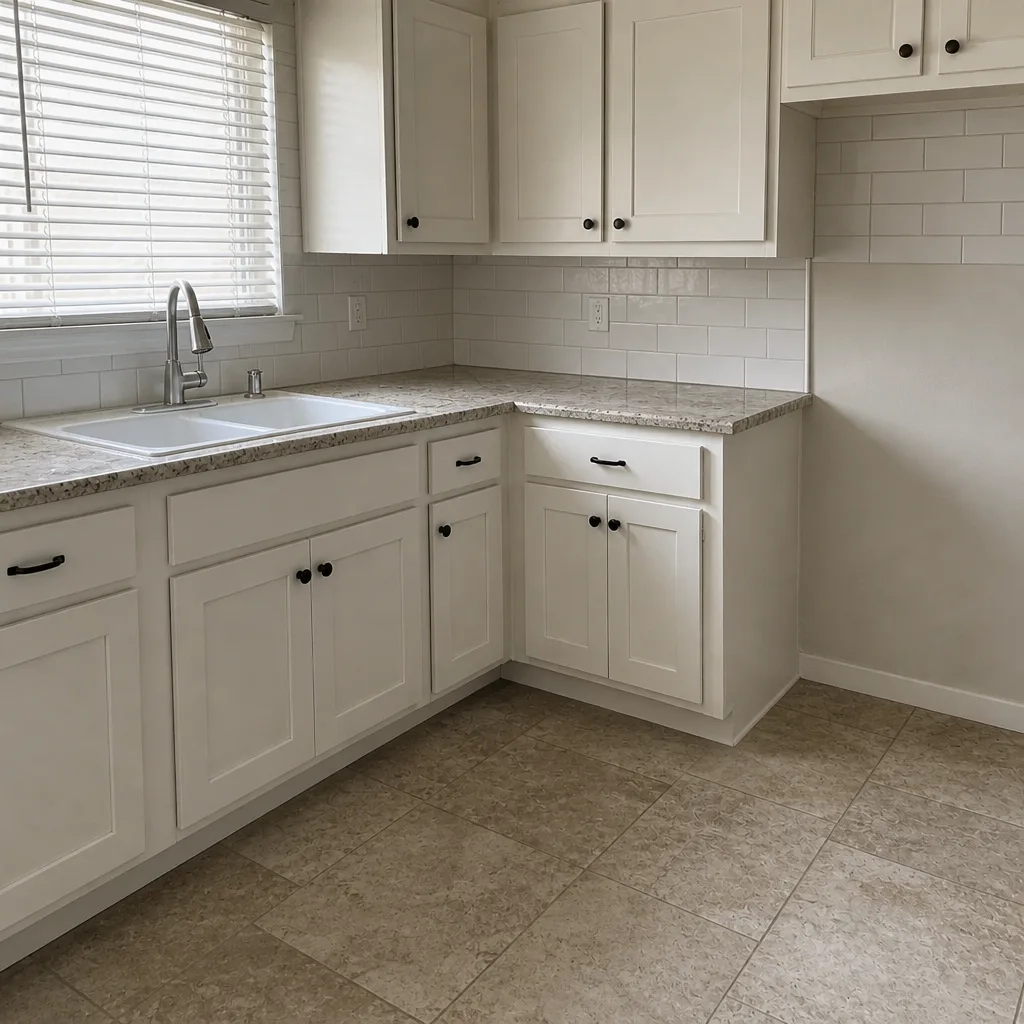 After
When to Call a Professional

Some projects are clearly DIY territory: repainting a room, replacing a faucet, hanging a door. But some projects in Anaheim are the ones that should trigger a call to a licensed contractor the moment you start sketching them. If the project touches structure (moving a wall, adding a beam, cutting a header), electrical or plumbing (panel work, drain relocation, gas line rerouting), or the building envelope (roofing, windows, entry doors), you’re outside safe DIY territory. Same for anything requiring a City of Anaheim permit – which is far more common than most homeowners realize. Spring failures, roof leaks, and panel overloads are the top three things we’re called in to fix on jobs a homeowner started themselves.
Groundwork Construction Co. of Anaheim offers free estimates in Anaheim – call (888) 300-3178 and we’ll walk the project with you at no cost, no pressure, and no scope surprises.
Frequently Asked Questions
Go to cslb.ca.gov, search by license number (not name), and confirm three things: the status shows “Active,” the classification matches your scope of work, and the license number matches what’s on the contractor’s bid and contract. If the classification is wrong for the job – a C-39 roofer quoting a room addition, for example – the contractor isn’t legally allowed to do that work. Call (888) 300-3178 for a free estimate if you’d like us to walk you through a license check.
A typical mid-grade kitchen remodel in Anaheim runs $45,000-$85,000 depending on square footage, cabinet line, and whether the layout is changing. A cosmetic refresh (new counters, paint, cabinet reface) can land in the $20,000-$30,000 range. The line that most often drives cost in Anaheim is electrical: many pre-1980 homes need a panel upgrade to support a modern appliance load, which typically adds several thousand dollars. Call (888) 300-3178 for an exact quote on your kitchen – estimates are free and line-item.
Any remodel that touches structure, electrical, plumbing, or the building envelope requires a permit from the City of Anaheim Building Division. That includes moving walls, relocating a sink, replacing a roof, and adding an ADU. Cosmetic work like paint, finish flooring, and cabinet refacing generally doesn’t require a permit. A licensed contractor will pull the permits in their name and handle inspections; if your contractor tells you permits aren’t needed for structural work, that’s the red flag. Call (888) 300-3178 to discuss your specific scope.
California law caps residential down payments at $1,000 or 10% of the contract price, whichever is less, for most home improvement contracts. Beyond that, tie every draw to a specific milestone passed by a City of Anaheim inspector or a documented delivery. Never pay for work that hasn’t been verified on-site. Our full project estimates are free and we’ll walk you through the payment schedule in detail before you sign anything – call (888) 300-3178.
Yes. A licensed contractor must carry a contractor’s bond and, if they have employees, workers’ compensation insurance. General liability is also standard. The catch: don’t trust the copy of the insurance certificate the contractor hands you – call the insurance carrier using the number printed on the certificate (not the number the contractor provides) to confirm coverage is current and matches the license name. If subs are involved, verify their certificates too, separately. Call (888) 300-3178 for a free estimate and we’ll share our insurance verification process with you.
From contract to final walkthrough, most Anaheim home additions and ADUs take 5-9 months depending on size and whether the scope moves plumbing. The City of Anaheim plan-check process typically accounts for 8-14 weeks of that timeline before ground is broken, and pre-permit design work runs 4-8 weeks before that. An experienced contractor will build a realistic schedule that accounts for the permit clock, not one that pretends it doesn’t exist. Call (888) 300-3178 to discuss your project timeline – estimates are free.
The Bottom Line

Hiring a contractor in Anaheim is a verifiable process, not a gut-feel decision. Verify the CSLB license and match the classification to the scope. Demand insurance certificates directly from the carrier and verify subcontractors separately. Insist on a written contract with a defined change-order procedure, lien waivers, and a named workmanship warranty. Ask the permit questions, because a contractor who can’t describe the City of Anaheim permit process in detail is planning to skip it. And always compare line items, not totals. Do these five things and you’ve eliminated 90% of the ways Anaheim construction projects go wrong. Skip them and you’re financing someone else’s learning curve.
Built to last, backed in writing. If you’d like a free, line-item estimate from a contractor who’s been building in this market under a written workmanship guarantee, our team at Groundwork Construction Co. of Anaheim is ready to walk your project. Call (888) 300-3178 today – a live person answers around the clock, and we’ll have a real estimate in your hands with no surprises attached.
Written by the team at Groundwork Construction Co. of Anaheim.