Free written scope consultation - allowances, timeline, and change-order rules on paper before a single trade is scheduled
Styles & brands we work with
- Kitchen remodeling
- Bathroom remodeling
- Home additions & ADU
- Roofing
- Windows & doors
- Driveway & pavers
- Fence
See the difference
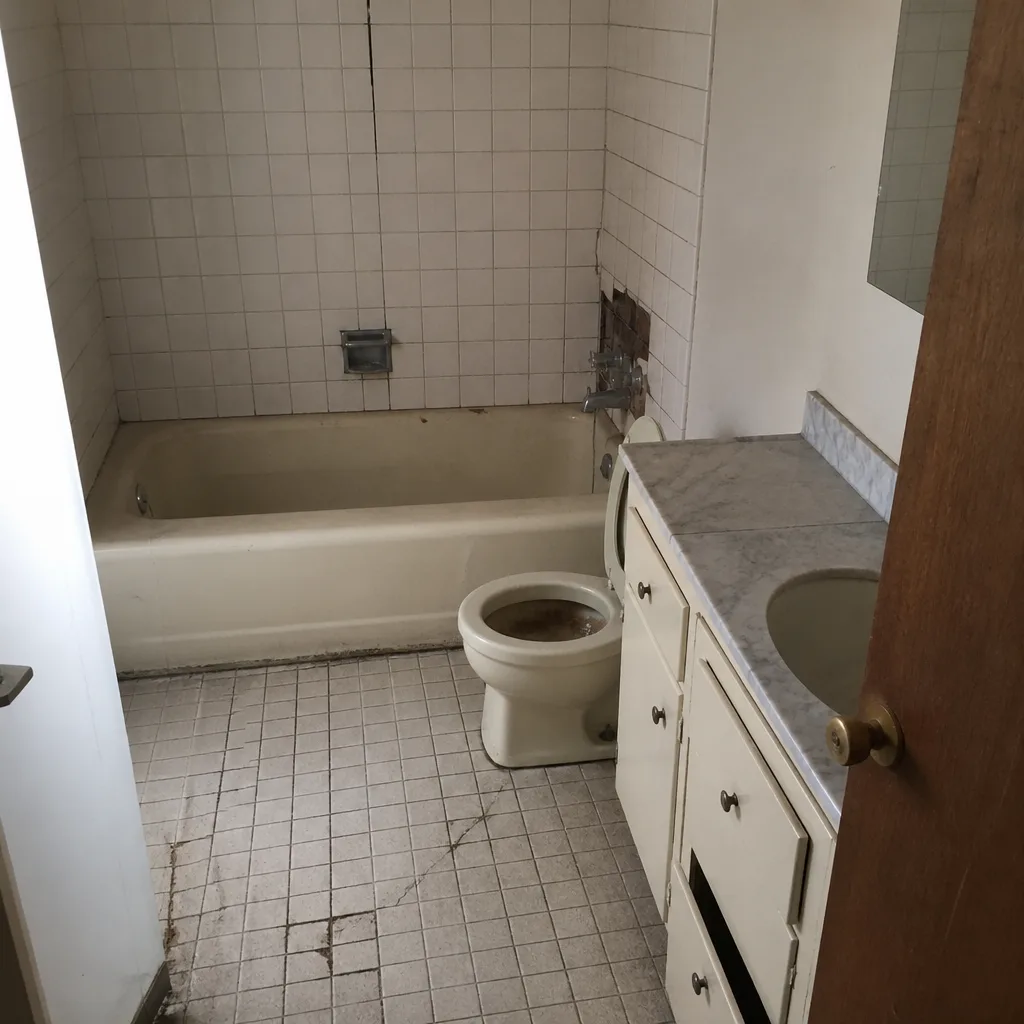 Before
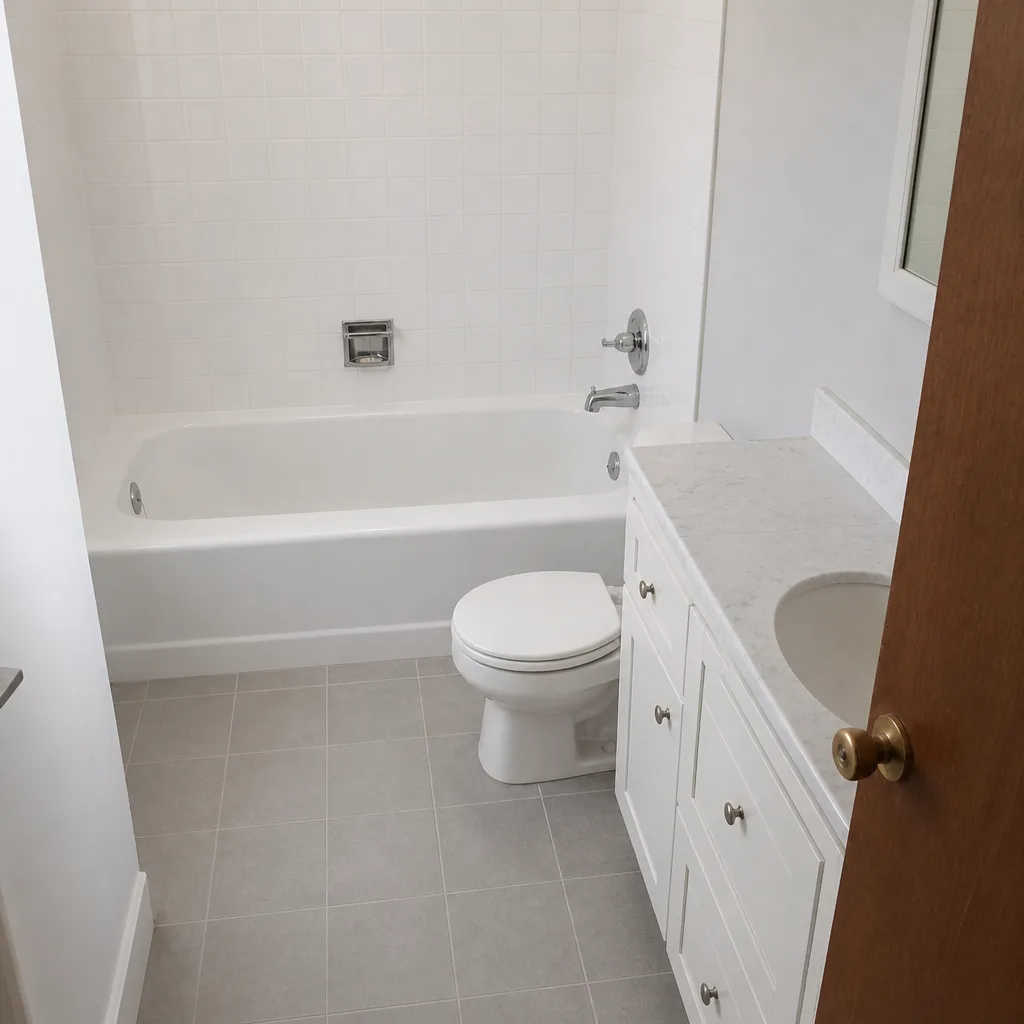 After
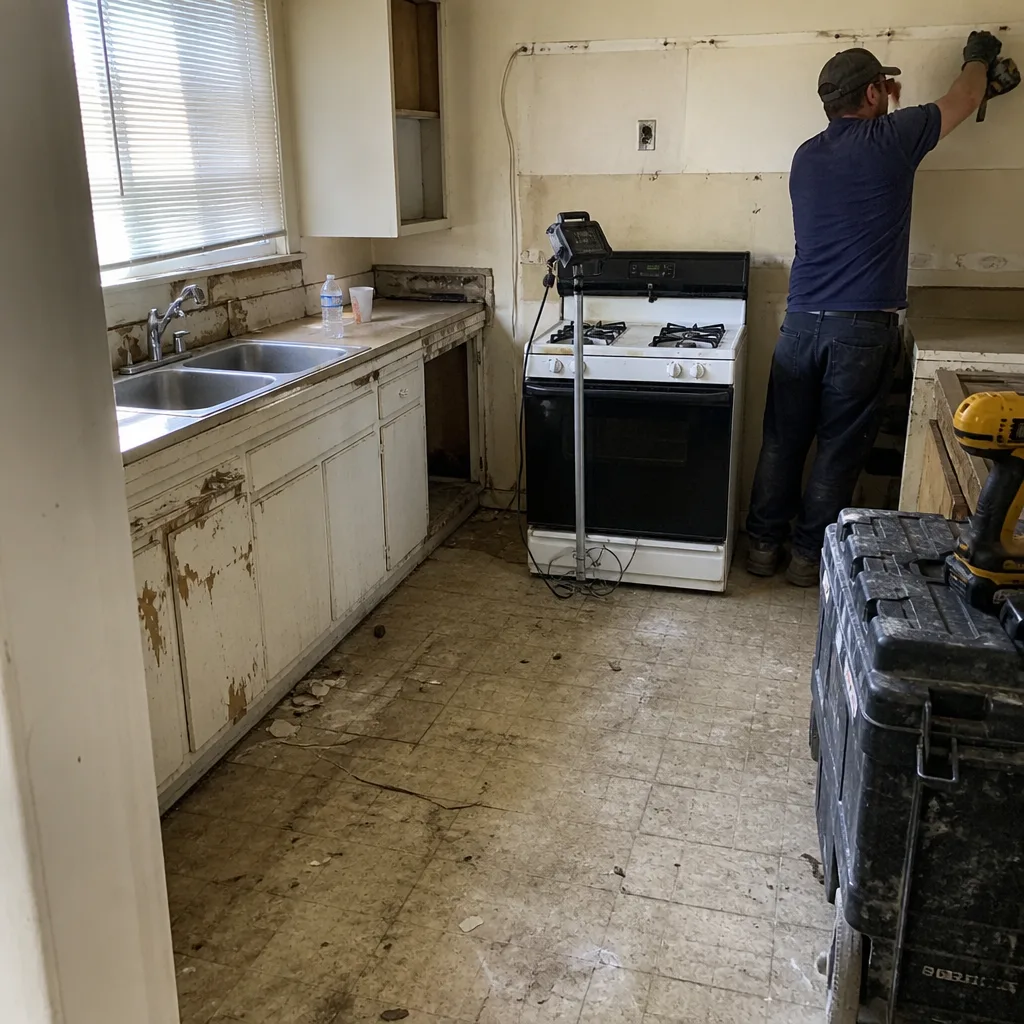 Before
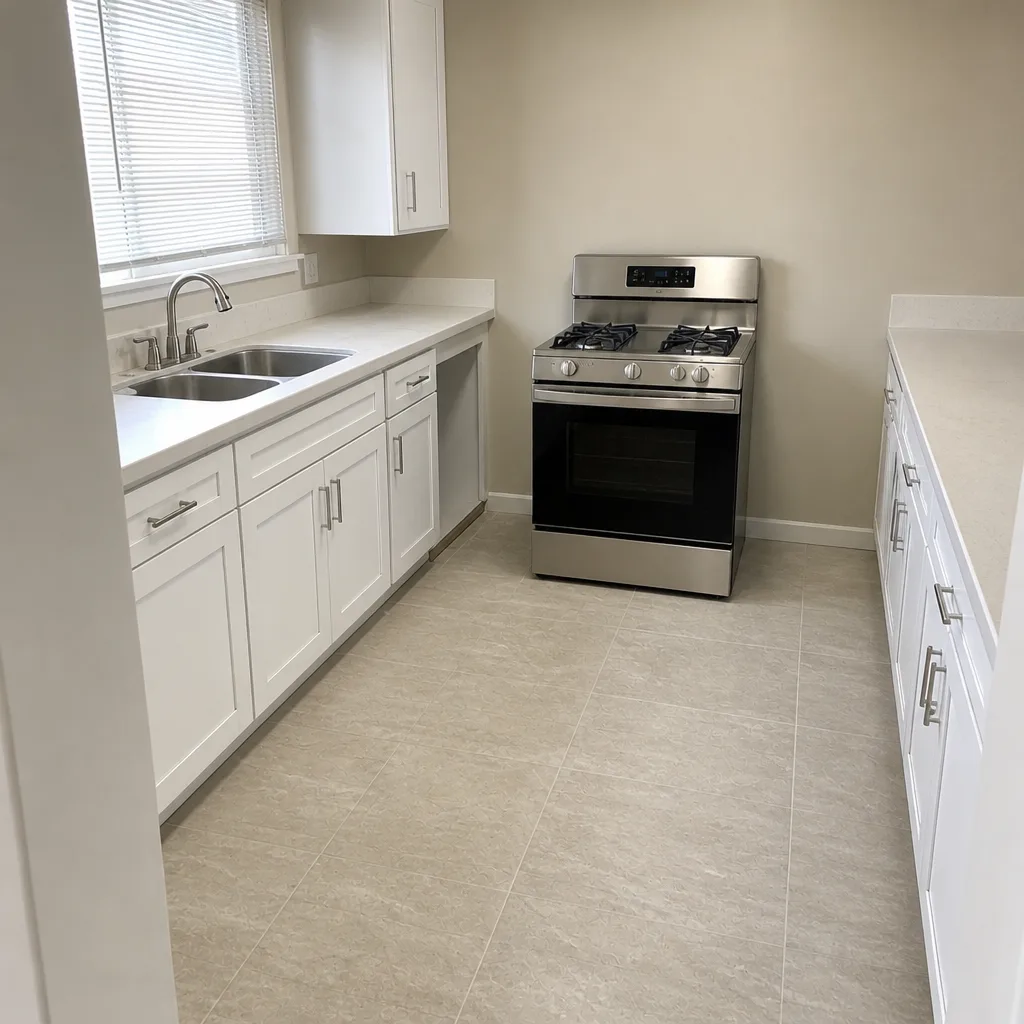 After
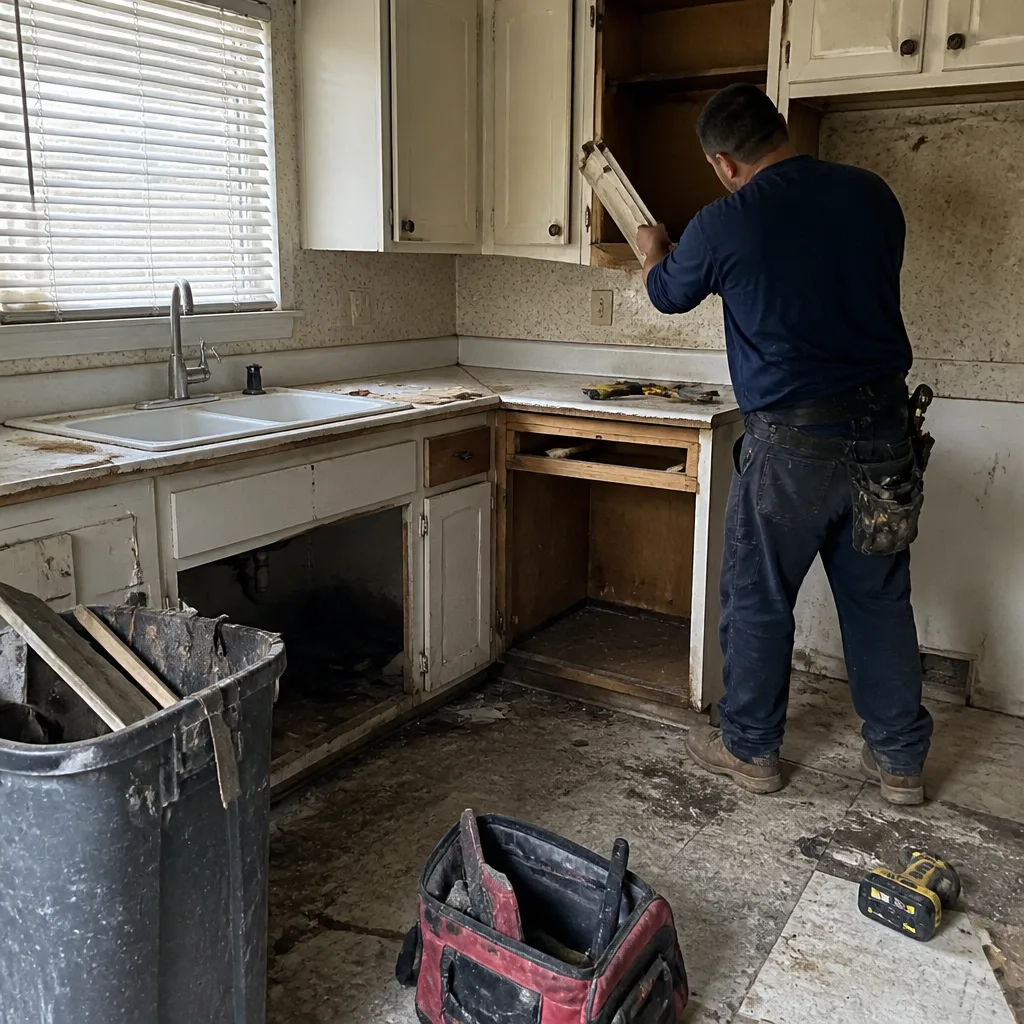 Before
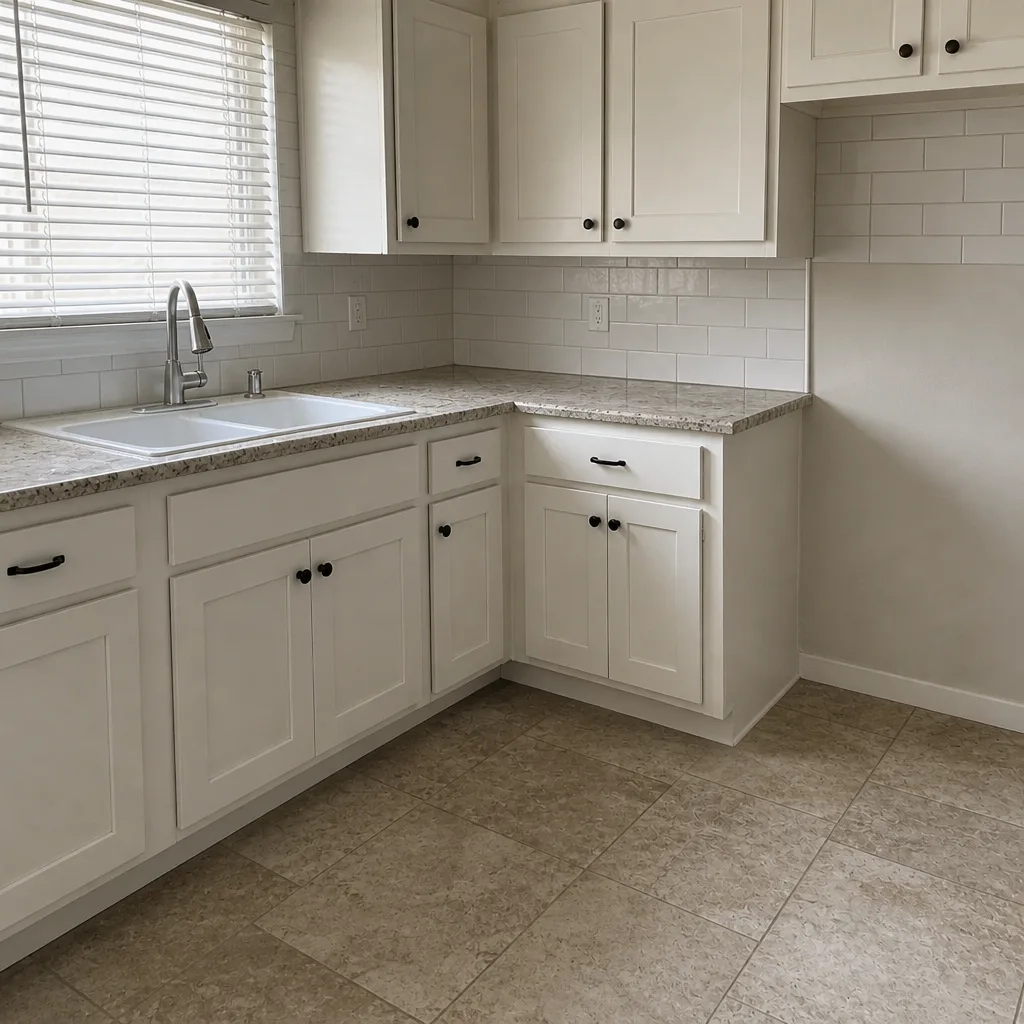 After
Quartz vs Granite Countertops in Anaheim: Which Countertop Survives a South-Facing Kitchen?
Choose quartz (specifically a Cambria slab) unless you want the one-of-a-kind veining only natural stone can give and you’re willing to reseal it every year or two. In Anaheim’s climate, sunlight and heat cycling – not resale value or design trends – are what decide the quartz vs granite question, and the data favors quartz for nearly every kitchen with real sun exposure. Call Groundwork Construction Co. of Anaheim at (888) 300-3178 for a free estimate and design consult.
Here’s the part most comparison guides skip: a kitchen window facing south or west in the Anaheim Colony or west Anaheim bakes a countertop with direct UV for hours a day, year round. That single fact changes the math. Below is how we think it through with homeowners, trade-offs included.
Key Takeaways
- Quartz wins on UV stability, zero sealing, and surface consistency in sunny Anaheim kitchens.
- Granite wins on unique natural variation and lower entry-level slab cost.
- Heat cycling from hot, dry summers stresses both materials; neither shrugs off a 500°F pan.
- Cambria quartz is NSF-certified food safe, carries a manufacturer’s lifetime limited warranty, and is U.S.-made for consistent quality control.
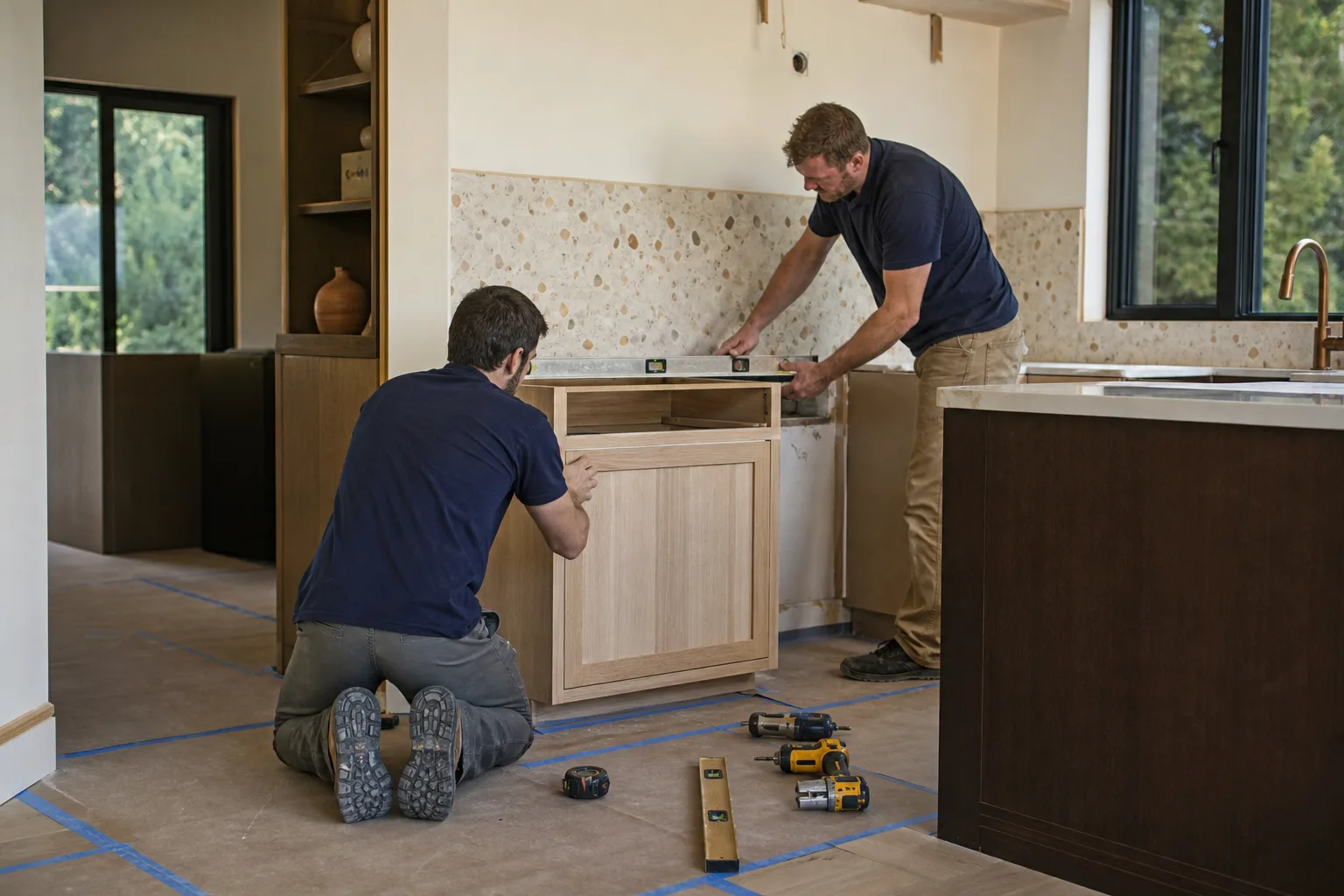
- The installation is where seams, edges, and sink cutouts get made right – and where our 730-Day Done Right Promise applies.
Why Anaheim Sun Changes the Quartz vs Granite Decision
In a cold-climate or coastal town, the big countertop worries are freeze-thaw and salt air. Anaheim has neither. What it does have is a semi-arid Santa Ana wind corridor with hot, dry summers and relentless UV. Countertops near a south or west window take that light directly, and the surface temperature on a sun-hit slab in July climbs well above the room’s air temperature.
That cycle – hot day, cool night, repeat – is the real test. Granite is porous natural stone, so it ships with a resin sealer that keeps stains and moisture out. Under prolonged UV, that sealer breaks down faster, which is why granite in a bright Anaheim kitchen tends to want resealing every one to three years rather than the “every few years” the brochures promise. Quartz is engineered to be non-porous. There’s no sealer to break down, so that maintenance variable disappears entirely.
Point the same sun at a granite slab with no sealer left and you get a surface that dulls and stains more readily. Quartz holds its color and finish far better over a 20-year horizon. That’s the measurable case, and it’s why we lean quartz for sunny kitchens here.
The Cambria Difference (and Why It’s the Quartz We Recommend)
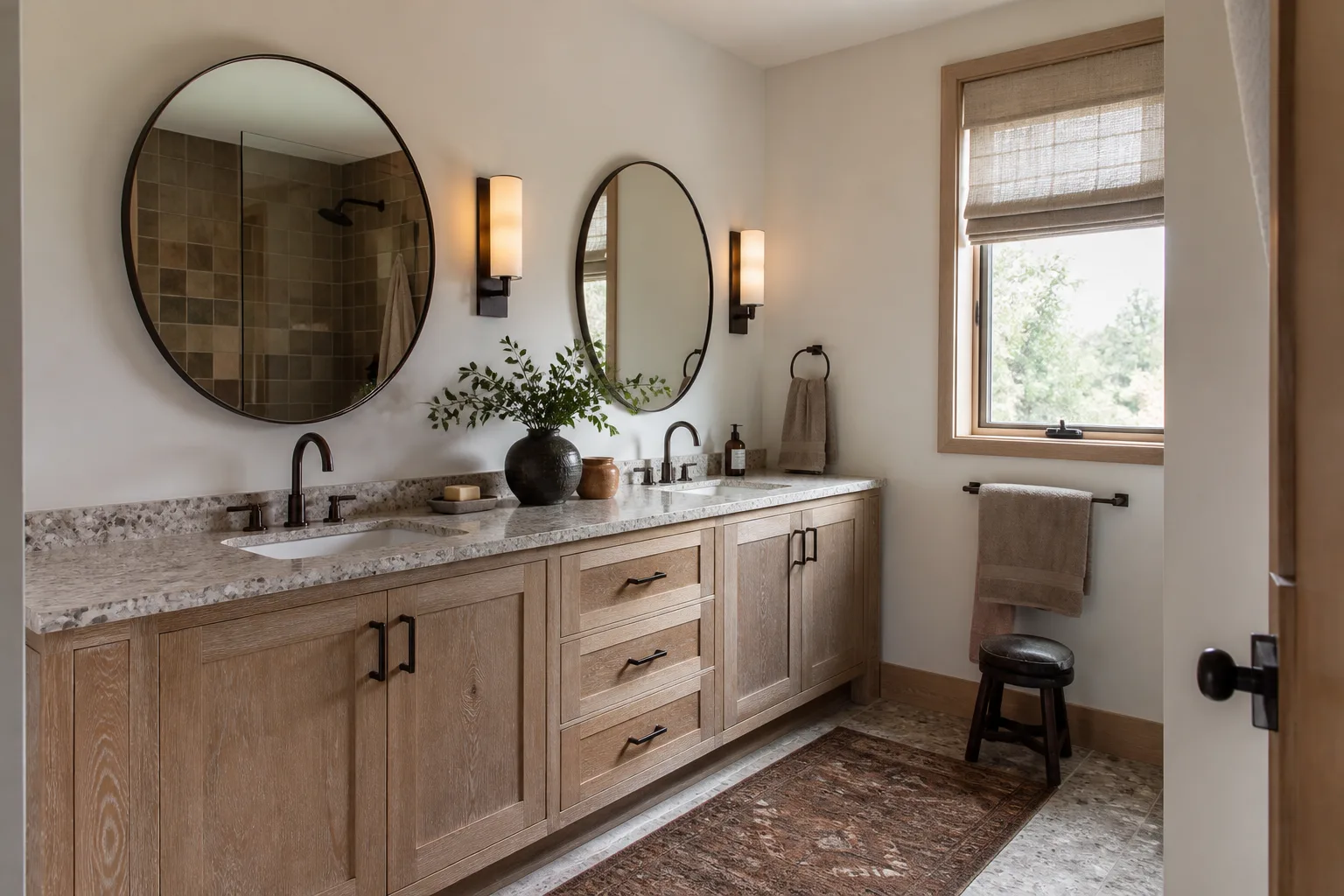
Not all quartz is equal, so when we say quartz, we mean a specific portfolio. Cambria earns its place for a few concrete reasons:
- Food-safe surface: Cambria is NSF-certified, so you can prep directly on it without a second thought.
- Manufacturer backing: a lifetime limited warranty from Cambria, layered on top of our own installation guarantee – two warranties, not one.
- U.S.-made with tight quality control: consistent slab-to-slab appearance, which eliminates the variation surprises common with imported granite lots.
- No sealing, ever: wipe it down and you’re done.
Pair that with the rest of our kitchen lineup – KraftMaid cabinetry and Kohler fixtures among them – and the goal is a kitchen built around materials that hold up, not just materials that are in stock. For the full scope, see our home page and our Kitchen Remodeling services.
Side-by-Side: Quartz vs Granite in an Anaheim Kitchen
| Factor | Cambria Quartz | Granite |
|---|---|---|
| UV / sealer stability | No sealer needed; color holds | Resin sealer degrades under strong sun; reseal every 1-3 years |
| Porosity | Non-porous | Porous; needs sealing to resist stains |
| Surface consistency | Highly consistent, slab to slab | Unique variation, hard to match |
| Heat tolerance | Handles hot pans from the range; a 500°F oven pan is a risk | Handles heat well, but also damaged by extreme direct heat |
| Warranty | Manufacturer lifetime limited + workmanship guarantee | Depends on fabricator; sealer not covered long-term |
| Typical cost (installed) | Higher on mid-tier Cambria | Lower entry cost on mid-tier slabs |
The Hot-Pan Myth, Addressed Straight
You’ll read that quartz can’t take a hot pan. The nuance matters. A pan straight off the burner set down for a minute is fine on quartz. A 500°F roasting pan pulled from a hot oven and slammed down is a risk for quartz and for granite alike – thermal shock can mark or crack either surface. So use a trivet for oven-hot cookware and don’t sweat the rest. This is one of the most overblown concerns in the quartz vs granite debate.
Where Granite Genuinely Wins
We won’t pretend quartz is the answer to everything. If you want a countertop that looks like no other on earth – dramatic movement, natural mineral depth – granite delivers something quartz cannot replicate. Mid-tier granite slabs also come in cheaper than Cambria on a per-square-foot basis, so if budget is the deciding factor and the kitchen isn’t sun-baked, granite is a fair call. It’s a real trade-off, and we’ll walk you through it rather than steer you.
Why the Installation Guarantee Matters More Than the Slab
A countertop is installed once and expected to last 20 years or more. The slab is only half the story. How the seams line up, how the edge profile is finished, and how the undermount sink cutout is set are all workmanship – and workmanship is what actually fails first. Our 730-Day Done Right Promise covers that installation for two full years: if it’s not done right, we make it right. No stone yard offers that kind of coverage on the labor. Technicians with up to 12 years of experience handle the fabrication and install, and every one of them is background-checked and arrives in uniform.
That’s also why a slab’s warranty alone isn’t enough. Cambria’s lifetime limited warranty covers the material; our guarantee covers the work. Together you’re covered on both ends. And for larger kitchen projects, upfront pricing plus 0% financing for 18 months and $1,000 off projects over $10,000 makes the decision easier on the wallet.
Common Scenarios We See in Anaheim Kitchens
A 1950s west Anaheim tract home with a sunny kitchen. These single-story homes sit on slabs with original layouts, and the kitchen often catches hard afternoon light. Quartz wins here on UV stability and low upkeep.
A south-facing window over the sink. Direct sun on the counter for hours a day is the single biggest argument for quartz over granite. We see the sealer breakdown firsthand in these kitchens.
A homeowner who wants drama and a cooler kitchen. If the room is shaded and you want that natural-stone look, granite is worth seeing in person.
A full kitchen overhaul. When you’re also replacing cabinets and backsplash, the countertop should be planned with the whole room. That’s where Kitchen Remodeling in Anaheim comes in.
What Countertops Cost in Anaheim
- Countertop installation: $2,000-$6,500
- Backsplash installation: $800-$2,500
- Kitchen island installation: $3,000-$10,000
- Full kitchen remodel: $14,000-$45,000
- Small kitchen remodel: $9,000-$20,000
Quartz generally lands at the higher end of those countertop ranges than mid-tier granite. Call (888) 300-3178 for an exact quote on your kitchen – the number you see is the number you pay.
FAQs
Quartz is better for most Anaheim kitchens because it holds up to strong UV and heat cycling without sealing, while granite needs resealing every 1-3 years. Granite still wins if you want unique natural veining and a lower entry-level cost on a shaded kitchen.
Countertop installation in Anaheim runs $2,000-$6,500, with Cambria quartz typically at the higher end and mid-tier granite toward the lower end. Call (888) 300-3178 for a free estimate – it costs nothing to get an exact number.
No. Quartz is non-porous and never needs sealing, which is one of its biggest advantages in sunny Anaheim kitchens. Granite, by contrast, needs resealing every one to three years because its resin sealer breaks down under UV.
Timing depends on the slab and fabrication, and we’ll give you a real schedule up front rather than a guess. Call (888) 300-3178 – a live person answers 24/7 to get your estimate started.
Get a Straight Answer on Your Countertop
If you’d rather have it looked at, Groundwork Construction Co. of Anaheim offers a no-pressure assessment in Anaheim – call (888) 300-3178. We’ll look at your light, your layout, and your budget, then tell you honestly whether quartz or granite is the right call.
Written by the team at Groundwork Construction Co. of Anaheim, serving Anaheim, CA.