Last updated November 18, 2026


Free written scope consultation - allowances, timeline, and change-order rules on paper before a single trade is scheduled
Driveway & Pavers Warning Signs Every Homeowner Should Know
That single sunken section near your garage apron isn’t cosmetic. It’s your driveway telling you that water is pooling under the base layer, and what it does to the rest of the surface over the next two winters is entirely preventable right now. Most homeowners call us after the failure, not before it. In our experience walking Anaheim driveways, roughly nine out of ten replacement quotes we write could have been a repair quote two years earlier if someone had known what they were looking at. That’s the whole reason for this guide. We’re going to teach you to read your driveway the way a contractor does on a site walk: what the surface is telling you, which signs mean base failure versus plain surface wear, how to judge how fast a problem is moving, and the two warning signs that mean stop driving on it today. By the end you’ll know whether you’re scheduling maintenance, a repair, or a full tear-out, and you’ll know how to tell before you spend a dollar.
Quick Answer
The most serious driveway paver warning signs are new or worsening puddles, water flowing toward your house or garage, and pavers that rock or sink when you walk on them. These point to base failure under the surface rather than surface wear, and they get more expensive every season you wait. Cracks that spread fast, sunken sections near the garage apron, and paver edge separation along the curb are your early warning system. Read the surface, find the water, and act while the repair is still a repair.
Styles & brands we work with
- Kitchen remodeling
- Bathroom remodeling
- Home additions & ADU
- Roofing
- Windows & doors
- Driveway & pavers
- Fence
Table of Contents
- The Five Physical Signs of Base Failure vs. Surface Wear
- Why Changes in Drainage Are the Most Urgent Warning Sign
- What Paver Edge Separation Reveals About Lateral Pressure
- How Fast Is the Problem Growing?
- Two Warning Signs That Mean Stop Driving on It
- Anaheim Soil, Sun, and Why Local Driveways Fail Differently
- How to Inspect Your Driveway in 20 Minutes
- Repair or Replace: Reading the Verdict
The Five Physical Signs of Base Failure vs. Surface Wear
Pavers are a surface layer sitting on a compacted aggregate base. When the base is solid, the pavers can stay in place for decades with almost no fuss. When the base loses its integrity through water intrusion, poor compaction, or soil movement, the pavers above telegraph that failure in five predictable ways. Learn these and you’ll separate a $400 re-sand from a $6,000 rebuild.
The five signs of base failure are:
- Rocking pavers. Step on the corner of any paver. A slight settled feel is normal in the first season after install. A paver that rocks underfoot like a loose tile means the bedding sand beneath it has washed out or compacted further, and generally that means the base has lost support too.
- Sunken sections. A low spot that holds water or dips noticeably below its neighbors. This is a base problem by definition because the base is what carries the load. Surface wear alone doesn’t create depressions.
- Rutting patterns. Two parallel dips aligned with where your tires track. Pavers don’t rut from wear; they rut when the base compacts unevenly under repeated load. If the rutting is in the two tire paths and nowhere else, the subgrade is likely saturated.
- Lateral movement along edges. Pavers pushing out at the border or along the curb. We cover the cause separately in the edge-separation section, but the short version: something is holding water at that edge and the restraint has given way.
- Sand loss between pavers. Gaps between pavers where polymeric sand has washed out and never refills. The gaps let water in faster than drainage can get it out, which accelerates everything else on this list.
Surface wear, by contrast, looks like this: faded color, minor chipping on individual pavers, efflorescence (that white chalky haze, common in Anaheim’s hard water and dry cycles), and a general “tired” look after many years. None of those mean the base is failing. A faded paver can be sealed. A rocking paver means the base needs attention.
Use touch as your second test. Walk the whole surface barefoot or in thin-soled shoes once a year. You’ll feel a settled paver before you see it. That single tactile check has saved more than a few of our Anaheim customers from a full replacement.
Why Changes in Drainage Are the Most Urgent Warning Sign
If you read only one section of this guide, make it this one. Drainage changes are the warning sign homeowners most consistently ignore and the one that does the most damage fastest. That’s because water is the root cause behind almost every other paver failure you’ll ever see. The base doesn’t fail because pavers get old. The base fails because water is sitting in it.
Here’s what to look for:
- New puddles that weren’t there before. A puddle in the dead center of a driveway after a rain is a settling signal. A puddle that always forms in the same spot and lingers more than a day or two after the rain stops is a drainage signal. In Anaheim, where we can go many months without meaningful rainfall, these puddles often only appear during the winter storms and disappear before homeowners think to report them. Note the location when it rains. Photograph it.
- Water flowing toward the house or garage. This is the one that matters most. Driveways should slope away from the structure, toward the street or a drainage channel. If you see water sheeting toward your garage door, or pooling at the garage apron, you have a grading problem layered on top of a paver problem. Water against the garage slab wicks into the foundation. In Anaheim’s older neighborhoods, we’ve seen garage slabs with moisture damage that trace back to a settled driveway apron that nobody noticed for years.
- Standing water on flat sections. If part of your driveway is level rather than sloped, and water sits there rather than draining, that flat section is where the base will fail first. Pavers are designed to shed water. When they stop shedding, they’ve stopped doing their job.
- Erosion at the edges. Soil washing out from under the pavers at the border. You can sometimes see this directly from the side at the street edge.
The urgency here is the point. A new puddle that flows toward the house is the difference between scheduling a driveway repair and dealing with a foundation assessment later. Address drainage first, always. Everything else is downstream of water.
What Paver Edge Separation Reveals About Lateral Pressure
Pavers don’t hold themselves in place. A border course, a soldier course, a plastic edge restraint, or a concrete curb locks the field in place laterally. When that restraint fails, pavers push outward under load, sometimes a half-inch, sometimes two. The gap that opens up isn’t just cosmetic, and it isn’t the pavers getting “loose.” It’s trying to tell you which restraint has given way and why.
Walk your driveway edge and look for:
- Gaps between the field and the border course. Field pavers moving away from the border. This means the restraint isn’t holding. Common causes are a failed plastic edge restraint, a curb that’s settled, or soil that’s eroded away from beneath the border.
- Border pavers tipping outward. If the outer edge of your border course is angled down toward the street, the restraint is failing and the border is rolling away from the field.
- Separation at the driveway-to-street junction. A gap that opens at the street edge where the driveway meets the curb. This is often the first place we see it in Anaheim, because street-edge grade changes cause water to accumulate right there during winter storms and soften the soil.
- Curbs that lean. A concrete curb that leans toward the driveway is telling you the soil on the other side has moved or eroded.
In Anaheim specifically, our soil and drainage patterns matter here. Much of the city sits on clay-heavy soil that expands when wet and shrinks when dry. That cycle is hard on pavers and hard on edge restraints. Driveways installed on lightly compacted base in Anaheim tend to show edge separation within the first decade, especially when the driveway borders landscaping with irrigation that keeps the soil under the border saturated while the field stays dry. The soil movement from that imbalance is what pushes things around. If your driveway edges look like they’re creeping outward and you’ve got a sprinkler head within a few feet of the border, that’s the likely culprit.
Edge separation is repairable, and often repairable without a full tear-out. The important part is that it’s not a “wait and see” issue. Every season the gap sits open, more water gets under the field, and the repair moves toward the driveway itself.
How Fast Is the Problem Growing?
Pavers almost never fail overnight. They give you weeks or months of warning. The speed of the progression is one of the most useful diagnostic tools you have, because a slow-growing issue and a fast-growing one point to entirely different underlying causes.
Here’s how to read it:
- Mark the problem today. Put a pencil mark, a small piece of tape, or a photo with a coin as a reference point next to the widest part of the crack or the lowest point of the dip. Note the date.
- Wait two weeks and re-check. A slow problem will barely move in two weeks. A fast problem will show clearly measurable movement in that window.
- Compare. A dip or crack that hasn’t moved in two weeks and hasn’t moved in a month is a slow problem. That doesn’t mean free, but it means you have time to schedule a repair properly.
A slow spreading crack or dip, growing a few inches a year, generally means steady water infiltration or gradual soil settlement. These are schedule-it-in-the-next-few-months problems. A fast spreading crack or a dip that opens visibly over a couple of weeks is different. That speed points to an active water source or active soil movement. It might be an underground leak from an irrigation line. It might be a broken drain line. It might be a recent heavy rain combined with a base cavity that’s now collapsing. That’s the category that needs a look from a pro soon rather than a “we’ll get to it next spring.”
This is one of the places where our Anaheim experience matters most. We see a lot of Anaheim driveways where the homeowner’s complaint is a “crack that appeared out of nowhere last winter.” Almost always, the underlying base cavity had been building for years. The winter rain didn’t create the problem; it revealed it. The speed of the appearance isn’t the speed of the cause. Read the total pattern, not just the newest symptom.
Two Warning Signs That Mean Stop Driving on It
Most driveway warning signs let you keep using the surface normally while you line up a repair. Two do not. If you see either of these, stop driving on the affected area until a professional looks at it.
The two stop-driving signs are:
- Pavers that rock or sink when you step on them and are located over an area where water pools. A rocking paver is a base-cavity signal. A rocking paver sitting over a low spot that holds water is a base cavity that’s actively being fed by water. Driving on top of it compacts and spreads the cavity. This is the fastest way to turn a repair into a replacement. Park on the street until a pro sees it.
- Visible soil erosion or a hollow sound under the driveway. If you can see soil washing out at the edge, or if the driveway sounds hollow underfoot when you tap it, there’s a cavity under the pavers that wasn’t designed to be there. Load on a cavity leads to sudden local collapse. That’s not an emergency in the fire-and-flood sense, but it’s a “move the car off it today” sense.
Everything else on this guide’s list – faded color, minor chipping, sand loss in the joints, slow edge separation, even a modest dip that stays put – lets you use the driveway normally while you schedule an inspection. The two signs above are the ones where waiting for the next available appointment is not the right call.
One more honest caveat here, because it matters. If the underlying problem turns out to be related to your garage slab or foundation – water flowing under the apron and toward the house – the repair sometimes extends beyond the driveway itself. Call a pro and get it assessed properly rather than solving it on the surface with more sand and a hose.
Anaheim Soil, Sun, and Why Local Driveways Fail Differently
Anaheim’s climate and soil create three driveway stressors you won’t find in cooler or wetter parts of the country. If you’re comparing notes with a friend in Oregon or the Midwest, what they see on their driveway and what you see on yours will play out on entirely different timelines.
Dry cycles and dust. Anaheim runs on a Mediterranean climate – long dry summers with very little rainfall, then concentrated wet weather. Those dry stretches are hard on the polymeric sand in the joints. The sand shrinks and cracks, gaps open, water has an easier path in when the rain does come. This is why sand-loss and joint-gap inspection matter so much in Anaheim. In cooler climates the joints get re-sanded less often because the pavers stay wet. Here, the sand takes more abuse.
Clay-heavy soil. Much of Anaheim sits on expansive clay. That clay swells when it takes on water and shrinks when it dries out. A driveway base under Anaheim’s soils moves more than a base in sandy or gravelly soil. That movement is one of the reasons edge restraints in Anaheim take a beating, and it’s why the base prep on new driveways in this area matters more than it would in drier, sandier regions.
Winter storm influence. The rainy season in Anaheim is when most drainage-driven failures reveal themselves. The winter after a dry summer is when homeowners notice new puddles, water toward the garage, and the dip near the apron. The winter is not when the problem starts; it’s when the problem becomes visible. Catching the warning signs in the fall, before the first real rain, is the best timing there is.
If you’re comparing repair options with a neighbor, or looking at a driveway in another part of Southern California to judge yours against, remember that the local soil under the surface is doing half the talking. It’s one reason we recommend any driveway inspection get done with local soil and drainage context in mind, not generic advice from a national chain.
How to Inspect Your Driveway in 20 Minutes
You don’t need a contractor’s truck to spot most of this. Twenty minutes with a notebook, a hose, and a broom will tell you more than most homeowners learn in a decade of living with a paver driveway. Here’s the walk-through we’d do on site.
- Walk the whole surface in thin-soled shoes. Feel for rocking pavers, hollow-sounding spots, and subtle dips. Note the locations.
- Look at the edges. Walk the full perimeter – field to border, driveway to street, driveway to garage apron, driveway to landscaping. Note any gap, tipping, or soil erosion.
- Look at the joints between pavers. Are they filled with polymeric sand, or has the sand washed out enough to leave visible gaps? Note the worst three sections.
- Do a controlled water test. Run a hose gently on a few sections for five minutes and watch where the water goes. Does it sheet toward the street? Toward the house? Pool anywhere? This spot-check simulates a light rain and shows you the drainage pattern without waiting for winter.
- Look for cracks and dips and measure them. Note length and width. Put a coin next to the widest part for scale, photograph it, and date the photo. That gives you a baseline for next month’s comparison.
- Look under the garage apron. The simplest inspection – get low and look at the seam where the pavers meet the garage slab. Moisture staining, soft soil, or a gap opening up at that seam is your highest-priority item.
- Photograph everything. A dated set of photos is worth more than a written description when you talk to a contractor.
Repeat the inspection every fall and after any major winter storm. The pattern over time is more useful than any single inspection. If you want a baseline before you start scheduling repairs, a Driveway & Pavers in Anaheim inspection is a sensible first step – a pro can tell you in half an hour whether the issue is surface-level or base-level, which is the entire question.
And because driveways rarely fail in isolation, this is also the moment to look at the fence line and the perimeter of the property, since drainage patterns affect both. If you’re planning any exterior work, our team also handles Fence Installation in Anaheim and can review how the driveway, fence line, and drainage are working together rather than as separate problems.
Repair or Replace: Reading the Verdict
Once you’ve identified warning signs, the practical question is what to do. Paver repairs fall into three buckets, and the driveway’s warning signs will tell you which bucket you’re in. Here’s the short version we use on site walks.
- Surface-level repair. Sand loss in joints, faded color, isolated chipped pavers. Full re-sand, sealing, and a few paver swaps. Lowest cost, quickest turnaround. Warning signs here are mostly cosmetic plus joint gaps. Schedule it before the fall rains.
- Localized repair. A rocking paver cluster in one spot, edge separation in one section, or a dip near the garage apron. This means lifting a defined area, correcting the base, re-setting the pavers, and re-sanding. Still a repair, still not a full replacement, but it requires base work – not just surface work.
- Full replacement territory. Widespread base failure, multiple sinking zones, water flowing under the apron toward the house, edge movement across the entire perimeter. At this point, the repair cost climbs toward the replacement cost. If you’re here, a full replacement with proper base prep and drainage correction is often the more economical long-term answer.
Get a written line-item quote for any repair or replacement. Break it down by surface prep, base correction, materials, sand, and any drainage corrections. The number you see should be the number you pay. If the quote moves after work begins, that’s not “the cost of construction” – that’s a bid that should have been built correctly the first time. Our work is covered by the 730-Day Done Right Promise because that’s the level of confidence we want homeowners to feel about the base under their driveway.
If your driveway is one part of a larger project, this is where the scope of work matters. Comparing driveway cost against a broader home project is often a useful gut check. You can see how we handle full-scope work on our Groundwork Construction Co. of Anaheim home page, and if the driveway is part of a bigger addition or a long-term plan, Home Additions & ADU in Anaheim is the natural next step in thinking through site and drainage as a whole.
Common Mistakes to Avoid
- Treating a dip near the garage apron as cosmetic. That dip is water pooling under the base, and the water has to go somewhere. In Anaheim, the somewhere is often right against the garage slab, which is the wrong place for it. Fix the source, not the dip.
- Re-sanding without fixing the gaps that are breathing out the sand. Polymeric sand doesn’t fail on its own. If the joints keep emptying, something underneath is pushing the pavers apart. Re-sanding the symptoms without base correction is a yearly expense.
- Ignoring edge separation because it “doesn’t affect the middle.” The middle is the next thing to move. Edge separation is the driveway’s leading indicator. It’s the entrance exam for everything else.
- Driving on rocking pavers. Every pass over them widens the base cavity. We’ve seen one-year-old cavities turn into whole-section replacement because the homeowner kept parking on the rocking spot out of habit.
- Sealing over a problem. Sealer is a great finisher on a healthy driveway and a mistake on a failing one. Sealing down a rocking area traps water under the surface. Get the base right first.
- Waiting out Anaheim’s dry season. The dry season is not “repair season off.” It’s the ideal season to fix a driveway, because the base is at its driest and the repair holds better. Waiting for the winter storm to reveal the problem means paying for scheduling at the worst time.
- Skipping the written quote. Verbal quotes on driveway work are how “it’ll be around $3,000” turns into $4,800 once the crew is on site. Ask for the line items in writing, every time.
See the difference
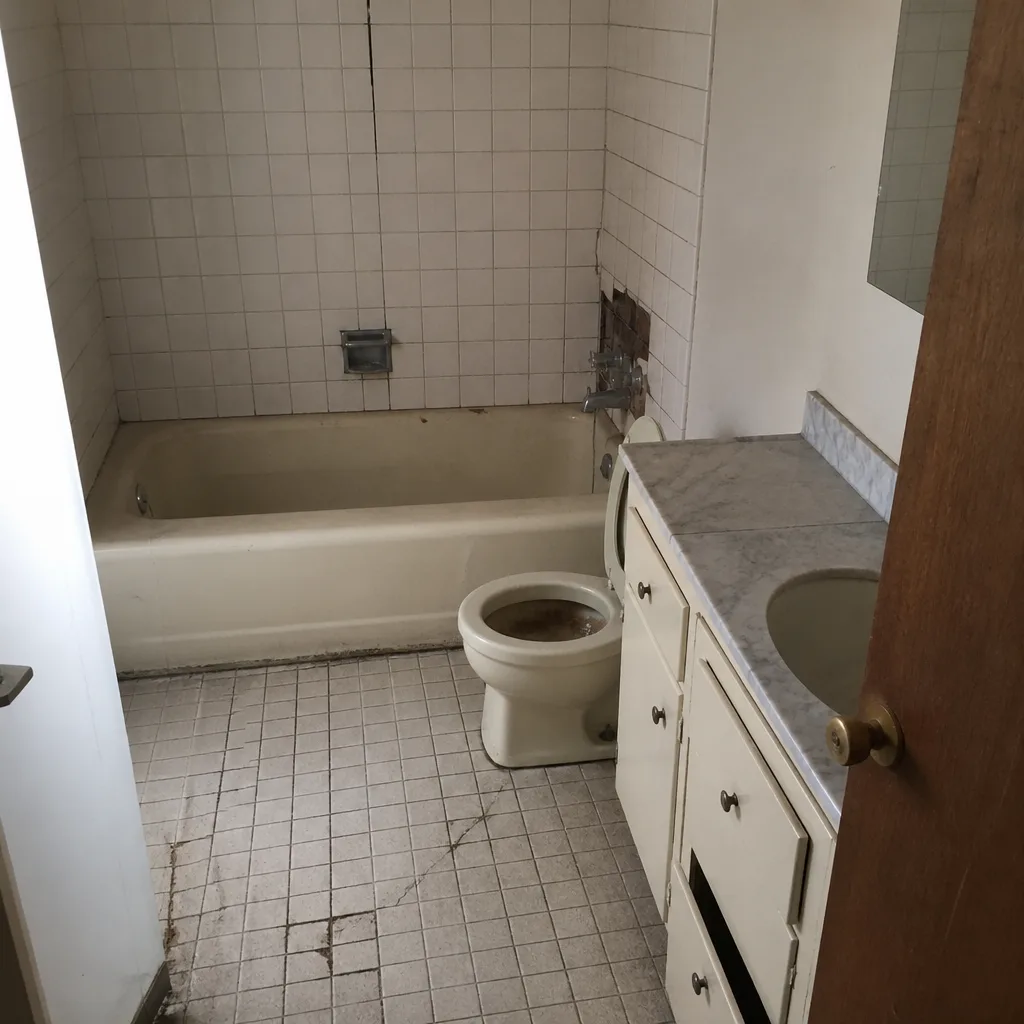 Before
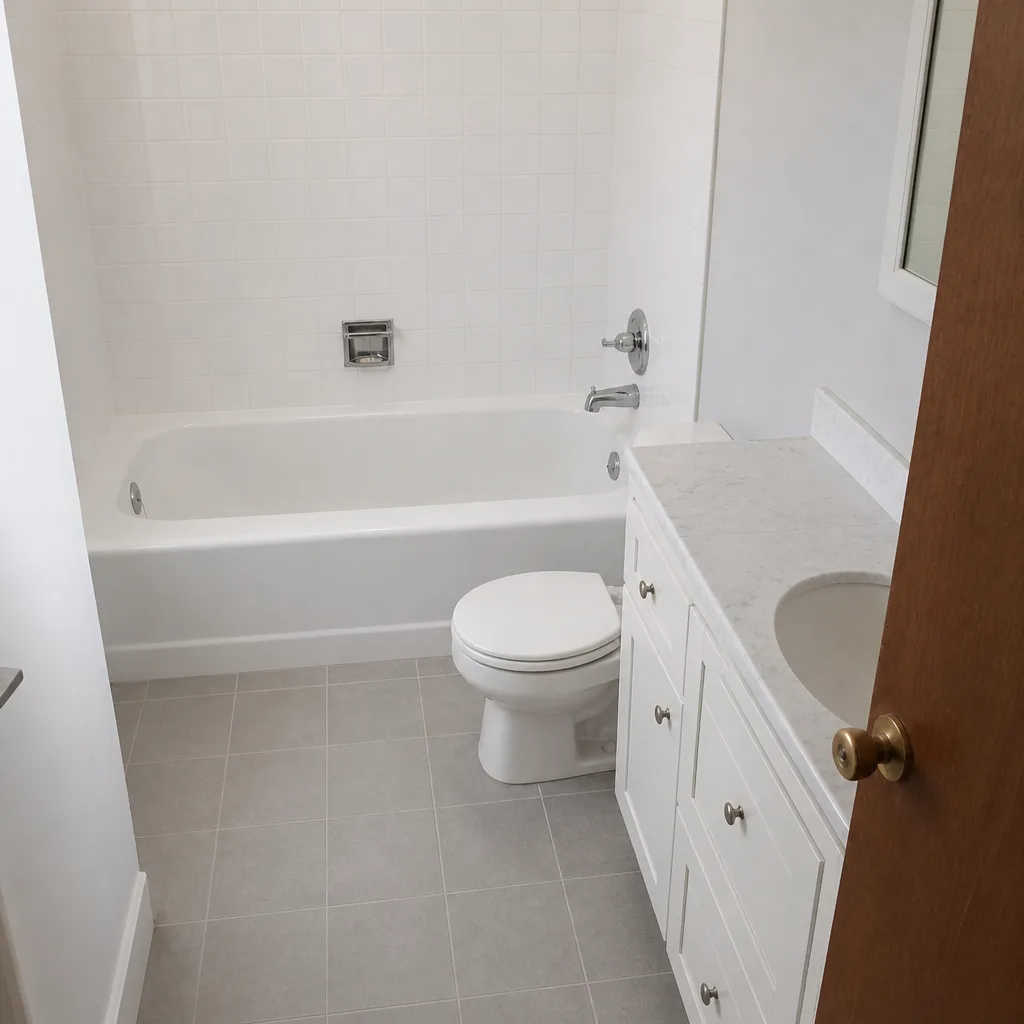 After
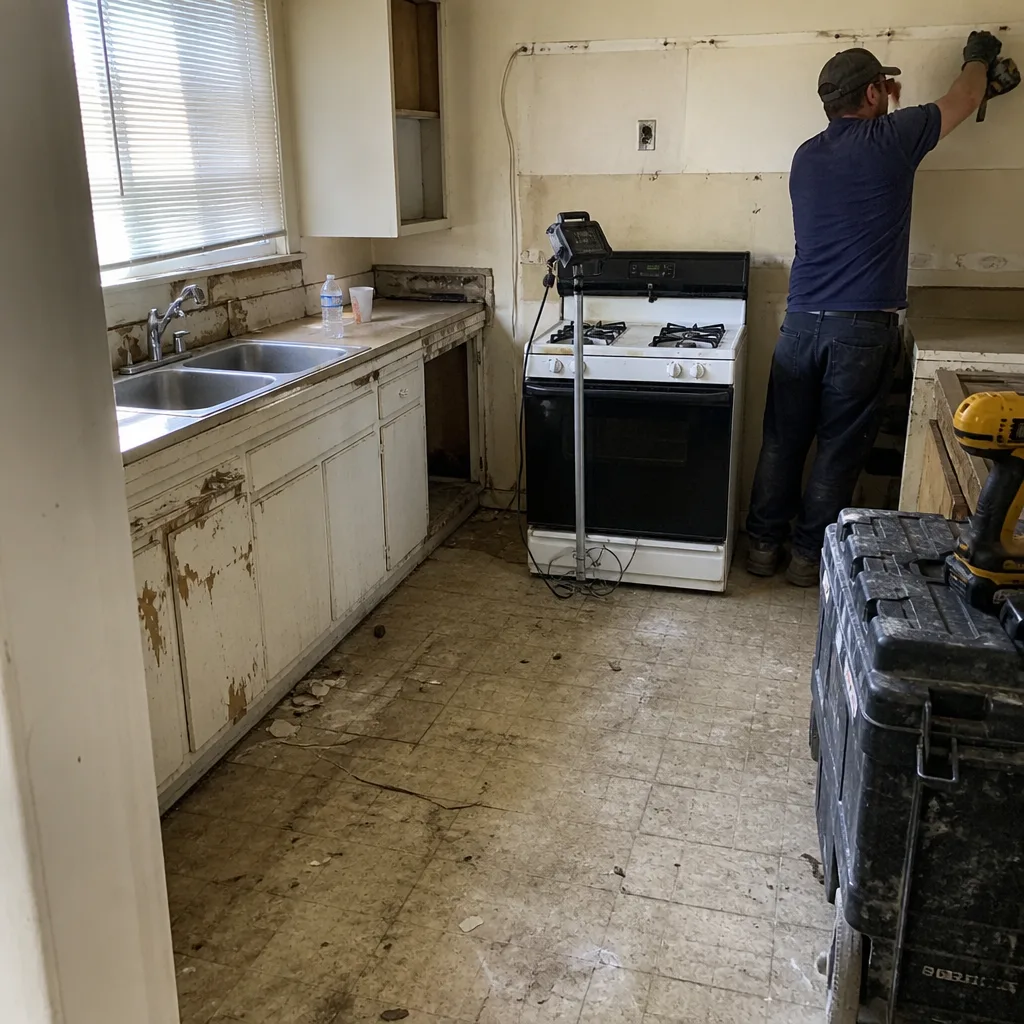 Before
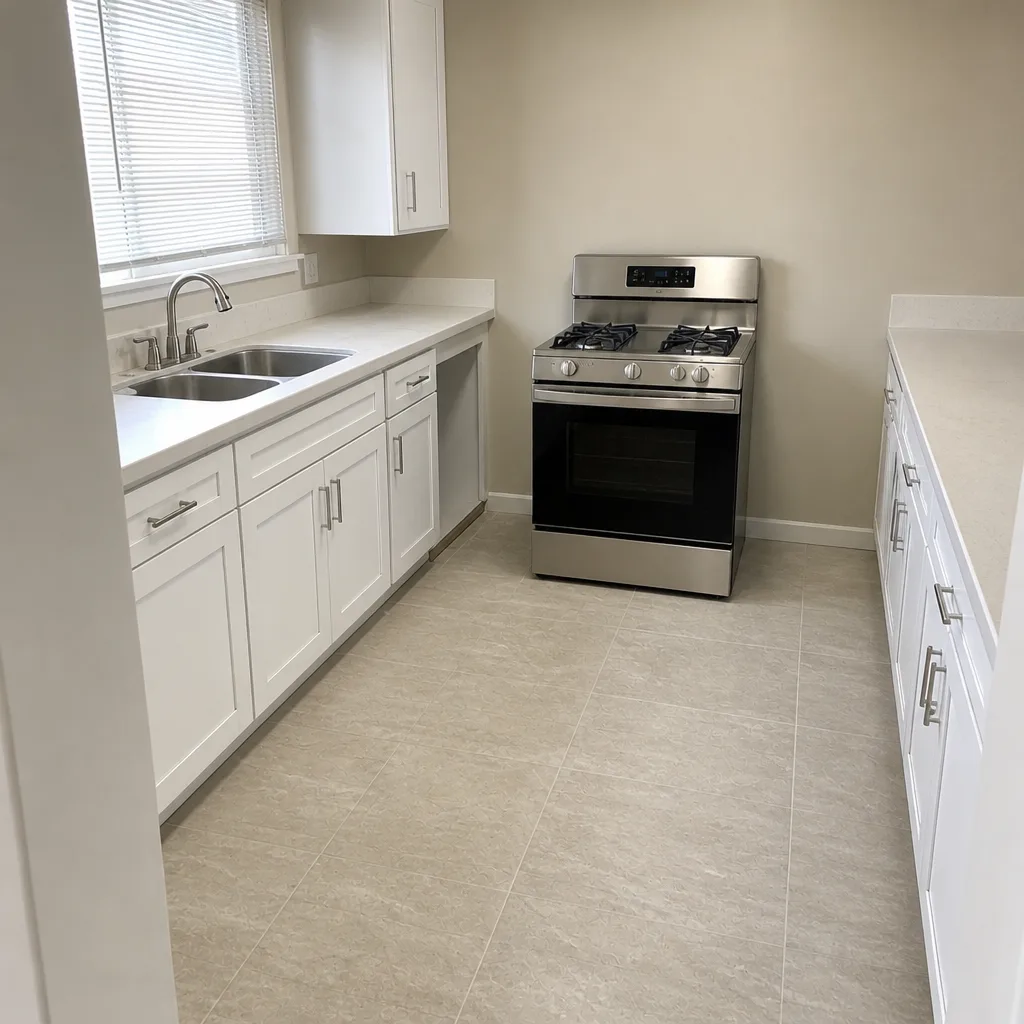 After
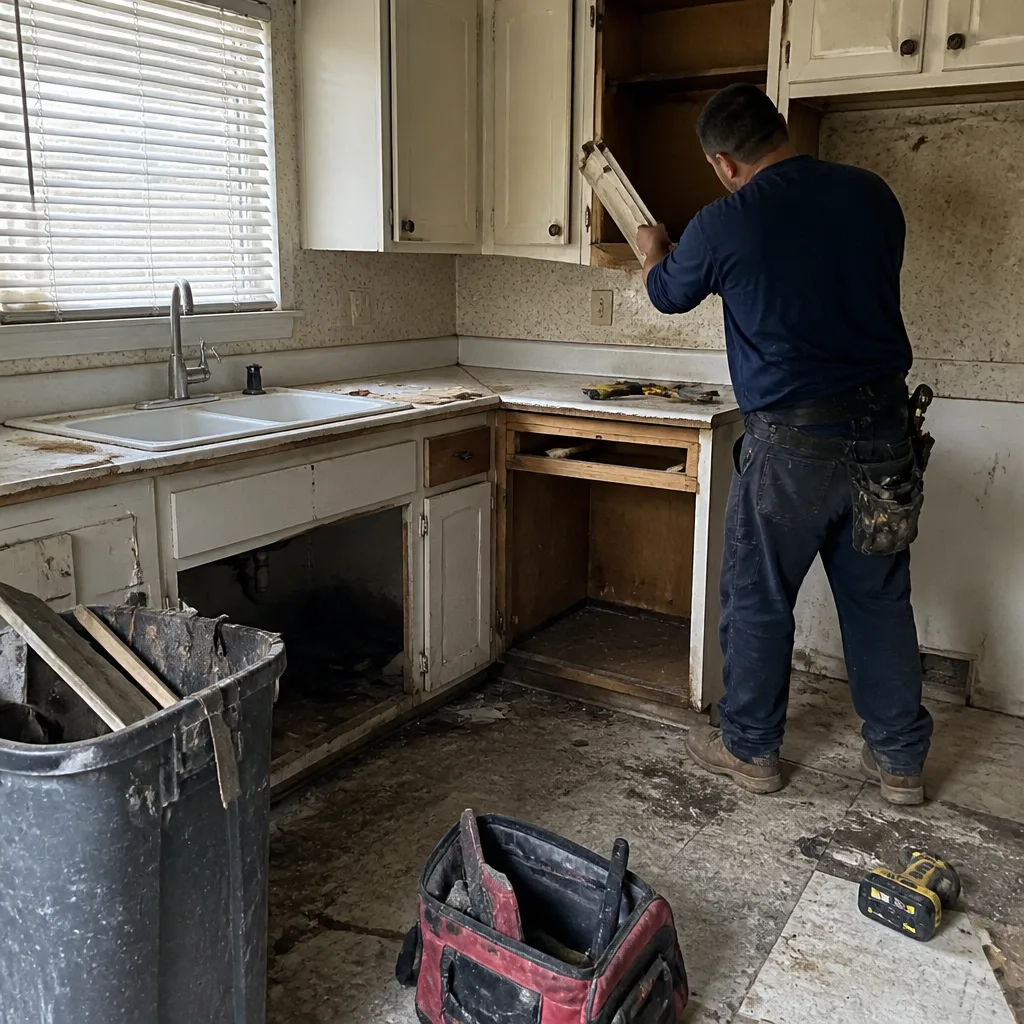 Before
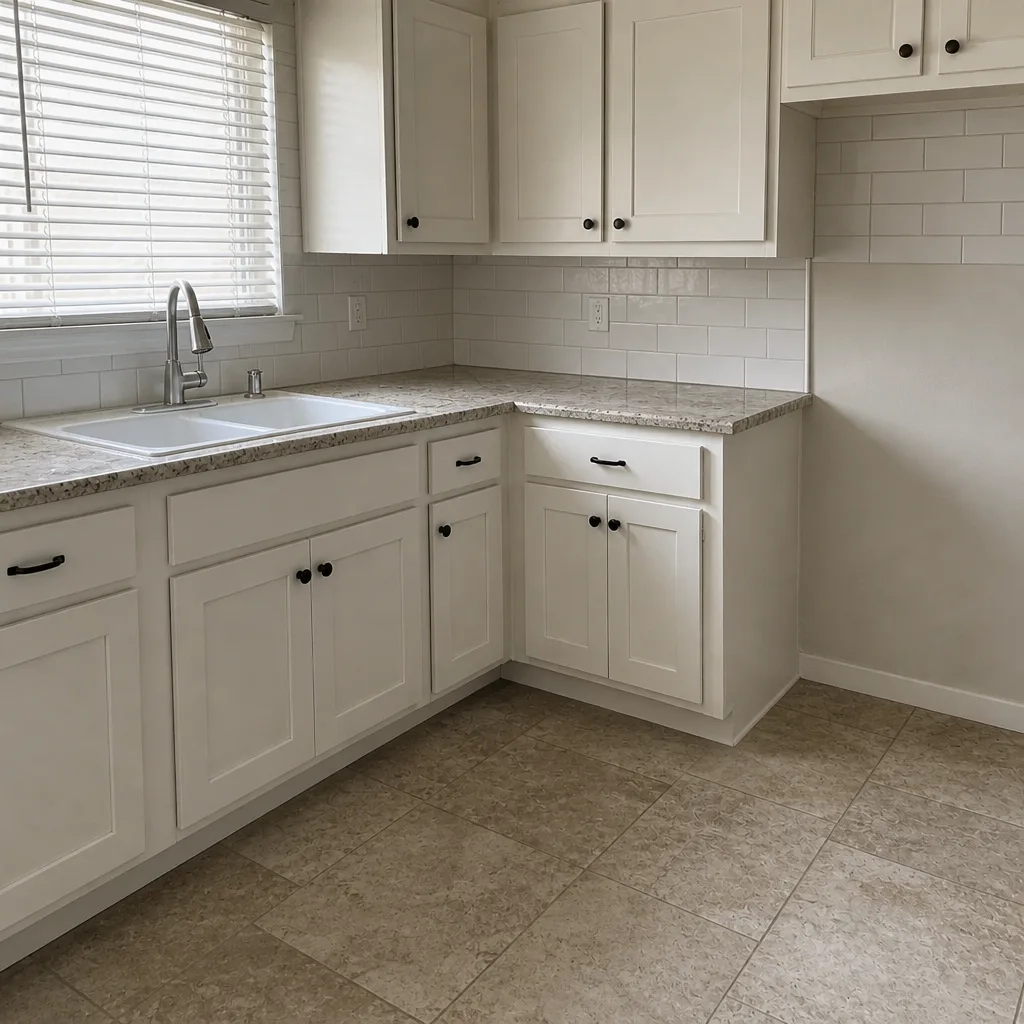 After
When to Call a Professional
Call a professional if you see any of the following: rocking pavers over a water-pooling area, a dip near the garage apron that wasn’t there last year, edge separation that’s opened noticeably in the last twelve months, water flowing toward the house or garage, a crack or dip that’s visibly spreading in a matter of weeks, or visible soil erosion at the driveway edge. Those six items are all base-level or drainage-level problems, and they don’t get better with homeowner re-sanding. Call if you’ve had a repair quoted verbally and the number seems vague; a written line-item quote will tell you exactly what the repair covers. Call if you’re planning exterior work in Anaheim and want the driveway, fence line, and drainage reviewed before you commit to a scope.
Groundwork Construction Co. of Anaheim offers free estimates in Anaheim – call (888) 300-3178. Calls are answered by a live person, 24/7, so you can talk to someone today even if the estimate itself is scheduled for later.
Frequently Asked Questions
A rocking paver, a new puddle that wasn’t there last year, and sand loss in the joints are typically the first three signs. Rocking pavers are the most universal – step on the corner of pavers across the driveway once a year and note anywhere that feels loose. Call (888) 300-3178 for a free estimate once you’ve found one.
Small cosmetic fixes – re-sanding, cleaning, resealing, replacing a single chipped paver – are reasonable weekend homeowner jobs. Anything involving base correction, edge restraints, or drainage changes is not a good DIY candidate. The base layer is what carries the driveway, and a poorly repaired base fails as fast as the original. Call (888) 300-3178 to schedule a free estimate on the base-level work.
Water problems show up as new puddles, puddles near the garage apron, water flowing toward the house, and soft soil at the edges. Soil settling shows up as dips in the tire tracks, pavers that rock but sit over a dry section, and slow-moving sunken areas. In our experience most Anaheim driveways have both. Fix water first, always – call (888) 300-3178 for a free estimate and we’ll walk the drainage pattern with you.
Clay-heavy soil, irrigation placement, and drainage slope are the usual reasons. A driveway next to landscaping with irrigation can have saturated soil under the border while the field stays dry, which increases edge movement. Slab-on-grade homes in parts of Anaheim sometimes have different drainage patterns than raised foundation homes. Call (888) 300-3178 for a free estimate – a site walk will tell you which local factor is driving yours.
Not with us. We quote upfront pricing – the number you see is the number you pay – and every quote is broken into line items so nothing is left vague. If the scope has to change because we uncover something we couldn’t see before we lift a paver, that’s a conversation before any work continues, not a surprise on the invoice. Call (888) 300-3178 for a free estimate.
A re-sand and reseal is typically a single-visit job. A localized base repair is usually a few days from lift to re-set. A full replacement is typically one to two weeks depending on size and weather. We don’t promise driveways finished in a day when they aren’t, and we don’t schedule work we can’t do properly. Call (888) 300-3178 for a free estimate and a realistic timeline.
The Bottom Line
Your driveway gives you clear warnings before it fails catastrophically. Rocking pavers, sunken sections, edge separation, sand loss, and – most important of all – any change in drainage pattern are the signals. Read them early and you’re looking at a repair. Read them late and you’re looking at a replacement. Speed of progression tells you how urgently to act. Water flowing toward the house or garage, or visible soil erosion under the driveway, are the two signs that mean stop driving on it today. None of this requires an engineering degree; it requires knowing what to look for and photographing it before the problem gets worse.
Our technicians have up to 12 years of experience on Anaheim driveways, and our 730-Day Done Right Promise covers every job we do. We offer upfront pricing, no-hassle estimates, $1,000 off projects over $10,000, and 0% financing for 18 months – and we’re happy to put the specs on any paver repair or replacement in writing, with no change orders once work begins. If you’ve found any of the warning signs in this guide, the best next step is a free estimate.
Call (888) 300-3178 to schedule your free estimate with Groundwork Construction Co. of Anaheim. Calls are answered by a live person, 24/7.
Written by the team at Groundwork Construction Co. of Anaheim.