Last updated November 18, 2026
Free written scope consultation - allowances, timeline, and change-order rules on paper before a single trade is scheduled
The Complete Windows & Doors Guide for Anaheim Homeowners
Anaheim averages 281 sunny days a year, but that’s not the number that matters for your windows. The number that matters is 30. That’s roughly the spread in degrees between a cool Anaheim morning in the low 50s and an afternoon that climbs into the low 80s. Your window frames expand and contract through that swing every single day, and over a decade that daily flex is what separates a window that still seals from one that whistles in a Santa Ana wind. This guide covers Anaheim’s actual conditions: frame materials that survive thermal cycling, Title 24 compliance, U-factor and SHGC targets for inland Zone 10, and what the City of Anaheim permit process really requires. Built for Anaheim homeowners making a real decision.
Quick Answer
For most Anaheim homes, fiberglass or aluminum-clad wood windows outperform vinyl because they hold their shape through the daily 30°F thermal swing that inland Orange County produces. Any replacement window or exterior door must meet California Title 24 requirements for climate Zone 10, with U-factors typically around 0.32 or lower and SHGC around 0.23 or lower depending on the glazing package and how much glass you’re adding. A permit from the City of Anaheim is required when you change window size, opening, or egress, and usually not required for like-for-like replacements in the same opening.
Styles & brands we work with
- Kitchen remodeling
- Bathroom remodeling
- Home additions & ADU
- Roofing
- Windows & doors
- Driveway & pavers
- Fence
Table of Contents
- Why Anaheim’s Climate Is Harder on Windows Than “Southern California” Suggests
- Which Frame Material Wins in Anaheim: Vinyl vs. Fiberglass vs. Aluminum-Clad Wood
- California Title 24: What Anaheim Window and Door Replacements Must Comply With
- U-Factor and SHGC: How to Read Ratings for Zone 10
- Santa Ana Winds, Threshold Seals, and Why Frame Anchoring Matters
- The City of Anaheim Permit Process for Windows and Doors
- Doors in Anaheim: Entry, Patio, and the Sealing Details That Fail First
- What Windows and Doors Cost in Anaheim
Why Anaheim’s Climate Is Harder on Windows Than “Southern California” Suggests
Anaheim doesn’t sit on the coast and it doesn’t sit in the desert. It sits in the middle band where inland heat builds through the day and drains off overnight. That’s the swing. Windows specified for “coastal Southern California” get marketed and sold in Anaheim constantly, and they underperform because the spec assumes a narrow temperature range that Anaheim doesn’t have.
What this does to a window is mechanical. The frame, glass, and sealant expand and contract at different rates. Vinyl moves more than fiberglass. Aluminum moves more than wood. Every joint in the assembly, from the sash corner to the weatherstrip to the sill, takes a small load each cycle. Over two thousand cycles a year, the material that holds its geometry wins and the one that creeps loses. You see the loss as fogged glass, drafty corners, stuck sashes, and condensation on the inside of the frame in January.
Anaheim also has strong sun. West-facing windows in neighborhoods like West Anaheim and Anaheim Hills take unfiltered afternoon sun that degrades cheap weatherstripping and fades vinyl. East-facing windows in East Anaheim and The Colony catch the morning side of the cycle. Neither orientation is “protected” here. That’s a real difference from Newport, where the marine layer softens the afternoon peak.
The short version: Anaheim needs windows rated for a genuine inland swing, not a beach-adjacent swing. When we look at windows and doors in Anaheim, we start with that spec, then match the rest of the project around it.
Which Frame Material Wins in Anaheim: Vinyl vs. Fiberglass vs. Aluminum-Clad Wood
There’s no single winner. There’s a winner for your house, your orientation, and your budget. Here’s how the three main options actually behave under Anaheim conditions.
Vinyl
Vinyl is the price leader and it works fine in bedrooms, hallways, and shaded elevations. Under heavy sun and constant thermal cycling, though, vinyl frames creep and the welded corners open up. Cheap vinyl is the worst offender. Better vinyl from a known manufacturer with welded corners and reinforced sashes holds up far better than the bargain-bin version sold at big-box stores. If your home faces west in Anaheim Hills, budget up.
Fiberglass
Fiberglass has the closest expansion rate to glass itself, which is exactly why it does well in Anaheim. The frame and the glass move together through the daily swing, so the seals aren’t fighting the frame. Fiberglass holds paint well, takes a pultruded profile that stays crisp, and handles the sun without fading. The cost sits between vinyl and clad wood. For most Anaheim homes in the middle of the price range, fiberglass is the strongest spec for the conditions.
Aluminum-Clad Wood
Clad wood gives you a wood interior with an aluminum skin on the outside. It’s the premium option, and it’s what we recommend for homes where the interior finish matters as much as the exterior durability. Andersen and Marvin both make strong clad lines, and we specify from that tier when the home calls for it. The aluminum cladding handles the sun. The wood interior handles the look. The installation is where the money goes, because clad wood is heavier and needs proper flashing and shim detail to seal against Santa Ana winds.
What “good” looks like in each material
- Vinyl: Welded corners, reinforced sashes, known brand, and a warranty that covers frame integrity, not just the mechanism.
- Fiberglass: Pultruded frame, painted finish instead of laminated, and a manufacturer whose thermal specs are published per climate zone.
- Aluminum-clad: Consistent cladding thickness, factory-applied finish, and a warranty that covers both the cladding and the wood substrate.
If you’re reworking an entire exterior at the same time, it’s worth thinking about how windows and doors tie into the rest of the envelope. We’ve written about that broader scope in our Home Additions & ADU in Anaheim guide, because additions force decisions about matching new windows to old that don’t come up on a straight replacement.
California Title 24: What Anaheim Window and Door Replacements Must Comply With
Title 24 is California’s building energy code, and it applies to any window or door replacement in Anaheim that alters the building envelope. It’s not optional. It’s not a recommendation. A licensed contractor pulling a permit for your project has to specify compliant products and, in many cases, has to show compliance documentation at final inspection.
The practical effect is that you can’t just buy the cheapest window on the shelf. The window has to hit a U-factor and a solar heat gain coefficient (SHGC) target that the code sets for climate Zone 10, which is the zone Anaheim falls in. Replacement windows without a certified performance label typically won’t pass inspection.
What typically triggers a Title 24 review in Anaheim
- Replacing more than a small percentage of the glazed area of the home in a single project.
- Changing the size of an existing window or door opening.
- Adding new windows or a new door to an exterior wall.
- Converting a window into a door, or vice versa.
- Any project that also touches insulation, HVAC, or the exterior envelope.
Like-for-like replacement in the same opening, same size, same operation is the case where Title 24 is usually simplest. It still requires compliant product. It usually doesn’t require a full performance calculation. Swapping a sliding window for a French door in the same rough opening is a different story, and it’s the case where homeowners get surprised.
We’ve seen Anaheim homeowners buy windows at a warehouse sale, then discover at permit time that the unit doesn’t carry the certified label the city needs to see. That’s a full replacement, at your cost, for windows you already paid for. Buying through a contractor who specifies compliant products up front costs slightly more and avoids the whole situation.
U-Factor and SHGC: How to Read Ratings for Zone 10
Two numbers decide whether your window performs in Anaheim: U-factor and SHGC.
U-factor measures how fast heat moves through the whole window assembly. Lower is better. In climate Zone 10, you want a U-factor at or below roughly 0.32 for most product types, and lower if you’re installing a large window on a west wall. Double-pane with a low-E coating gets you there. Triple-pane helps but rarely pays back in Anaheim because our winters aren’t cold enough to justify the extra cost.
SHGC (solar heat gain coefficient) measures how much of the sun’s heat the window lets through. Lower is better in a cooling-dominated climate like Anaheim’s. Target roughly 0.23 to 0.25 or below. This is the number that matters most for west-facing glass in Anaheim Hills, where afternoon sun drives cooling bills hard.
Two things most contractors skip when they hand you a spec sheet:
- Orientation matters. A north-facing window has different solar exposure than a west-facing one. A good spec only applies the low-SHGC glass where the sun actually hits. If you apply it everywhere, you get a slightly darker interior for no energy benefit.
- The label matters. The National Fenestration Rating Council (NFRC) label carries the certified U-factor and SHGC. Without that label, the number on the brochure is marketing, not building code.
The brands we specify carry full NFRC certification. That’s true of the Andersen and Pella lines we work with, and we won’t spec a window without it. If a contractor hands you a quote with no NFRC reference, ask. The answer tells you whether the project will pass inspection.
Santa Ana Winds, Threshold Seals, and Why Frame Anchoring Matters
Anaheim gets Santa Ana wind events, usually in fall and winter. Sustained winds are typically in the 20-40 mph range with gusts higher. That’s not a hurricane, but it’s enough to expose any weakness in the perimeter seal of a window or door.
Two failure points show up repeatedly in Anaheim:
1. The door threshold
The threshold is where the door meets the sill, and it takes the full wind load on an exterior door. Cheap thresholds rely on a gasket alone. Better thresholds use an adjustable sill with a compression seal and a sill pan underneath to drain any water that gets past it. When a Santa Ana event hits an under-sealed threshold, you don’t feel the draft. You get moisture intrusion on the next rain, then you find rot in the subfloor two seasons later.
2. The frame anchoring
Windows are anchored to the rough framing behind the drywall. Under wind load, the anchor has to carry the constant pressure. Staples and drywall screws are not anchoring. Proper installation uses structural fasteners at the manufacturer’s specified interval, usually every 12-16 inches along each side, driven into the jack studs. When a window fails at the seal in a wind event, the anchor is usually the cause.
What to check before you sign
- Ask whether the installer uses a sill pan on exterior doors. If the answer is “not usually,” ask why.
- Ask how the frame will be anchored. The right answer references the manufacturer’s installation instructions, not a general practice.
- Ask what flashing detail goes around the exterior trim. Flashing is what keeps water out of the wall.
- Ask whether the installer uses a full polyurethane sealant at the perimeter or a latex caulk. Latex fails in Anaheim sun within a few seasons.
If you have fencing or hardscape on the same exposure, the wind story repeats. We’ve written about anchoring in our Fence Installation in Anaheim guide, because posts and frame anchors fail for the same reasons.
The City of Anaheim Permit Process for Windows and Doors
Whether you need a permit depends on what you’re doing. Here’s the practical split for Anaheim.
Usually no permit needed
- Like-for-like replacement of windows in the same opening, same size, same operation (e.g., a slider out and a slider in).
- Like-for-like replacement of an exterior door in an existing door frame with no size change.
- Replacing glass in an existing sash that stays in place.
Permit required
- Any window or door that changes size or location in the wall.
- Adding a new window or door to an exterior wall.
- Converting a window to a door or a door to a window.
- Any change to a required egress opening, such as a bedroom window.
- Any project that triggers a Title 24 compliance path requiring a permit application.
The typical Anaheim process, step by step:
- Confirm the scope. Your contractor should be able to tell you in plain language whether a permit applies. If they hedge, that’s a red flag.
- Prepare plans or product documentation. For a like-for-like window replacement, the permit application is usually simple and may not require formal drawings. For size or location changes, expect to submit drawings and product cut sheets.
- Submit to the City of Anaheim Building Division. Turnaround on straightforward residential permits is typically weeks, not months.
- Complete the work per the permit. The permit is written for a scope, not a general “renovation.”
- Schedule the inspection. Inspections look at installation, flashing, and compliance labeling. If you skipped the permit spec, this is where it surfaces.
One Anaheim-specific point worth knowing: many older homes in neighborhoods like The Colony and West Anaheim were built with wood-framed single-pane windows and shallow wall cavities. Any change in window size in these homes usually requires inspection of what’s behind the wall, and sometimes reveals that the framing has to be modified. That’s a permit question, not a contractor judgment call.
We pull the permits on every job where the scope requires it, and we hand you the passed inspection at the end. That isn’t a favor. It’s how the job is supposed to work.
Doors in Anaheim: Entry, Patio, and the Sealing Details That Fail First
Doors are the part of a windows-and-doors project that gets underestimated. Everybody thinks about windows. Doors are where the failures show up first.
Three door types in Anaheim homes, and what to watch on each:
Entry doors
Entry doors face the sun, wind, and rain. Fiberglass and steel doors hold up well if the finish is right and the threshold is right. Wood doors look great and need refinishing every two to three years in Anaheim sun. The threshold and weatherstripping do most of the work. Cheap weatherstripping fails within a season.
Patio doors
Sliding glass doors are common in Anaheim homes built in the 1970s and 1980s. The rollers, tracks, and seals degrade faster than the glass. When they fail, you get water intrusion at the track and difficult operation. If a slider is a candidate for replacement, a hinged French door or a modern multi-panel unit usually seals better and moves a big chunk of glass out of the daily swing cycle.
Doors under covered patios and porches
Anaheim homes with covered patios out back often have a rear door that sees less direct sun but more moisture accumulation. That’s a mold and rot risk that shows up at the bottom rail. Fiberglass or clad wood performs better in that spot than a wood door without a proper cap.
Door installation detail matters as much as the door itself. We’ve seen $3,000 doors installed without a sill pan and fail within eighteen months. The brand of the door is the smaller question. The install is the bigger one.
What Windows and Doors Cost in Anaheim
Here’s the range we see in Anaheim for typical residential window and door replacements. Prices vary by material, size, and how many openings you’re doing at once. Larger projects lower the per-unit cost because the mobilization is shared.
| Item | Typical installed range in Anaheim |
|---|---|
| Vinyl double-hung window, standard bedroom size | $550 – $850 each |
| Fiberglass double-hung window, standard bedroom size | $800 – $1,200 each |
| Aluminum-clad wood window, standard size | $1,100 – $1,800 each |
| Large picture window, 6-8 ft wide | $1,400 – $2,600 each |
| Fiberglass or steel entry door, installed | $1,200 – $2,800 |
| Aluminum-clad wood entry door, installed | $2,400 – $4,500 |
| Sliding patio door, standard 6 ft | $1,800 – $3,200 |
| Hinged French patio door, single | $2,200 – $4,000 |
| Whole-home window package (10-15 windows, mid-tier material) | $9,000 – $18,000 |
Permit costs and Title 24 compliance documentation typically add a few hundred to the total, depending on scope. Disposal and trim work sometimes show up as separate line items in bids, and sometimes are folded in. Ask for a line-item quote so you know which is which.
If you’re already reworking the exterior, the sequencing matters. Driveway and hardscape work often overlaps with window replacement because both need the staging area. We’ve written about sequencing in our Driveway & Pavers in Anaheim guide if you’re planning both in the same year.
One more consideration: 0% financing for 18 months and $1,000 off projects over $10,000 apply across the categories we handle, including windows and doors. That doesn’t make a $15,000 window project cheap, but it takes the timing crunch off. A $1,000 credit on a project that size is real money.
Common Mistakes to Avoid
- Buying windows before checking the Title 24 label. Anaheim homeowners buy from warehouse sales and then discover the units aren’t certified. The city won’t approve the install, and you eat the cost of buying twice.
- Specifying “Southern California” glass for a Zone 10 home. Coastal-spec windows with the wrong SHGC run hot in Anaheim Hills and West Anaheim. The spec sheet has to reflect the actual climate zone.
- Choosing vinyl for a west-facing wall in Anaheim Hills. The afternoon sun and daily thermal swing are the exact combination that causes vinyl to creep. Fiberglass or clad wood is the better call there.
- Letting a door get installed without a sill pan. The threshold looks fine on day one. Rot shows up on the bottom rail and subfloor two winters later, and it’s a much bigger repair than the door.
- Skipping permits on a size change. A homeowner swaps a window for a French door without a permit, then tries to sell the home and discovers the opening is unpermitted. The buyer’s inspector will find it.
- Using latex caulk at the exterior perimeter. Anaheim sun breaks down latex caulk within a couple of seasons. Polyurethane holds. The difference is $30 of material and a decade of service.
- Getting a verbal quote instead of a line-item written one. Vague bids are where change orders come from. Fixed pricing in writing is the only way to know what you’re paying.
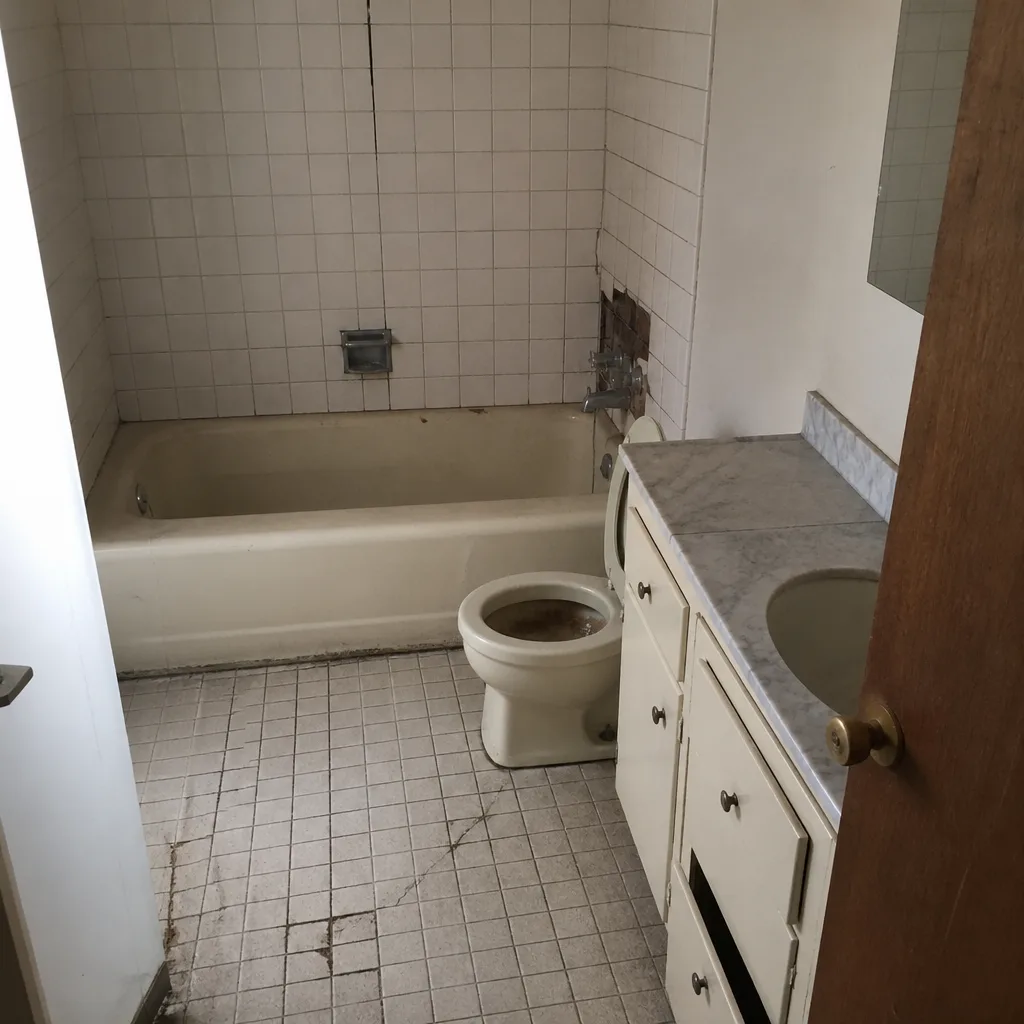
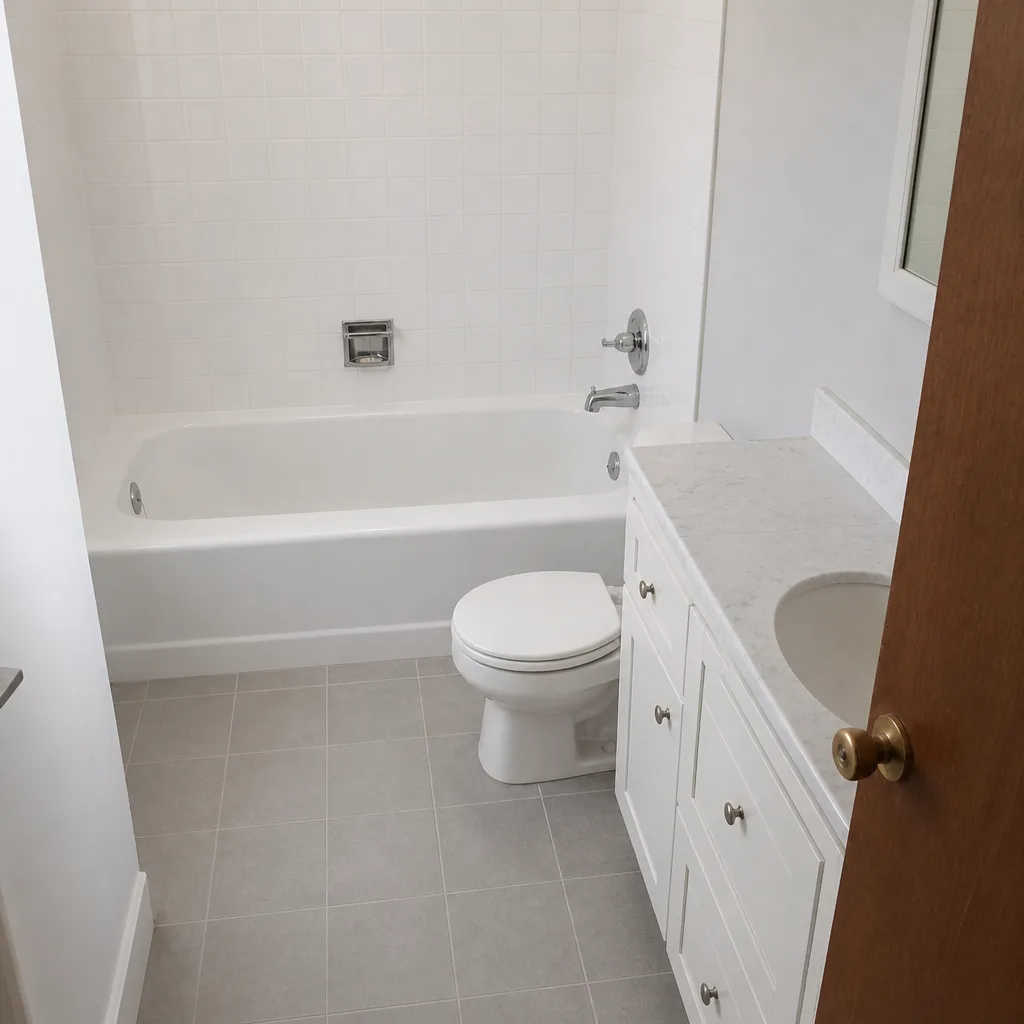
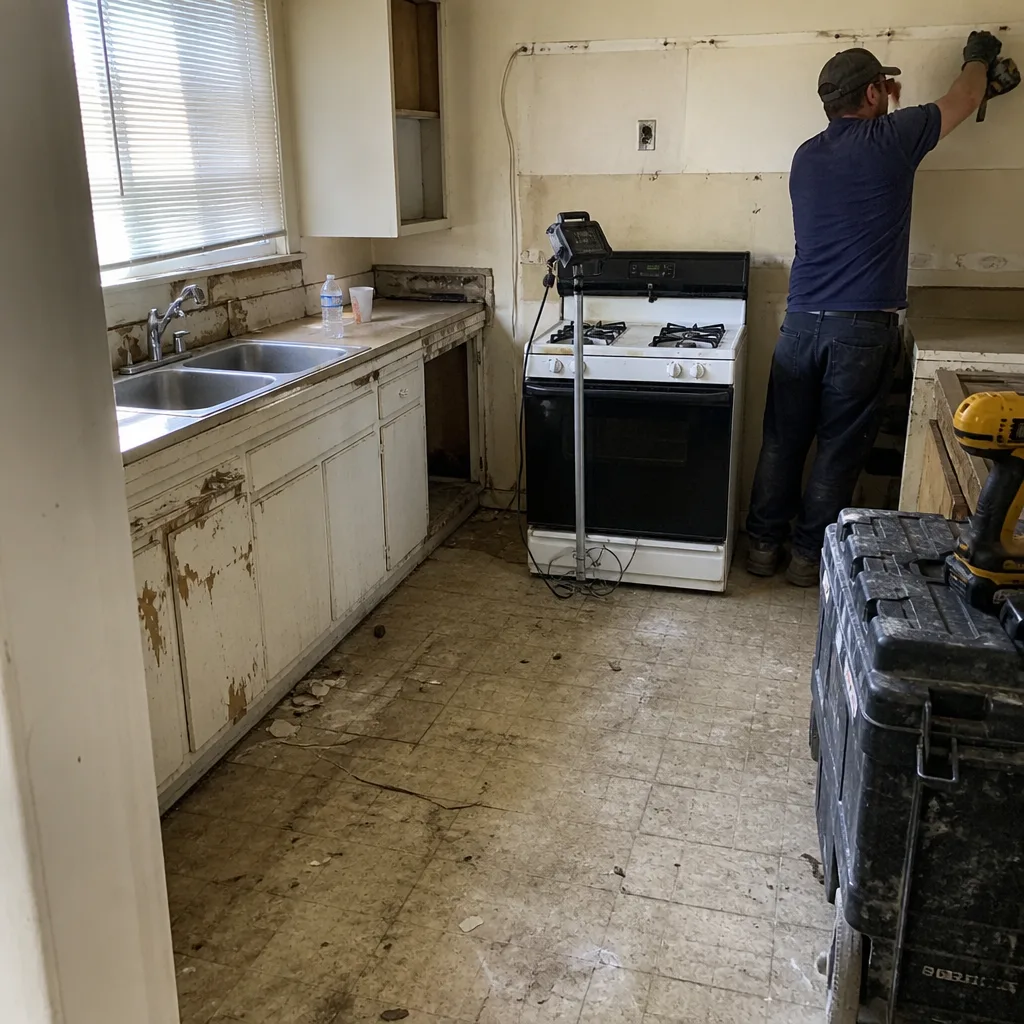
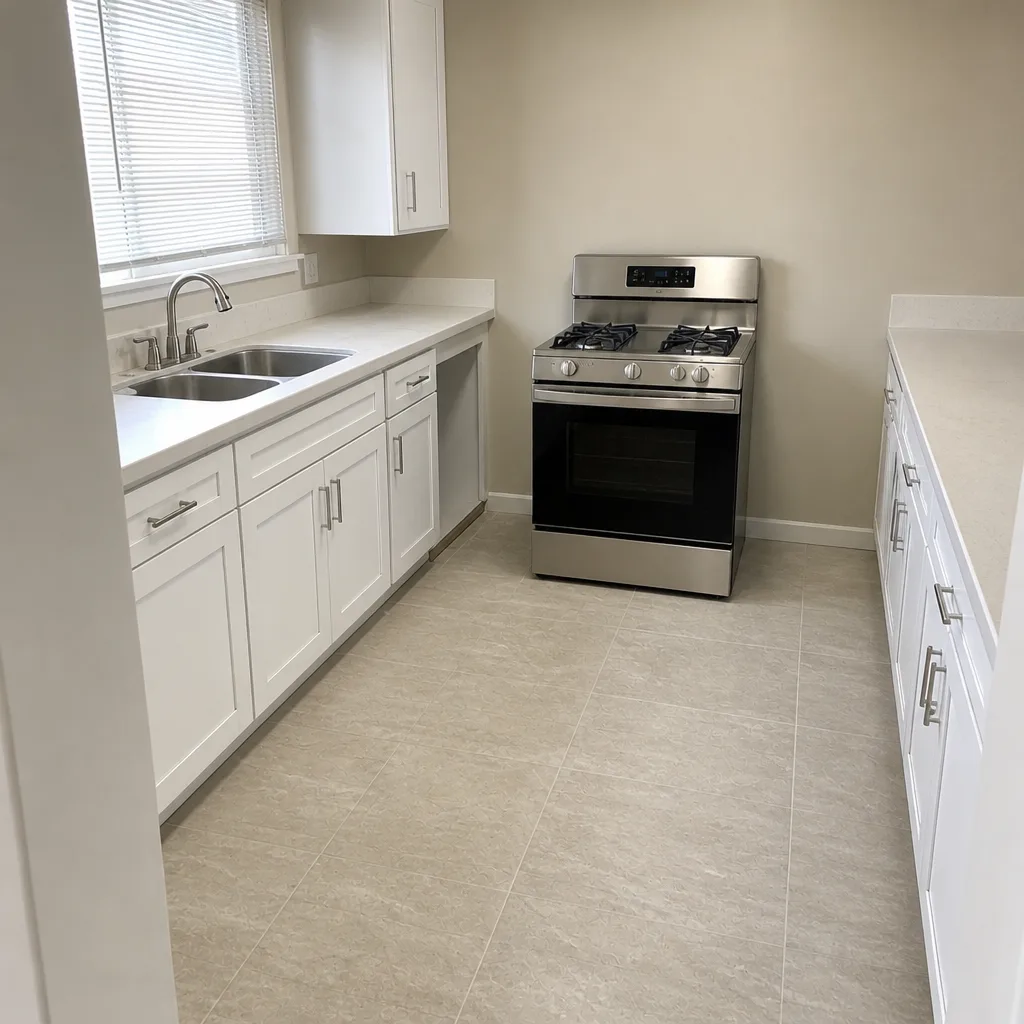
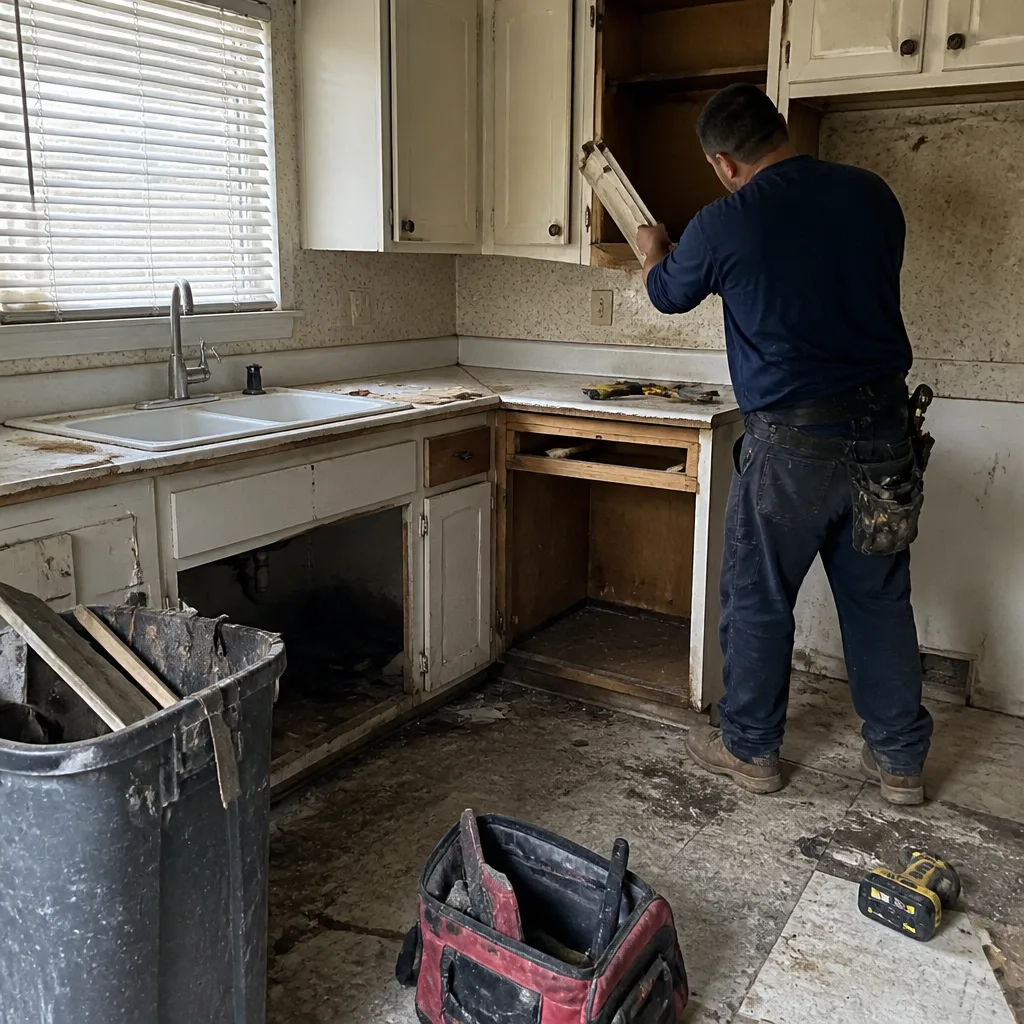
See the difference
 Before
 After
 Before
 After
 Before
 After
When to Call a Professional
Call a professional when the project involves any of the following: a size or location change to an existing window or door, a Title 24 compliance question you’re not sure about, a second-story or high-reach installation, any door replacement where the threshold will be replaced, or any project on an older Anaheim home where the wall cavity behind the opening might be a surprise. Call a professional if the window is fogged in a way that means the sealed unit has failed, or if a door sticks in a way that’s not just seasonal swelling. And call a professional if you’re tired of getting quotes that don’t hold. Groundwork Construction Co. of Anaheim offers free estimates in Anaheim – call (888) 300-3178.
Background-checked, uniformed technicians handle every install. The project comes with the 730-Day Done Right Promise, which means if something isn’t right within that window, we come back and make it right. That’s a workmanship guarantee written into the agreement, not a verbal handshake.
Frequently Asked Questions

For a like-for-like replacement in the same opening, same size, same operation, an Anaheim permit is usually not required. Any change in size, location, or operation does require a permit from the City of Anaheim Building Division, and so does adding a new window or converting a window to a door. Call (888) 300-3178 and we’ll walk through your specific scope in a free estimate.
For most Anaheim windows, target a U-factor at or below roughly 0.32 and an SHGC at or below roughly 0.23 to 0.25. Those numbers reflect climate Zone 10, which is the zone Anaheim falls in. West-facing glass in Anaheim Hills should meet the lower end. Confirm the numbers on the NFRC label before buying. Call (888) 300-3178 for a spec review on your project.
Yes, for most Anaheim homes, fiberglass outperforms vinyl because it expands at a rate closer to glass itself, so the frame and the glass move together through the daily 30°F thermal swing. Vinyl works fine on shaded and north-facing elevations where it doesn’t take heavy sun. On west-facing walls in Anaheim Hills and West Anaheim, fiberglass is the better spec. Call (888) 300-3178 for an honest recommendation based on your orientation.
Most Anaheim window replacements are installed in a single day for a typical 10-15 window home, assuming the openings are ready and no framing modifications are needed. Door replacements are often a full day per door if the threshold and jamb are being replaced. A project that requires a permit adds permit turnaround time to the schedule, usually a few weeks before work can start. Call (888) 300-3178 for a project-specific timeline.
Yes, in most cases, especially if you’re replacing single-pane original windows on a west or south elevation. The savings come from two places: the SHGC rating lowering summer cooling load, and the airtight seal reducing winter heat loss. Homes in East Anaheim and The Colony with 1960s single-pane assemblies typically see the biggest drop. Call (888) 300-3178 to talk through your specific home.
Yes, with the right installation method. Full-frame replacement removes the entire existing frame and requires touching the stucco. Pocket or insert replacement keeps the existing frame in place and typically avoids stucco work. Whether insert replacement is right for you depends on the condition of the existing frame and whether the size is changing. Call (888) 300-3178 for a free estimate that answers this for your home.
The Bottom Line
Anaheim’s climate is not generic Southern California. The daily thermal swing, the sun exposure, and Santa Ana wind events demand windows and doors specified for Zone 10 conditions, not coastal defaults. Frame material choice matters: fiberglass and aluminum-clad wood hold up better than vinyl under thermal cycling, especially on west-facing walls. Title 24 compliance, U-factor, and SHGC ratings are the three numbers that determine whether the job passes inspection and performs. Permits apply to size and location changes, and a size change without one becomes a problem when you sell. Get a written, line-item quote, verify the NFRC label, and confirm what the permit scope actually covers before signing. And use a contractor whose installation detail is worth the product you’re buying.
We put a written guarantee on the work. The 730-Day Done Right Promise covers workmanship on every Anaheim project. Upfront pricing, no surprises. From foundation to finish line. Call (888) 300-3178 to schedule your free estimate and design consult, and get the project moving with a contractor who answers the phone.
If you’d like to see how we handle the other categories, our Groundwork Construction Co. of Anaheim home page shows the full scope. Windows and doors sit alongside roofing, fences, driveways, additions, kitchens, and baths, and we’ve built the brand relationships that let us specify properly on each one.
Written by the team at Groundwork Construction Co. of Anaheim.