Last updated November 18, 2026






Free written scope consultation - allowances, timeline, and change-order rules on paper before a single trade is scheduled
Construction Emergency Preparedness Guide for Anaheim Homes
When an Anaheim homeowner calls a contractor after an earthquake, the first question isn’t “how bad is it?” It’s “do you know what your home is built on and how it was constructed?” Because that answer determines whether a hairline crack in the garage slab is cosmetic or whether the structure needs to be evacuated before nightfall. Anaheim sits on a patchwork of alluvial soil, older fill, and shallow groundwater that behaves very differently from one block to the next, and the same seismic jolt that barely marks a home in Anaheim Hills can split a foundation wall in the flatlands near the Santa Ana River. This guide walks you through the specific construction emergencies Anaheim faces, the walkthrough you should do before you call anyone, the documents you need on hand, and how to tell a repair that can wait from one that can’t.
Quick Answer
Construction emergency preparedness for Anaheim homeowners means knowing your home’s soil, foundation type, and drainage path before an earthquake, flash flood, or wildfire ember event hits, keeping permits and as-built drawings in one grab-and-go folder, and running a documented structural walkthrough in the first 24 hours that protects both your family and your insurance claim. In Anaheim, the emergencies that damage homes most are seismic movement on expansive or fills soils, stormwater overwhelming engineered drainage, and wind-driven embers reaching roof and attic vents.
Styles & brands we work with
- Kitchen remodeling
- Bathroom remodeling
- Home additions & ADU
- Roofing
- Windows & doors
- Driveway & pavers
- Fence
Table of Contents
- What construction emergencies actually hit Anaheim homes?
- How Anaheim’s soil and geology shape your risk
- The post-earthquake structural walkthrough, step by step
- Documents to have ready before an emergency
- Emergency-level damage versus damage that can wait
- The first 24 hours: protecting your claim and stopping secondary damage
- Drainage, retaining walls, and heavy-rain failures
- Pre-season prep that pays for itself
What construction emergencies actually hit Anaheim homes?
Anaheim doesn’t get hurricanes, and its wildfire risk is different from the hills communities to the east, but the city has its own short list of construction emergencies that repeat year after year. Knowing which ones apply to your address is the first step in preparing for them.
- Seismic movement. The Puente Hills and Whittier fault systems, plus the broader San Andreas network, send shaking through Anaheim regularly. The damage that matters most is rarely the dramatic collapse you see on the news. It’s the cracked stem wall, the shifted cripple wall, the chimney that separated a quarter inch from the framing.
- Expansive and fill soils. Large parts of Anaheim were graded and filled during mid-century development. Fill settles unevenly, and expansive clay swells and shrinks with our wet-dry cycles. Foundations on fill move more than foundations on native ground.
- Flash flooding and poor drainage. Anaheim’s engineered storm system moves a lot of water fast. When a storm outpaces capacity, water backs up against foundations, into garages, and behind retaining walls. The Santa Ana River corridor and low-lying streets near the 91 see this most.
- Wildfire ember exposure. Anaheim’s eastern edges and the canyons toward the hills face ember-driven fire risk. Embers enter through attic vents, dryrot fascia, and gaps around roof penetrations.
- Wind and roof failure. Santa Ana wind events peel back aging shingles and lift poorly fastened roofing, especially on homes with roofs past their service life.
Each of these has a pre-planned response. The families that come through a bad night with a clean insurance claim and a repairable house are almost always the ones who thought about it before it happened, not the ones who improvised at 2 a.m. with a flashlight.
How Anaheim’s soil and geology shape your risk
You can drive from the Anaheim Colony Historic District to Anaheim Hills in twenty minutes and cross four distinct soil conditions. That matters because the same magnitude of shaking produces different damage on each. If you know what your home sits on, you can interpret what you’re seeing after an event.
Alluvial flatlands and the river corridor
The flat western and central portions of Anaheim sit on alluvial deposits washed down from the hills over millennia, plus shallow groundwater near the Santa Ana River. During strong shaking, saturated sandy soils can lose bearing strength, a process called liquefaction. In practical terms, you may see foundation settlement, cracked slabs, and utility lines that shear at the soil interface. After heavy rain, the same soils drain poorly, and water can pool against a foundation for days.
Engineered fill and mid-century subdivisions
Many of Anaheim’s post-war neighborhoods were built on graded fill. Fill compacts over decades, but it does so unevenly. If your home has a step crack in the stucco that’s been slowly widening since you moved in, that’s a fill-settlement pattern, not earthquake damage. It still matters, because a foundation already stressed by settlement has less reserve when shaking arrives.
Expansive clay and the wet-dry cycle
Anaheim’s clay soils swell when wet and shrink when dry. A long dry summer pulls soil away from foundation walls; the first big winter storm pushes it back. That cycle flexes foundations year after year. Homes with poor grading and no gutters see the most movement.
Hillside and canyon lots
Anaheim Hills and the eastern canyon edges sit on bedrock and slope. The risk profile shifts from settlement to slope stability, retaining wall performance, and debris flow during intense rain. A retaining wall that looked fine in July can be the first thing to fail in a February storm.
If you don’t know your soil, the city’s building records and your original foundation report (usually part of your purchase file) tell you. If you’ve never pulled those records, that’s a project worth doing before an emergency, not during one. Our team at Groundwork Construction Co. of Anaheim can also walk you through what we see on similar lots in your neighborhood as part of a home construction assessment.
The post-earthquake structural walkthrough, step by step
If you feel strong shaking, do not re-enter your home until you’ve done a perimeter check from outside. Then follow this sequence. Keep a phone in hand and photograph everything as you go; the photos are your insurance evidence.
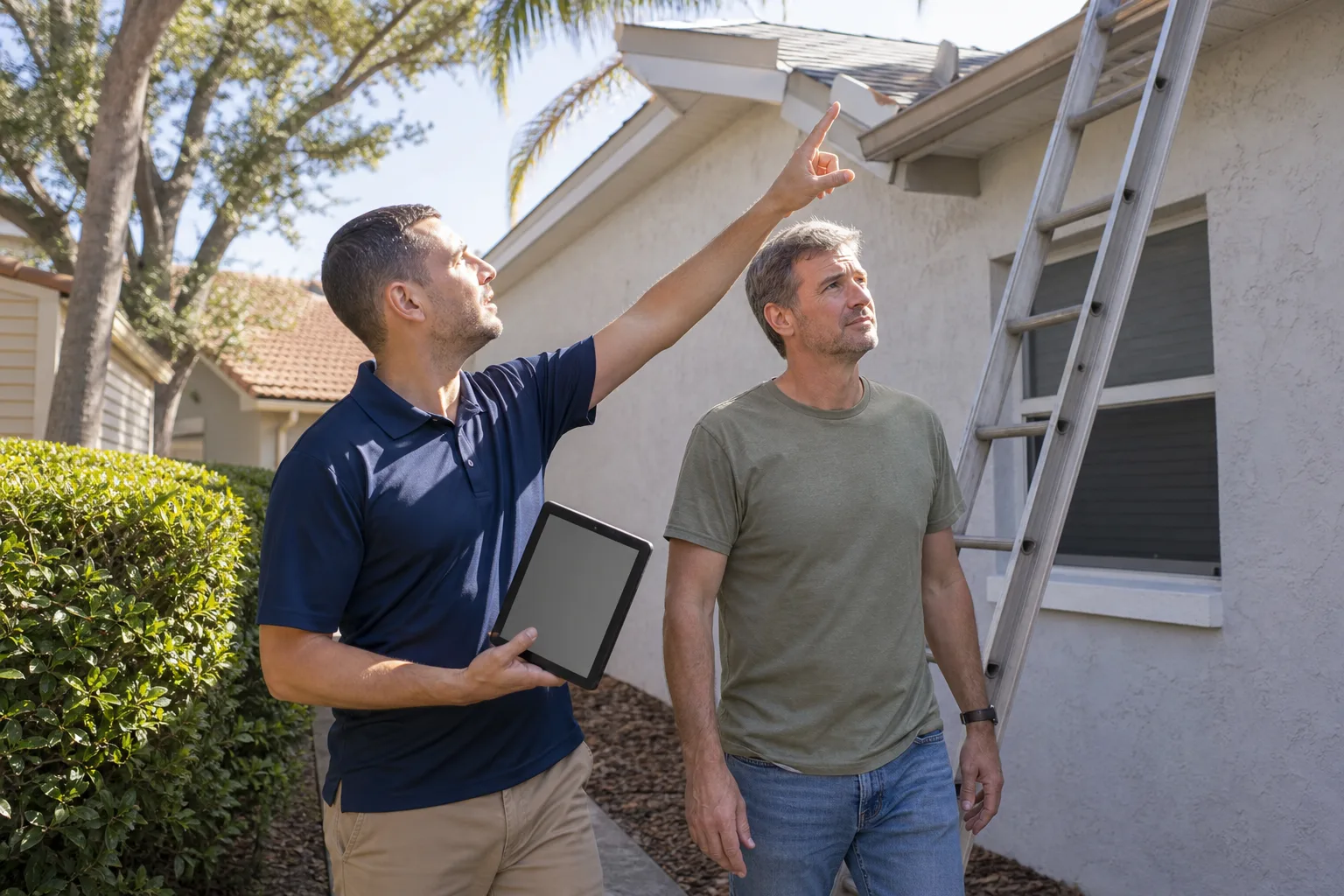
- Check the exterior perimeter first. Walk the full exterior at a safe distance from the walls. Look for foundation cracks wider than a quarter inch, leaning chimneys, displaced siding, and any wall that’s visibly out of plumb. If you see a wall bowing outward or a chimney leaning away from the house, stop and call the city’s building department before going inside.
- Look at the ground around the foundation. New gaps between soil and foundation, sunken areas, or water pooling in new places tell you the soil moved. Take photos with something for scale, like a coin or your shoe.
- Check gas and water at the meter. If you smell gas, leave the property and call the gas utility from a neighbor’s yard. Don’t flip switches, don’t use your phone inside, don’t light anything.
- Enter cautiously and check doors and windows first. Doors that stick or swing open on their own, and windows that suddenly bind, are the fastest tell that the framing has racked. If a door that worked yesterday won’t close, the structure moved.
- Inspect the interior room by room. Look at the ceilings for new cracks, at the corners where walls meet for separation, and at the fireplace and chimney from inside. Check that heavy furniture and water heaters are still strapped.
- Look at the attic if you can safely get there. A flashlight view of the roof framing will show you rafters that have pulled away from the ridge or shifted off the top plate. Don’t climb onto the roof itself after shaking; wait for a professional.
- Walk the property perimeter. Fences, retaining walls, and hardscape all shift. A leaning retaining wall above a slope is a hazard to everything below it. Our fence installation team in Anaheim often gets called to inspect post-quake fence movement that turned out to be a retaining-wall problem underneath.
- Write down what you saw, with times and locations. This written record, paired with photos, is what your insurance adjuster will read first.
That’s the walkthrough. What you do next depends on what you found, and the next section helps you sort it.
Documents to have ready before an emergency
The single most common mistake we see after a seismic or storm event is a homeowner who can’t find their original permits, their foundation report, or their insurance policy’s coverage limits. Without those documents, the claim gets delayed by weeks and the repairs wait.
Put together a home file, in a waterproof folder in your car and a scanned copy in a cloud folder. Make sure it contains:
- Your deed and title documents. Proof of ownership is what insurance and the city’s building department ask for first.
- Original building permits and final inspection sign-offs. These tell a contractor how the home was legally constructed and what was upgraded later.
- As-built drawings. If you don’t have these, the city’s building department has a copy of the permitted plans on file. Get them now, before you need them.
- Any foundation, soil, or structural engineering reports. If your home was built on fill or had a previous repair, this document is gold after a seismic event.
- Your homeowner’s insurance policy and declarations page. Know your coverage limit, your deductible, and whether your policy has separate earthquake coverage. Most standard California policies do not. Earthquake coverage is a separate policy or endorsement.
- A written contractor contact list. Two to three names for structural work, one for roofing, one for drainage. Include the number of a contractor who answers when you call, not one who returns voicemails three days later.
- A home inventory with photos. Walk through every room and film it every couple of years. When you file a claim, this video is often the difference between full replacement and a settlement that covers half of what you lost.
Groundwork Construction Co. of Anaheim keeps live people on the phones 24/7, so a homeowner in the middle of an emergency isn’t routed to voicemail. Our technicians have up to 12 years of experience working in Anaheim’s housing stock and know how to read a permit and a foundation report alongside you.
Emergency-level damage versus damage that can wait
Not every crack is a crisis. The distinction matters because panic repairs cost more, and unnecessary emergency calls can cost you money on insurance premiums without improving your home’s safety. Here’s how to sort what you’re seeing.
Damage that means you leave the home now
- A wall visibly leaning, bowing, or separating from the floor or ceiling
- A chimney that has separated from the house or is leaning away
- Any gas smell, water spraying from a broken line, or visible smoke
- Doors that have racked so badly they can’t be opened from the inside
- A foundation crack you can see daylight through, or a shift that has moved a sill plate off the foundation
- Visible ground movement, a slope that has begun to fail, or a retaining wall that has bulged or cracked through
Damage that can wait for a scheduled repair
- Hairline cracks in drywall, stucco, or slab, under 1/8 inch, without displacement
- Cracks in tile grout that look new but have no wall movement behind them
- A door that sticks but closes with a reasonable push
- Cosmetic cracks in a driveway, patio, or walkway slab without vertical offset
- Minor roof shingle lifting after wind, with no water intrusion and no missing sections
The rule we give Anaheim homeowners is simple: if a structural element has moved relative to another element, that’s an emergency. A crack with no relative movement is a maintenance item. That single distinction will save you thousands of dollars in unnecessary call-outs and identify the real problems before they get worse.
The first 24 hours: protecting your claim and stopping secondary damage
The first 24 hours after an event are the most important window for both your safety and your insurance claim. What you do in those hours is what the adjuster will evaluate later. Here’s the sequence we walk Anaheim homeowners through.
- Document everything before you touch anything. Before you sweep up debris, before you move furniture, before you pull up wet carpet, photograph and video every affected area. Walk the exterior, walk the interior, open every closet and cabinet. Wide shots first, close-ups second, with the timestamp on.
- Stop the water and the utilities if you can do it safely. Turn off the gas at the meter only if you smell gas. Turn off water at the main if you have a leak. Do not touch the electrical panel if you see water inside it or smell burning.
- Prevent secondary damage with temporary measures. Tarp a roof opening, board a broken window, pull wet rugs out of water, and move furniture off wet flooring. These are legitimate “mitigation” measures and most policies cover them. Keep every receipt. Don’t discard damaged materials until the adjuster has seen them.
- Call your insurance company before you call a contractor. Open the claim with the insurer first. That establishes the timeline. If you call a contractor first and the work begins before the insurer has been notified, some adjusters will question the scope.
- Get a written inspection, not a verbal estimate. A contractor who shows up and says “probably twenty grand” isn’t helping you. Ask for a written line-item inspection that describes what’s damaged, what’s temporary, and what’s scheduled. This document goes straight into your claim file.
- Don’t sign an assignment of benefits. Some repair companies ask you to sign over your claim rights to them so they can bill the insurer directly. Very often that’s a deal you regret. You keep control of the claim; the contractor bills you, and you submit the invoice.
- Schedule the permanent repair with a licensed contractor. When you’re ready to move from emergency response to actual reconstruction, use a contractor with a written workmanship warranty, permits pulled, and inspections passed. Groundwork Construction Co. of Anaheim’s 730-Day Done Right Promise covers the work itself, and every project is permitted through the city and inspected before we call the job finished.
If your Anaheim home sustained structural damage, one of the most important questions after the emergency is whether the repair, or a replacement, is the right call. Our home additions and ADU team in Anaheim works with homeowners weighing that decision and can tell you exactly what your existing structure can support.
Drainage, retaining walls, and heavy-rain failures
Anaheim’s rain comes in concentrated bursts. A single atmospheric river can drop several inches in a day, and the engineered storm system that handles normal rainfall can back up quickly when the intensity is far above average. The result is water against foundations, water behind retaining walls, and water under driveways and hardscape. That water is the root cause of most of the “sudden” foundation damage we see in the flatlands and the foothills.
The three most common drainage failures we see in Anaheim:
- Clogged or undersized yard drains backing up against the house. A drain that carried water fine for years gets overwhelmed when the storm intensity spikes. The water has to go somewhere, and it goes against the foundation. Clear your drains and check that your yard grading slopes away from the house before storm season, not after.
- Retaining walls without adequate weep holes or backfill drainage. Hydrostatic pressure builds behind any wall that can’t drain. When the pressure exceeds the wall’s design capacity, the wall pushes outward and fails. If you see any outward bulge, water seeping through the face, or cracks that have widened since last winter, get a professional out now.
- Downspouts that dump next to the foundation. The simplest fix in your home’s defense is making sure every downspout discharges at least four feet from the wall and onto a slope that carries water away. A surprising share of “foundation problems” we get called to in Anaheim turn out to be downspouts discharging directly against the wall for decades.
Our driveway and pavers team in Anaheim routinely addresses water management under the driveway slab as part of the paving job, because on Anaheim’s soil a driveway that doesn’t drain is a driveway that will crack and settle over the winter. If your drainage issues trace back to a foundation problem, that’s a different conversation, and we’ll tell you the difference honestly.
Pre-season prep that pays for itself
The best time to prepare for an Anaheim construction emergency is a quiet Saturday in spring, before the earthquake season reminder and months before the first rain. This checklist is what we’d do on our own homes.
- Strap the water heater. An unstrapped water heater rocks off its platform during moderate shaking and breaks the gas line. A strap kit costs under $50 and installs in an hour. Do it.
- Brace or anchor heavy furniture and the entertainment center. Anything that can tip and either break a window or block an exit is a hazard.
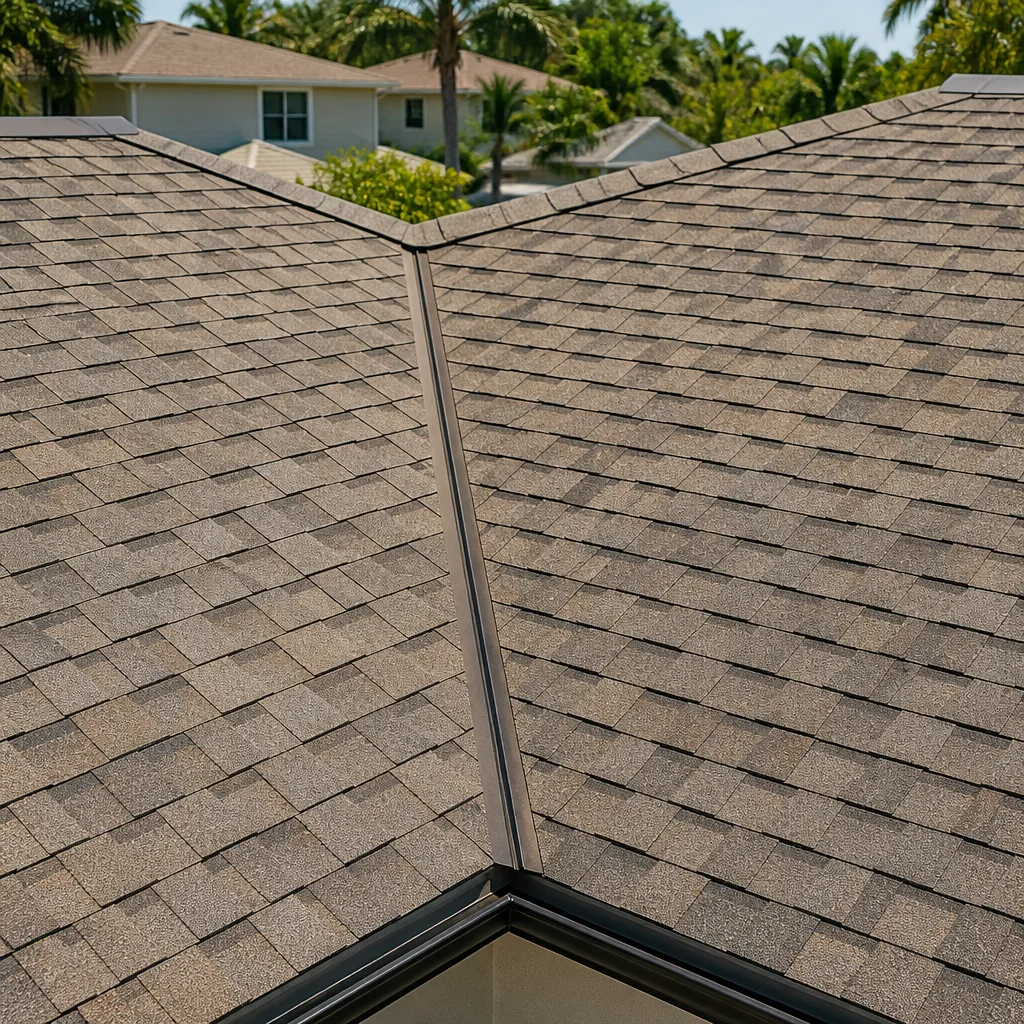
- Inspect and repair roof and attic. Missing shingles, failed flashing, and gaps around vents are entry points for both water and embers. A pre-season roof inspection costs a fraction of an emergency replacement. When you need replacement, brands like Owens Corning and IKO give you warranty-backed protection.
- Clear gutters and test your downspouts. Every fall, before the first rain. Anaheim’s trees drop enough to clog a gutter in a season.
- Check the grading around the home. The ground should slope away from the foundation on every side. If it slopes in, that’s a repair for a weekends-and-shovels job, or a professional job if it’s complicated.
- Walk your retaining walls after every wet season. Look for bulges, cracks, and new seepage. A retaining wall in Anaheim often costs $4,000 to $15,000 to rebuild. Catching it before failure can save half of that.
- Know where your utility shutoffs are and how to operate them. Gas at the meter, water at the main, and the electrical panel. Practice with the family once a year.
- Have a small emergency bag in the garage. Flashlight, batteries, dust masks, work gloves, a pry bar, a camera, and a waterproof folder with the home documents from the previous section.
That bag and that folder are the physical foundation of any plan. The rest is knowing what you’re looking at on the day it matters.
Common Mistakes to Avoid
- Re-entering the house before the exterior check. A wall that’s out of plumb on the outside can come down without warning on the inside. Walk the perimeter first, every single time, no matter how minor the shaking felt.
- Patching cracks before documenting them. A cosmetic patch kills evidence an adjuster or engineer could have used. Photograph first, patch later.
- Signing an assignment of benefits during the emergency. It can cost you control of the claim and often costs the homeowner considerably more in the long run. Don’t sign anything but an inspection form on day one.
- Hiring an unlicensed contractor for emergency repairs. After every major event Anaheim sees an influx of out-of-town crews. Verify the license and ask for a certificate of insurance before anyone touches your home. You can check a contractor’s license status with the state licensing board in a few minutes online.
- Believing the slab crack is “just cosmetic.” On Anaheim’s expansive clay, a slab crack can indicate ongoing soil movement that will worsen over the next wet season. It could be cosmetic, but the professional inspection is what tells you for sure.
- Skipping drainage repairs because the last winter was dry. Anaheim’s wet-dry cycles have always been unpredictable. The year you skip the gutter cleaning is the year the storm backs up against the foundation.
- Not knowing whether your policy covers earthquakes. Most California homeowner policies do not include seismic coverage. If you’re not sure, pull the declarations page today and confirm. It’s a five-minute check that can save five figures.
See the difference
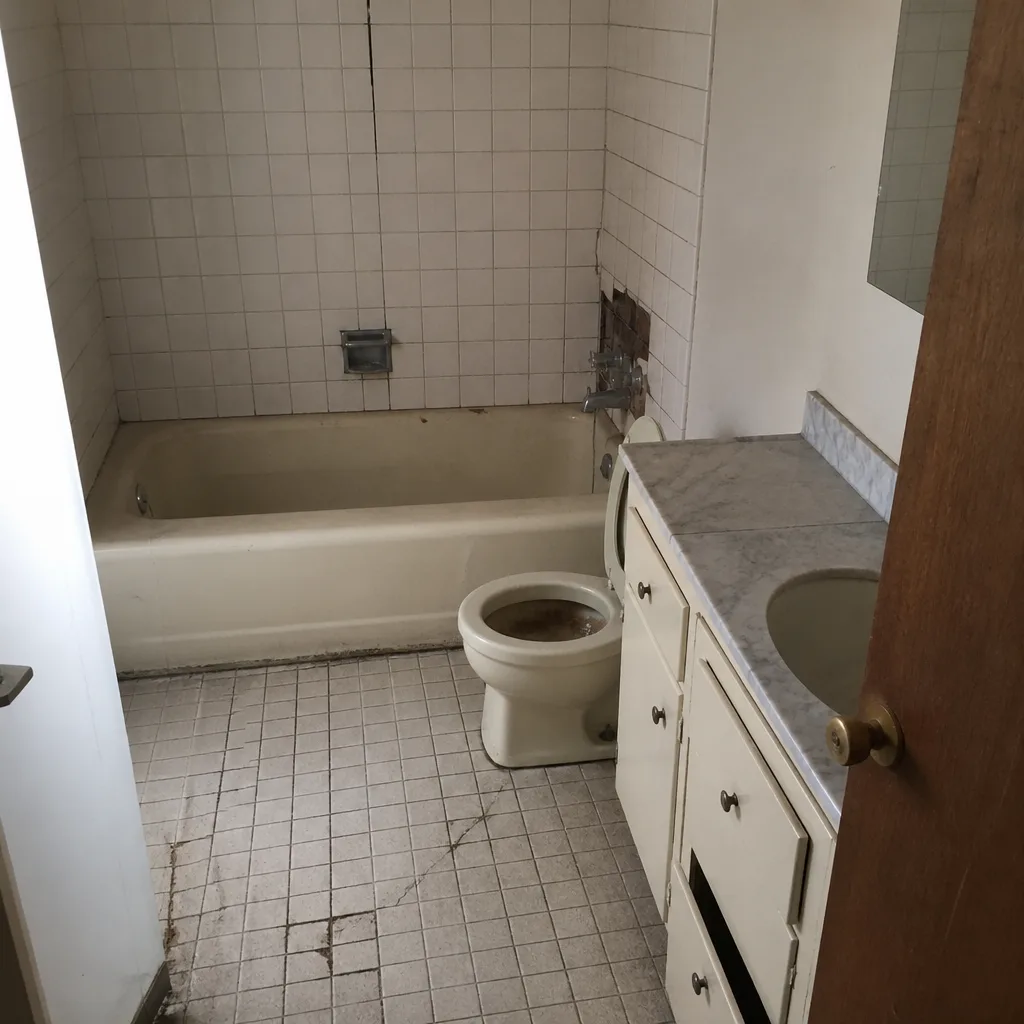 Before
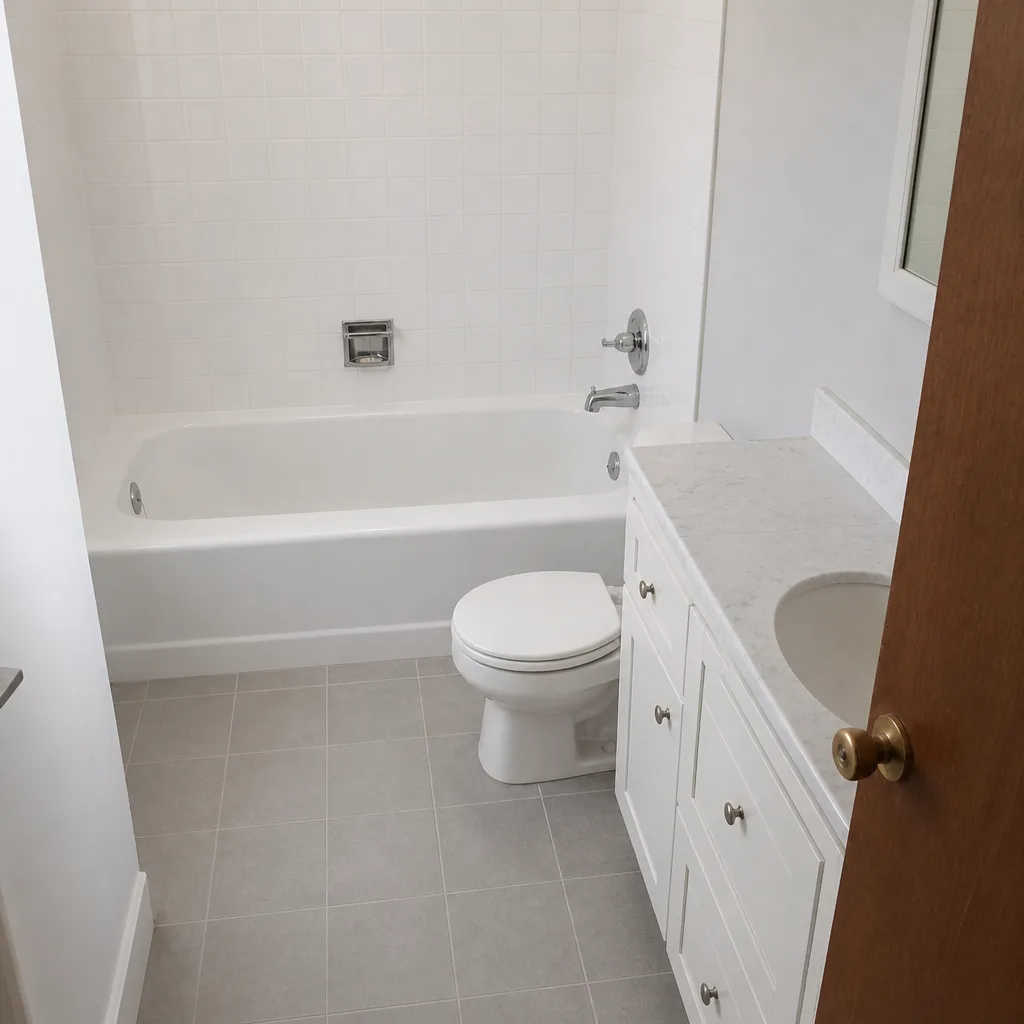 After
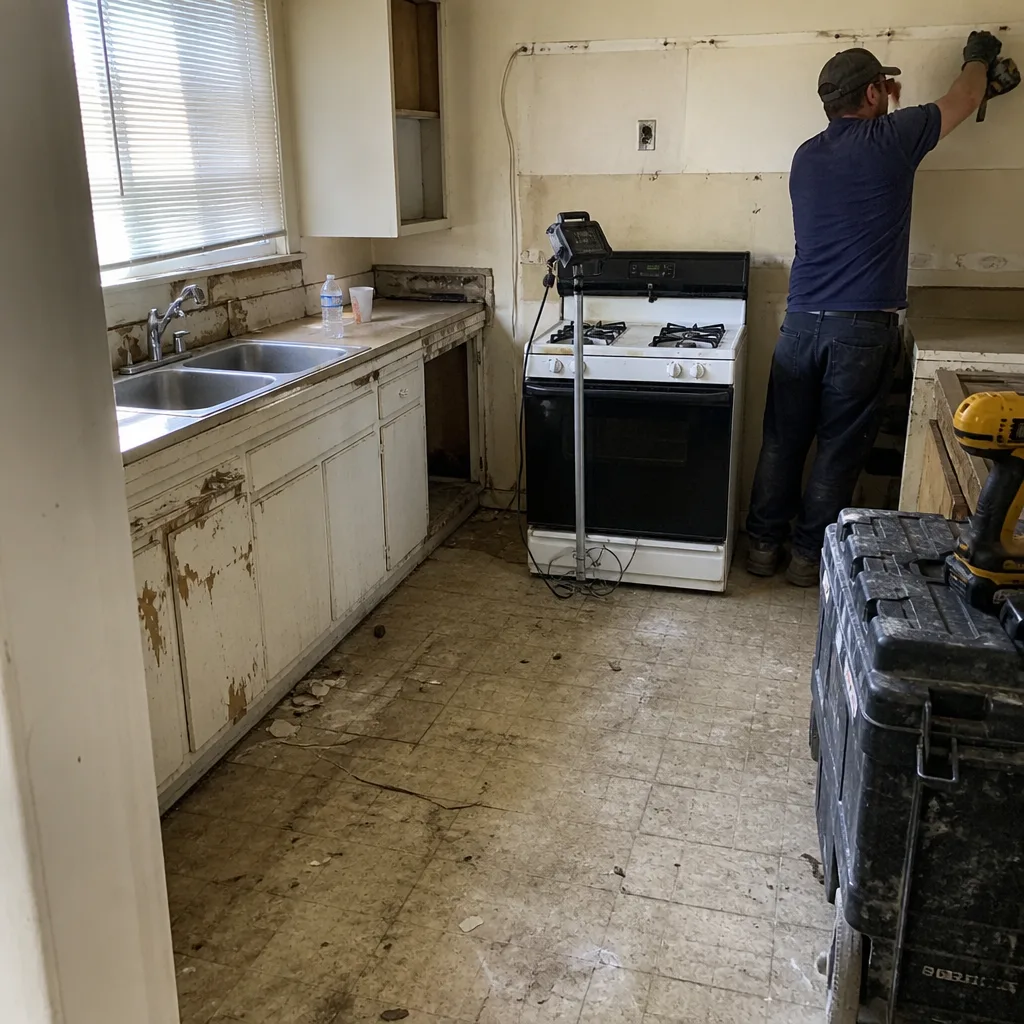 Before
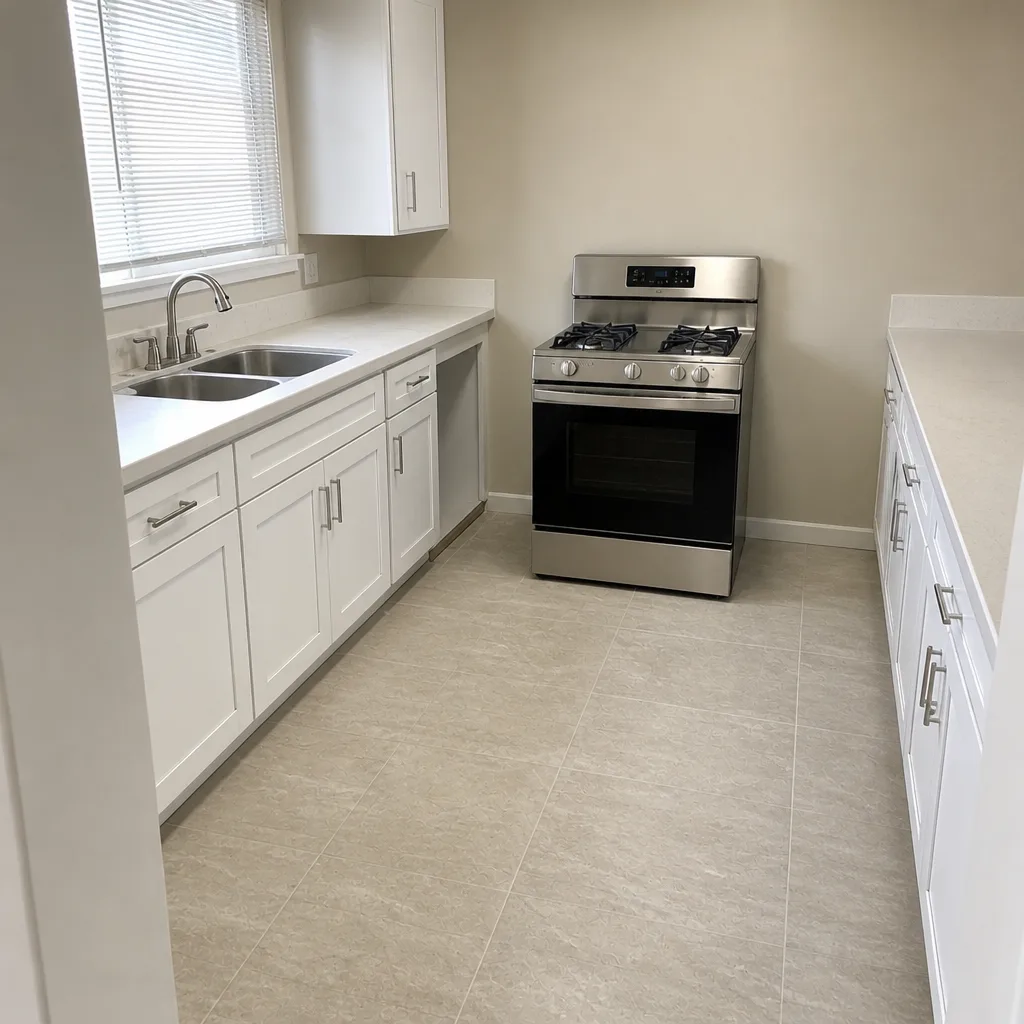 After
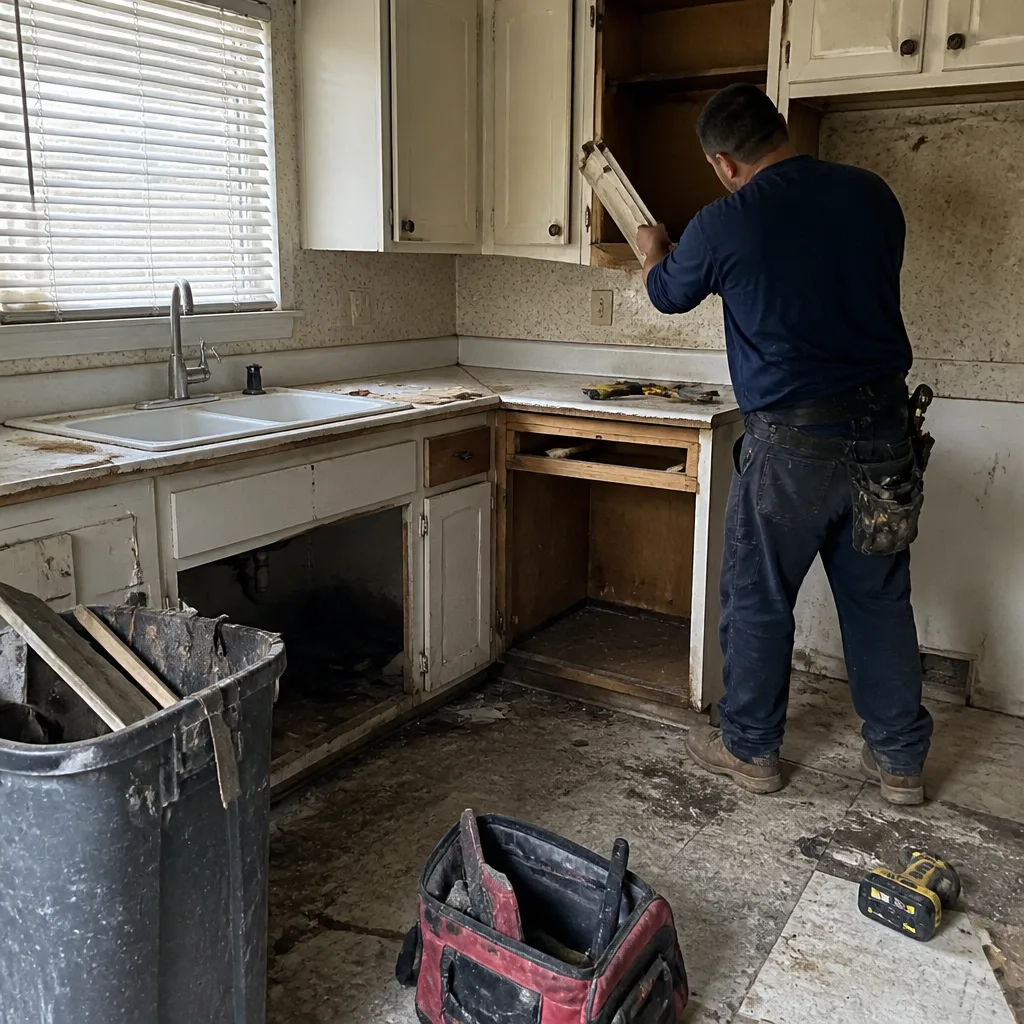 Before
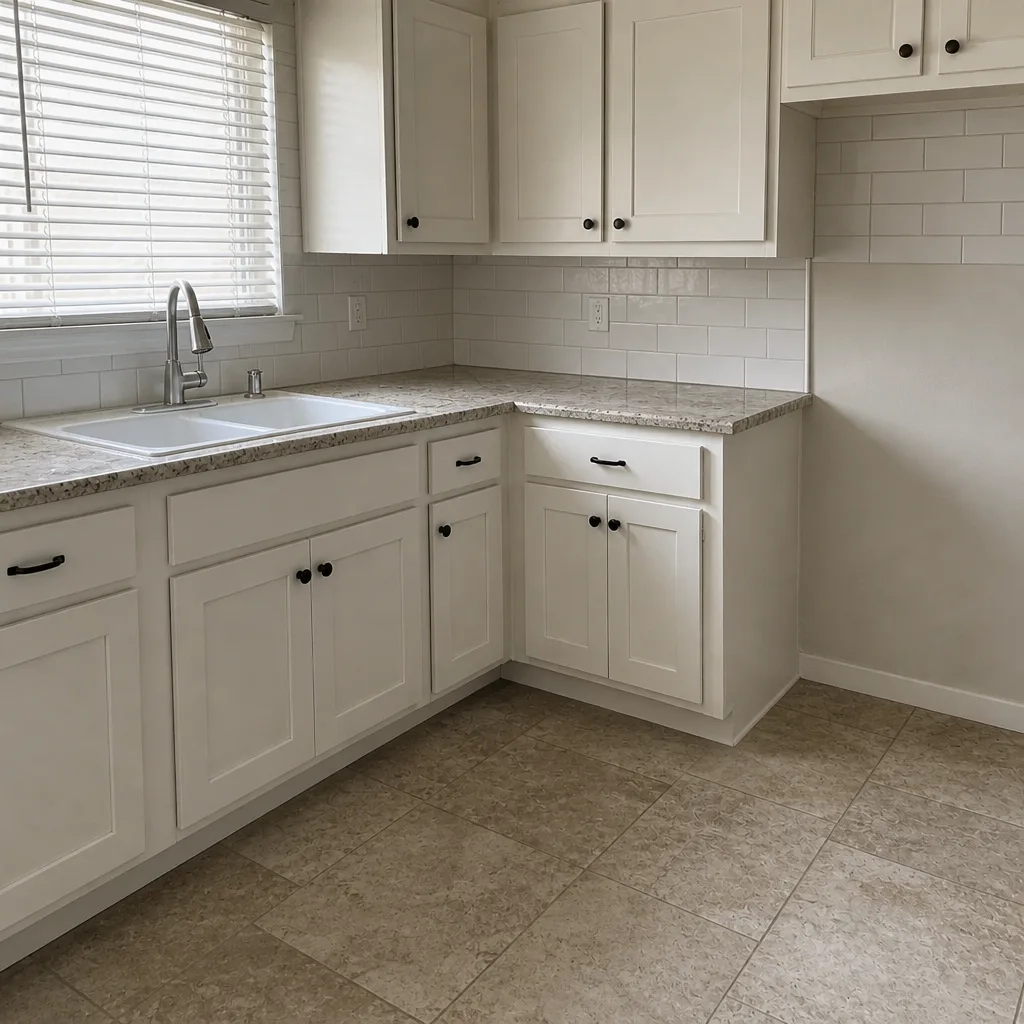 After
When to Call a Professional
Call a professional the moment you see structural movement, not when it starts to worry you. Foundation cracks wider than a quarter inch, a wall that’s out of plumb, a chimney that’s separated, or a retaining wall that’s bulging all belong in a licensed contractor’s hands, not on a weekend bucket list. Any roof damage after wind or seismic activity, even if it looks minor, deserves a professional inspection because the damage underneath is rarely what you see from the ground.
Also call a professional when the water intrusion reaches into the interior, when your walkthrough produces questions you can’t answer, or when you’re not sure whether what you’re looking at is a crack that can wait or a structure that has moved. Groundwork Construction Co. of Anaheim offers free estimates in Anaheim. And unlike most contractors, our phones are answered by a live person 24/7, so an emergency call doesn’t wait until Monday. Call (888) 300-3178 and we’ll walk you through it live.
Frequently Asked Questions

Walk the exterior perimeter of your home before you go inside. Check for leaning walls, a separated chimney, foundation cracks wider than a quarter inch, and any visible ground movement. If the exterior looks stable, enter cautiously and check for gas and water leaks before checking anything else.
Most are not, but “usually” isn’t the standard for your own home. Hairline cracks under 1/8 inch with no displacement are common in Anaheim’s expansive clay soils and often cosmetic. Cracks wider than a quarter inch, cracks with visible vertical offset, or cracks alongside doors that no longer close are the ones that call for a professional inspection.
Most standard California homeowners’ policies do not include earthquake coverage. You need a separate policy or an endorsement. Pull your declarations page today and confirm what you have. If you don’t have seismic coverage and you’re in an older Anaheim home on fill or expansive clay, that’s a gap worth closing.
Look for three signs: an outward bulge across the face of the wall, new cracks that have widened since last winter, or water seeping through the wall face rather than out of the weep holes. Any of these means the wall is under more hydrostatic pressure than it was designed for. It’s the most likely construction failure we see in Anaheim during heavy rain, and the cost of a rebuild climbs sharply once a slope starts moving.
Your policy declarations page, the original building permits, any as-built drawings or foundation reports you have, photos and video of the damage, and a written inspection from a licensed contractor. Have all of these in a grab-and-go file and a cloud copy before you need them. The adjusters work faster and include more in the settlement when the file is complete.
Small mitigation steps like tarping a roof opening, pulling wet rugs, or boarding a window are reasonable DIY work. Anything structural, anything involving gas or electrical, anything on a roof, and any repair that requires an inspection belongs with a licensed contractor. The risk of a structural repair done wrong the first time is much higher than the cost of doing it right once.
That depends on the extent of the damage, the age of the structure, and what you want the home to be afterward. A licensed contractor who has inspected the home, read the permits, and seen the foundation condition can give you an honest compare-and-contrast. Groundwork Construction Co. of Anaheim handles both repairs and full-scope rebuilds, so the recommendation isn’t biased toward one path or the other.
The Bottom Line
Anaheim homes face specific construction emergencies that reward pre-planning and punish improvisation. The four that matter most are seismic movement on Anaheim’s mixed soil conditions, water intrusion during concentrated storm events, retaining wall failures, and wildfire ember exposure on the eastern edges. The countermeasures are all things you can prepare today: know your soil, keep your documents in a grab-and-go file, run a documented structural walkthrough after any event, and know the difference between a crack that can wait and a structure that has moved. Build your home file, check your insurance coverage, strap the water heater, clear the gutters, and write down your contractor contacts now. The families that come through the next event in good shape are the ones who thought about it on a quiet Saturday, not the ones who called around at 2 a.m.
When it’s time for an inspection, a repair, or a rebuild, call us. Our crews have up to 12 years of experience working on Anaheim’s housing stock, our pricing is upfront and the number you see is the number you pay, and every project is backed by the 730-Day Done Right Promise. Groundwork Construction Co. of Anaheim is here to help you prepare today and rebuild tomorrow with the confidence of a plan. Call (888) 300-3178 to schedule your free estimate today. Looking for related guidance on Anaheim home construction? Start with our home construction overview for Anaheim, and when you’re ready, we’ll walk the property with you.
Written by the team at Groundwork Construction Co. of Anaheim.