Last updated November 18, 2026


Free written scope consultation - allowances, timeline, and change-order rules on paper before a single trade is scheduled
How Long Does Windows & Doors Take? Timelines and What to Expect
A company quoting “one day for the whole house” is describing installation day only. It says nothing about the three to ten weeks between the day you sign and the day units arrive at your door. That gap is the real timeline, and it’s where most projects go sideways. In Anaheim, where a 1950s ranch and a 1990s tract build can require wildly different order paths, we’ve watched homeowners plan around a Saturday install only to spend six weeks looking at plywood. This guide breaks down every phase, from measure to final inspection.
Quick Answer
Most window replacements take 4 to 12 weeks from contract to completion: 1 to 2 weeks for measuring and ordering, 3 to 10 weeks manufacturing lead time (longer for custom sizes), and 1 to 3 days for installation itself. A single door swap runs 2 to 4 weeks total, while a full fenestration package with entry systems can stretch to 14 weeks. The installation is the shortest phase by far, and it’s the only one most companies quote.
Styles & brands we work with
- Kitchen remodeling
- Bathroom remodeling
- Home additions & ADU
- Roofing
- Windows & doors
- Driveway & pavers
- Fence
Table of Contents
- The Three Phases That Make Up Real Project Time
- Manufacturing Lead Times: What Drives Them
- How Custom Sizing Pushes Timelines
- Single Door, Patio Door, and Entry System Timelines
- What Happens When a Unit Arrives Damaged
- The Anaheim Permit Inspection Step
- Installation Day: What Actually Happens
- Common Mistakes to Avoid
The Three Phases That Make Up Real Project Time
Every window and door project, whether it’s a single slider in West Anaheim or a full swap throughout a home near the Packing District, runs through the same three phases. Understanding what happens in each one is the difference between planning a realistic project and guessing.
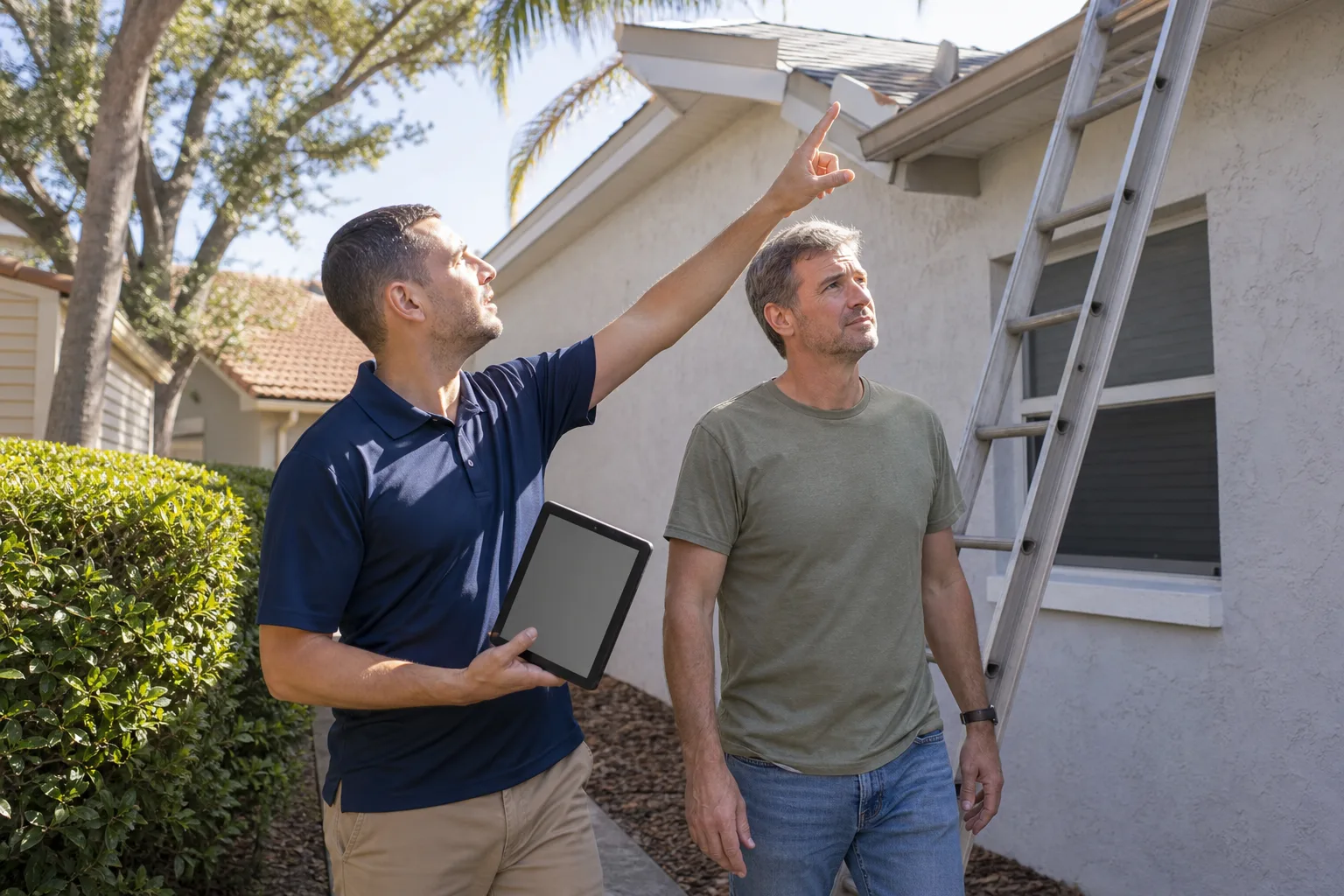
- Measure and order (1 to 2 weeks). A technician visits to measure every rough opening. This isn’t just a tape measure pass. Rough openings in older Anaheim homes are often out of square by a half inch or more, so measurements need checking at multiple points. Once specs are confirmed, the order goes to the manufacturer.
- Manufacturing lead time (3 to 10 weeks). Standard sizes come off a production line and ship quickly. Custom-built units are fabricated to your specs, which takes longer. This phase is entirely out of your contractor’s hands, and any company that promises otherwise is either quoting stock sizes or stretching the truth.
- Installation (1 to 3 days). Actual install time for a whole-house project typically runs 1 day for a small batch of windows, 2 days for a mid-range package, and up to 3 days when you’re adding doors. This is the phase most advertisements reference.
Add these together and you have a 5 to 15 week realistic window. That’s why we tell Anaheim homeowners to think in terms of when the boxes actually arrive, not when the crew shows up. The measurement and installation are the bookends. The manufacturing is the long, quiet middle that determines everything.
Manufacturing Lead Times: What Drives Them
Lead time is where most project schedules live or die. In our experience working with Andersen, Pella, and Marvin products across Anaheim, the range is wide and the variables are specific.
- Standard-size stock units: 3 to 5 weeks in most cases. These are configurations the manufacturer runs routinely.
- Semi-custom configurations: 5 to 8 weeks. Non-standard grille patterns, unusual colors, or specific glass packages push into this range.
- Full custom sizing: 8 to 12+ weeks. The measurement has to match a rough opening that doesn’t fit any standard template, and the factory builds to that spec.
- Peak season (spring through early fall): add 1 to 3 weeks to every figure above. Manufacturers run at higher capacity and the queue gets longer.
- Material choice: vinyl typically ships faster than wood-clad or aluminum-clad, though brand availability shifts.
This is also where a company’s brand partnerships matter in a way that isn’t just about aesthetics. Working with manufacturers we know well means we can give you a realistic window up front and track the order as it moves. A side benefit of curating brand partners across the trade is that lead time estimates are grounded in repeat experience, not a first-time phone call to the factory. We’ve seen lead times move by weeks within a single product line, and the best defense is a contractor who asks the right questions before you sign.
How Custom Sizing Pushes Timelines
If your home has non-standard rough openings, prepare for the timeline to stretch. Anaheim has a lot of housing stock from the 1950s and 1960s, and those homes often have rough openings that don’t align with modern standard window sizes. A previous owner’s remodel can complicate things further with openings that don’t match the original build.
Here’s the practical consequence. A standard replacement in a newer build might arrive 3 to 5 weeks after order. A custom-sized unit in an older Anaheim ranch can be 10 to 14 weeks. That’s a six-to-nine-week gap driven entirely by the fact that no manufacturer has a shelf unit that fits your opening.
What helps:
- Get measured before signing. Contractors who quote a firm date without measuring are guessing.
- Ask whether the order is stock, semi-custom, or custom. The answer tells you the realistic range.
- Know that alterations exist but have trade-offs. Framer work to resize a rough opening can sometimes let you use a standard unit, but you’re trading installation time and structure work for manufacturing speed. Sometimes that trade is worth making; sometimes it isn’t.
- Plan around the long pole. If one opening needs a custom unit and the rest are standard, the whole project often waits on that one.
We’ve found that the honest timeline conversation happens at the measurement, not at the sales pitch. If a company tells you 4 weeks for a custom unit on a 1960s Anaheim home without measuring it first, ask them to explain.
Single Door, Patio Door, and Entry System Timelines
Doors are a different animal from windows. A replacement window and a replacement door share a scheduling structure, but the ranges differ. Here’s the comparison we walk through with Anaheim clients planning a door project:
- Single entry door: 2 to 4 weeks total. Measure and order 1 week, lead time 1 to 3 weeks for standard stock, installation 1 day.
- Patio door (sliding or French): 3 to 6 weeks. Lead time runs longer for larger units and for door systems with screens, dual-pane glass options, or tall configurations.
- Full entry system (door, sidelights, transom): 6 to 10 weeks. The assembly of multiple components, delivered as one unit, means more manufacturing steps and more to arrive correctly.
- Entry system plus a storm or security door: add 1 to 2 weeks depending on whether it’s bundled with the primary unit.
The sequencing matters too. If you’re replacing a front entry and a patio door in the same project, the entry door often arrives first and gets installed weeks before the patio door simply because of manufacturing differences. That’s not a problem, but it’s a schedule reality. Plan around the door that will take longest, not the one that arrives first.
What Happens When a Unit Arrives Damaged
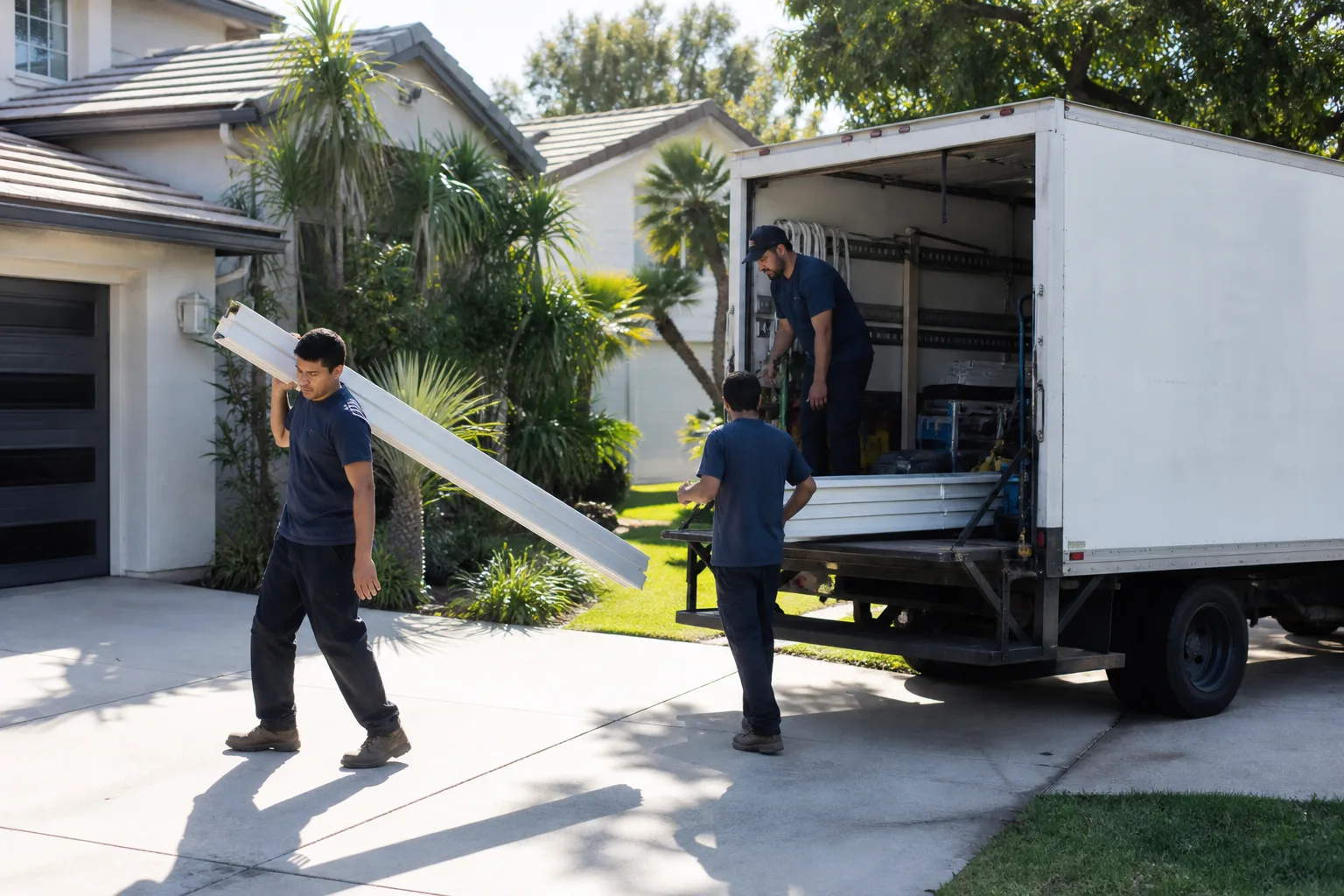
Roughly every contractor who has installed enough windows has met this scenario: a truck shows up, the crew opens the crate, and a unit is cracked, scratched, or out of spec. It happens. What matters is how it’s handled and how quickly a reorder moves.
Here’s the sequence after a damaged delivery:
- Document immediately. Photos of the damage, photos of the packaging, and a description go to the manufacturer the same day. Delays here delay the reorder.
- Verify against the original order. Sometimes the damage is transit; sometimes the wrong unit shipped. Those are different claims with different turnaround times.
- File the reorder with priority flagging. Manufacturers typically prioritize warranty or damage replacements over new orders, so a reorder in May might take 3 weeks where the original order took 6. This is where a good relationship with the manufacturer shows.
- Decide on temporary protection. The opening needs to be sealed. Whether that’s reinstalling the old unit, boarding it, or using a temporary weather barrier depends on the opening and the season.
In Anaheim, we don’t get the brutal freeze cycles that leave a home exposed to real damage in winter, but we do get Santa Ana winds and occasional heavy rain events. A boarded opening is fine for a few days. It’s not fine for five weeks. If a unit is damaged and a reorder is needed, ask your contractor what the interim protection looks like and who’s responsible for it if weather hits.
The Anaheim Permit Inspection Step
In Anaheim, window and door replacement is often a permitted project, particularly when you’re altering the rough opening or swapping a unit that was originally code-required (like an egress window in a bedroom). Like-for-like replacements sometimes fall under minor maintenance, but the safe assumption is that you’re pulling a permit. That adds a step to the timeline that most companies don’t mention.
The sequence looks like this:
- Permit application before installation (typically): 3 to 10 business days depending on the city’s review queue. Sometimes this runs concurrent with manufacturing lead time; sometimes it doesn’t.
- Installation: 1 to 3 days.
- Inspection scheduled after installation: 2 to 10 business days out, depending on inspector availability.
The inspection is a separate appointment after the work is done, and it’s what closes the permit. Without it, you have an open permit on record, which can complicate a future sale, a refinance, or a future project. It also can flag the work as unpermitted if the file is ever reviewed. That’s why the inspection step belongs in the project timeline, not in a footnote.
Groundwork Construction Co. of Anaheim pulls permits as a standard part of replacing windows and doors, and we schedule the inspection as part of the project closeout. It’s a small part of the overall schedule that makes a large difference at resale and during any future project.
Installation Day: What Actually Happens
The installation phase is fast, and that’s because it’s the smallest piece of the overall schedule. Here’s what the day itself looks like on a typical Anaheim project:
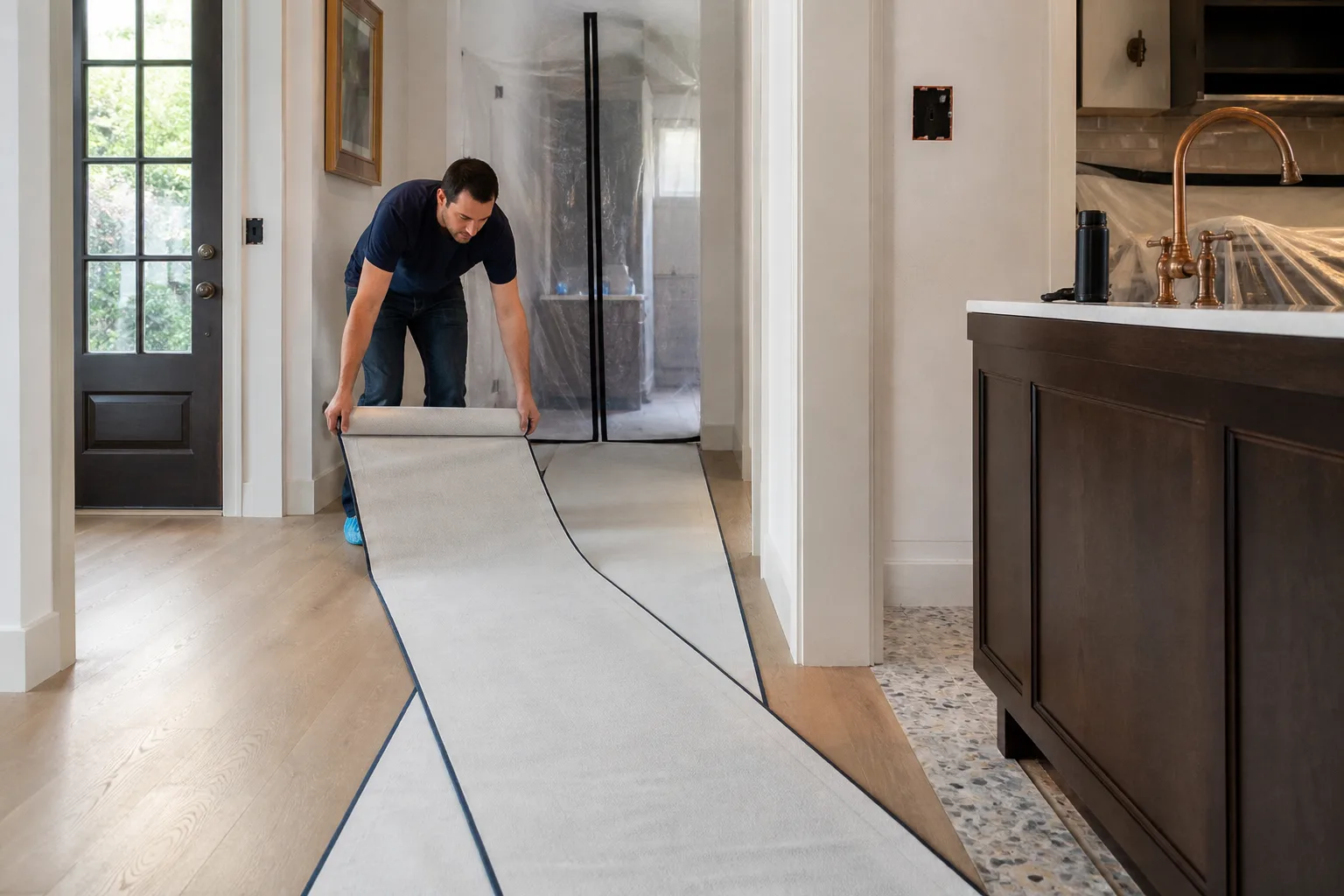
- Arrival and protection (morning). Crews lay down floor covering, mask adjacent surfaces, and stage materials. This usually runs 30 to 45 minutes.
- Removal of old units. Each unit comes out, the rough opening gets cleaned and checked for square. Early on we often find rot or framing issues that weren’t visible from inside. That gets addressed before the new unit goes in.
- Setting and sealing. New units are set, shimmed, plumbed, squared, and sealed. This is slower than it looks because the tolerances matter. A window that’s out of plumb by a quarter inch shows up as a draft later.
- Trim and finish. Interior and exterior trim get installed, and the crew cleans up the site.
- Final walkthrough. You inspect the work with the crew lead. Anything that needs adjustment gets noted and addressed before the crew leaves.
A small batch of windows or a single door is a one-day project. A mid-size whole-house window package is two. When you add entry systems, patio doors, and trim work across a larger home, it stretches to three. The installation itself is not where the project time goes, and the industry’s focus on “one-day install!” obscures that.
Common Mistakes to Avoid
- Planning around installation day and forgetting the lead time. If you sign a contract expecting units on a specific day and that day is based on the installation only, you’ll be staring at boarded openings. Always get the manufacturing lead time in writing.
- Ordering custom units without allowing for Anaheim permit review. The city’s review queue runs in parallel with manufacturing for some project types, but not always. If you’re doing a large project, ask the contractor to confirm permit timing aligns with the delivery.
- Skipping the damage inspection at delivery. If you’re home when the deliverer arrives, watch them open the crates. Signing for units you haven’t inspected means any later damage claim is harder.
- Underestimating the first-frost-fall window (rare in Anaheim, but seasonal). Santa Ana winds and winter rain events can arrive while openings are exposed. If your project spans fall to winter, plan interim protection.
- Choosing the shortest quoted lead time over the accurate one. A contractor who quotes 4 weeks for a custom project isn’t being helpful, they’re being optimistic. The accurate estimate is what you need.
- Forgetting the inspection. Closing out the permit after installation is what makes the project complete in the eyes of the city and any future buyer. Schedule it, don’t hope the contractor does.
- Not asking about the material brand. Lead times vary between manufacturers and product lines. Andersen and Pella and Marvin run different production schedules. If timing is critical, ask which brand is quoted and what its current lead time is.
See the difference
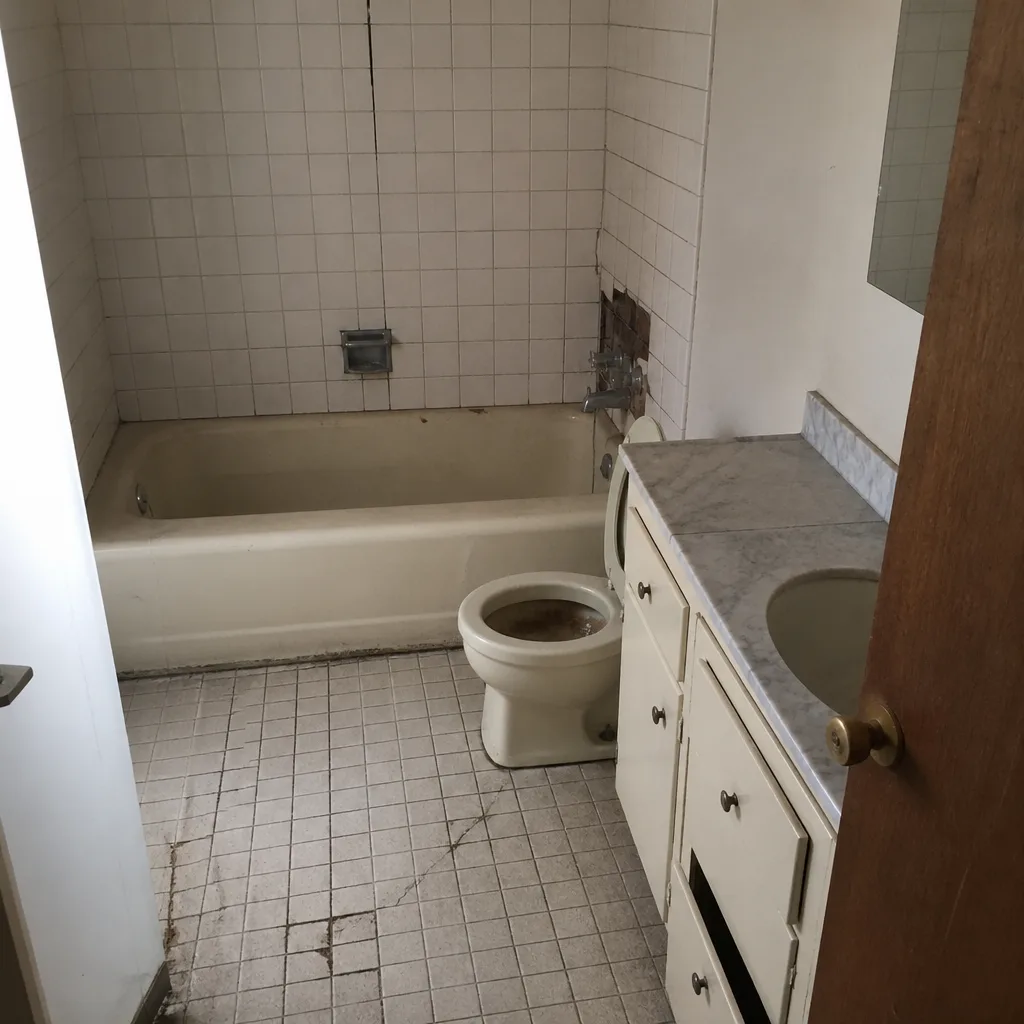 Before
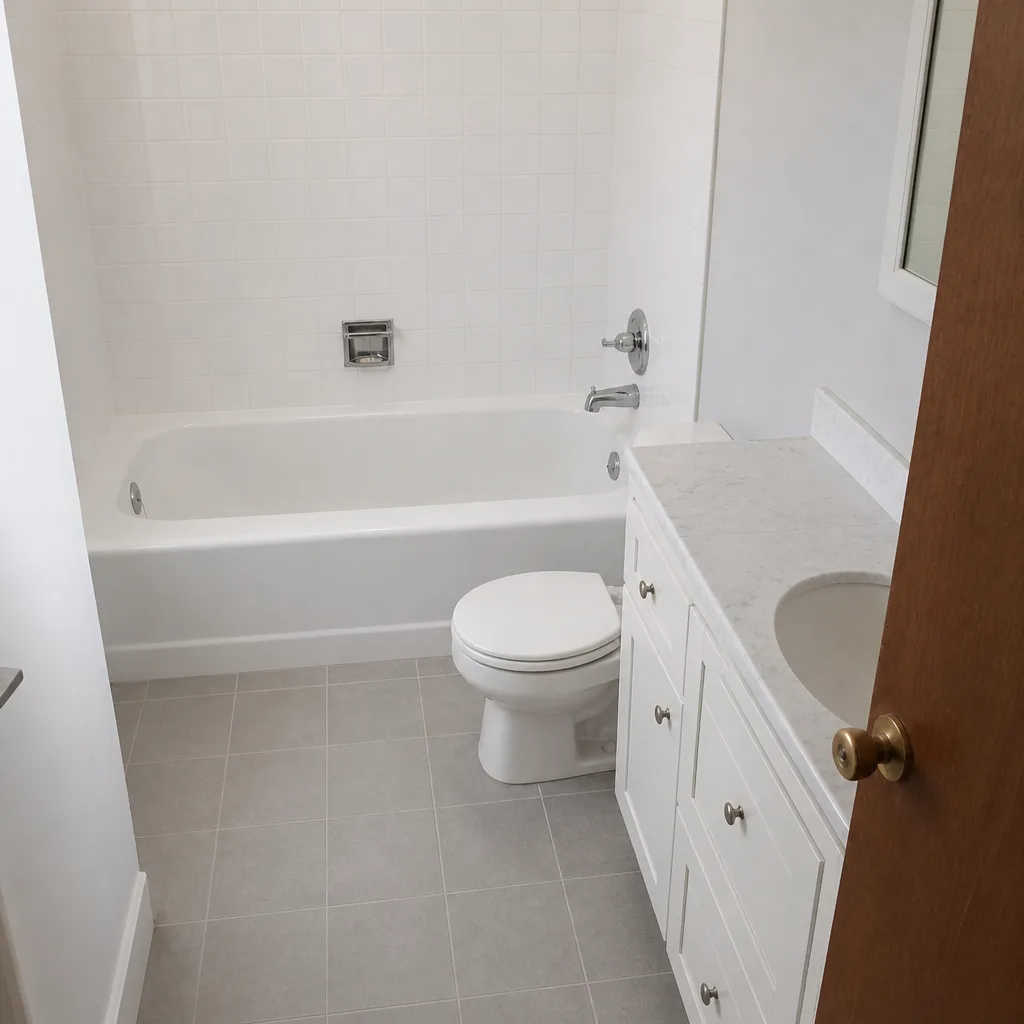 After
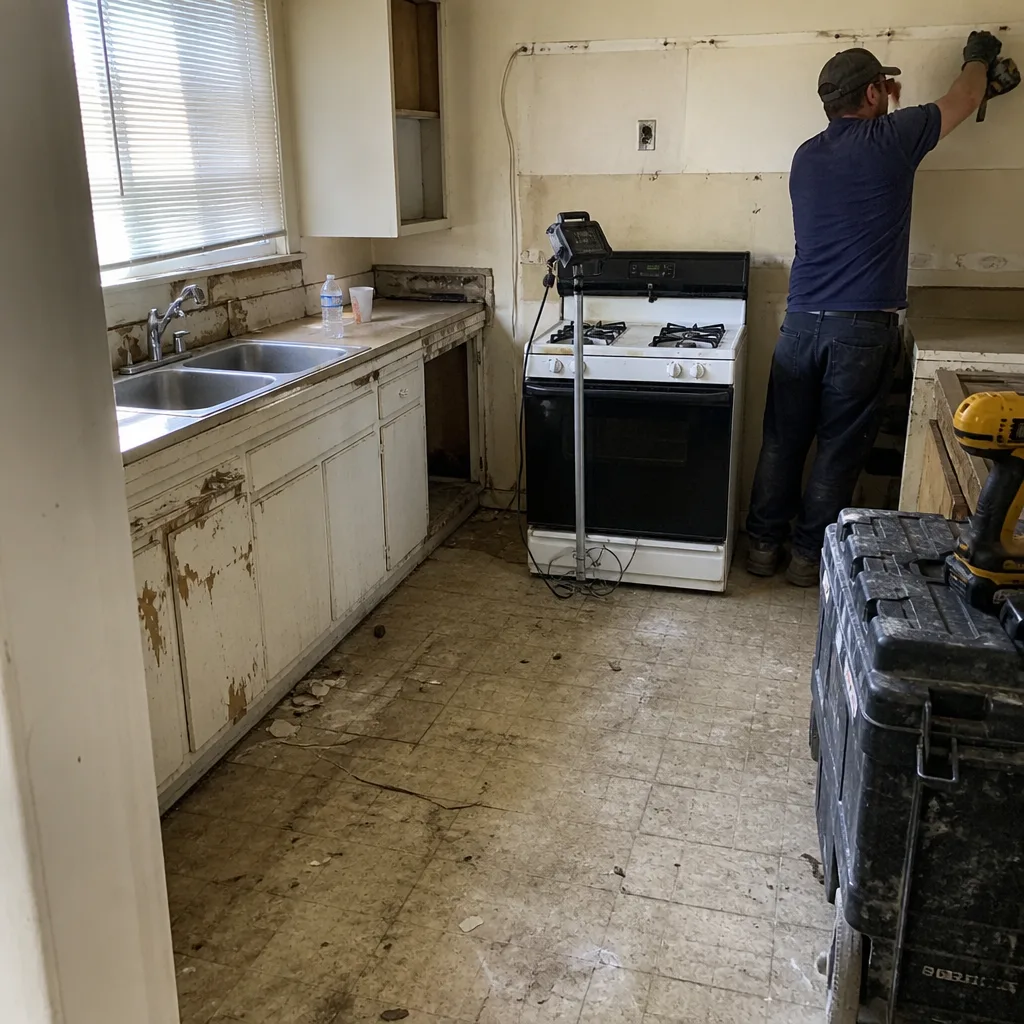 Before
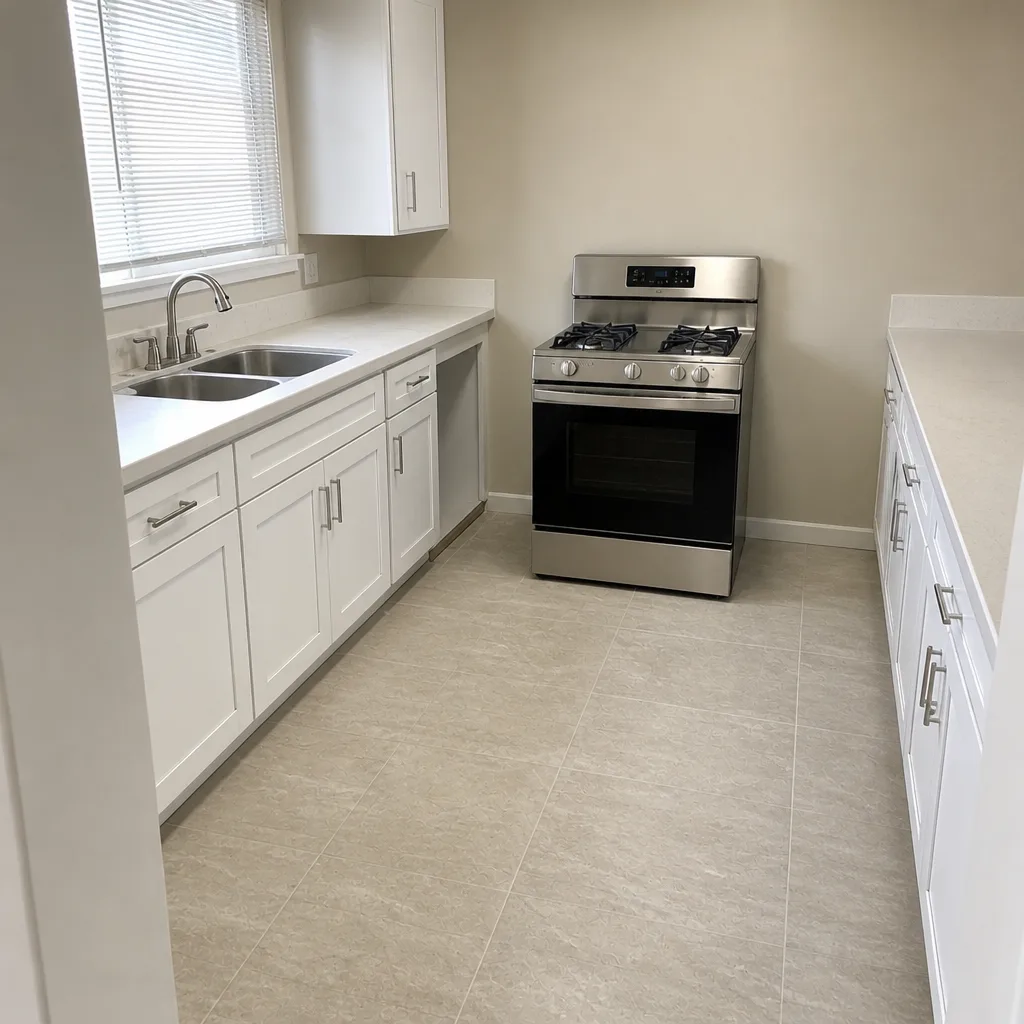 After
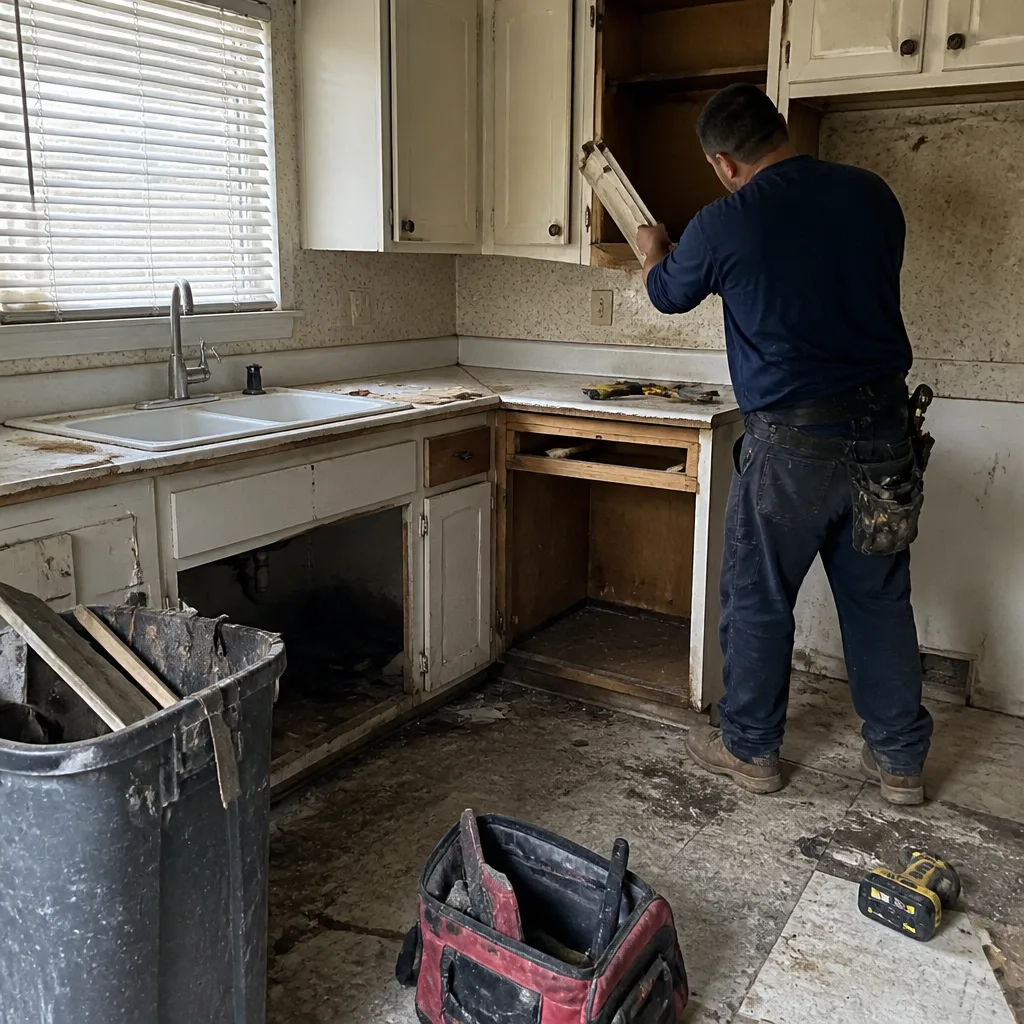 Before
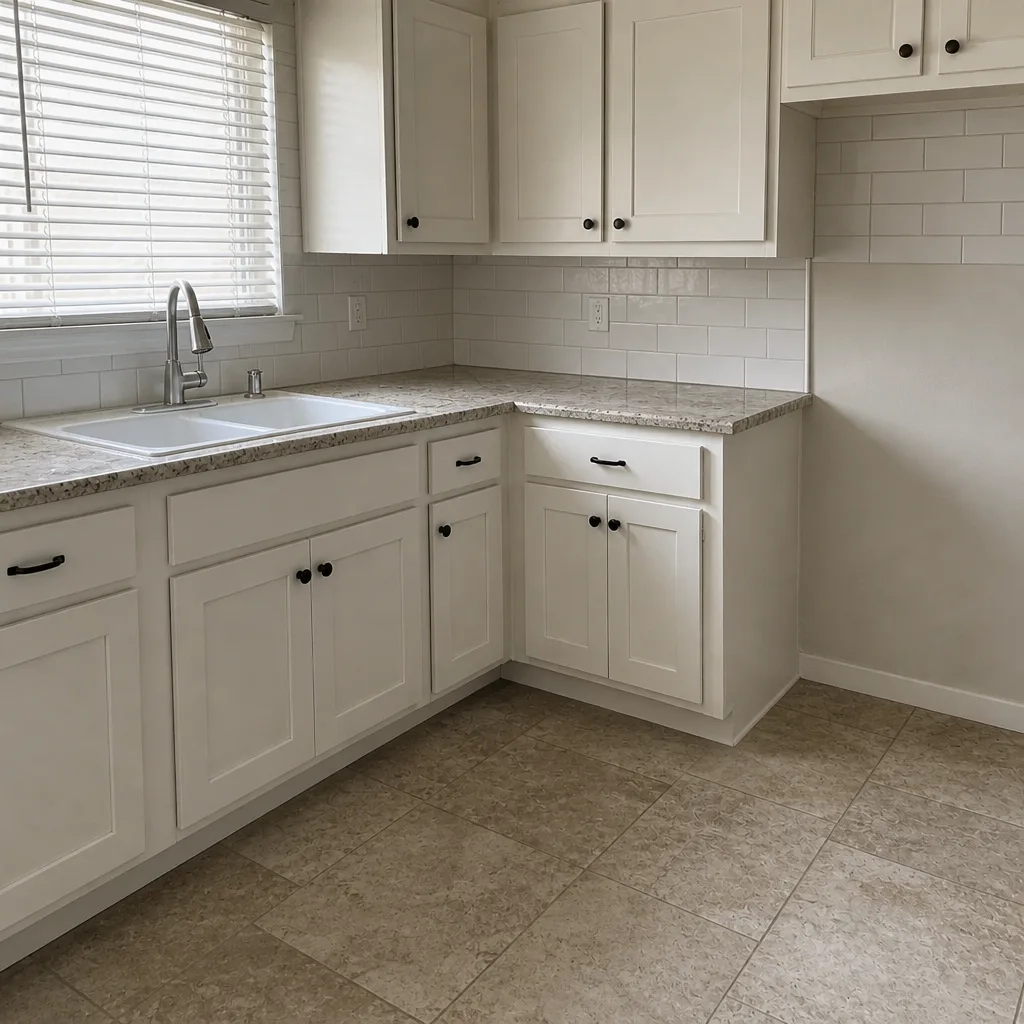 After
When to Call a Professional
Replacing windows and doors is a permit-tied, code-tied project that involves cutting into the building envelope. The stakes are structural, energy, and life-safety all at once. If you’re planning any of the following, it’s time to call: any project that involves altering a rough opening, egress windows in bedrooms, entry system replacement, or full fenestration packages on a home more than 20 years old. Older Anaheim homes often have surprises behind the trim that a contractor knows how to handle and a homeowner may not. Groundwork Construction Co. of Anaheim offers free project estimates and design consults in Anaheim. Call (888) 300-3178 to schedule. We’ll bring the manufacturer’s brand options, a measurement, and a schedule that accounts for all three phases.
Frequently Asked Questions
Whole-house window replacement in Anaheim typically takes 6 to 12 weeks from contract to inspection closeout. Installation itself is 1 to 3 days; the rest is measurement, manufacturing lead time, and permit/inspection. Custom sizes push toward the longer end. Call (888) 300-3178 for an estimate that accounts for your specific home.
Installation can be done in one day for a small number of standard windows or a single door. A whole-house install is usually 2 to 3 days. A company quoting “one day for the whole house” is talking about the installation only, not the project. Call (888) 300-3178 for a real timeline based on your order.
Custom-sized windows typically take 8 to 12+ weeks from order in the Anaheim market, compared to 3 to 5 weeks for standard stock units. Older Anaheim homes often need custom sizing because rough openings don’t match modern standard dimensions. Call (888) 300-3178 and we’ll measure first, then quote the actual lead time.
A damaged unit is documented, filed with the manufacturer within 24 hours, and reordered with priority. Reorders usually run 2 to 4 weeks because manufacturers prioritize replacement over new orders. Interim protection on the opening is the contractor’s responsibility. Call (888) 300-3178 if you’re dealing with a damaged unit and need a plan.
In Anaheim, most window and door replacements that involve altering a rough opening, changing egress windows, or replacing original units require a permit and inspection. Like-for-like replacements sometimes qualify as minor work, but the safe assumption is permit. We pull permits and schedule the inspection as part of project closeout. Call (888) 300-3178 to confirm your specific project.
Not with upfront pricing. The number on the contract is the number you pay, and any discovery of hidden damage (like rot behind a sill) is quoted and approved in writing before extra work happens. That’s our policy across all trades, and it’s covered under the 730-Day Done Right Promise. Call (888) 300-3178 to see the pricing structure before you sign anything.
The Bottom Line
Window and door timelines are three phases, not one. Installation day is fast; the measurement and manufacturing phases are what actually set the schedule. Custom sizing can double lead time, older Anaheim homes tend to need custom sizing, and the permit inspection after install is part of project time, not an afterthought. When a company tells you “one day for the whole house,” they’re describing the last third of the project. Get the full timeline in writing, get the manufacturing lead time confirmed before you sign, and make sure your contractor is pulling the permit and scheduling the inspection. The 730-Day Done Right Promise covers the work; the schedule should reflect what actually happens.
For related projects, see our guides to the Groundwork Construction Co. of Anaheim home, Driveway & Pavers in Anaheim, Fence Installation in Anaheim, and Home Additions & ADU in Anaheim.
Written by the team at Groundwork Construction Co. of Anaheim.